
As food prices continue to skyrocket, Canadians are changing the way they grocery shop.
Store loyalty

People no longer shop at one familiar supermarket for convenience. They have to spread out grocery shopping trips to various discount stores (like No Frills, Food Basics, and FreshCo), warehouse stores, and ethnic markets in order to cobble together meals for the week without paying higher prices at full-priced grocers.
Fresh produce
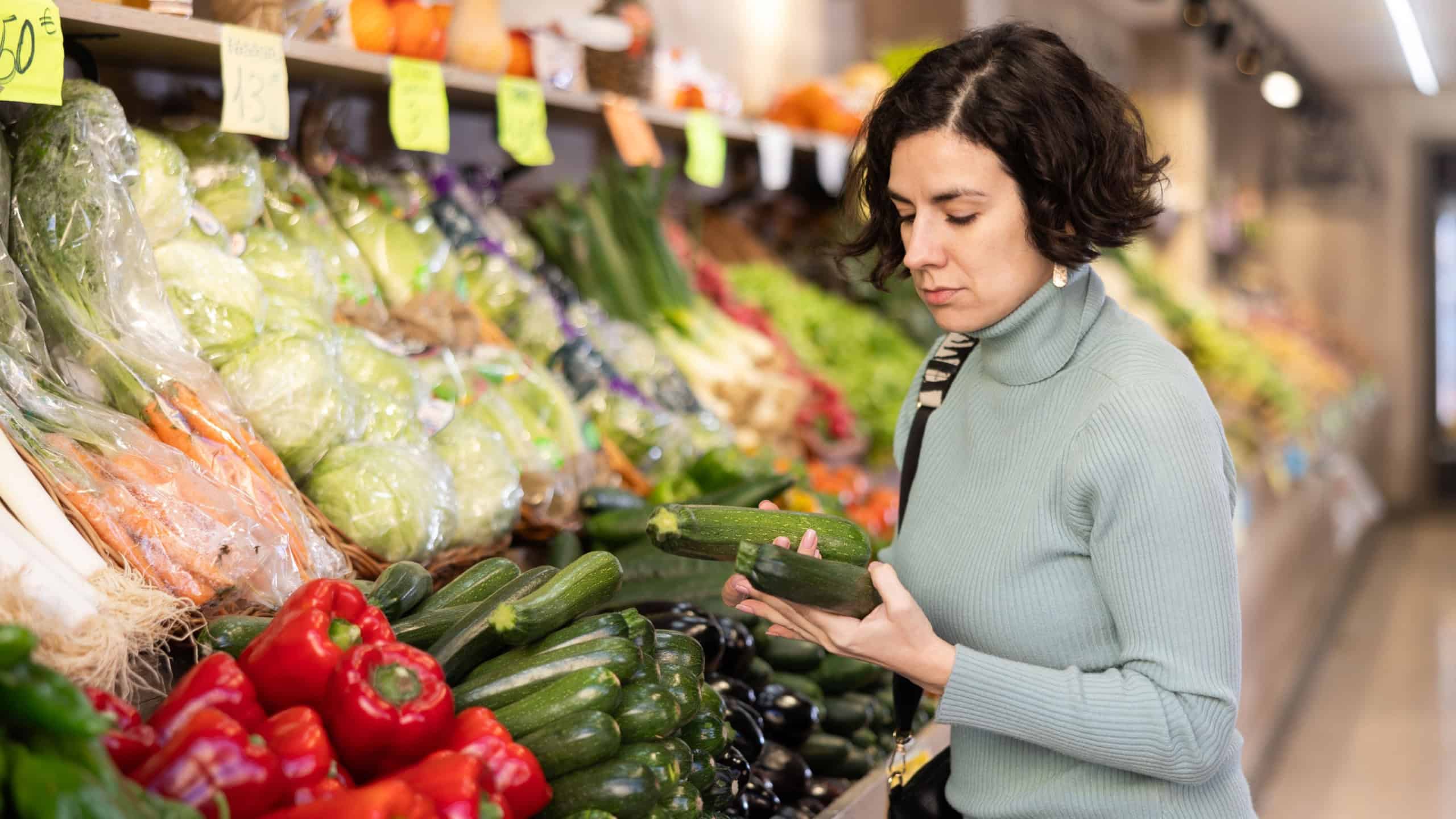
Extreme weather fluctuations and international trade wars have caused fresh vegetable prices to rise. So premium fresh produce has become a budgeting landmine.
Customers are skipping the Instagram-worthy fresh berry and pepper displays and heading straight for the frozen food aisle, where prices aren’t subject to volatility from supply chain disruptions, serving sizes don’t shrink, and chances of having to throw away unused portions before the expiry date are low.
Convenience foods

Bagged salad, pre-cut veggies, and ready-to-cook marinated meats are disappearing from shopping carts as customers are unwilling to over-pay for someone else to do the work.
They are willing to spend hours cooking from scratch again in order to save money by doing things the old-fashioned way: buying blocks of cheese to grate themselves, chopping their own carrots and buying whole chickens to portion out at home.
Name brands

Canadians aren’t as brand loyal as they used to be. Store brands are getting huge traction because people are looking for ways to save at the grocery store and brand-name items are often much more expensive.
Things that Canadians used to buy with name brands, like cereal, canned foods, milk, and other pantry staples, are being swapped for generics.
Meat-heavy meals

The traditional Canadian dinner plate is getting a redesign. Across the country, Canadians are skipping centre-of-the-plate proteins to make their dollar stretch further, replacing chicken breasts or sirloin steaks with eggs, lentils, and chickpeas.
If they still use ground beef or pork at all, using it as a flavour enhancer rather than the star of the meal.
Expiry dates

Canadians are also learning not to be quite so fastidious about throwing away food as soon as it hits its expiry date. There is a difference between an expiration date and what is known as a best-before date.
Best-before dates are generally conservative quality-control estimates rather than strict safety guidelines. Milk, yogurt, bread and many other prepackaged foods can last well beyond their best-before dates if they have been stored properly.
Full price buying
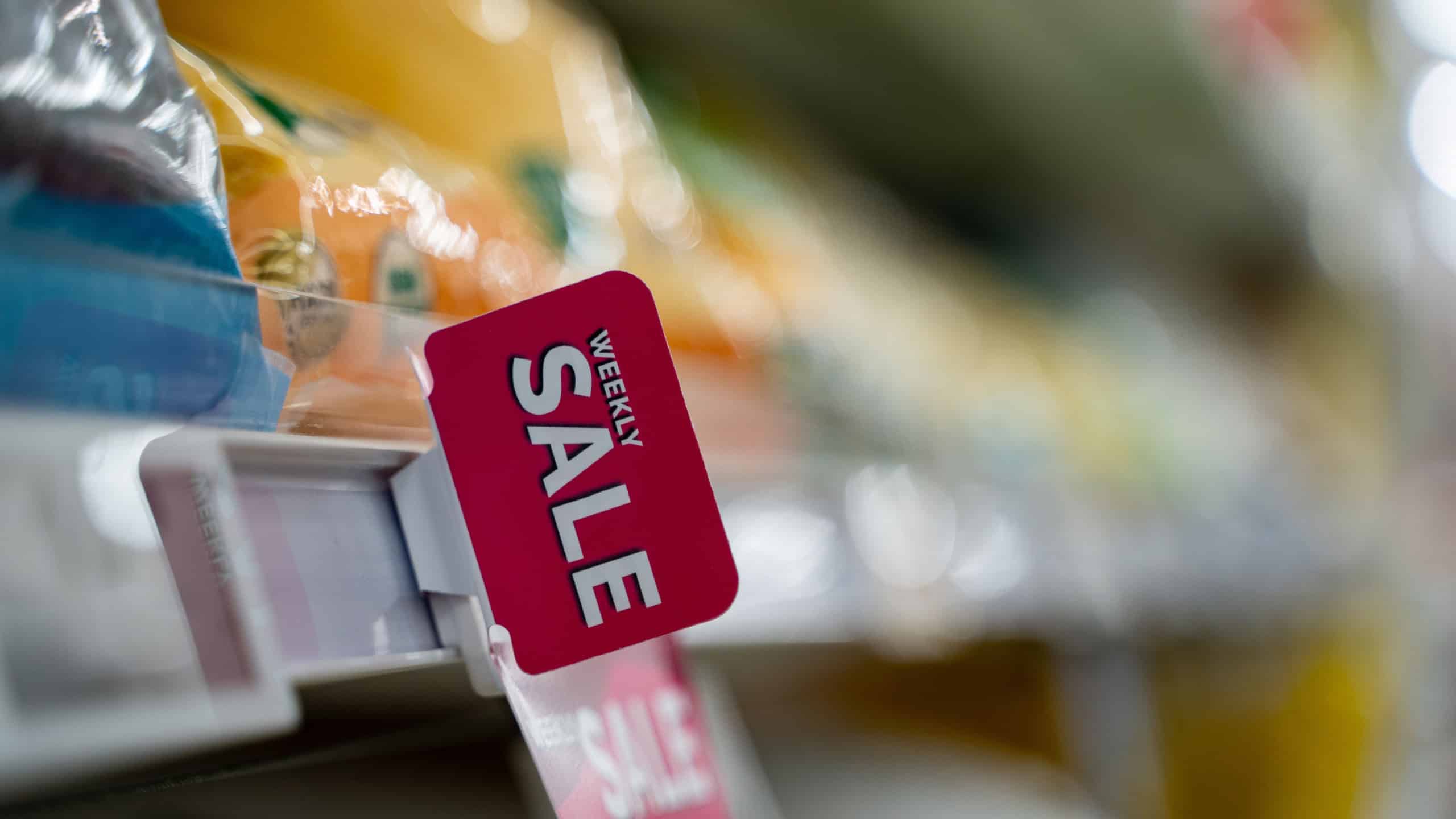
Far fewer consumers these days are buying items at full price whenever they can help it. Rather than buying something as soon as they need it, they wait for it to go on sale.
Freezers and pantry shelves across North America are full of meat, canned goods and everyday staples purchased at a discount. It takes some planning, but stocking up when things go on sale will significantly reduce grocery bills.
Frequent grocery runs

Making multiple stops at the grocery store each week can result in unnecessary spending. Each trip provides an opportunity to throw one or two impulse items into the cart that can drive up the total. Many Canadians are combating this by meal planning and only going shopping once per week or every two weeks.
Small packages

While looking at the sticker price, many consumers forget to check the unit price on items. Although buying in bulk will cost more initially, it can actually work out to be cheaper per serving.
Many families with room to store bulk items are buying rice, pasta, frozen foods and household items in large quantities.
Shopping without a budget

Canadians are planning their grocery budgets more than ever before. Shoppers are deciding how much money to spend each week before they hit the store. While at the store, they are clipping coupons and keeping a close eye on prices. Many compare unit prices and keep track of their household food spending all month long.
Ignoring rewards programs

Canadians are beginning to leverage grocery loyalty programs more and more instead of forgetting about them. Whether it’s PC Optimum, Scene+, Air Miles or their grocery store’s in-house rewards program, there are benefits to using these apps.
Points, discounts and tailored offers can really add up. Many consumers are browsing their app prior to shopping and even timing their purchases around items that are offering bonus points
Like our content? Be sure to follow us.