
Living in rural Canada gives people instincts and unspoken social etiquette that city people who have lived their whole life in large centers will notice a mile away.
Nodding

Sauntering down a crowded sidewalk, newcomers from small towns will instinctively make eye contact with and give a courteous but slight head bob to complete strangers they walk past.
While not acknowledging another person walking past you on the street in rural Canada is actively rude or hostile, doing this in a big city like Toronto or Vancouver will make you stand out instantly. Urban Canadians know this right away because they are used to having an unspoken bubble of privacy around them.
Pacing
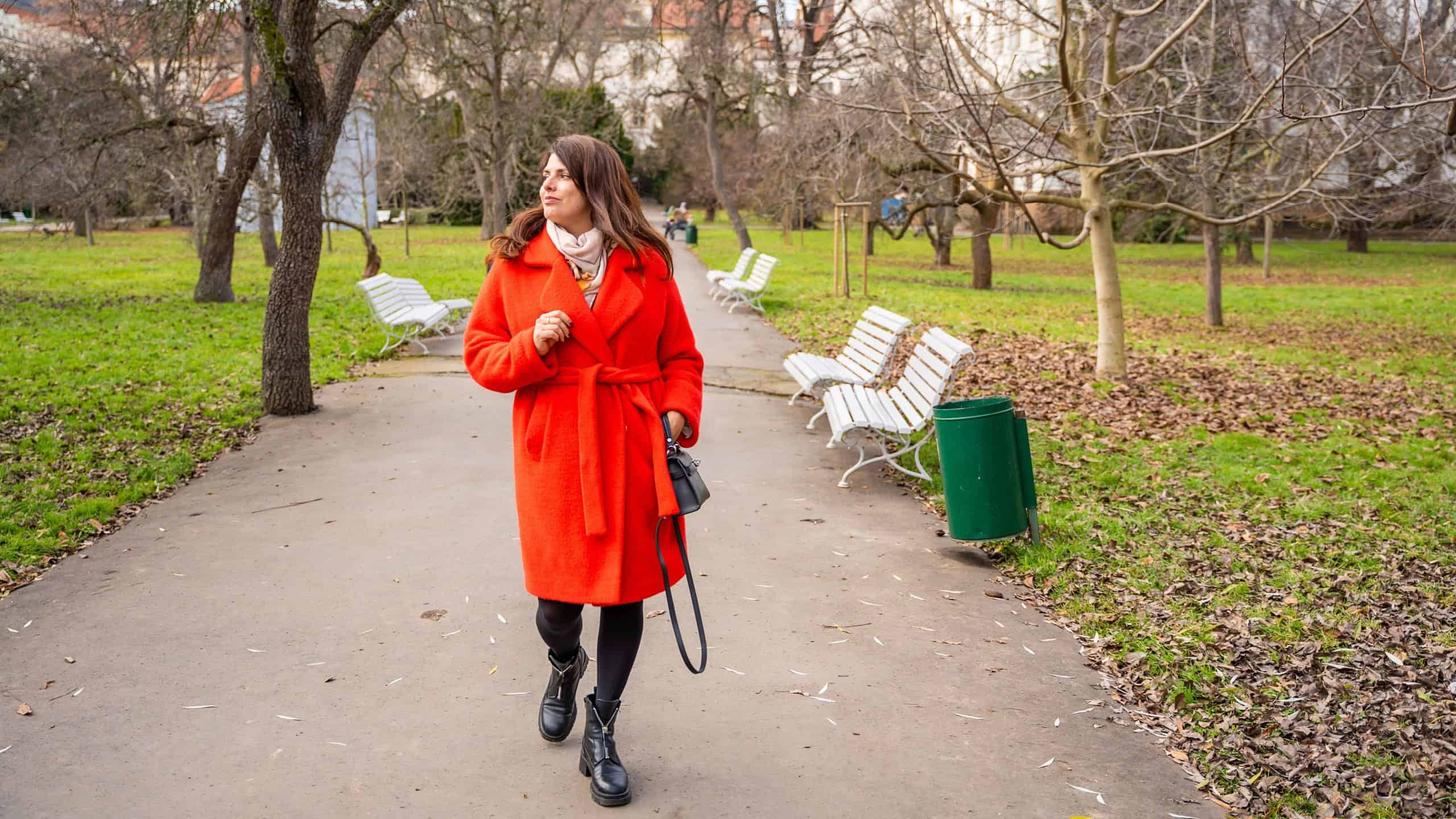
Small-town Canadians have a particular casual pace when moving about efficiently through crowded areas: airports, grocery store aisles, public transit centers, and sidewalks downtown.
They lack that hurried, intense stride that urbanites assume when darting around strangers to catch a subway train. To an urbanite who sees walking as a full-throttle race to their destination, that unhurried gait will immediately give them away as someone from a small town.
Keys

Never locking the front door of your house if you’re just going out during the day or leaving your keys in the ignition of your truck while popping into your local corner store is completely normal, unquestioned behaviour in rural Canada. Urban Canadians find this behaviour with keys and personal property absolutely horrifying.
Commutes

For a person who was raised in the boonies of Canada, driving for an hour on a highway to get to a clothing retailer, franchise restaurant, or a monthly dental check-up is a short, entirely reasonable drive.
Urban Canadians are known for treating thirty minutes on transit or driving from one end of the city to another borough like it’s the long equivalent of climbing Mount Everest. Someone will inevitably reveal they’re from a small town with this grand delusion of what a long drive is.
Ditches
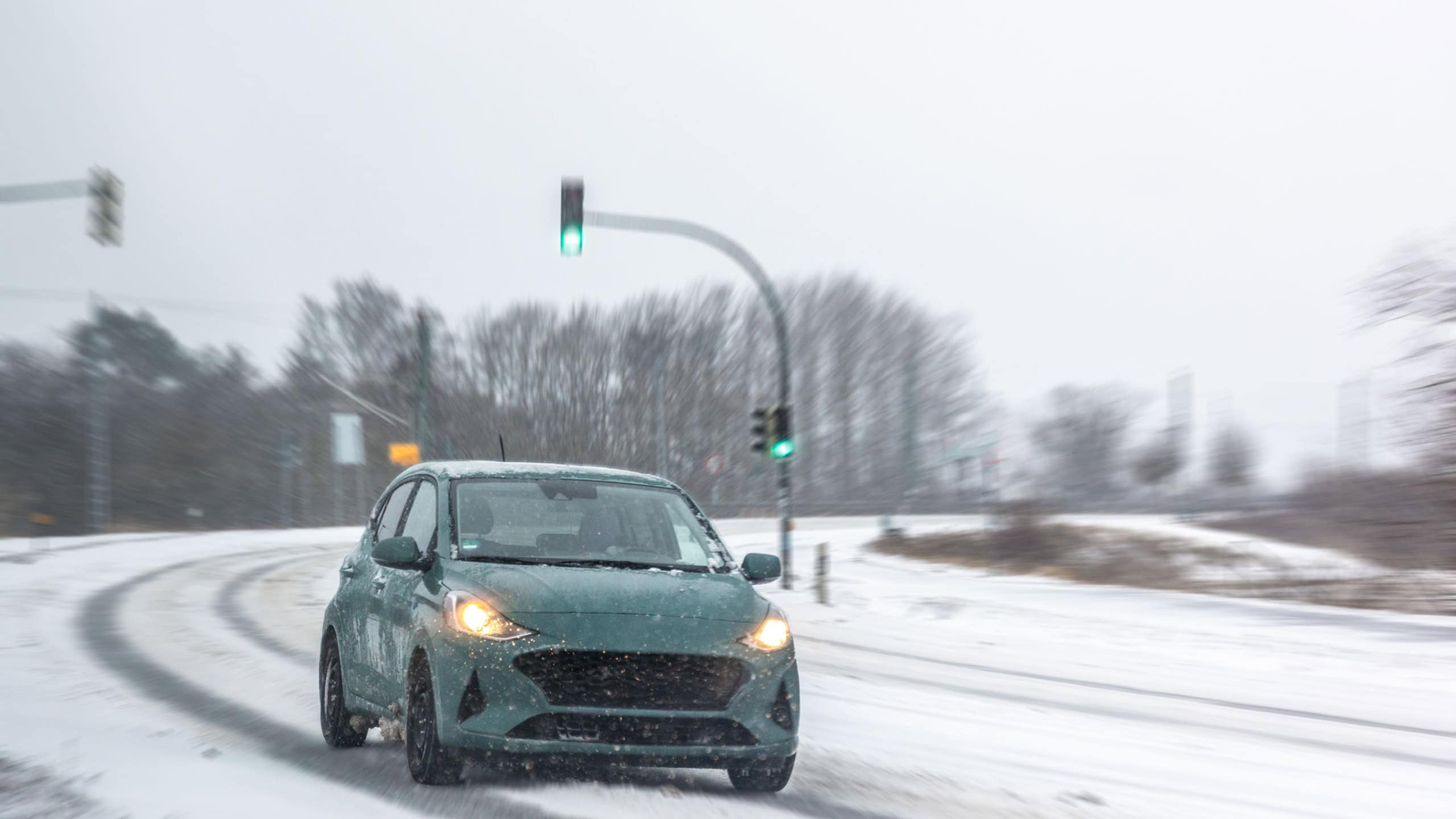
When a winter storm arrives and roads get slick, Canadians from small towns don’t flinch. They slide calmly, something born from years of practice that big city drivers don’t have. They grew up spending their teenage years learning how to skid steer their way into a ditch and knowing just who to call to drag their rig right out again.
City Canadians who live in eternal traffic jams with immediate tow-truck services can identify someone from rural villages when they approach a blinding snow squall/muddy back road with complete apathy.
Wildlife
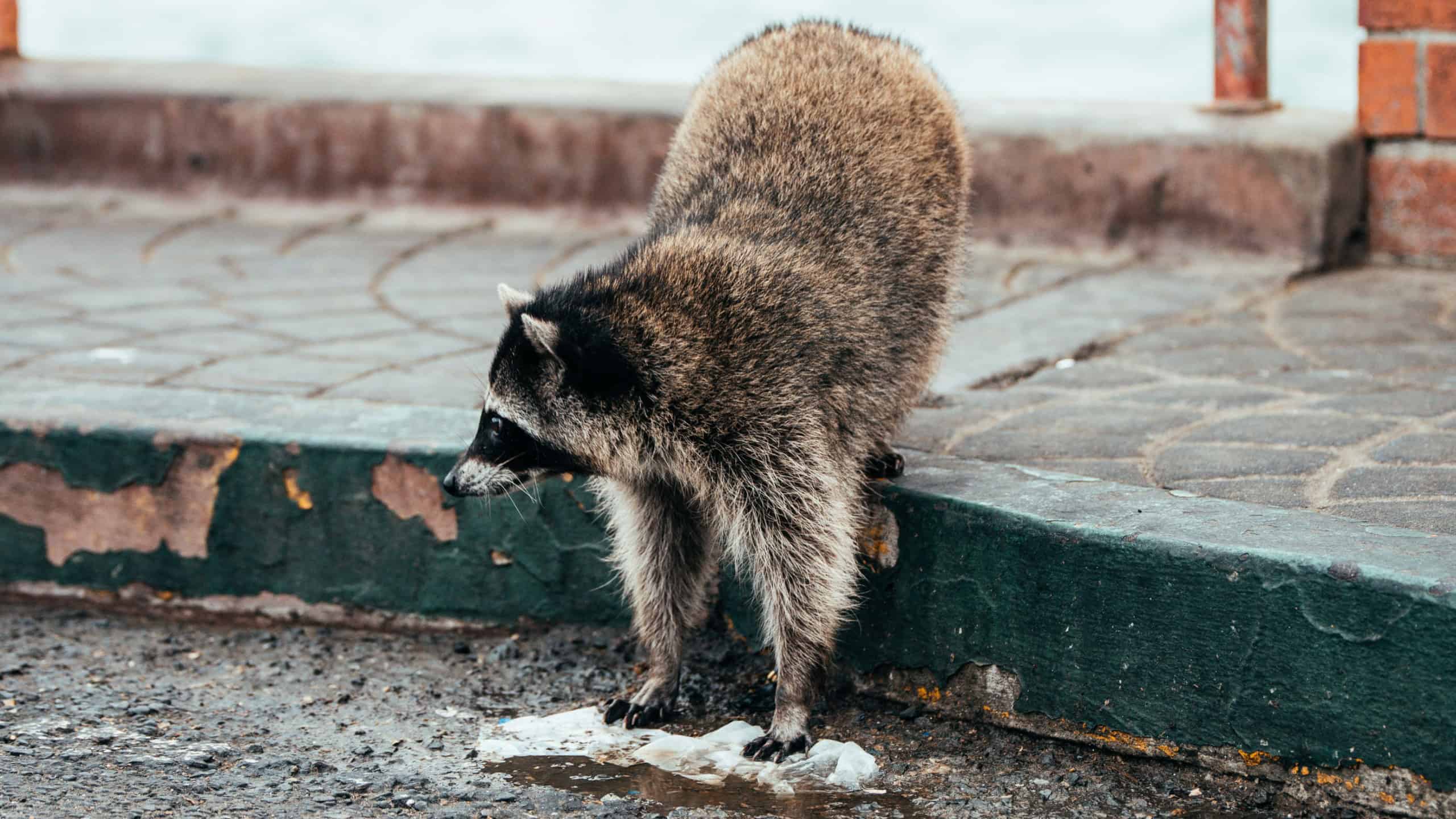
Where a city slicker might hyperventilate, swear profusely or whip out his camera phone to snap pics of a raccoon rooting through a trash can, wild deer on city streets or an obese Canada goose blocking access down a park trail, those from a small town couldn’t care less about urban wildlife.
Because they lived among real bears, coyotes, or moose in their front yards growing up, urban wildlife doesn’t faze them.
Directions

Ask a small-town boy directions and you will seldom, if ever, receive named streets, numbered highways, or grid coordinates.
They reference everything from local history and geographical landmarks, often leaving you with strange phrases such as “turn left where that old Tim Hortons was before it burnt down” or “you’ll see it right past the big red barn.” These references leave those from the city solely dependent on their GPS systems.
Footwear
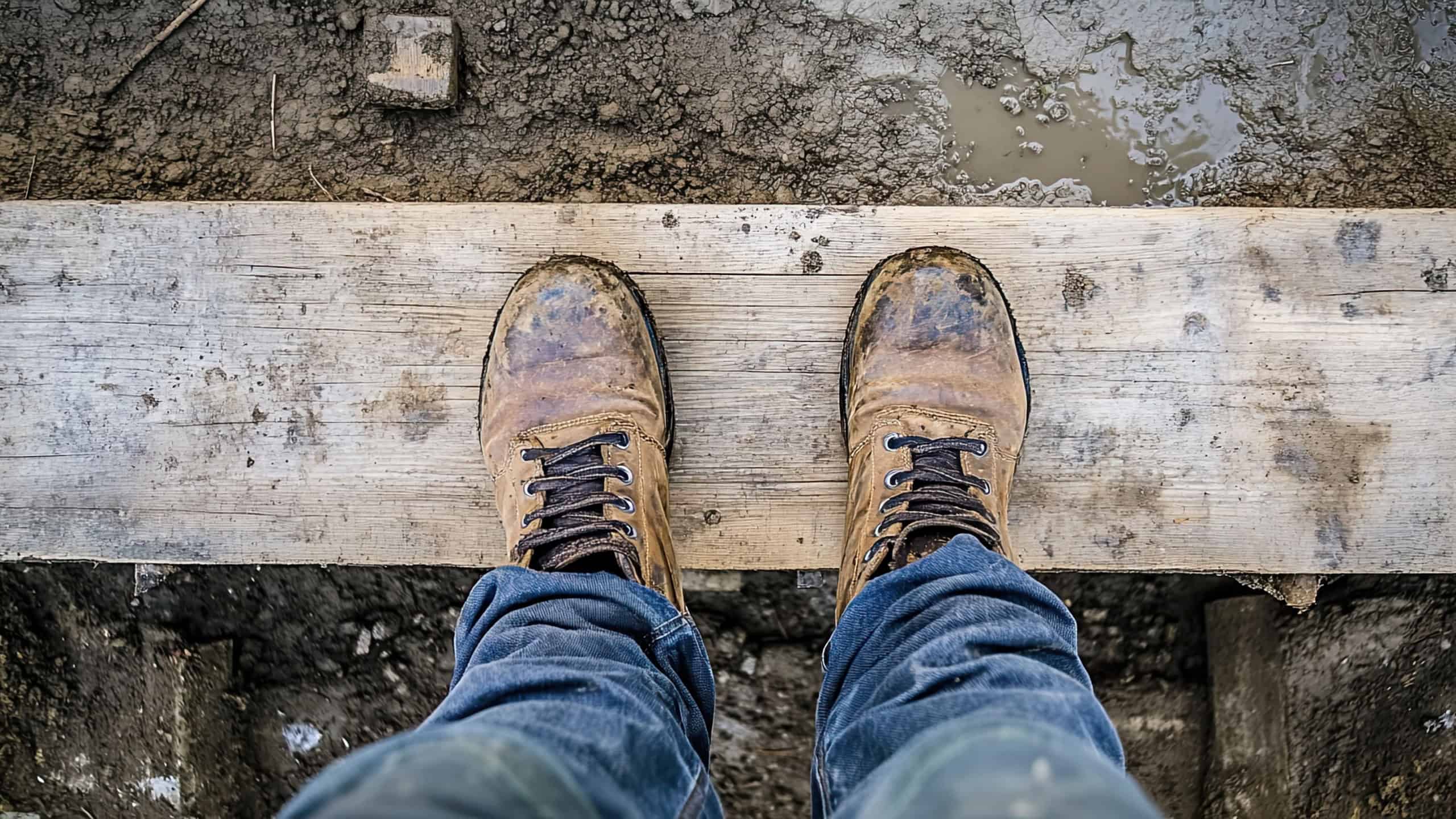
When discussing footwear, those with rural roots often don’t suffer from preciousness or vanity. A small-town Canadian will walk into an upscale urban shop wearing filthy Blundstones or beaten-up Sorels or old slip-on work boots and couldn’t care less.
Practicality, sturdiness and weather-proofing trump being stylish and city shiny, which is why rural footwear is so starkly noticeable in the city where shoes never see gravel.
Gathering

In smaller communities, everyday life revolves around informal and utilitarian gathering places: the local arena lobby, a gravel parking lot, truck tailgates, or maybe just a simple fire pit in someone’s backyard.
When they move to the city, they bring those habits with them. Give them a tiny kitchen in their apartment, a balcony the size of a closet, or a plain old park bench, and they will transform it into a party palace for hours on end.
Weather

City Canadians will look at their digital weather app to see if they should grab an umbrella for their commute.
Small-town people intuitively read Mother Nature’s version instantly with amazing precision. They have an innate sixth sense from years of living and learning about nature’s ever-changing barometric pressure systems and snow squalls.