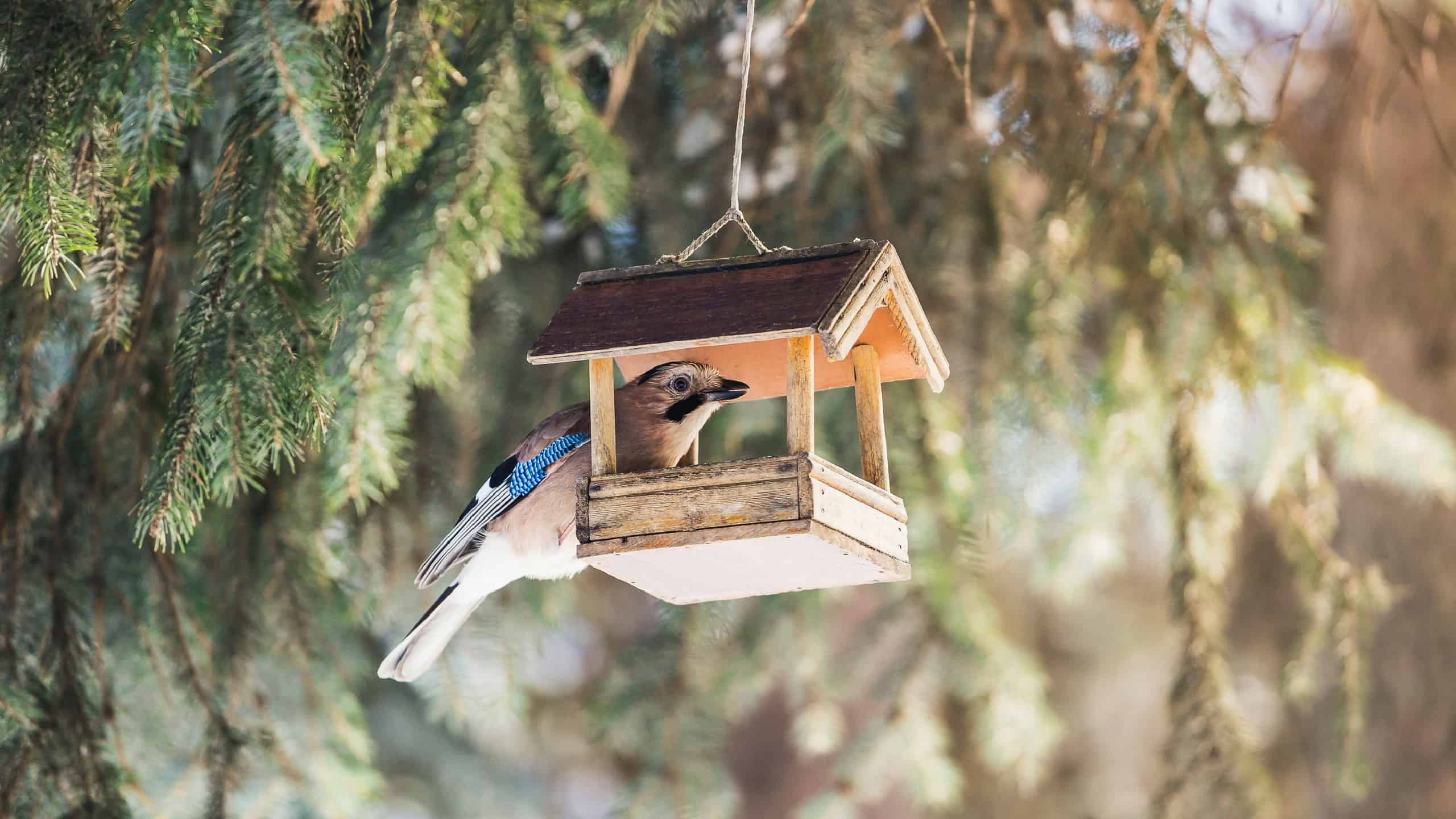
Canada is home to hundreds of bird species, but some birds are so common that we see them almost every day without even thinking about it.
American Robin
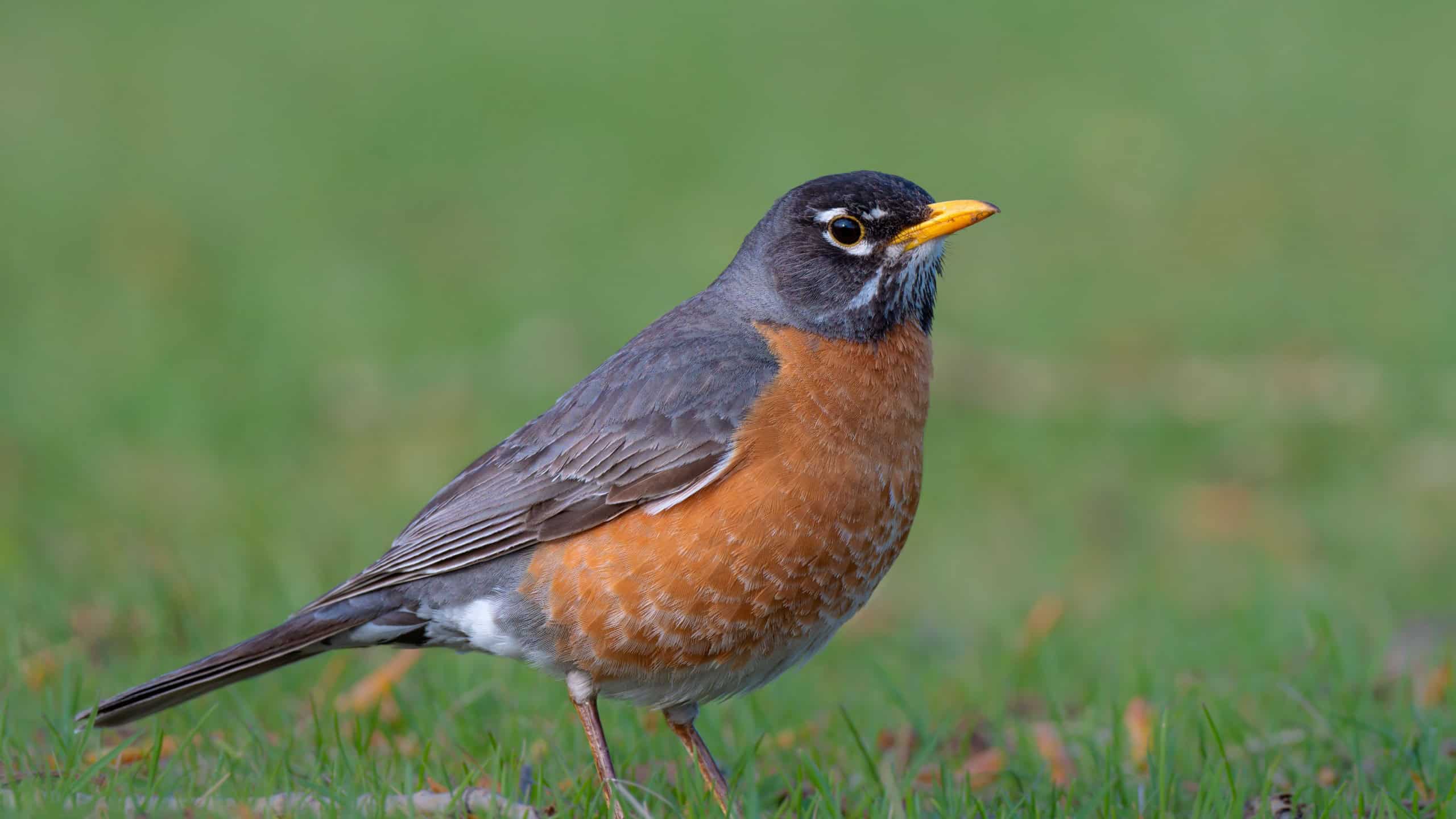
If there’s one bird that everybody associates with spring throughout Canada, it’s the American robin. Seen everywhere on suburban lawns, they will sometimes eat fruit from feeders but are much more likely to scamper around on the grass, cocking their heads to listen for earthworms.
Dark charcoal-grey on their back with a deep brick-red breast, their cheerful tunes roll through your neighbourhood from April until summer.
Black-Capped Chickadee
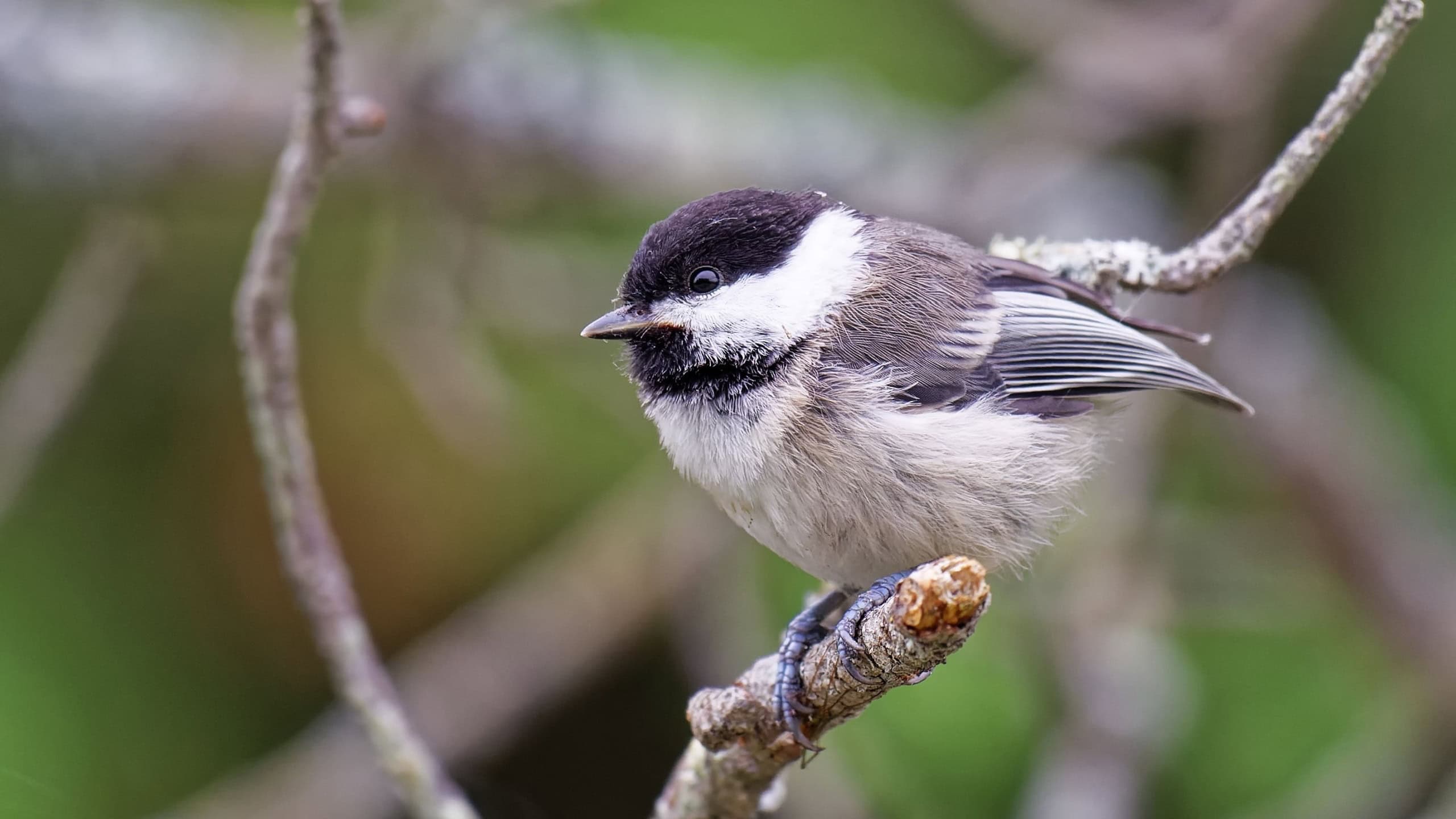
The small, fearless chickadee, having a big personality, is found in winter across the country. Common in backyards, they are known for their curiosity and are typically the first to approach a new feeder, going so far as to learn how to take food from an open hand.
They are identifiable by their black bib and cap and snowy white cheeks. They are equally well-known for their songs, from their crisp two-note whistle to the familiar dee-song that inspired their name (chickadee- dee- dee)
Blue Jay
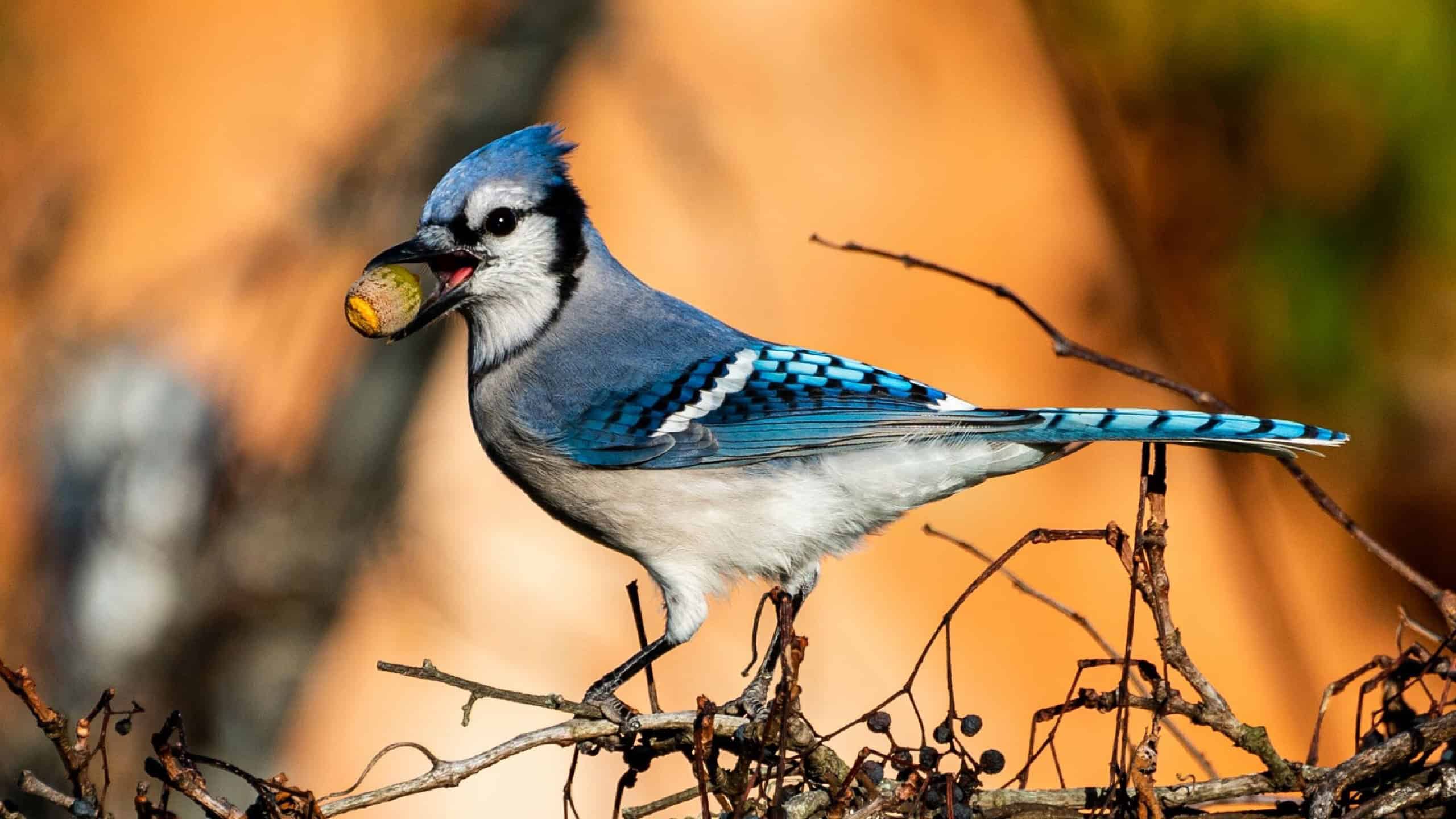
From central and eastern Canada (and the mascot of the Toronto baseball team) come these big, beautiful corvids, stuffed full of bluster and flashes of color. Sociable and smart, they’ll even mimic hawk calls to drive other birds off feeders so that they can feast on the choicest seeds.
With charming crests of bright blue feathers, detailed black-and-white wings and hands, and an affinity for whole peanuts in the shell, you can’t miss these funny birds.
American Goldfinch
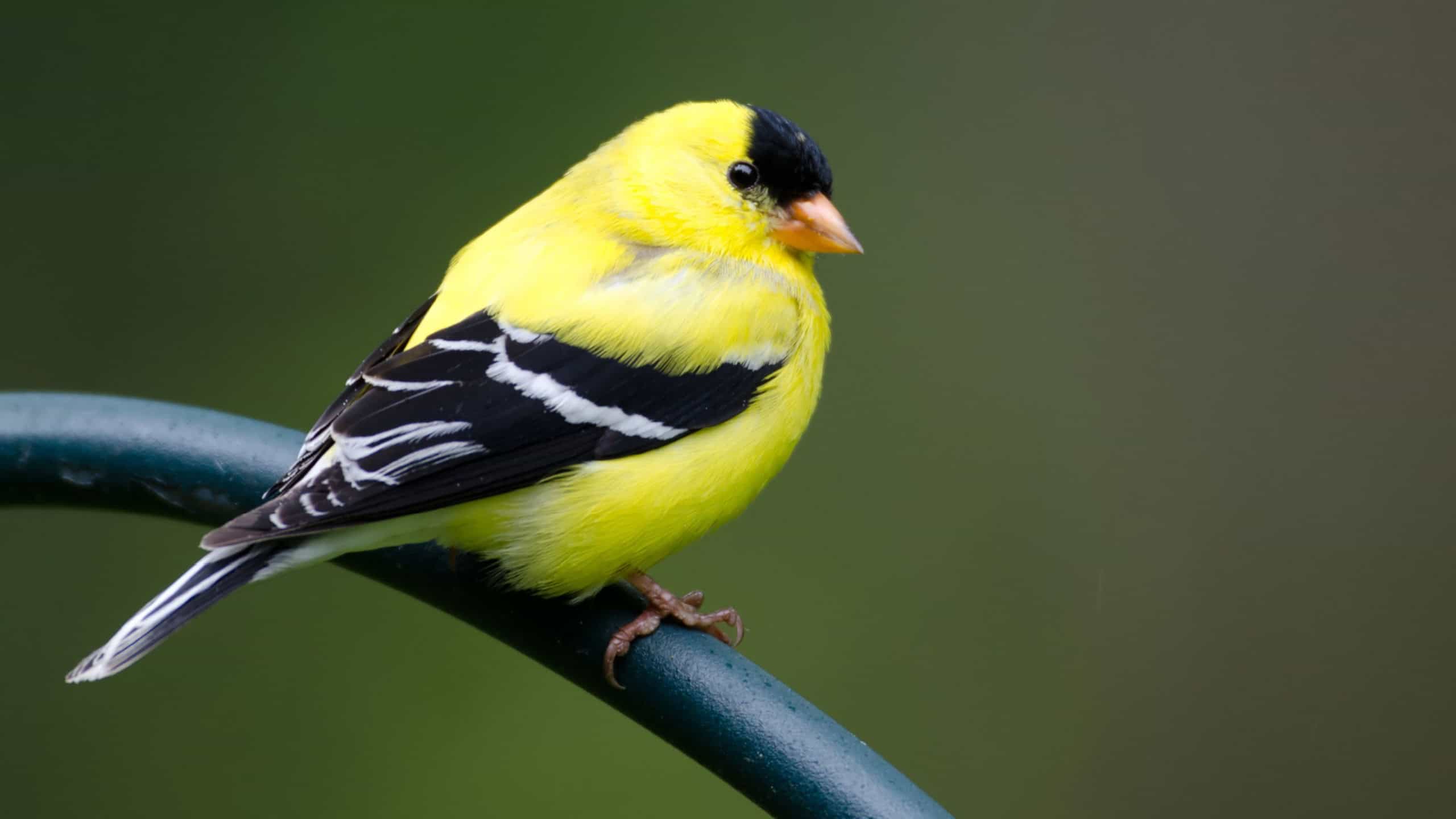
Nicknamed “wild canaries,” these small, whimsical finches have a stunning seasonal plumage shift. During the summer months, males are electric, fluorescent yellow with black wings and head. They flit through yards in bouncing flight and could easily be mistaken for something tropical among all that green.
They flock to backyards to snack on thistle, nyjer, and sunflower seeds and have a loud, chattering per-chick- o-ree call.
Dark-Eyed Junco
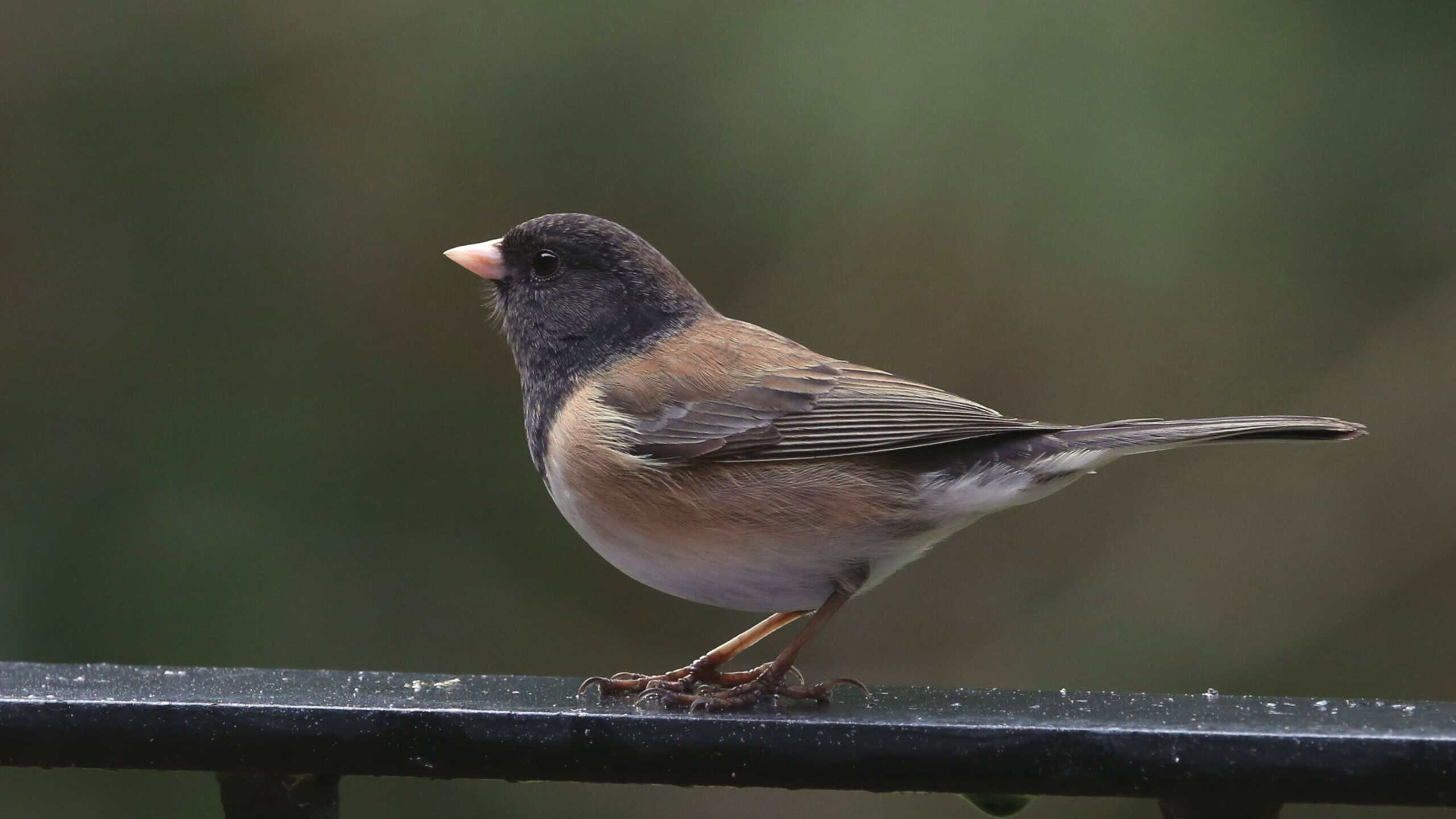
These little brown birds, endearingly nicknamed “snowbirds,” are one of the easiest birds to spot throughout Canada and are often the first indicator that colder temperatures will soon arrive. As ground feeders, you will most commonly find them trotting along on the ground below your hanging feeders, eating spilled millet and seed hulls left behind by other birds.
They have a very clean-cut, simple appearance. Adults have a dark slate-grey upper body colouring that sharply ends at the breast, revealing a bright white belly. Their outer tail feathers are white and visible when they fly.
Mourning Dove
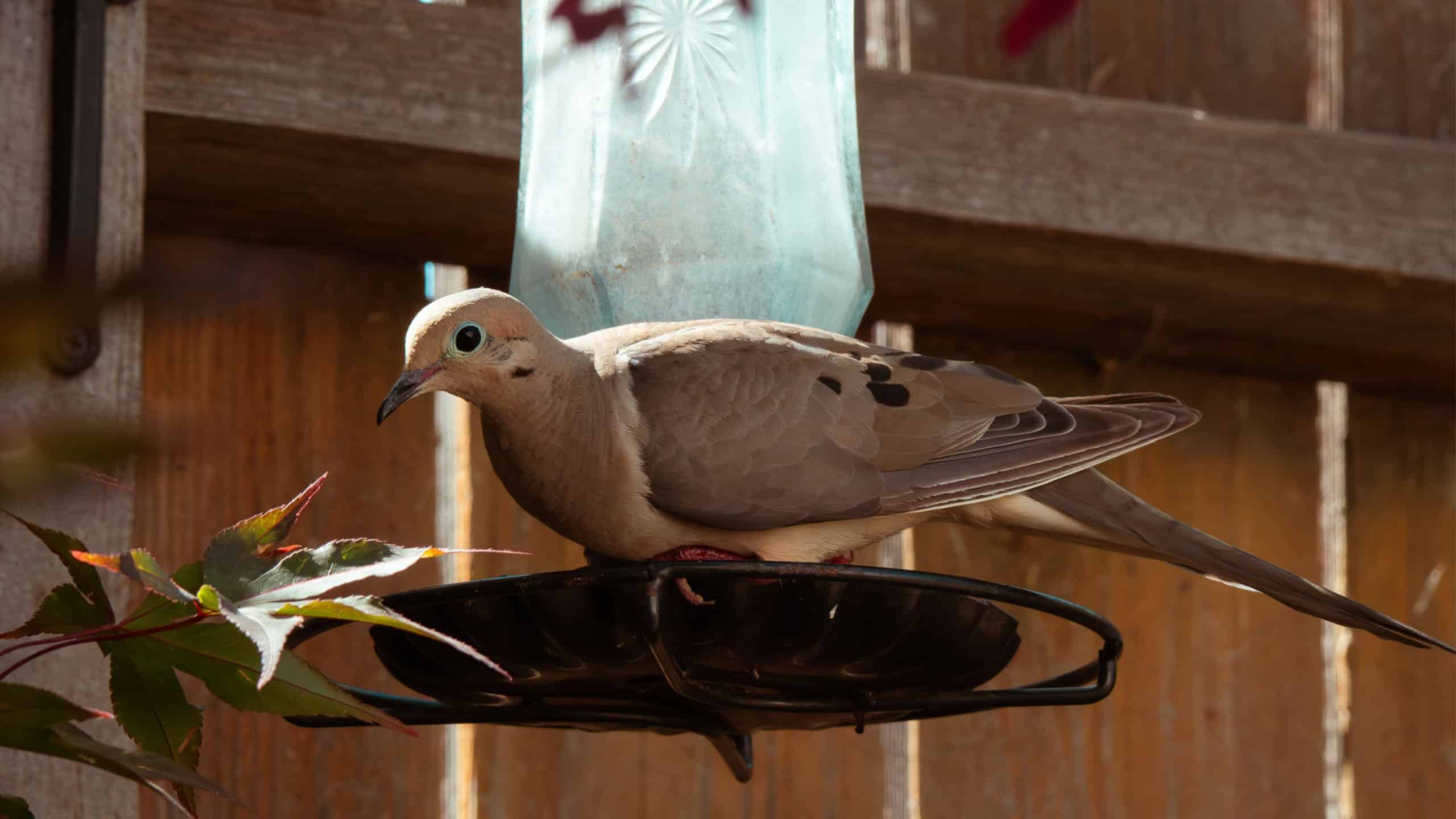
Promoting peace and tranquility in the backyard, this plump, medium-sized bird is common throughout southern Canada. They are often seen methodically walking on lawns or lounging on platform feeders. You can identify it by its soft sandy-brown plumage, black wing spots, and long, gracefully tapered tail.
However, you will most likely hear them before you see them. Their mourning dove song is a drawn-out, sing song coo- cooo- coo-coo that is sweet and often confused with the call of an owl by many beginning birders.
House Finch
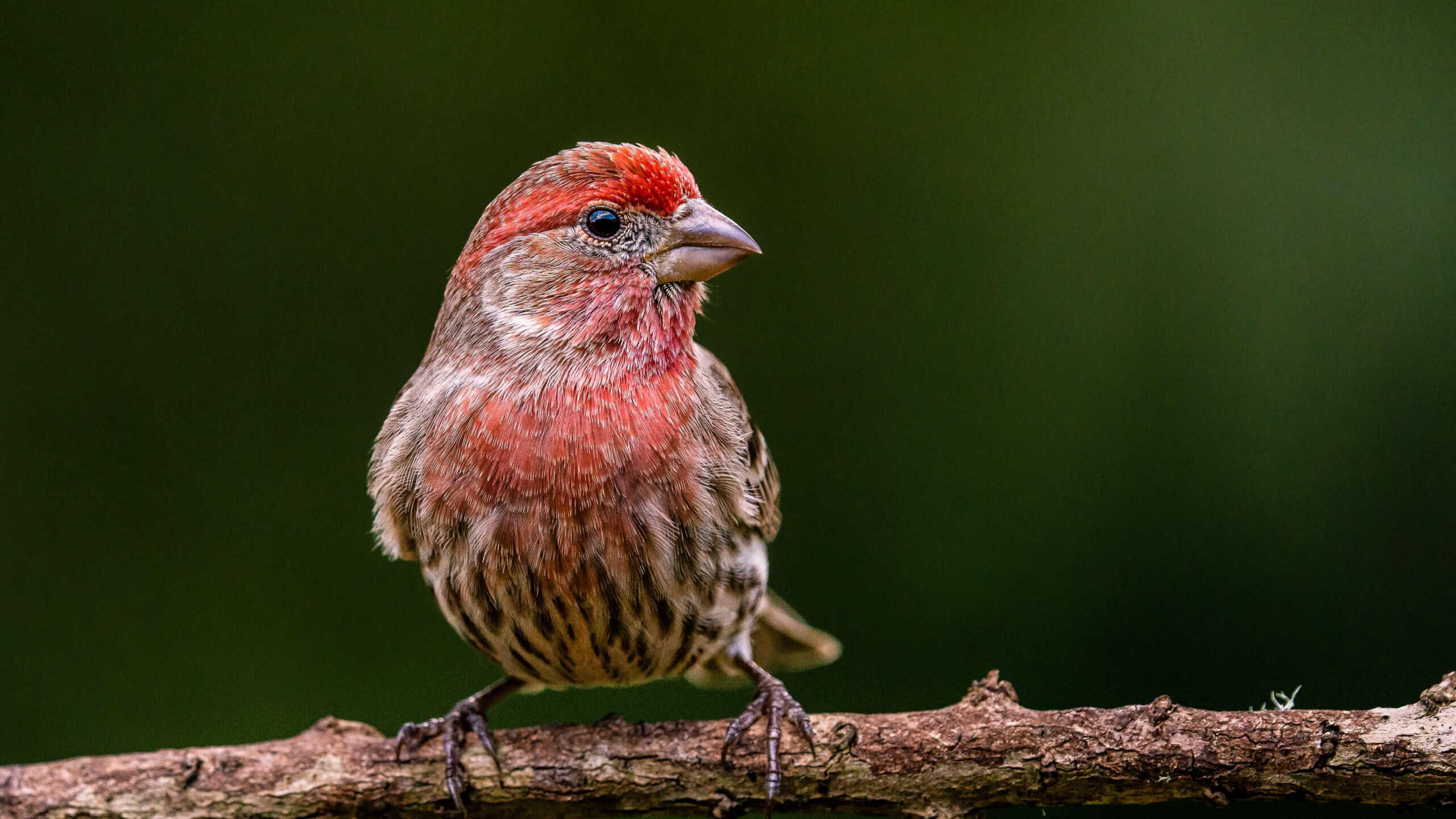
Once only native to western regions of the continent, but now completely naturalized throughout urban and suburban neighborhoods across Canada, cheerful house finches are a staple at seed tube feeders.
Adult males are stunning with a bright, rosy-red wash on their face, crown, and upper breast that deepens or fades depending on what they eat. Females are dully colored in streaky, grayish-brown plumage.
Northern Cardinal
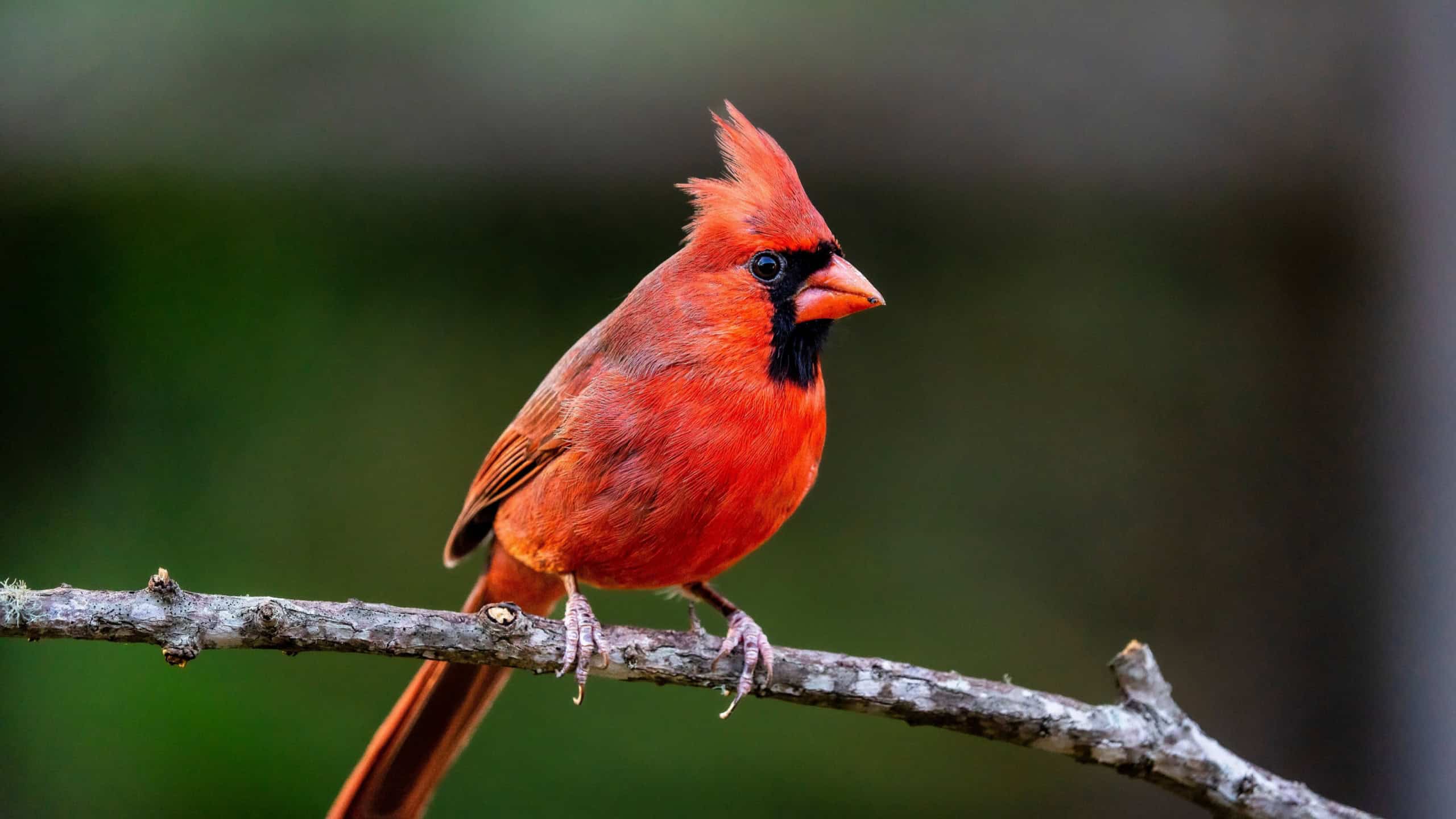
Found across southern Ontario and Quebec, and even making appearances in the Maritimes, the male Northern Cardinal can truly be one of the most beautiful sights in a Canadian winter yard.
The male is a vibrant, deep ruby red all over with a black mask on its face and a large, sometimes prominent crest that pops up when the bird is feeling vigilant. Females, on the other hand, are a softer brownish orange. You can often find them guarding their territory at your feeder in pairs, mainly during the morning and evening.
Red-Winged Blackbird
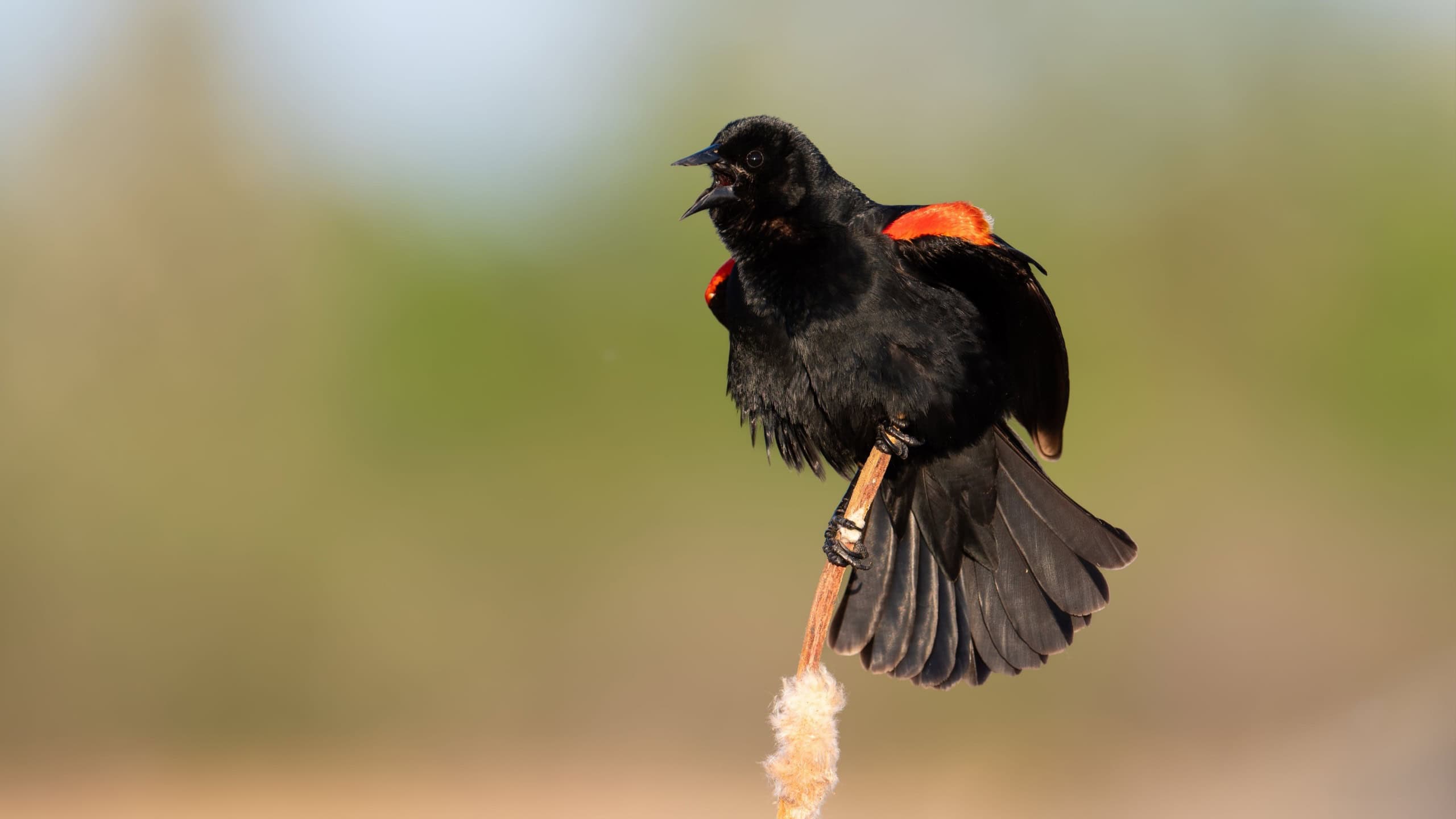
One of the first migratory birds to return to Canada from winter, they announce their arrival loudly. Although they prefer marshes and roadside ditches, they often wander into backyards searching for dropped grain and seeds on the ground.
Males have glossy black plumage and are impossible to miss while puffing up, bowing forward, and singing their raspy, melodious conk-la-ree! song as they flash their fiery epaulet-shaped red and yellow shoulder patches.
Common Grackle
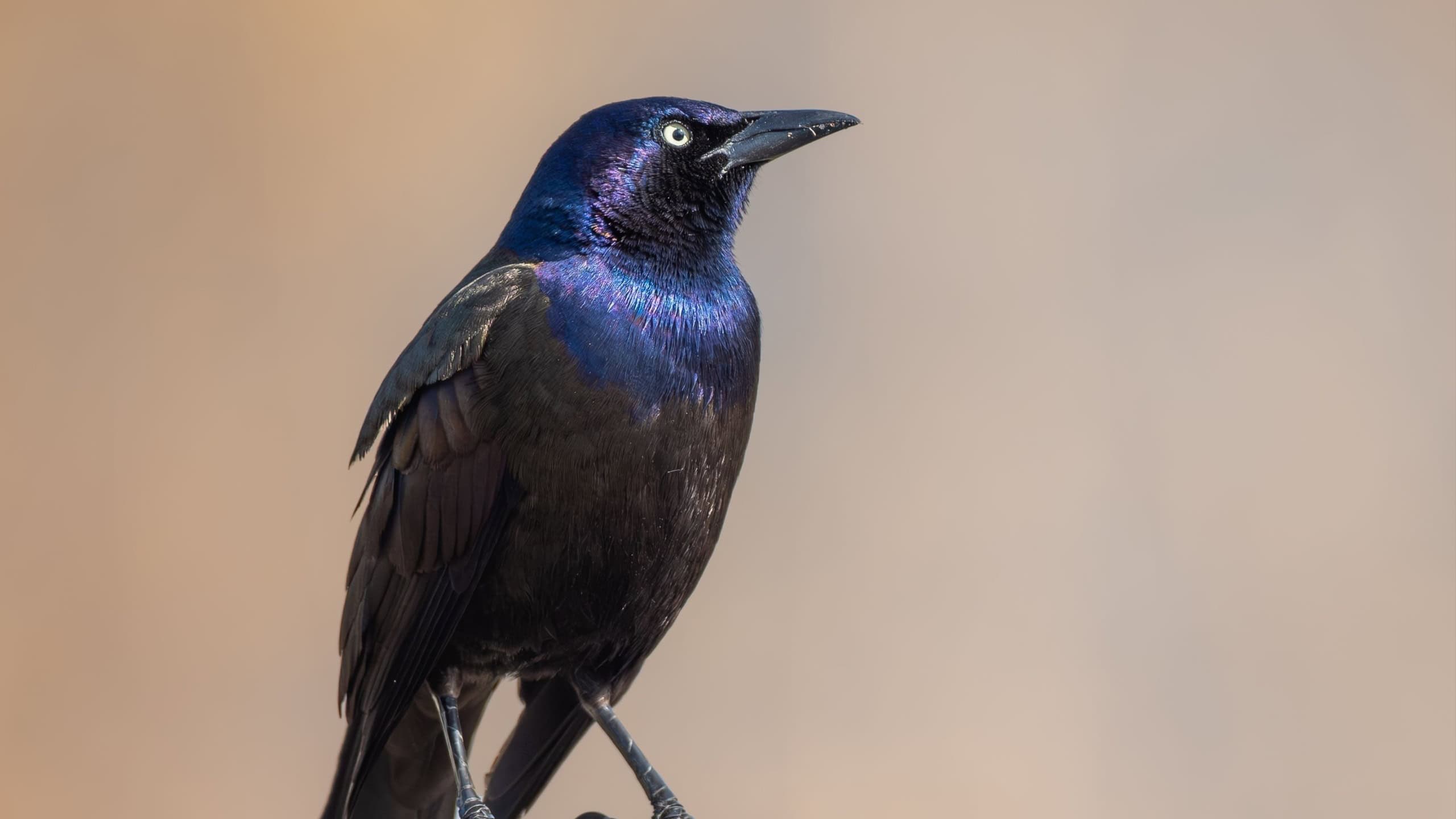
Looking like elongated blackbirds, these big, curious birds visit most yards across Canada during the spring, summer and fall months. They move around in loud groups that can swarm your yard, devouring everything on the ground, waddling around on long legs, or terrorizing other birds at feeders.
If you catch one in the sunlight, you will notice that they are not all black like they appear to be. They have a beautiful iridescent shine to their smooth purple and bronze feathers.
House Sparrows
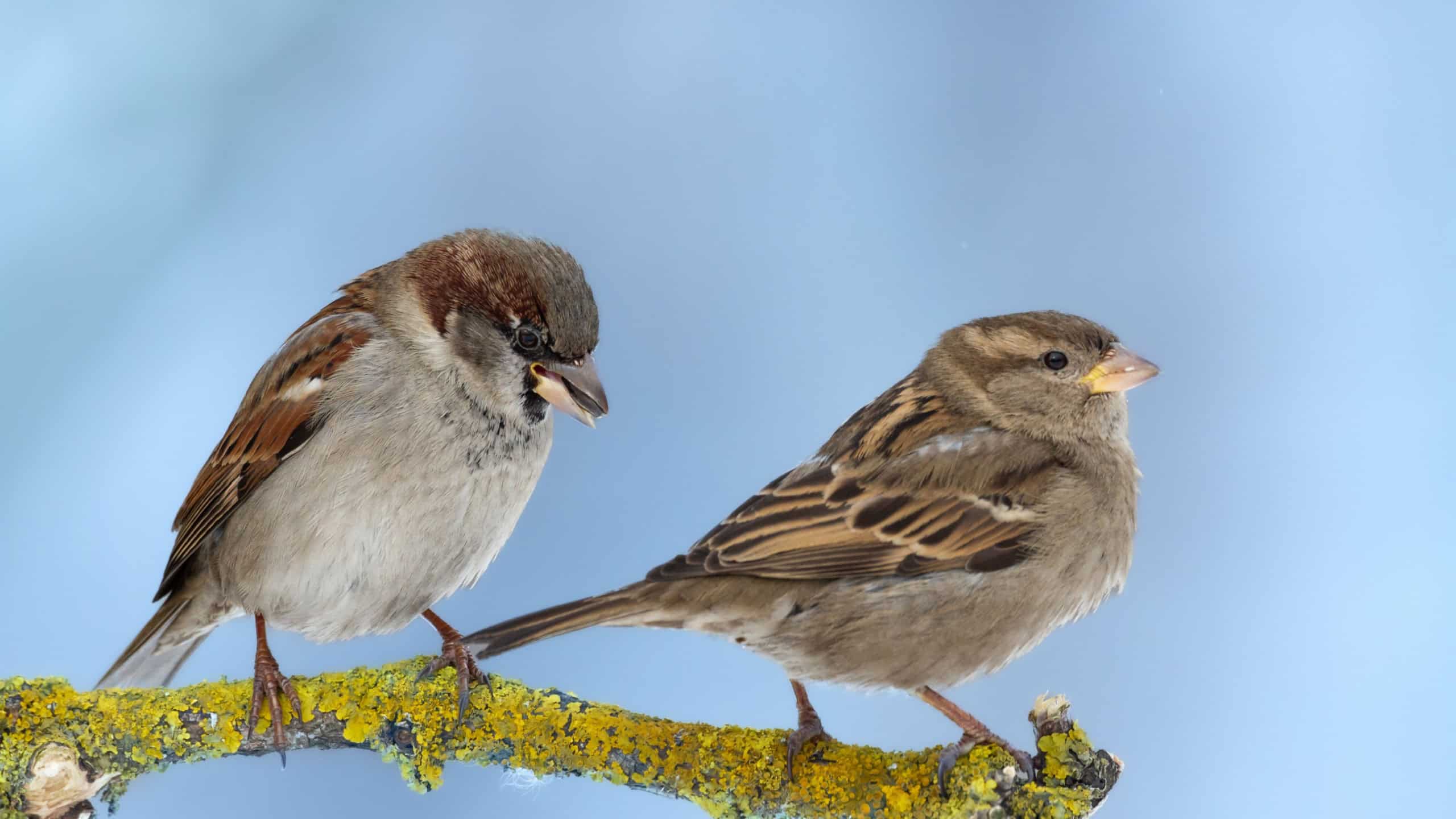
A European import, this unbelievably common, chunky little bird lives everywhere in Canada where humans live, in towns and cities.
Urban adapters, they live in raucous gangs, breed in building cracks and fiercely defend backyard feeders; males are deep chestnut with a black bib, females a dull streaky sand-brown.
Downy Woodpecker
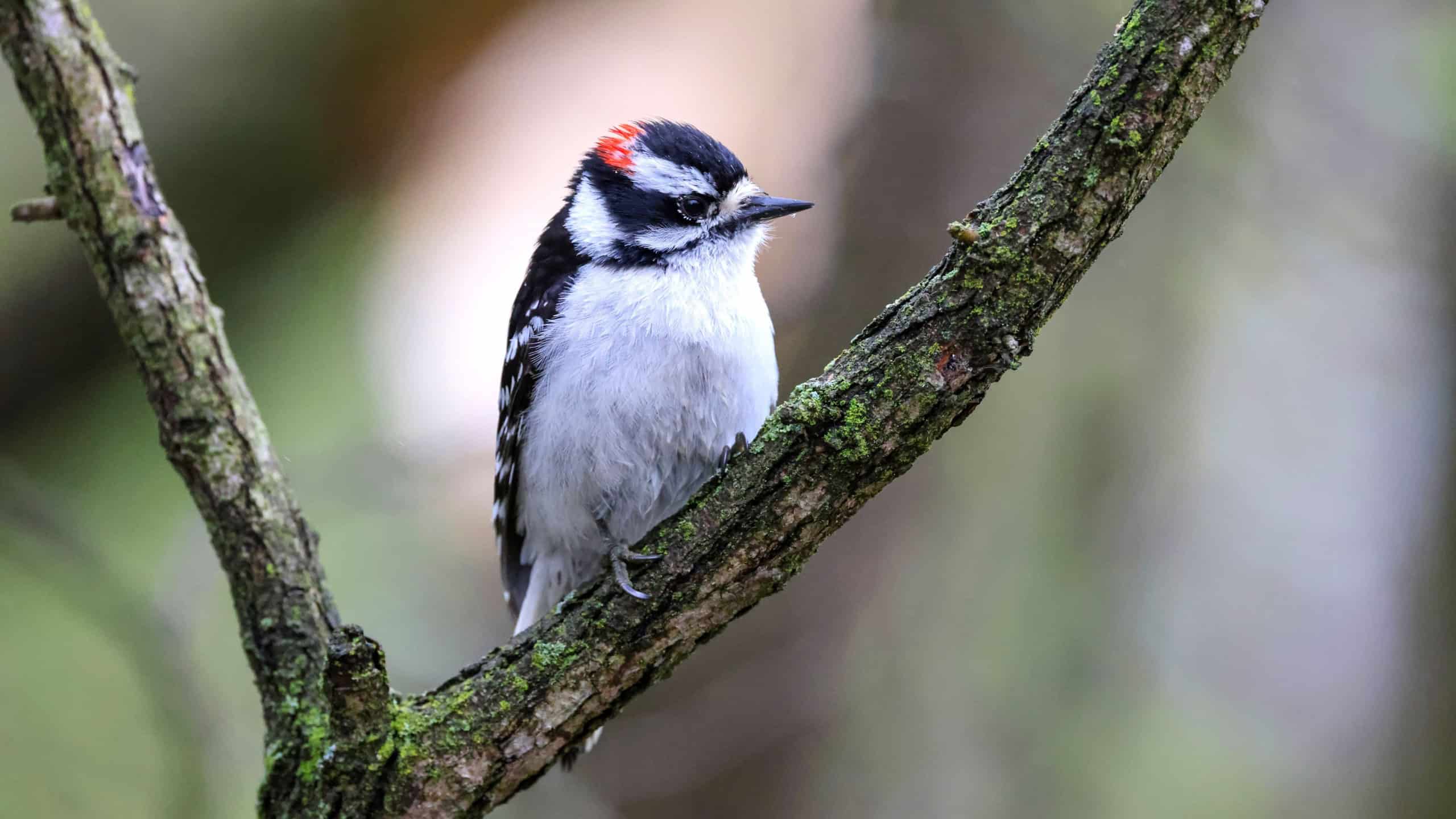
Canada’s smallest woodpecker and the species most at ease with us and our suburban environments, this cheery species is a frequent visitor to backyard suet cages and tree trunks.
With a bold black- and-white checkmark across the back and wings, there is a tiny bit of bright red on the back of the male’s head (the female’s is without). They fly from tree to tree with acrobatic agility, scaling upward along tree trunks, tails hitched and held stiffly for balance.
European Starling
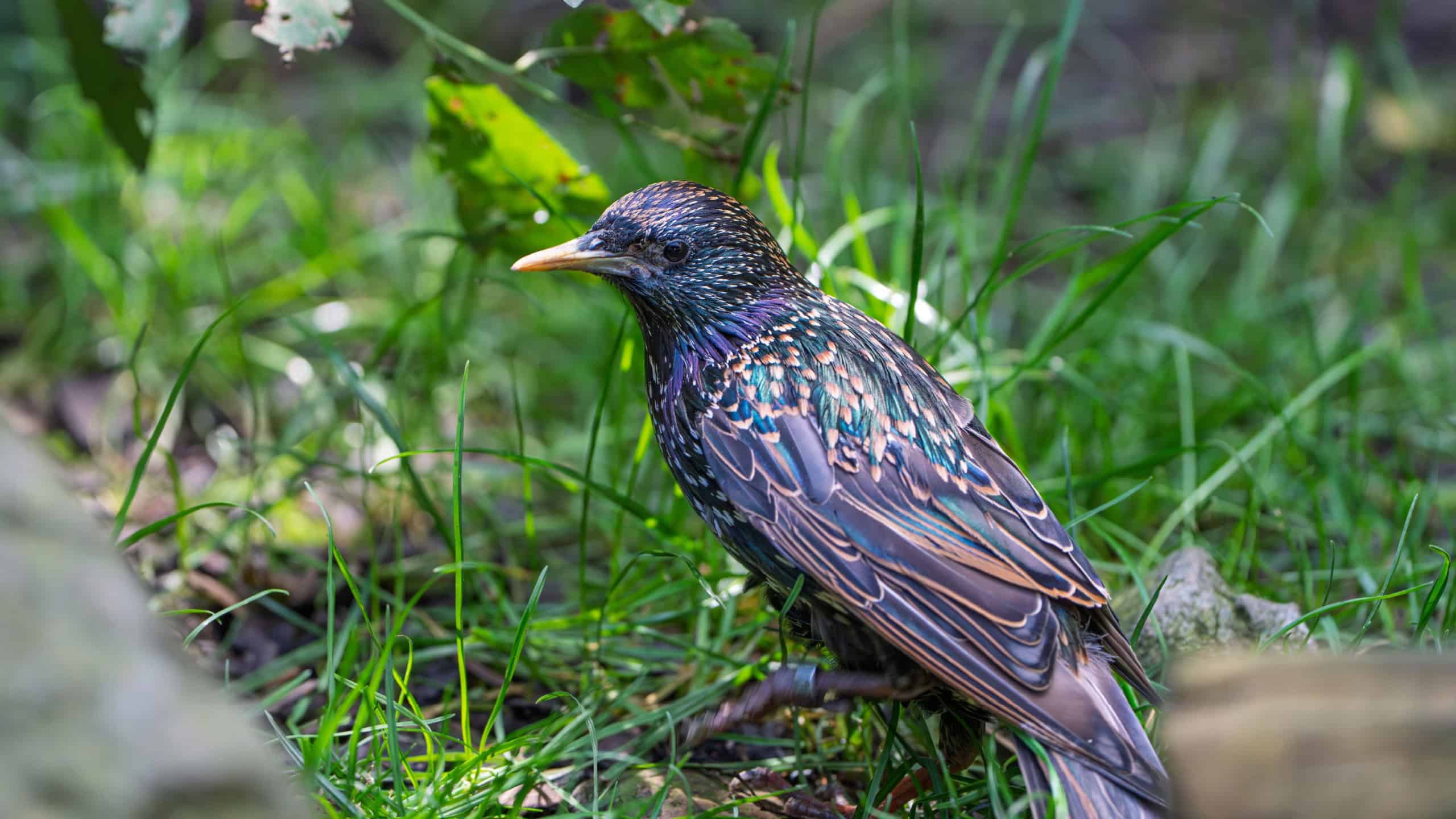
Introduced to North America in the 19th century, this extremely resourceful and adaptable species now resides in most inhabited areas of Canada. Seen by many as aggressive pests that invade backyards in loud masses and empty suet feeders overnight, they are truly interesting birds to watch up close.
At a distance, they appear to be just another black bird. However, upon closer observation in the sunlight, you can see their spectacular shiny coat of purple and green iridescent feathers.
Sources: Please see here for a complete listing of all sources that were consulted in the preparation of this article.