Many times Jesus’ fiercest condemnation was reserved not for faithlessness, but for religious rituals that had become meaningless, hypocritical, or distanced from God’s purpose.
Herb tithing

The ancient religious law required farmers to give God 10% of their grain, wine, and olive oil harvests. Religious teachers took this a step further by keeping track of every tenth leaf of less significant garden herbs such as mint, dill, and cumin.
Jesus criticized them for making such a big deal out of small matters when they completely neglected issues of greater importance like justice and mercy.
Showy robes
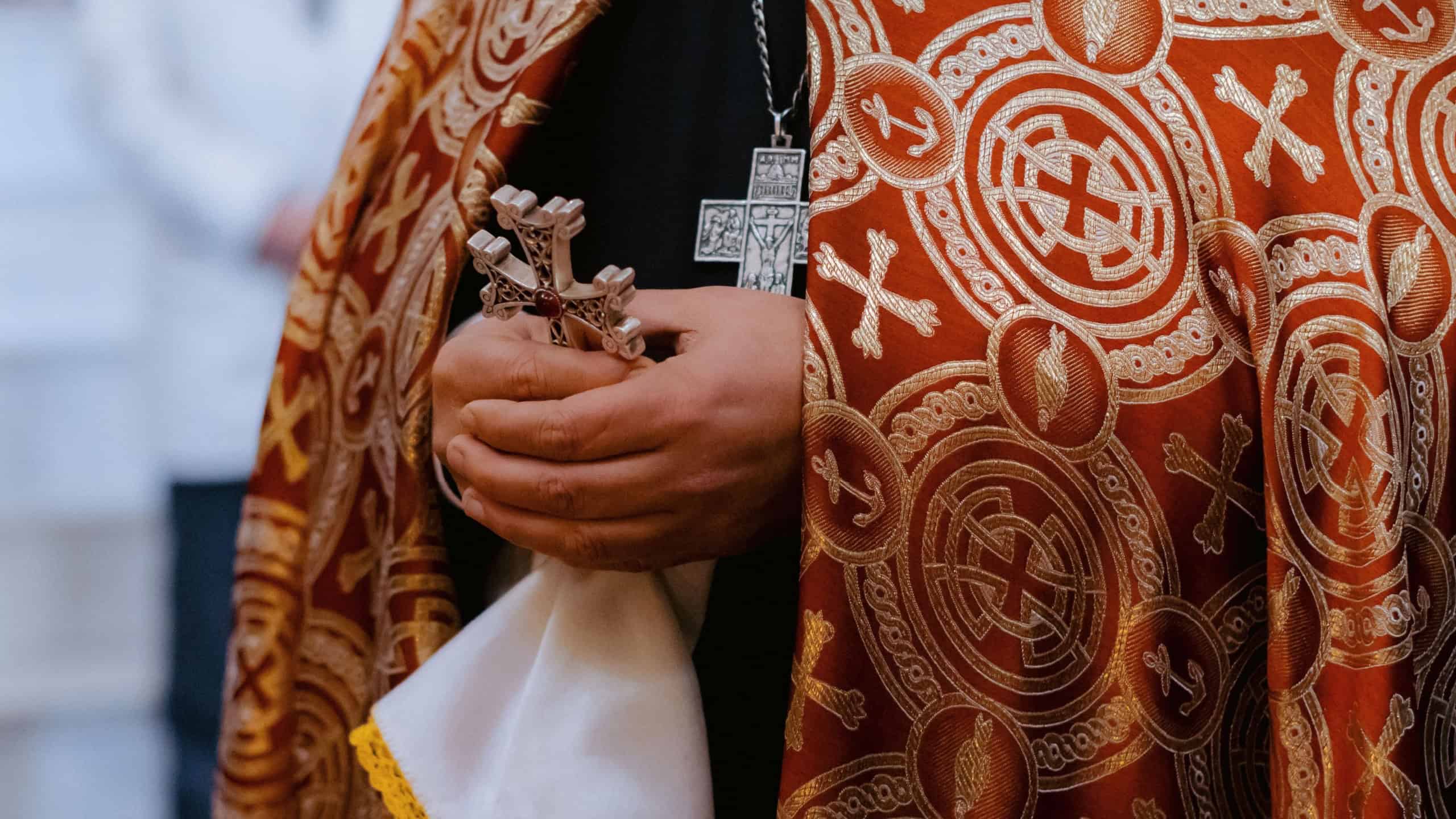
Religious leaders wore boxes full of scripture on their foreheads and arms (phylacteries), along with extra-long strings hanging from their cloaks. They started making their boxes fancier and enlarging their fringes so they would appear more religious.
Jesus denounced such visual displays, calling them hollow showmanship performed for admiration and recognition.
VIP seating

During meals in ancient times, guests were seated according to rank, with honored guests sitting closest to the host. Religious leaders regularly pushed ahead to take the seats of honor because of their religious positions.
Jesus criticized them for their inflated self-righteousness and instructed that they should sit in the lowest place and show humility.
Temple commerce

People wanting to worship at the temple in Jerusalem had to purchase perfectly clean animals for sacrifice. They also had to exchange their Roman coins for currency approved by the temple.
The religious leaders eventually turned the temple forecourt into a profitable bazaar with inflated exchange rates, robbing unsuspecting poor travelers. Jesus became angry and overturned their tables, denouncing them for making a house of prayer into a den of robbers.
Performative fasting
Fasting was originally an ancient private practice done to take time to pray and reflect. Rather than keeping it private, many religious traditionalists made themselves look miserable, neglected personal hygiene, and smudged ashes on their faces so everyone would know they were fasting.
Jesus condemned them for being hypocrites. He told his disciples to wash their faces and look perfectly normal while fasting, keeping the fast private.
Public praying

In the ancient world, there were prescribed times of the day when people would stop what they were doing and pray while standing. Some individuals would purposely schedule their day so that they would happen to be standing at major public street corners bustling with people when the prayer time came.
They would then say dramatic prayers aloud just to impress those passing by. Jesus denounced this practice, instructing people not to make a spectacle out of prayer but rather to pray to God in private.
Financial loopholes

The old law required children to care for their elderly parents. The Pharisees created a loophole for this. If a person said that his money was Corban (a gift promised to the temple that could never be used for anyone else’s needs), he was allowed to legally keep his money and ignore his elderly parent as they starved to death. Jesus was adamant about this kind of hypocrisy.
Tricky oaths
The religious leaders of Jesus’ day taught a very convoluted set of rules about swearing oaths. They said if you swore by the temple, you were off the hook, but if you swore by the gold in the temple, you were legally bound.
Jesus revealed their silly system was devised to allow people to swear, lie, and cheat without feeling guilty. Instead, he told them to simply let their “yes” be yes and their “no” be no.
Sabbath rest rules

Sabbath was created as a merciful gift so that exhausted workers, slaves, and even animals would have one day of rest each week. Unfortunately, religious leaders added hundreds of nit-picky restrictions to the basic principle.
It became unlawful to carry a mat or picnic blanket, pick grain or pluck herbs, or heal a chronic sickness on that day. Jesus challenged these absurd traditions. The Sabbath exists to lift people up, he taught, not keep them enslaved in suffering.
Ritual handwashing

Custom decreed that before eating, one must wash one’s hands ritually in an elaborate fashion to cleanse oneself of spiritual uncleanness. Jesus’ disciples were admonished by the religious leaders for not following this tradition, and Jesus justified his disciples by redefining uncleanness.
He said that it does not defile you when you eat with unwashed hands, but defilement comes from the evil thoughts, greediness, malice, and deceit that come from within man.
Toxic discipleship

The religious authorities of Jesus’ day were zealous missionaries, spreading their message across land and sea, trying to get outsiders to follow their particular religion.
Jesus criticized them because instead of bringing new converts into freedom, love, and transformation, they burdened them with the same old legalistic requirements. He cautioned that this toxic cycle only produced followers twice as judgmental and close-minded as their masters.
Burdensome rules

The religious elite had engineered thousands of tertiary-level rules which they imposed upon the general population as ‘rules from God.’ Jesus criticized this practice since they took their religious leverage to burden people with tiresome, impossible demands, but were completely resistant to providing actual assistance, sympathy, or relief.
Honoring the dead

The religious leaders loved constructing magnificent edifices, decking tombs with finery, and exalting the great prophets of history who had died hundreds of years ago. But at the very same time, they were scheming to silence and kill anyone who threatened their present system of authority.
Jesus exposed the great hypocrisy of this tradition, explaining that it’s easy to honor a dead prophet who can no longer oppose you, but deny the truth right in front of your eyes.
Exploiting widows

Widows were some of the most vulnerable and impoverished members of society in the ancient world. They depended solely on the community for support. Far too often, however, religious leaders exploited these women; their prestigious positions allowed them to manipulate widows, seize their homes and possessions through unjust legal and financial tactics.
Jesus denounced this practice, stating that even lengthy, eloquent prayers will not cover up the sin of destroying the lives of the poor.
Sources: Please see here for a complete listing of all sources that were consulted in the preparation of this article.
Like our content? Be sure to follow us.