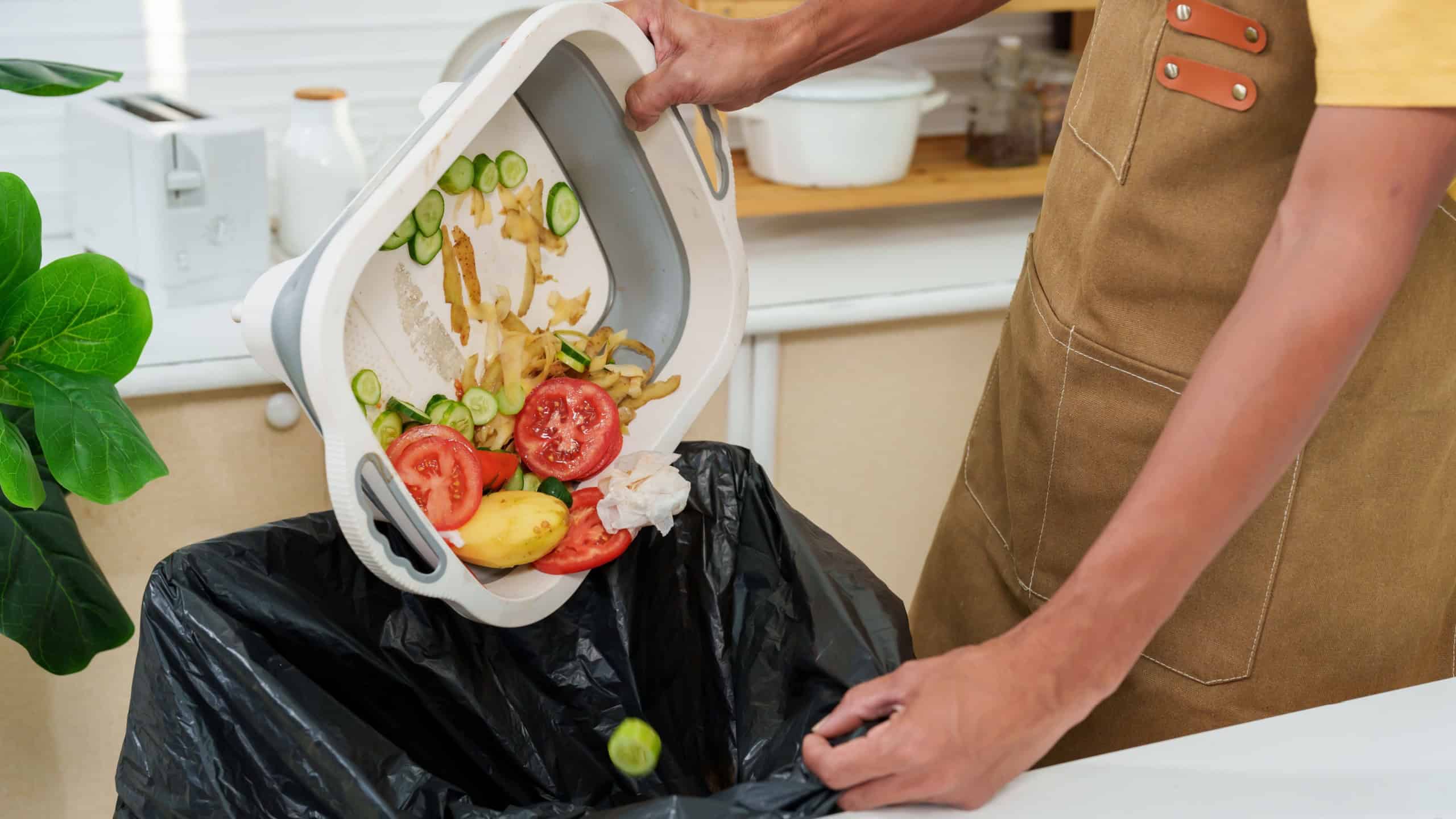
Although millions of people struggle with hunger, enormous amounts of food are still wasted around the world every single day.
China
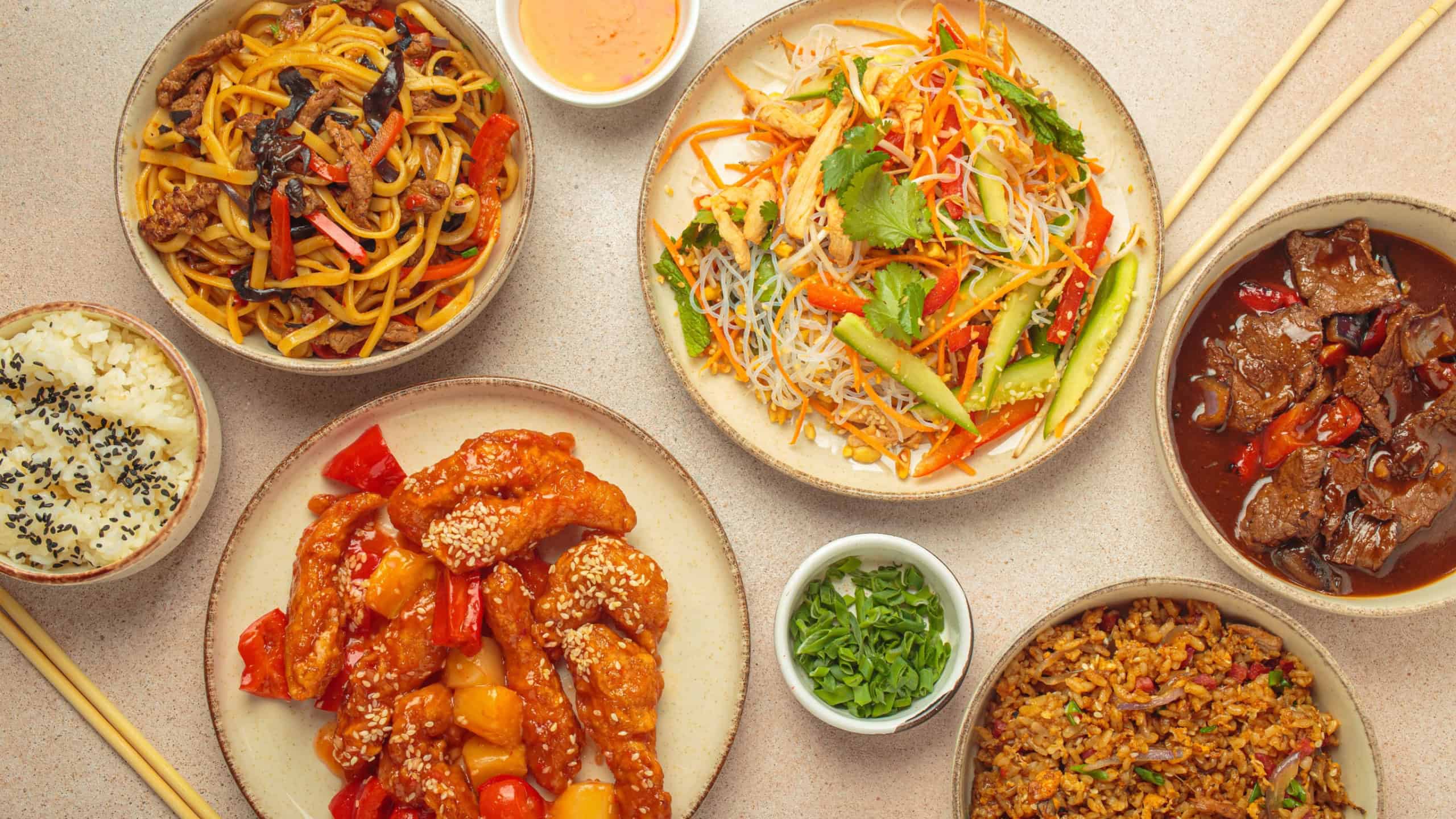
According to the 2024 United Nations Environment Programme (UNEP) Food Waste Index Report, China produces 108.6 million tonnes of food waste. This amount is primarily attributed to China’s quick development and urbanization, as well as traditional values of hospitality.
In order to reduce the amount of leftover food, China has instituted rigorous policies (such as the Anti-Food Waste Law, which fines restaurants that encourage customers to take more food than they can eat) as well as encouraging the public to empty their plates through media initiatives.
India
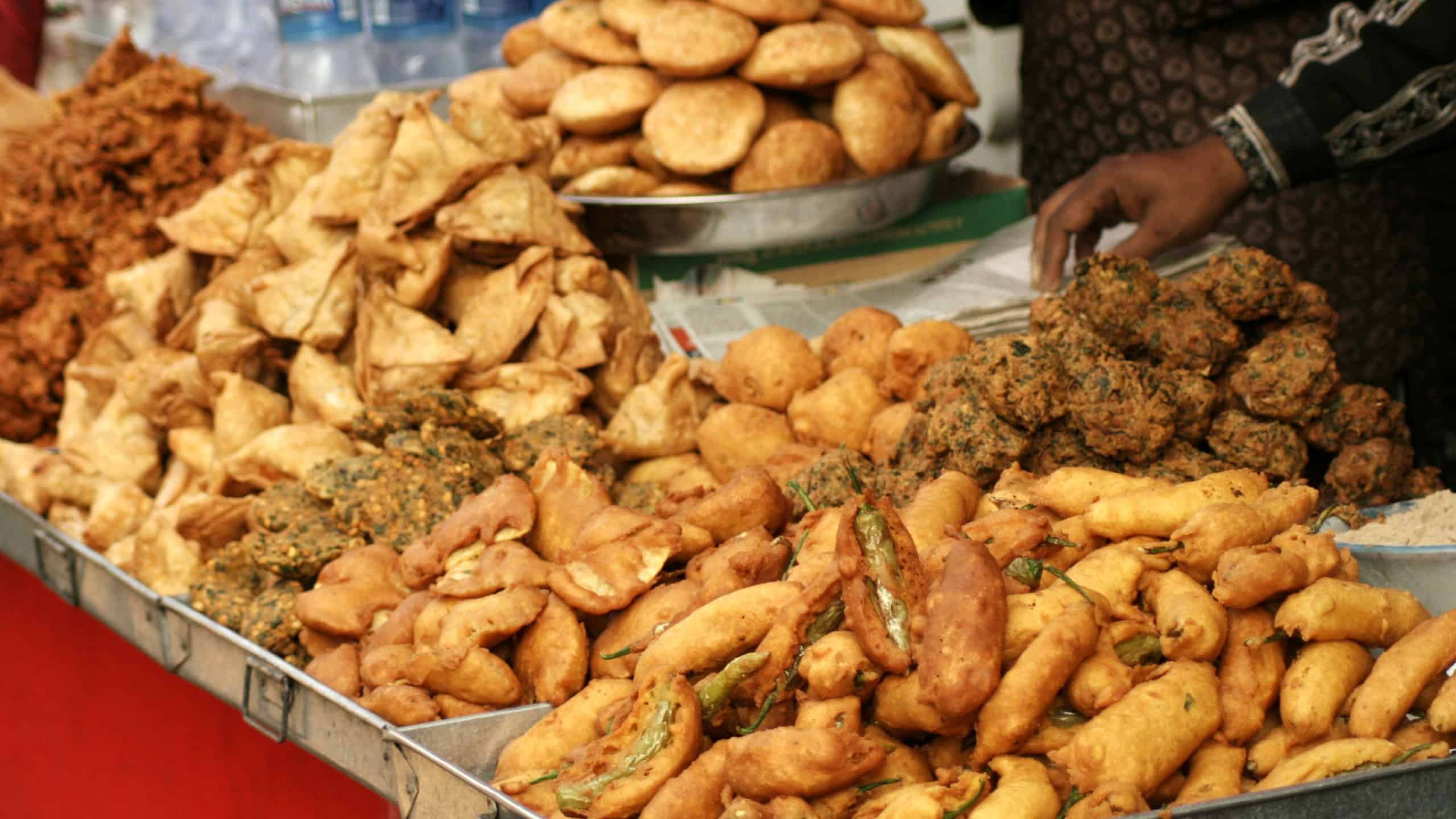
India produces the second-largest amount of food waste, about 78.2 million tonnes ( 54 kg of food wasted per person annually). Millions of tonnes are lost after battling the elements post-harvest.
The country’s tropical climate and lack of refrigerated trucks and temperature-controlled warehouses mean a large percentage of crops rot before they can be brought to market from rural farmlands.
Pakistan

Almost 31 million tons of food end up as waste in Pakistan. In fact, Pakistanis waste 122 kg of food per capita every year, the equivalent of Chinese and Indians combined.
Rampant consumer waste is magnified by daunting economic inefficiencies too, with limited access to refrigerated transportation and proper packaging leading to spoilt produce.
Nigeria
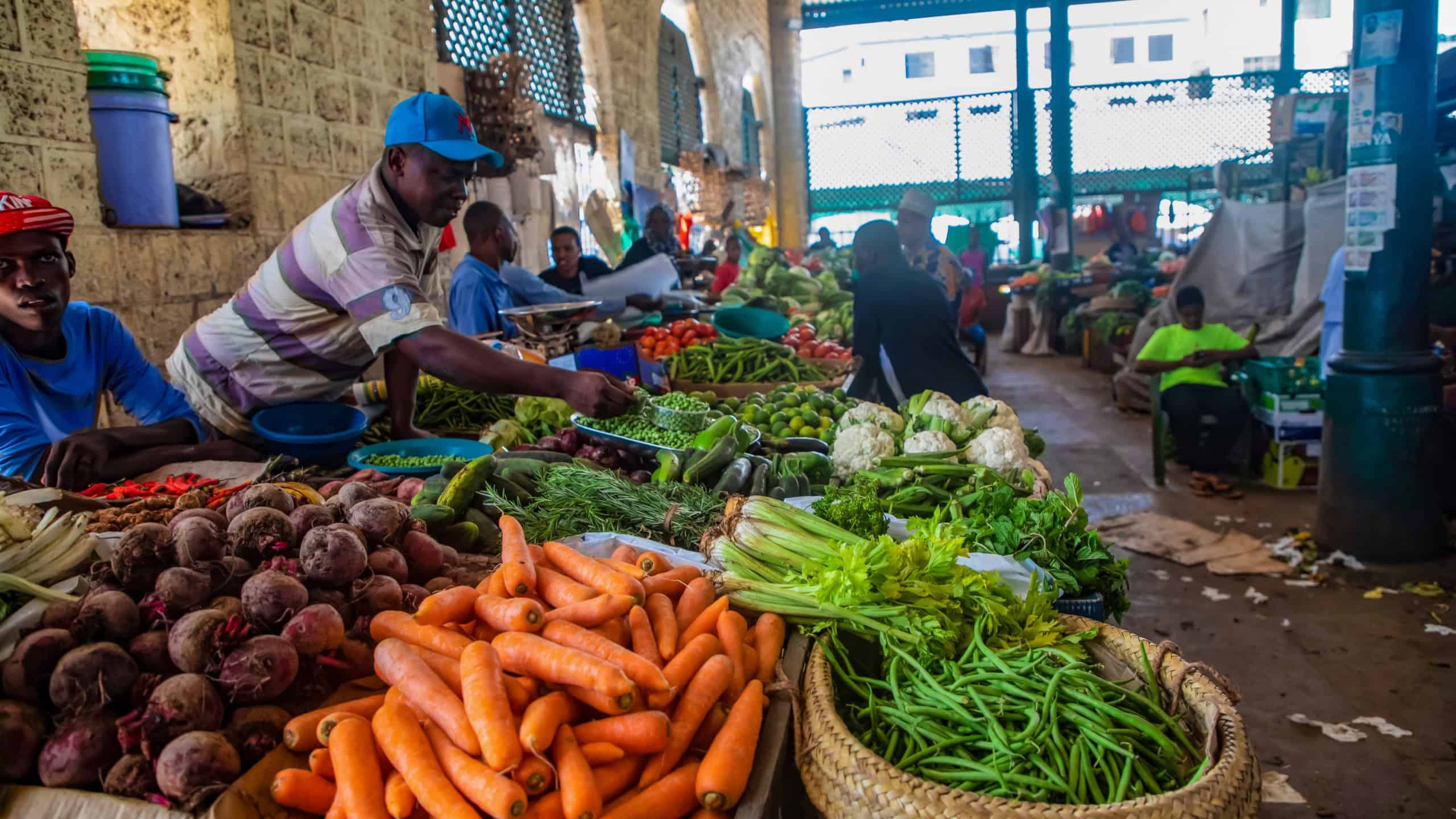
In Nigeria, 24.8 million tonnes of food are lost annually. Food waste is usually uncommon in Sub- Saharan Africa; consumers do not simply toss their leftovers carelessly.
Lack of reliable domestic refrigeration, caused by an unstable electrical grid, and impoverished rural road systems that slow transportation of crops are responsible for tremendous losses of food before it can reach store shelves.
United States
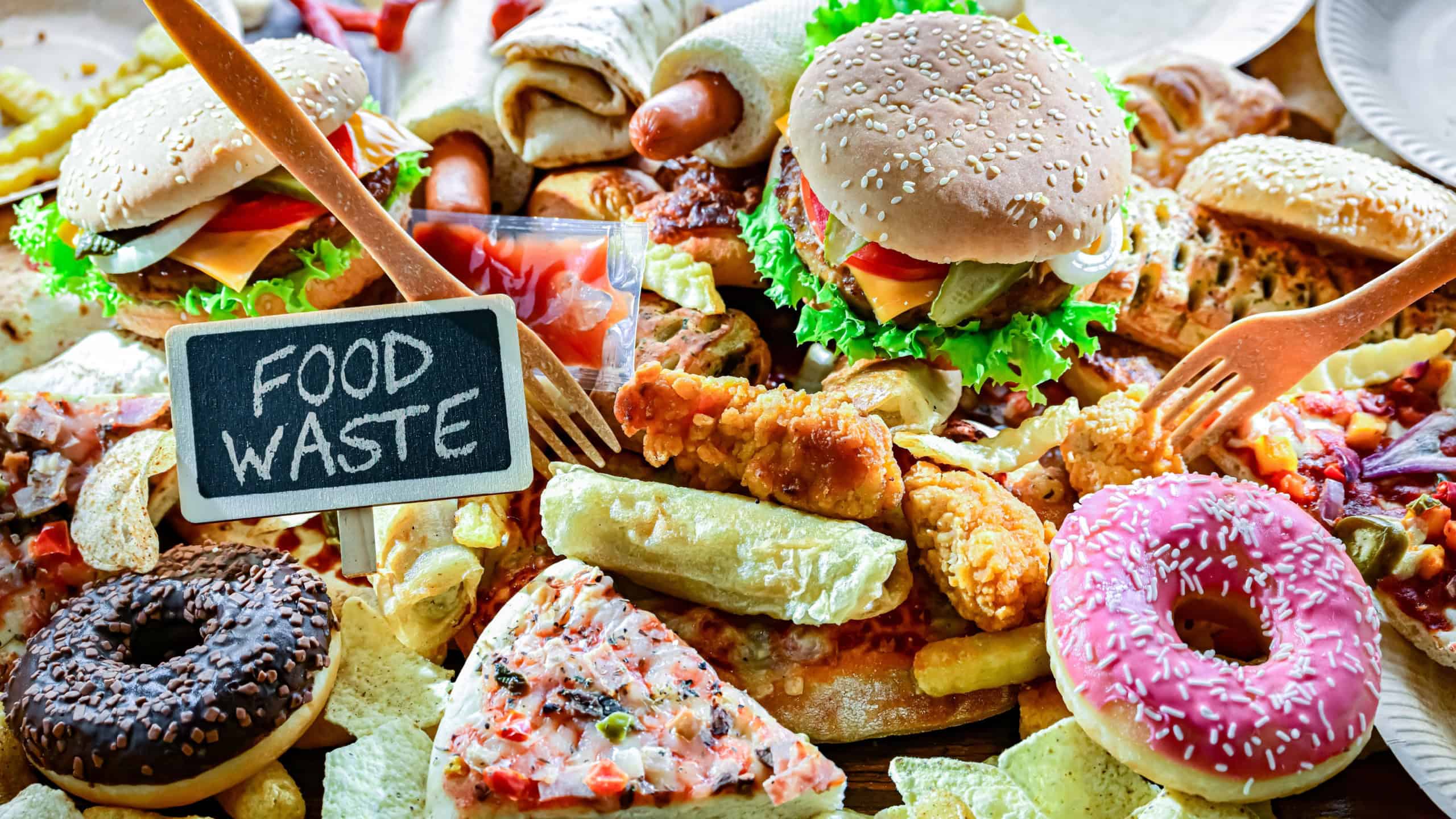
America wastes 24.7 million tonnes of food annually. The waste mainly happens because of consumer abundance, low relative grocery costs, and strict retail standards.
Stores across America throw away mountains of perfectly edible produce each year simply because fruits and vegetables don’t adhere to cosmetic ideals relating to size, shape, or colour.
Brazil
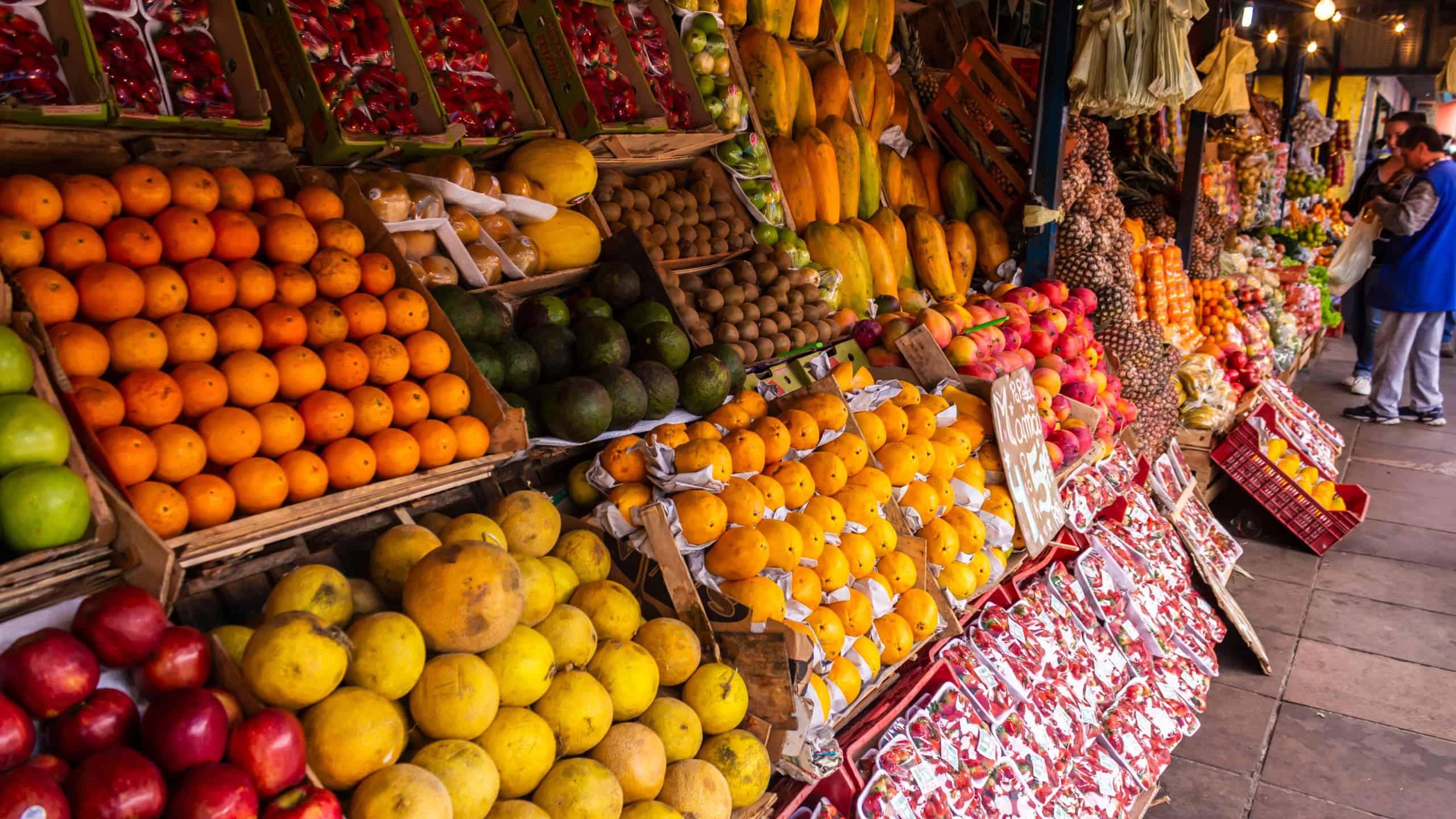
In Brazil, food waste occurs both pre- and post-consumption. Socially, there is an expectation to purchase extremely fresh produce. Households will often throw away fruits and vegetables if there is slight wilting, even if the product is still perfectly nutritious.
Logistically, there are poorly maintained harvesting tools and transportation routes. Many items experience mechanical damage during transportation or spill during long-distance shipping.
Egypt

Egypt produces approximately 18.1 million tonnes of food waste per year. According to one study, during Ramadan, at least 60% of food is wasted due to excess grocery shopping. This pressure to buy more food is attributed to cultural norms of providing large sums of food to guests as a sign of generosity.
The lack of modern food storage methods, such as cold-storage warehouses, proper wholesale markets, and hot temperatures, contributes to large amounts of waste before the food even reaches consumers.
Indonesia
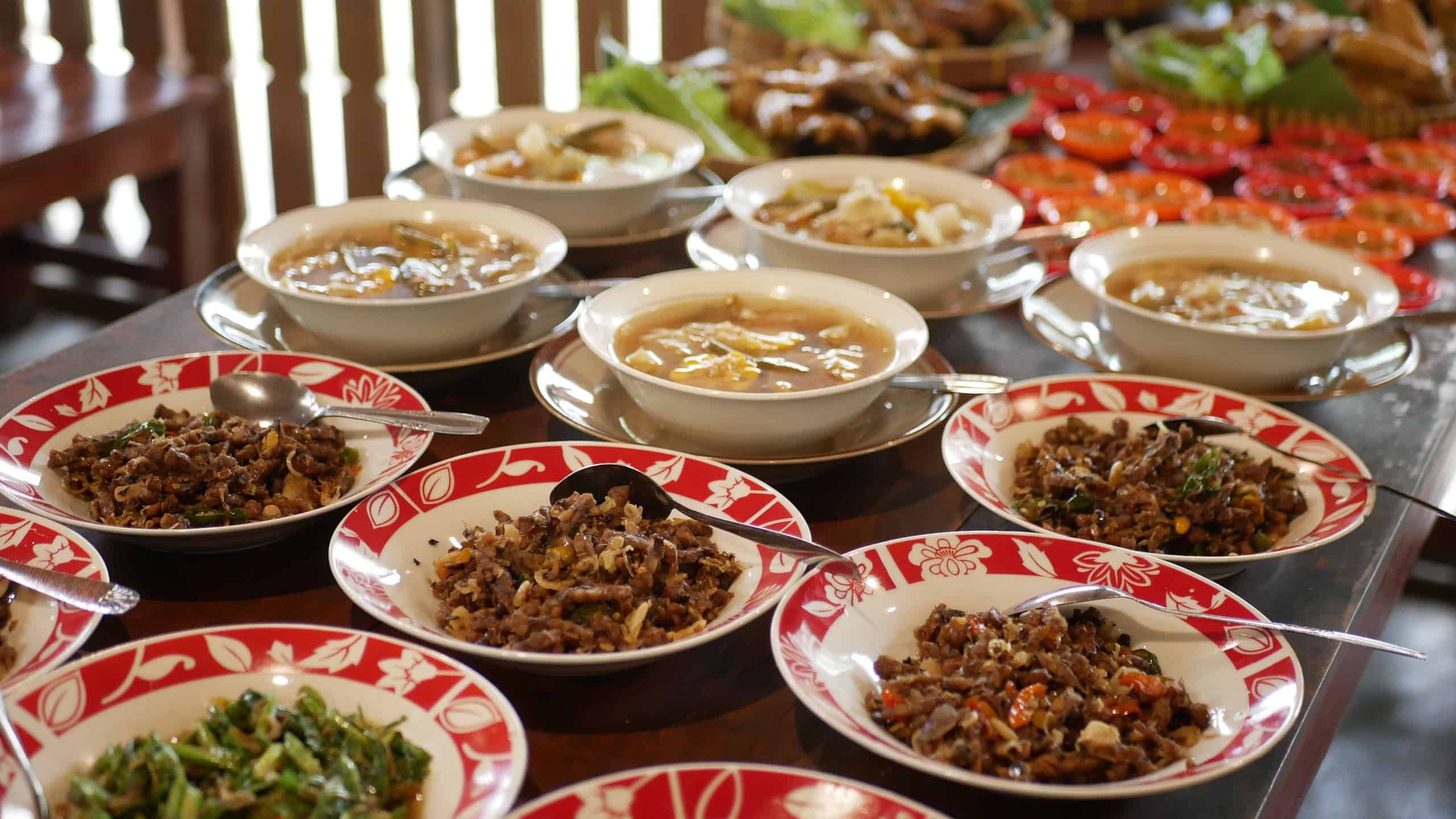
Indonesia produces 14.7 million tonnes of food waste per year. Indonesia is an archipelago, where geography greatly affects its food profile.
Shipping perishable food to or from thousands of tropical islands necessitates extremely complex round-the-clock refrigeration that shipping and domestic supply chains have difficulty meeting.
This results in vast amounts of spoilage at the consumer level that, when coupled with traditional feasting cultures, greatly increases annual household waste by tonnage.
Bangladesh
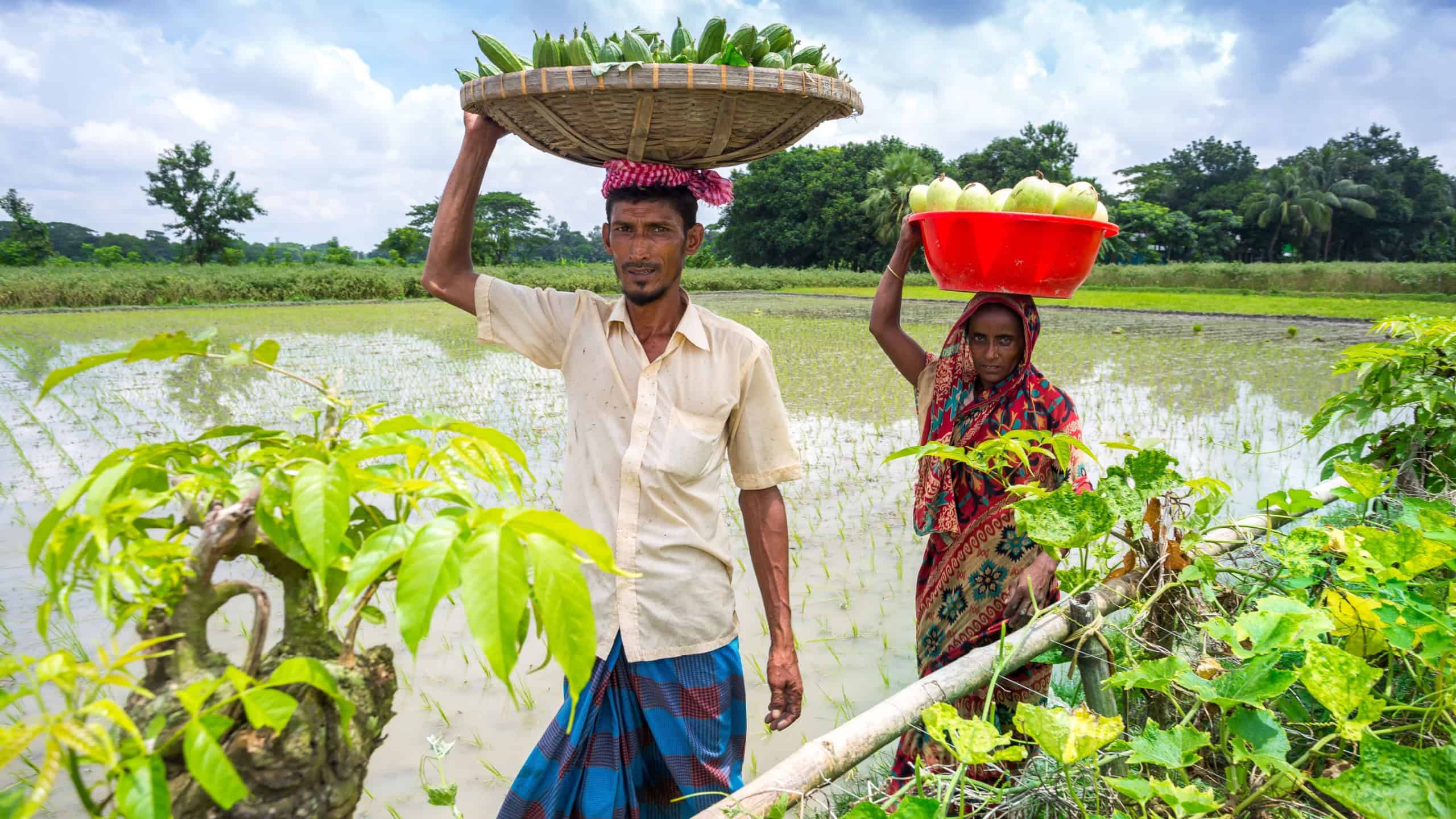
Bangladesh produces about 14.1 million tonnes of food waste. Balancing rapid growth in transportation and infrastructure with major post-harvest losses that transition to food waste at the household level is a major issue.
Heavy seasonal humidity, annual monsoon floods, and nearly non-existent grain silos or cold storage mean that basic food storage is a constant struggle.
Highly perishable items will quickly spoil at open-air markets, where both buyers and sellers are forced to throw away tonnes of food every day.
Mexico
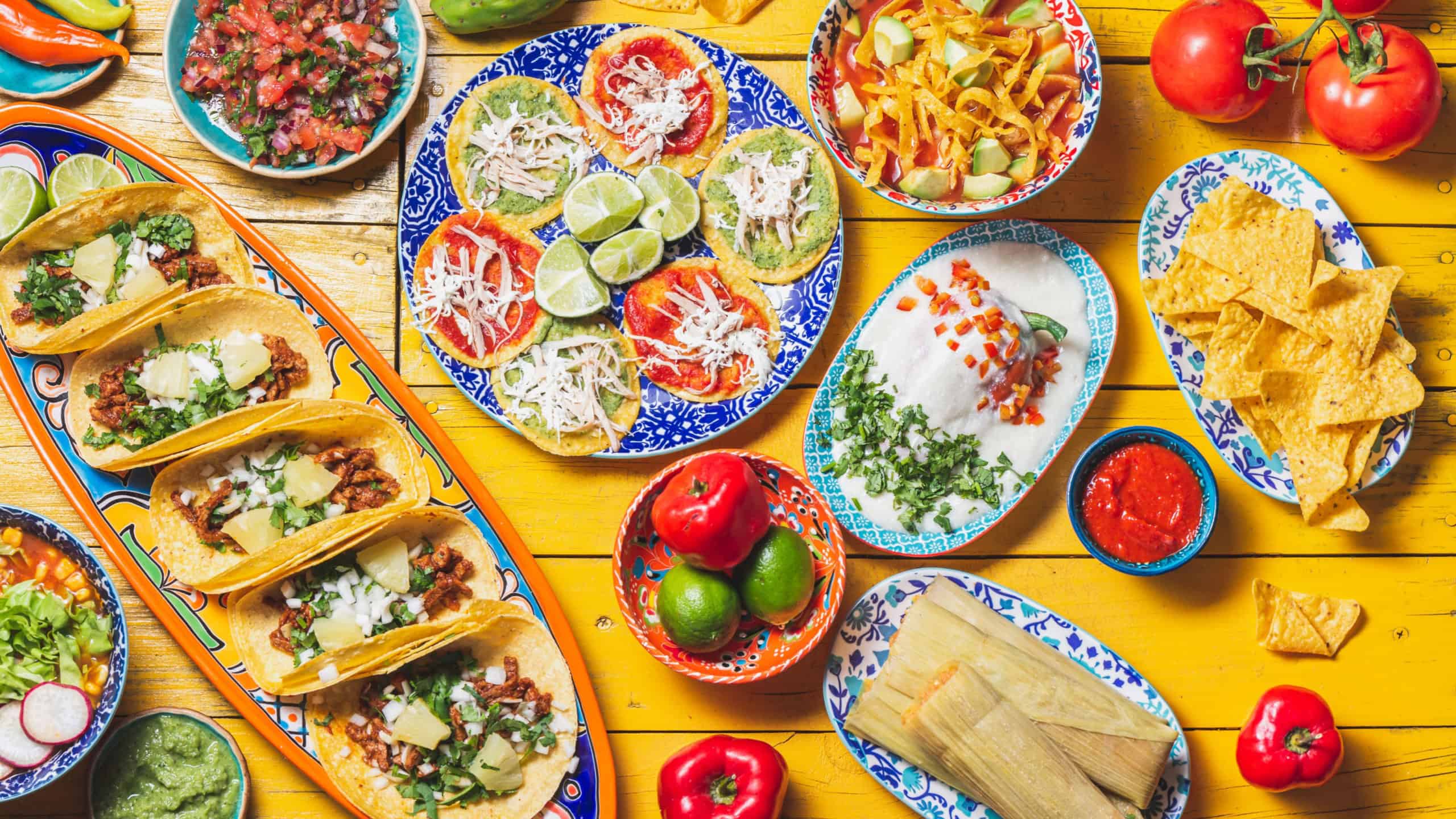
Mexico produces approximately 13.4 million tonnes of food waste every year. A large amount of wasted food occurs around the center of the commercial supply chain and retail food distribution centers.
Large centralized wholesale markets tend to lose large quantities daily due to a lack of sorting, handling, and cooling infrastructure. Consumers have quickly shifted to hypermarket/supermarket formats, changing purchase behavior to bulk quantities and waste at home as fresh ingredients spoil.
Sources: Please see here for a complete listing of all sources that were consulted in the preparation of this article.
Like our content? Be sure to follow us.