
Americans pride themselves on their world-changing innovations, but some everyday essentials, many of which Americans consider part of their national identity, actually came from Canada.
Peanut butter

Americans love to credit George Washington Carver as the inventor of peanut butter, but it was actually patented by Montreal pharmacist Marcellus Gilmore Edson in 1884. Edson’s technique created a paste by milling roasted peanuts between hot surfaces until the nuts turned fluid, then cooling them into a buttery consistency.
Carver helped bring peanuts into the limelight and found hundreds of other uses for them, but every peanut butter jar in America can thank Canada for the original recipe.
The telephone
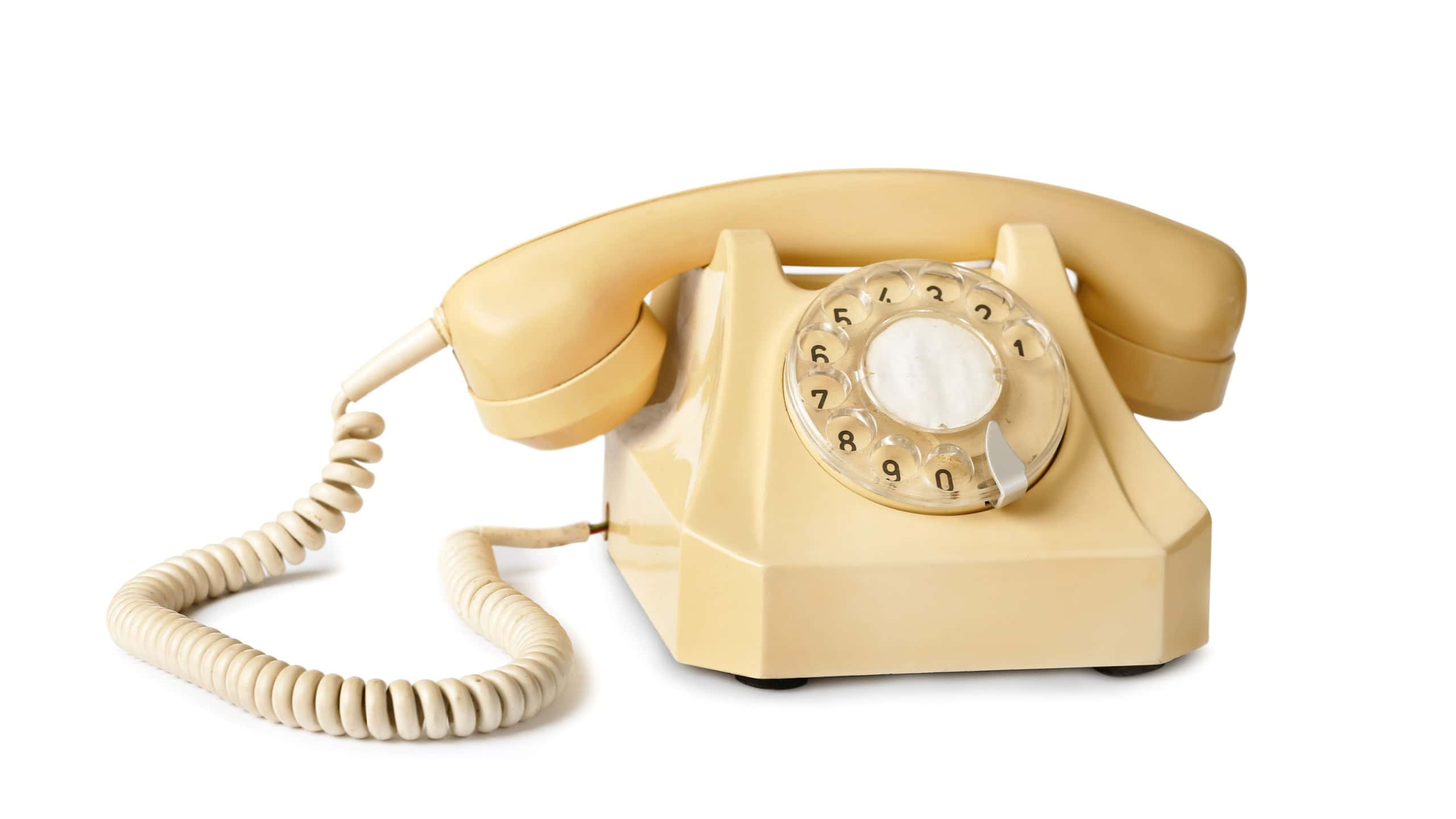
Alexander Graham Bell himself once wrote that while the telephone may have been born in Boston, it was conceived in Brantford, Ontario. Bell was living in Ontario when he first worked out the physical principles of sound transmission in 1874.
In fact, the world’s first long-distance phone call was made from Brantford to Paris, Ontario, in 1876. While the US served as a place for the rapid commercial expansion of the telephone, much of the conceptual work occurred in Canada.
Basketball

It’s almost a shock for fans south of the border to hear, but basketball was invented by a Canadian. Dr. James Naismith grew up in Almonte, Ontario, and invented the sport we all know and love in 1891 while working at a YMCA in Springfield, Massachusetts.
Many believe his idea to hang baskets from the rafters came when he tried to recreate how high the baskets were with a game he played as a child in Canada called “Duck on a Rock.” Although basketball is seen as America’s pastime, Naismith didn’t become an American citizen until nearly four decades after he invented the game.
Green ink

The “Greenback” is one of America’s supreme status symbols, yet the actual green ink on U.S. dollars was invented by Canadians. Thomas Sterry Hunt, who worked for the Geological Survey of Canada, created the unique chromium trioxide-based ink formula in 1862.
It was chosen by the U.S. Treasury because, at the time, it could not be replicated by photography and could not be stripped off using chemical solutions. For the Americans trying to prevent counterfeiting during the Civil War, it was the clear choice.
Standard time

Before the 19th century, most American cities set their own clocks by the high sun, which led to many local times. But Sir Sandford Fleming, a Canadian railway engineer, was instrumental in creating the Universal Standard Time system we use today.
Fleming pushed for the worldwide implementation of the 24-hour clock and is the man responsible for dividing the world into 24 standardized time zones. Thanks in large part to his perseverance, North American railroads started using Standard Time in 1883. It wouldn’t be recognized by U.S. law until 1918.
The lightbulb

Thomas Edison is a household name for inventing the lightbulb, but he actually bought the patent from two Canadians. In 1874, Henry Woodward and Mathew Evans of Toronto patented a nitrogen gas-filled glass bulb with a carbon filament. Unable to obtain financial backing to further their discovery, they sold the rights of the patent to Edison.
Edison didn’t invent the lightbulb. What he did was improve upon the Canadian design, then create a demand and a power source for people to use it in their homes
Insulin

Diabetes was essentially a death sentence until doctors in Toronto discovered insulin. In 1921, University of Toronto doctor Frederick Banting and his assistant Charles Best successfully isolated insulin, which would earn Banting a Nobel Prize.
While Americans helped mass-produce and purify insulin for commercial use, it was Canadians who made the discovery and major breakthrough with the first successful human trials.
Walkie-talkie

The walkie-talkie is practically synonymous with the American WWII military machine, but the original design was built by Donald Hings. The Canadian inventor needed a way to allow bush pilots and lumberjacks in the isolated woods of Canada to communicate more effectively, so he developed his “packset” in 1937.
When WWII began, the device was militarized and assigned the name “Walkie-Talkie.” Alfred Gross, another Canadian, also helped patent the two-way radio that same year.
Paint roller
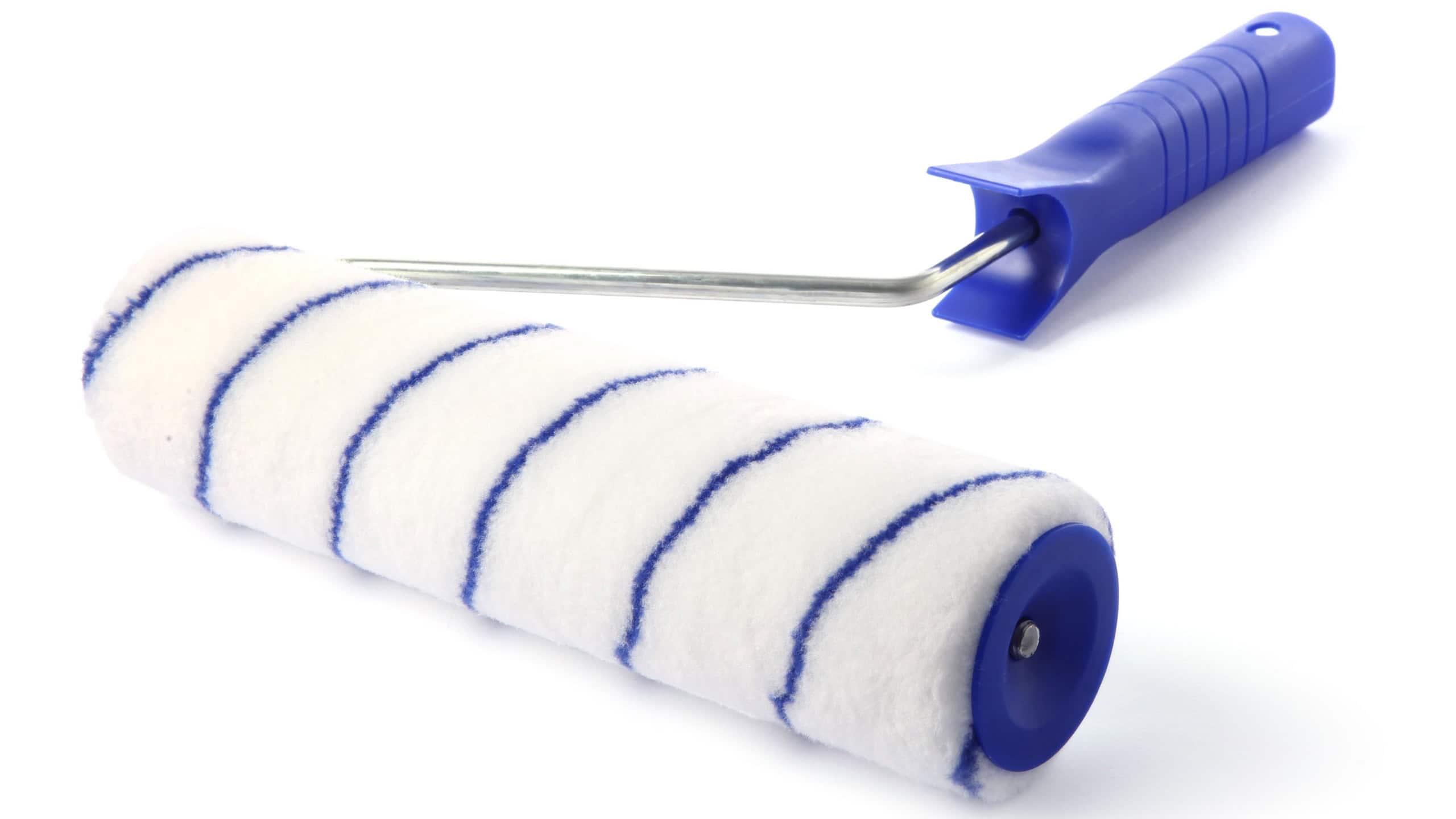
The American Dream of DIY home improvement is hard to imagine without a paint roller. Before 1940, you would need a weekend and a dozen brushes to finish painting a single room. Then, Norman Breakey of Toronto invented paint rollers in 1940.
Sadly for Mr. Breakey, he never patented his invention and an American soon after tweaked the handle design and took the patent (and profits) for himself.
IMAX

IMAX began in 1967 with three Canadians dreaming of a bigger, better way to watch films. What Graeme Ferguson, Roman Kroitor, and Robert Kerr came up with changed cinema forever. They created massive cameras and sensors for a widescreen experience on an unheard-of scale.
Their first IMAX film premiered at Expo ’70 in Osaka. These days, Hollywood movies may fill the seats, but without Canadians behind the specialized lenses and equipment, it would be a lackluster experience.
Sources: Please see here for a complete listing of all sources that were consulted in the preparation of this article.