
Canada is a vast country full of great resources, interesting policies, and some downright weird traditions.
Maple syrup
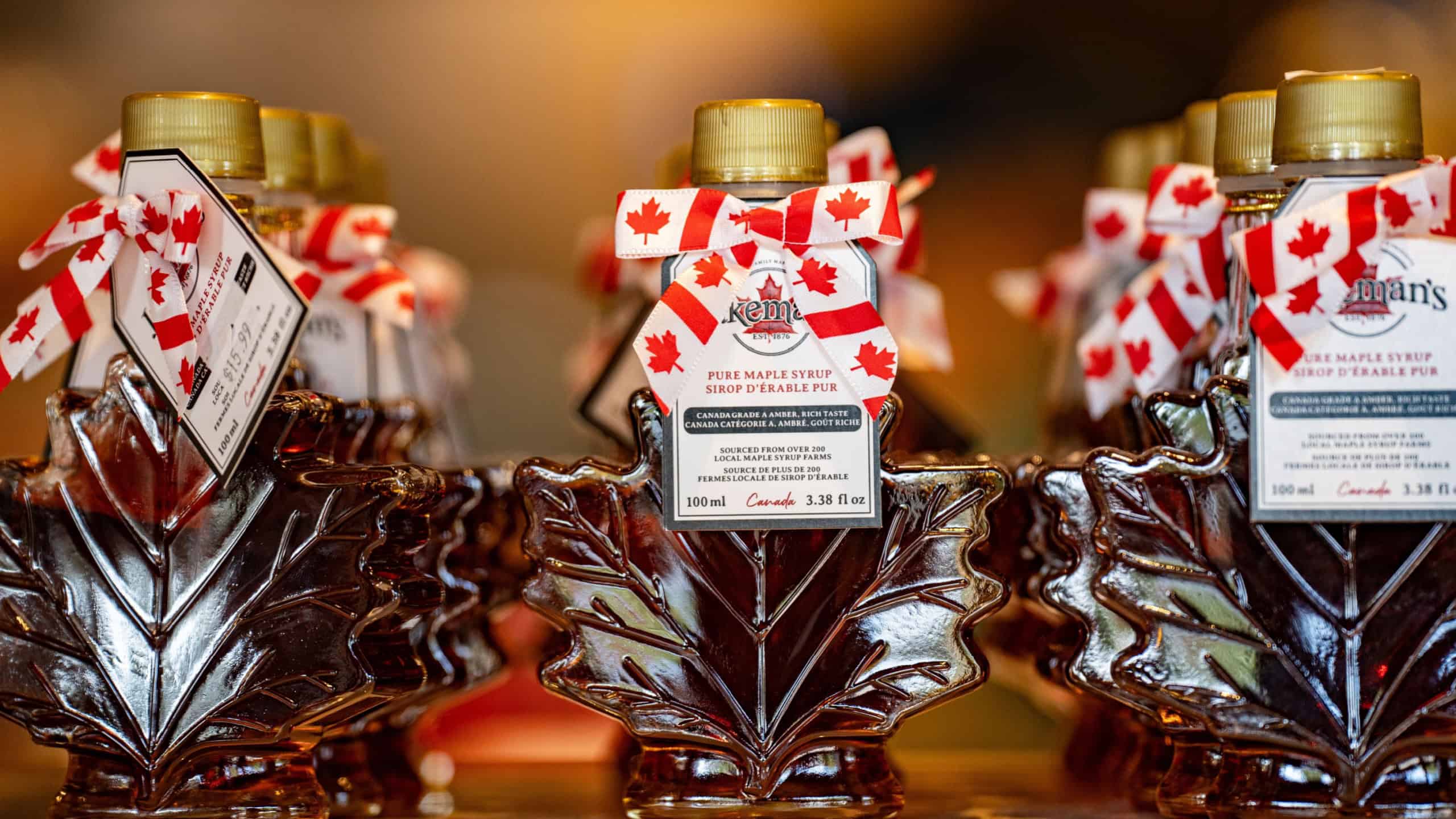
Did you know Canada has a country syrup reserve? Based in Quebec, the Global Strategic Maple Syrup Reserve actually regulates how much syrup is on the market at any given time. Think of it as an international bank vault for maple syrup.
It helps regulate the syrup price, so the supply doesn’t drop dangerously low. In short, it’s important enough that it’s been robbed in a multi-million-dollar heist.
Coastline
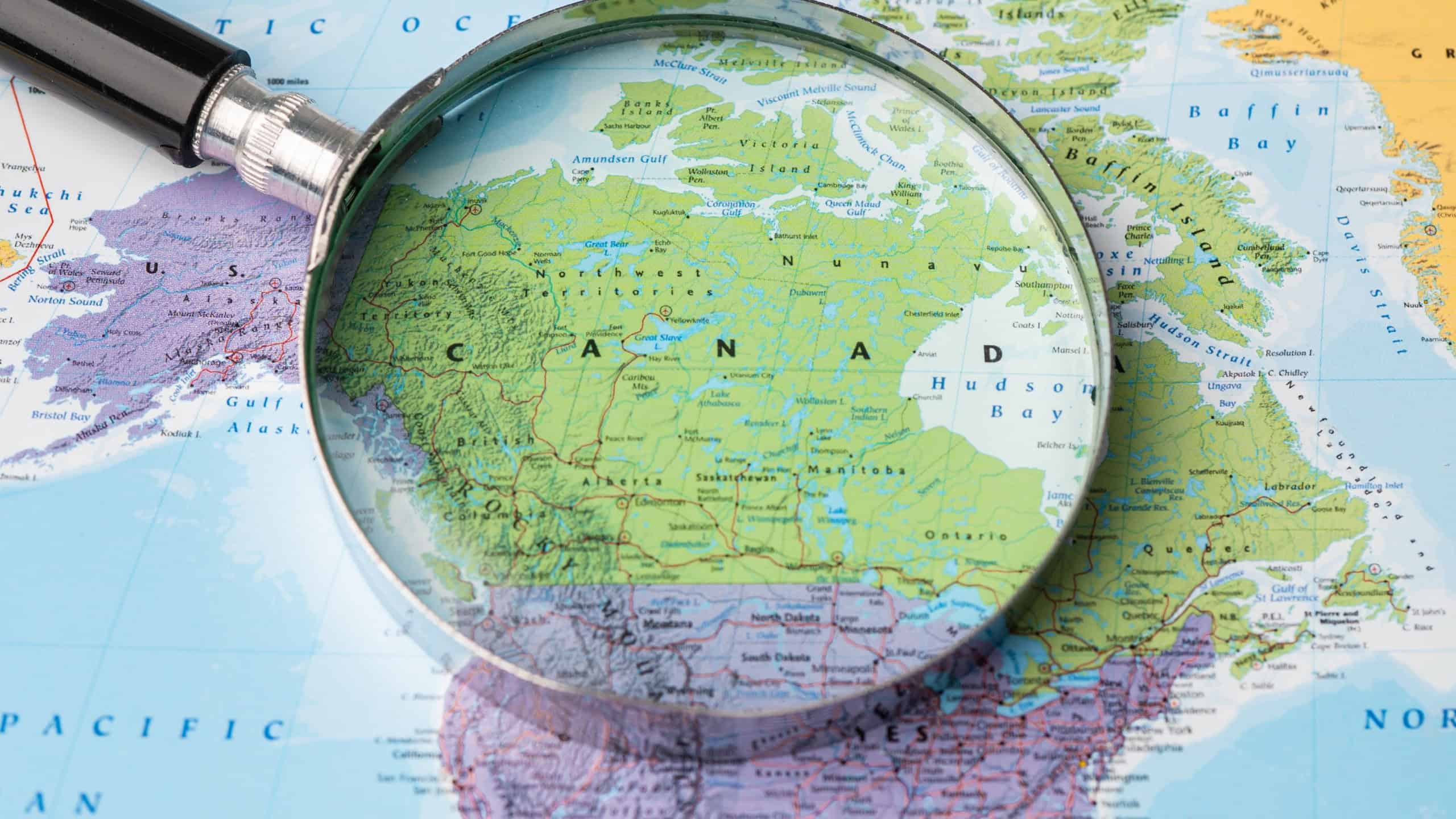
Canada has the longest coastline of any country in the world. The coast stretches for over 202,000 kilometres, and meets three oceans: the Pacific, Atlantic, and Arctic.
If you wanted to walk the Canadian coastline from end to end, without stopping for a single day of rest, it would take you just over 30 years.
Polar bears
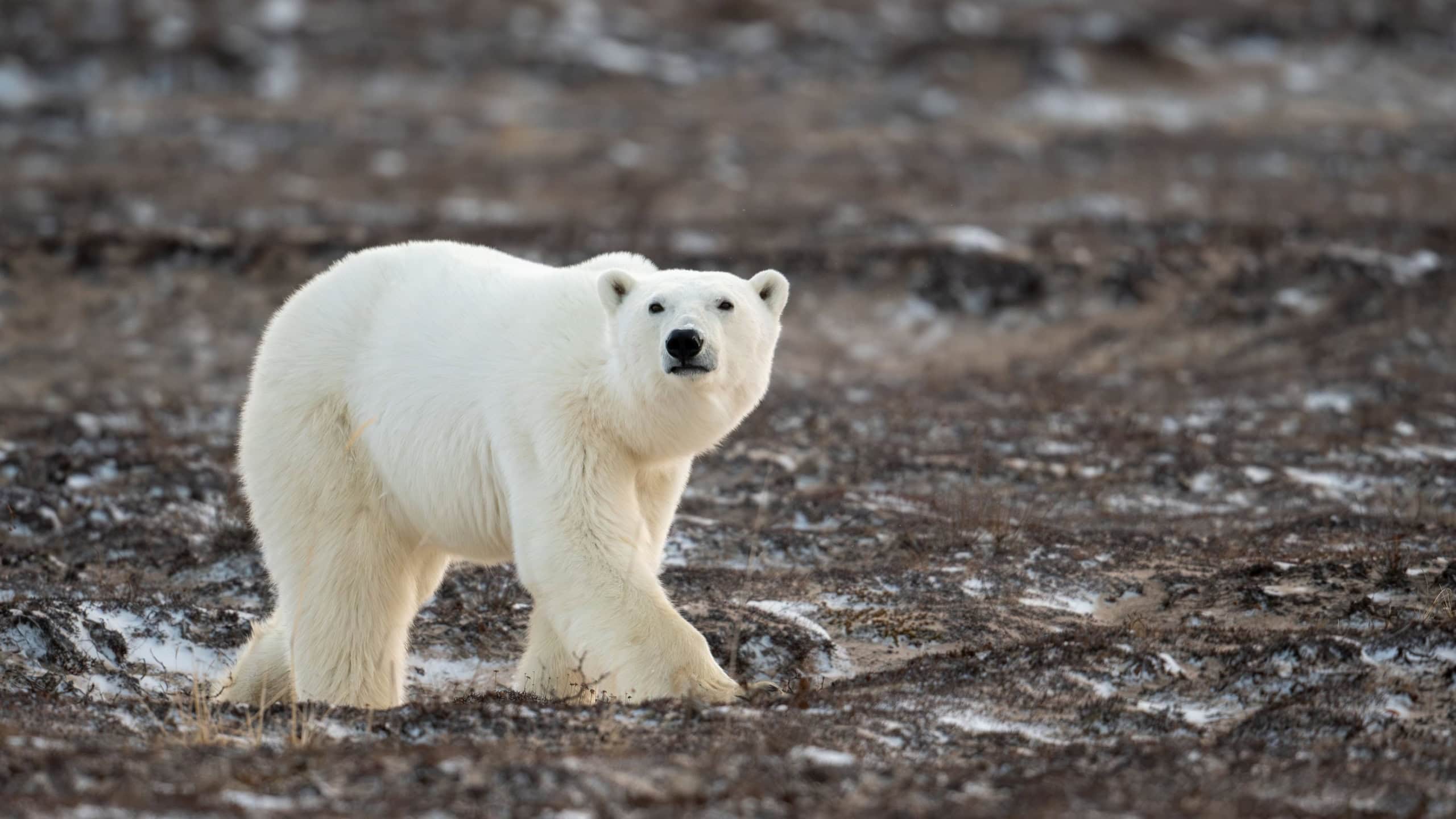
Canada’s town Churchill, Manitoba, is known as the “Polar Bear Capital of the World.” With that nickname comes one particularly unofficial town rule: leave your car doors unlocked.
So if you’re out walking and suddenly spot a polar bear coming towards you, you’ll always have somewhere safe to go and pop inside.
Tax-deductible Celiac

If you have Celiac disease in Canada, you are allowed to claim the incremental cost of gluten-free foods as a medical expense on your taxes.
Simply put, gluten-free food is way more expensive than its wheat-based substitutes, so diagnosed Canadians can write off the extra cost at tax time as long as they have a prescription.
Northern desert
Canada is not all ice and snow. Parts of Canada actually function like deserts. The Okanagan Valley region of British Columbia is a semi-arid region, and farmers grow vineyards and fruit orchards in the warm, dry climate.
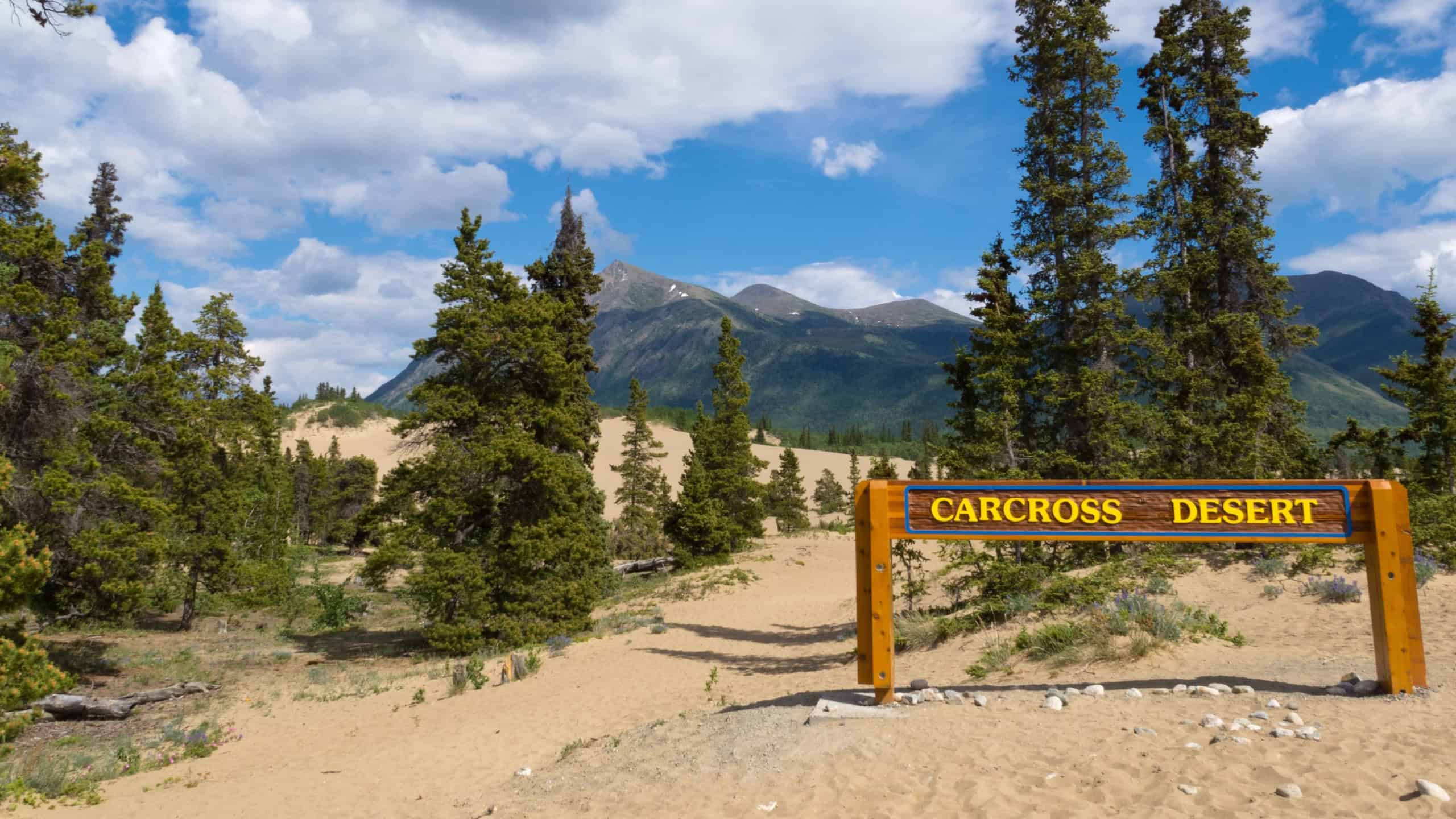
Canada also has the Carcross Desert; most people agree it’s the smallest desert in the world, although it’s technically made up of sand dunes in the North.
Rat-free zone
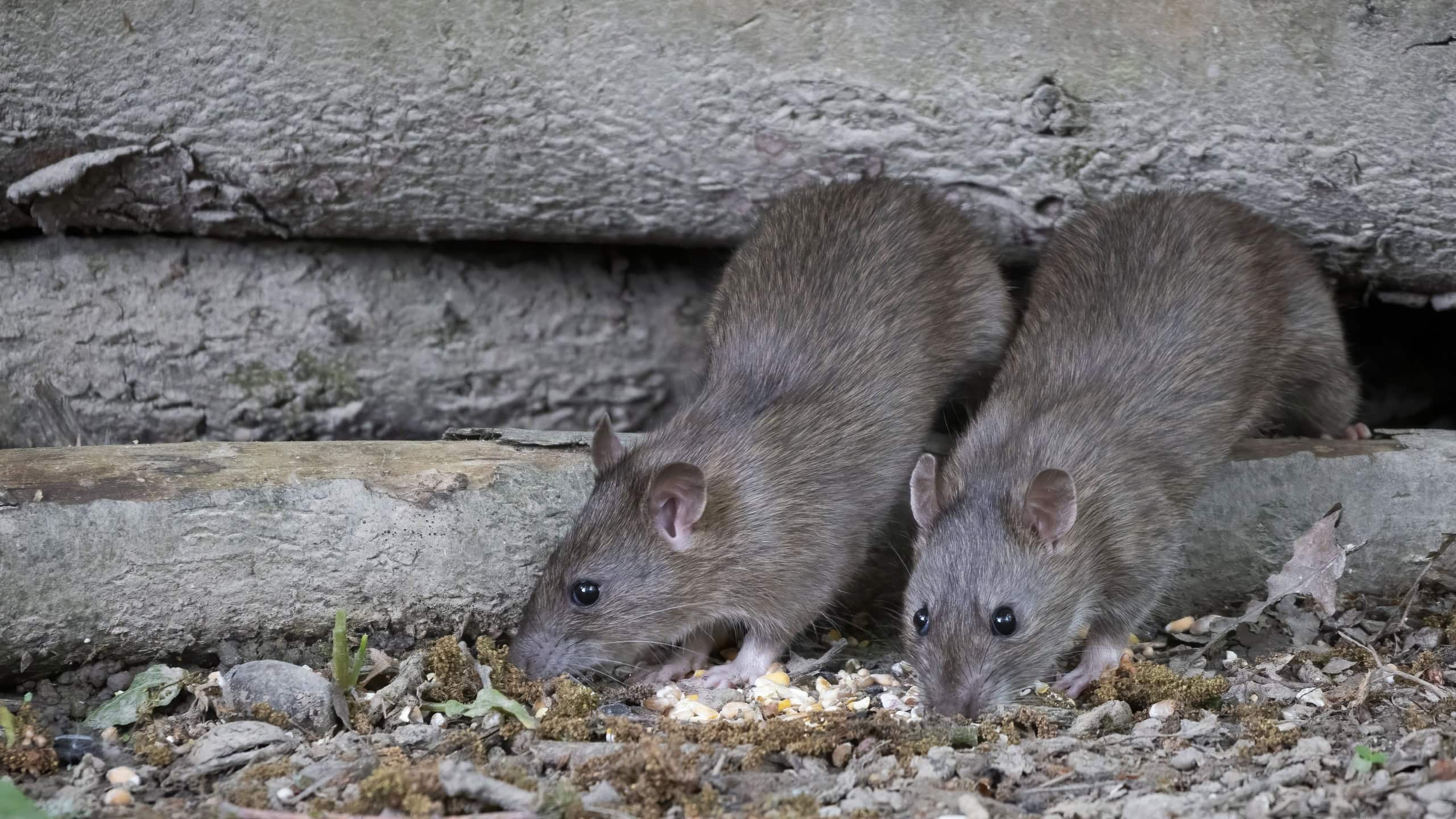
Alberta is officially one of the only rat-free zones on Earth. After a severe rat problem in the 1940s, Alberta began an aggressive extermination campaign that continues to this day.
In Alberta, it is even illegal to own a rat as a pet. The province even employs its own team of rat patrollers that are dispatched on an emergency basis if someone spots one.
National symbols
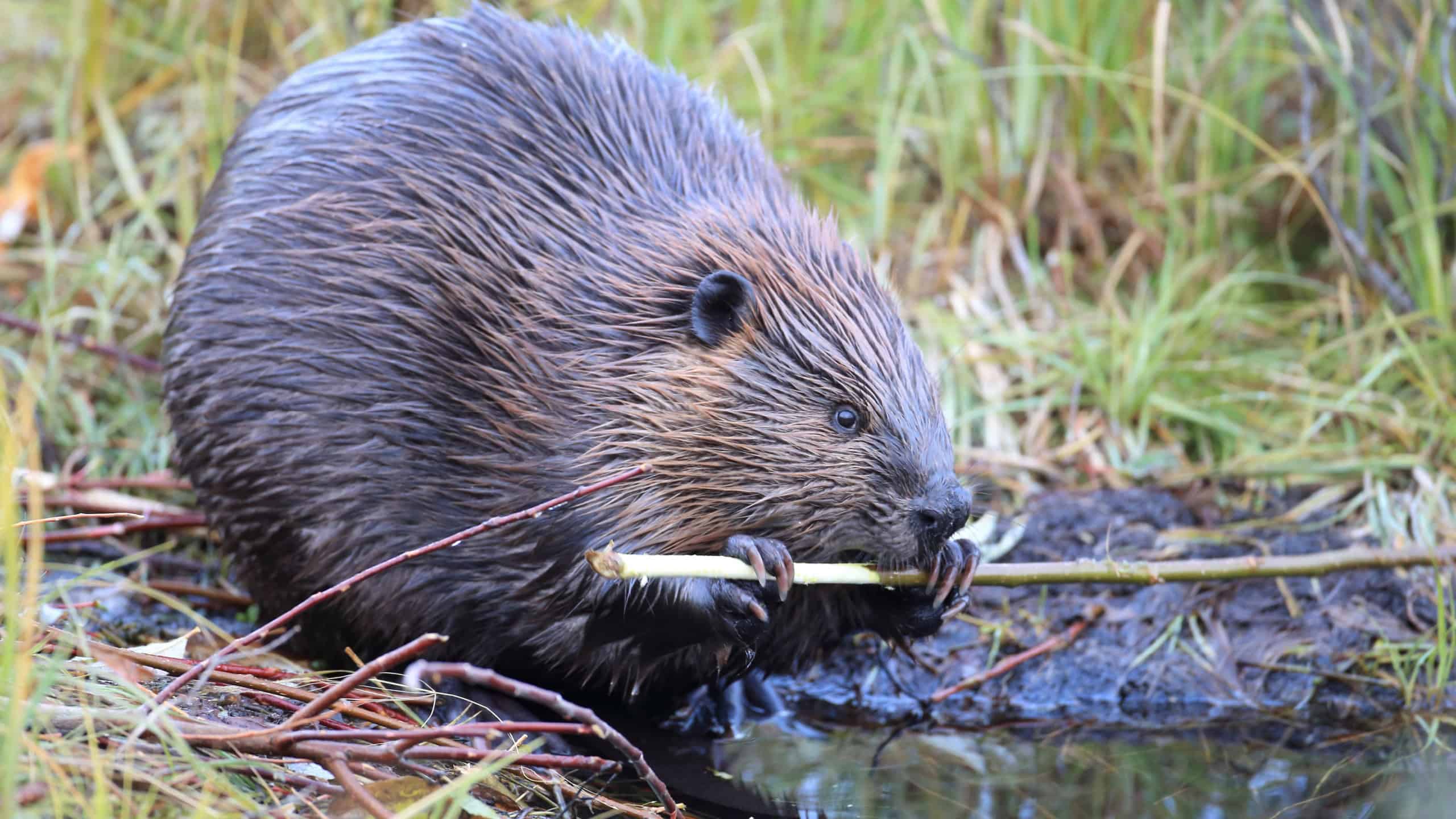
The National animal of Canada is the Beaver, thanks to Canada’s historical obsession with trapping them for their precious pelts.
Canadians also officially recognize the Horse as a national symbol. Finally, although it is not officially designated, moose are considered unofficial icons of Canadian wilderness.
Islands
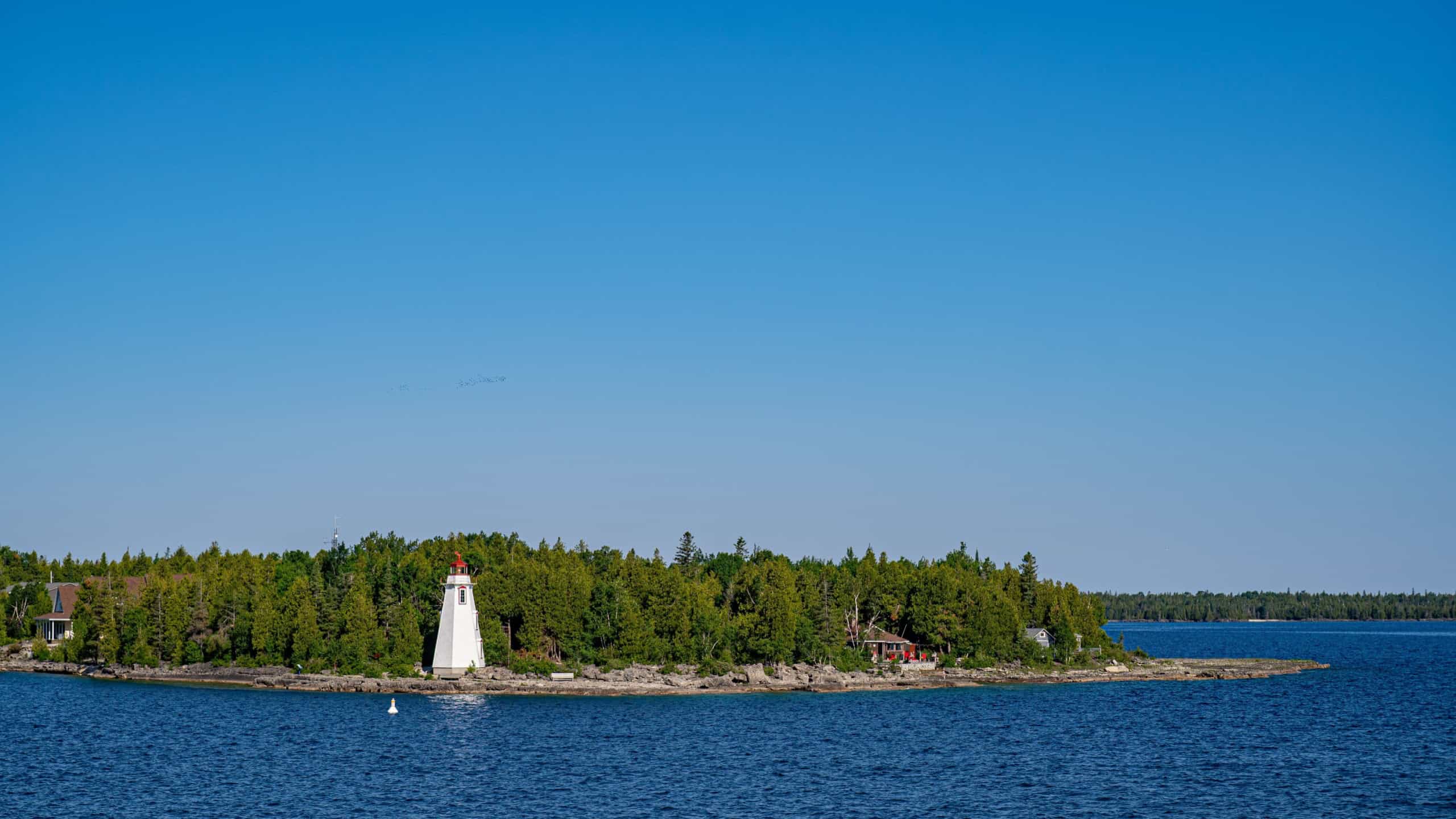
Canada is home to the largest freshwater lake island on the planet: Manitoulin Island. But it doesn’t stop there. Lake Huron, which Manitoulin is inside of, is itself considered a lake island because it’s inside of Hudson Bay. And guess what? Those little lakes on Manitoulin have islands inside of them too.
Low gravity
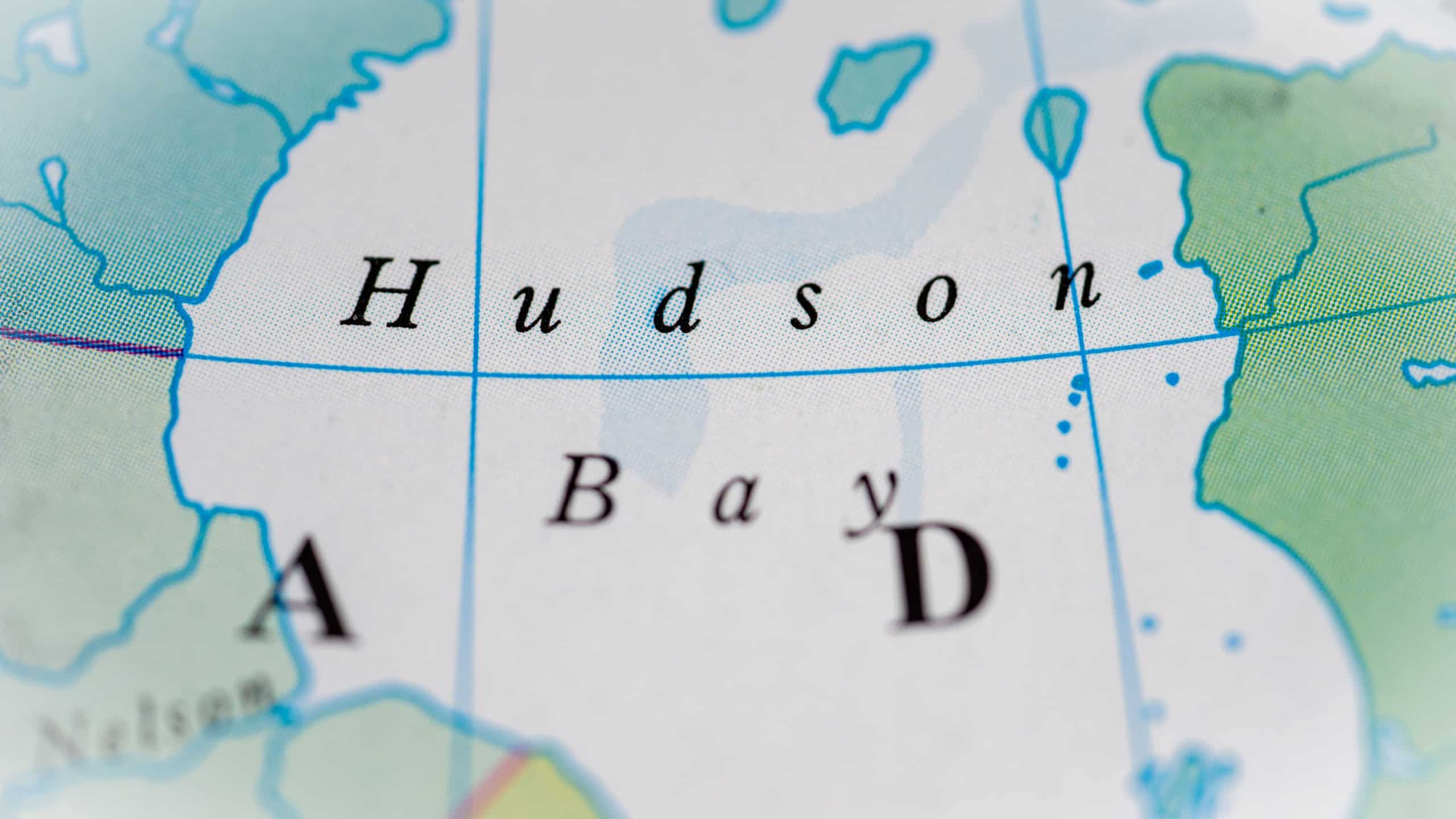
Scientists believe that gravity is lower in regions across Hudson Bay because the Earth is still rebounding from the previous Ice Age.
Experts think this has something to do with glacial rebound; the gravitational pull is less because the Earth’s crust is still bouncing back after being weighed down by thick ice sheets thousands of years ago.
Fortified walls
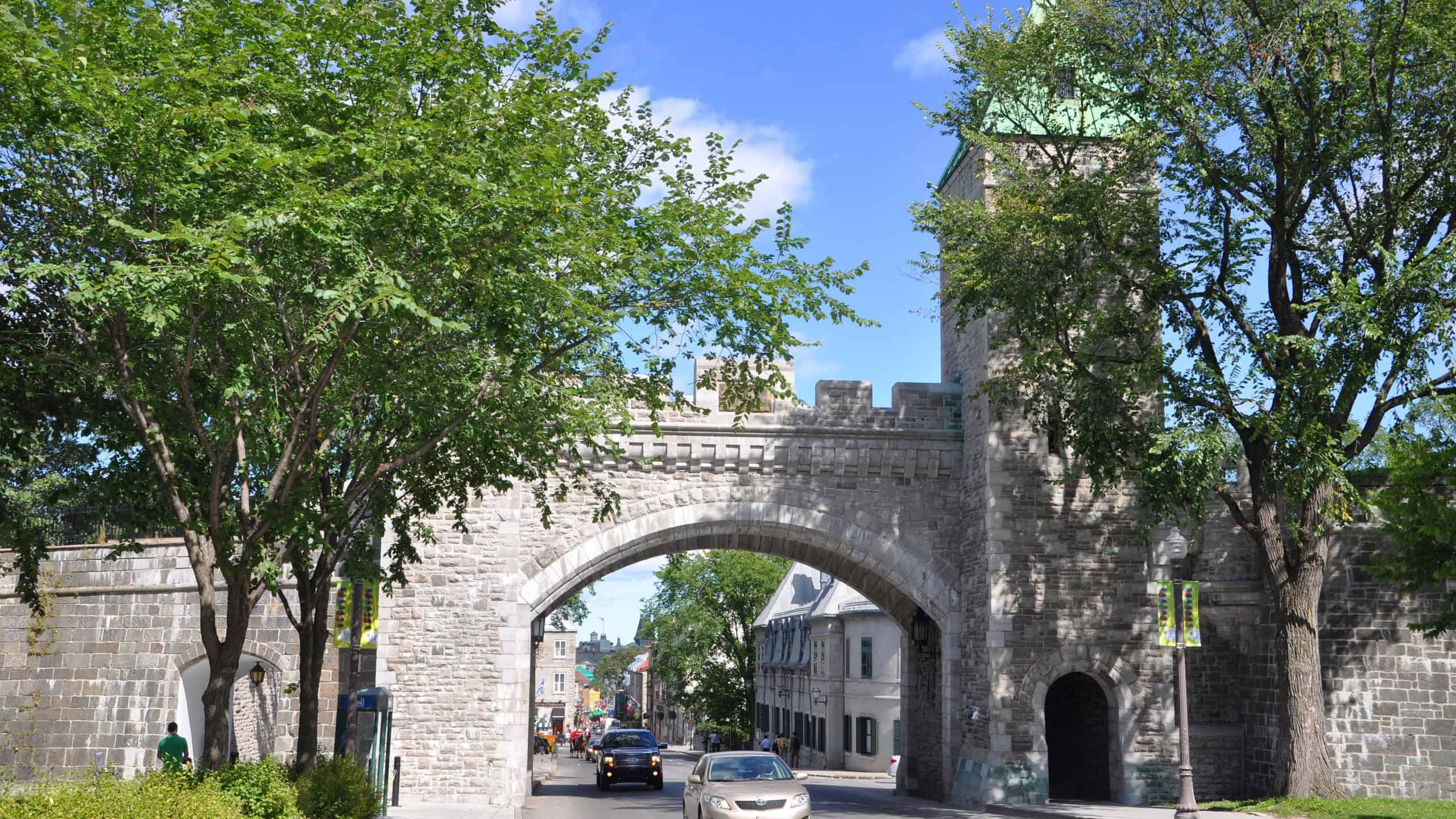
Québec City is the only city in North American history that still has its original city walls intact. Québec City’s fortifications have been standing since colonial times, and today they are a UNESCO World Heritage Site.
Walk through Old Québec’s gates, and you’ll feel like you’ve stepped into the past.
Many lakes
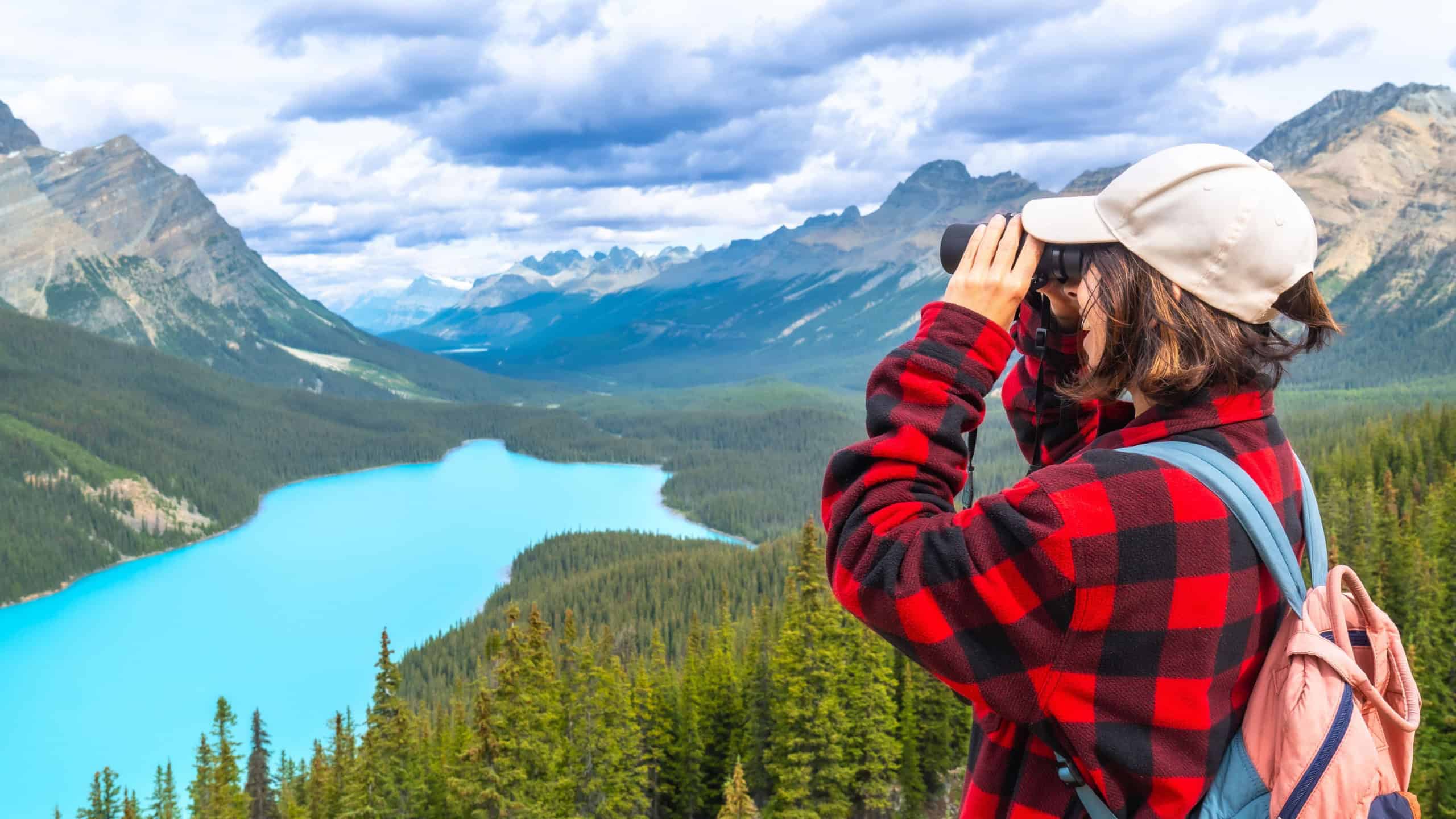
Canada is home to about 20 percent of the world’s supply of surface freshwater. It is estimated that there are more lakes in Canada than there are in all the other countries in the world combined.
Water shapes life in Canada, from providing hydroelectric power and routes of transportation to dictating recreational activities.
Basketball

Basketball is huge around the world, with billions of fans across America and Canada alike. But did you know that basketball was actually created by Canadian Dr. James Naismith, a physical education teacher working at a training school in Massachusetts, in need of an indoor activity to keep his students busy throughout the winter of 1891.
Rubber duck
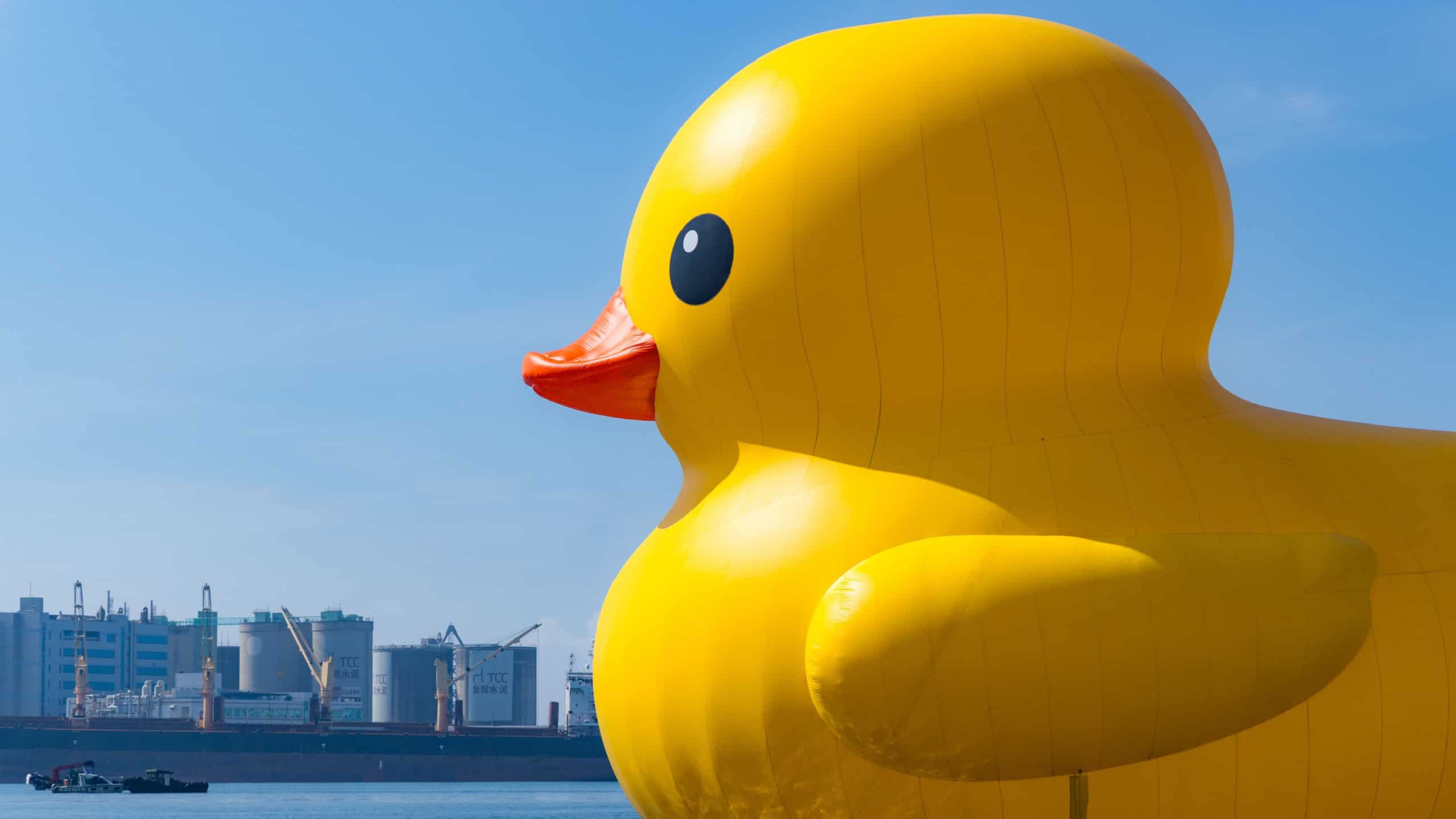
Canada is no stranger to some truly strange celebrations. But in 2017, Canada 150 celebrations featured one of the weirdest and most memorable attractions of all time. An enormous rubber duck floated around in the Toronto harbour as part of the festivities.
Over six stories tall and glowing bright yellow, Canadians from all over joined in on what has become a cherished moment of carefree national pride.
Bear plates
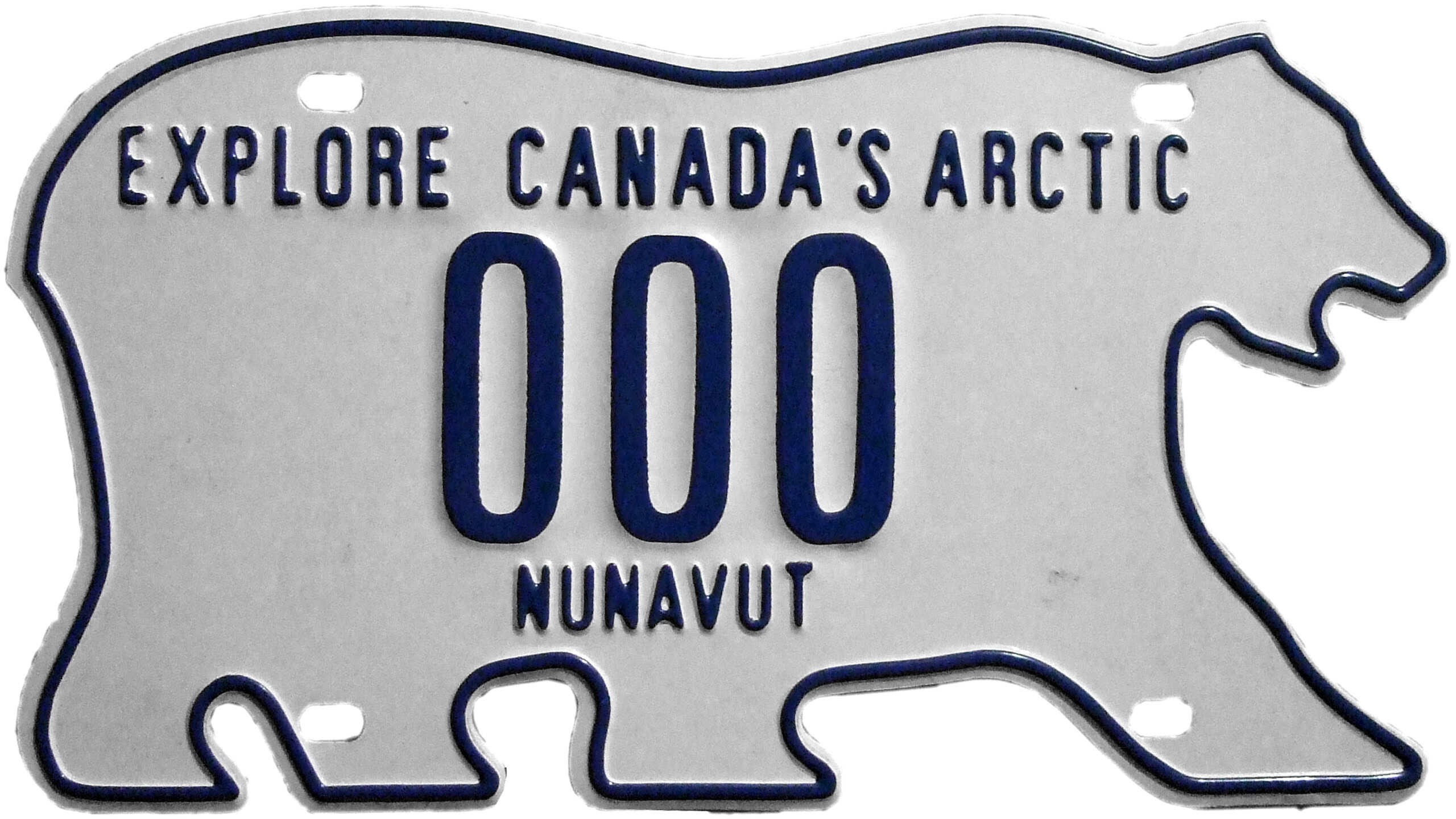
Drive around Nunavut and you’ll notice rectangular license plates are uncommon. Nunavut vehicle owners instead receive die-cut plates molded into the precise shape of a white bear.
These have become Nunavut’s official trademark and a source of major pride amongst its inhabitants. They are essentially built-in advertisements reminding everyone that Nunavut is in the Arctic.
Sources: Please see here for a complete listing of all sources that were consulted in the preparation of this article.