
Traveling in Canada can give you a feeling of comfort that most travelers rarely experience when visiting foreign countries.
Water safety

Whenever you travel internationally, one of your first questions is probably about drinking water. Is the tap water safe? What about the water fountain at the park?
Canadians don’t have to worry about these questions. Municipal water supplies are required to meet some of the strictest safety regulations and tap water anywhere in Canada will be safe, clean, and taste great. You will never have to buy bottled water or use a filter.
Overzealous tipping

International visitors fear dealing with tipping etiquette because they worry about offending someone by not leaving the correct amount of money. Canadians do tip at restaurants (generally for table service), but the pressure is much lower.
Wait staff make an agreed-upon wage, so the penalty for a low tip is far less terrible than what you might experience elsewhere. Canadians will never accost you for tipping poorly or follow you down the street berating you.
Public transits

Some international cities are nightmare zones for tourists trying to use public transit. They have to worry about getting lost or robbed, understanding the schedules, and being confused and intimidated by the rush-hour crowds. However, Canada’s public transit systems aim to remove all of those concerns.
Subway systems like Toronto’s TTC or Vancouver’s SkyTrain are well-mapped, brightly lit, and run on time. They are designed with accessibility in mind and lack the hectic energy found in most subway/bus systems.
Taxi dreads
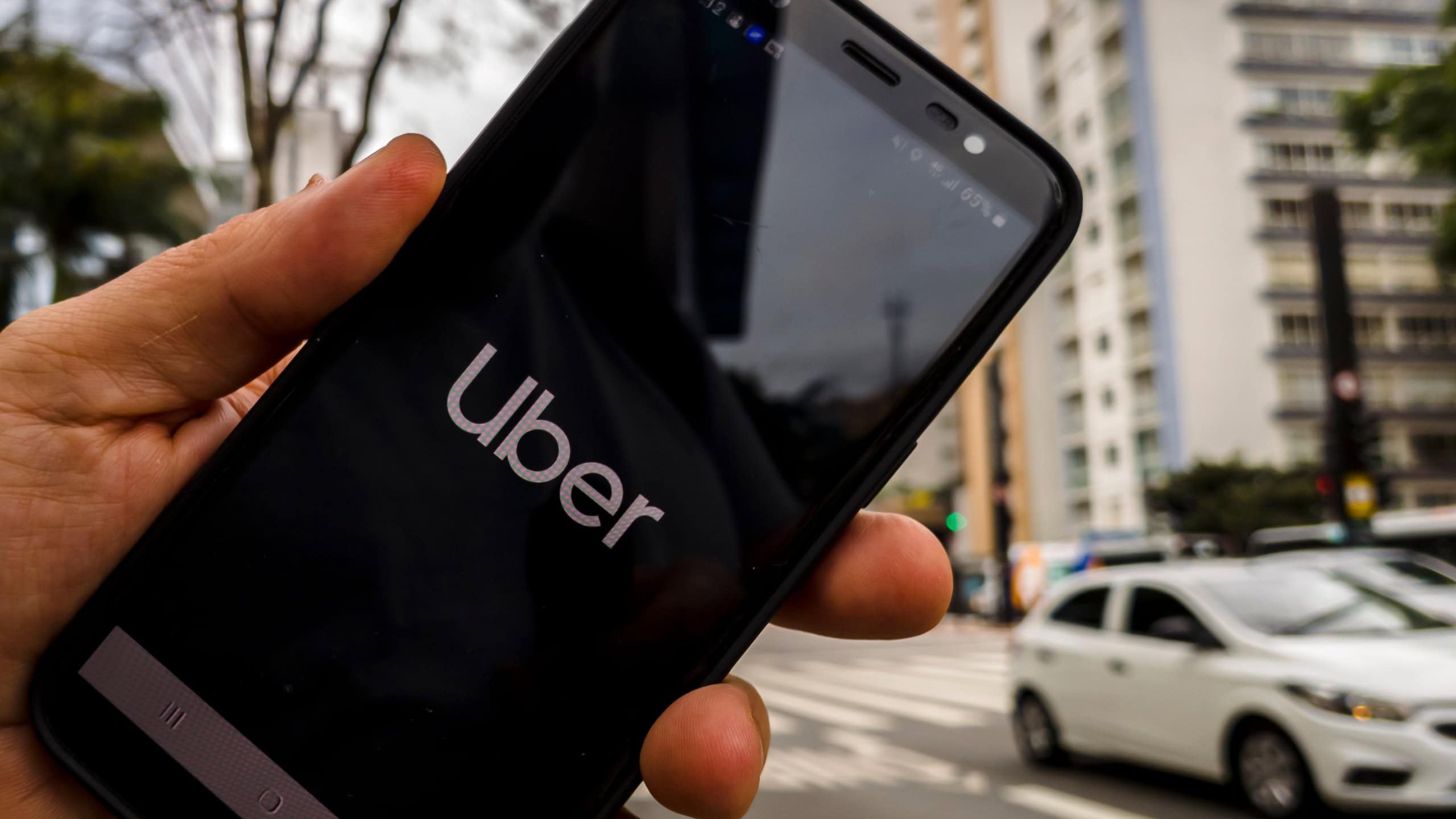
Fear of getting swindled by a taxi driver into paying for an unnecessarily long route is basically non-existent in Canada. Uber is everywhere and taxis are heavily regulated through municipal bylaws.
Taxi drivers are professional, many use GPS tracking, and will not mess around. You can take a taxi or Uber without worrying that you’re being hoodwinked due to your unfamiliarity with the city.
Violent crimes

Most tourists are hyper-vigilant about violent crime, scanning every street corner and dark doorway looking for trouble as they walk through cities. Petty crime is possible anywhere where there are crowds of people, but your chances of being a victim of violent crime as a tourist are incredibly low.
Most neighborhoods in Canadian cities will welcome you with open arms, and you can stroll through most downtowns, parks and tourist areas without being afraid of violence.
Language barriers

If you do not speak English or French, you may fear that you will not be able to ask for the simplest of things (ordering food, finding a bathroom, etc.). Canada’s large immigrant population means that staff are accustomed to dealing with people who do not speak their language fluently.
In cities or rural villages in Canada, you will always find someone who will point you in the right direction using a translator app or hand gestures. Canadians pride themselves on their ability to accommodate others, so getting lost or misunderstood will seldom leave you stranded.
Hospitalization

The prospect of returning home bankrupted by a surprise medical emergency always looms over international travelers. Of course, all visitors should ensure they have travel insurance; but if you need care while in Canada, you’ll find the system to be efficient and non-exploitative.
You won’t be refused care, price gouged in an emergency room, or hit with surprise medical bills for routine services. Medicine in Canada is administered by professionals who pride themselves on clinical standards, not your capacity to pay. So you can count on your health coming first.
Catcalling tourists

For women traveling alone, the thought of dodging aggressive catcalls or frustrated, leering strangers can feel like a strong travel deterrent. Unfortunately, there’s really no place with zero aggressive crowds, but Canada’s social culture strongly discourages this behavior in public.
Personal space/boundaries and respect are social norms that most Canadians are hypersensitive to and you’ll find street interactions are mostly indifferent or friendly. You can walk through most public places without feeling as though your personal space is being challenged.
Canadian bureaucrats

Approaching local officials, police officers, or border agents can feel daunting in some countries. You never know when you’ll say the wrong thing and find yourself having to pay a bribe or entangled in a legal nightmare.
In Canada, encounters with bureaucracy are professional and standardized. From traffic stops to border questioning at the airport, officials follow strict codes of conduct and are held to high standards of fairness and transparency.
Sources: Please see here for a complete listing of all sources that were consulted in the preparation of this article.