
Canada and the United States may be neighbours with much in common, but some differences between the two countries may surprise even the most well-traveled American.
Rat free
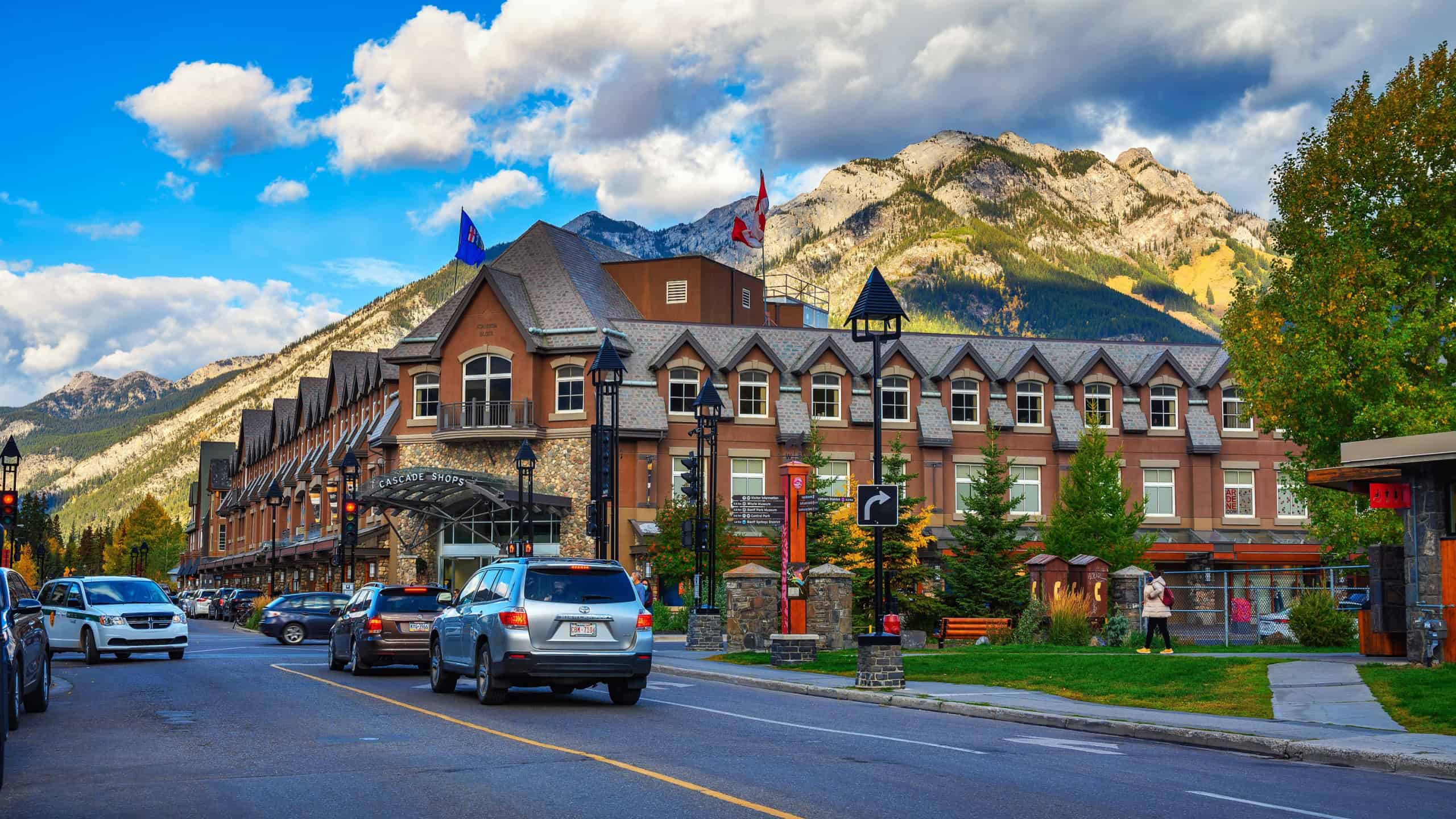
Alberta is one of the only inhabited areas on the planet that is considered to be rat-free. Alberta experienced a huge infestation in the 1940’s that threatened crops. Since then, the government has used aggressive, province-wide control measures.
Alberta’s Agricultural Pests Act still allows any sighting of a rat to be considered a serious biosecurity concern. It is also illegal to own a pet rat in Alberta.
Beer labeling

While the math is the same, Canadian beer and spirits labeling only lists volume percentages. Americans think in terms of “Proof” (which is twice the volume%).
Therefore, seeing “5%” on a Canadian beer label might lead an American to believe it’s weak, when in fact it’s the same as a “10 Proof” American beer.
Milk bags
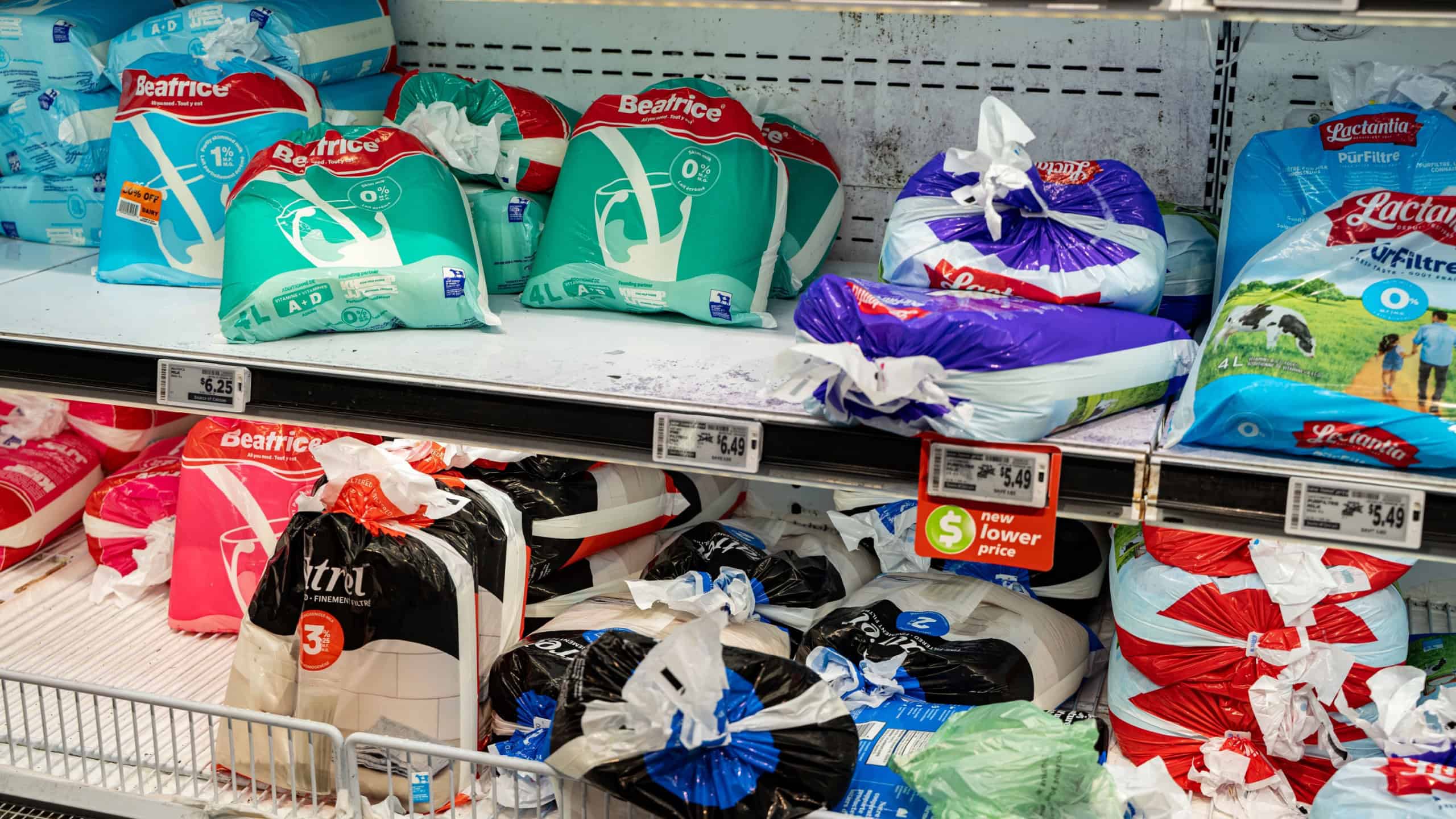
Ontario and the Maritime provinces allow milk to be sold in 1.33-liter plastic bags instead of jugs or cartons. A plastic bag is placed inside of a reusable plastic pitcher, and a corner is cut off so you can pour some milk.
Americans visiting Canada find the bag of milk itself, not to mention the specialized pitcher required to contain it, completely foreign.
Legal cannabis

Most American states have begun to legalize marijuana, but Canada legalized it across the board federally in 2018. Growing, possessing, and distributing marijuana anywhere in Canada is no longer illegal.
For Americans, this is a huge concept to grasp. Here, you have one legal standard for the whole country instead of shifting legalities from state to state.
Santa’s mail

Canada Post runs what may be the single nicest official program in existence. It allows kids to send letters to Santa Claus at the North Pole. They have a real postal address for Santa Claus at the North Pole and an officially sanctioned postal code H0H 0H0.
And Canada Post employees actually take thousands of hours each holiday season to read every letter received and send a written response to every single child who took the time to write.
Healthcare funding

Americans are used to getting health insurance through their employers. Canadians get their healthcare covered by the government through taxes.
Employers can offer additional insurance for things like prescriptions or dental work, but when it comes to medicine (doctor visits, operations, hospital stays), it’s covered by a provincial plan. This separates your basic healthcare from your job.
Parental leave

Canadian employees who take maternity or parental leave are guaranteed their jobs when they return from their leave of absence. However, their salary will come from the national Employment Insurance (EI) plan.
This is completely different than in America, where there is no federally mandated paid parental leave, and it all depends on your company’s policies.
Land acknowledgments

If you attend many public meetings or school assemblies (or even government meetings) in Canada, you’ll likely hear what’s known as a “Land Acknowledgment” before proceedings begin.
Basically, it’s a formal statement read out loud acknowledging the Indigenous territory on which you are presently standing. Americans won’t find too many examples of formal, routine institutional acknowledgements like these in their country.
Winter tires
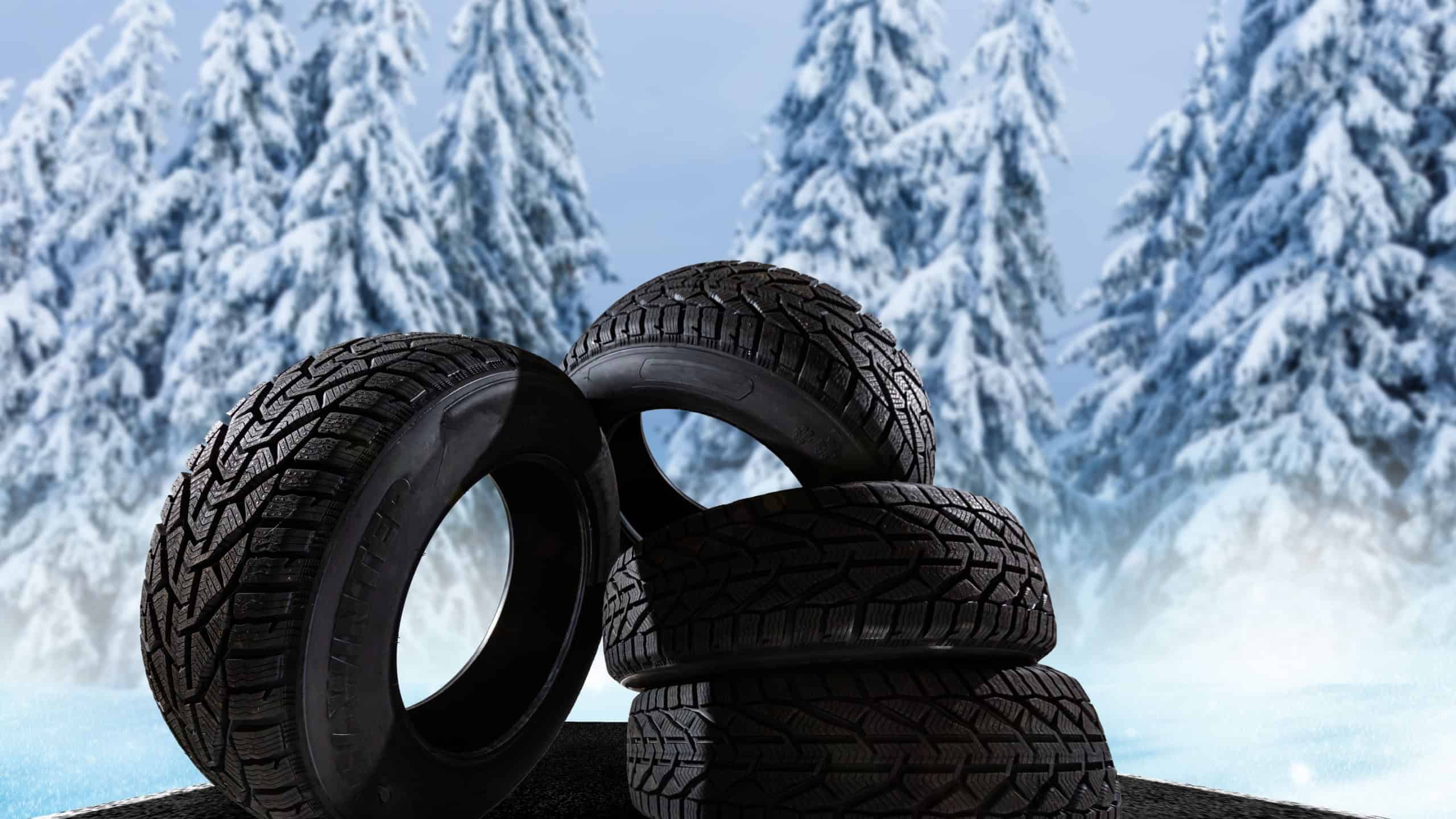
You will often hear Americans say that you can rent winter tires for the season in Canada. This is simply not true. While there are some highly specialized tire storage/buy-back programs throughout Canada, rental tires are not a typical retail offering.
Canadians buy and own two sets of tires (all-season and winter) and rotate them seasonally as required maintenance.
Soda sizes

Canadians are familiar with what Americans think of as Small, Medium, and Large, but American sizes are physically much larger, and have more sizes in between built into tiers.
An American Large or XL will blow the Canadian counterpart’s maximum out of the water. It’s something Americans aren’t aware of until they cross the border.
Mail delivery
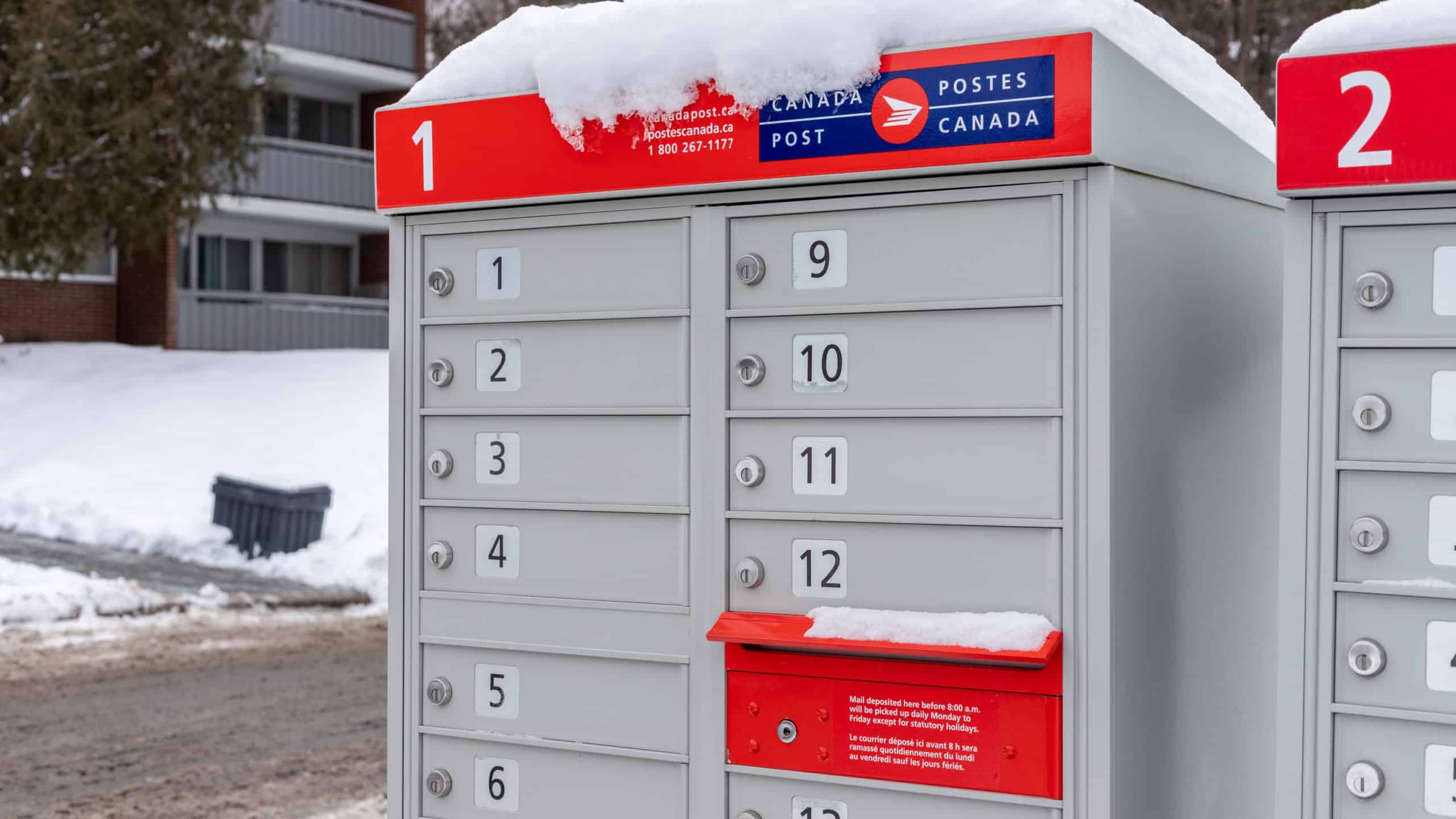
Houses in many suburban Canadian communities no longer receive home-to-home door delivery. They use “Community Mailboxes”, grouped metal boxes stationed on street corners.
One of the most common visual shocks Americans experience when crossing the border is seeing an entire street of mailbox clusters where individually stationed house letterboxes used to be.
Triple island

It’s hard to wrap your mind around this geographical mystery, even with the help of a map: Canada contains the largest triple-island in the world. It’s an island-in-a-lake-on-an-island-in-a-lake-on-an-island.
Somewhere on Victoria Island sits an unnamed lake that contains within it an island, which contains within it another lake, which contains within it another island.
Tulip diplomacy

When spring rolls around each year in Ottawa, hundreds of thousands of tulips pop up in the nation’s streets and gardens. This is not just a result of local gardening.
During WWII, the Dutch Royal Family fled to Ottawa. In fact, Princess Margriet was born in Civic Hospital while the delivery room was temporarily declared outside Canada’s jurisdiction so that she would receive her royal title. Since then, the Netherlands has sent thousands of tulip bulbs to Canada every spring as thanks for their hospitality.
Sources: Please see here for a complete listing of all sources that were consulted in the preparation of this article