
Our bodies and minds tend to become more sensitive to our routine as we age, so it’s important to know some common habits that may unintentionally be sabotaging our health and longevity.
Inactivity
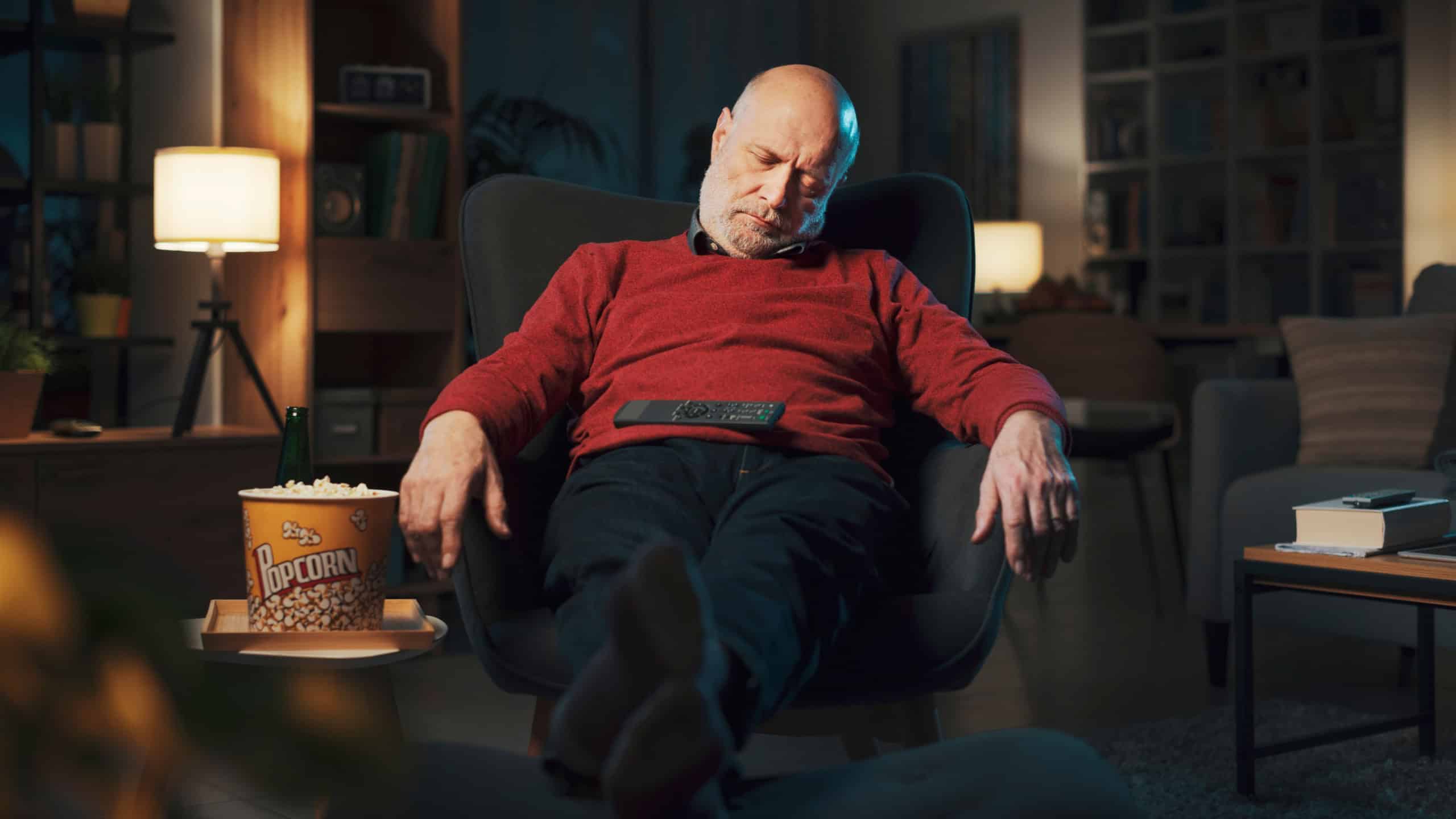
Exercise is one of the best ways to keep your bones dense, joints flexible, and muscles strong. The more time you spend sitting in a chair, the weaker your muscles will become. You’ll feel stiffer than normal and are more likely to fall.
Find time every day to move, even if it is just a short walk around the block or some simple stretches. Chair exercises can also help.
Isolation

Humans are social creatures, no matter what age. Social isolation can affect your brain function, cause depression, and weaken your immune system.
Make time each week to talk on the phone with friends or family. Go out with friends to local clubs or senior centers. Enjoy a meal with others instead of eating alone.
Dehydration

Thirst tends to become less noticeable as you age, so sometimes you may not feel the need to drink water regularly throughout the day. When you don’t drink enough water, you may feel tired, dizzy, and confused. You also have a greater chance of developing a urinary infection.
Make sure you always have a bottle of water by your side so you can sip throughout the day.
Poor nutrition

Many elderly people struggle with eating healthy as they age. You may not feel as hungry as you used to. Perhaps your teeth aren’t what they used to be. It might be difficult to stand over a stove cooking a fancy meal.
Eating convenient processed foods high in sodium or sugar can leave your body malnourished and without the vitamins it needs to regenerate cells, stay energized, and keep your immune system strong. Focus on eating a variety of fruits, vegetables, whole grains, and lean protein.
Sleep deprivation
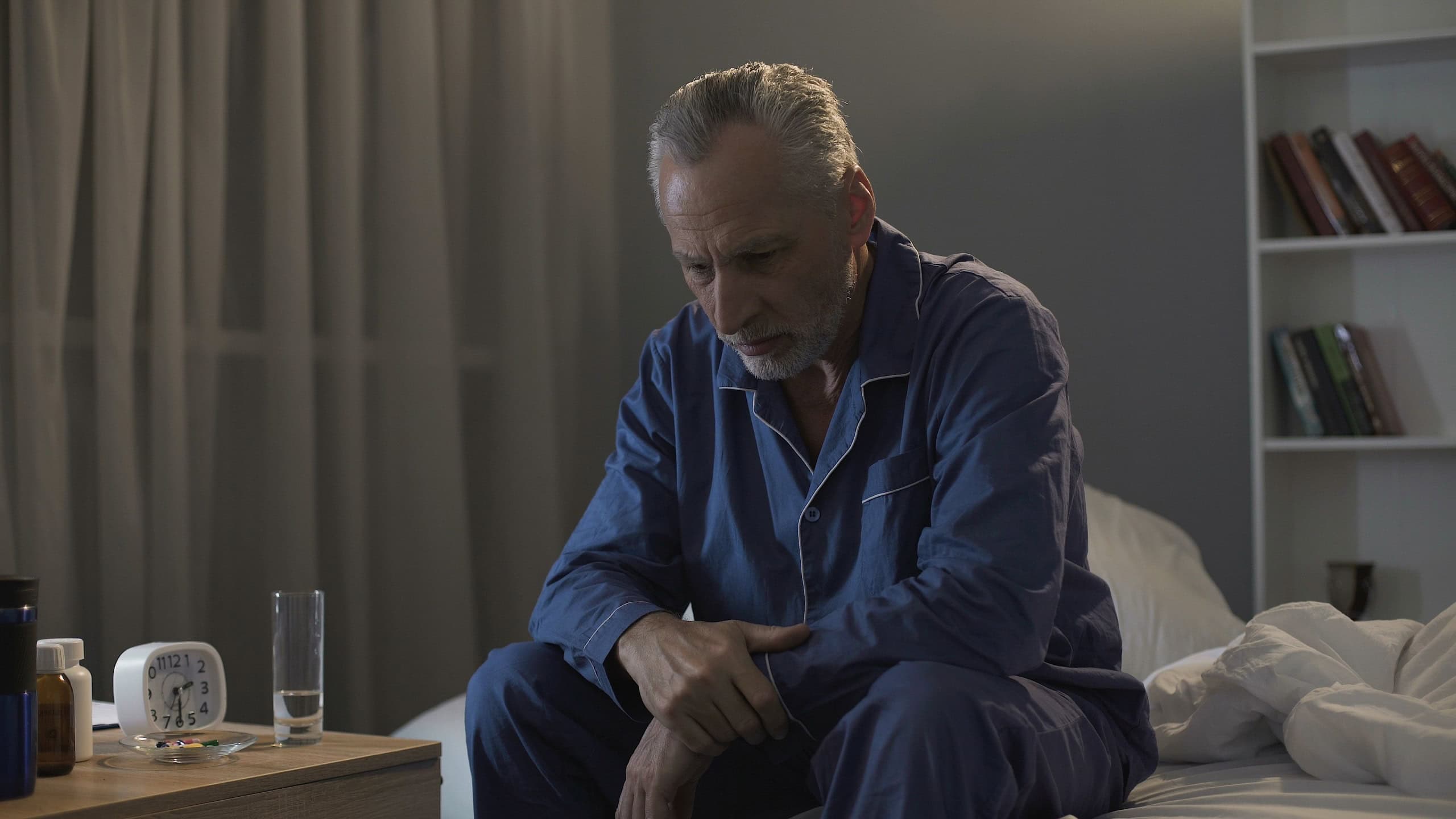
Sleep isn’t optional. When you sleep, your body is repairing itself, and your brain is processing that day’s events. Many seniors have trouble sleeping through the night or take too-long afternoon naps that interrupt their circadian rhythm.
Try to stick to a set bedtime every night and don’t let yourself take long naps. Make sure your bedroom is dark and quiet when you go to sleep. Without proper rest, you’ll never feel mentally sharp or emotionally balanced.
Skipping checkups

A small pain or infection can turn into something serious if it’s left untreated. Don’t skip your yearly screenings or blood work. Make sure you go to all of your doctor’s appointments and talk to your doctor about any new, frequent aches you may experience.
Medication errors

Taking multiple medications every day can be confusing. You could easily take double the amount of medication you should or miss a dose altogether. Some over-the-counter supplements can have serious reactions with prescription medications.
Buy a pill dispenser with clearly labeled days of the week. Set alarms on your phone or keep a list of medications for your doctor to review.
Alcohol consumption

As you age, your body does not process alcohol as well as it used to. That glass of wine you enjoy each night could make you feel unsteady for hours. Drinking can also disrupt your sleep and make you feel tired during the day.
Alcohol can interfere with some medications as well. If you do drink, do so in moderation and know how alcohol affects your body.
Mental stagnation

Our brains are like muscles. Without exercise, they will weaken over time. Watch too much television or go about the same daily routine without mentally stimulating your brain, and you may notice yourself forgetting things more frequently.
Do something every day that challenges your brain. Complete puzzles, read the newspaper, learn a new hobby, or play strategy games like chess.
Ignoring balance

Balance is something many seniors take for granted. By not doing things that challenge your balance, you are more likely to lose your balance in the future.
Practice balancing weekly by doing chair yoga, trying tai chi, or standing up from your chair and holding onto the counter until you feel steady.
Medication overuse

Just because something doesn’t require a prescription doesn’t mean it’s safe to take every day. Relying on daily antacids, pain relievers, or sleep medication can cause other problems, such as irritation, dependencies, and brain fog.
Consult with your doctor before starting or continuing any daily regimen of OTC medication.
Smoking

It is never, ever too late to quit smoking. While you won’t completely reverse the damage done to your lungs and heart, you will see drastic changes in your heart rate and blood pressure when you quit.
Your lungs will begin to work better too. Your body can heal itself. Don’t let years of smoking stop you from quitting now.
Poor posture

Slouching while sitting, walking, or standing will cause you to put unnecessary pressure on your spine. This can lead to uneven spine curves and can even cause your internal organs to shift, making it harder to breathe and function normally.
Practice good posture and invest in chairs that support the natural curve of your spine.
Chronic stress

When you’re stressed, your body produces hormones that can weaken your immune system, raise your blood pressure, and leave you feeling tired all the time.
Find other ways to deal with stress or tension. Try mindfulness, prayer, journaling, meditation, or confide in a friend or family member.
Financial neglect

Financial stress can take a toll on your body. Make sure you are taking the time to organize your bills and finances. If you feel overwhelmed, hire a professional to help you get organized or provide you with financial advice.
By taking care of your finances now, you can relax and rest easy knowing you are prepared for the future.
Sources: Please see here for a complete listing of all sources that were consulted in the preparation of this article.