
You’ll likely hear the same comment from Americans visiting Canada. They’ll tell you about how things here feel weirdly formal to them, but not necessarily in a stiff or unfriendly way. It’s more that they take issue with how overly-structured society seems over here.
For us, it’s a normal part of Canadian life, yet for them, it feels a little too rehearsed. They can’t get over how proper some things appear to be.
Here are some Canadian habits that feel surprisingly formal to Americans and the reasons for this. Which one feels the most normal to you?
Using the 24-hour clock to avoid mix-ups
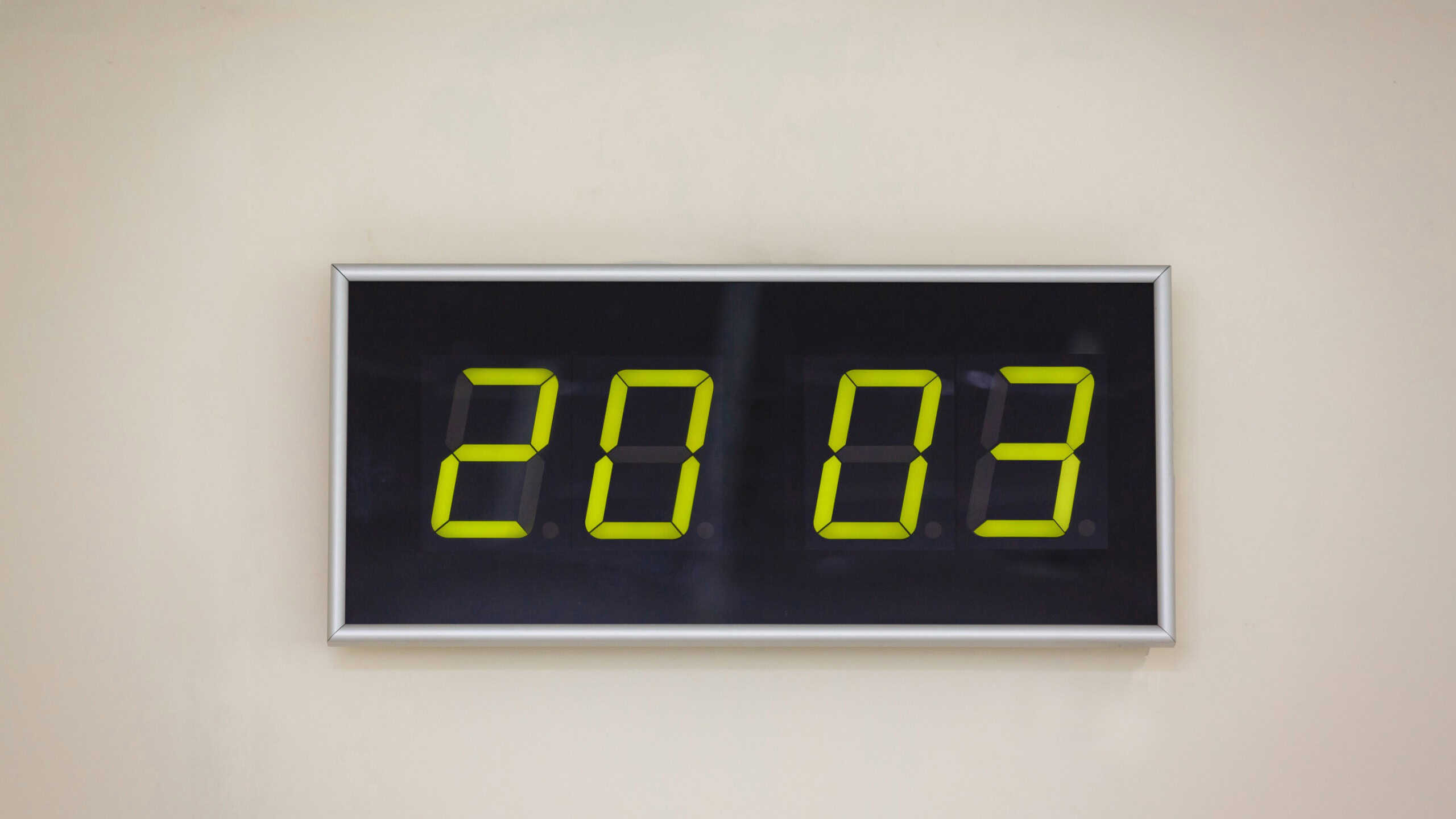
It’s relatively normal in Canada to use the 24-hour clock for schedules, especially in official contexts, and it’s meant to avoid any confusion between 12 AM and 12 PM. That’s not as normal in the United States.
They read the 24-hour clock as something that only happens in the military or in very formal situations. As such, while it may be a regular way to read the time over here, it’s too much for some Americans.
Apologizing before speaking or interrupting

Generally, Canadians will say sorry before they ask a question or enter a conversation, despite the fact that nobody’s actually at fault. There’s actually an Apology Act in Ontario because of how common it is to apologize.
Lots of Americans see it as being overly formal because there’s no need to apologize for something that’s not your fault. It actually reads a little stiff sometimes.
Indirect disagreement in conversation

Similarly, lots of Canadians soften their disagreement by using buffers like ‘maybe’ or ‘I’m not sure.’ We might also say things like ‘I could be wrong, but.’ These phrases essentially work as disclaimers that we use before disagreeing, and many newcomer workplace guides in Canada give examples of them so people can get used to them.
Lots of cultural guides also detail how relatively indirect we are, and such careful wording is something that many Americans see as being overly formal. They can’t understand why we’re so insistent on staying polite and avoiding conflict.
Asking permission before sharing strong opinions

Another language quirk we have involves giving a soft lead-in before we say something blunt, like saying, ‘If you don’t mind me saying,’ or ‘I might be off here.’ It’s not as common to speak that way in the United States.
For Canadians, using such indirect phrasing is a way to offer criticisms without coming off as harsh, but quite a few Americans view these permission phrases as strange. They think we’re being more formal than the moment calls for.
Avoiding blunt no answers

Here’s one that practically all of us do. Rather than giving a clean ‘no,’ we’ll give a softer refusal with reasons or options, like saying ‘I’m not sure that’ll work’ or ‘Maybe another time.’ It’s all because we tend to dislike being too direct during conversations.
However, some Americans view our insistence on being polite as being an overly formal style of communication, especially since American communication styles focus on directness instead. Trying to hedge around direct refusal is confusing for them.
Small talk that follows polite scripts

Small talk varies around the world, and in Canada, it tends to be on a few predictable topics, like weather, weekend plans, commutes, and other light stuff. In fact, guides for international students here include details on easy topics to use when communicating with Canadians.
Of course, small talk does exist in America. But it’s more common for them to avoid such a polite opener when having business conversations, for example, and they’d rather be direct. They take our preference for small talk as being too structured.
Using formal phrasing in friendly conversations

You might be sending an email to a coworker that you’ve known for many years. However, chances are that you’re going to use an older-sounding line like ‘please advise’ in your email, despite the fact that you talk with that person every day.
Formal wording like that is still in circulation over here, yet many Americans take it as being overly stiff wording that sometimes seems a little cold.
Treating group decision-making as a consensus ritual

Spending time checking in with everyone in a meeting is completely normal here. After all, we ask questions such as ‘Is everyone okay with this?’ and ‘Any concerns before we lock it?’ during formal meetings all the time, even when it’s not something that requires group consensus.
Americans often view such checking in as being too procedural. Most American meetings tend to move once a leader decides, rather than once a round of checking everyone’s opinions has passed.
Maintaining a moderated tone in heated discussions

It doesn’t matter that people might strongly disagree with the other person because in Canada, you’re supposed to remain calm. You’re supposed to keep your tone steady and most certainly avoid sounding aggressive.
Yet Americans view our insistence on calm phrasing as being extra formal, since they think everyone has the right to express themselves during tense topics. It’s less about emotional neutrality for them.
Over-explaining context before making a simple request

Making a request in Canada involves a lot of things. You’ll need to create a warm setup and give a bit of background, then you finally deliver the request itself near the end, because that’s the way that asking for something works here.
It makes even the shortest of questions feel longer than they need to be. That’s why so many Americans see it as being too formal, since they don’t think there should be such extra framing during a conversation. They simply ask directly.
Sources: Please see here for a complete listing of all sources that were consulted in the preparation of this article.
Like our content? Be sure to follow us.