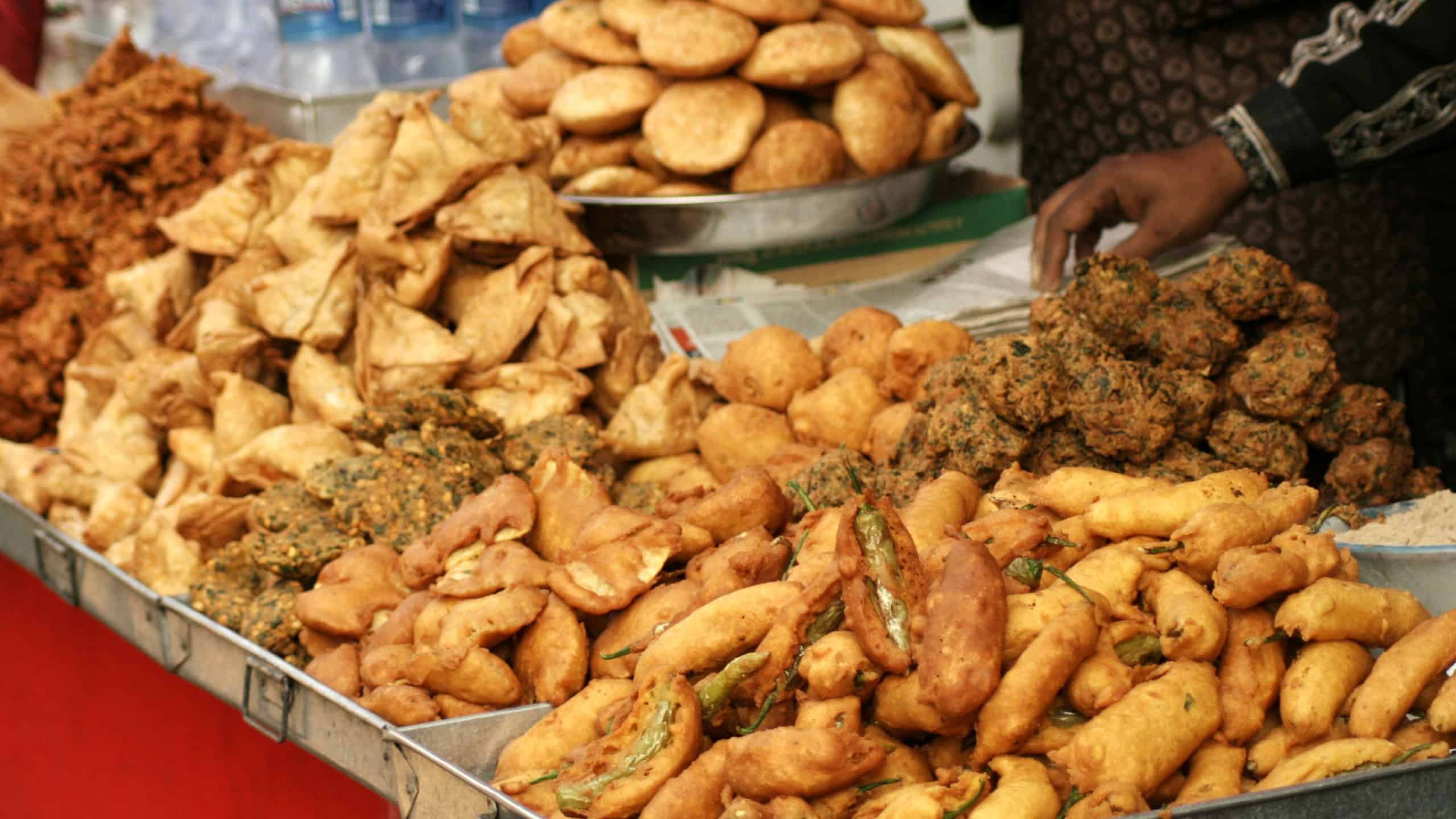
Cooking at home is widely considered to be the best way to save money in most Western countries, but the old adage doesn’t apply if you live in these countries.
Singapore
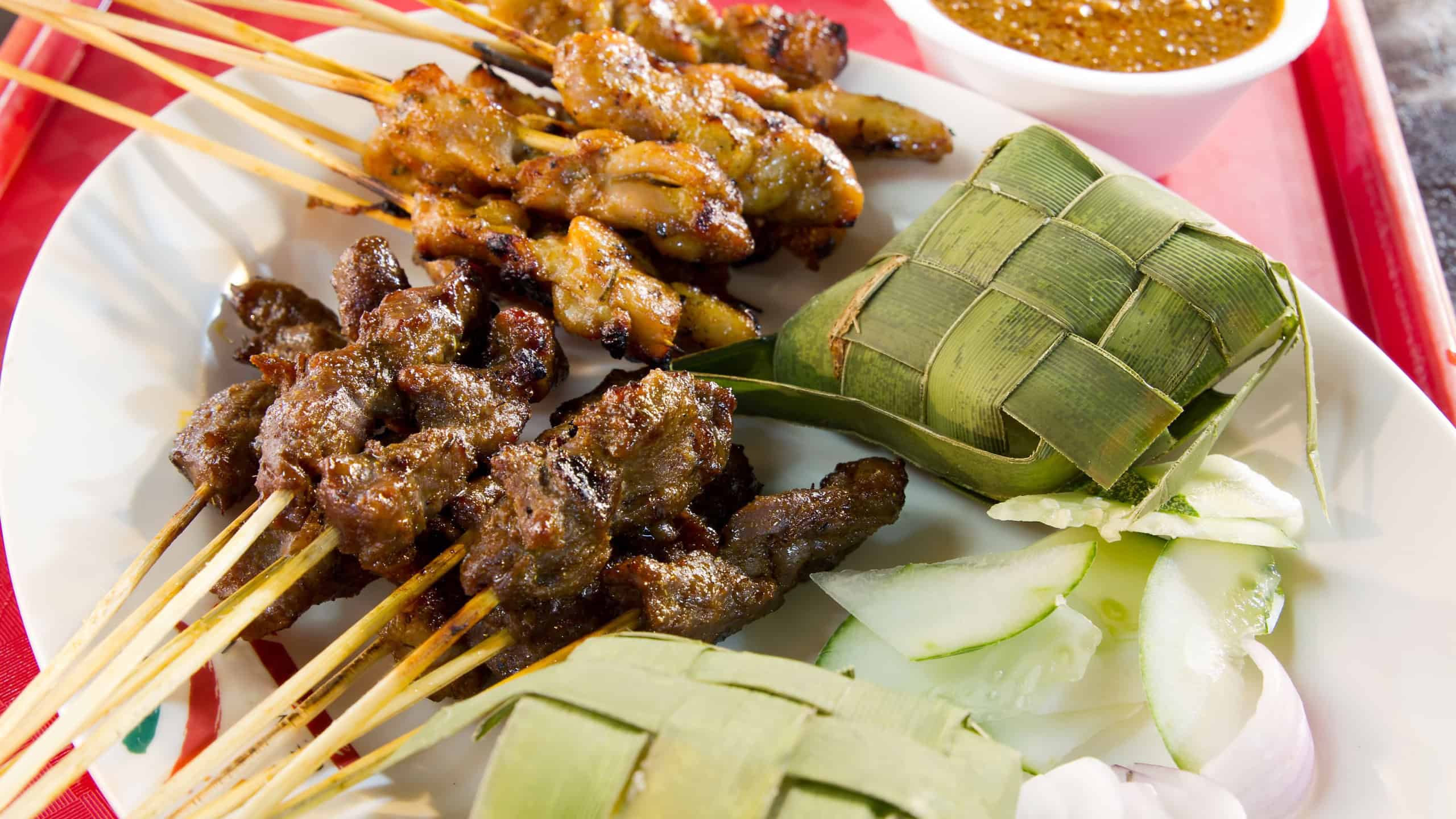
Did you know that UNESCO protects Singapore’s famed hawker centers for a reason? They are heavily subsidized by the government so that everyday meals are affordable.
Limited space and high import costs for groceries mean purchasing your own vegetables, meats, and sauces to prepare a meal will run you twice what you’d pay for a bowl of Hainanese chicken rice or Laksa at the nearest food court.
In fact, many modern apartment buildings are even constructed without ventilation hoods because developers know citizens won’t be cooking.
Taiwan
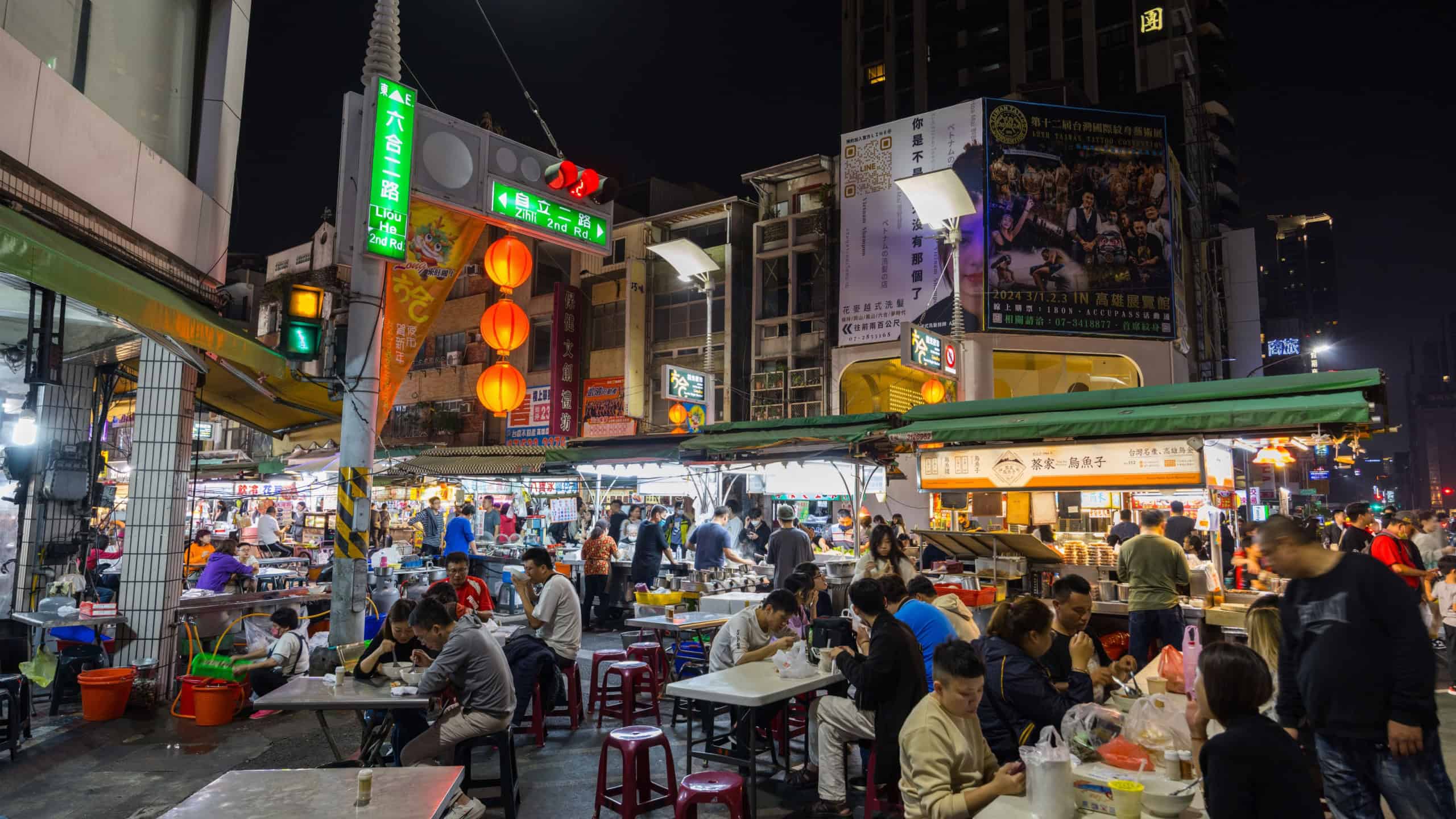
Night markets and biandang shops (peddlers selling lunchboxes) are common throughout Taiwan, so it’s often not worth cooking at home. For just a few dollars, you can get a complete box with pork chop, rice, and 3 seasonal vegetable sides.
When accounting for electricity prices, expensive produce from grocery stores, and variety from street vendors, cooking a multi-dish meal at home feels like a waste of money and time.
Malaysia
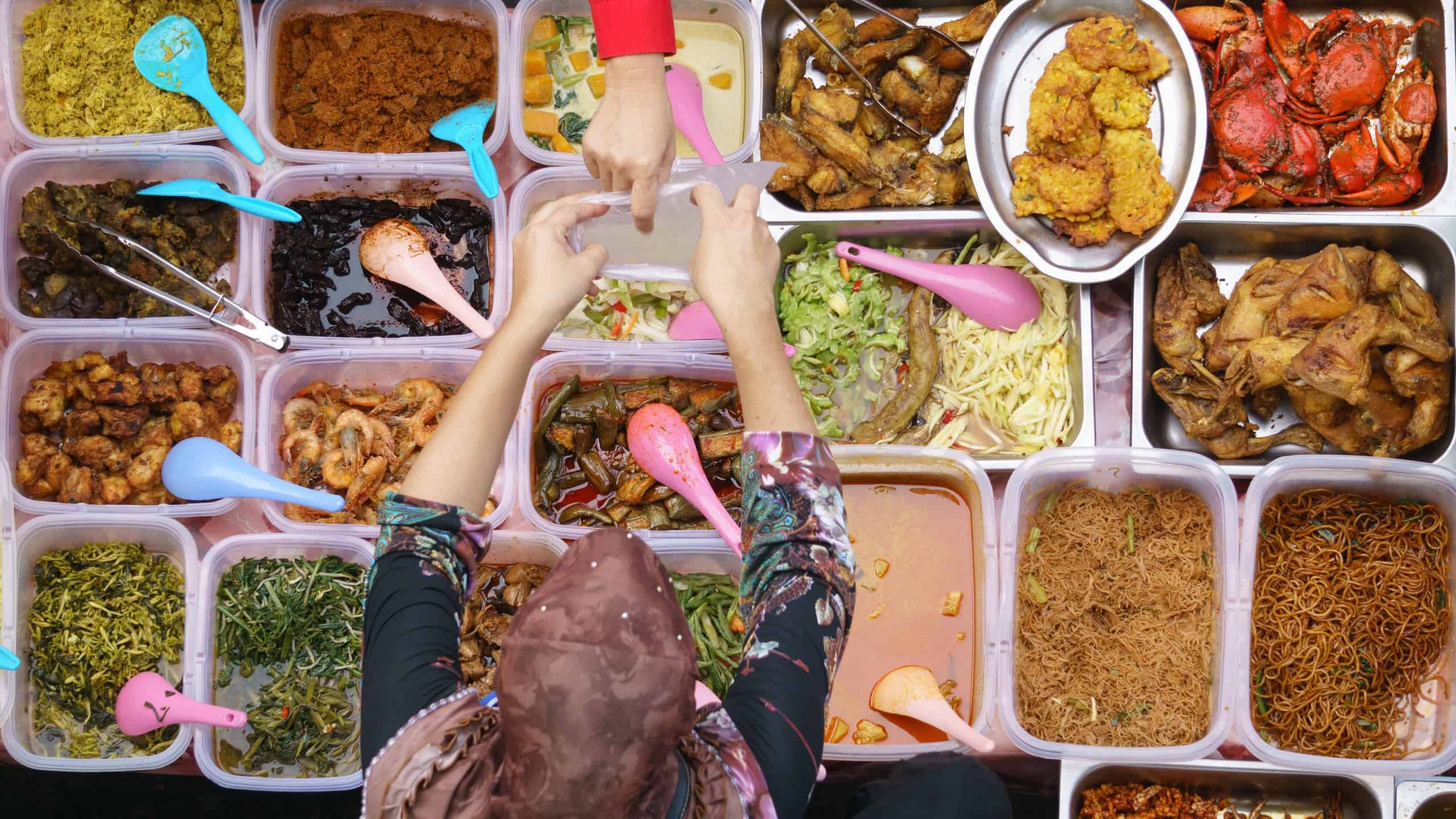
As in neighbouring Singapore, there is an extremely competitive food stall culture with kopitiams (coffee shops) and mamak stalls (24-hour open-air eateries). A breakfast of Nasi Lemak or Roti Canai will cost you almost nothing.
Supermarkets, especially those found in large cities such as Kuala Lumpur, tend to focus on expensive imports, so a basic basket consisting of Western-style goods or premium local products will surpass the cost of dining out for three meals a day.
Thailand
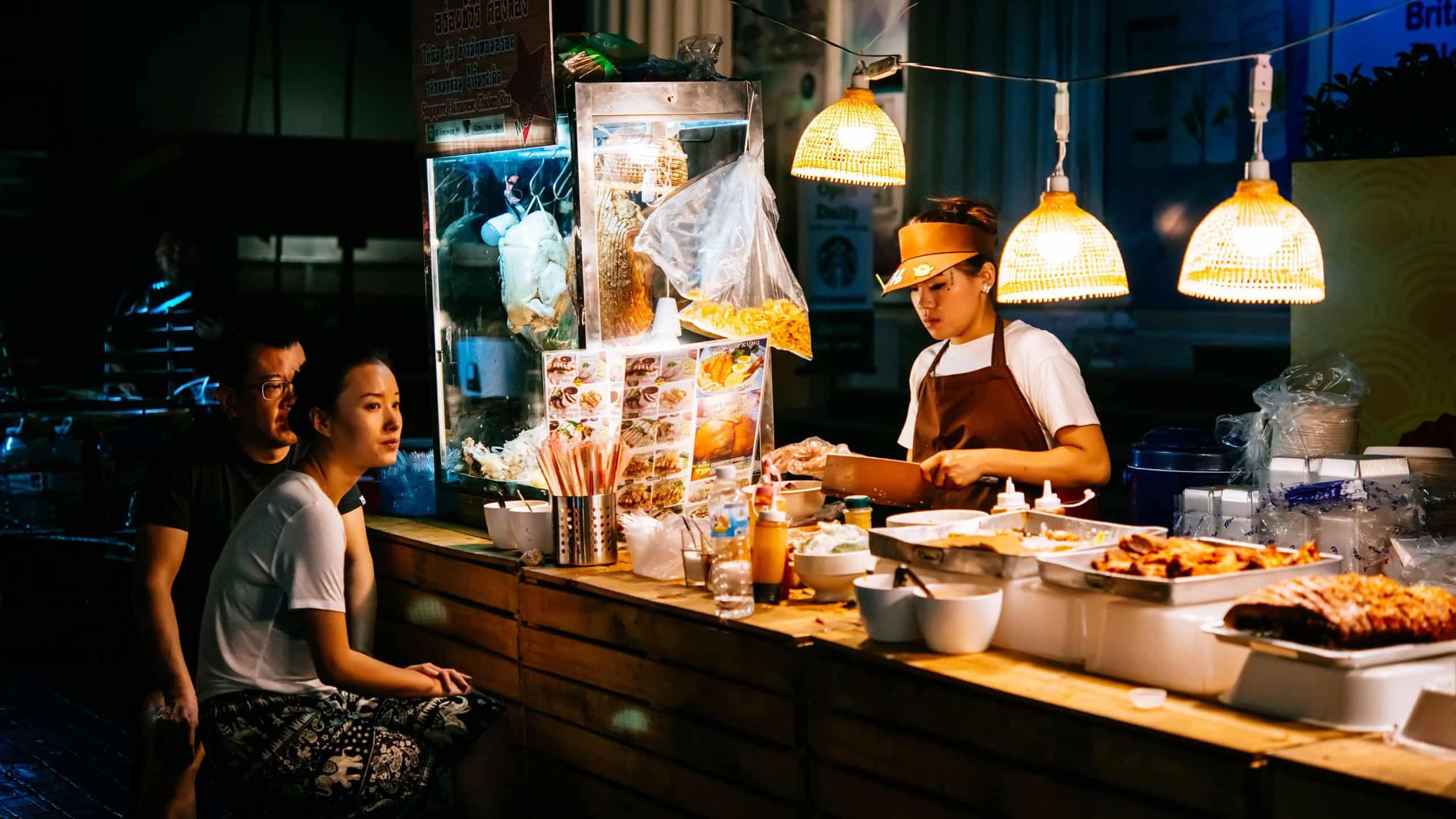
Street food stalls are considered an extension of the Thai living room. In Bangkok and other large cities in Thailand, open-air markets and roadside carts sell fresh Pad Thai, green curry and papaya salad for a small fraction of what you would pay at a supermarket for the ingredients to make yourself.
This is because food stalls purchase their vegetables and meat in bulk, wholesale amounts directly from farmers, allowing them to get prices that an everyday person shopping at a grocery store cannot compete with.
Vietnam
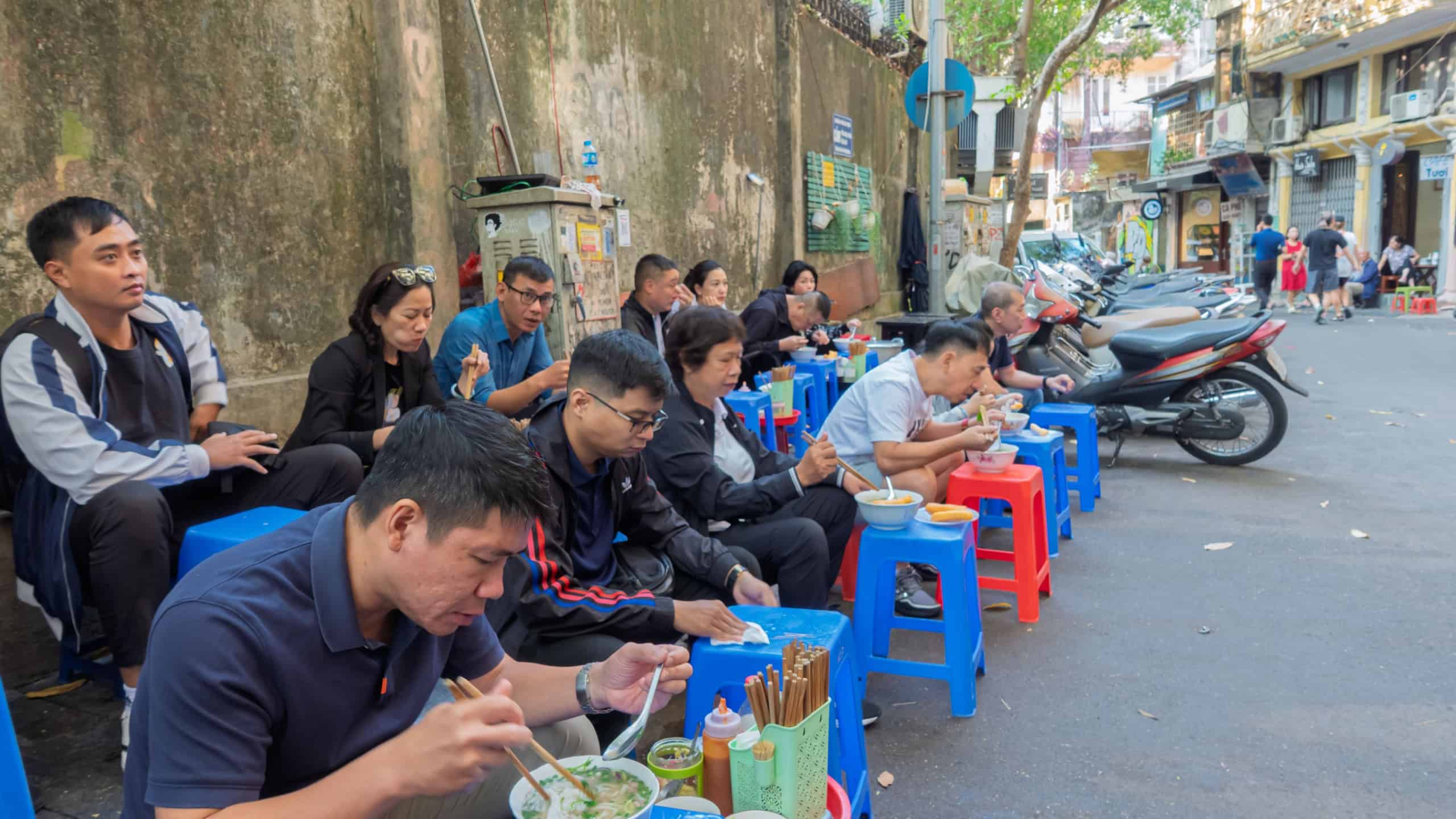
Sidewalks along Vietnam are filled with locals sitting on small plastic stools, slurping away at a piping hot bowl of Pho or a crunchy Banh Mi sandwich in mere seconds.
Gas prices, specialty kitchen gear, and the time it takes to simmer an intricate, flavorful broth at home mean making this from scratch is a waste of money. Street vendors work on hyper-thin margins with huge volume, which they happily share with the consumer.
Mexico
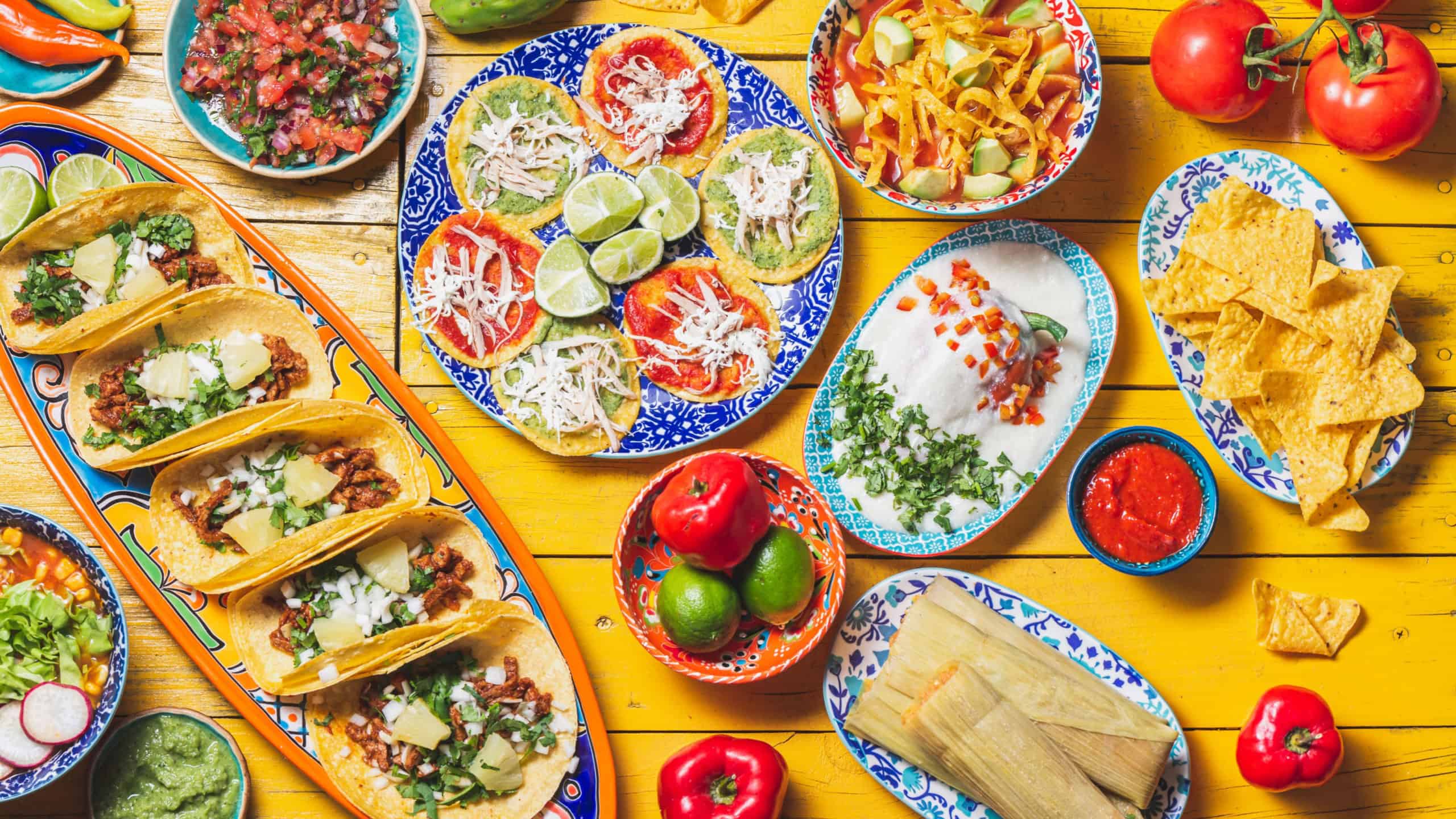
Cooking at home is not uncommon in rural settings. In cities, however, the math doesn’t always add up. Neighbourhood fondas (small family-run shops) have a daily fixed price meal known as menú del día or comida corrida with soup, main dish, beans, tortillas, and a drink for under the cost of a raw chicken breast at chain supermarkets.
Add to that, virtually every corner has cheap taco stands with limitless food, and cooking for one or two people is rarely cost-effective.
South Korea
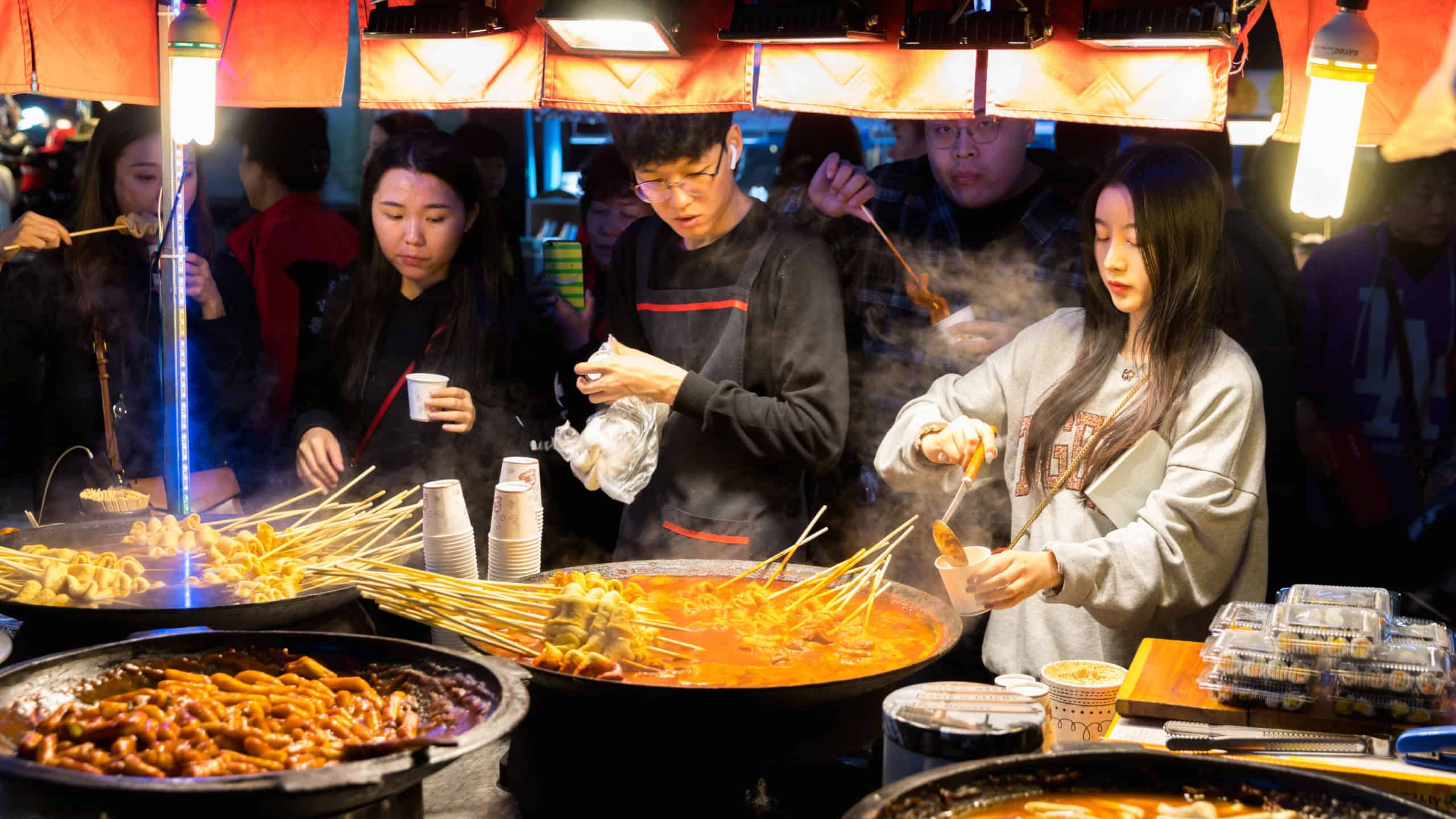
Prices at gimbap restaurants and bunsikjib (snack shops) in South Korea are very cheap, with satisfying meals such as spicy rice cakes, stews, and rice rolls. Prices at grocery stores are expensive, as fresh fruits, beef, and vegetables are among the most protected markets by domestic agriculture tariffs.
Unless you have an enormous family to cook for, buying small amounts of produce at the supermarket will bleed you dry compared to local diners.
Indonesia
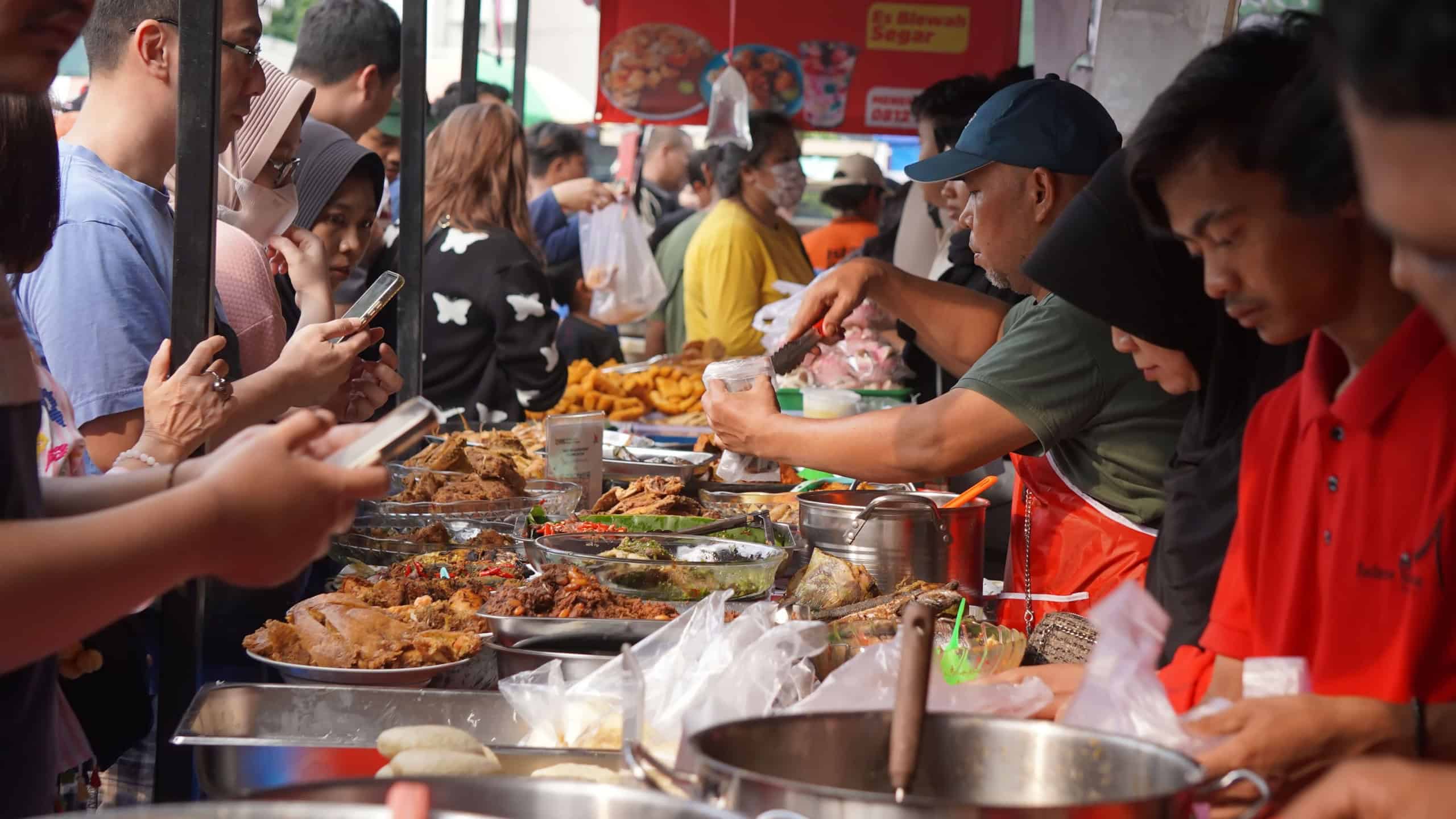
Warungs (family-owned restaurants) and sidewalk food stalls known as kaki lima are prevalent in Indonesia. Their menu usually consists of common Indonesian foods such as Nasi Goreng (fried rice) and Mie Ayam (chicken noodles), priced lower than supermarket prices would allow.
Since most Indonesians dine out, retail grocers do not offer price breaks for small quantity buyers, and cooking at home is considered expensive rather than thrifty.
India
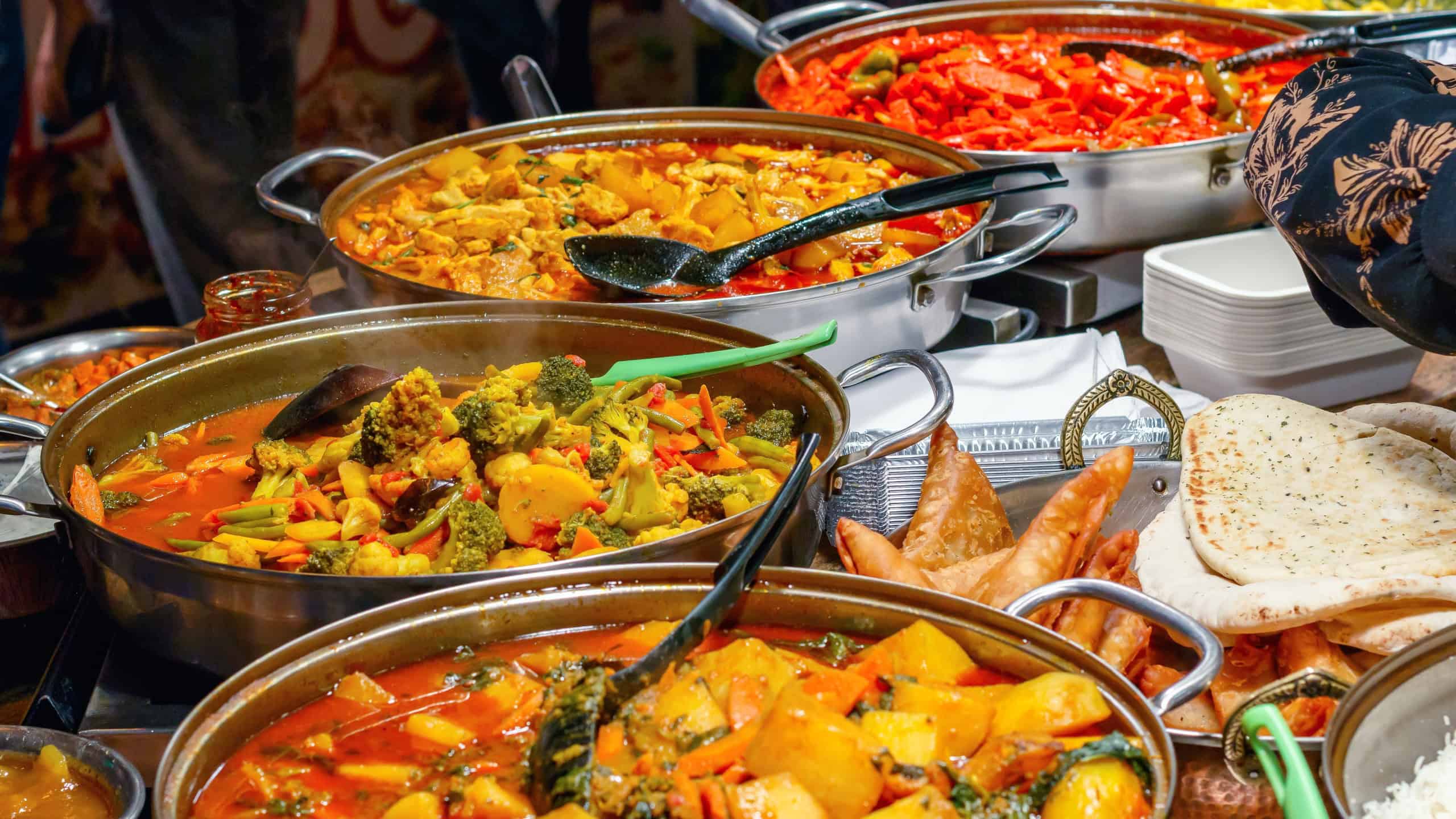
India’s informal food economy is so large in cities that economies of scale keep prices absurdly low. Whether at highway dhabas or neighbourhood tiffin services delivering homemade food to your doorstep, low labor costs and high-volume procurement mean businesses can charge next-to-nothing on ready-made food.
Factor in gas/electricity for cooking and the extremely quick perishability of raw ingredients in hot weather, and it just makes sense to buy cooked food instead of cooking at home.
Sources: Please see here for a complete listing of all sources that were consulted in the preparation of this article.