
Most Canadians don’t realize how unusual their language is until they cross the border. Then, when we’re down south, we find out just how specific our vocabulary is, as many Americans will stop us in the middle of the conversation to ask exactly what a word means.
Some of our words came from Canadian-only brands, while others came from a British influence that never went away. Either way, these words are those that you won’t really find in the United States and can make you stand out.
Here are ten everyday phrases that instantly reveal you’re Canadian in the U.S. Which of these do you think is the most Canadian?
Pencil crayons

The majority of Canadian teachers will talk about pencil crayons in their classroom, as it’s a Britishism that stuck around in schools and retail packaging over here. But not in America.
They’ll talk about colored pencils instead. As such, you’re very unlikely to see anything about pencil crayons on art lists or school supply flyers in the United States.
Grade one

That’s not all for the classrooms. Over here, we tend to number school years as grade one, grade two, and so on, with such phrasing being a standard part of conversations.
But in America, people tend to only use the term ‘first grade.’ The phrases themselves aren’t drastically different from each other, yet it’s rather telling that you’re Canadian when you say things like ‘grade one’ instead of ‘first grade.’
Garburator

Discussions about kitchen renovations in Canada usually include references to garburators. That’s not something you’ll find in America. In fact, many people over there might be a little confused, should you use the term around them, because they’re used to hearing about garbage disposal in the kitchen.
The reason we use the word garburator instead is because of early Canadian advertising campaigns, which spread the brand name into our general vocabulary. It’s similar to how Americans use Kleenex to refer to any kind of tissue.
May two-four

It doesn’t matter that the calendar date has changed because many Canadians refer to the Victoria Day long weekend as May two-four. The name came from the slang for a 24-pack of beer.
Of course, in America, they don’t celebrate Victoria Day, so they have no need to refer to the date in the same way. Anyone who says May two-four is either Canadian or has spent a lot of time here.
Hitting the bank machine

It’s quite common in Canada to talk about hitting the bank machine instead of saying that you’re going to the ATM. That’s not to say that people down south won’t understand you if you use it, but they’ll be able to tell that you’re not from there.
Interestingly, people used to use the phrase ‘instant teller bank machine’ in Canada to talk about the machine, although you’re more likely to only hear the shortened phrase ‘bank machine’ today.
Cube van

People planning a move in Canada will often mention the phrase ‘cube van,’ and it’s something that we use to refer to any kind of box-shaped moving truck. The term has existed over here since at least the 1980s.
The term quite literally came from the shape of the vehicle, and the phrase spread across Canada through moving companies and delivery trades. However, Americans will use the term ‘moving truck’ instead.
Tuck shop

It shouldn’t come as much of a surprise that Americans don’t use the phrase ‘tuck shop,’ as it came from older British school slang. ‘Tuck’ refers to the sweets or treats that people buy between meals. Eventually, the phrase travelled through school systems in the Commonwealth, and the phrase ‘tuck shop’ originally only meant a school canteen.
But it came to mean any sort of small snack counters in schools or hospitals in Canada, although it doesn’t really exist in America. People there might say ‘concession stand’ instead.
All-dressed
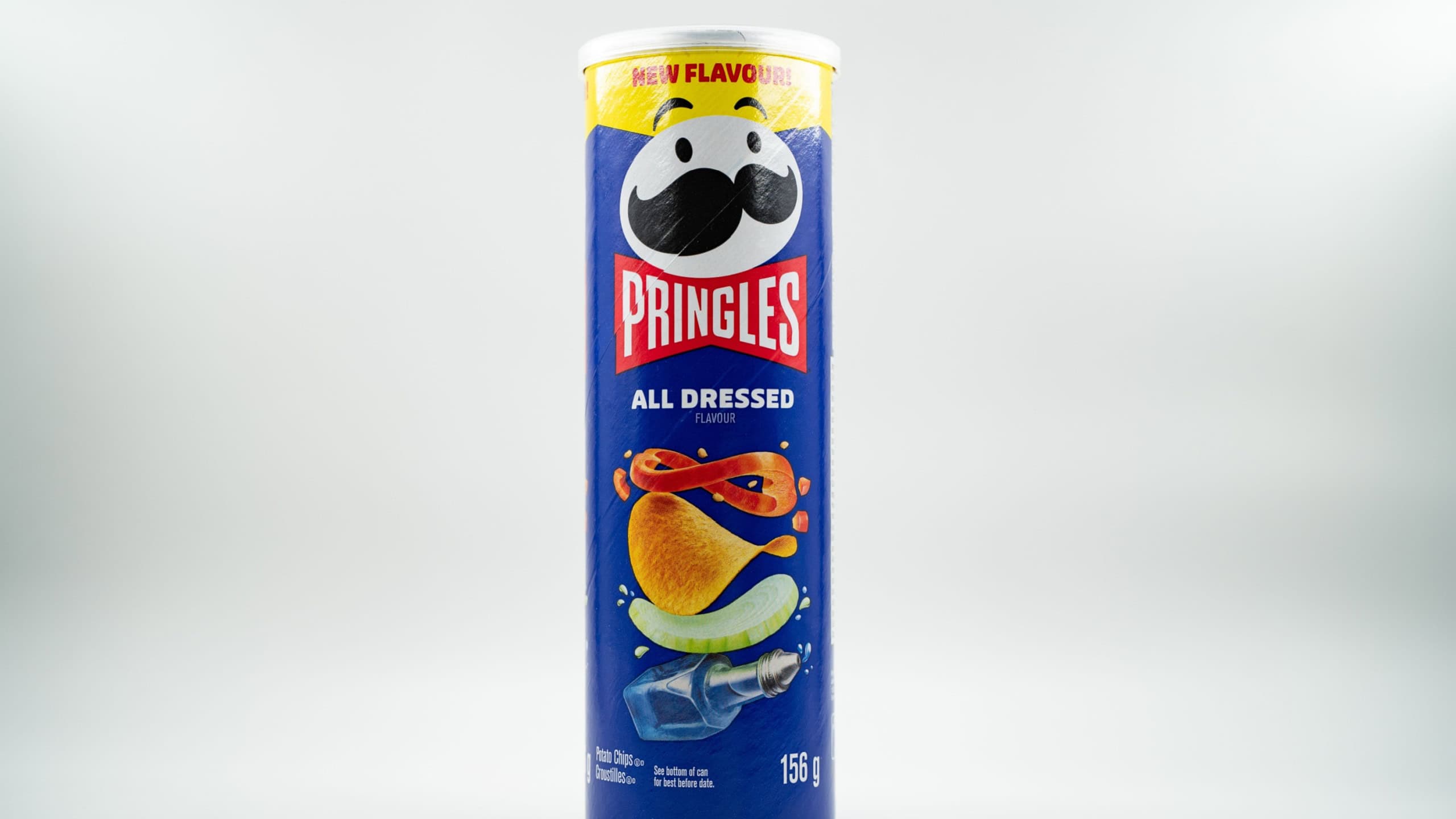
The phrase ‘all-dressed’ comes directly from the French-Canadian phrase ‘toute garnie,’ and that’s why people in America don’t use the term. English speakers in Quebec translate the phrase word-for-word to talk about food that comes with all the standard toppings included.
In fact, you can even see the term used in Canada on chip bags, labeled as being all-dressed flavour.
Biffy

It’s not entirely clear where ‘biffy’ came from, but it’s likely that the term came from Scottish and British dialects before becoming a rural Canadian word. We use it to talk about an outdoor toilet or a simple washroom.
Yet the word doesn’t exist in America, nor is there an equivalent phrase, with probably the closest possible word being ‘outhouse.’ But even that’s not the same.
Skookum

The word ‘skookum’ is one that some people use in western Canada to talk about something strong or solid. It came from Chinook Jargon, along with other Indigenous words that mixed with French and English.
The majority of Americans would be quite confused if you used the word around them, and they’re certainly unlikely to know that it means that something’s dependable.
Sources: Please see here for a complete listing of all sources that were consulted in the preparation of this article.
Like our content? Be sure to follow us.