It’s no surprise that American lifestyle trends spread rather quickly online. A lot of these promise convenience or status, perhaps even saving money, and that’s why they become so popular, although maybe not in Canada. Some of these trends face practical roadblocks when they try to expand north.
Perhaps it’s legal differences, or perhaps it’s down to a simple matter of availability. Whatever the reason, here are ten American lifestyle trends that fail in Canada. Which one do you wish made it across the border?
Bottomless drink brunch specials

One of the most popular recent dining trends in the United States is bottomless brunch. You’ll find many places, especially in big cities, offering bottomless drink menus for the weekend crowds, and many Americans love going to them.
But such a trend doesn’t work in provinces like Ontario & British Columbia. Liquor laws ban venues from selling unlimited alcohol for a fixed price, and that defeats the entire purpose of a bottomless brunch. It’s hard to offer the bottomless brunch experience legally here. At least, not without a few changes.
Airbnb rental arbitrage as a side business

Some Americans will rent apartments in the long-term, and then they’ll re-list them on Airbnb for the short-term as a way to make a little profit from the gap. It has become quite a popular way to make some extra cash over there. However, many major Canadian cities ban this kind of practice.
Toronto & Vancouver, for example, restrict short-term rental listings to a host’s principal residence. It essentially means that the Airbnb rental arbitrage lifestyle trend is limited to a scalable side hustle in many parts of Canada.
Vanlife built around wide-open dispersed camping

Vanlife culture in America centres upon dispersed camping, which is essentially camping outside official campgrounds & on public land. It’s common for people to try it in Bureau of Land Management areas.
Apparently, it teaches people about self-sufficiency and how to rely on nature for survival, rather than manmade products.
But camping rules in Canada are far stricter. Many provincial & Crown-owned lands have limits like a 14-day or 21-day maximum stay, so you’re not able to camp out there for long periods.
Extreme coupon stacking at the register

Most people have seen clips of extreme couponers in America. They’ll stack their store coupons & manufacturer offers, as well as promo deals, on the same items; this allows them to get many products for a significantly reduced price. That doesn’t work so well in Canada.
A lot of retailers over here, like Loblaw Companies, explicitly prohibit coupon stacking, forcing Canadians to save money in other ways. It’s nearly impossible to do the “cart full for pennies” trend.
Home flipping as a casual side hustle

TV shows & TikTok videos have made flipping homes into a popular side hustle in the United States. A lot of investor content makes renovations as quick as they are profitable, although it’s been harder for the trend to catch on in Canada.
Property prices are higher here & mortgage stress tests are also stricter. Data from the Canadian Real Estate Association also found that the nation has a higher average price barrier than in the United States, so it’s a lot harder for casual flippers to enter the market.
Perfect striped lawns with heavy weed killers

Getting a perfect lawn in the United States involves using chemical weed killers & frequently spraying your lawn, while also maintaining the grass stripes to make them look identical. It’s quite a popular trend in America.
However, a few Canadian provinces have bans on cosmetic pesticides, including Ontario, which doesn’t allow people to use herbicides only for appearances. Getting that hyper-managed American look is far more difficult here.
Urban backyard hens as a casual hobby
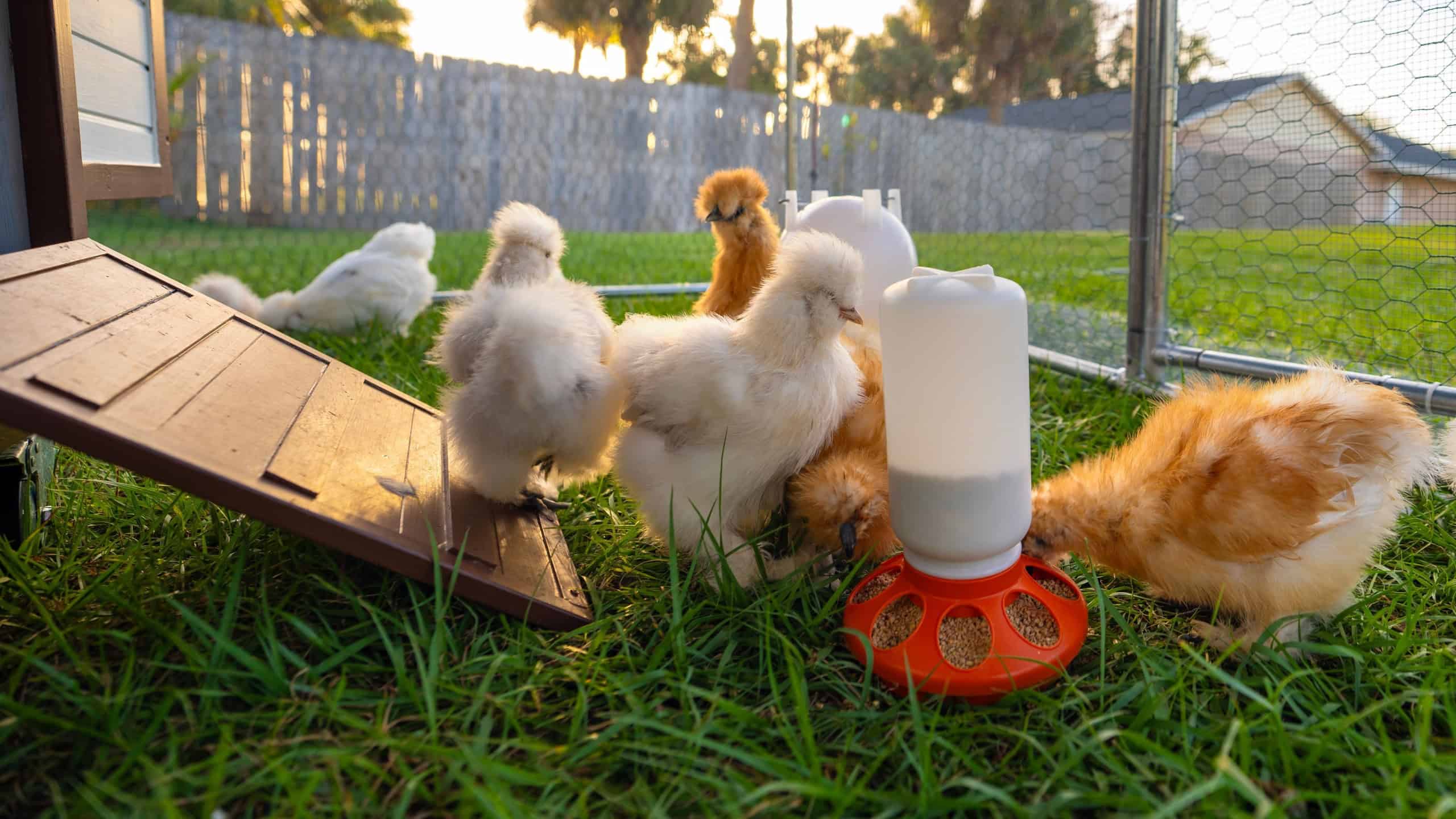
You’ll struggle to have backyard chickens in Canada. It’s a lifestyle trend in parts of America, especially among those interested in homegrown food, but the city rules in many Canadian cities prevent such a trend.
Montréal doesn’t allow people to keep egg-laying hens at home. Over in Vancouver, you’ll need a permit to have hens, while Toronto’s laws only allow people to have them in specific areas.
There are many more hoops to jump through in Canada.
Tiny house living

Tiny homes became a popular lifestyle trend in America for many reasons, including minimalism & DIY culture. YouTube build communities also helped make the trend more famous.
But the trend mostly failed in Canada because of things like zoning limits & foundation requirements.
Municipal rules tend to treat tiny homes as RVs, rather than legal homes, and once you factor in winter insulation needs as well, living in a tiny home becomes too difficult.
Full-time RV living

Speaking of RVs, living full-time in one became an American trend, thanks to travel influencers & retirement content. It’s a pretty interesting way to save some cash, too.
Sadly, most Canadians won’t get to experience this trend because of the long winters and campground stay limits.
Quite a few provinces have rules against living in a vehicle for the long term. And really, do you fancy spending a Canadian winter inside an RV when you could be in a nice, warm house? Probably not.
Raw milk

One of the strangest lifestyle trends in recent years is the raw milk trend.
Yes, it’s as dangerous as it sounds. But people interested in “traditional” diets swear by it, although the trend would never succeed in Canada because of our rules.
Federal regulations state that milk needs to be pasteurized for legal sale. You’re not allowed to sell raw milk through regular retail or farm distribution networks in Canada like you can in the United States.
Sources: Please see here for a complete listing of all sources that were consulted in the preparation of this article.
Like our content? Be sure to follow us.