We may think that refrigerating our groceries is always best, but some foods lose flavor and texture once they’re cold.
Tomatoes
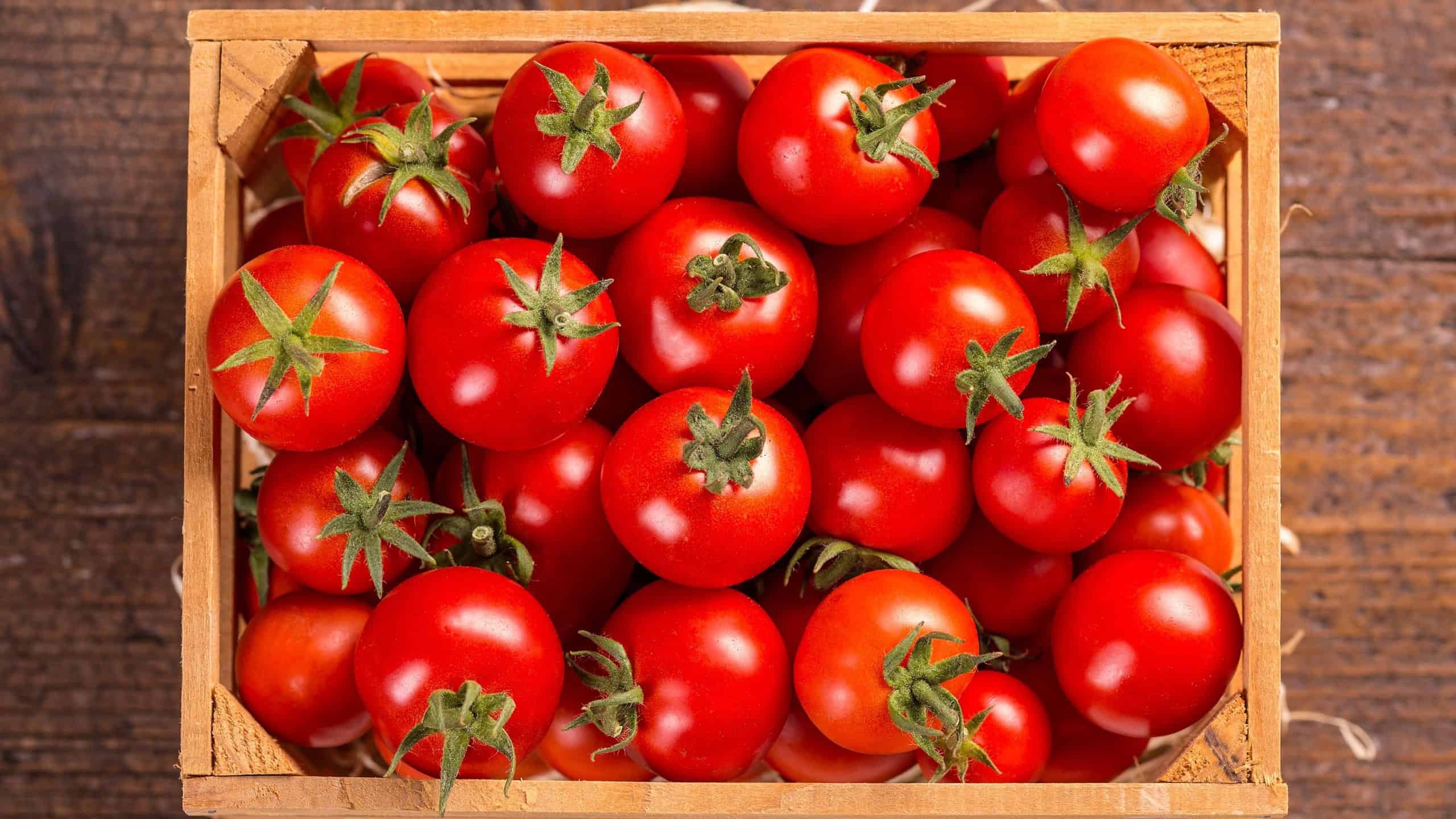
Tomatoes hate the cold so much that it destroys their cell structure. After just a few days in your fridge, your once ripe, garden-fresh tomatoes will lose their bright flavor and become mushy and mealy.
If you want that firm, juicy texture with that burst of citrusy flavor, leave them on the counter in a bowl.
There is one exception to this: if you’ve already cut into a tomato, then it’s fine to refrigerate what’s left. However, you should let it warm back up before eating it to improve the flavor.
Potatoes
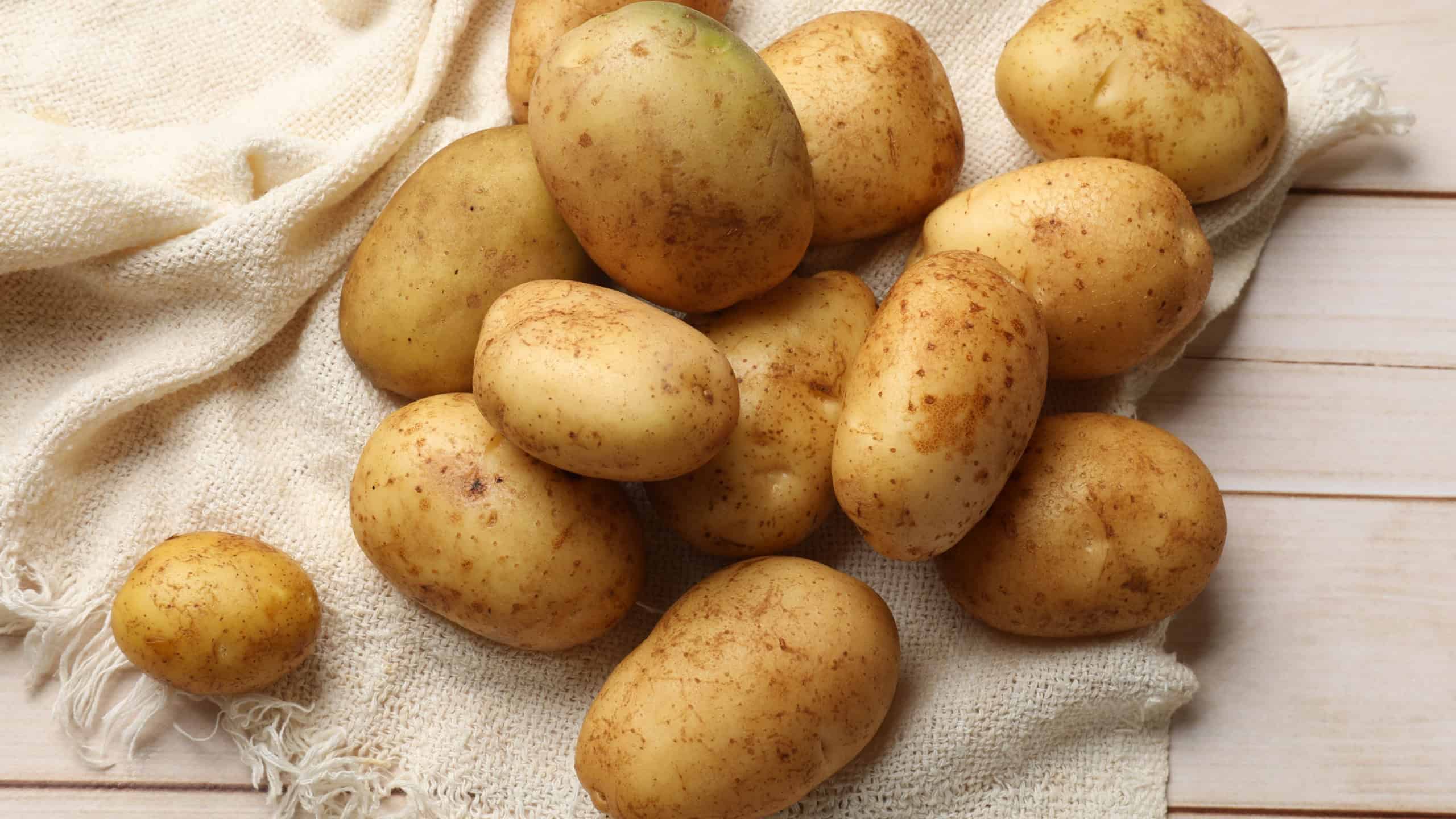
Potatoes are all about starch. When those starches are exposed to cold temperatures, they turn to sugar at a much faster rate than they should. This leaves your potatoes tasting syrupy and strangely gritty, instead of creamy and smooth, when cooked. They’ll likely turn a weird color as well.
Keep potatoes in a cool, dark, and dry location that allows them to air out, like a paper bag stored in a cupboard. This will help them keep their shape and prevent them from drying out or getting moldy.
Onions
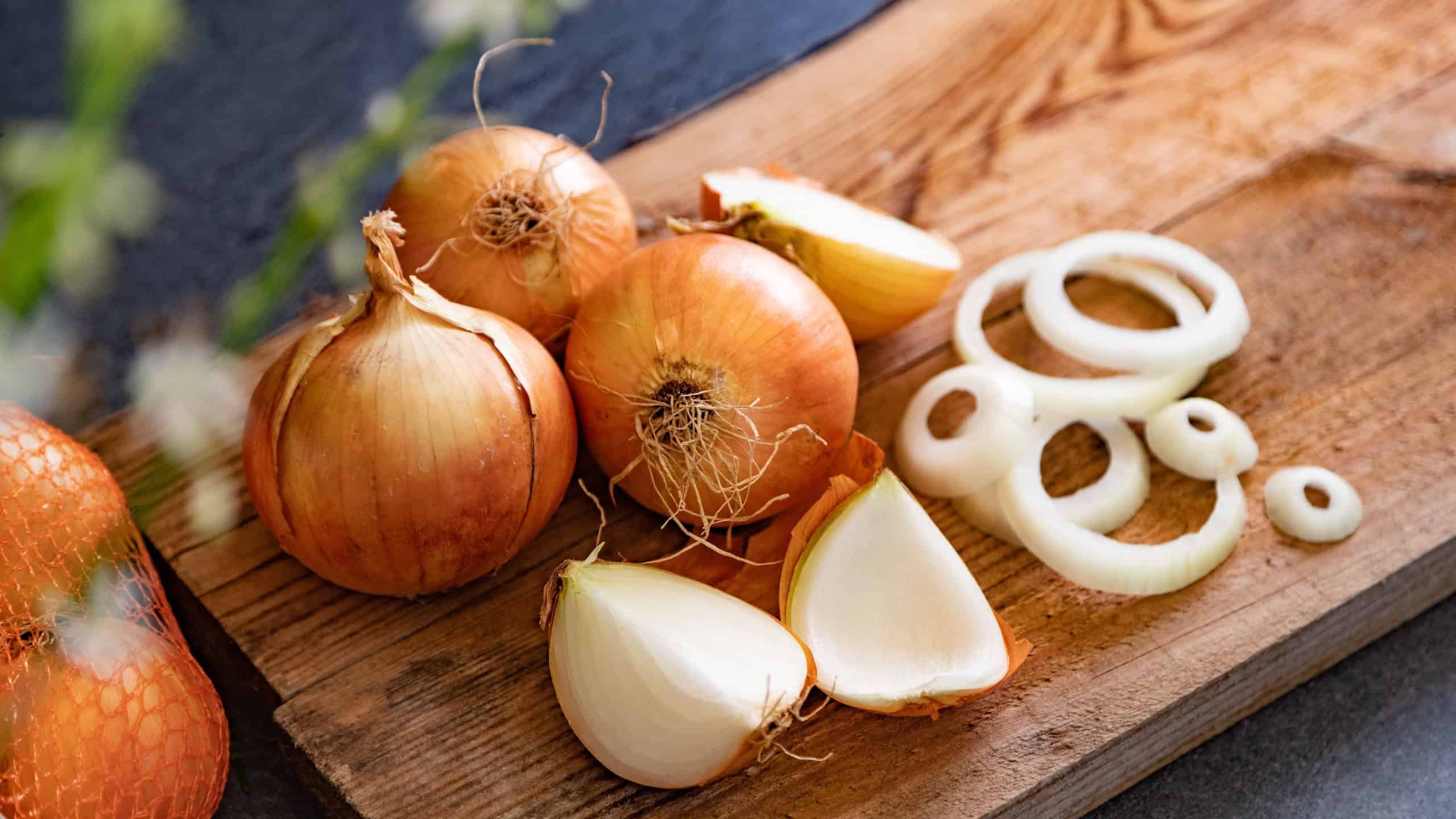
Onions need air to stay dry and crispy. Storing them in the moist air of your fridge will cause them to soften and grow mold in a short period of time.
Not only will onions lose their punchy flavor when refrigerated, but their juices can also leak out and permeate throughout your fridge. This means that other foods stored nearby will start to taste like onions. Like potatoes, onions should be stored in a dark and ventilated space that allows them to breathe.
Garlic
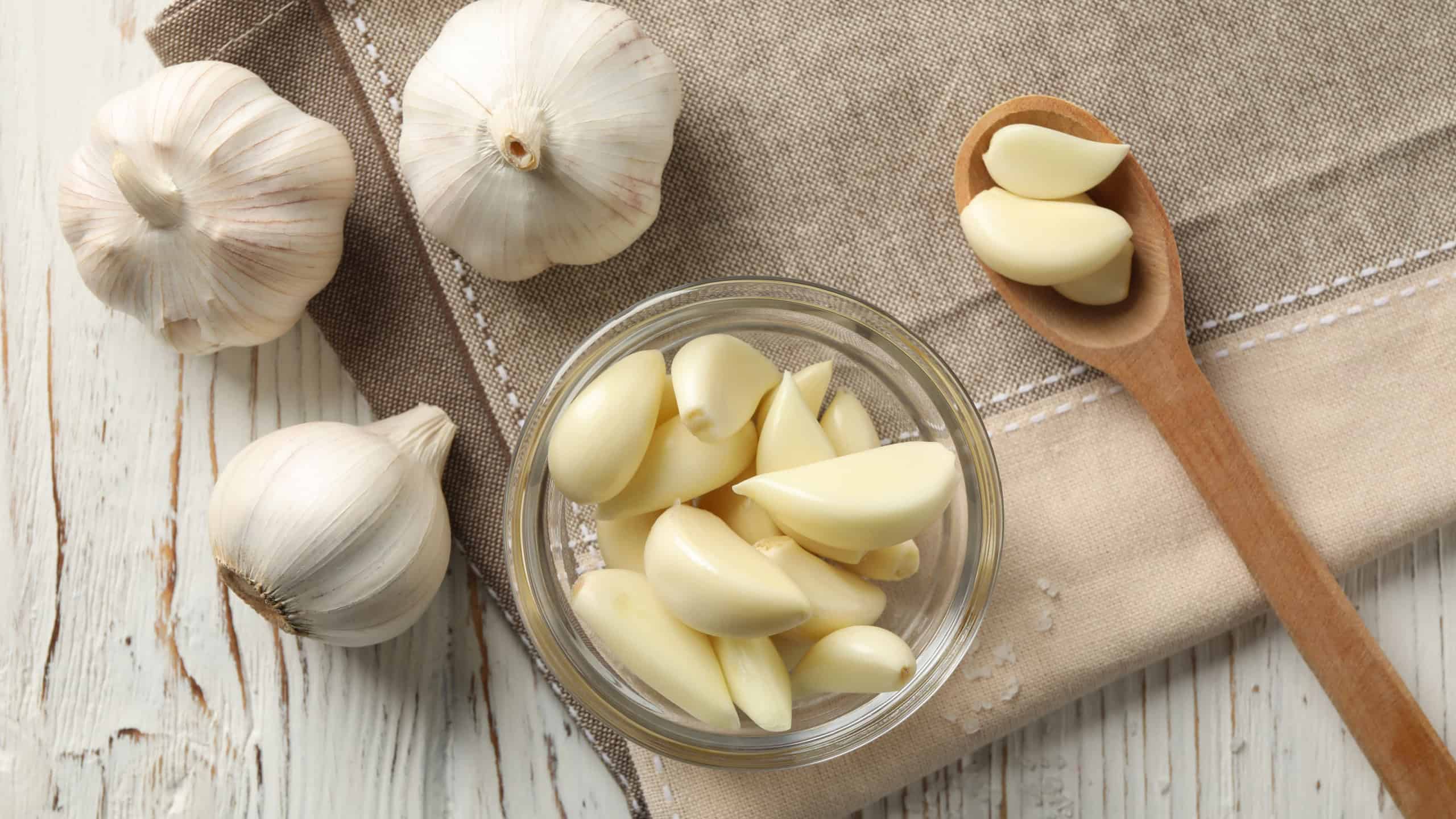
Garlic cloves are prone to sprouting in the fridge, in which case they will become rubbery and lose a lot of their flavor. When stored in the cold, garlic assumes that winter has come and that it is time to sprout in order to prepare for summer.
Instead of eating garlic with little grass shooting out of it, keep your bulbs in a cool, dry place that has plenty of ventilation. A wire basket or mesh bag will work perfectly. Storing garlic this way will allow each bulb to breathe and will enable you to keep your garlic smelling fresh for much longer.
Honey
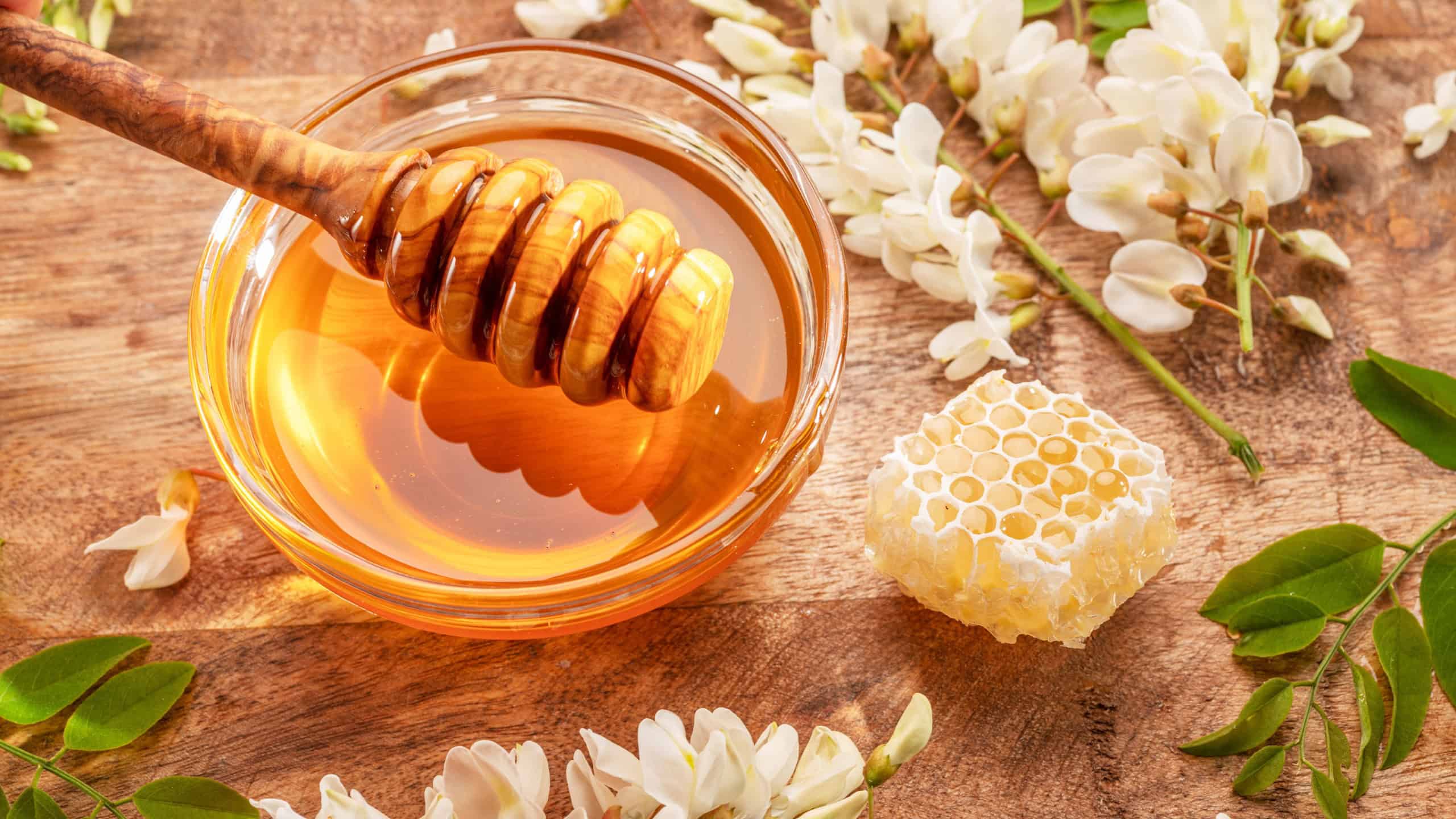
Since honey is naturally shelf-stable, putting it in the fridge is completely unnecessary. In fact, refrigerating honey causes the natural sugars to crystallize and turn your deliciously smooth honey into a hard, clumpy, grainy paste. It makes your honey nearly impossible to pour and allows you to fully appreciate the sweet, unique flavors of the honey you bought.
Since honey can’t really ever go bad, you don’t have to worry about bacteria growing in it. Just make sure that you keep the lid on tightly and store it in a dark cupboard.
Bread
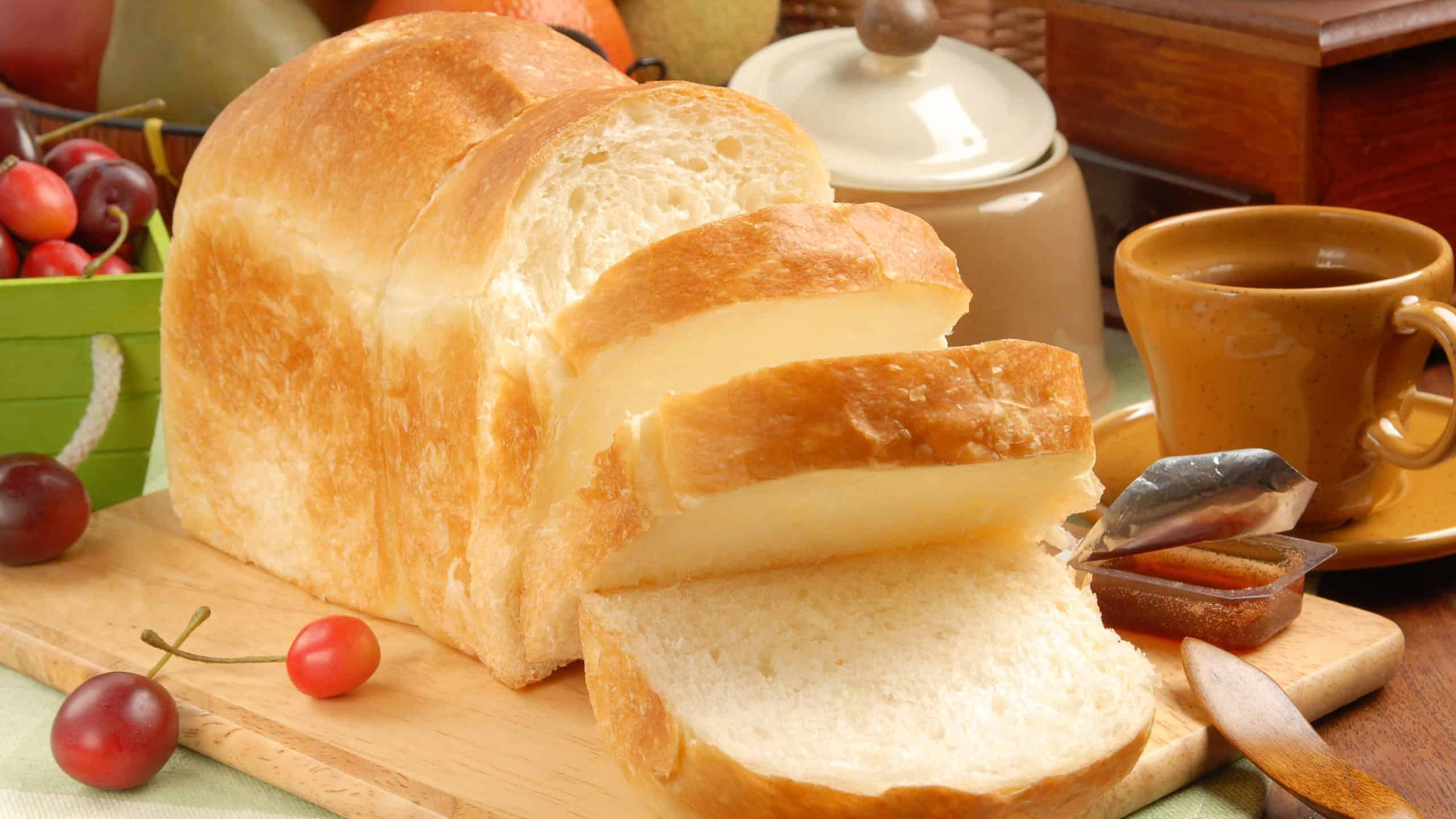
You should never store bread in the refrigerator. The starch molecules begin to break down (or retrograde) more quickly when exposed to cold temperatures. So instead of keeping your bread fresh, your fridge will actually make your bread go stale faster.
If you simply can’t eat bread before it goes bad, your best bet is to slice and freeze it and toast it when you’re ready to eat.
Coffee
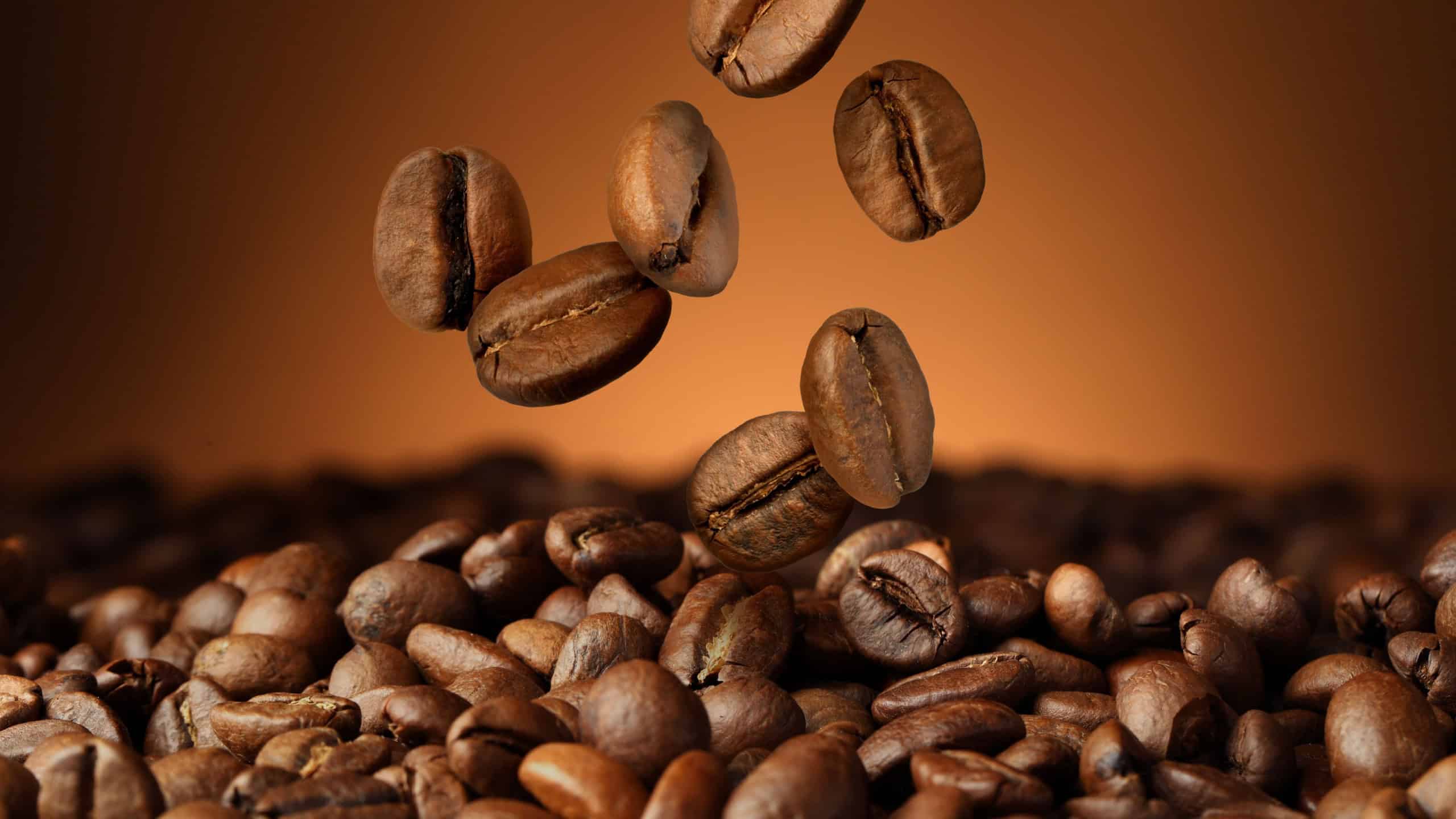
Nothing will kill the quality of your coffee faster than throwing it in the fridge. Coffee grounds and beans are porous, which means they will absorb the odors and moisture from every other item in your refrigerator.
Then your coffee will lose the delightful oils that give it flavor and aroma. Not to mention, every time you open your fridge, you’re allowing the warm air to enter, causing condensation to form on your coffee bag or container.
Store coffee in an airtight container in a cool, dark place to ensure you’re getting the freshest brew every time.
Stone fruits
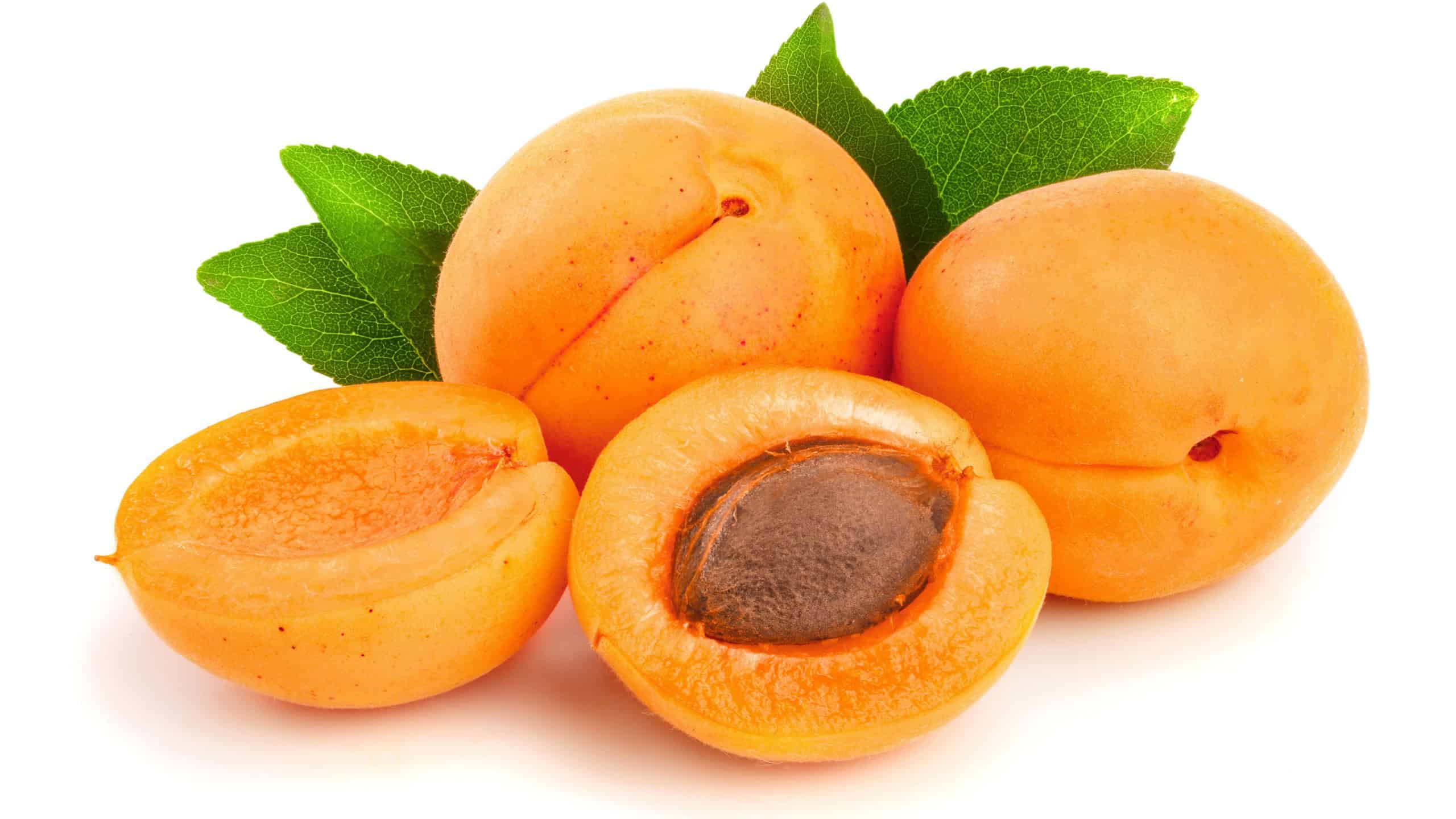
Fruits like peaches, nectarines, plums, and apricots are best enjoyed when they are fully ripe and succulent. Refrigeration stops the ripening process, leaving you with a hard, tasteless fruit that doesn’t have any juice.
However, if you’ve already allowed them to ripen on your counter and won’t be able to eat them right away, you can refrigerate them for a day or two. Note that the cold will eventually degrade the sweetness and smooth texture.
Sources: Please see here for a complete listing of all sources that were consulted in the preparation of this article.