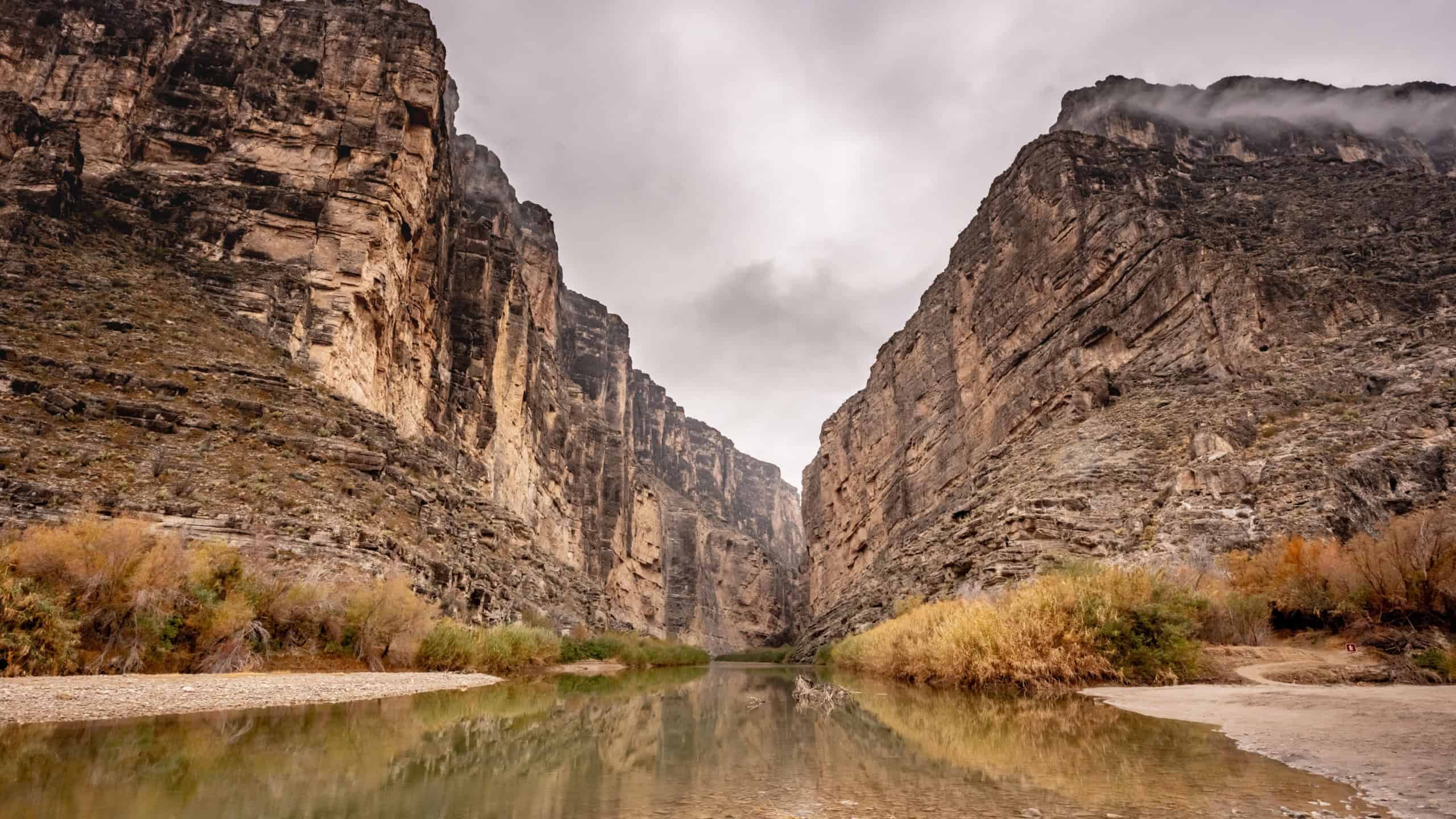
When you think of a park, chances are you might imagine the same thing everywhere: trees, sidewalks, wildlife, pathways, etc.
But parks subtly say a lot about cultural ideas of community, law, and public space. Canada and the United States are neighbors with parks and public spaces that look very similar on paper but feel entirely different when you’re in them.
So here are 10 differences in public parks and spaces in Canada and the US.
Living in a national park (townsites)
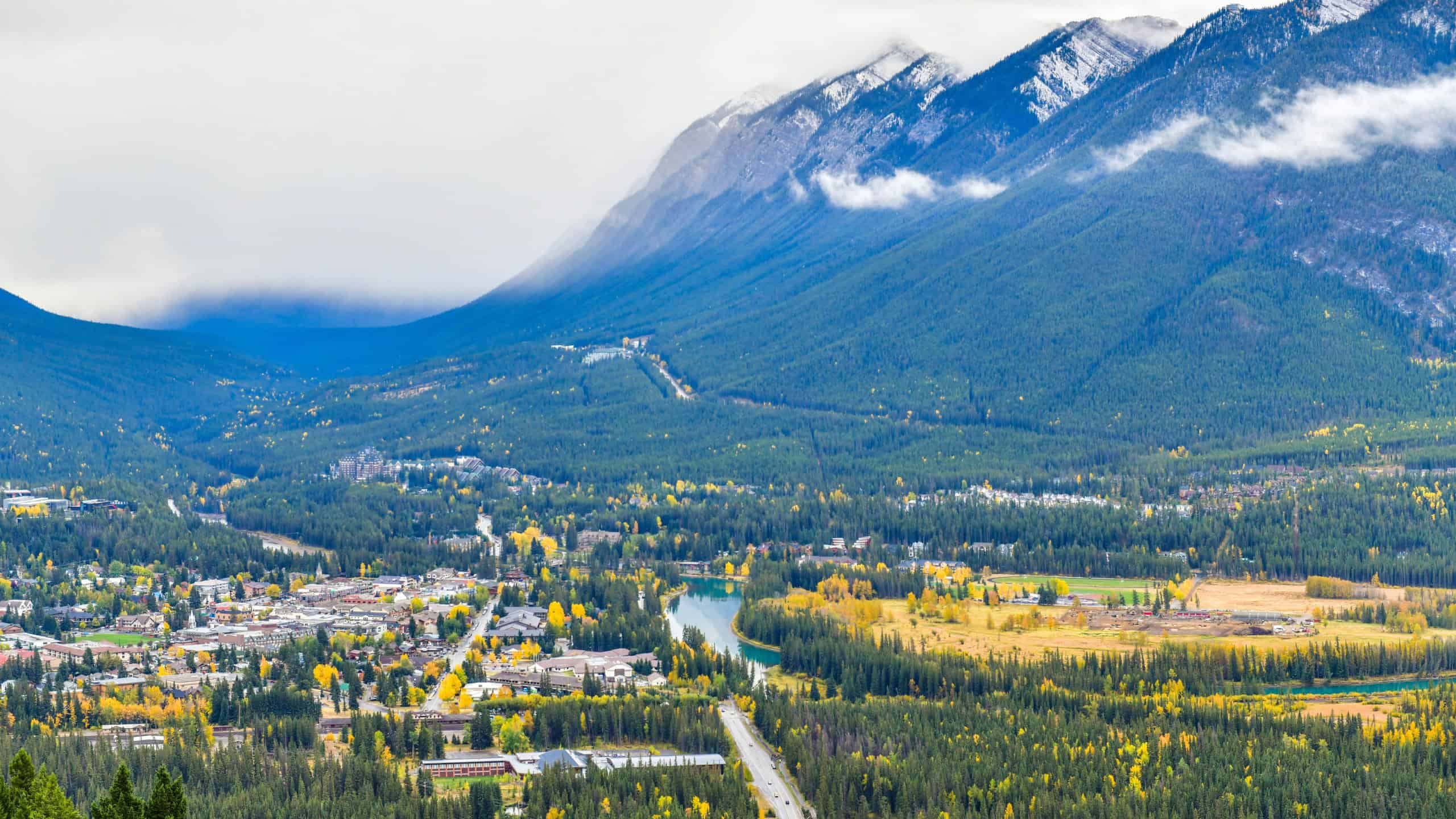
Did you know that in Canada, it’s possible to live in a National Park?
Townsites like Banff and Jasper are fully functioning communities where locals live, go to high school, pay taxes, and grab a Starbucks, all while living inside federally protected park boundaries.
The U.S. National Park Service (NPS) actually forbids permanent residential townsites within parks and prefers to have “gateway communities” that border parkland.
“The Crown Land” factor
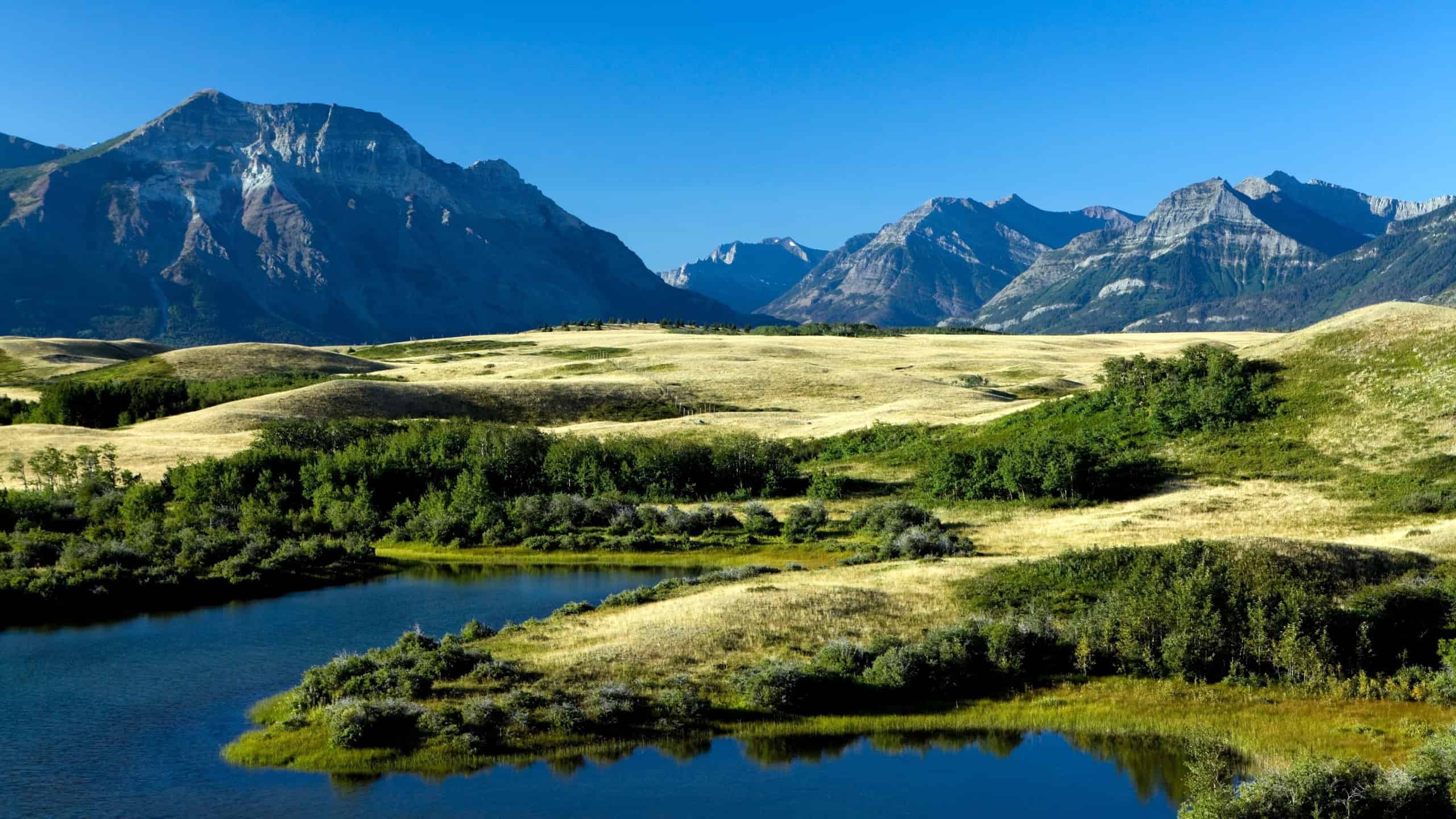
About 90% of Canada is “Crown Land,” which essentially means “public land owned by the government.”
Lots of land in the American West is federally owned, but Canadian Crown land allows far more free-range access.
You can generally drive your car into the woods in most provinces and camp for free up to 14 days without a permit. U.S. Forest Service land will often have fences blocking your car or require a special permit for “dispersed camping.”
Squeezing in the green (parkettes)
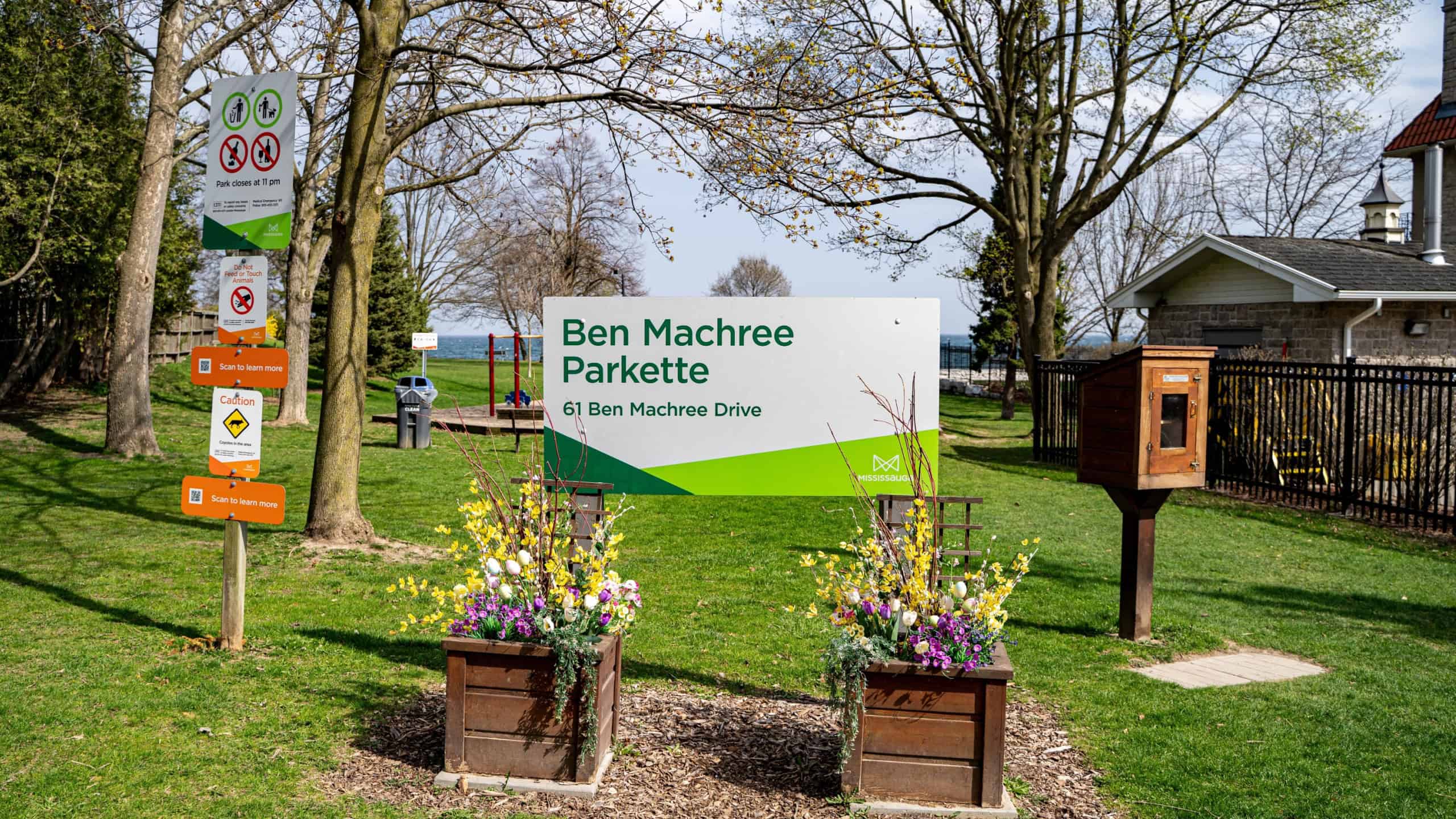
Most Canadian cities expand “up” not “out”, so they excel at tiny parks.
So, small strips of land, sometimes as narrow as two parking spaces, are transformed into manicured gardens with fancy benches and sculptures. They’re called Parkettes.
While small parks aren’t unique to Canada, urban developers are often required to build them by cities as a “payment” for building taller condos.
Embracing the winter
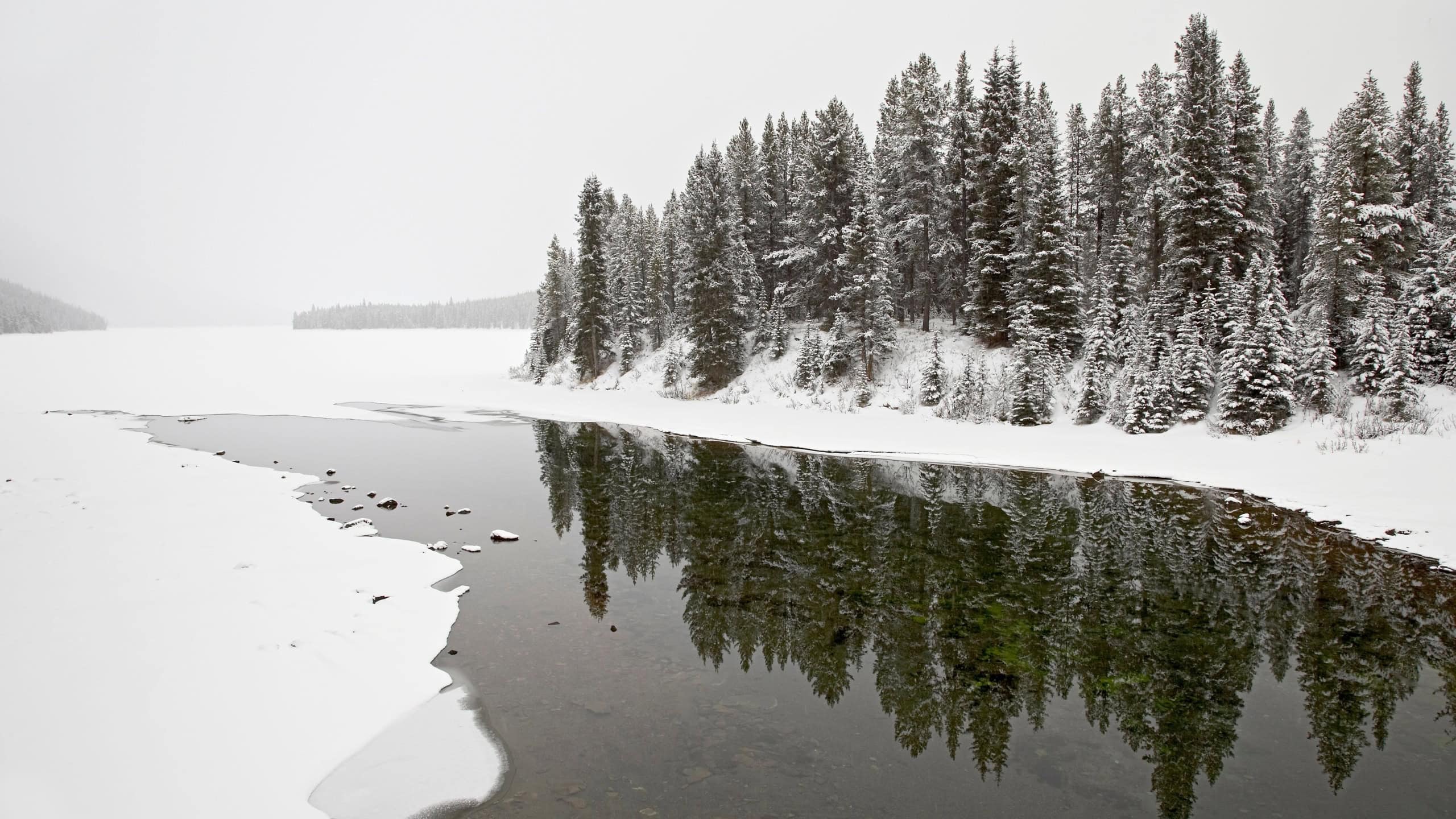
Canada doesn’t just adapt to winter weather; our parks are built for it. There are skating trails (long loops of ice through trees) and public “warming hut” structures that look like modern art structures.
U.S. northern cities like Minneapolis & Chicago also do some of these things well, but in Canada, it’s simply the standard.
Indigenous presence and names
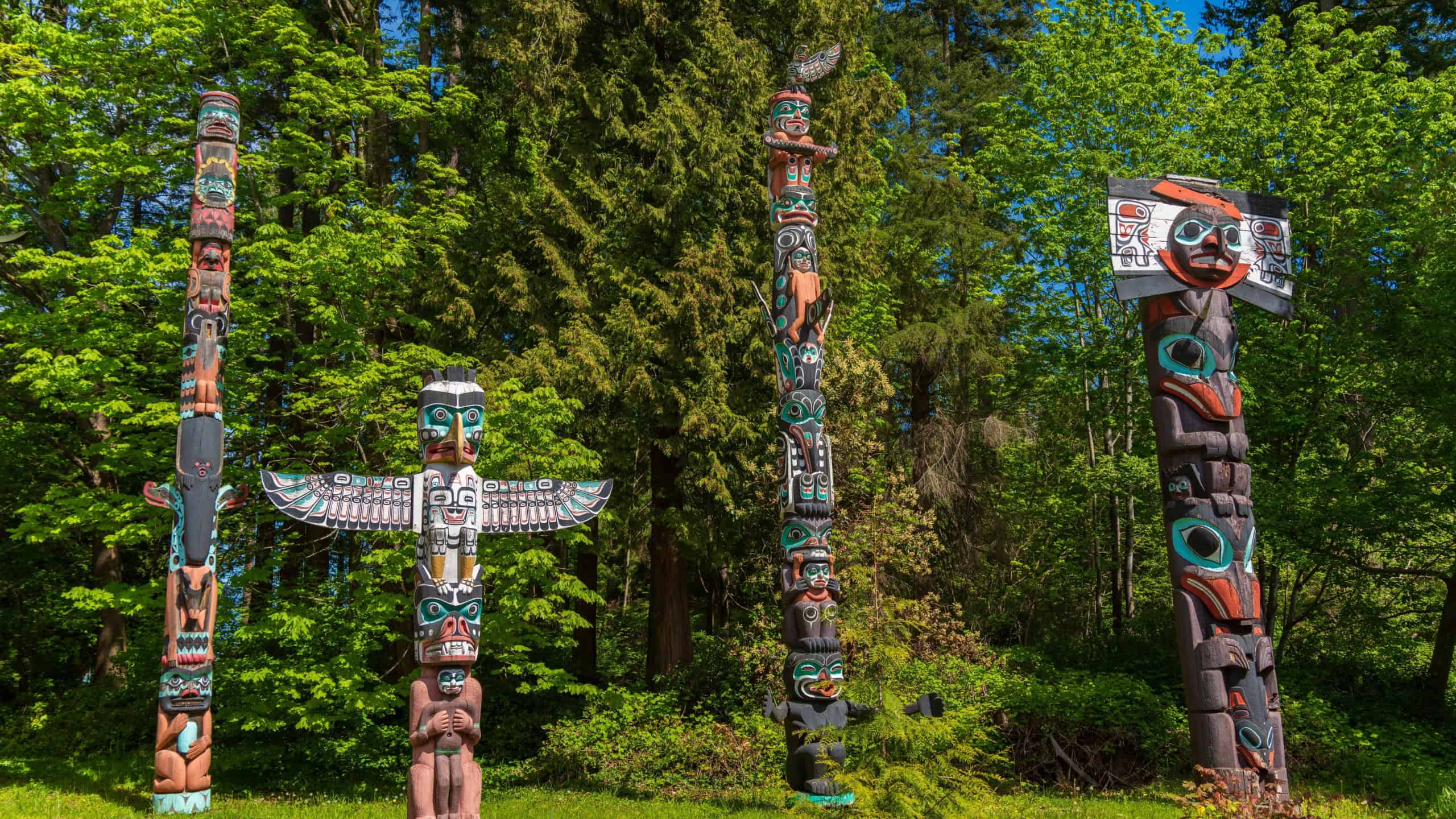
You’ll notice a lot more Indigenous influence in Canadian park signage and management.
Nearly all parks are “co-managed” with local First Nations having an official vote in how the land is run. You’ll see a lot of multi-national names (Pkols=Mount Douglas) as well as “Land Acknowledgement” plaques upon entering parks.
The U.S. is beginning to implement these changes, but in Canada, it has been a major part of the parks’ identity and legal structure over the last decade.
The “polite” vibe (peace & order)
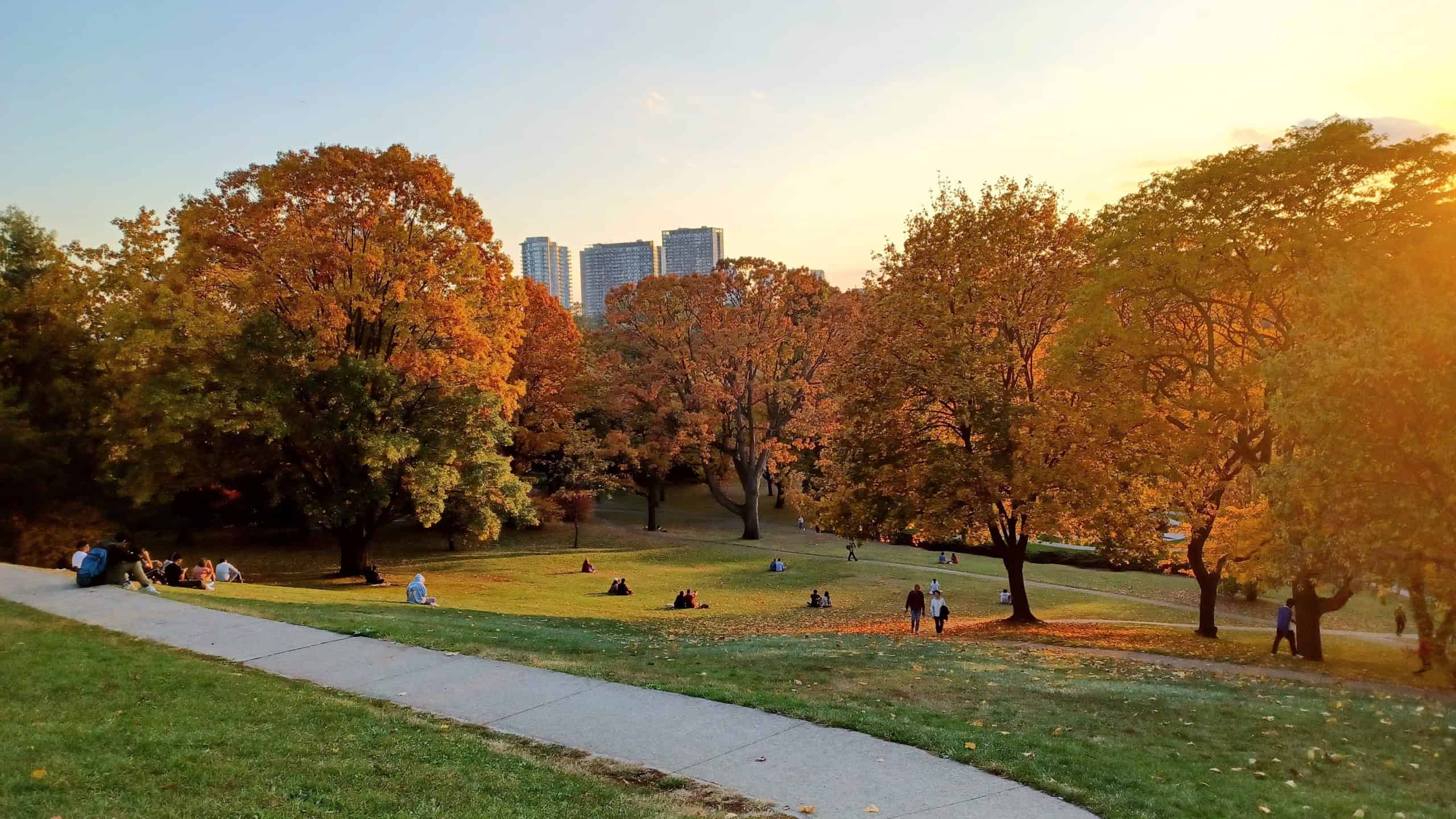
American parks often feel very alive: music blaring, giant family BBQ operations, everyone kind of asserting their “right to the park.”
However, Canadian parks can feel more “quieted” down and manicured. There are often strict rules about where you can play frisbee, and places you can’t sit.
Dog-friendliness on the trails

If you hike into most US National Parks with your dog, you’d better stick to “paved surfaces” like parking lots, roads, or very developed campgrounds.
Dirt trails are famously restricted in parks like Yosemite or Yellowstone to protect wildlife and prevent trail erosion.
Canadian parks let dogs on leash on almost every trail in National and Provincial parks. There are a few exceptions for delicate ecozones, but you can hike all day with a dog in Banff or Jasper.
The “backcountry” setup
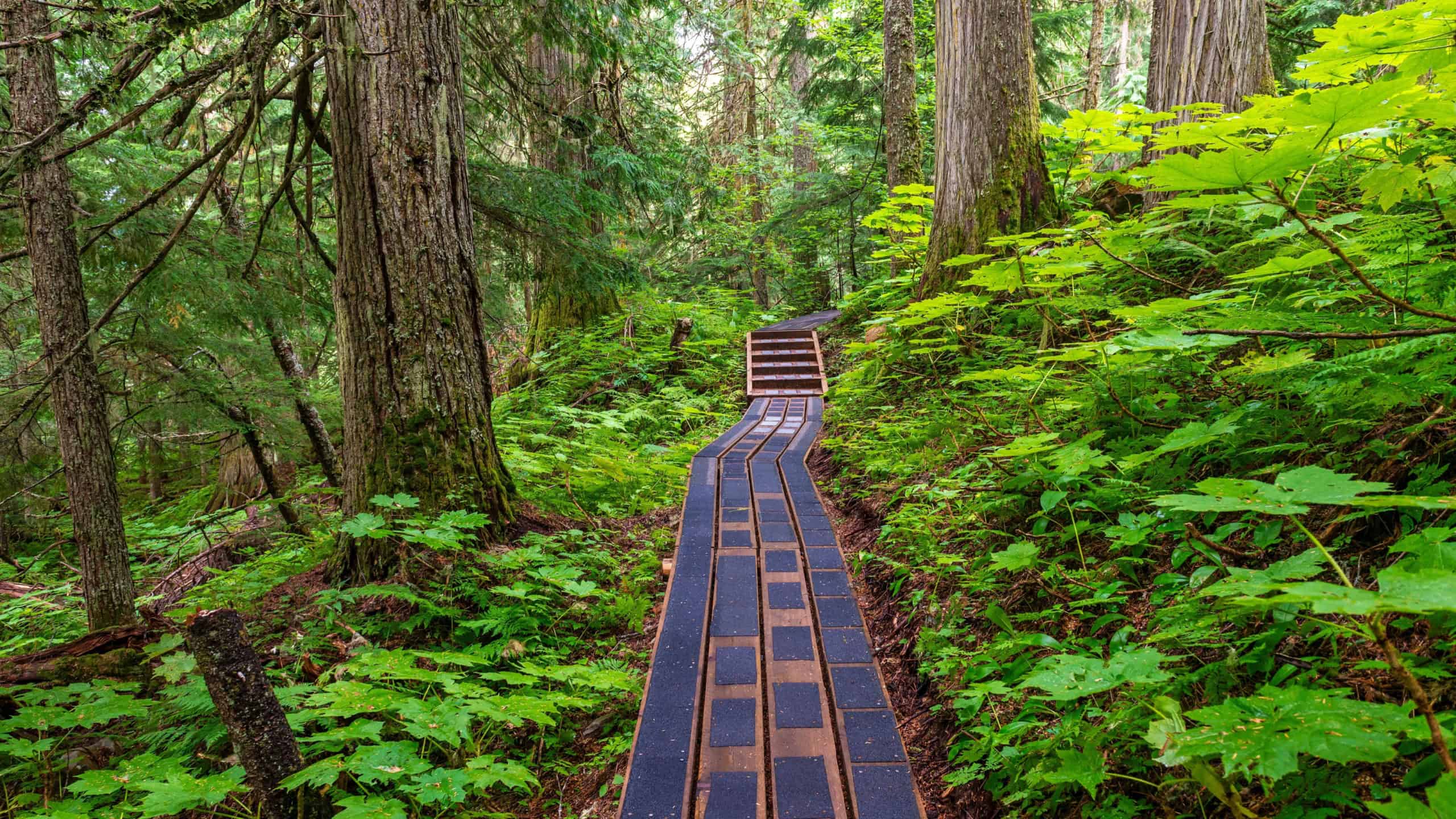
If you’re hiking in Canadian “backcountry,” you’ll generally find more accommodations for your comfort.
Due to frequent rain and bear inhabitance, you may find Canadian parks provide wooden tent platforms to keep you off the mud, and “bear lockers” or tall metal wires to hang your food overnight.
In the U.S., the “Wilderness Act” philosophy often means “take nothing but pictures, leave nothing but footprints,” so you’re more likely to be sleeping directly on the dirt with no structures in sight.
No car? no problem (usually)

Since Canadian cities are far more compact than most U.S. ones, their “crown jewel” parks are often found right at the end of a subway or bus line.
You can get to a beach in Vancouver or hike a mountain in Montreal for the price of a transit ride.
There are exceptions, of course. But in general, U.S. city parks that are more “built up” and popular are often a 30-minute drive out of town.
Everything is in two languages
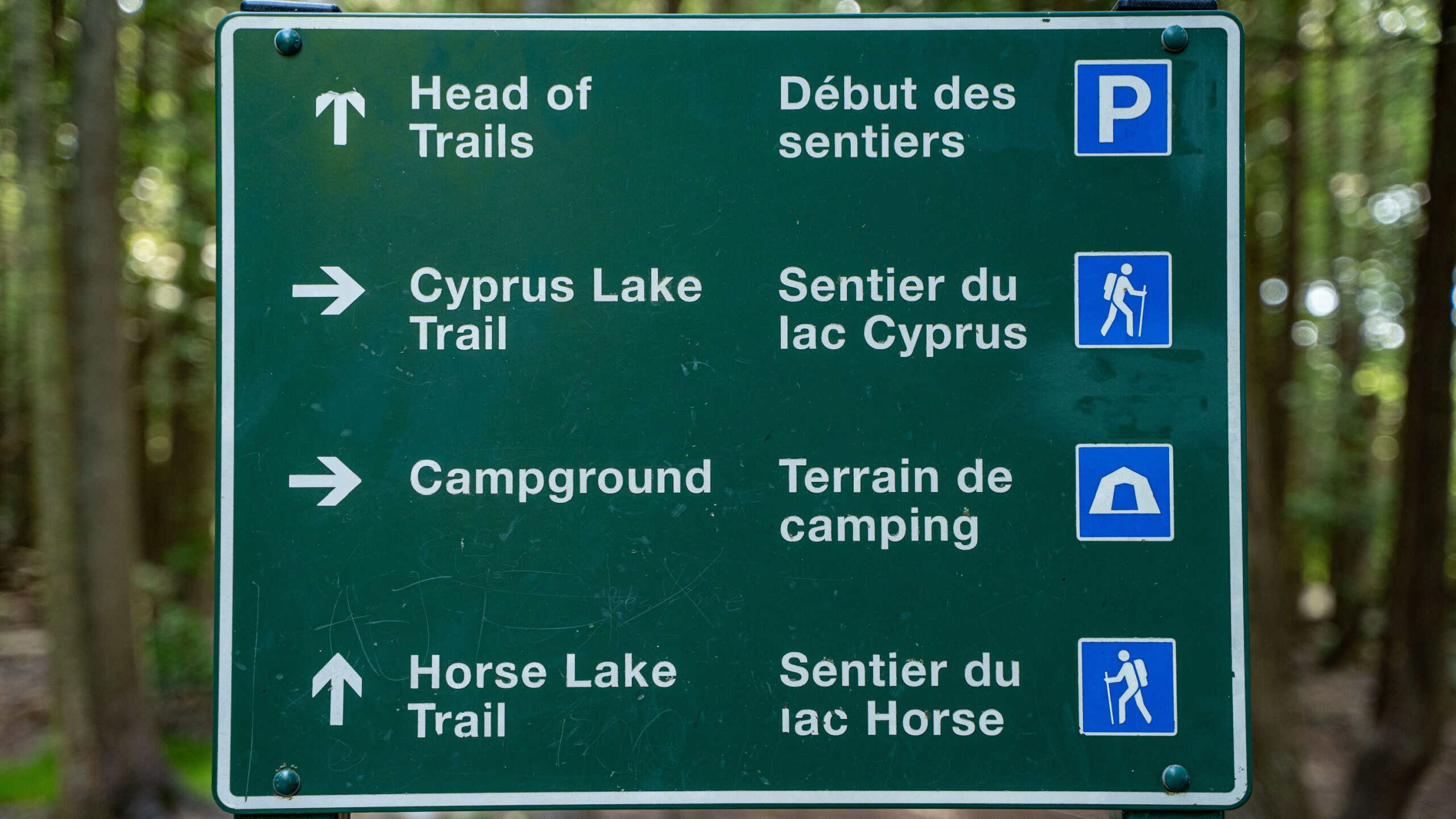
In every corner of Canada, even if you live in a province where no one speaks French, every National Park sign will be posted in both English and French.
It really does give the parks an “international” feel that the U.S. just doesn’t have.
Sure, you may get Spanish translations in Florida or California, but there is no federal law mandating that every “Don’t Feed the Bears” sign has to be bilingual in the United States.
Sources: Please see here for a complete listing of all sources that were consulted in the preparation of this article.
Like our content? Be sure to follow us.