
Canadian slang is full of words that seem perfectly normal back home but will raise eyebrows (or worse) when travelling abroad.
Rubber

Growing up in Canada, many students hear “rubber” casually used as another word for an eraser. Teachers may even ask pupils to “borrow a rubber” if they need to correct a written quiz.
In some places like the United States, however, “rubber” is used far more commonly as slang for a condom. So what sounds like an innocent sentence about school supplies can come across humorous or extremely awkward.
Fanny

If you grew up in Canada and have older relatives, you’ve likely heard someone innocently use the term “fanny” to mean someone’s backside. Canadians don’t think twice about fanny packs.
But travel to the UK and “fanny” has a far more vulgar definition relating to female anatomy. So your oblivious Canadian friend chatting about how convenient their new fanny pack was can suddenly feel like they offended everyone in the room.
Pissed

In Canada, when someone says they’re “pissed”, they’re upset about something. It’s a very common phrase in Canada.
However, in the UK and some other countries, if someone says they’re “pissed”, chances are they’re not mad; they’re drunk. So, when Canadians say, “He was really pissed last night,” foreigners often visualize someone hungover staggering out of a pub.
Knob
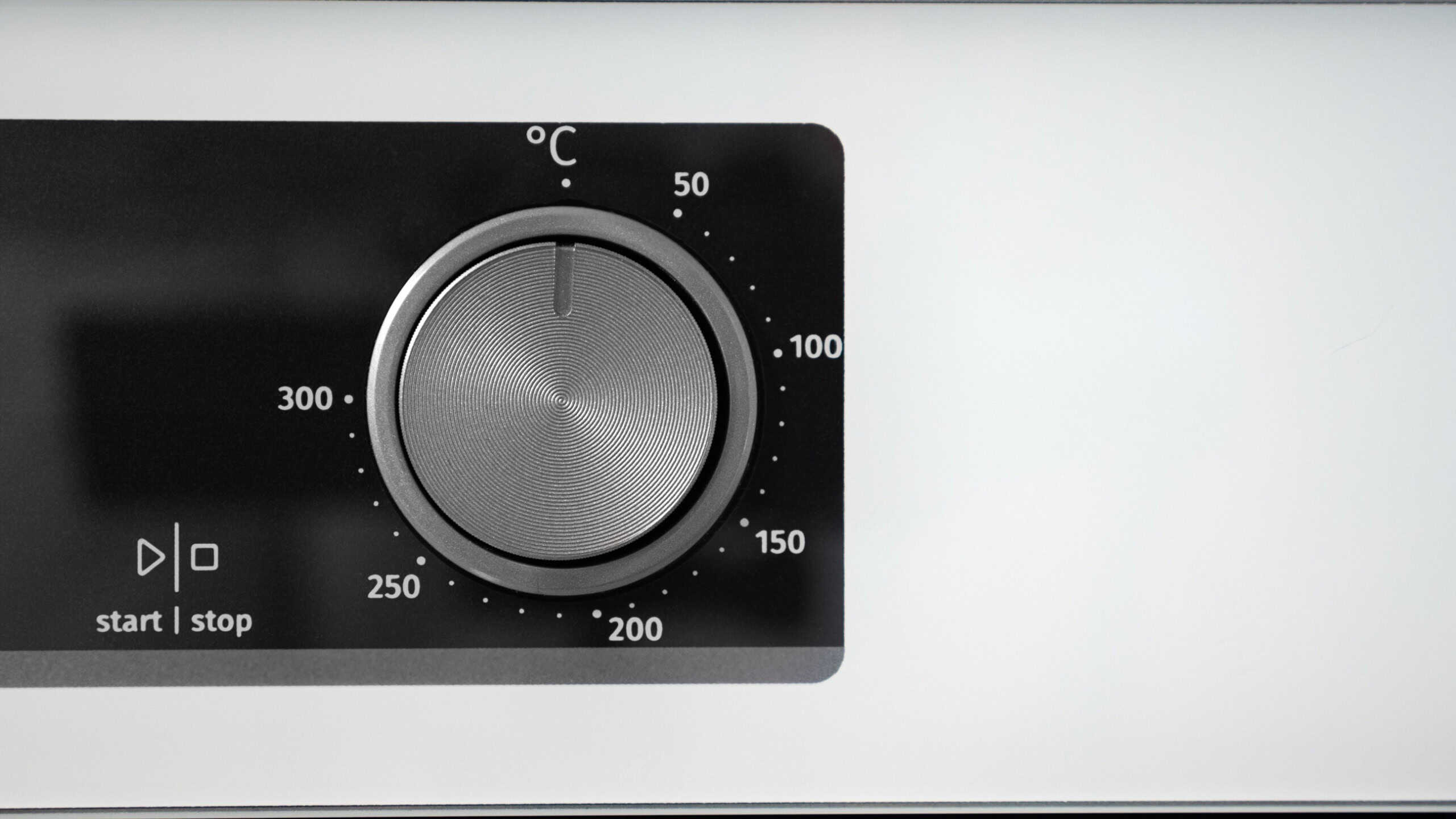
In Canada, knob is an entirely innocuous household word. It’s most often used to refer to the handle on a door, drawer, or kitchen stove dial. Canadians use it hundreds of times a day and never give it a second thought.
In Britain, Ireland, and parts of Australia, however, knob is routinely used as an insult meaning a stupid or annoying person, and is also obscene slang for a male body part.
Loonie

To Canadians, the Loonie is their gold-coloured one-dollar coin. Named after the common loon pictured on the coin itself, it’s actually a term of endearment when referring to their dollar.
But in the UK and Australia, calling someone a “loony” (short for lunatic) is a cutting insult. It implies that someone is mad or mentally unstable.
Quite good

Canadians aren’t embarrassed to use “quite good” to sincerely mean something was good. But say this phrase with the same enthusiasm in the UK and others may hear you being restrained or even mildly disappointed.
You may think you’re giving a chef a compliment when they cooked you “quite a good” meal, but they may wonder what you didn’t like.
Scheme

When Canadians hear the word “scheme”, they just think of plans, projects, or government programs, like funding scheme or pension scheme.
Americans will hear the word scheme and many immediately think conspiracy. Evil plots to break the law, defraud people, or scandalize others. Canadians can sound like criminals when abroad, saying they have the latest scheme.
Bum

For Canadians, “bum” is a harmless word that usually just refers to someone’s backside. Most Canadians think nothing of telling kids to “sit your bum down.”
Say that word in many countries (especially Asian and European), and it’ll come across strangely rude and insulting.
Homely

Canadians frequently describe people, places, and things as homely. The word means cozy, warm, and comfortable. For example, living in a homely cabin by the woods sounds idyllic to Canadians.
In the United States and others, calling someone homely is far from a compliment. Instead of cozy, it’ll translate to plain or unattractive-looking. So Canadians might end up accidentally insulting someone when they mean to praise them.
Knocked up

Some elderly Canadians will tell you they were “knocked up” if they didn’t sleep well or got woken up too early. It used to be a commonly understood meaning of “knocked up” in various English-speaking countries.
However, now that phrase is overwhelmingly used to mean only one thing: pregnant. Try telling your American friend you were knocked up all night by a crying baby and prepare for some awkwardness.
Sources: Please see here for a complete listing of all sources that were consulted in the preparation of this article.