
There sure are a lot of similarities between life in America & Canada. But the way that people get around in each country isn’t as similar as it might seem because people’s travel habits are quite different in each country.
The way that governments create travel laws is not the same on either side of the border. Some of these differences are due to taxes & insurance requirements, while others are simply down to age patterns. Here are ten ways Canadians use transport differently from Americans. Which of these do you think is the most surprising to learn about?
Public transit use for older people

The use of public transportation among older people is quite different in Canada than in the United States. Data from Statistics Canada shows that around 7% of Canadians aged between 75 & 84 use public transit as their main way of getting around. There are quite a few incentives for doing so.
But public transportation isn’t as popular in the United States among older people. Only 3.2% of older Americans say it is their main way of travelling, mostly because around 57.7% of them live in areas without public transit stops.
Vehicle ownership rates

Car ownership has historically been less popular in Canada than in the United States. Data from a 2022 survey found that there are about 26.3 million registered road motor vehicles across the country. That works out to be around 677 cars per 1,000 people.
The rates in America are far higher at 282 million registered vehicles, working out to be 779 cars for every 1,000 people. Owning a car is practically a necessity south of the border. But in Canada, you might be able to get away without having one.
Urban design influences

The way that cities are laid out in each country affects how people travel. Statistics Canada reported in May 2024 that 11.4% of Canadian workers mainly use public transportation to commute. But the figures in America are far lower than that of Canada.
U.S. Census data shows that around 5% of people across the country commute via public transportation. The majority of Americans who do use public transit are those who live in dense metro areas. Public transportation usage isn’t spread as evenly across cities in the United States.
Winter weather impact
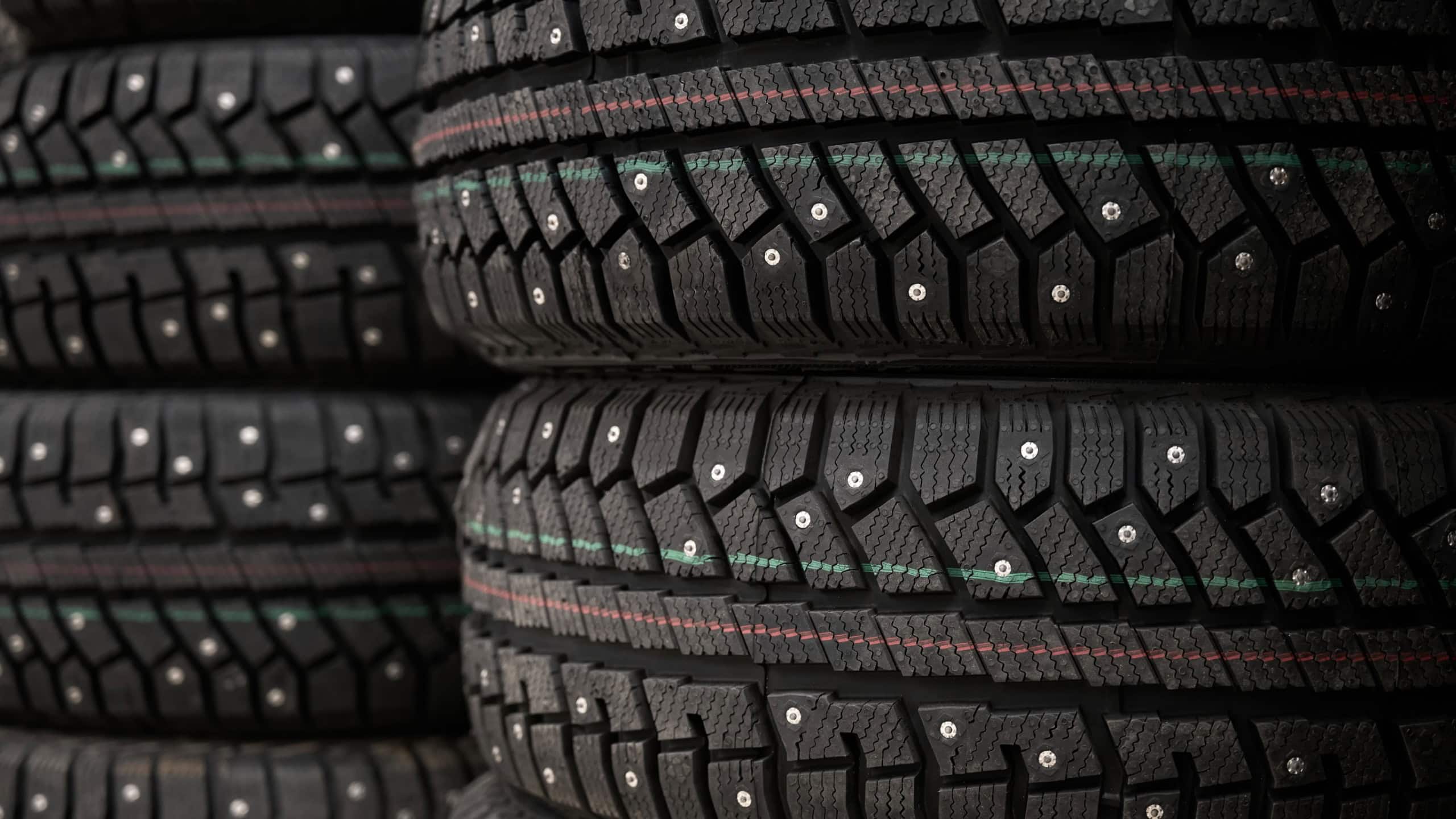
You’ll find that the rules about driving in cold weather are a lot more formalized in Canada than in the United States. Québec has rules requiring drivers to use winter tires between December 1 & March 15, no matter the conditions, while BC requires drivers to use seasonal tires or chains on certain highways between October 1 & April 30.
There aren’t really similar winter driving rules in America. A few of the colder states do have rules about chains & tires, but these are more dependent on temporary conditions instead of calendar dates.
Use of intercity bus/rail

Long-distance travel in each country is also different. VIA Rail reported in 2023 that they had around four million passengers, and the majority of these people were in the Québec City-Windsor corridor.
But in the United States, Amtrak reported around 28.6 million trips across the country. It appears that Americans tend to travel across the country more frequently than Canadians do, and most Canadian long-distance travelers are concentrated in specific areas.
Fuel pricing

The tax structures in Canada & America affect fuel prices nationwide, with Canadian pump prices usually including GST or HST. There are also federal & provincial levies that impact these costs as well.
The federal gasoline excise tax in America is set at 18.4 cents per gallon. State taxes come separately. Such a different structure creates an entirely new baseline for each country before you even factor in the local pricing factors.
Electric vehicle incentives
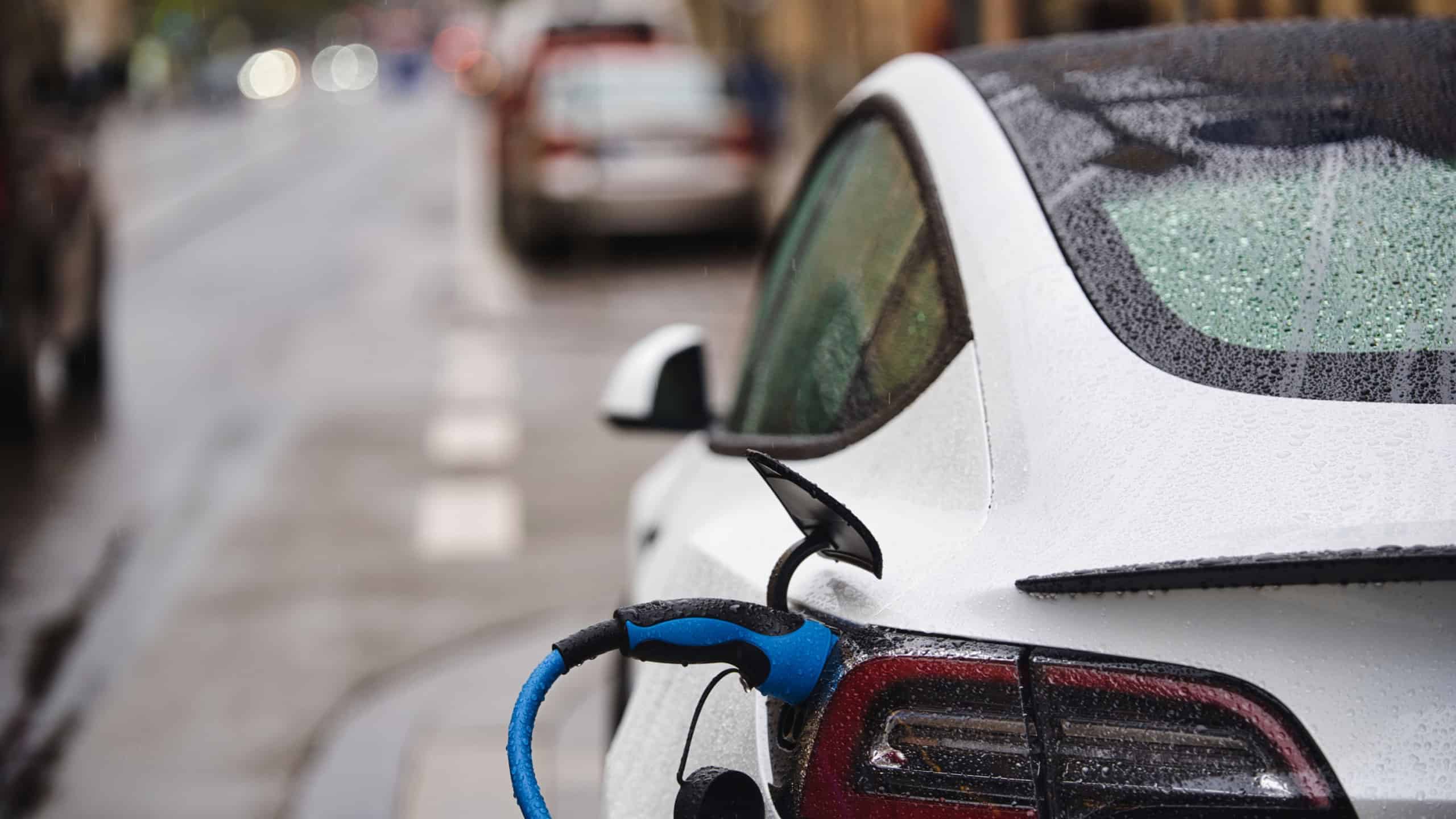
You used to get far more of an incentive to get an electric vehicle (EV) in the United States than you did in Canada.
The federal iZEV program once gave CAD$5,000 for each eligible vehicle before closing, and quite a few provinces have their own incentive programs that stack on top of this incentive. Though the program closed, it is likely going to return later in 2026.
American buyers used to get a tax credit of up to US$7,500 (around CAD$10,411) for eligible vehicles. But recent rule changes mean that they now receive zero tax credits for purchasing electric vehicles. State incentives do still exist, yet there’s no national federal rebate program.
Winter road maintenance timing & priorities
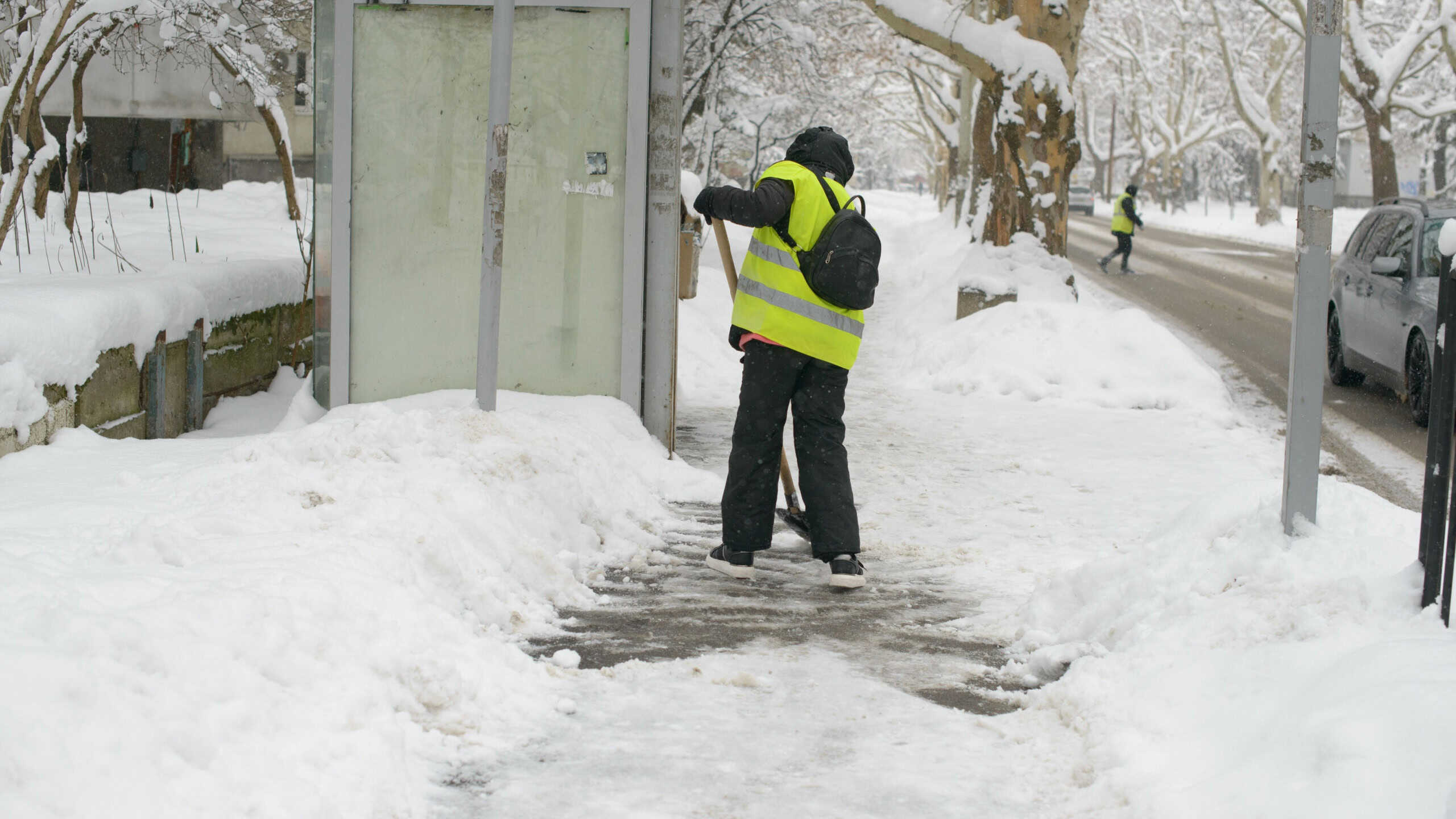
Canadian roads follow specific maintenance schedules during the winter, such as Ontario’s Minimum Maintenance Standards. These detail response timelines that depend on the highway’s class & snow accumulation levels. Officials can’t leave timing to local discretion there.
Winter road maintenance is nowhere near as standardized in America as in Canada. Areas affected by winter weather usually have priorities that change storm by storm. They depend more on local discretion than any kind of published timelines connected to road class.
Bike/pedestrian infrastructure growth in major cities

Active transportation has expanded unevenly across both nations, but also somewhat steadily. Canadian Census & health data show that walking and cycling are popular ways of commuting. The infrastructure for bikes & pedestrians is quite centralized in Canada.
The same systems are more city-driven in America, with organizations like NACTO gathering bike-lane mileage city by city. American data tends to show how the infrastructure is in major areas instead of nationwide.
Vehicle insurance requirements

Each province & territory in Canada requires drivers to have auto insurance. The type of coverage you might need depends on the jurisdiction, although no such federal mandate across the United States. The requirements are at the state level instead of there being a national requirement for drivers to have insurance.
New Hampshire doesn’t even require that you have liability coverage because you have to instead show that you are financially responsible through other means. That’d never fly in Canada.
Sources: Please see here for a complete listing of all sources that were consulted in the preparation of this article.
Like our content? Be sure to follow us.