
English sounds quite familiar across Canada & the United States. But there are a few phrases that mean something else once you cross the border.
Here are ten phrases Canadians use differently from how Americans do. Which of these do you think is the most confusing?
Hydro
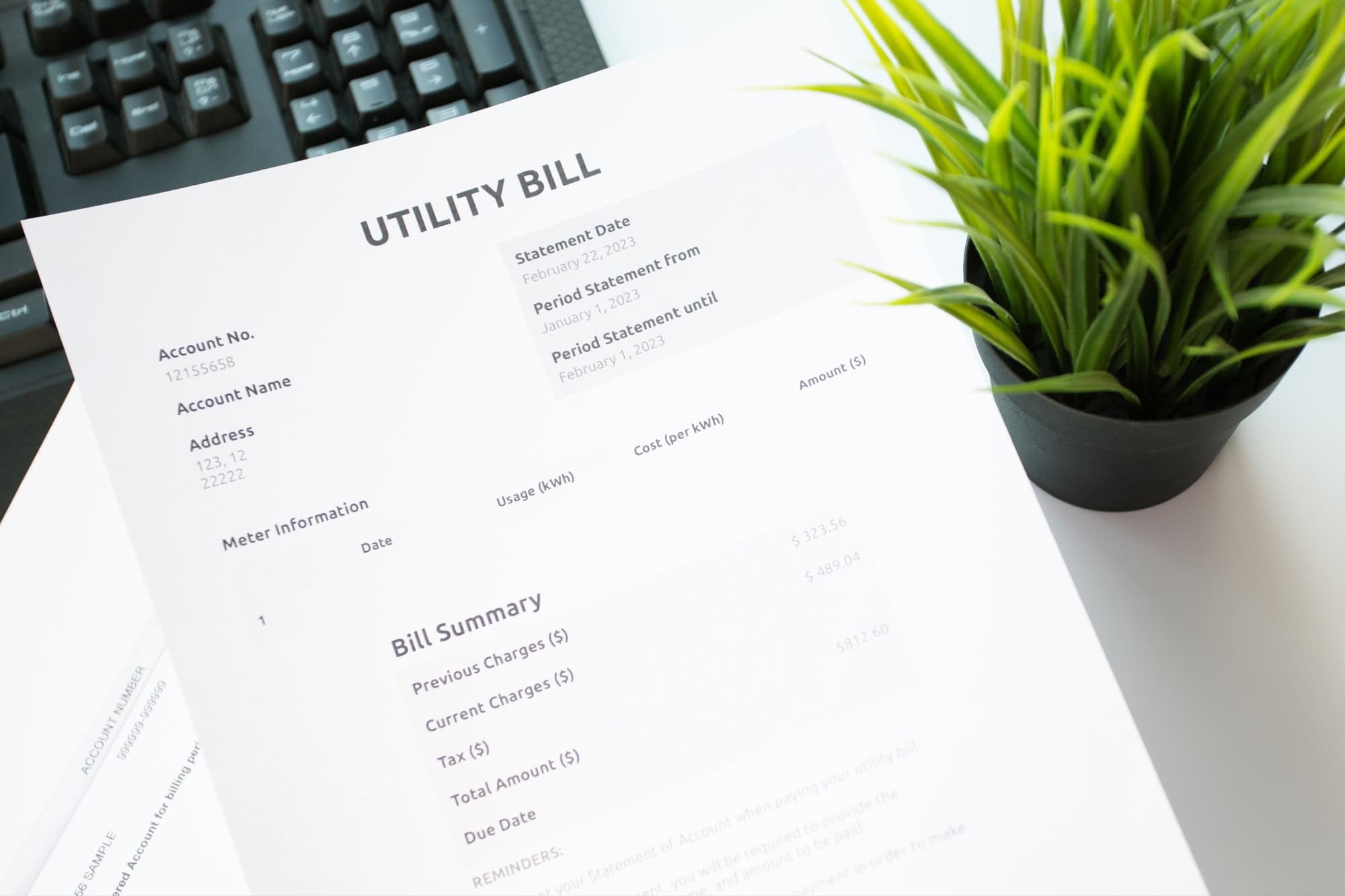
Canadians will sometimes say that “the hydro bill’s due,” but they’re not actually referring to water. They use it to talk about their electricity bill. The word stuck because many provincial utilities began as hydroelectric companies, leading to the term “hydro.”
It doesn’t matter that the power isn’t water-based in some places because the name has stuck around. You’ll even see provincial utility sites using “hydro” to talk about household electricity bills.
Parkade
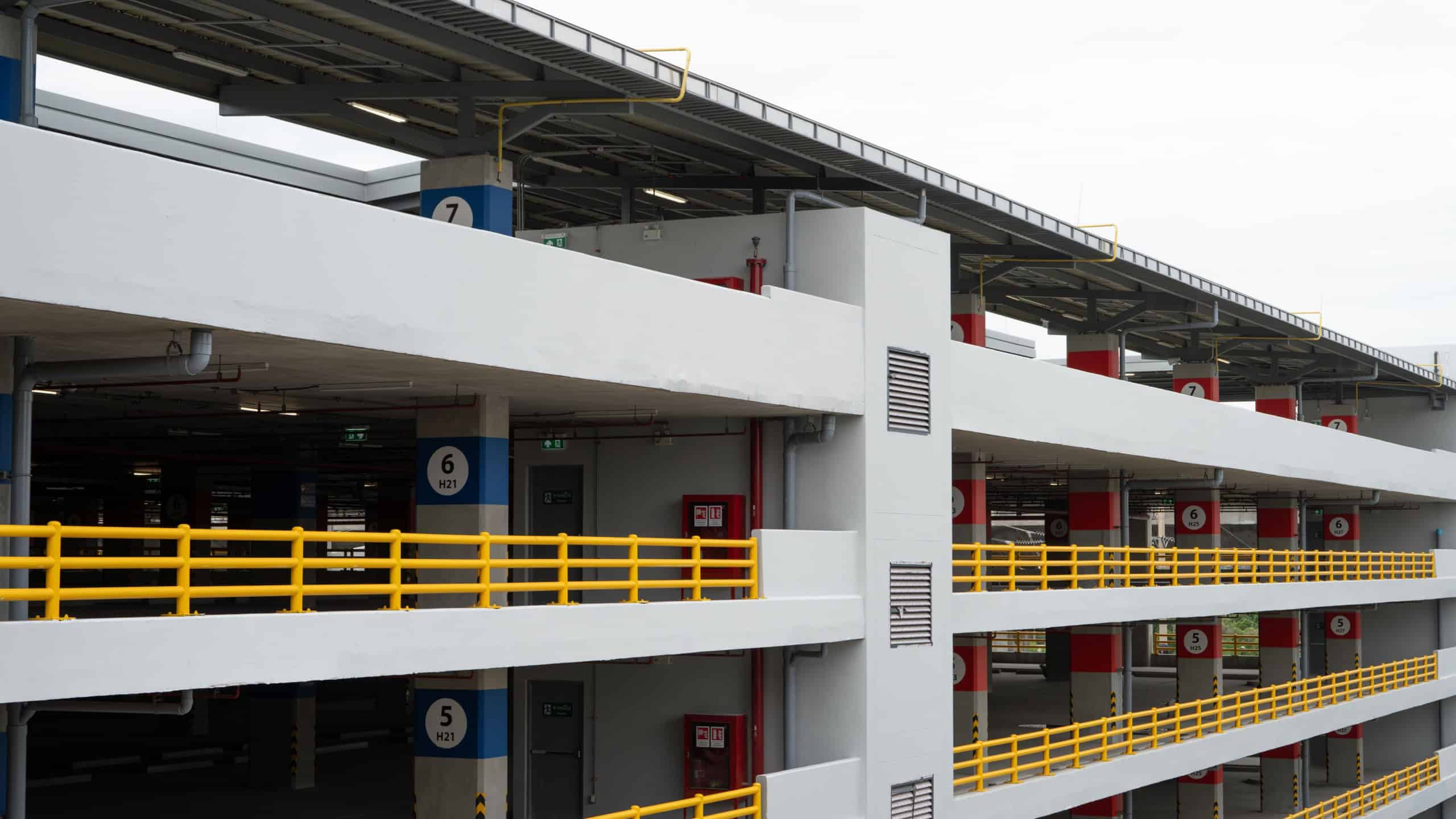
It’s relatively normal to hear the word “parkade” in western & central Canada, and people use it there to talk about a parking garage. It’s something that might confuse a few Americans.
But the term has been used in Canadian commercial writing since the 1950s at least. You’re unlikely to hear anyone saying “parking garage” in these parts.
ABM

“ABM” is only a letter away from “ATM,” and it refers to the same thing. But that’s enough to make some Americans feel a little confused. They use “ATM” instead.
Canadians use “ABM” or “bank machine” to talk about a cash machine. That doesn’t mean the machine has to be inside a bank, as it could also be in a mall or grocery store.
Homo milk

The term “homo milk” sounds quite odd to most American ears. They’re not used to hearing people use the term to talk about homogenized milk with 3.25% fat.
Americans would simply call it whole milk instead. Seeing so many cartons & flyers with the phrase “homo milk” on them can be quite weird for Americans.
All-dressed

Try ordering food in some parts of Canada, especially Quebec, and you’ll likely hear someone talking about getting their food “all-dressed.” It’s something we use to say that everything that normally comes on the food is included, whether that’s pizza or hot dogs.
But people in the United States are almost entirely unfamiliar with the word. It’s because they don’t have the same history, as the term comes from the French toute garnie.
Pogey
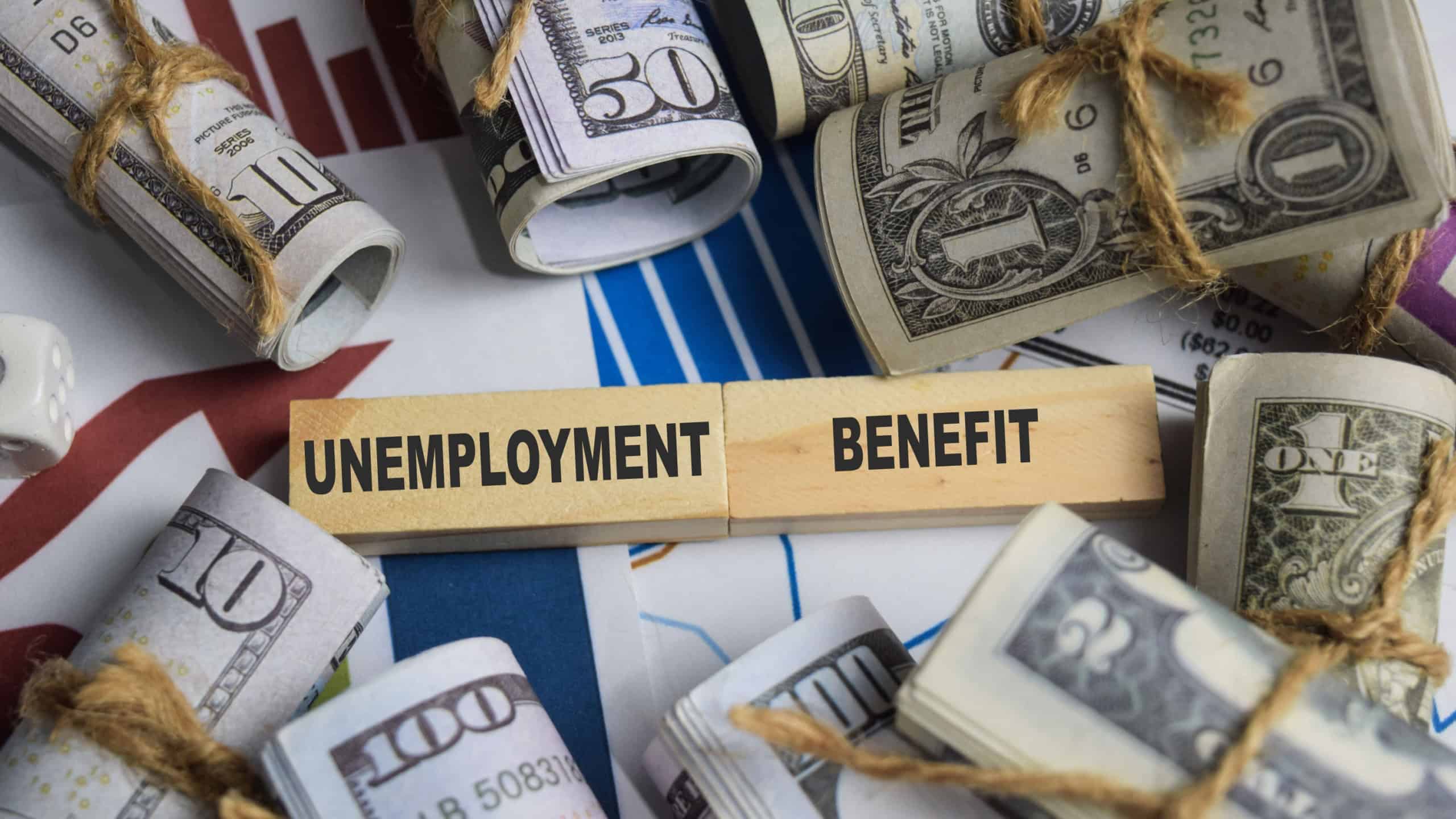
“Pogey” is a word that sounds quite vague, yet it makes complete sense to most Canadians. People north of the border say “on pogey” to talk about receiving government unemployment benefits.
It’s specific to unemployment benefits, so you can’t use it to talk about general handouts. You can’t really use it in the United States at all because people don’t know what it means.
Skidoo

“Skidoo” is a generic word for a snowmobile in Canada. People use it here even when the machine isn’t actually made by the Ski-Doo company, and it’s quite a common term during the winter.
It came from Bombardier’s original 1959 branding. But people in the United States don’t have the same need for snowmobiles as we do, so the phrase never really caught on over there.
Scribbler

Kids in Atlantic Canada grab “scribblers” for school, instead of notebooks. It’s a common phrase to see on supply lists & in classrooms across the region.
“Scribbler” is actually the most common local term in the Maritimes. But “notebook” is a word that’s more popular everywhere else, especially in the United States.
Hoser

It’s thanks to SCTV’s Bob & Doug McKenzie sketches that we got the term “hoser.” It refers to someone who’s acting clueless or awkward, perhaps even trying too hard.
The sketches were popular in the United States as well. But the term “hoser” never caught on over there as it did over here.
Fill your boots
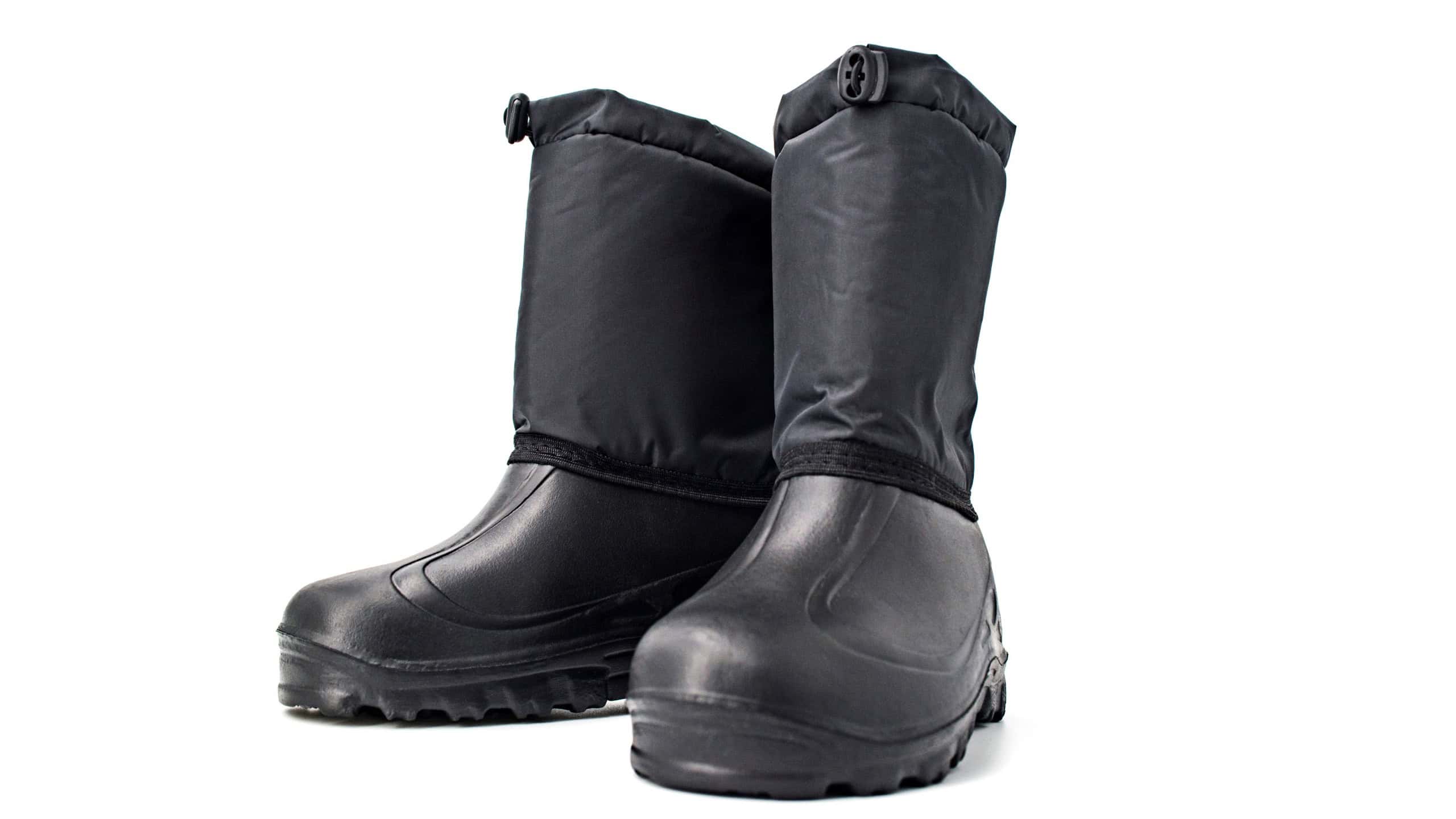
A Canadian giving permission to someone else might say, “Fill your boots.” It can sound friendly or casual, perhaps even a little indifferent, depending completely on the tone you use.
It’s a completely normal idiom in Canada. But most Americans hear it literally, and they’ll miss what Canadians are talking about.
Sources: Please see here for a complete listing of all sources that were consulted in the preparation of this article.
Like our content? Be sure to follow us.