
Canadian English and American English look like the same language on the surface. But there are a few phrases in each version of English that have completely different meanings, depending on where you go.
Here are ten everyday words that have different meanings on either side of the border. Have you ever used any of these the “wrong” way before?
Tabled

You’ll hear the word “tabled” being used in meetings in Canada & America. But what people refer to when using the phrase is completely different, as in Canada, to have “tabled” something means to present or officially introduce it.
To have “tabled” something in America means that you’ve stopped discussing it & you’re setting it aside for later. It’s the same verb, but the meaning is quite literally the opposite direction for each country.
Toque

People in Canada use “toque” to refer to a kind of knitted winter hat. It’s the sort that you can pull down over your ears & wear it for half of the year, especially in the colder areas of the country.
But Americans don’t picture the same kind of hat when they hear “toque.” They imagine a chef’s tall hat or perhaps even a formal, brimless cap, so asking for a “toque” in an American clothing store might get you some strange looks. A winter knit in America is called a ‘beanie.’
Loonie

Every Canadian knows what a “loonie” is. The term refers to a one-dollar coin, and it’s named after the kind of bird (a loon) that’s printed on it. It’s such a common term over here, yet most Americans don’t think of a coin when they hear it.
Americans use “loonie” or “loony” to talk about someone who’s acting in a silly or irrational way. Using the word “loonie” around them would probably make them feel quite confused.
Double-double

A “double-double” in Canada is a kind of drink order. It’s simply a coffee with two creams & two sugars, nothing more or less. But the same phrase in America has more of a connection with sports than drinks.
An American “double-double” refers to a kind of basketball player who has reached double digits in two different categories during a game. People south of the border have no idea what a “double-double” means in a coffee shop.
Mickey
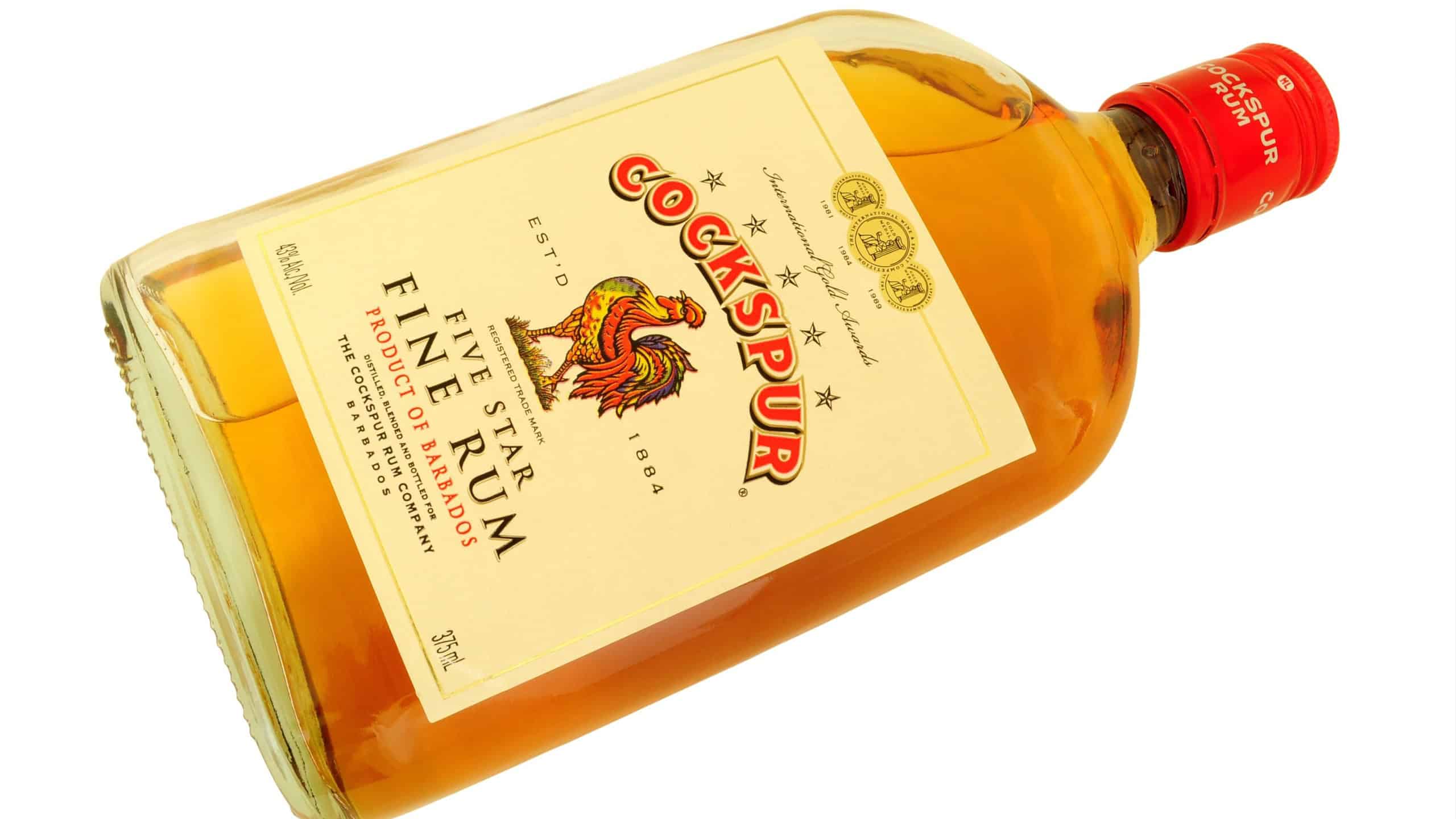
The majority of Canadians use the term “mickey” to talk about a small bottle of liquor. It’s something you might hear in everyday conversation because it’s that standardized.
But not in the United States. The term “mickey” shows up there in the phrase “Mickey Finn,” a kind of drink that someone has drugged. Be careful about asking for a “mickey” south of the border.
Keener

A “keener” is something you might hear in a Canadian classroom. It refers to a student who’s very eager, or keen, to participate, and they’re quite prepared for the class.
It has a completely different meaning in the United States. They use it over there to describe someone who “keens” a lot. In other words, someone who mourns very loudly, rather than someone who’s an enthusiastic student.
Scheme

“Scheme” is another word that has the opposite meaning on either side of the border. Canadians use “scheme” to talk about any kind of formal plan or system, and you’ll hear them using it when describing a government or business scheme.
The word has a far more negative meaning in America. It’s used over there to refer to some kind of trickery or fraud, instead of some kind of normal planning. Telling someone you have a “scheme” is a bad thing in the United States.
Pogo

A “pogo” in Canada is a battered hot dog on a stick, and the term came from the brand name “Pogo” that became a generic household name for the food. It’s similar to how “Kleenex” became a catch-all word for tissues in the United States.
But Americans won’t recognize a “pogo” in the same way. They’ll think of pogo dancing or pogo sticks whenever they hear the word, and won’t think about food you’d find in the freezer.
Chesterfield

People in Canada have used “chesterfield” as a generic word for a couch or sofa for many years. It’s especially common among older Canadians. The term has a different meaning in the USA.
It can refer to a specific style of sofa or even a formal kind of overcoat in the United States. It’d be impossible to put on a chesterfield in Canada.
Sources: Please see here for a complete listing of all sources that were consulted in the preparation of this article.
Like our content? Be sure to follow us.