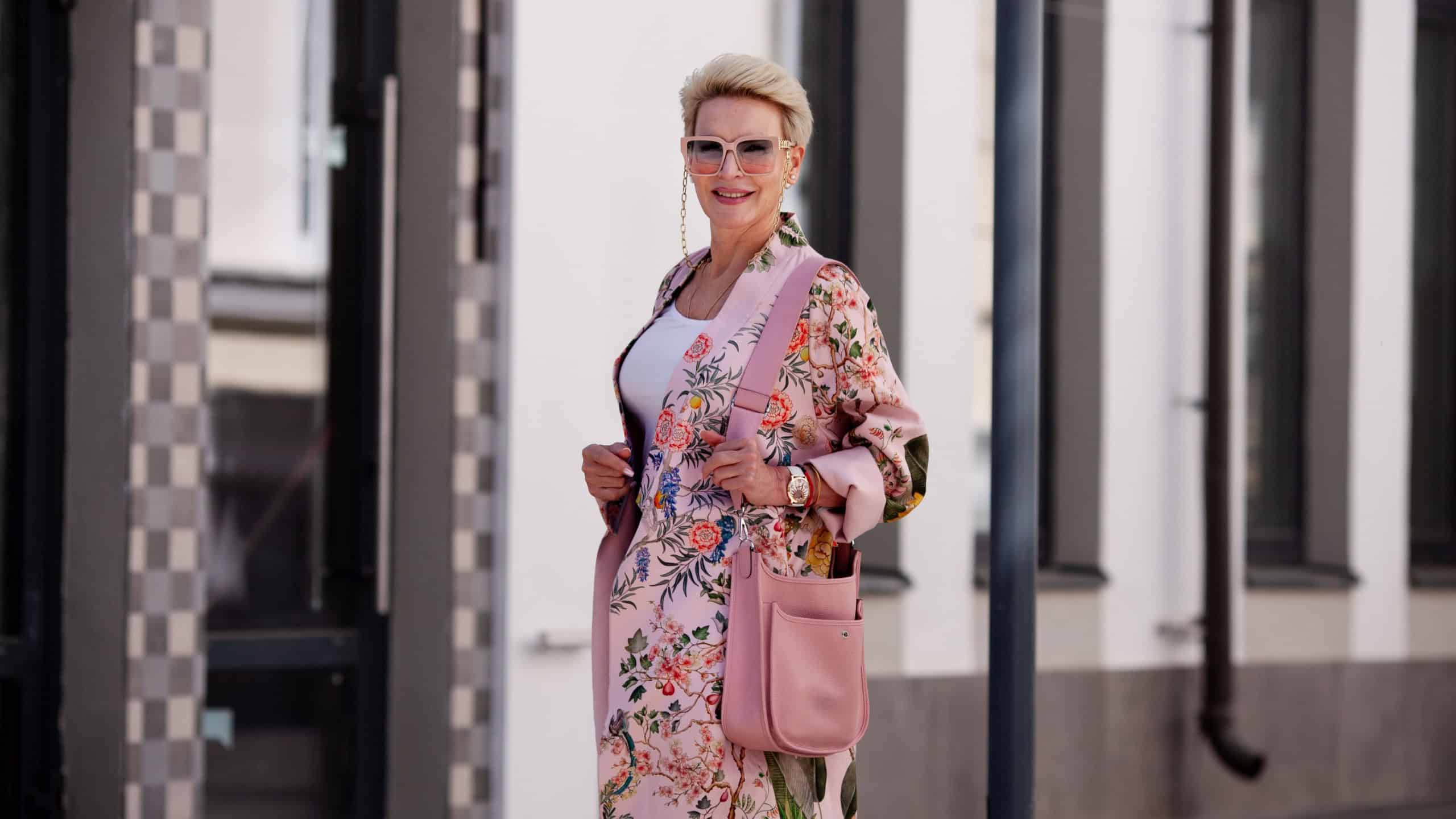
Granny prints & old-school home decor are back. Yes, tiny florals and crochet are a normal part of fashion now, even stuff that used to be buried in the attic like old patchwork materials. They’re appearing in stores in Canada.
But why? Why have these throwback fashion items become so popular now? And what does “digital nostalgia” have to do with it? Let’s find out.
What people mean by “granny prints”
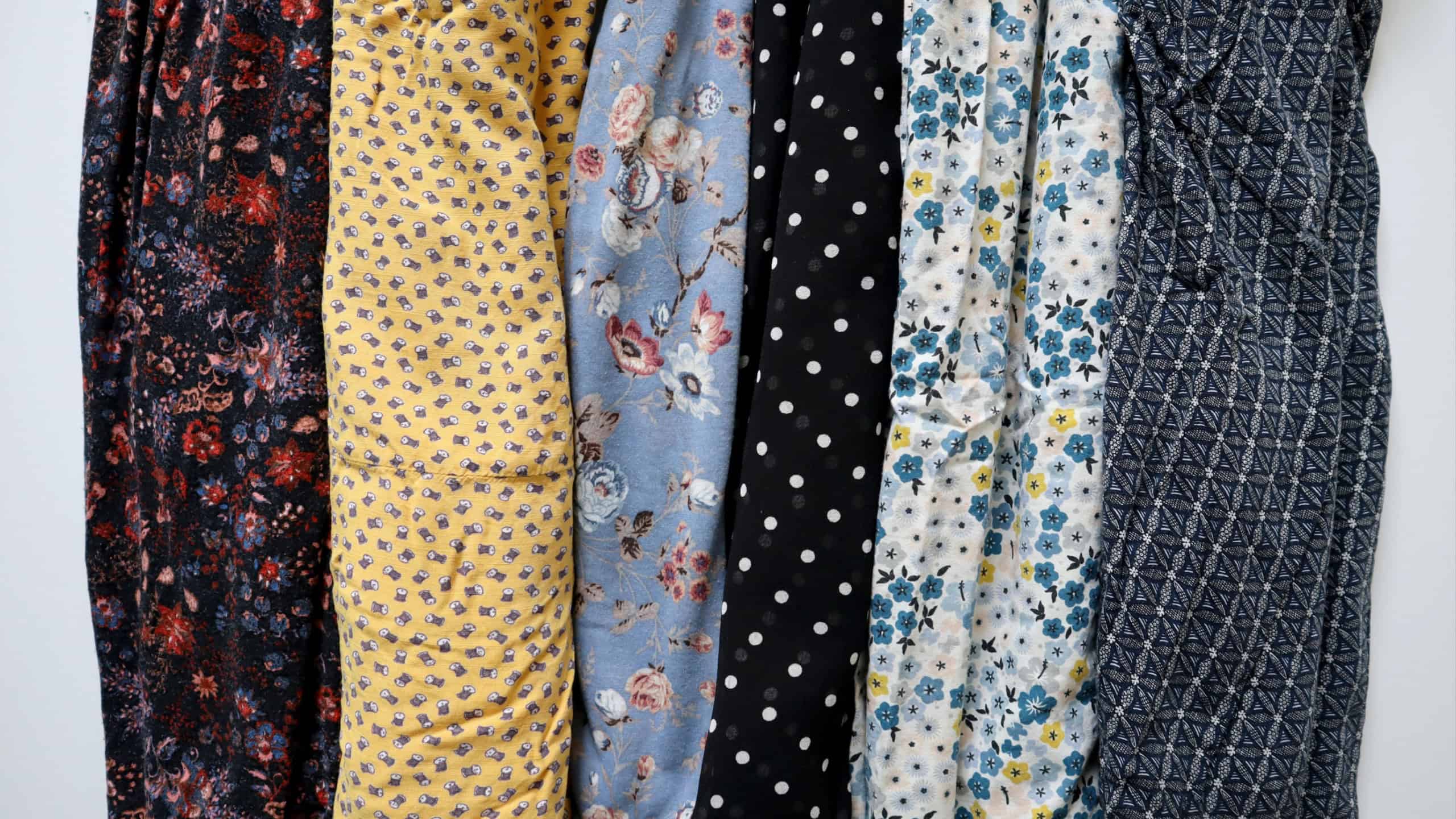
It’s hard to pin down exactly what “granny prints” actually are since most people have slightly different definitions of the term. However, there are some things that seem common.
Granny chic clothes came from older wardrobes and tend to feature calico florals & lace collars. Soft knits are also another feature. You may also notice homey textiles and details inspired by crafts.
Throwback patterns showing up in clothes now
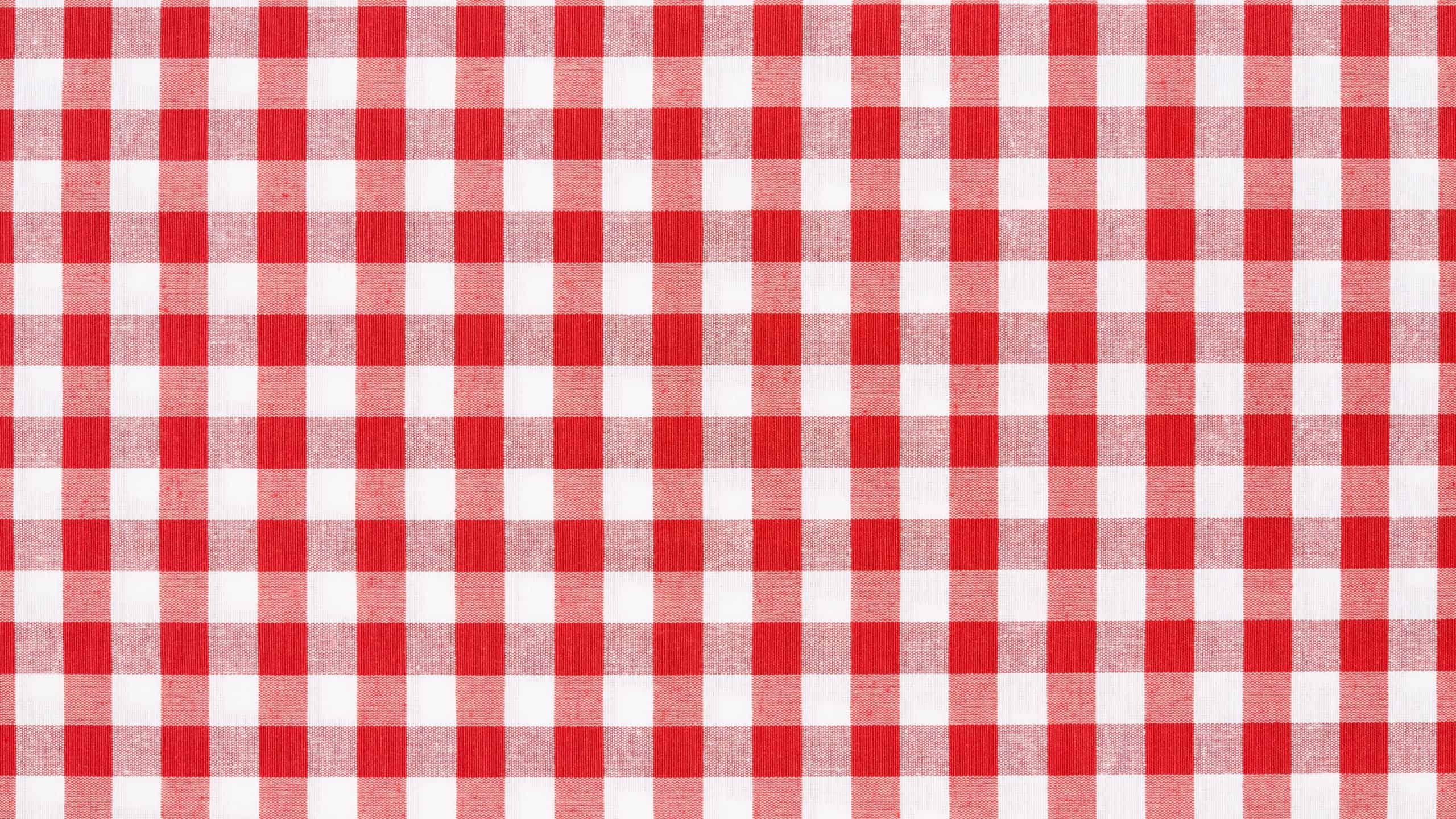
Some of the most-repeated throwback prints are small flower clusters & gingham checks. There are also quite a few quilt-inspired patchwork items, as well as crochet accents, that are making a comeback.
You can see them in all sorts of items. Whether it’s skirts or jackets, a lot of clothes are being made to mimic the styles of earlier decades, rather than look like something new.
The fabric side of granny style
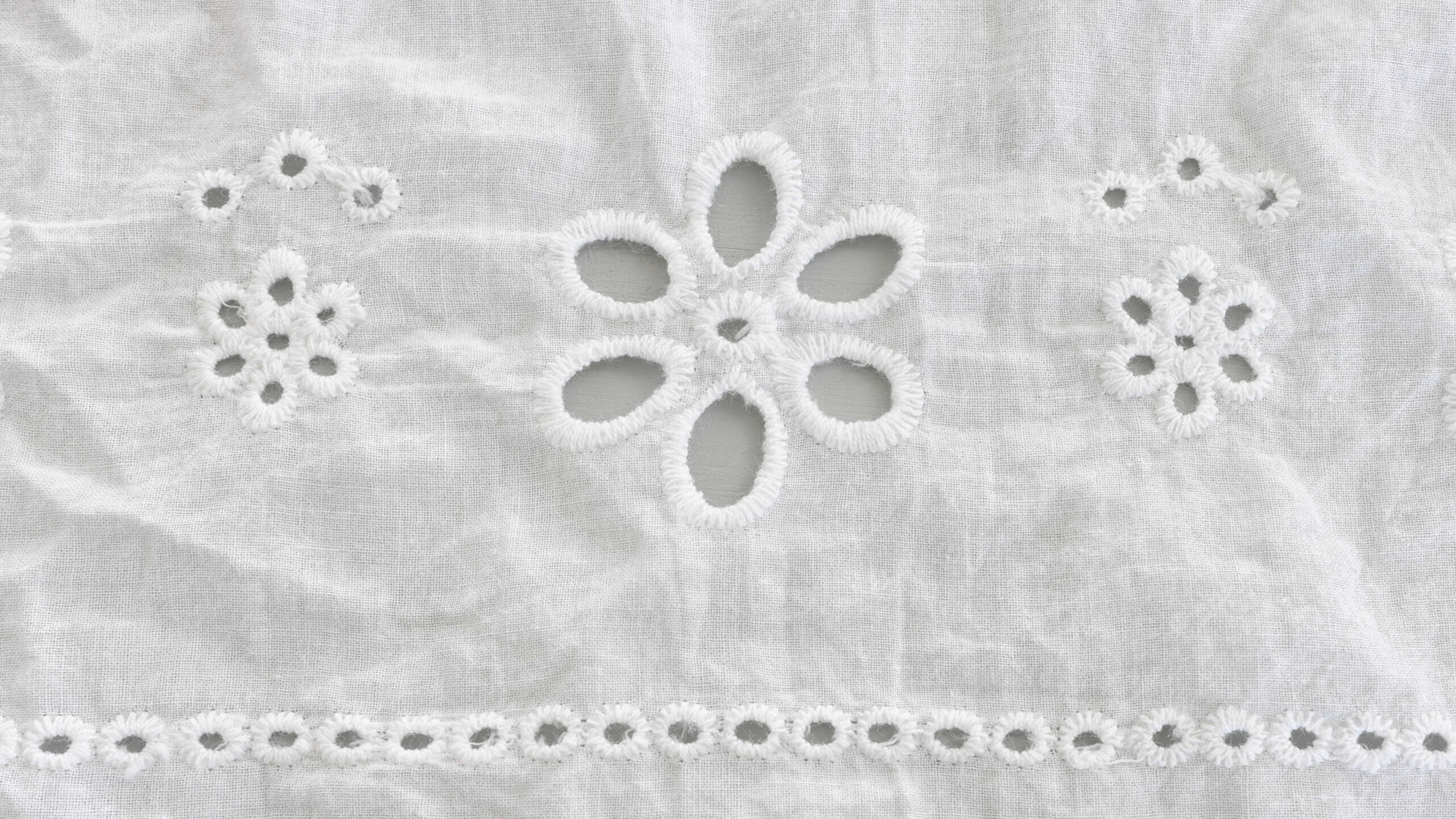
Let’s not forget about the materials, too. Lace & eyelet cotton have both returned, alongside wools and embroidered trims.
Several retro sewing studies have found that mid-century apron patterns & soft pastel calicos keep getting recreated. It’s not only mass-produced collections, either. Many handmade pieces also borrow from the past, thanks to things like digital nostalgia.
Throwback decor that matches the fashion look
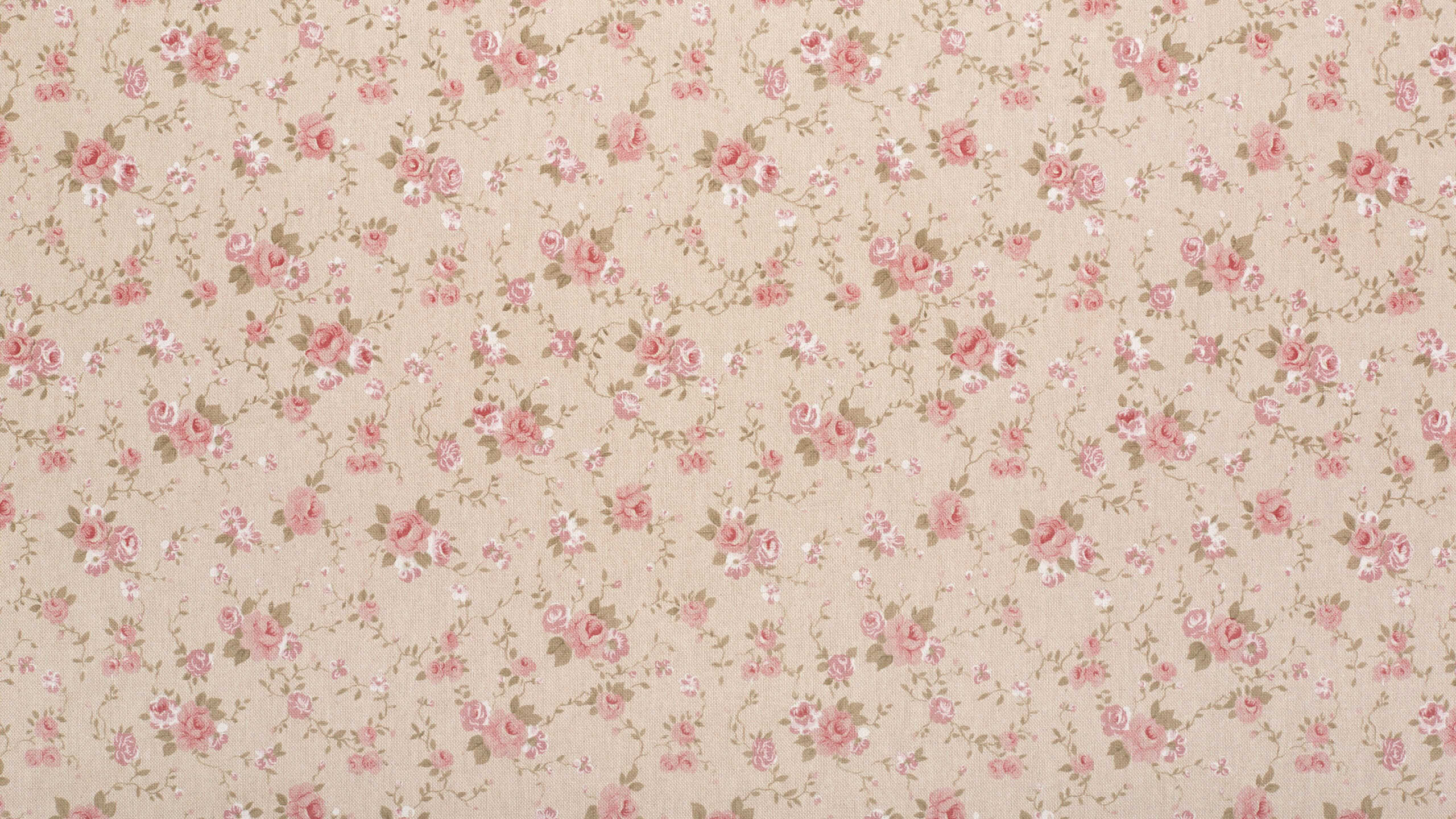
It’d be wrong to assume that throwback trends are only happening with fashion. Interior designers use the term “grandmillennial” to talk about rooms that include classic silhouettes and older patterns, including floral wallpaper & needlepoint cushions.
People are rearranging their modern spaces to include traditional items. We’ll find out later how digital nostalgia is responsible for it.
The comeback pulls from several decades

One important thing to note is that throwback pieces don’t necessarily all come from a single era. You can find older floral prints returning alongside ‘90s slip dresses & pastels from the early 2000s.
Fashion researchers have noted that different periods overlap. Together, these items create a mix of throwbacks, rather than the comeback of one specific period.
Fashion cycles bring old prints back on schedule

So why are people relying on past prints? Academic studies on fashion cycles explain that trends return because people get tired of modern trends. They go back to trends that haven’t existed for a while, and such patterns often repeat over decades.
The only difference is that these patterns may be slightly changed. It’s to keep them feeling a little fresh.
Nostalgia is a shopping motive
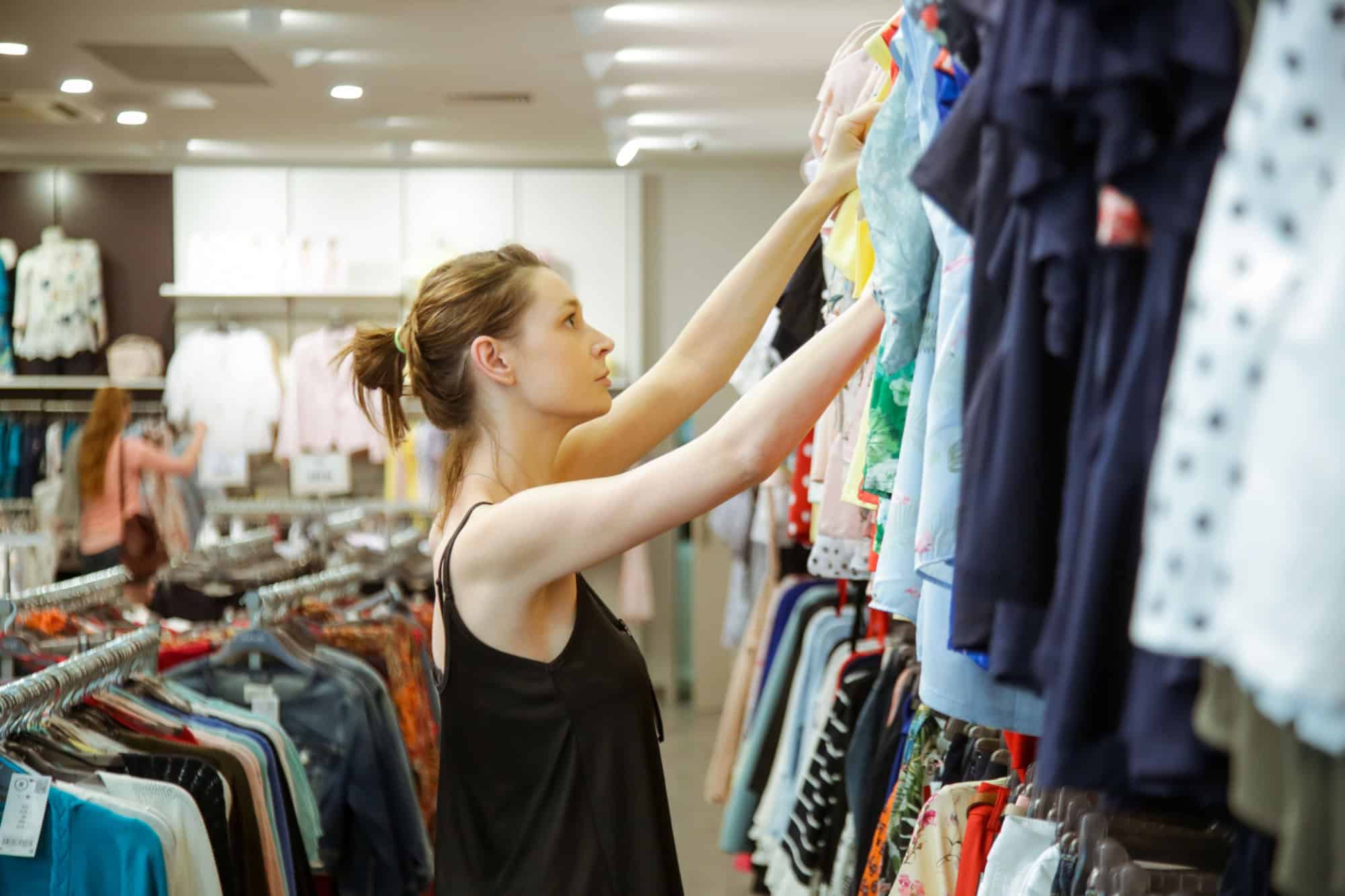
Researchers have also found that nostalgia-based marketing is at a high. People tend to feel positive when they experience nostalgia.
It really doesn’t matter that their image of the past might be entirely imagined, as nostalgia alone is enough to make people purchase throwback products. People choose items that remind them of textures or ideas that they’re familiar with.
Vintage and secondhand markets keep the look visible
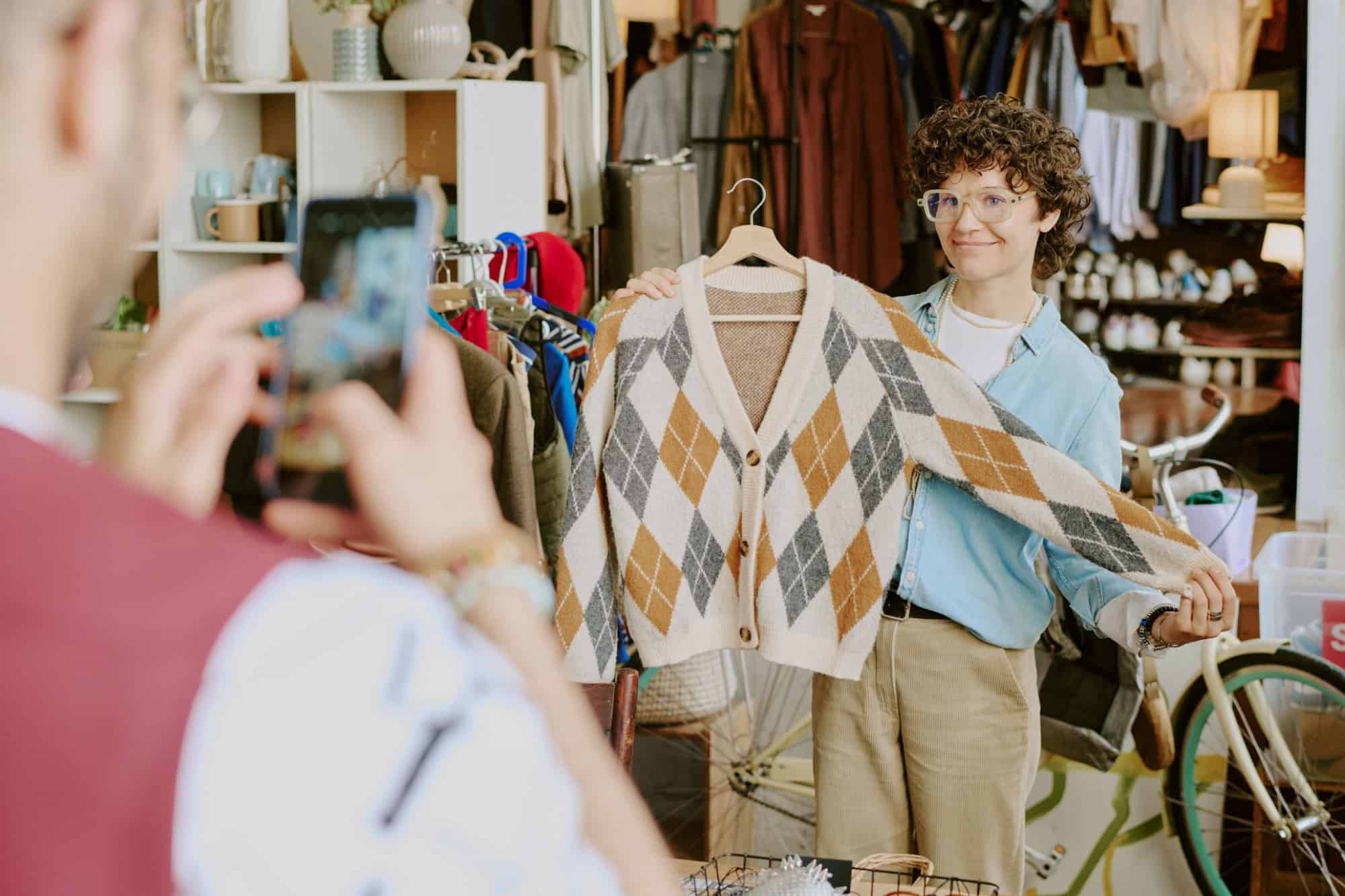
The rising popularity of vintage & secondhand markets is important because many buyers search for older, authentic garments. They don’t want mere replicas.
Their desire for older pieces keeps vintage items in circulation, meaning that the market naturally preserves granny prints.
Cottagecore and farmcore keep feeding the print comeback
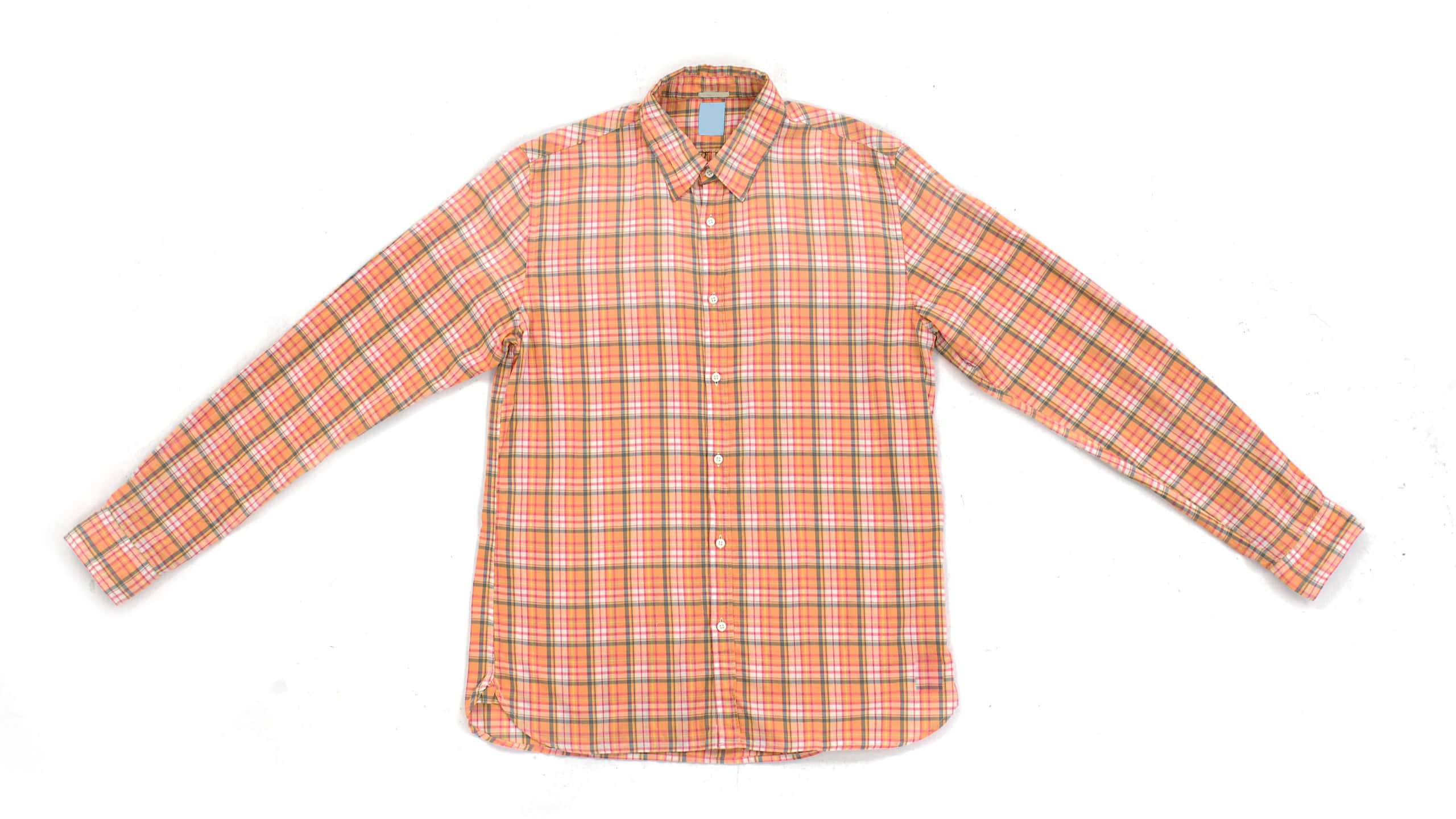
Cottagecore is a style that has become rather popular among younger generations. The style focuses on small florals & soft ginghams.
Why? Because it makes people feel nostalgic for a more natural style of life, and it’s a trend that has stayed active on social media since around 2023.
Digital nostalgia spreads past eras to new audiences

Social media also has a big part to play. Despite having never lived through the original era, many younger viewers see older aesthetics on their social media & want to experience it.
It’s what researchers refer to as “digital nostalgia.” Essentially, past looks are recirculated so quickly that entire groups adopt their designs, simply from repeated exposure to them.
Sources: Please see here for a complete listing of all sources that were consulted in the preparation of this article.