Climate change is a hot topic, and for good reason. It’s changing our world in ways we can see and in so many we can’t. While most of us get the gist of hotter temperatures, like rising sea levels & melting ice caps, there’s a lot more going on beneath the surface.
Here are twelve surprising facts about climate change that might just make you see the whole issue in a new light.
The Oceans Are Turning Sour

Our oceans soak up a big chunk of the CO2 we pump out but it’s taking a toll on them. This whole process is making the oceans more acidic which is bad news for the creatures that live in them.
Many fish species and coral can’t survive in water that’s too acidic. This has a knock-on effect on the food chain as a whole.
Greenland’s Ice Is Booking It

Greenland’s ice sheet is melting a lot faster than most people realize. Seriously, it’s losing ice seven times more quickly now than in the 1990s and that’s a big deal.
All that melting ice ends up in the ocean, raising sea levels & threatening coastal areas around the world. Even if you’re nowhere near Greenland, you’ll feel the effects.
More Bugs and Diseases, Oh My!

As the planet warms up, animals & bugs are moving into new areas—bringing diseases with them. This means we’ll likely see more illnesses transferring from animals to humans.
Rather than just being a problem for the future, it’s happening now & changing how we live, travel and even what we eat.
It’s Not Just Your Body That Suffers, It’s Your Mind Too

Climate change is also creating issues in our minds, too. Extreme weather events often cause serious mental health issues, like anxiety & PTSD due to the stress of losing homes or jobs to disasters.
Even the constant worry about climate change takes a toll on people. We need to look out for each other as the mental health impact of climate change doesn’t discriminate.
Expect More Lightning Shows

Warmer air means more storms and more lightning. For every degree the planet warms up, we might see a 12% increase in lightning strikes and this also increases the risk of wildfires.
As most of us are aware, wildfires devastate ecosystems and lives in an instant. It’s another example of how global warming affects us all.
Frozen Ground

Permafrost is land frozen for years and it’s packed with ancient carbon that, if thawed, may release lots of greenhouse gases. This would make global warming even worse.
As this frozen ground starts to thaw, old viruses & bacteria could also be released into the environment. It’s a Pandora’s box of ecological and health challenges we’re not yet fully equipped to handle.
Indigenous Communities Are on the Front Lines
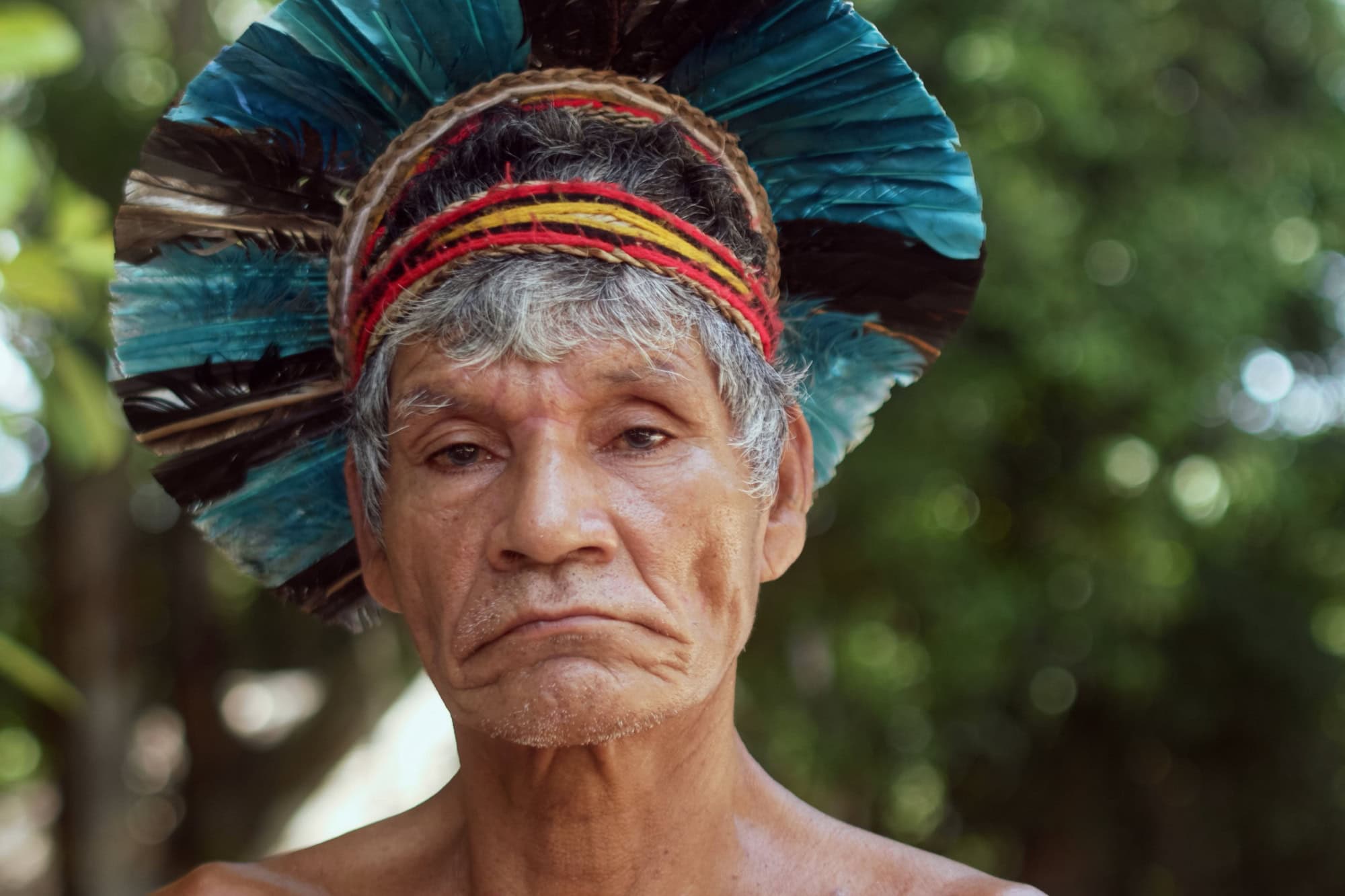
Indigenous people are feeling the effects of climate change first and worst—despite doing the least to cause it. Their ways of life & traditions are under threat because these communities have a deep connection to their land.
They also have a lot of knowledge about how to protect it yet they’re often left out of global conversations about climate action.
Coffee’s Brewing Trouble

Your morning cup of joe is under threat from climate change. Coffee plants only grow in specific areas since they need just the right temperature and rainfall.
As the planet warms, many of the prime coffee-growing areas are finding it harder to produce those beans we rely on to kickstart our day. Millions of farmers who depend on coffee farming are going to struggle.
The Peatlands Carbon Bank

Peatlands don’t get as much attention as rainforests do but they’re also very important for the environment. They store a huge amount of carbon—more than all the world’s forests combined.
However, when we drain or damage peatlands, all that stored carbon seeps out and makes our greenhouse gas problem even worse.
City Heat Islands Get Hotter

Cities are feeling the heat more than rural areas due to the number of buildings & other infrastructure. These absorb and re-emit the sun’s heat more than natural landscapes, making urban areas hotter. This “heat island” effect can increase city temperatures by up to 7°F more than surrounding areas.
Wine Regions Grape-shifting

Wine lovers, listen up. As the planet warms, traditional wine-growing regions struggle to produce their famous grapes which means you might have to say goodbye to some of your favorite flavors. Even the finer things in life aren’t immune to the effects of climate change. Of course, winemakers are trying to adapt by using different grape varieties & locations.
The Vanishing Act of Coastal Ghost Forests

Rising sea levels and increased saltwater intrusion are killing trees along the coastlines, leaving behind gray skeletons of once-thriving woodlands. It’s rather scary to see them. Beyond that, they’re also changing how carbon storage works as living trees absorb carbon dioxide while dead trees release it.
10 Countries That Climate Change Has Destroyed

Climate change has hit some countries hard, turning their worlds upside down in ways you wouldn’t believe. Even though the impact might be varied, one thing’s true—the consequences are severe.