
The Bible describes dramatic events surrounding the end times, but understanding exactly what they mean isn’t always easy.
The mark of the beast
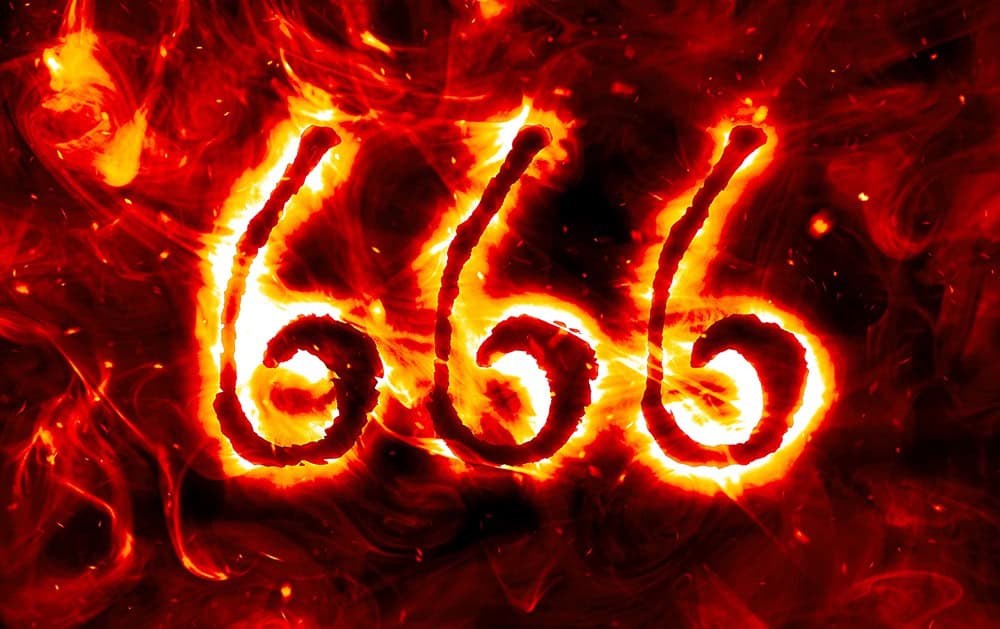
Revelation 13:16–18
The Book of Revelation speaks of a mark put on people’s right hands or on their foreheads. It also links the mark to the number 666. Efforts to understand what the mark actually is have ranged widely over the centuries, from Roman emperors to modern computers.
Some Christians believe the mark of the beast represents a future economic control system. Others see it symbolically as simply representing allegiance to any powers that oppose God. This confusion exists because many do not know if the mark is a literal item, a spiritual decision, or just imagery used in figurative language.
The rapture of believers

1 Thessalonians 4:16–17; Matthew 24:40–41
Paul speaks of believers being caught up in the clouds to meet Christ. Many Christians believe that at the Rapture, those faithful will instantly vanish from the Earth before a time of great suffering, whereas others believe that this refers to when Christ returns from heaven instead of being a separate event from the Second Coming.
Nowhere does Scripture set forth the modern sequence of a secret Rapture and then seven years of tribulation. This has caused considerable disagreement across Christian denominations.
The Antichrist

1 John 2:18; 2 Thessalonians 2:3–4; Revelation 13
The Antichrist is often believed to be one particular powerful world ruler who will deceive humanity before Christ’s return. John’s letters warn of many antichrists, yet Paul foretells a mysterious “man of lawlessness,” and Revelation describes a beast given enormous political and religious authority, though it is never explicitly called the Antichrist.
Some Christians believe these passages refer to the same future individual, but others have taken them to represent ruthless emperors, false doctrine, or opposition to Christianity throughout the ages.
The battle of Armageddon
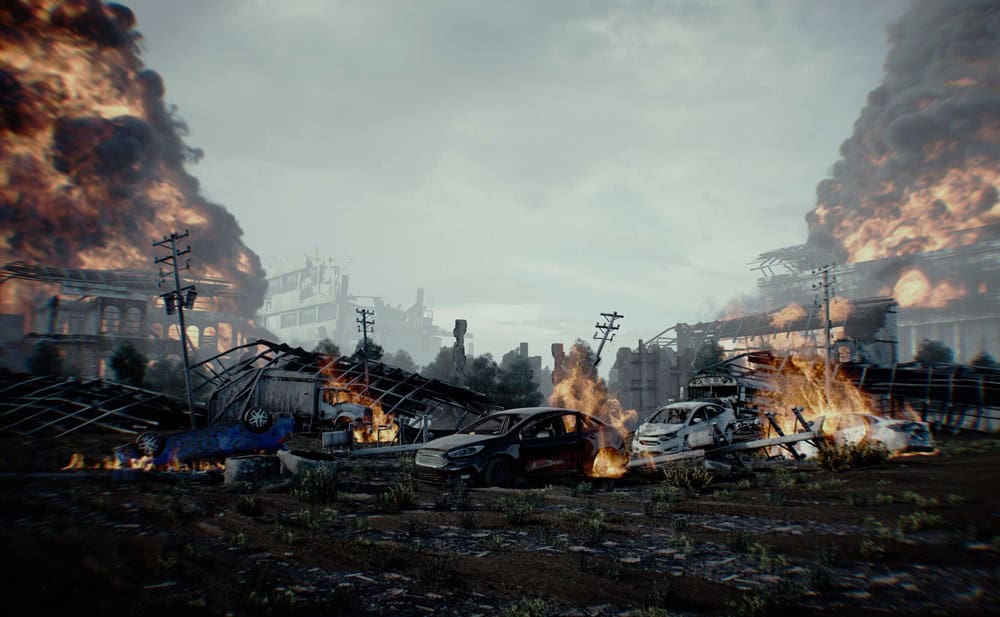
Revelation 16:14–16; 19:11–21
Some Christians think Armageddon is the final world war, with armies clashing with horrific weapons, causing worldwide destruction. Revelation tells of kings gathering together for battle at Armageddon.
However, nowhere in Revelation is any substantial geographical information given. Armageddon has most commonly been associated with Megiddo, an ancient plateau in Israel known for historic battles fought there.
Some Christians take this association to mean that there will literally be a battle between good and evil at that location, whereas others think that Armageddon is symbolic of the culmination of cosmic war between good and evil.
The seven-year tribulation

Daniel 9:24–27; Matthew 24:21; Revelation 6–18
Popular end-time teaching often focuses on the belief that Christ will return after a seven year period of world-wide suffering. The time frame is typically derived from linking Daniel’s prophecy of seventy weeks with verses in Revelation and Jesus’ teaching about great tribulation.
The full seven year timeline is never laid out in any one passage of Scripture. Christians hold differing views on whether Daniel’s final week refers to a future seven-year period or to events tied to Jesus’ ministry or ancient Jerusalem.
The four horsemen of the apocalypse
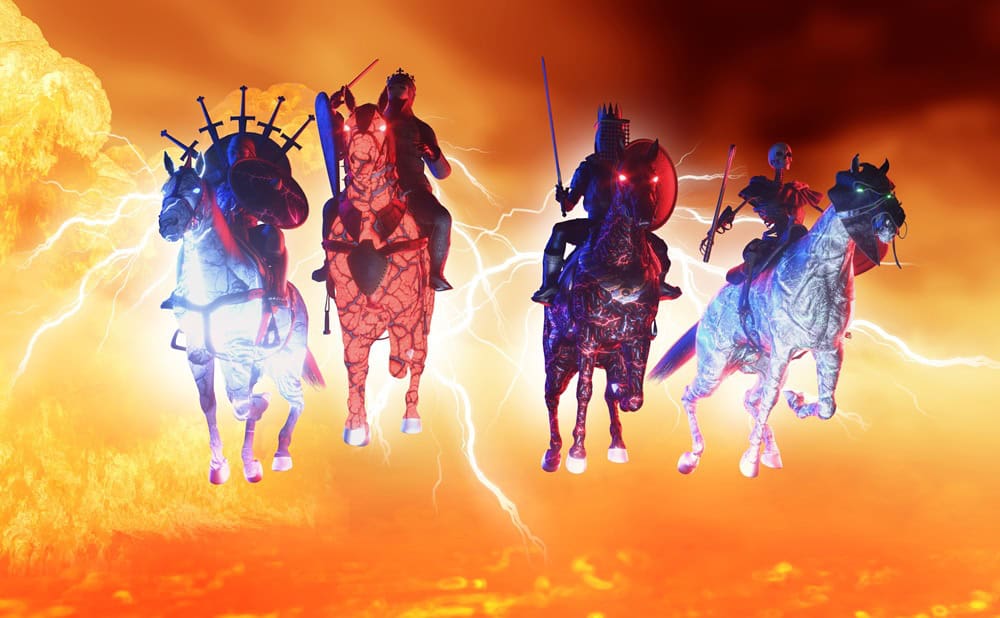
Revelation 6:1–8
In Revelation, there are four riders on white, red, black, and pale horses that bring conquest, violence, scarcity and death. These puzzling figures have inspired many paintings, books and movies. The identity of these ominous figures has been depicted in paintings, literature and movies for centuries.
While we know the rider on the pale horse is Death, the rider of the white horse is heavily disputed. Popular interpretations range from an oppressive king to an agent of temptation. Some have even equated his identity with Christ or the advent of the gospel.
The millennium and Satan’s release

Revelation 20:1–10
In Revelation, Satan is bound for a thousand years while his followers reign with Christ. At the end of the thousand years, Satan will break out of his prison for a little while and lead all the nations to war against Christ’s people before he is ultimately defeated.
It is curious that evil should be allowed to emerge again once a thousand years of peace have passed. Some interpret the millennium literally, as Christ reigning on earth for a literal thousand years following His second coming. Others see the millennium symbolically, representing Christ’s present reign.
Gog and Magog
Ezekiel 38–39; Revelation 20:7–9
References to Gog and Magog appear in two separate prophetic passages, and there is some dispute whether they refer to the same event. In Ezekiel, Gog is described as the leader of a group who attacks Israel. In Revelation, Gog and Magog are names for groups of nations that will attack the earth after the thousand years.
Some see Gog and Magog as a coming military invasion carried out by nations that can be identified today. Others believe the passages symbolically refer to Satan’s end-time rally of the world against God.
The abomination of desolation
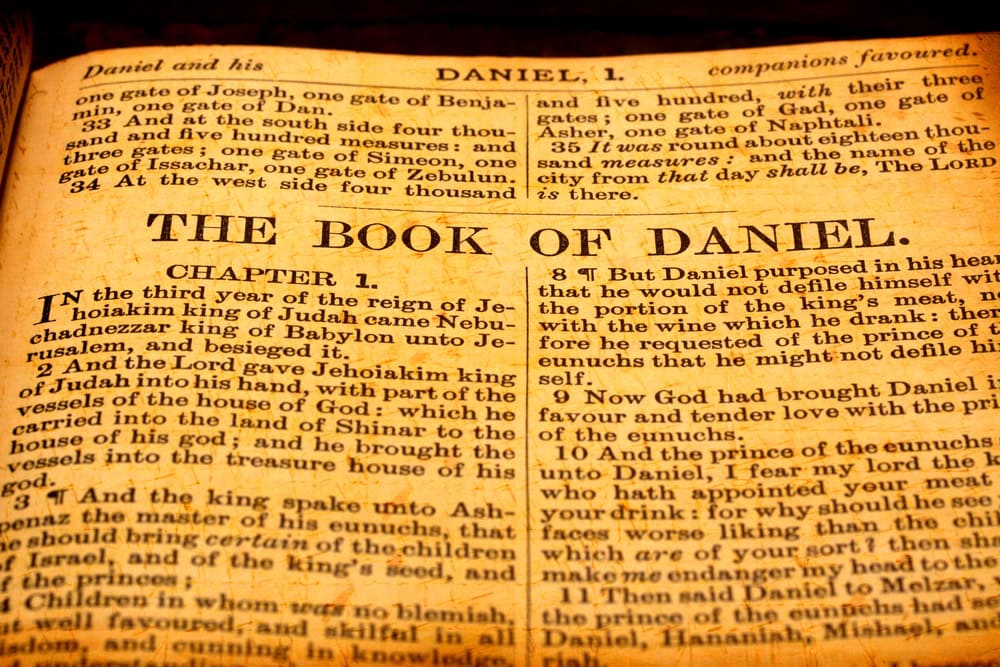
Daniel 9:27; 11:31; Matthew 24:15
Jesus warns about an “abomination of desolation,” referring to a prophecy in Daniel. But what was this ominous event? Some assume Daniel’s wording described the historical sacrilege of the Jerusalem Temple by Antiochus IV Epiphanes in the 2nd century BC, whereas some Christians believe the prediction referred instead to the Roman destruction of Jerusalem in AD 70.
Some today believe it refers to an end-times Antichrist defiling a Third Jewish Temple. Confusion arises from the prophecy possibly having more than one application (an event in the past, another in the future, or a type repeated over time).
The new heaven and new earth

Revelation 21:1–4; 2 Peter 3:10–13
Revelation speaks of a new heaven and a new earth where death, pain and anguish are no more. It also speaks of the New Jerusalem descending out of heaven.
While some Christians believe that God will create this new heaven and new earth by destroying this current universe outright, others think He will renovate and change it. Questions also surround what should be taken literally from his vision of a city with streets of gold and gates of pearls spanning unimaginable distances.
Like our content? Be sure to follow us.
11 moral warnings found in the Bible

Long before modern self-help books, the Bible had some strong words of advice about the choices we shouldn’t make.