If you grew up watching every grocery dollar, some of these foods will probably bring back memories instantly.
The milk that came in a bag
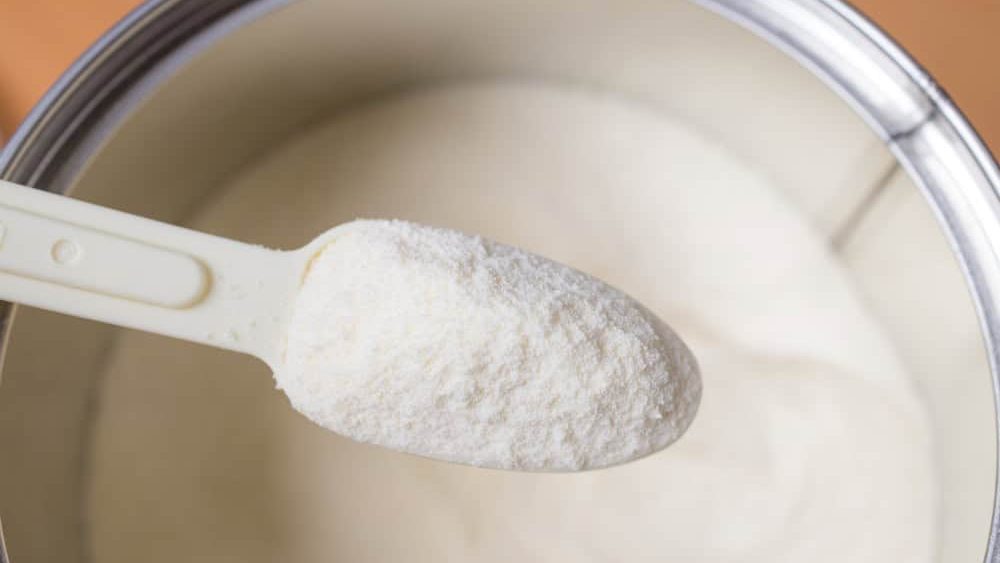
Powdered milk was already common in homes where every gallon of fresh milk needed to last as long as possible. You mixed the powder with water and refrigerated it. Sometimes the entire meal process took overnight, as many believed it tasted better when it was really cold. Some families drank powdered milk plain, while others added it to fresh milk to make real milk last longer.
It worked great for cereal too, as well as baking, sauces, and any other recipe where no one cared quite so much about flavor. Best of all, you could keep unopened powdered milk in the pantry longer than regular milk.
Pizza night at home
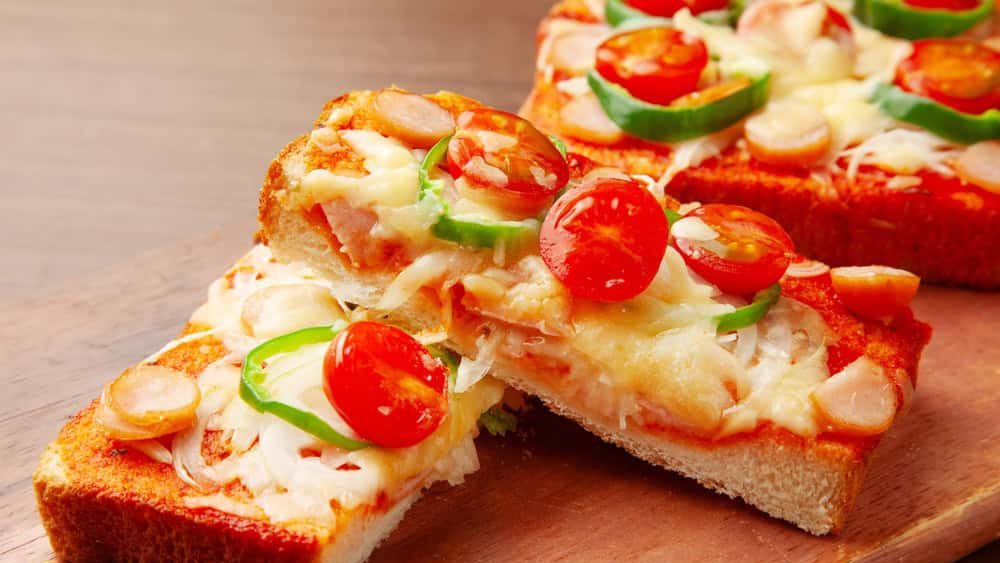
Back when ordering pizza was considered a luxury, white bread pizza was a kid’s idea of the next best thing. A slice of sandwich bread served as the pizza crust. Spaghetti sauce, jarred marinara, or even ketchup became pizza sauce. Then toss on whatever cheese you have on hand, sometimes just a slice of American cheese, and bake until hot and melty.
The unmistakable block
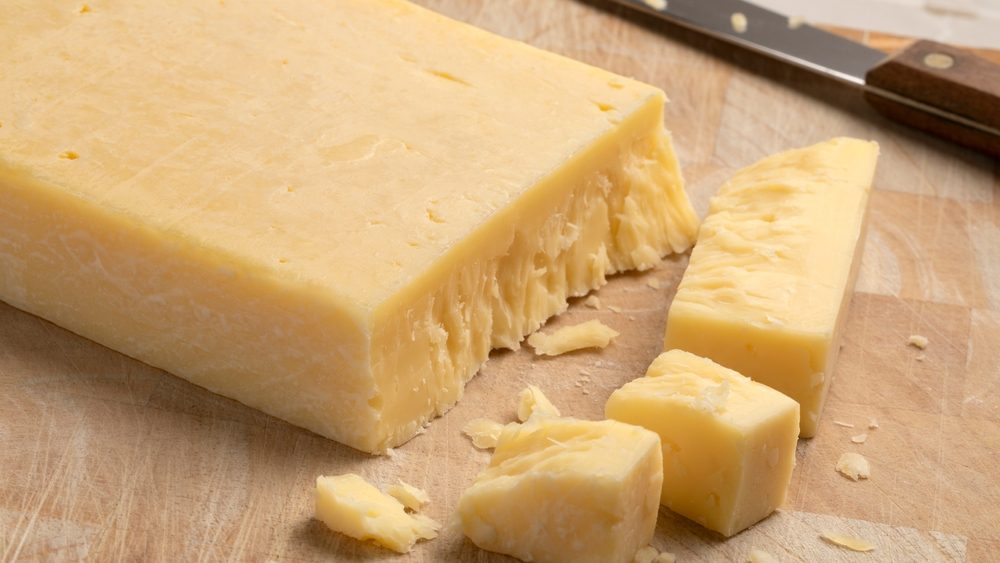
Government cheese became something of a fixture for thrifty American households. Distributed primarily via federal food-assistance programs throughout the 1980s and early 1990s, these were large blocks of processed American cheese.
High in density, shelf life, and melting capability, it could be used on grilled cheese sandwiches, macaroni and cheese, casseroles, and hundreds of other low-budget staples.
Making one box feed everyone
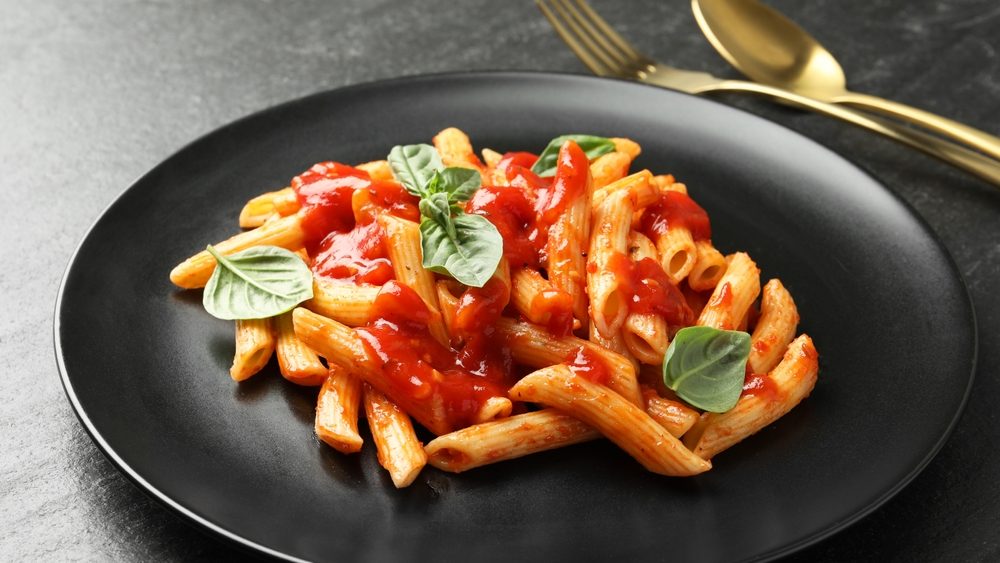
Macaroni with canned tomatoes was a meal that stretched to feed multiple mouths with little stress on grocery funds. A box of macaroni and one or two cans of tomatoes provided most of the necessary ingredients, maybe accompanied by butter, salt and pepper, or onion for flavoring.
Some families would include ground beef when they could afford it, but many ate it without meat entirely.
The casserole that kept stretching
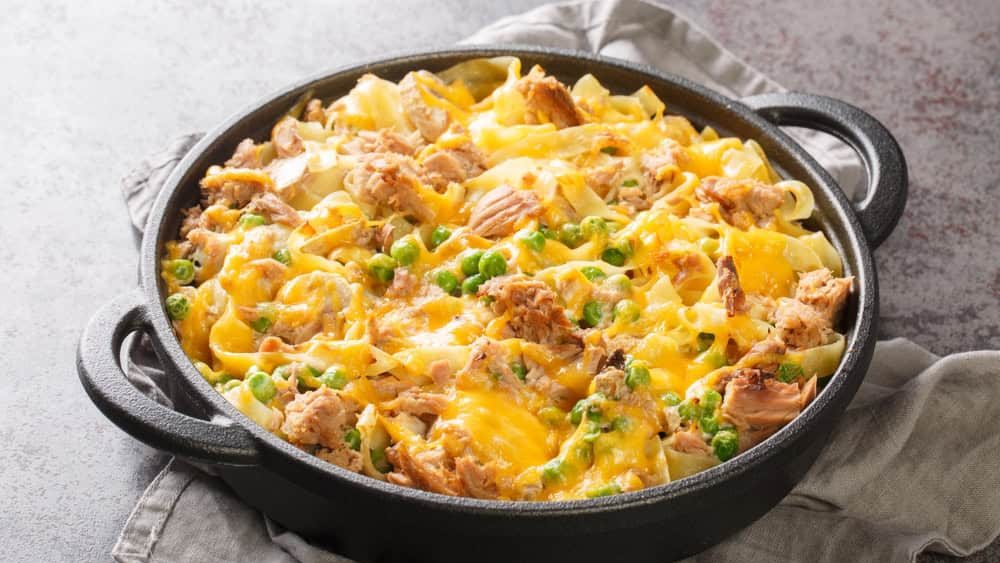
Tuna noodle casserole was one of those dishes that could stretch one small can of tuna to feed a whole table. Egg noodles provided bulk, canned cream of mushroom soup made an easy sauce, and peas gave it some color and substance. Many added crushed crackers, breadcrumbs, or even potato chips on top before baking. Recipes differed depending on what people happened to have on hand.
Dinner from the pantry

Spaghetti in a can and franks and beans were lifesavers when funds, time, or fresh groceries were scarce. Canned pasta, baked beans with sliced hot dogs, and generic supermarket equivalents could last in the pantry for ages and needed minimal preparation. Open the can, pour it into a saucepan, heat it up, and you had dinner.
When the edges curled
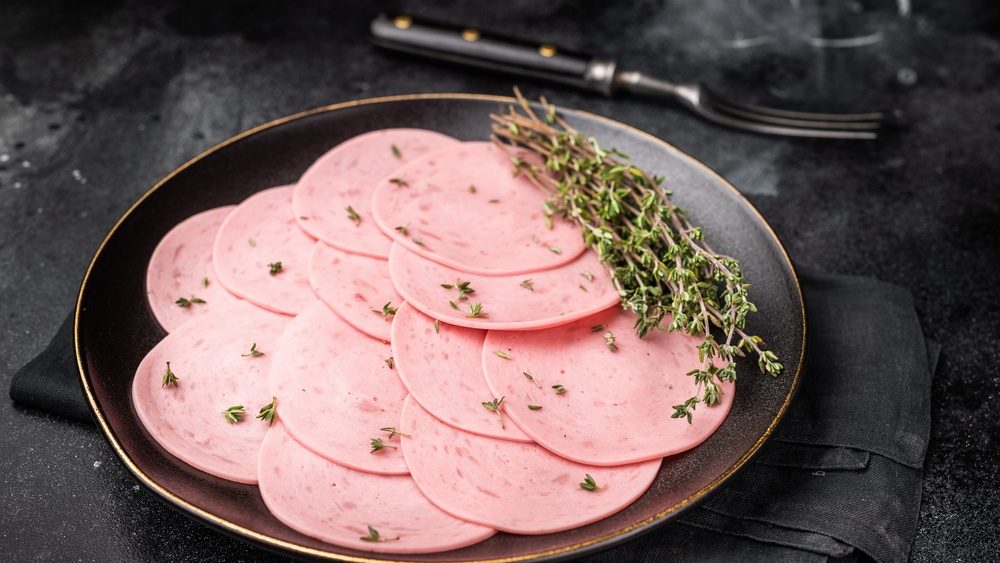
Fried bologna made an inexpensive cold cut taste almost like a cooked meal. Thickly sliced, it went into a hot skillet until browned and curled up at the edges. Often the center would puff upward into a dome shape as well.
Some cooks slit the edge to prevent such dramatic curling. On white bread with mustard or mayonnaise or cooked alongside eggs and potatoes, it was salty and filling, and cheap as well.
Let the starch do the work
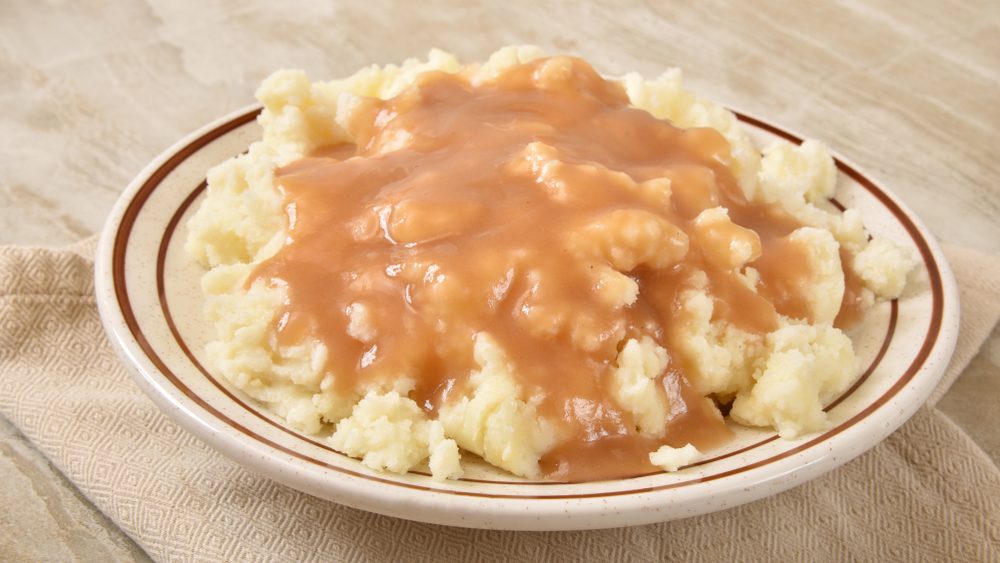
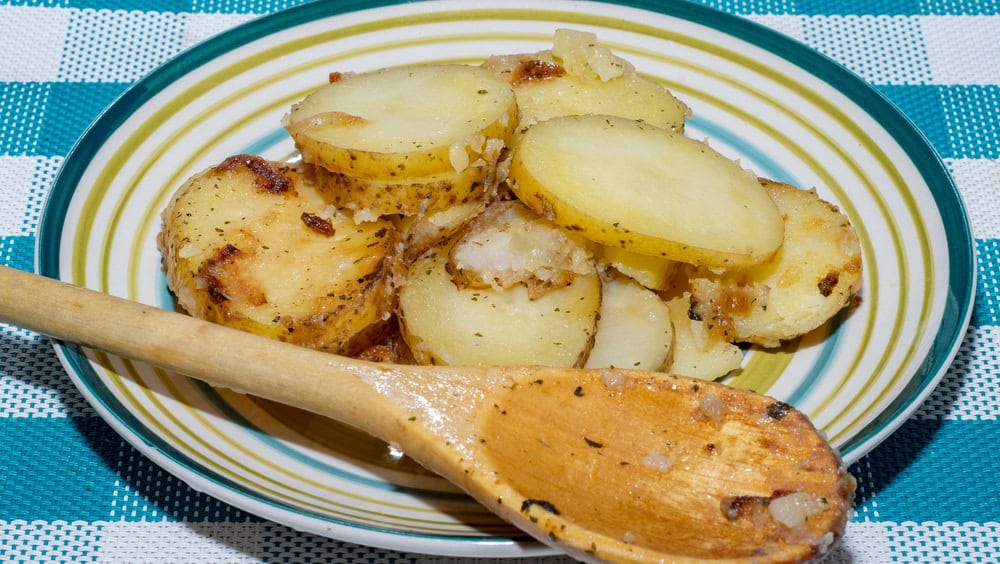
When meat was scarce, gravy-smothered rice or potatoes could ensure that no one at the table went hungry. White rice from a giant pot or mashed potatoes from a bowl were cheap enough to serve as the bulk of the meal. Gravy, made from a packet, jar, or can, or concocted from drippings or from scratch, added flavor. Sometimes there would be a few bits of meat mixed in. Sometimes there wouldn’t.
No cartoon mascot required
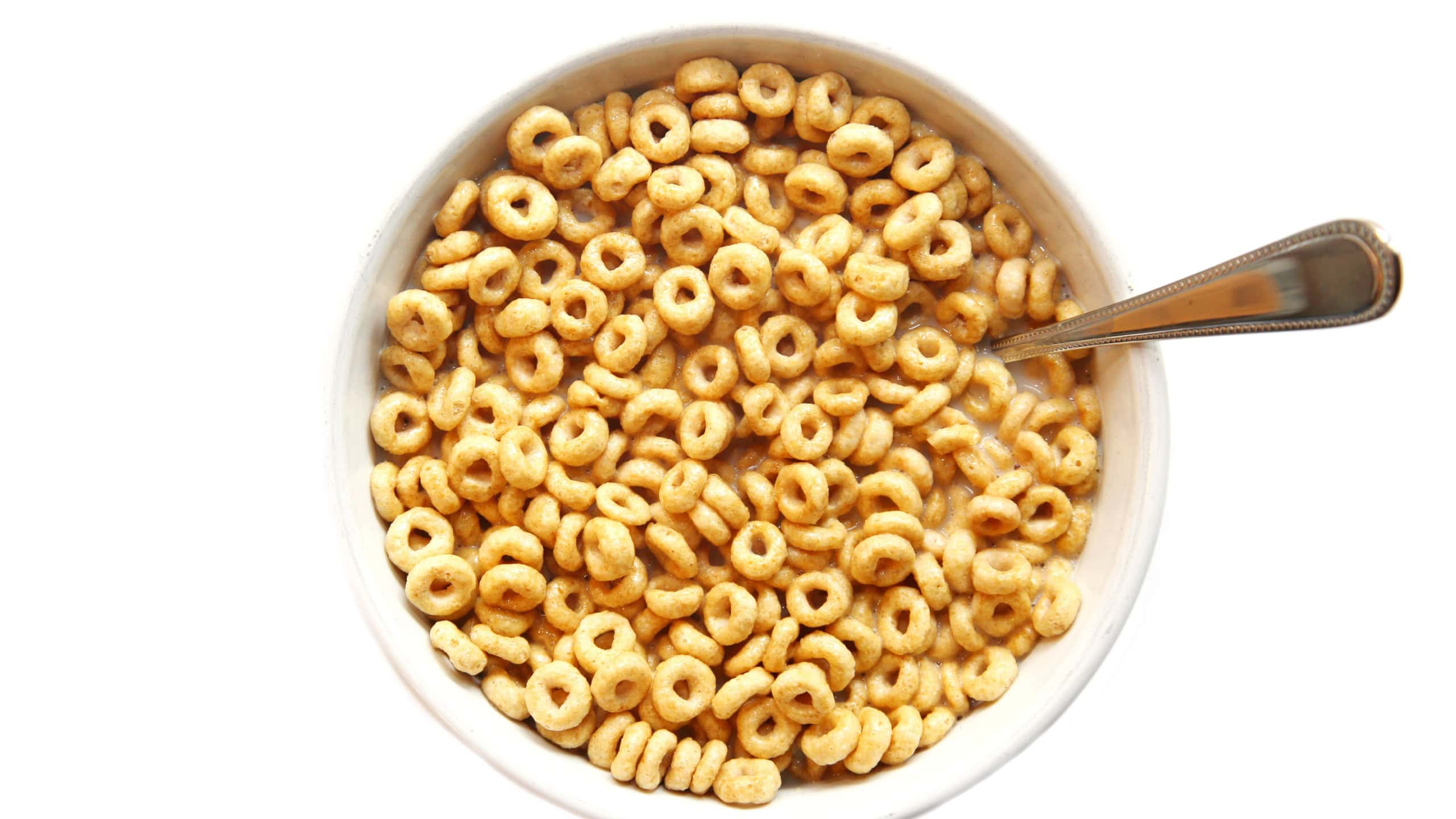
Kids may have dreamed of owning the brightly illustrated cereal box they saw advertised during Saturday morning cartoons. Generic cereal, in bulk-sized plastic bags, provided many more mornings of breakfast.
The names and shapes were sometimes eerily similar to well-known brands, minus the mascot and fancy box or marketing funds. Those gigantic bags could take up half of a shelf in your pantry, and often came with a clip to hold the bag together once opened.
Meat that waited in the cupboard

Spam and potted meat provided one particularly handy convenience for families stretching their food budgets: cheap, shelf-stable meat that could sit on the shelf until the time came to use it.
Spam could be sliced thin and fried until crispy, served alongside eggs, stirred into rice or stuffed into sandwiches. Potted meat could top slices of bread or crackers for a budget-friendly lunch or snack. Both meats didn’t need to resemble a Sunday roast to serve their purpose.
An old meal that survived
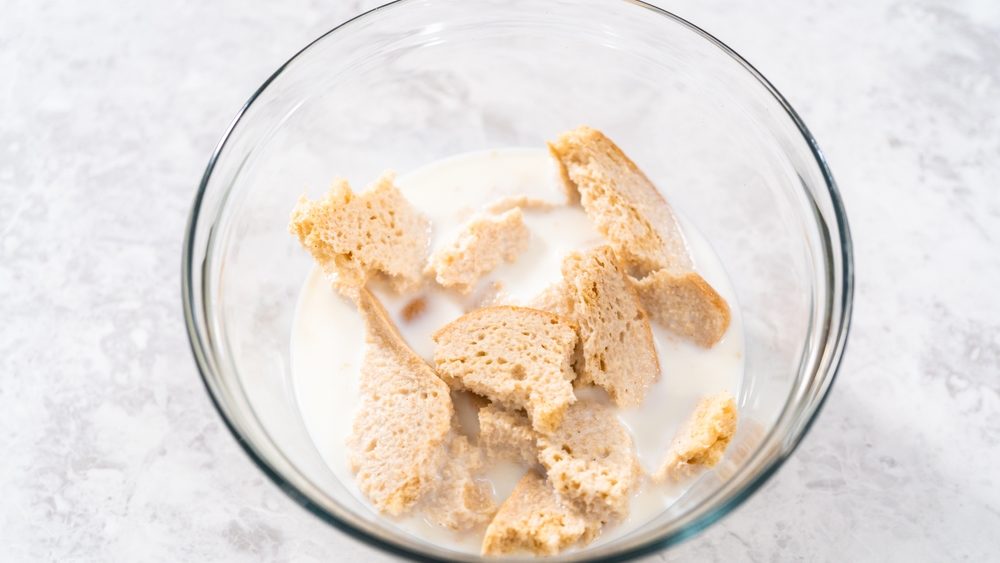
Bread and milk, also known sometimes as milk toast or part of various “sop” traditions based on how it was prepared, is an example of food so simple that it was passed down through the generations because nothing, or next to nothing, had to be made to prepare it.
Stale bread, toast, cornbread, or biscuits would be broken into a bowl and covered with milk. Sometimes sugar was added.
The little upgrade
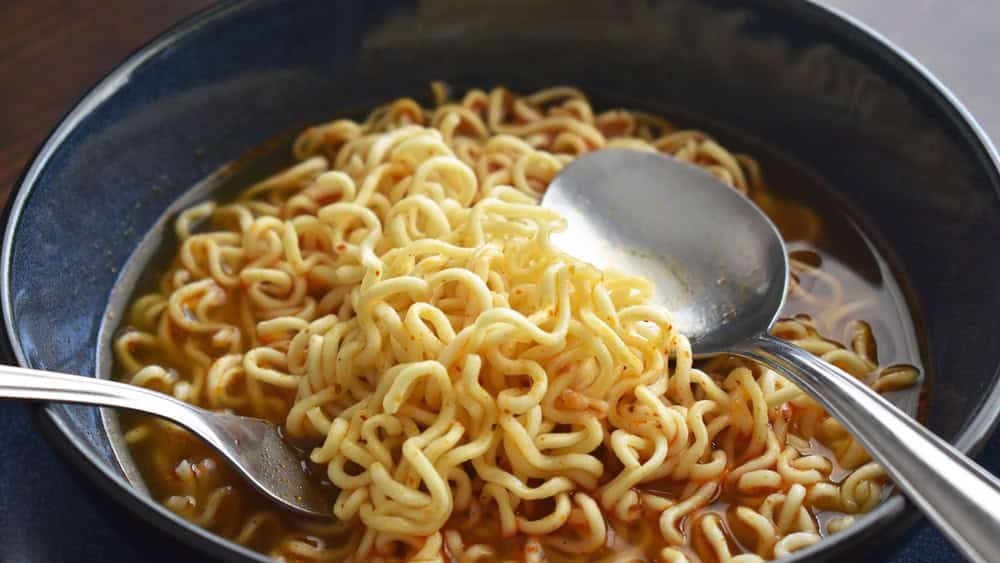
An instant ramen packet might stretch to a hot meal for almost no money at all, but boiling an egg along with it somehow made it feel much more filling. Some cooks dropped the egg directly into the steaming broth. Others scrambled it amongst the noodles or made a fried egg topping.
Either way, one cheap extra added protein to turn a packet of noodles into dinner. Frozen veggies, day-old meat, whatever else happened to be in the fridge could find a home in there too.
The cherry everyone wanted
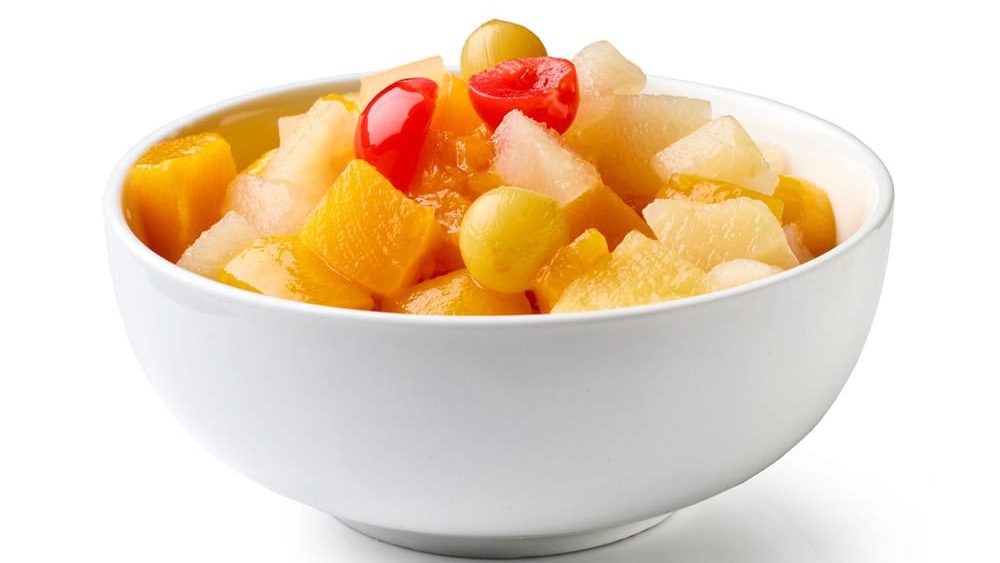
Before supermarkets commonly stocked the massive variety of fresh fruit available year-round today, canned fruit cocktail was a cheap and convenient dessert option in many households. Just open the can, and there were tiny pieces of pear, peach, pineapple, and grapes swimming in sweet syrup, along with the occasional bright red cherry that everyone wanted. It could easily be eaten cold from the fridge in a little bowl or spooned over gelatin, cottage cheese, or dessert.
Whatever was in the cupboard

Peanut butter and crackers might just be heaven on earth during those last few days before payday. There was no cooking and minimal clean-up; whatever cracker remained in the cupboard was topped with a dollop of peanut butter. It was inexpensive, filling, and had enough protein/calories that it didn’t taste like a mere snack. Saltines were especially popular because one inexpensive box lasted forever. Some households would add jelly if they had it.
When bread was enough
Ketchup sandwiches sound almost unbelievable to those who grew up without them, but lunch sometimes was that basic. Two slices of white bread and a squirt of ketchup were enough to sustain a child when food was scarce. Every family had their version, whether it was mayonnaise, mustard, margarine, or whatever was in the fridge.
There was no gourmet attempt. Bread was cheap. Condiments didn’t spoil. The two could co-mingle into something edible when the deli meats, cheeses, and other fillings ran out.
Like our content? Be sure to follow us.