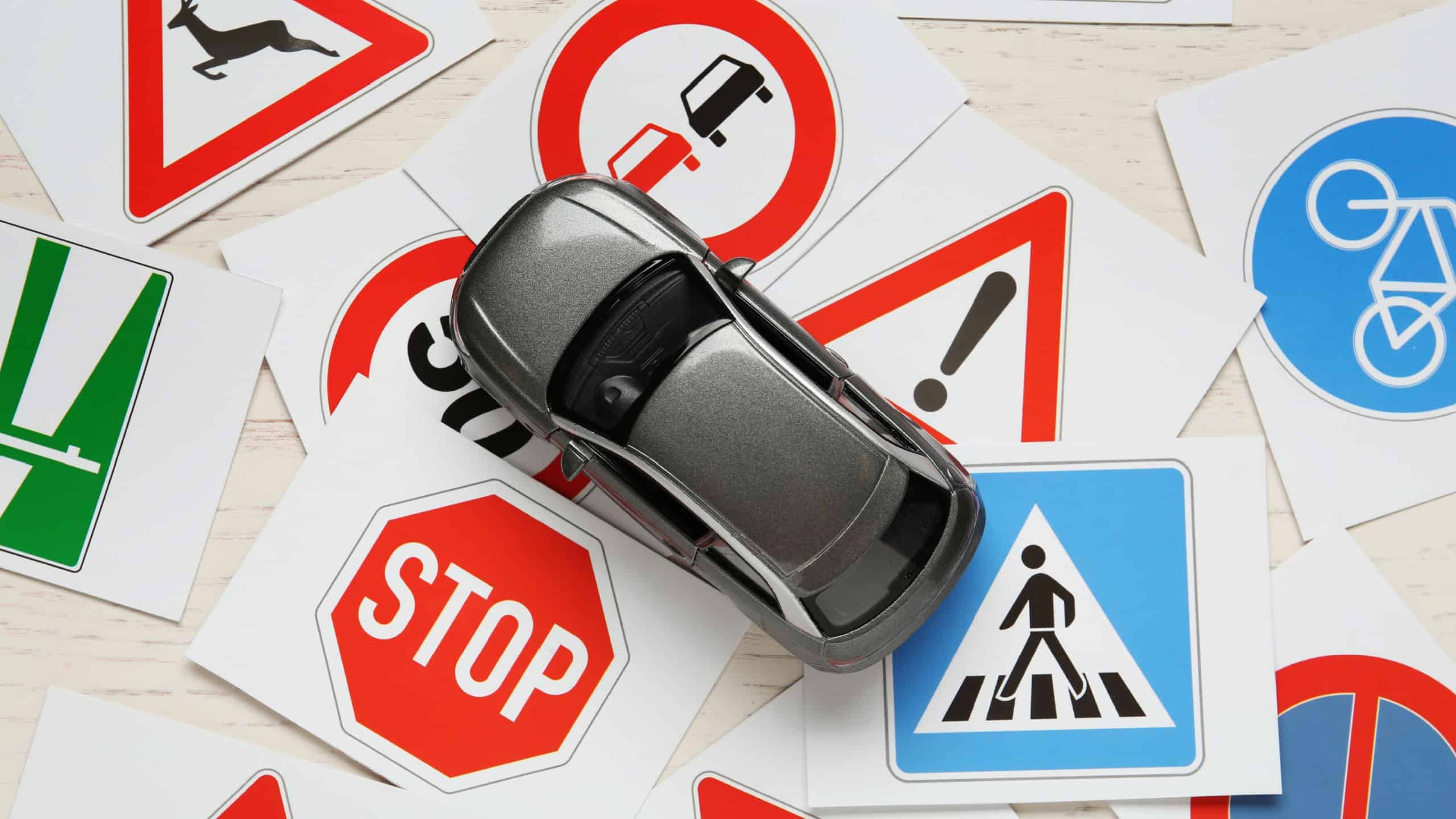
Most drivers are driving based on outdated myths, passed-down advice, and old habits that no longer apply and are sometimes illegal or extremely unsafe today.
The zipper merge
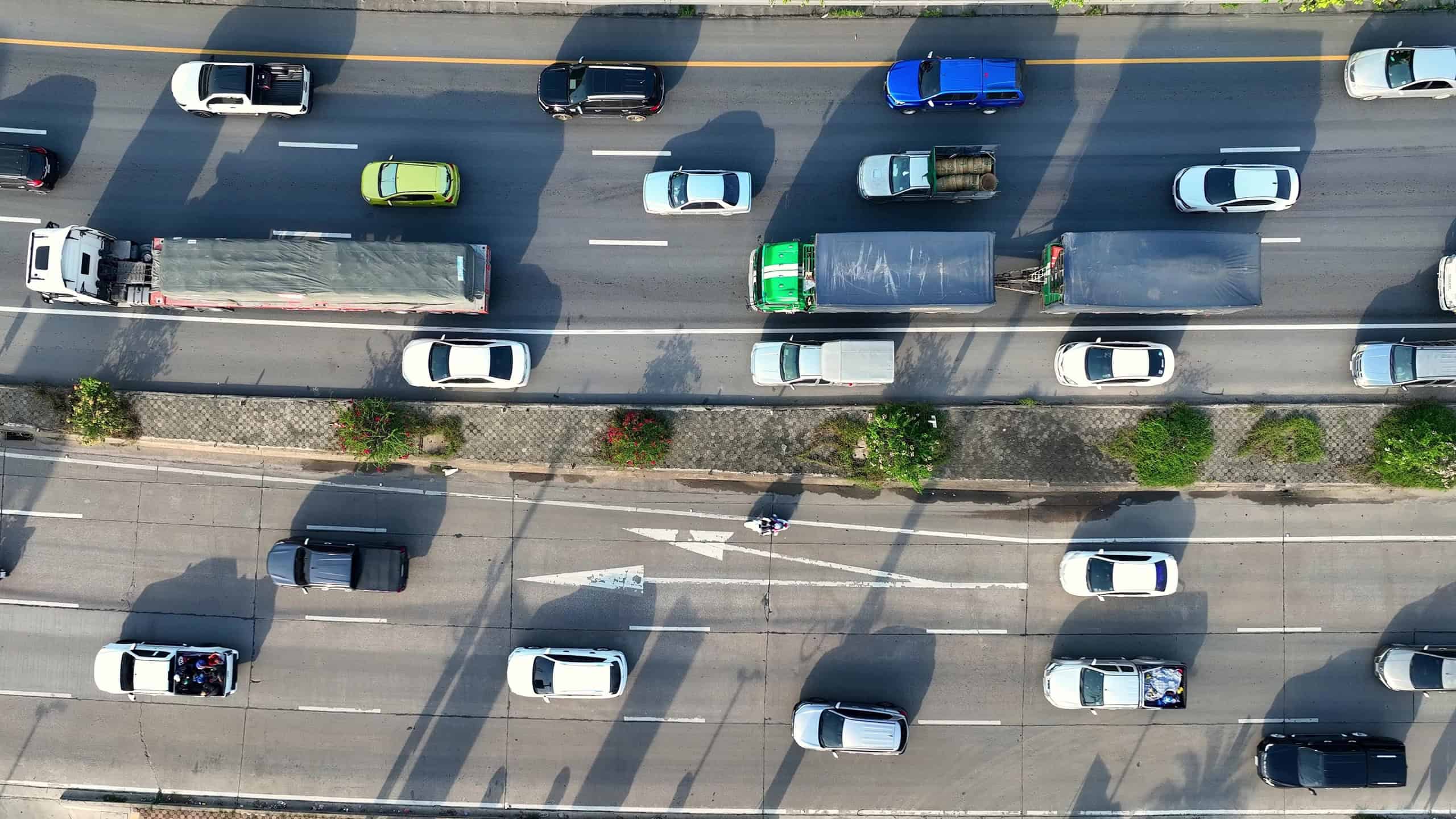
When there’s a lane closure up ahead, most drivers merge (early and) politely into the single open lane, creating a huge traffic jam. Then they honk their horns at rude drivers who zip to the end of that lane before merging.
Actually, it’s the early mergers that are wrong. According to traffic experts, drivers should stay in both lanes until they reach the obstruction, then merge left and right in alternating zipper fashion. It can decrease traffic congestion by up to 40%.
Multi-lane roundabouts

Roundabouts are great at keeping traffic flowing, but add multiple lanes and drivers panic. Here’s the number one rule people ignore when entering them: pick your lane early and don’t change lanes once in the roundabout.
If you’re in the right lane, you can only exit right or straight. If you’re in the left lane, you can go straight, left, or make a U-turn. Trying to switch lanes while in the roundabout causes a majority of fender smash-ups.
Yielding on left turns
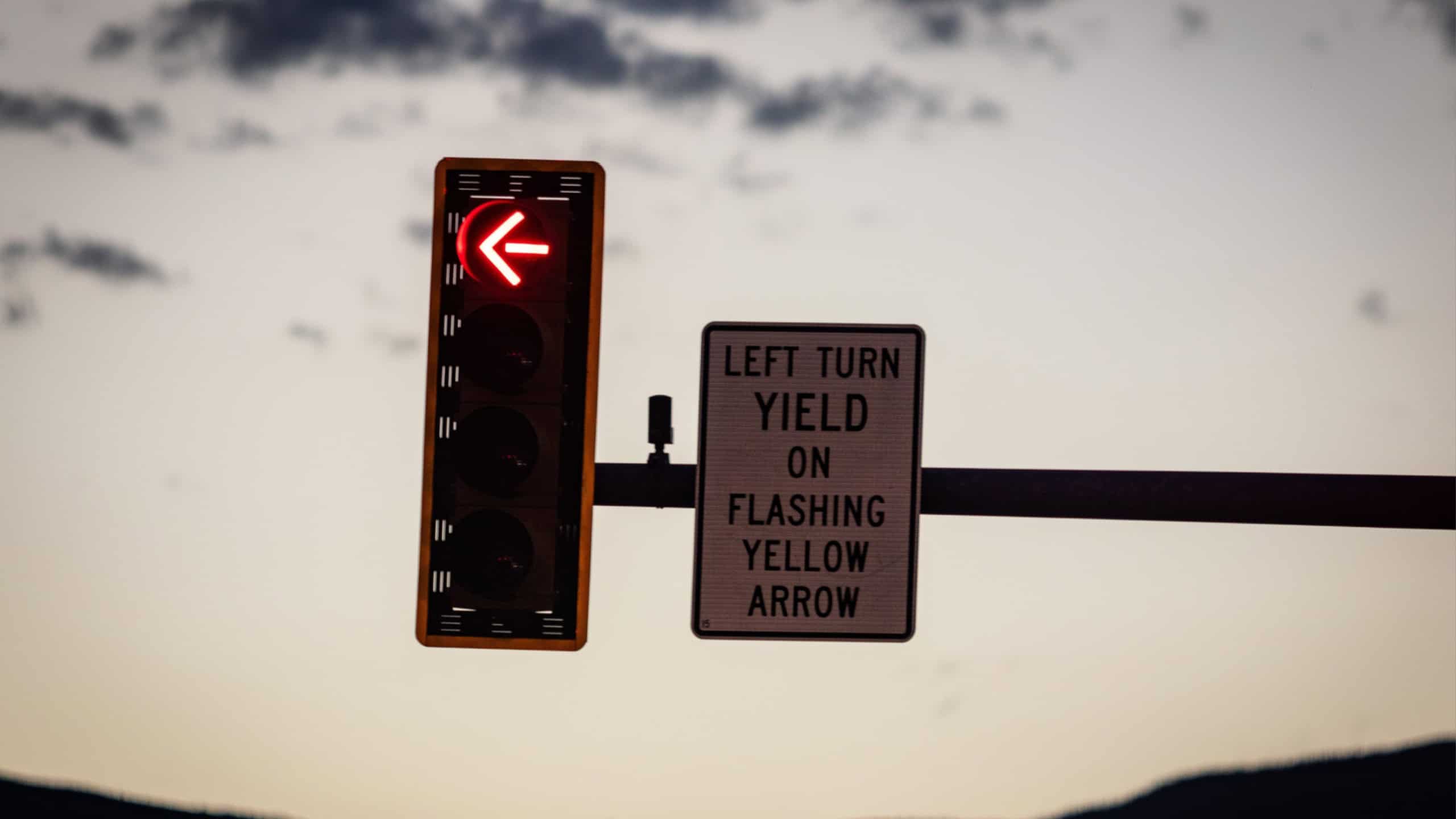
Drivers waiting to turn left at an intersection with a green light often feel like they have some implied right-of-way once they start inching forward into the intersection.
Truth is, oncoming straight-through traffic (and oncoming right-turning traffic) always has absolute right-of-way. You must wait for a big enough gap in traffic to completely clear the intersection, even if it means waiting until the light turns yellow or red.
Right turn on red
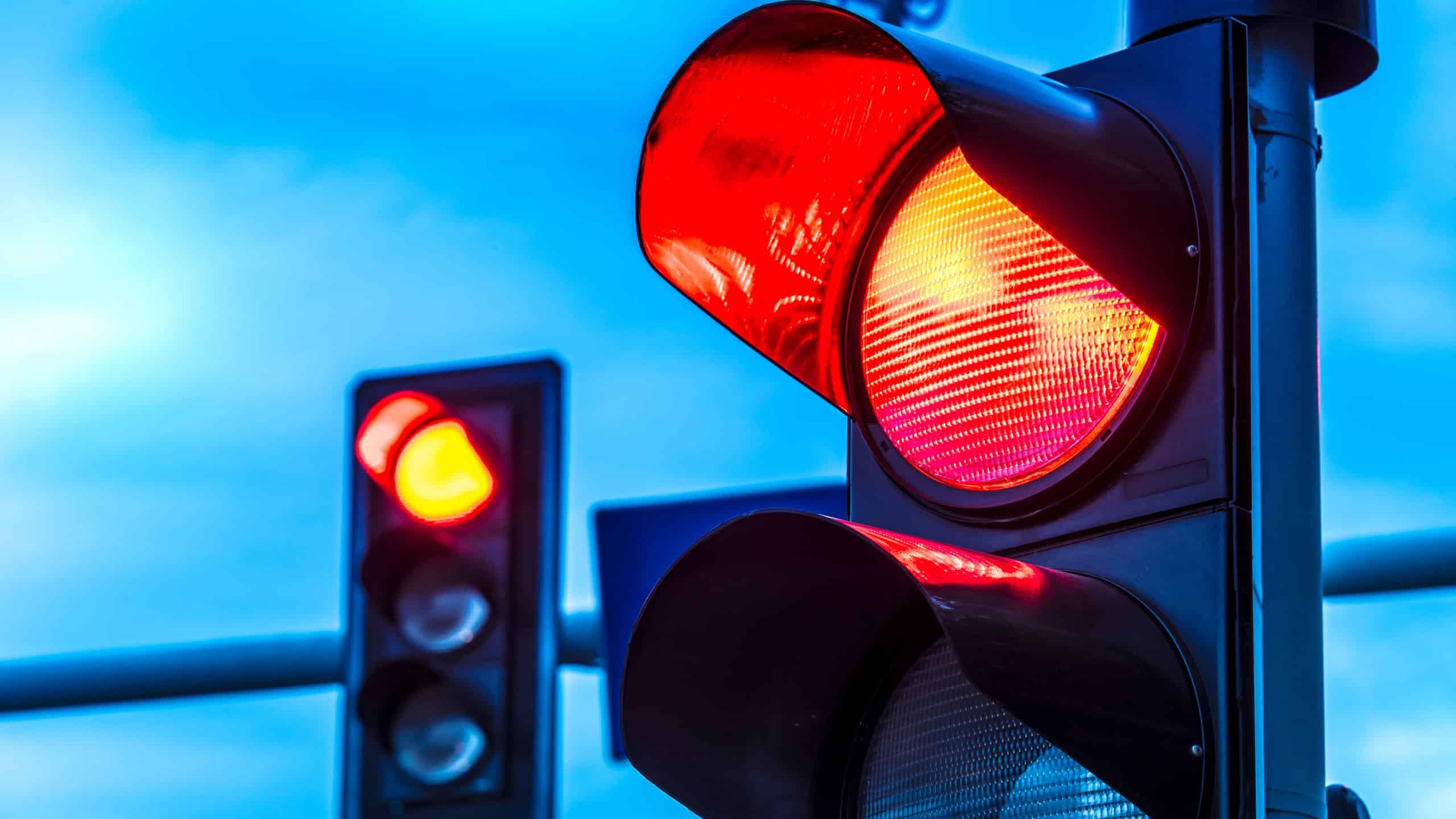
Although turning right on red is permitted almost everywhere in North America (if not signed otherwise), most drivers behave as though it were a green light, where drivers simply slow down.
Red means stop. Come to a complete stop behind the white line, yield to pedestrians in the crosswalk, look both ways for oncoming cross traffic and proceed when safe.
Lane-matching turns
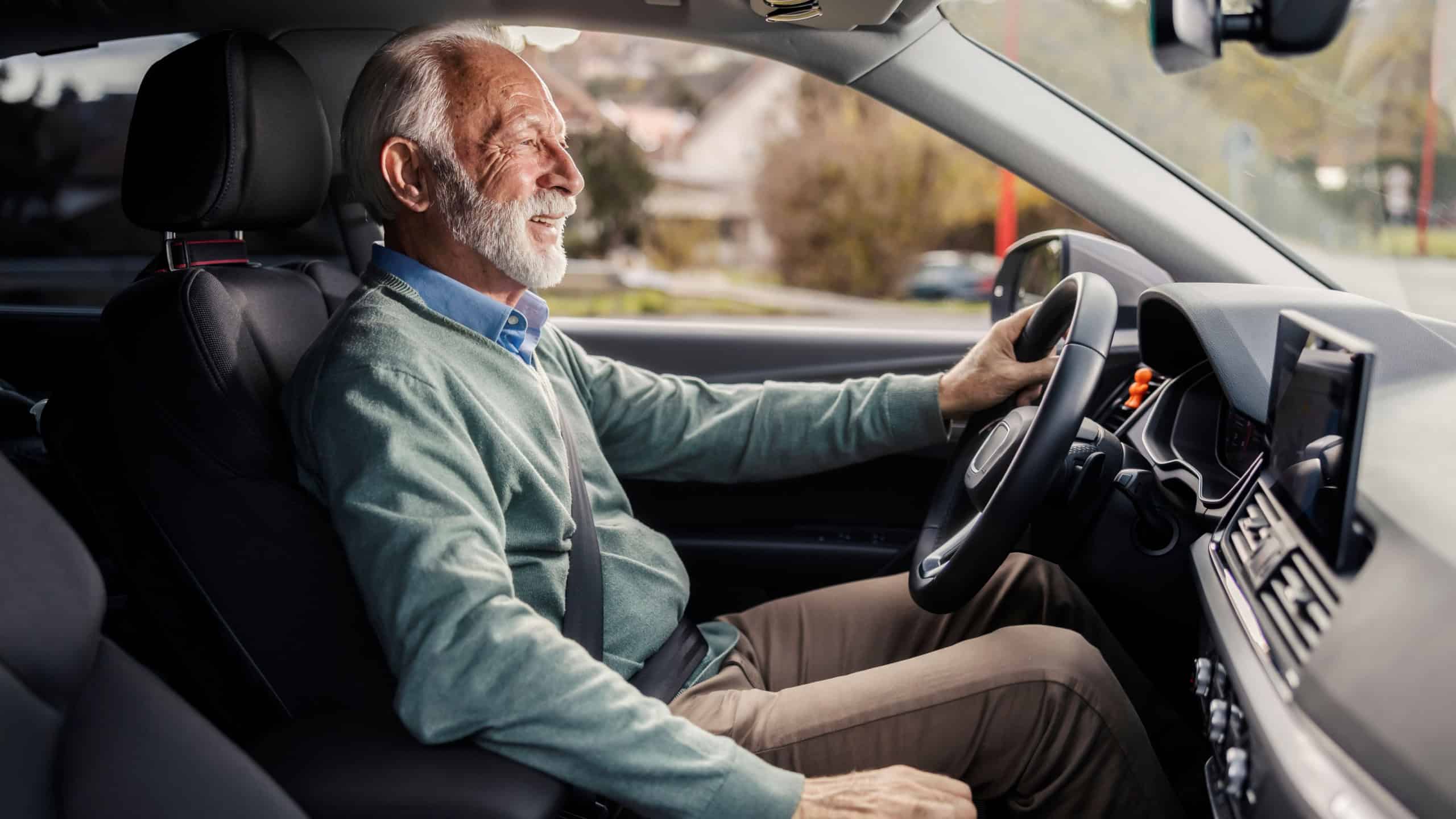
When you’re turning left or right at an intersection onto a road with more than one lane in each direction, you may not choose the nicest driving lane.
You are required by law to turn into the corresponding lane closest to you. That means if you’re turning right, you must turn into the rightmost lane. Likewise, if you’re turning left, you must turn into the left-most lane. Cruising over into other lanes during your turn is illegal and extremely hazardous to drivers who are turning in the opposite direction from you.
Passing on the right
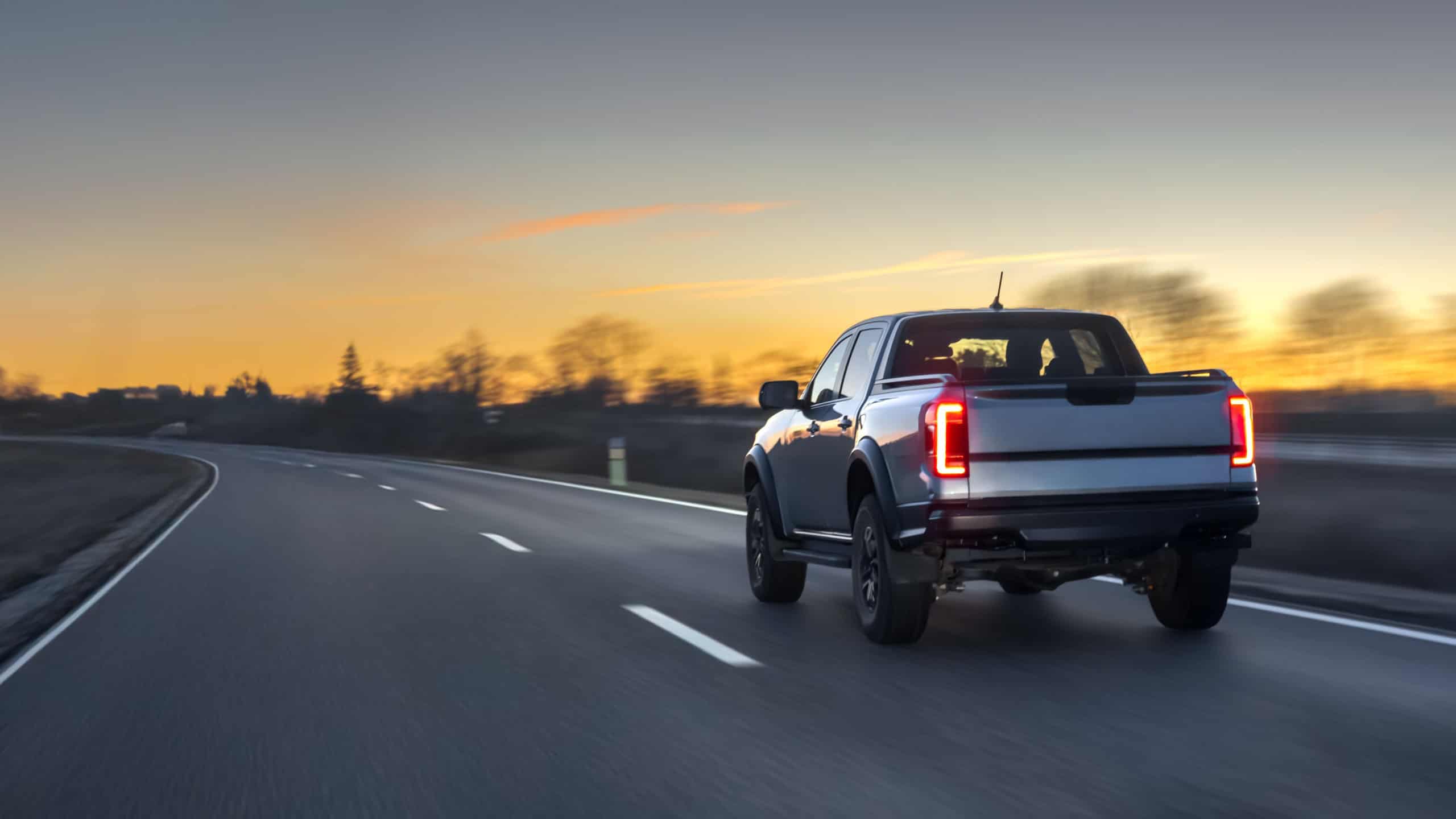
When driving on a multi-lane road or highway, slower traffic should keep right while leaving the left lane open for passing. Many slow drivers fail to do this and speeders become enraged behind them, often attempting to pass them on the right.
Although it is commonly done, passing on the right is illegal or discouraged by law in most places. You can only pass on the right if the car in front of you is turning left.
The flow of traffic alibi
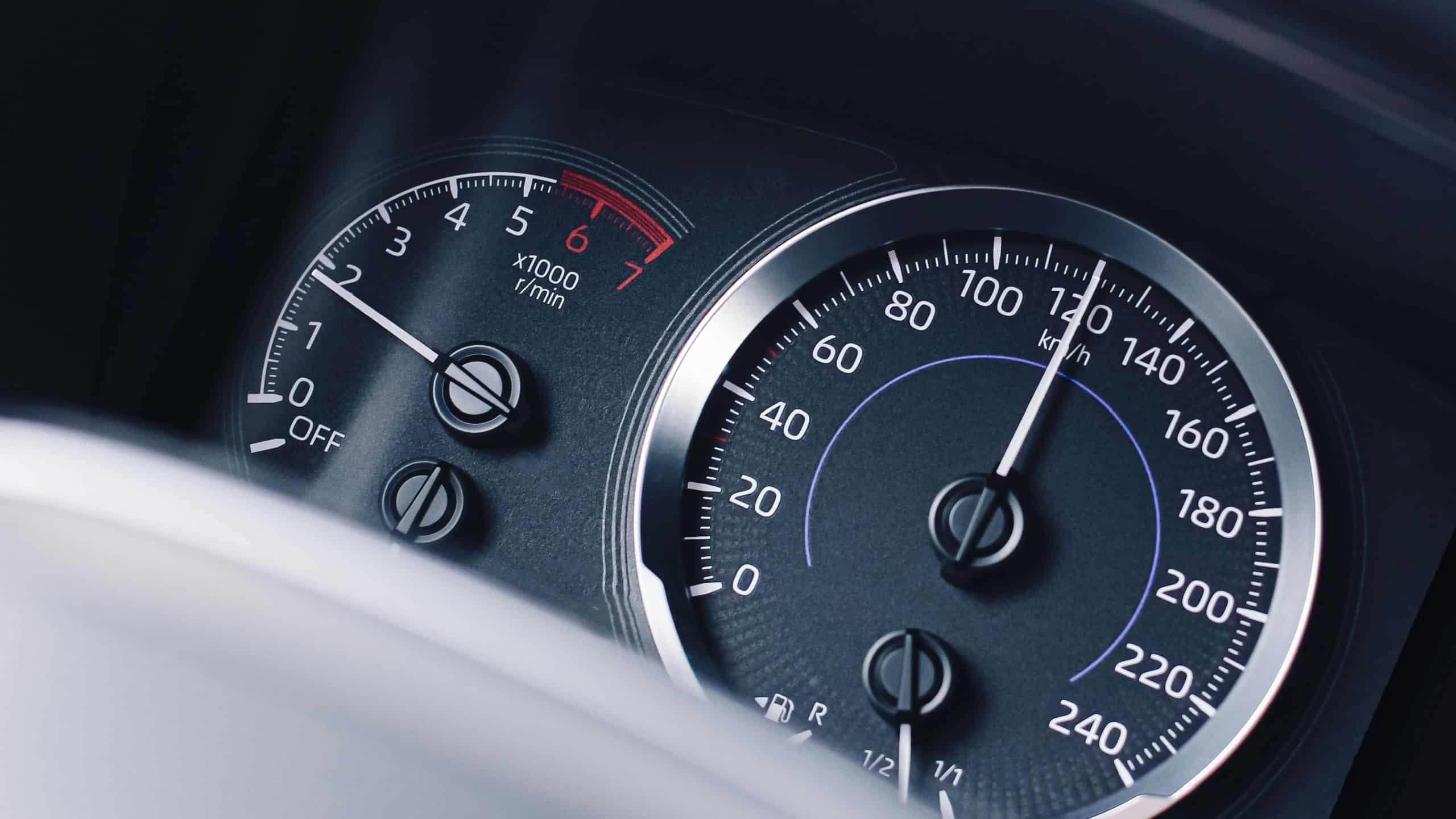
The belief that you cannot be ticketed for speeding if you are simply keeping up with the flow of traffic is simply not true.
If the speed limit is 100km/h and the pack you’re driving with is going 120, every single person in that pack is speeding. Cops can pull anyone over in that pack and cite them. Keeping up with traffic is not a valid excuse in court.
Hazard lights in rain
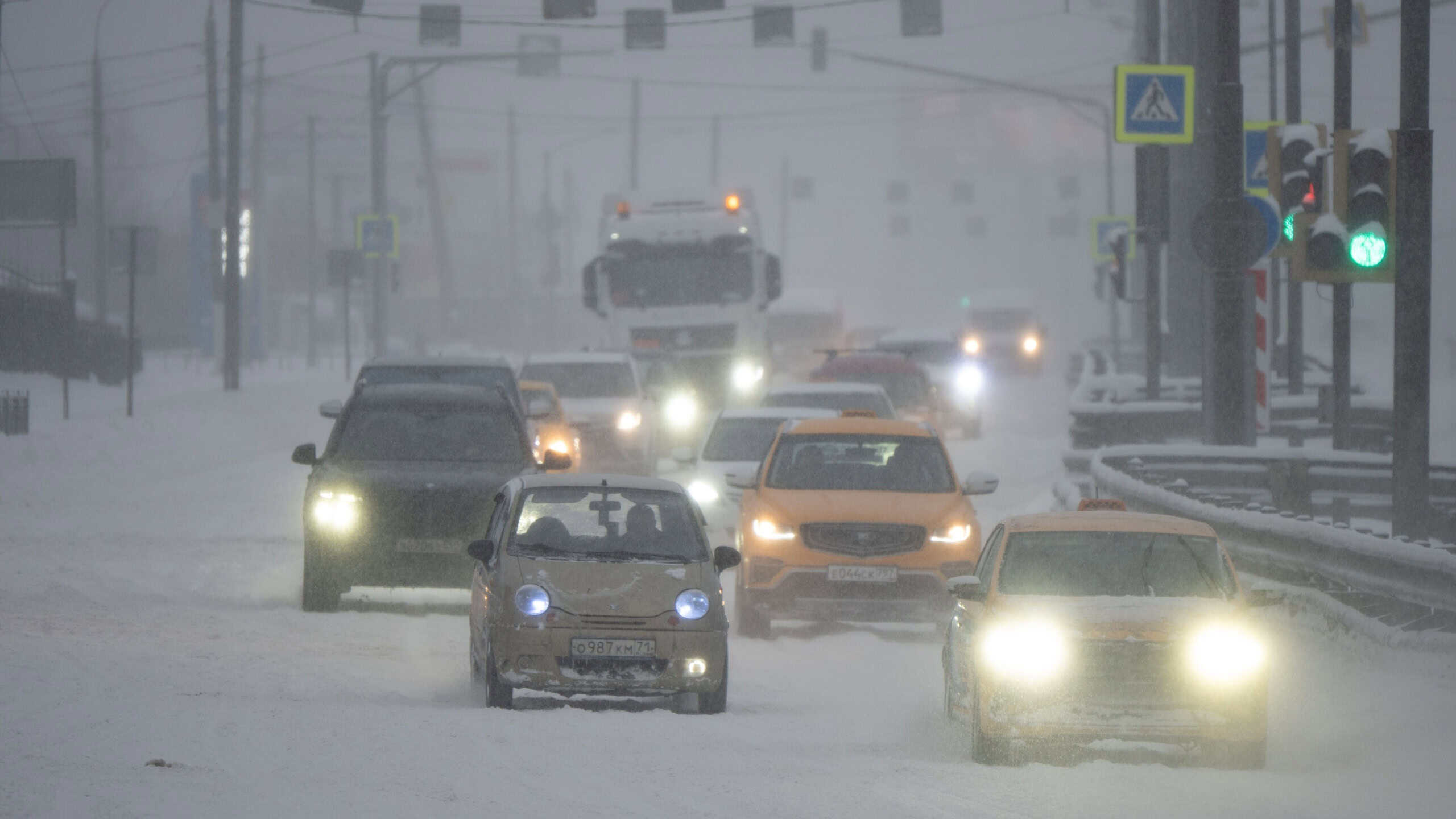
Whenever there’s a sudden downpour, a lot of drivers tend to turn on their hazard lights while driving.
This is extremely unsafe and illegal. Your hazards are there to signal to other drivers that your vehicle is disabled and parked. When they’re on and you’re moving, your turn signals don’t work. That means other drivers can’t predict when you’re going to change lanes or turn when visibility is poor.
High-beam etiquette

Drivers understand that they need to dim their high beams when there is oncoming traffic. What many drivers forget is that you’re also supposed to dim your high beams when following another vehicle.
High-beams can reflect off of the vehicle in front of you’s rear view and side mirrors, temporarily blinding them. High-beams must be dimmed when you are within 150 meters (500 feet) of the vehicle in front of you in most places.
Pulling over for emergency vehicles
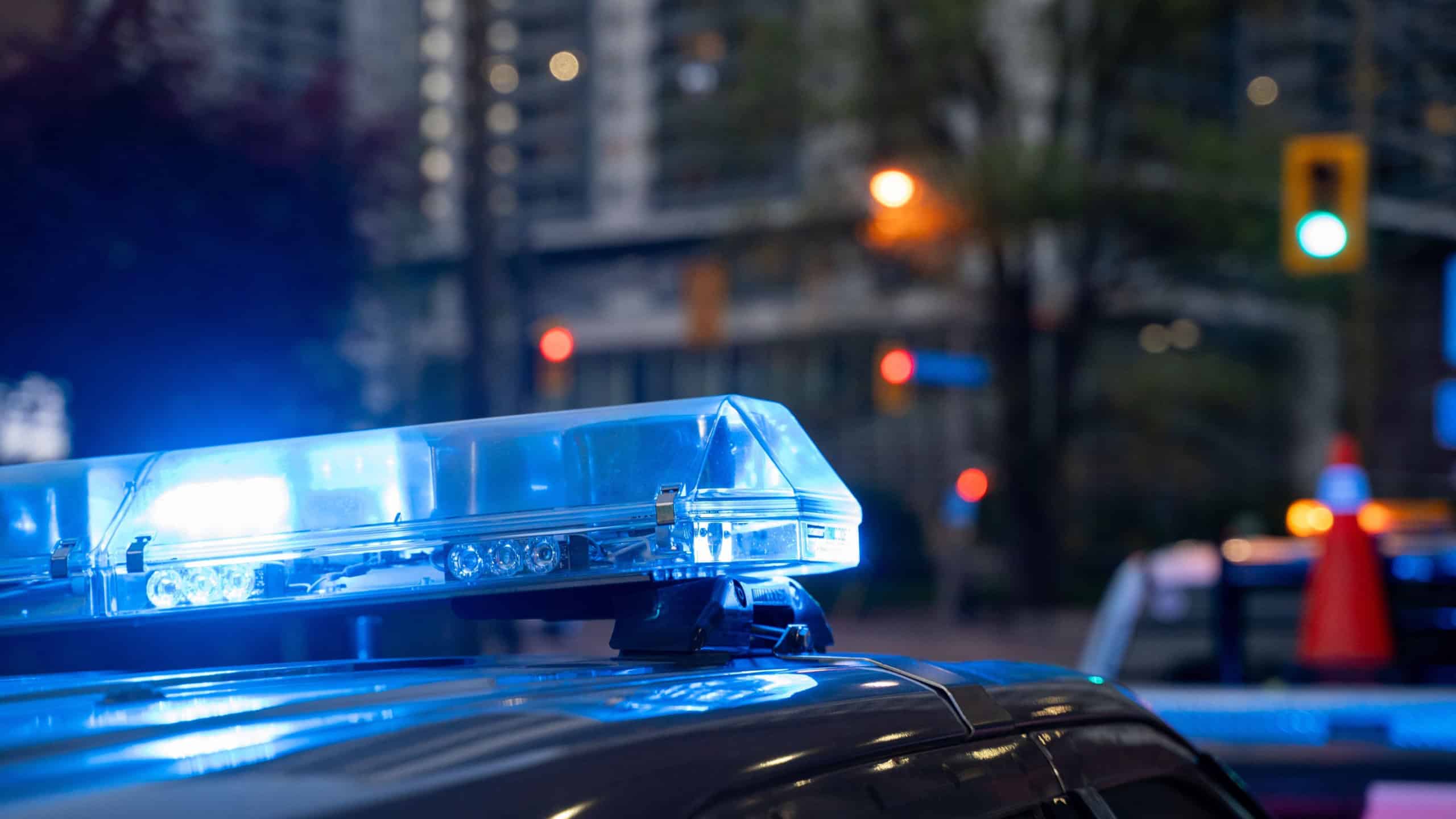
When sirens are screaming down the road announcing the approach of an emergency vehicle, drivers recognize that they should pull over to let it pass. But did you know that drivers are required to pull over to the nearest curb and stop?
If you’re driving on a divided highway, the nearest curb means the right shoulder. What you should never do is hit your brakes hard while stopped in the middle lane or swerve left into the median if it blocks the path of the emergency vehicle.
Headlights in bad weather
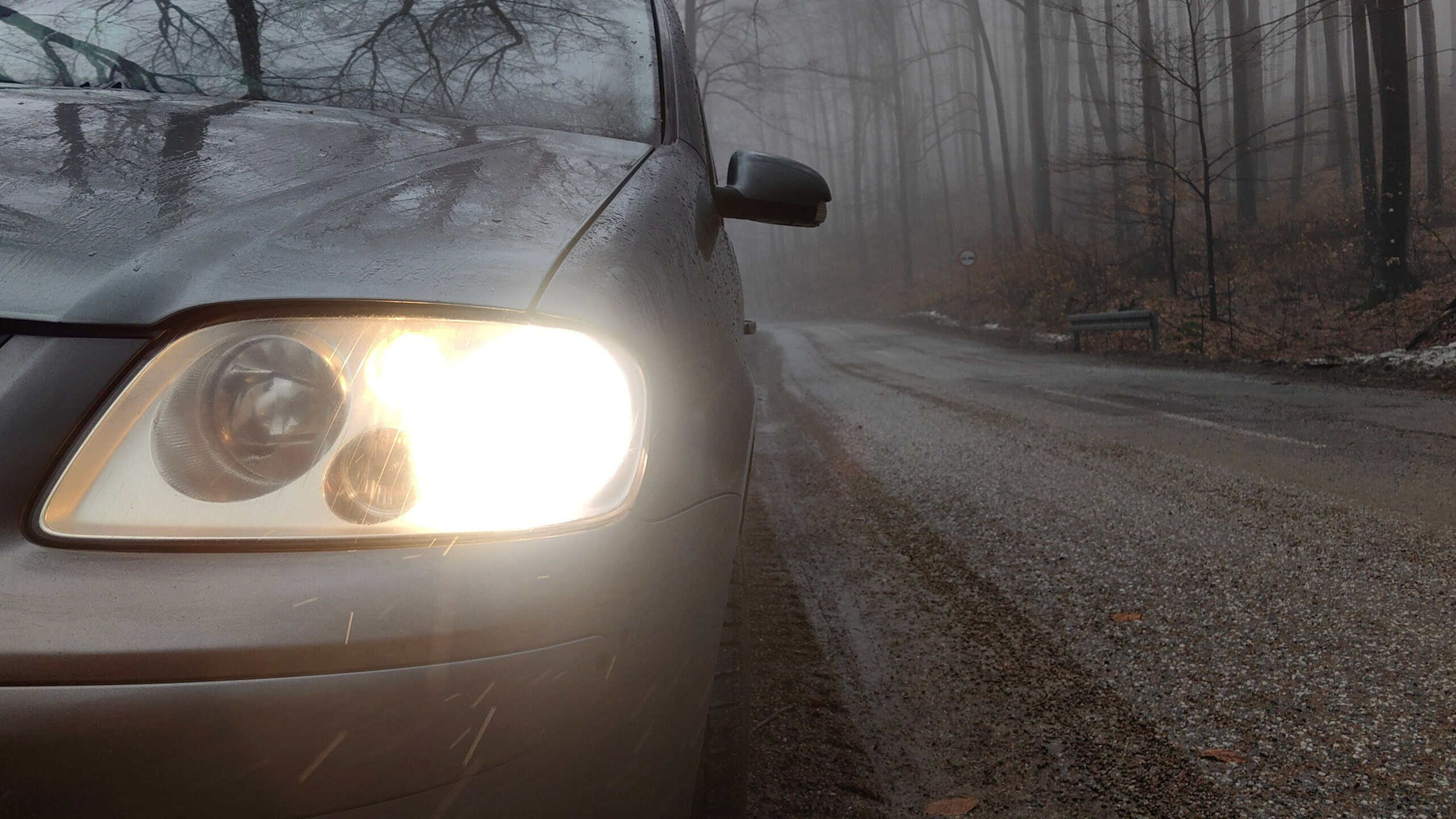
Many newer cars are coming standard with auto headlights, making drivers assume they’ll never have to use the dial again.
Daytime running lights (DRLs) only turn on the front of your car and typically leave your taillights completely off. If it’s raining, snowing, or foggy, you’ll need to turn your headlights on manually in order to light up your taillights and be seen by vehicles behind you.
Pedestrian right-of-way at unmarked crosswalks
Most drivers know to stop for pedestrians at crosswalks with those pretty white lines painted on the road. What most drivers don’t know is that every intersection is considered a crosswalk unless clearly signed as not being one.
If a pedestrian is waiting at the corner to cross an intersection that does not have any paint on the road, cars are legally required to stop and give them the right-of-way in most provinces.
High-occupancy vehicle (HOV) lane entry
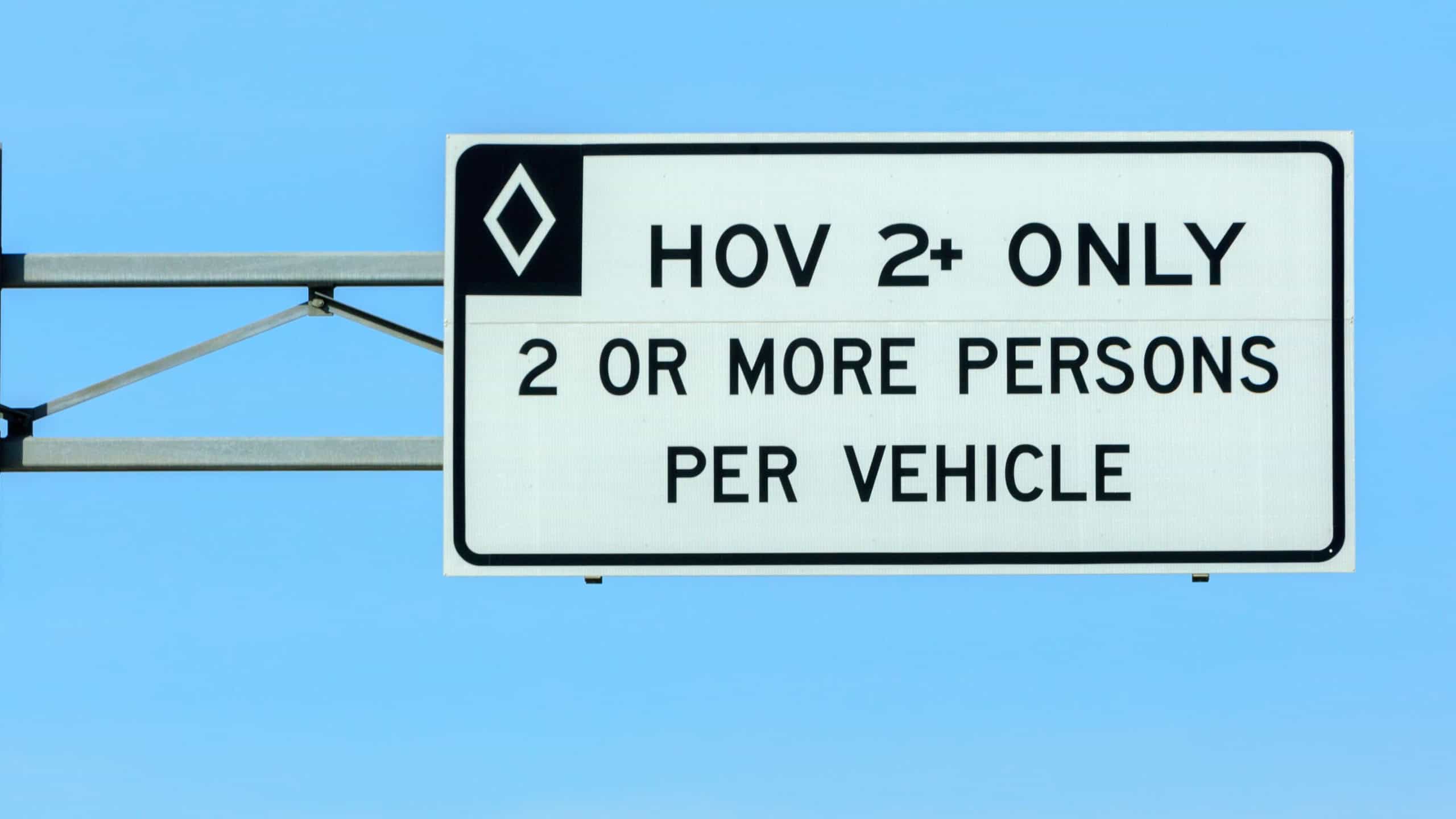
HOV (carpool) lanes are marked with their own distinctive painted lines. Drivers often treat these lines like standard highway dashes, drifting in and out whenever they please.
Legally, you can only enter or exit the HOV lane at designated zone dashes marked by a broken/dashed line. The fines for crossing solid single/double lines to enter an HOV lane are astronomical.
Slip lanes and yield signs
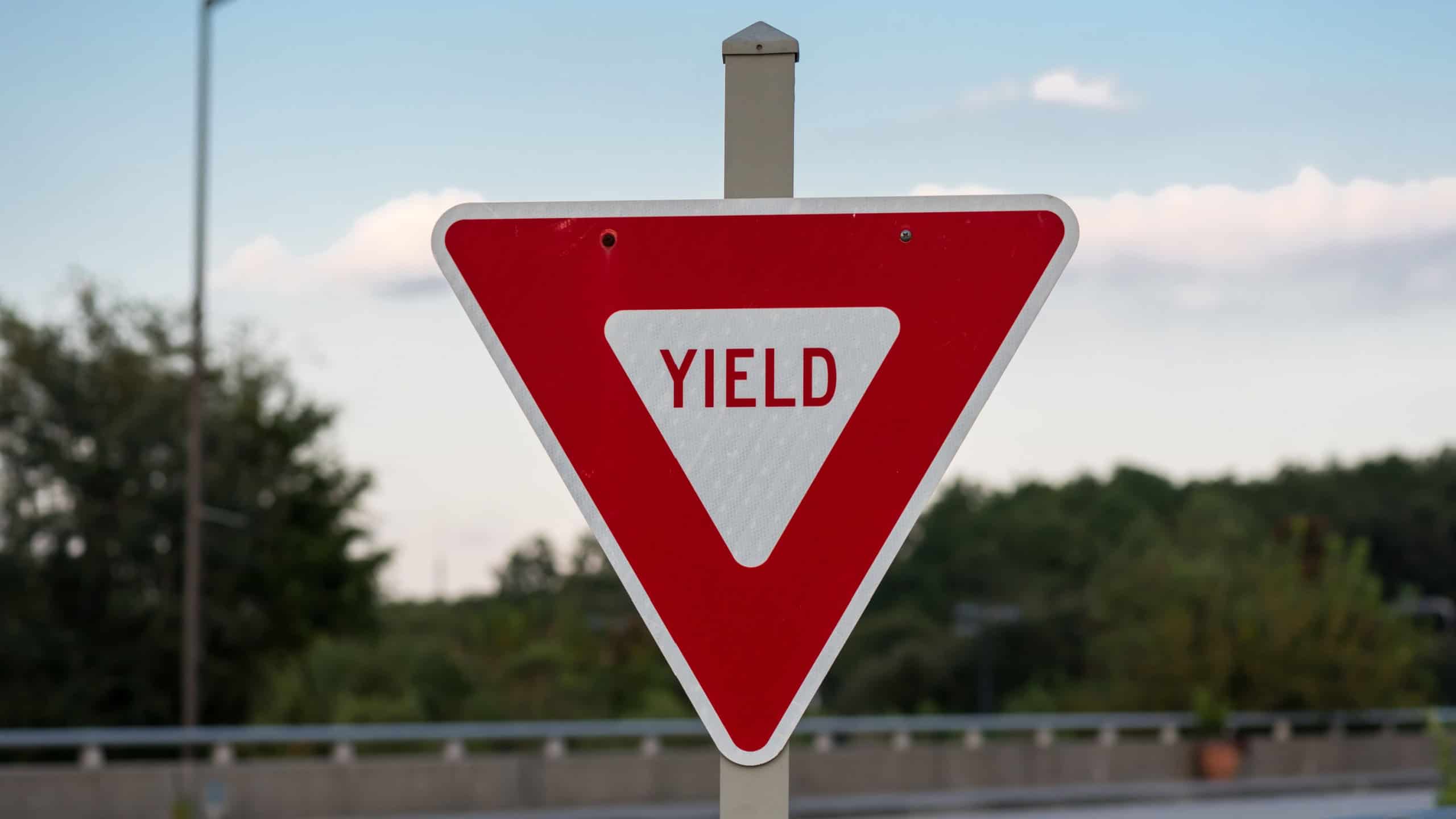
At many intersections where traffic must turn right, it is often divided into its own slip lane by a triangular island. You’ll see a yield sign on nearly every single one of these lanes.
People treat these yield signs as if they were stop signs. They come to a complete stop even when there is no oncoming traffic (causing rear-end collisions) or blow through them without looking. A yield sign means to slow down and get ready to stop only if there is oncoming traffic.
The proper hand position
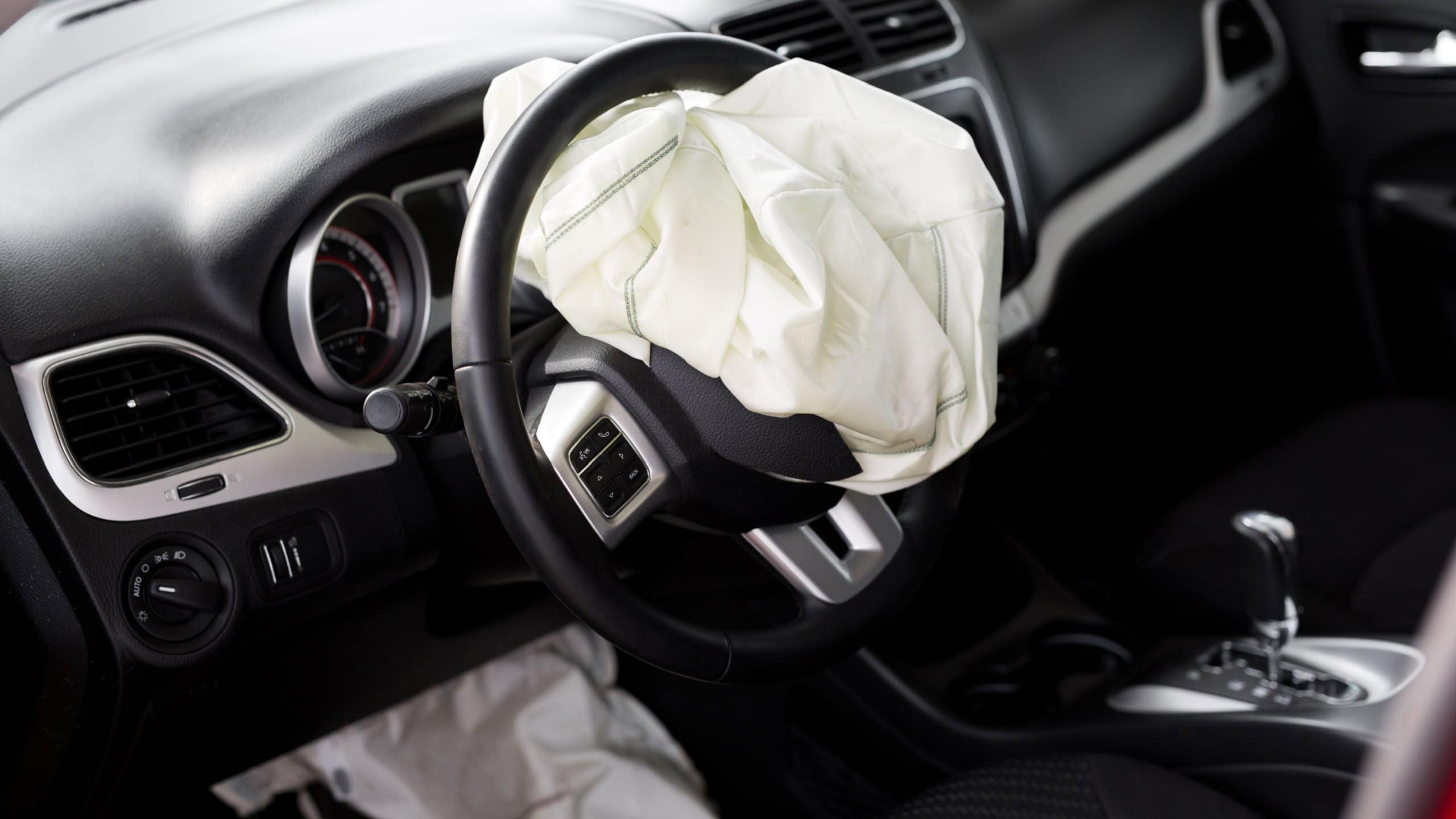
For years, driver’s education programs instructed students to position their hands at “10 and 2” on the steering wheel.
The invention of the modern steering wheel airbags has made this antiquated position completely unsafe. Should your airbag deploy at 100 km/h with your hands at “10 and 2”, they will be catapulted into your face, breaking every bone in your hands. Safety agencies everywhere now recommend either “9 and 3” or “8 and 4” to avoid your arms being in the airbag deployment zone.
Sources: Please see here for a complete listing of all sources that were consulted in the preparation of this article.
Like our content? Be sure to follow us.