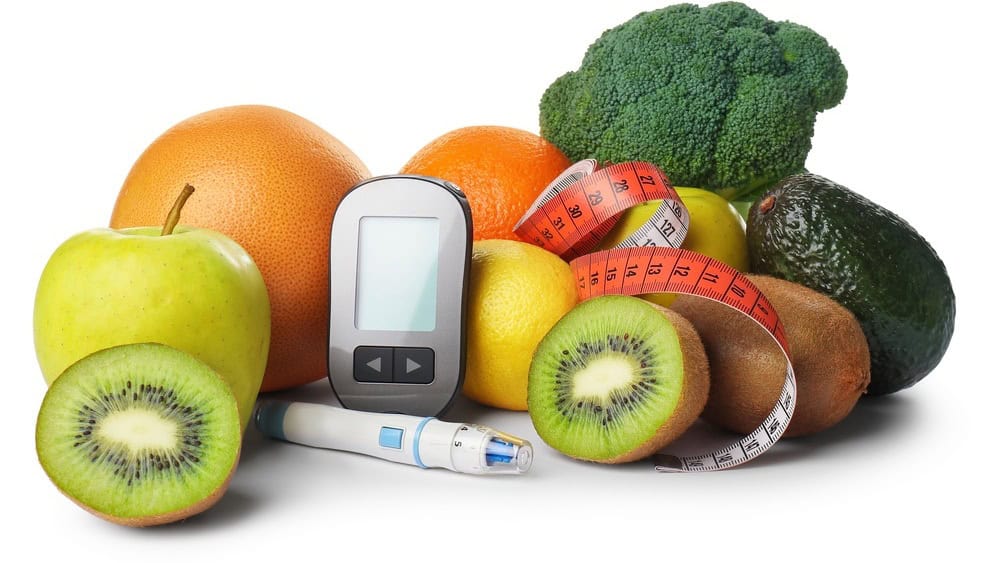
You don’t need a complicated diet to eat better with diabetes; sometimes knowing what to cut back on and what to eat more often is a good place to start.
Foods diabetic seniors should stop eating – The bowl that hits fast

White rice and other refined-grain porridges (like instant cream of wheat) can provide a high amount of carbohydrate relative to their fiber content. Highly processed grains also digest faster than intact whole grains, leading to faster increases in blood sugar.
The large portion size exacerbates this effect. Opt for brown rice, barley, or other less-processed whole grains most of the time.
Oatmeal with a catch
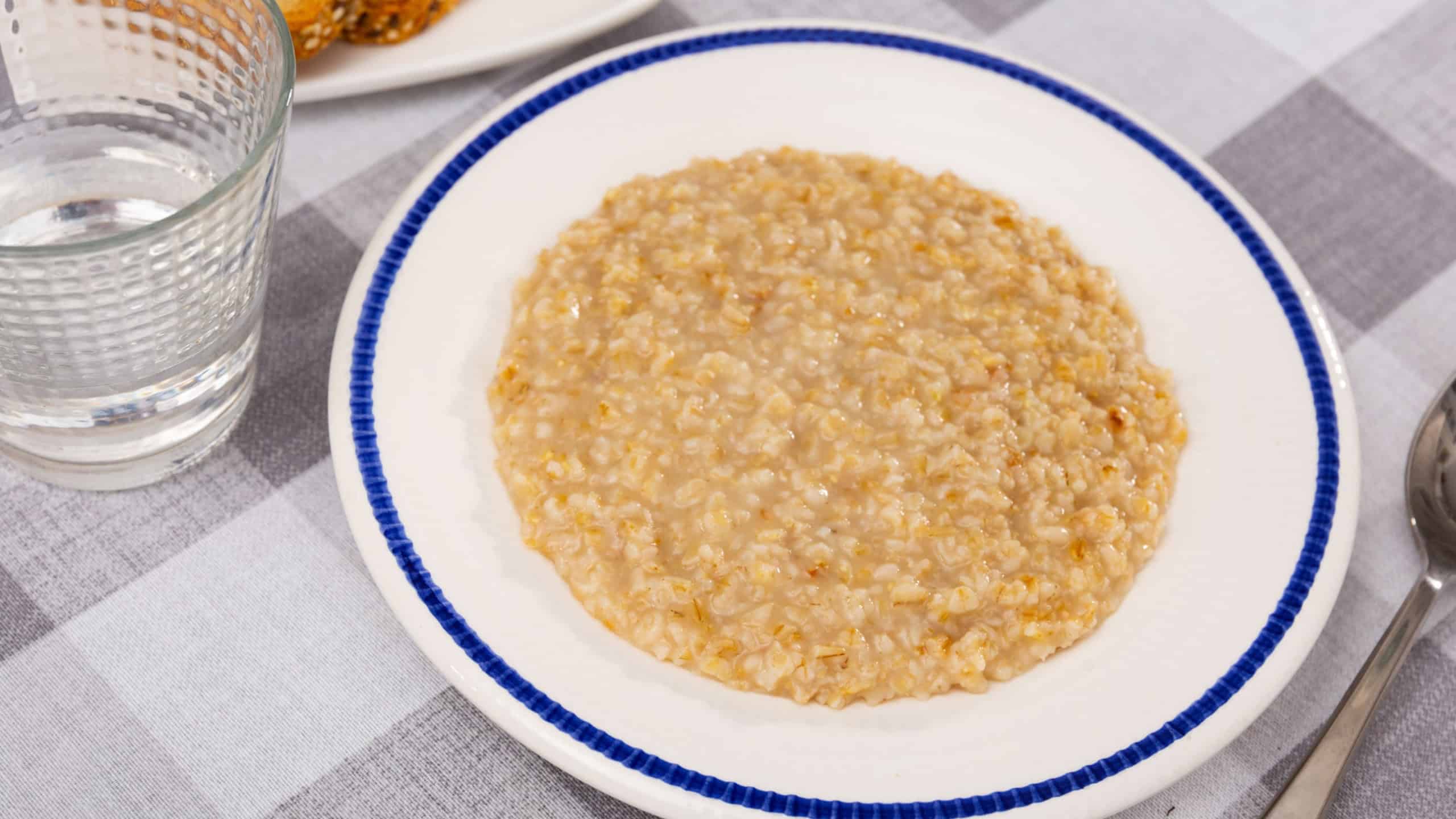
While oatmeal can be a healthy whole grain breakfast option, some flavored instant packs are more of a sweetened junk food. Added sugar in some brands can send the carb count of an otherwise healthy bowl soaring.
Plain oats allow you to have much more control over your breakfast. Top with berries, cinnamon, or a few nuts instead of depending on overly sweetened packets.
Fruit without the brakes

A glass of orange juice or apple juice may have fruit in it, but it doesn’t have the same effect on the body as eating a whole fruit. Juice has significantly less fiber and allows you to take in the carbohydrates from multiple servings of fruit in just a few minutes.
Fruit nectars can even be worse when extra sugars are added. In terms of a regular diet, whole oranges or apples are usually the smarter choice.
Read past “fat-free”
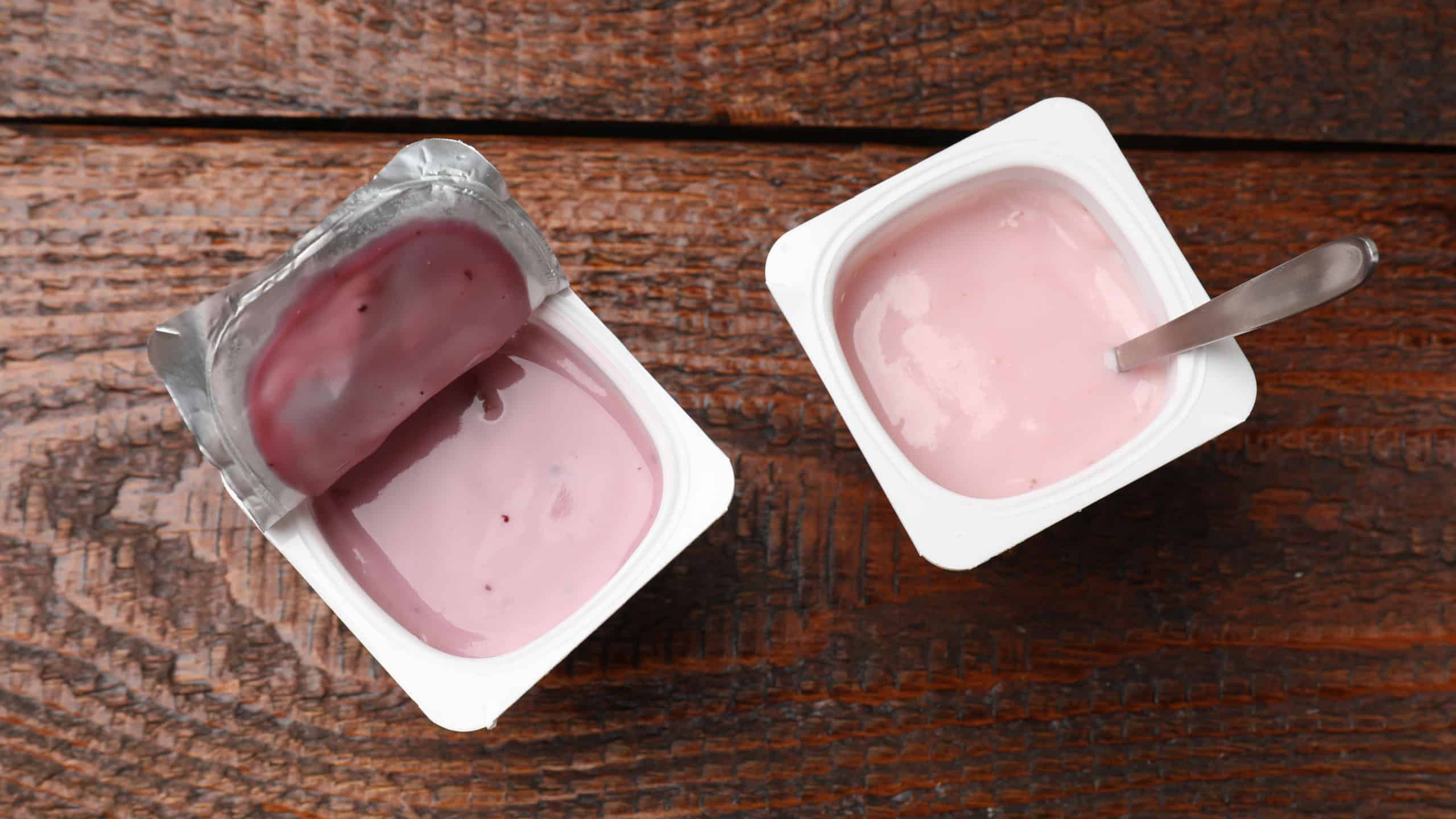
Just because a dairy product is fat-free doesn’t mean it is automatically healthy. Reading the nutrition label is more informative. Certain flavored yogurts, dairy desserts, and puddings are high in added sugar regardless of whether they’re low-fat, fat-free, or full-fat.
Elderly people with diabetes should look at total carbs and added-sugar content, instead of focusing on how much fat something has. Opting for plain unsweetened yogurt is often the easy way to go.
Convenience in a can
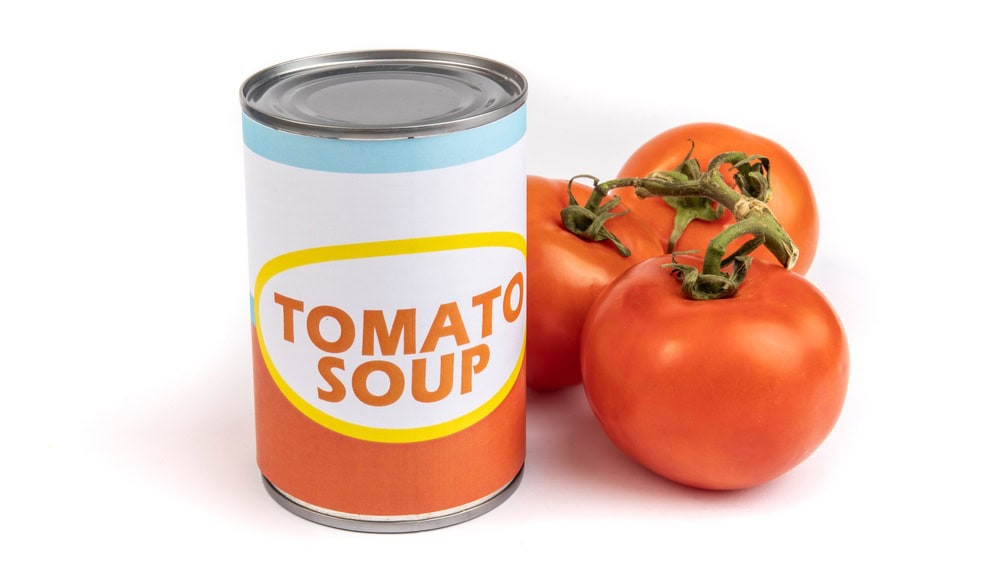
Some canned soups are extremely high in sodium, while others include added sugars or lots of refined starches. Sodium is of particular concern because diabetes can go hand-in-hand with high blood pressure and elevated heart disease risk.
This doesn’t mean that all canned soups are bad choices. Reading sodium, carb, and ingredient labels can uncover huge differences between brands.
The soft white staple

White bread, bakery rolls, and other refined-flour products contain much less of the fiber that is naturally found in the whole grain. They will therefore cause blood glucose to rise more rapidly than many higher-fiber alternatives, especially if eaten in large amounts.
A basket of rolls also has the ability to hide how many servings you are actually eating. Higher-fiber whole-grain breads are typically a smarter everyday choice.
A handful adds up

Small portions of dried fruit such as raisins, cranberries, dates, and other dried fruits can look deceivingly harmless. However, removing most of the water from fruit concentrates its carbohydrates into a smaller volume.
This makes it easy to eat much more dried fruit than you would normally eat fresh. Added sugar is also a problem with some packaged dried fruits.
Foods they need to eat more – Half the plate
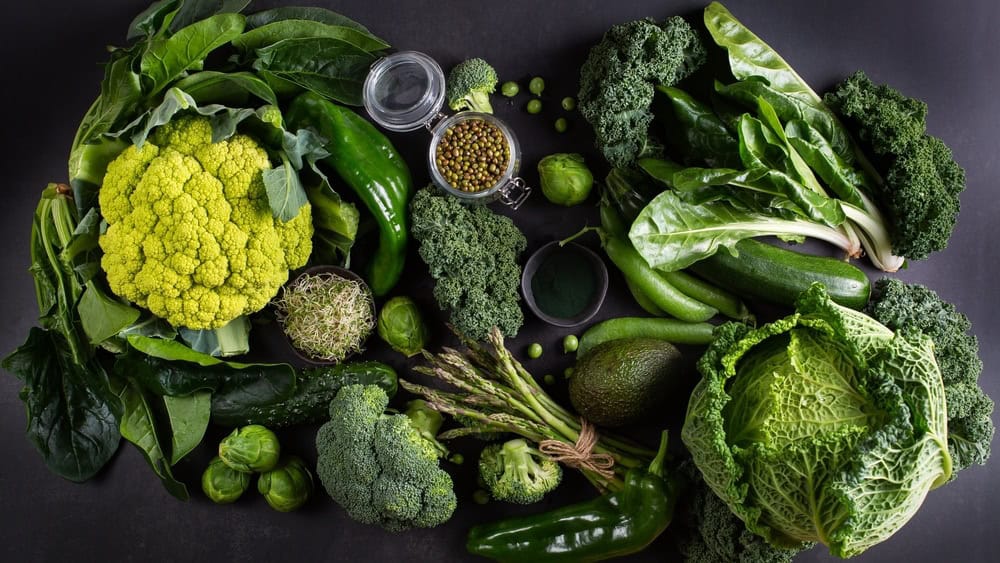
Broccoli, cauliflower, leafy greens, peppers, green beans, and all non-starchy vegetables should take up way more room on your plate. Vegetables are packed with nutrients.
Plus, they typically offer fiber with relatively few carbohydrates. The ADA’s Diabetes Plate suggests filling half of a nine-inch plate with non-starchy vegetables. That’s way easier to remember than trying to count each meal.
The humble powerhouse
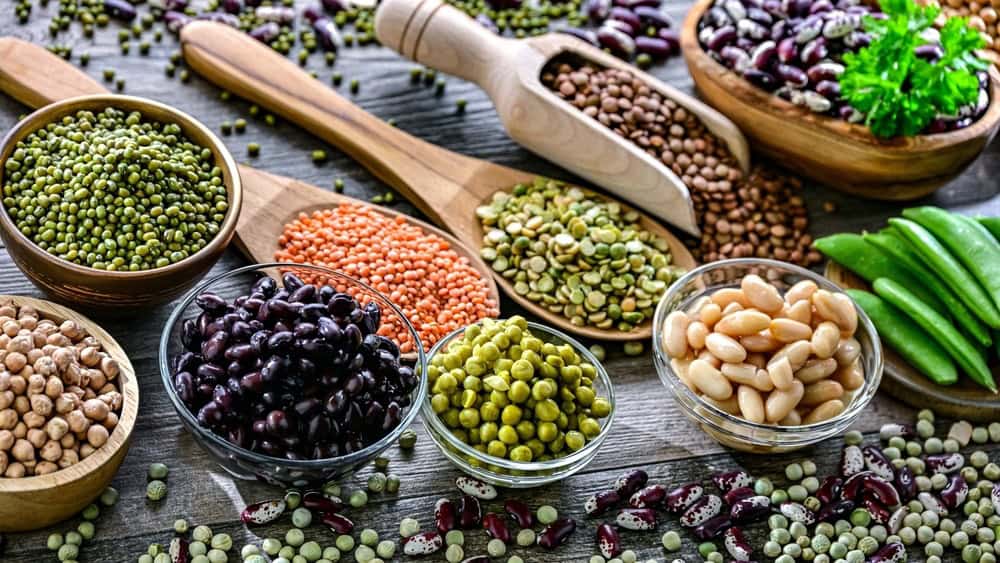
Beans and lentils have carbohydrates, which can cause some people with diabetes to fear them unnecessarily. However, they also offer fiber, plant protein, and many nutrients.
Beans are a very different food than refined bread or sweetened cereal even though they all contain carbs. Portions are important, but beans can fit into a healthy diabetes eating plan quite well.
A better kind of crunch
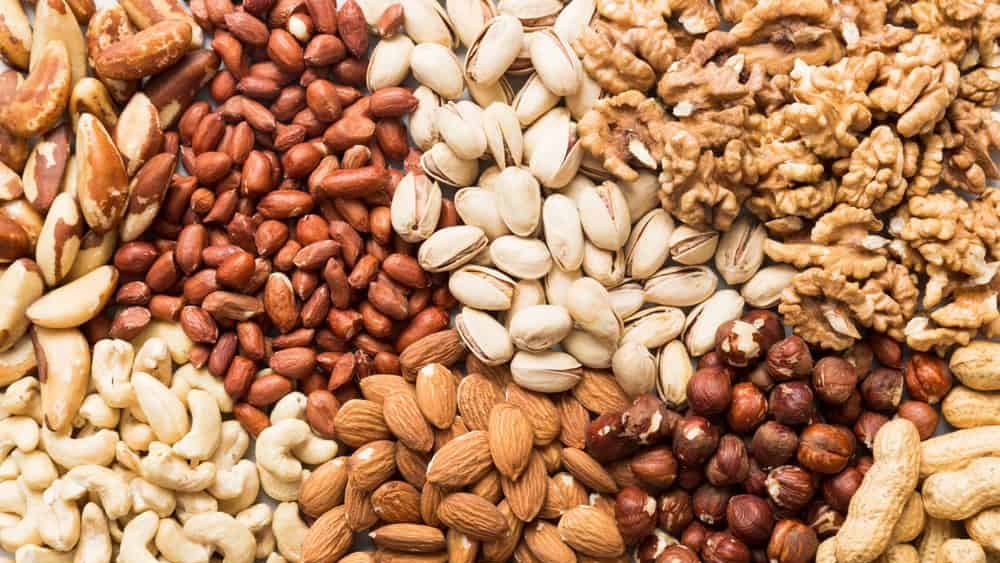
Raw walnuts, almonds, pistachios and other nuts offer healthy fats, protein, fiber and other beneficial nutrients in a relatively small package. They can be especially helpful when used in place of cookies, chips and other processed snacks. Since nuts are high in calories, a small handful will be enough.
Don’t fear the berry bowl
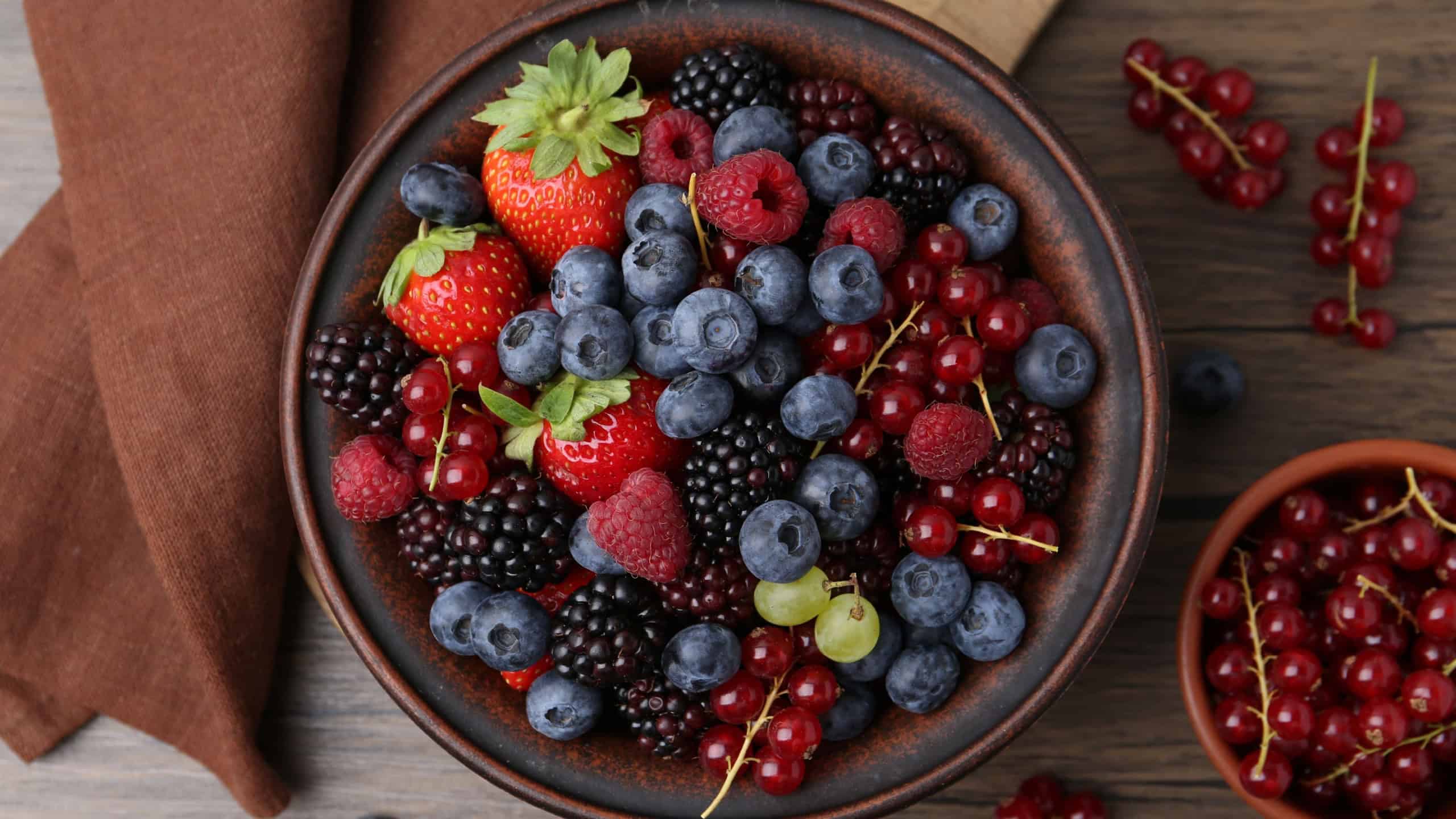
Having diabetes doesn’t mean you have to give up fruit. Berries are full of fiber, vitamins, and plant compounds. They also help quench your craving for something sweet from Mother Nature. Whole fruit is better than juice, and portions can fit into your daily carb budget. Mix fruit with something like plain yogurt or nuts for a filling snack.
Make room for fish

Fish is a source of high-quality protein, and fatty fish like salmon, sardines, and trout provide omega-3 fats. Eating fish can be a way to replace meals centered on fatty or processed meats.
Older adults need protein for muscle maintenance later in life too. Cooking technique matters too: baked or grilled fish is a much healthier choice than fried fish that’s been battered and deep-fried.
Protein deserves a place

Seniors should eat foods rich in nutrients, and getting enough protein is essential as we age since muscle loss occurs. Eggs, fish, poultry, tofu, beans, and appropriate dairy foods are all options depending on your likes and health needs.
The ADA plate method recommends making lean protein about 1/4 of your plate. However, seniors with kidney issues or other illnesses may require personalized recommendations when it comes to protein.
A slower start
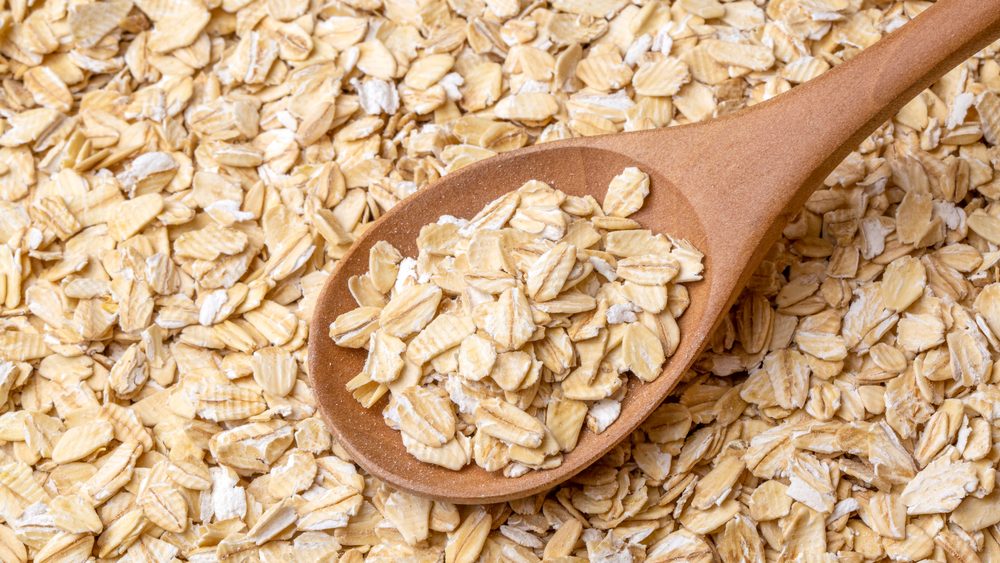
Steel-cut or rolled oats are a nutritious whole grain option for many older adults with diabetes. They’re high in soluble fiber, which contains a compound called beta-glucan. Beta-glucan may slow digestion and lessen the spike in blood glucose that occurs after eating.
It may also lower LDL (bad) cholesterol. This is great news because keeping your heart healthy is important when you have diabetes. Just remember to choose plain oats and top them with berries, nuts, or cinnamon instead of sugar, honey, or syrup.
Sources: Please see here for a complete listing of all sources that were consulted in the preparation of this article.
Like our content? Be sure to follow us.