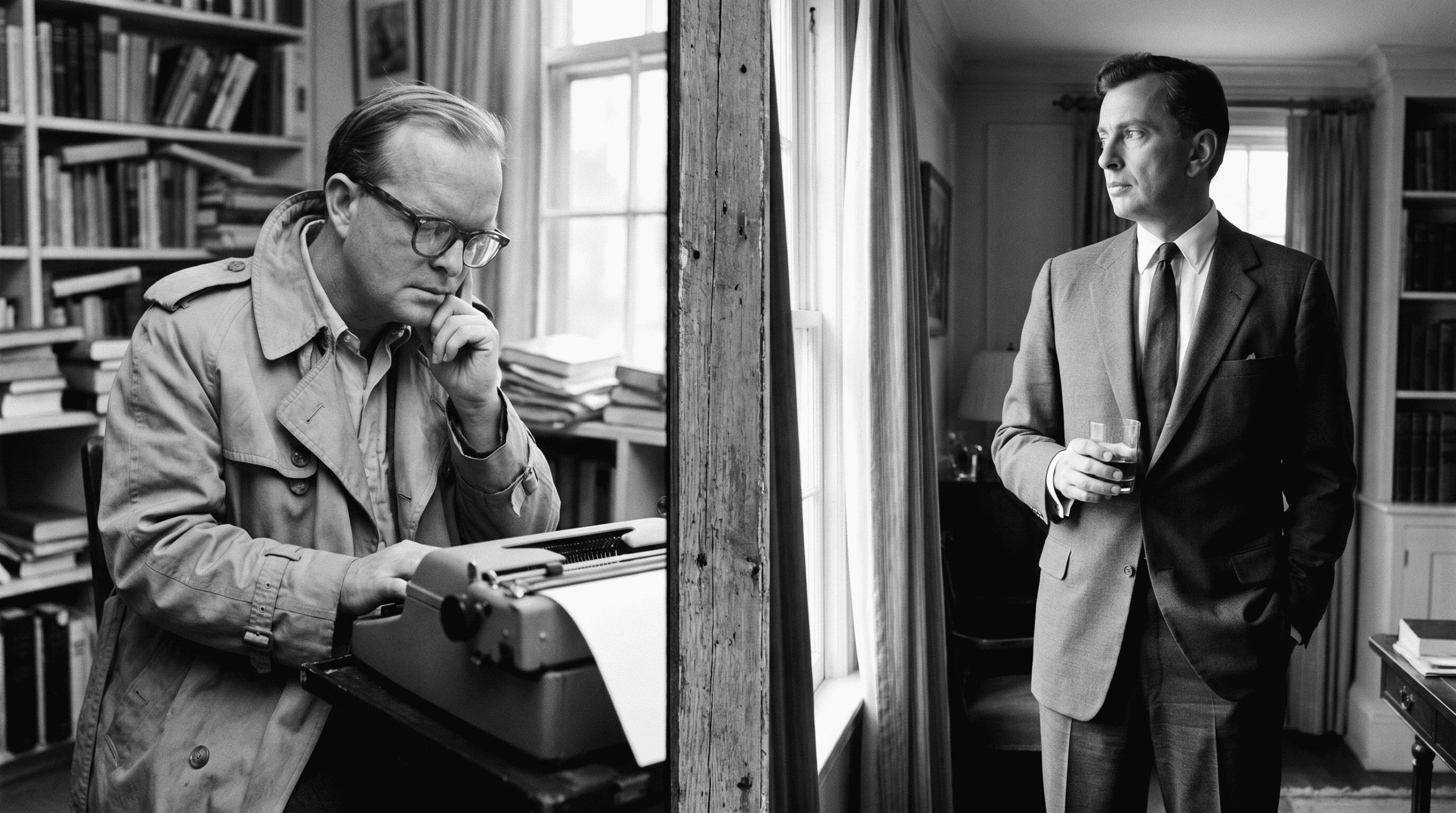
History is rife with epic rivalries, bitter betrayals, and illustrious icons who loathed each other.
Caesar & Pompey
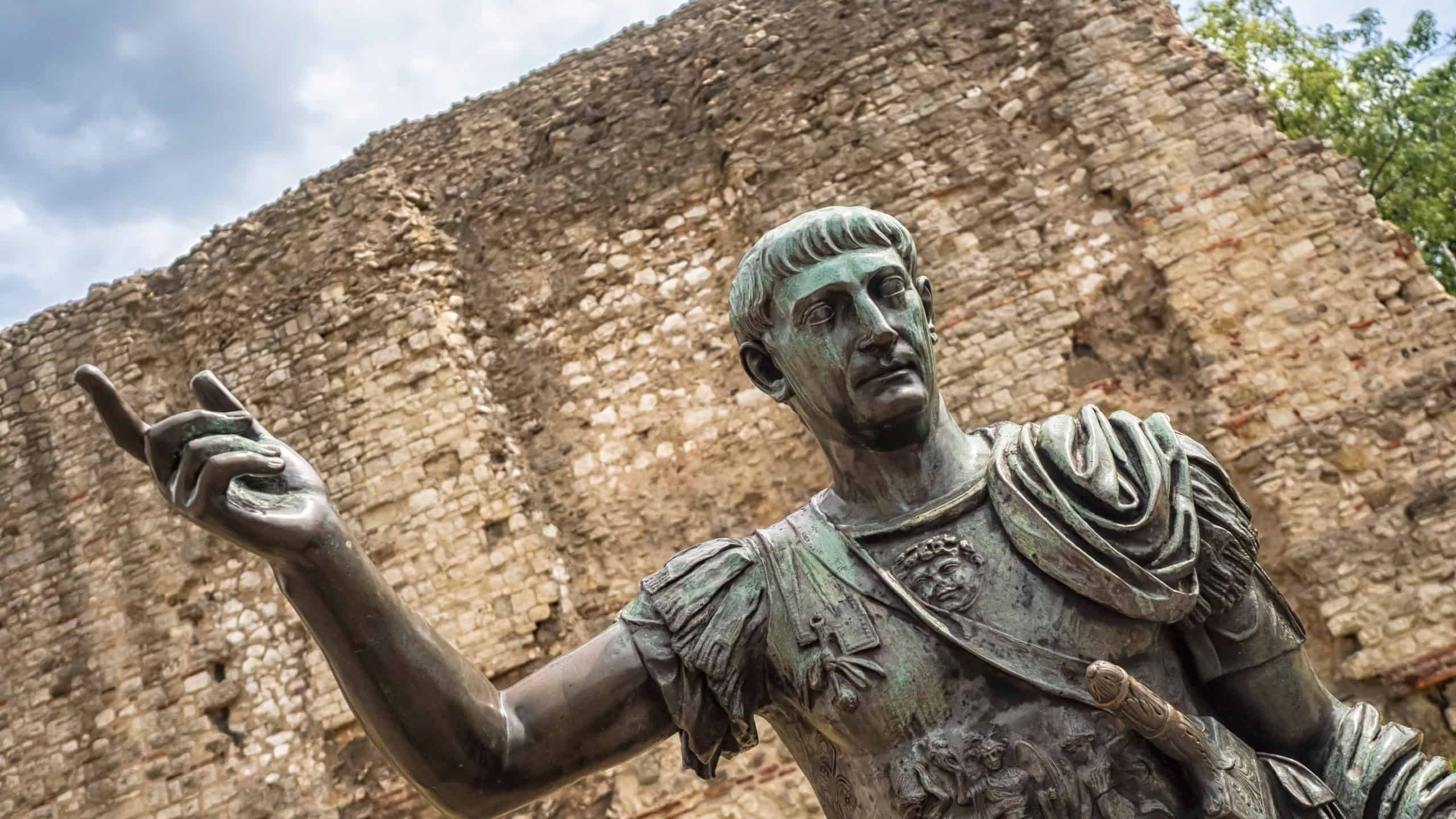
Julius Caesar and Pompey started off allies, ruling Rome together in what was known as the First Triumvirate. After Julia (Caesar’s daughter and Pompey’s wife) died, their relationship turned from friendship to blatant lust for power.
When the Roman Senate sided with Pompey, trying to take Caesar’s army away from him, he crossed the Rubicon River, leading to a huge civil war. Pompey later lost the Battle of Pharsalus and fled to Egypt, where he was betrayed and immediately assassinated.
Tesla & Edison
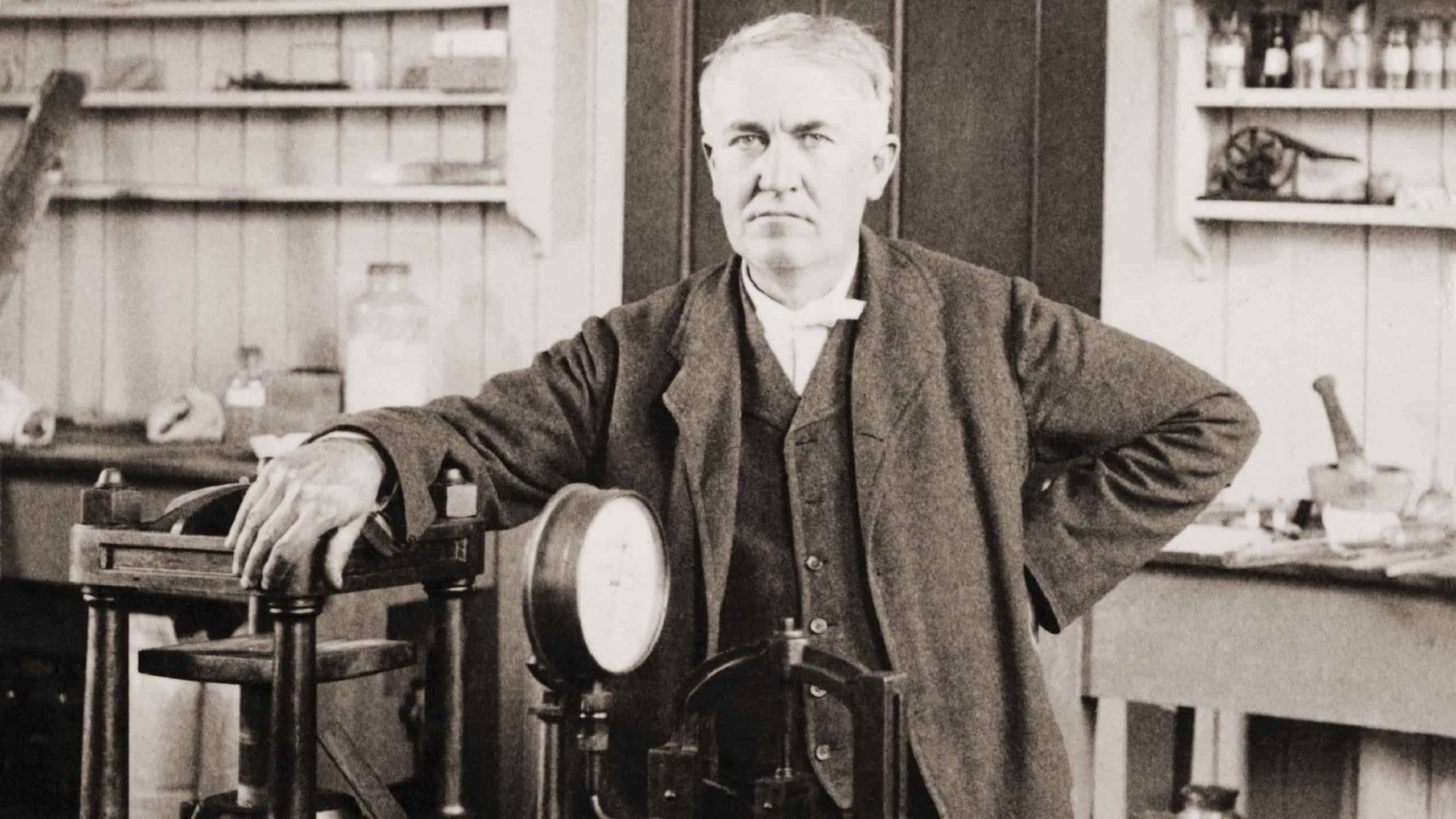
Edison was involved in the well-known “War of the Currents” with Nikola Tesla over Edison’s Direct Current (DC) and Tesla’s more efficient Alternating Current (AC) system. Edison went so far as to conduct negative propaganda against AC to show it was unsafe. He even publicly electrocuted animals on Tesla’s system.
Tesla had previously quit working for Edison earlier when Edison did not give him the promised $50,000 bonus for redesigning Edison’s generators. Tesla ended up winning the war when AC power became the worldwide standard for grid power.
Mozart & Salieri
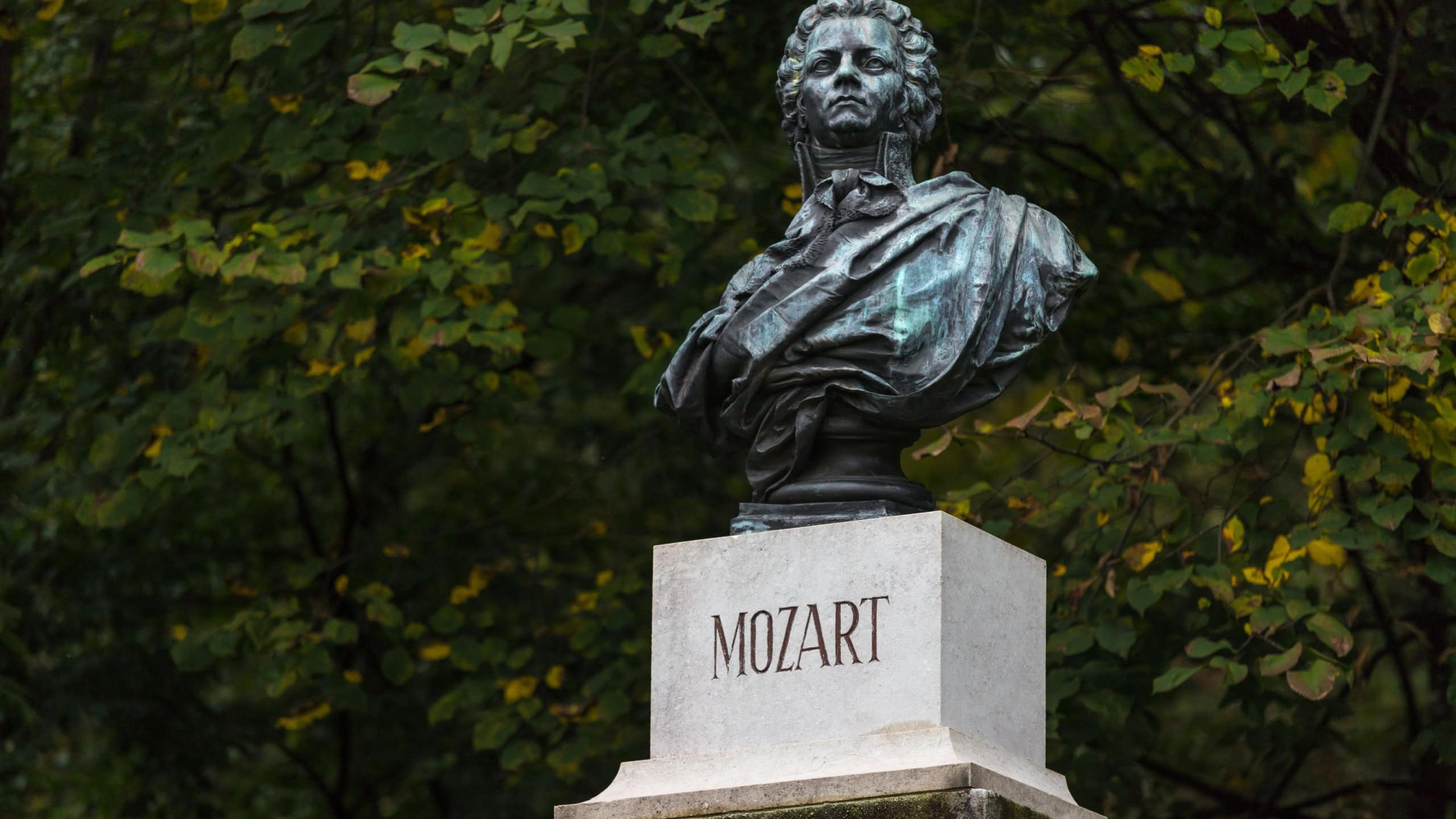
Although their relationship was fictionalized in the movie Amadeus, which portrayed Salieri as an assassin of Mozart, there was a very real, intense career rivalry between the two composers when both were in Vienna.
Salieri was the established, wildly successful court composer who was threatened by Mozart’s young, fresh, and seemingly effortless talent. Mozart even went so far as to write in letters to his father that Salieri and his group of Italian composers were conspiring to prevent his operas from being staged and were sabotaging his career.
Hamilton & Burr
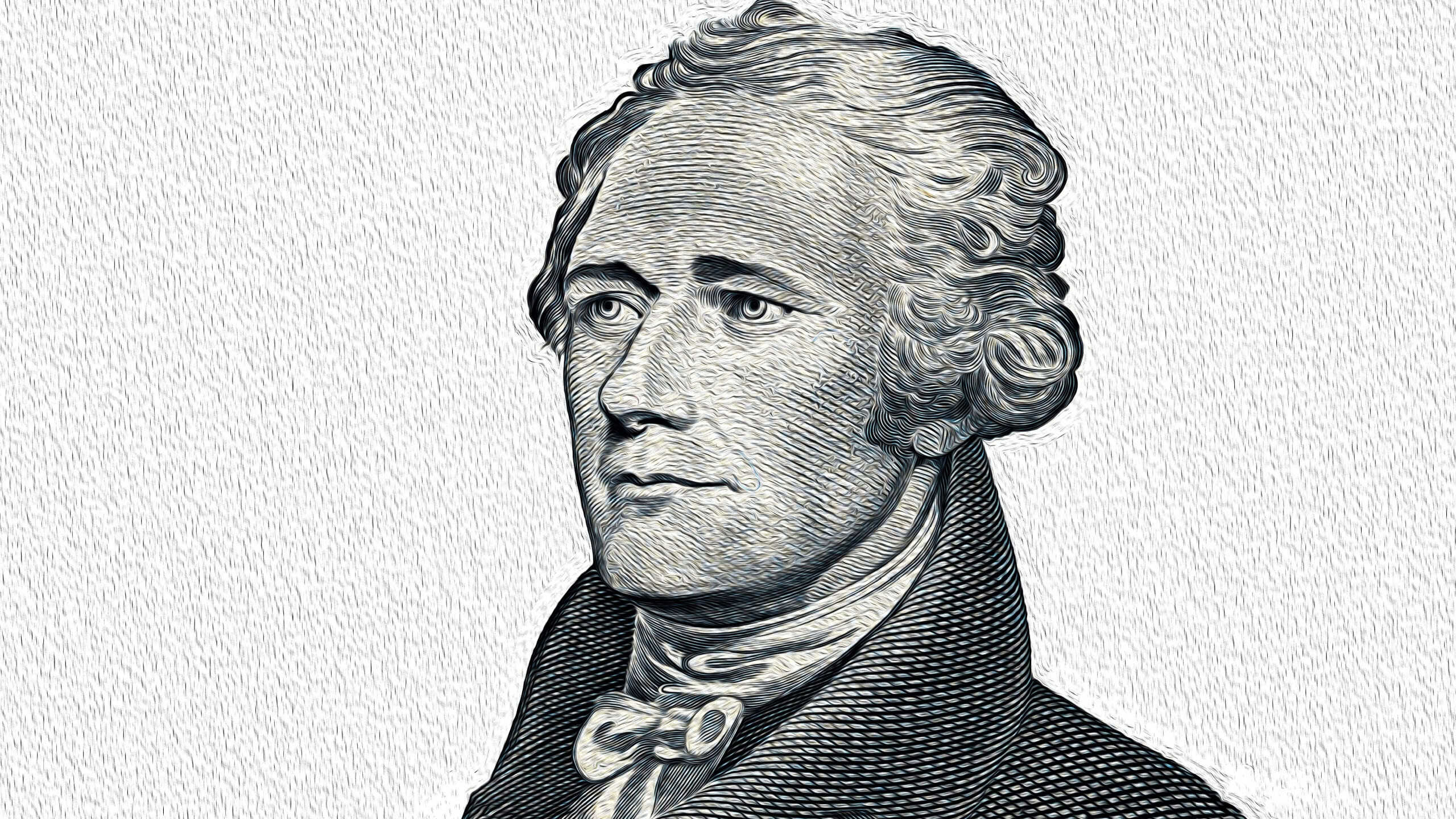
Alexander Hamilton and Aaron Burr spent years thwarting one another’s political ambitions. In fact, theirs is arguably the most well-known rivalry in American history. Hamilton opposed Burr in both the 1800 presidential election and the 1804 election for Governor of New York.
Hamilton labeled Burr “dangerous” and lacking convictions. Burr eventually shot Hamilton in the 1804 Duel of Weehawken, New Jersey. Hamilton died the next day, destroying Burr’s political career.
Jefferson & Adams
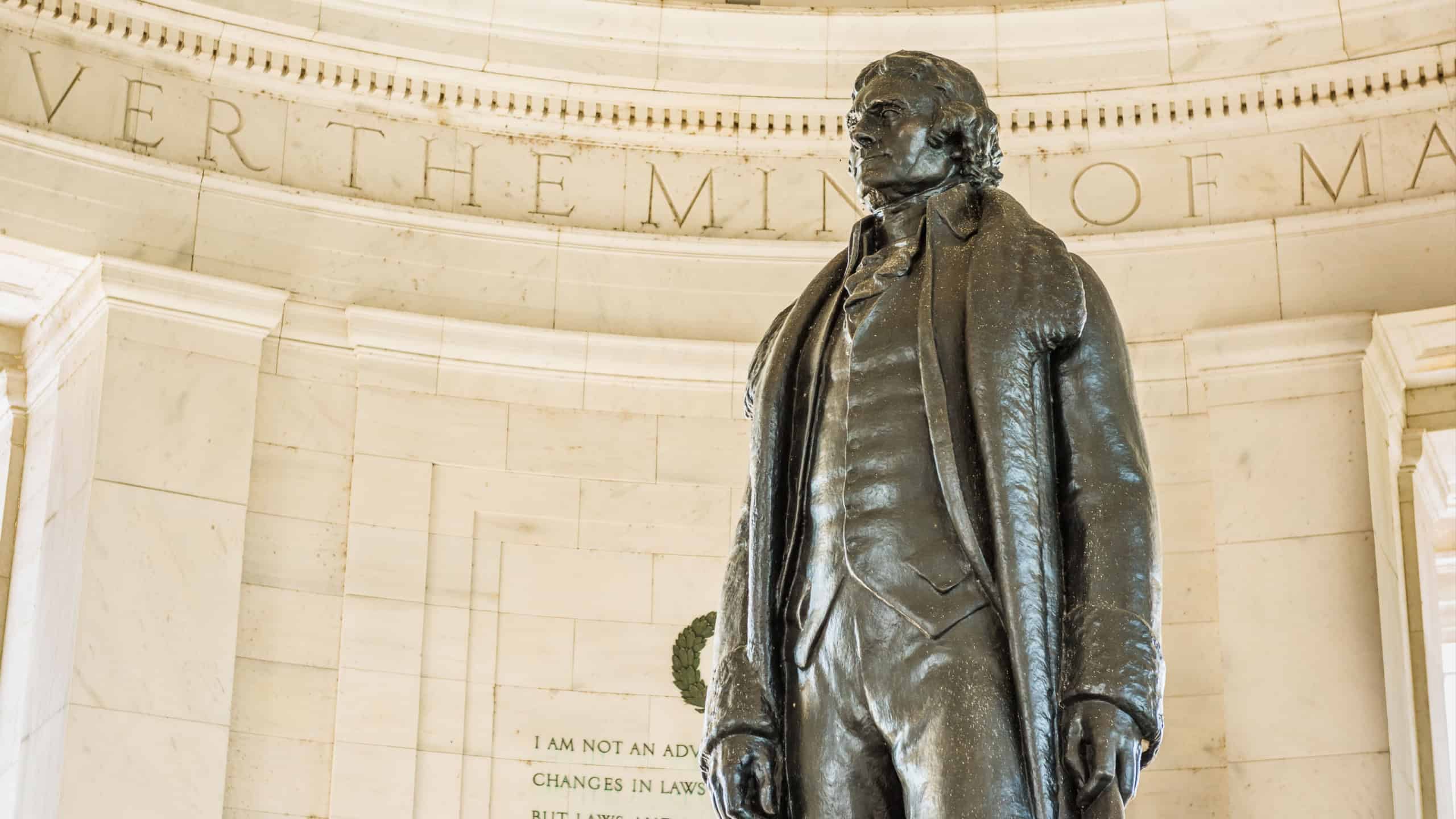
Adams and Jefferson were originally friends and partners in establishing America’s independence. During the 1790s, they became political enemies over what America should look like. Adams supported a centralized government while Jefferson supported states’ rights.
Both sides participated in weaponized media attacks against each other during their contentious 1800 election. They ended up becoming friends again before Jefferson’s death through a series of letters.
Newton & Leibniz
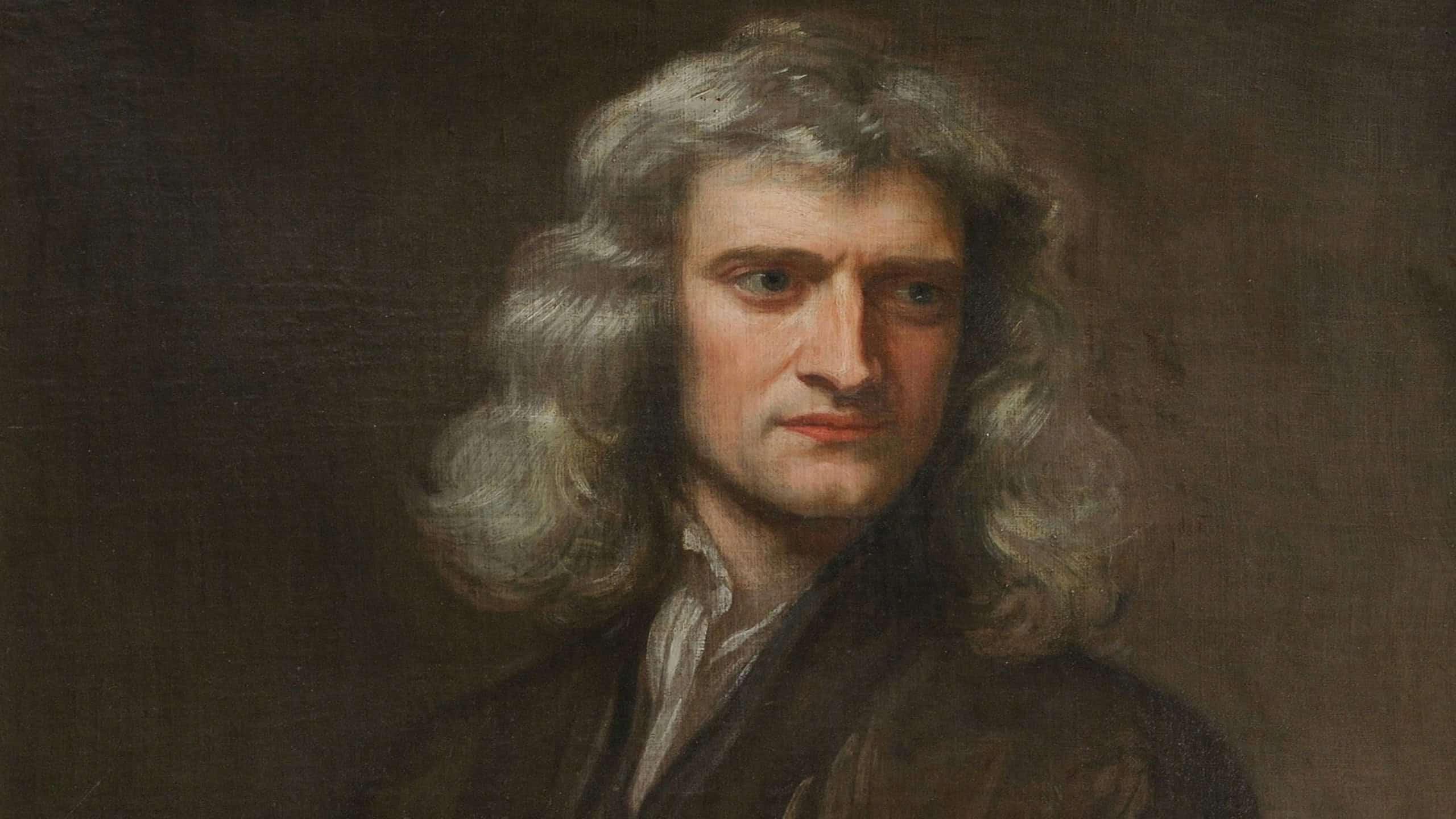
Sir Isaac Newton and Gottfried Wilhelm Leibniz each independently developed calculus in the late 1600s. This led to one of the most bitter debates over intellectual property in history. Newton claimed Leibniz committed plagiarism by stealing his ideas before he published them.
Newton abused his influence as President of the Royal Society by authoring a “neutral” paper accusing Leibniz of committing fraud. (Newton wrote the report himself, anonymously.) The bitter dispute poisoned the European scientific community for years.
Stalin & Trotsky
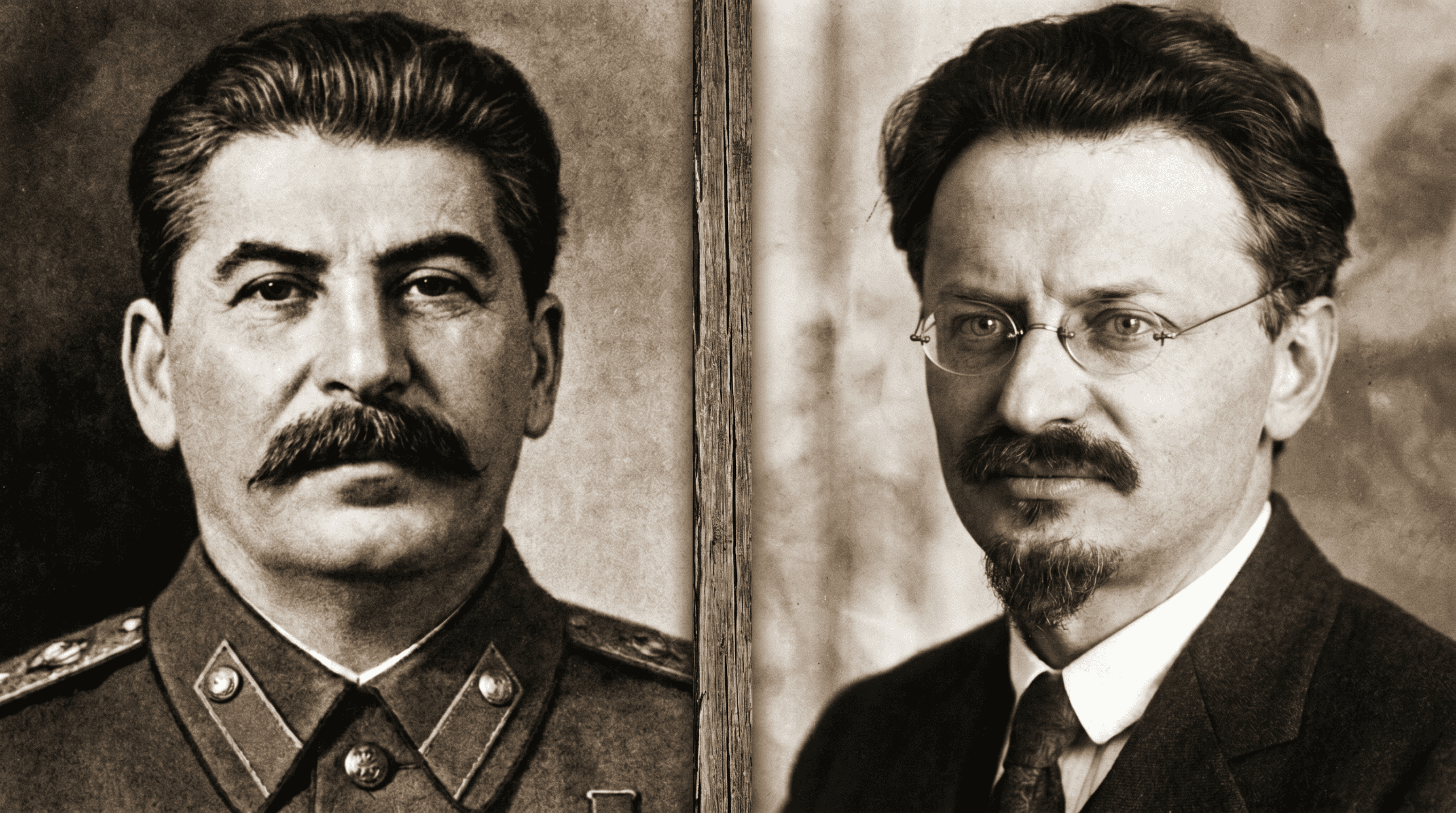
After Vladimir Lenin died, there was a brutal ideological power struggle between Leon Trotsky and Joseph Stalin over who would lead the Soviet Union. Trotsky called for “permanent world revolution,” while Stalin believed in “socialism in one country.” Stalin outmaneuvered Trotsky politically by gradually eroding Trotsky’s support.
Stalin slowly stripped him of his military power, kicked him out of the Communist Party, and exiled him from Russia. Stalin hated Trotsky so much that two decades later, he would have an assassin fly to Mexico in 1940 to murder Trotsky with an ice axe.
Michelangelo & Da Vinci
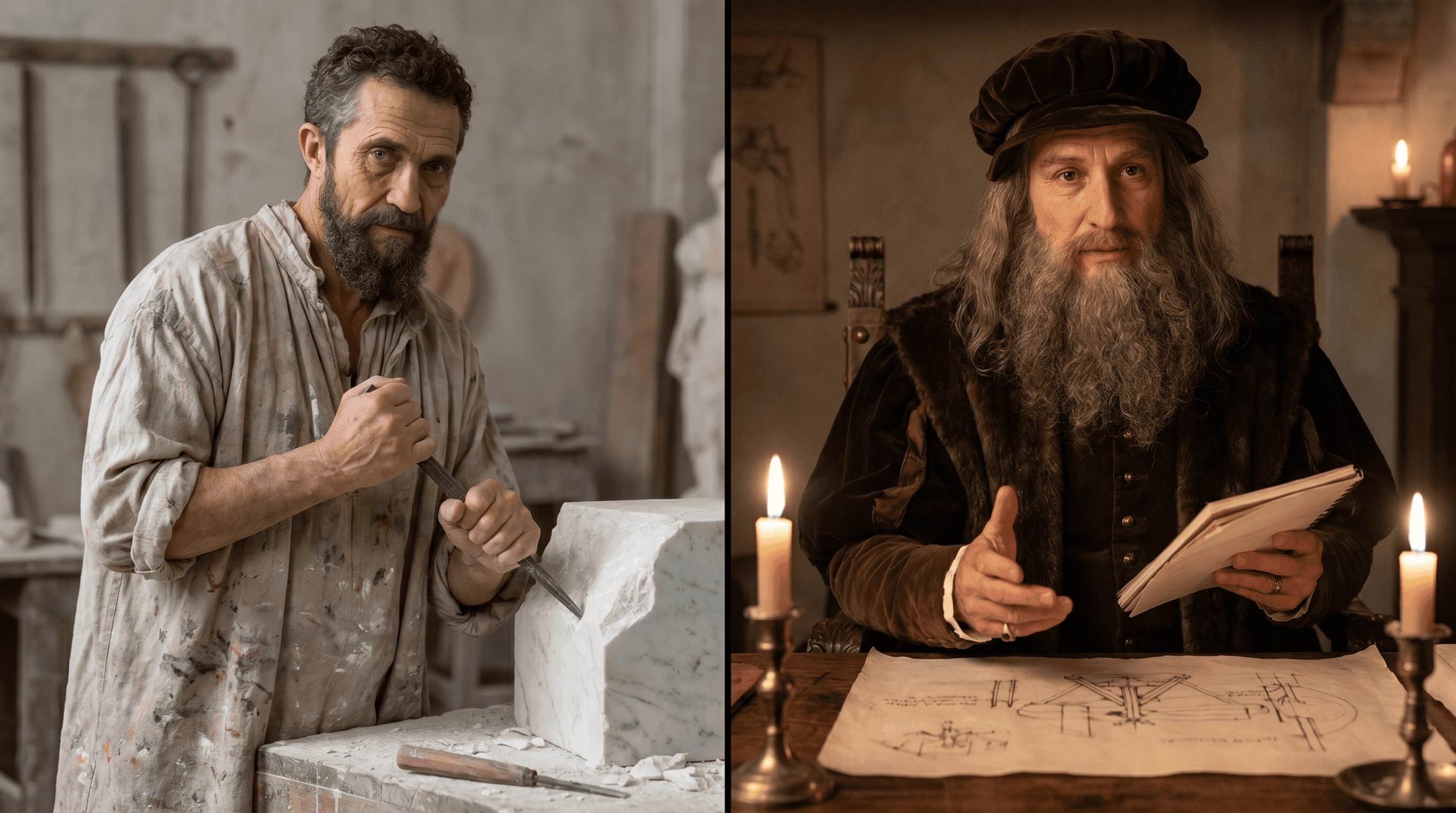
Leonardo da Vinci and Michelangelo Buonarroti were bitter rivals. Neither could stand the other’s work, sensibilities or personalities.
Leonardo was older and more cultured. He saw Michelangelo’s figures as overly muscular, and his painting style theatrical. Temperamental Michelangelo publicly mocked Leonardo for his constant inability to complete large-scale commissioned works that he began.
Gladstone & Disraeli
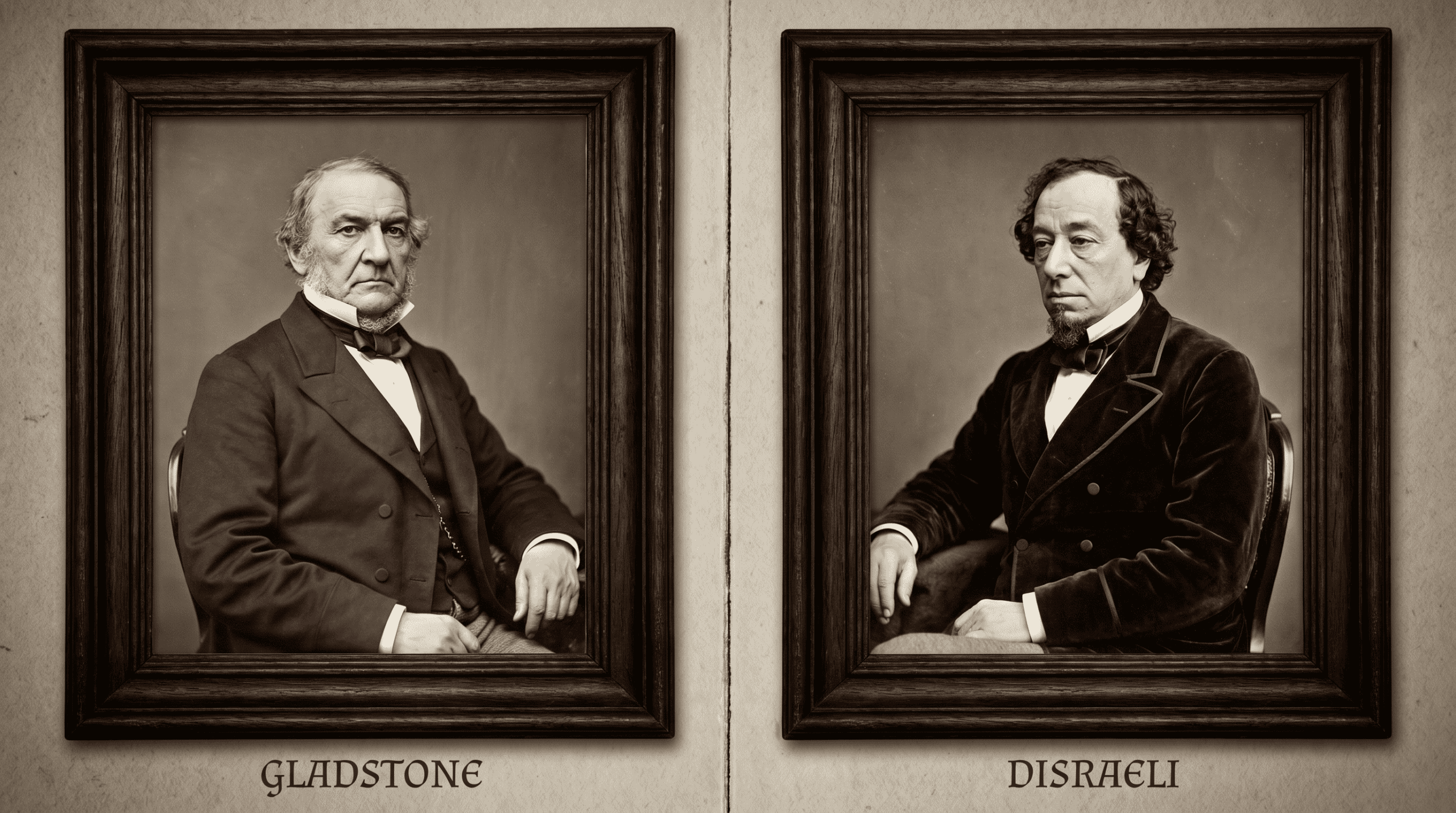
The British Parliament of the 19th century was dominated by the fierce personal and political animosity of William Gladstone vs Benjamin Disraeli.
Disraeli would taunt Gladstone’s stodgy morality by noting that the difference between a misfortune and a calamity was that if Gladstone fell into the Thames River, it was a misfortune, but if someone had the impudence to pull him out, that would be a calamity.
Gladstone saw Disraeli, a Jew, as amoral through and through and ruinous to the empire.
Marx & Bakunin
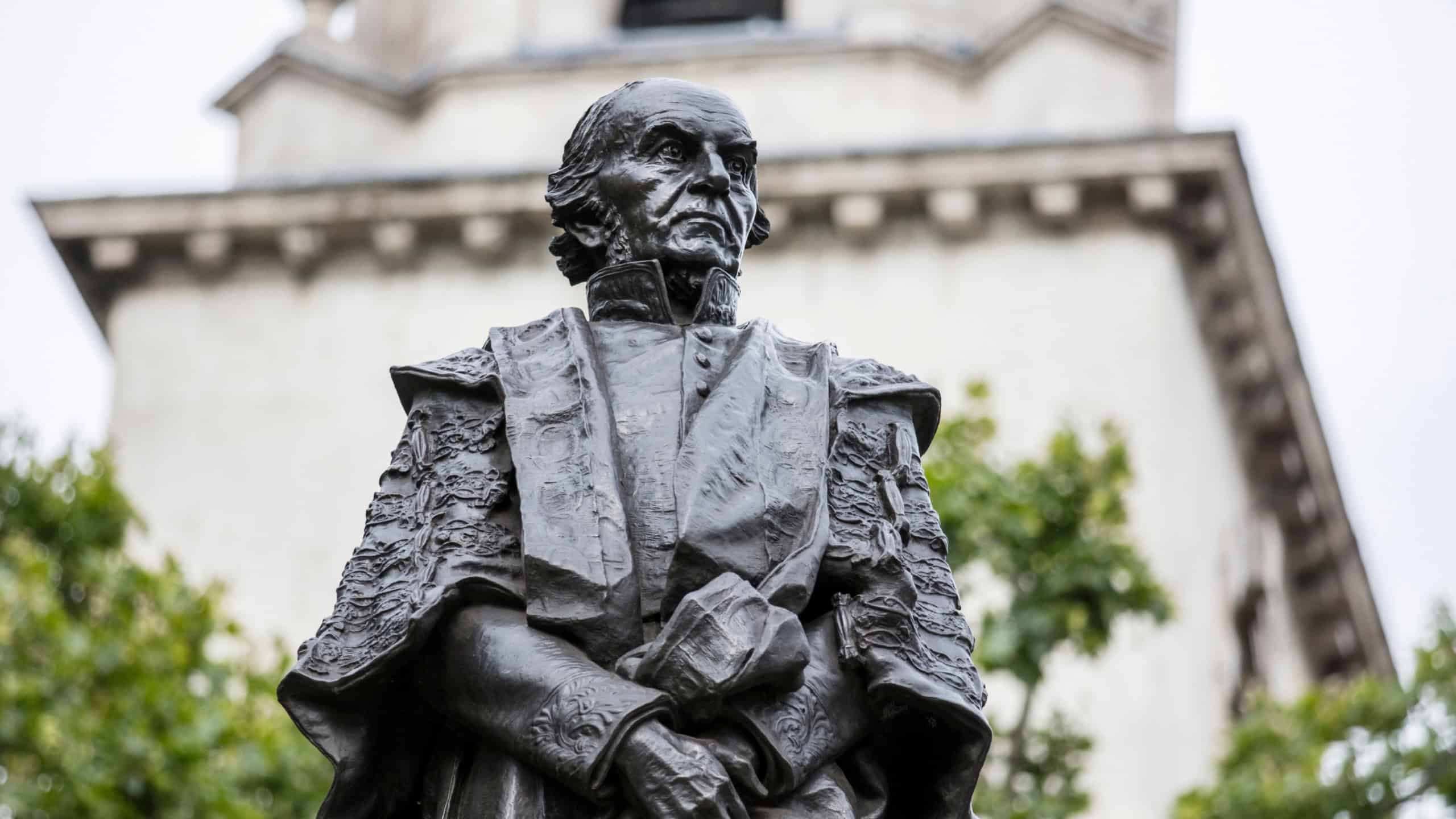
The First International (the original 19th-century meeting of international socialist organizations) was shattered by bitter disputes between Marx and Mikhail Bakunin. Marx believed in strict centralism and using the power of the State to achieve communism.
Bakunin was an anarchist who believed any form of statism would result in total tyranny. Marx expelled Bakunin from the International in 1872, dividing the international leftist movement into two bitterly antagonistic groups that never united again.
Capote & Vidal
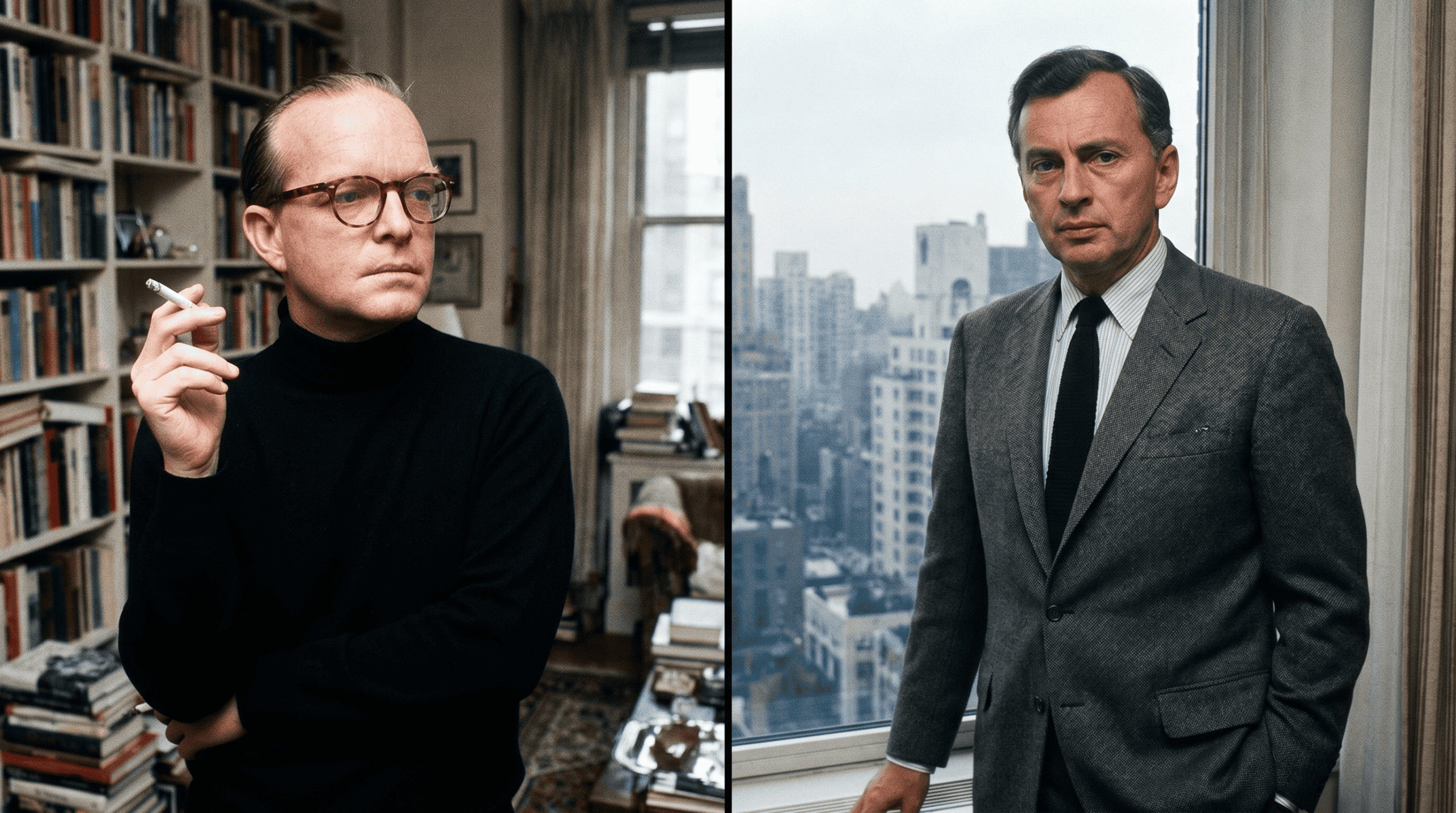
Novelists Gore Vidal and Truman Capote fought each other publicly with outrageous insults for decades. Capote dismissed Vidal as a “bore.” Vidal, for his part, described Capote as a “filthy little animal” and also called him a “clinical liar.”
The flamboyant authors even fought over what became a million-dollar libel lawsuit when Capote falsely alleged in an interview that Vidal had once been thrown out of the White House drunk by members of the Kennedy family. After Capote died in 1984, Vidal sneered that it had been a “good career move.”
Bonaparte & Wellesley
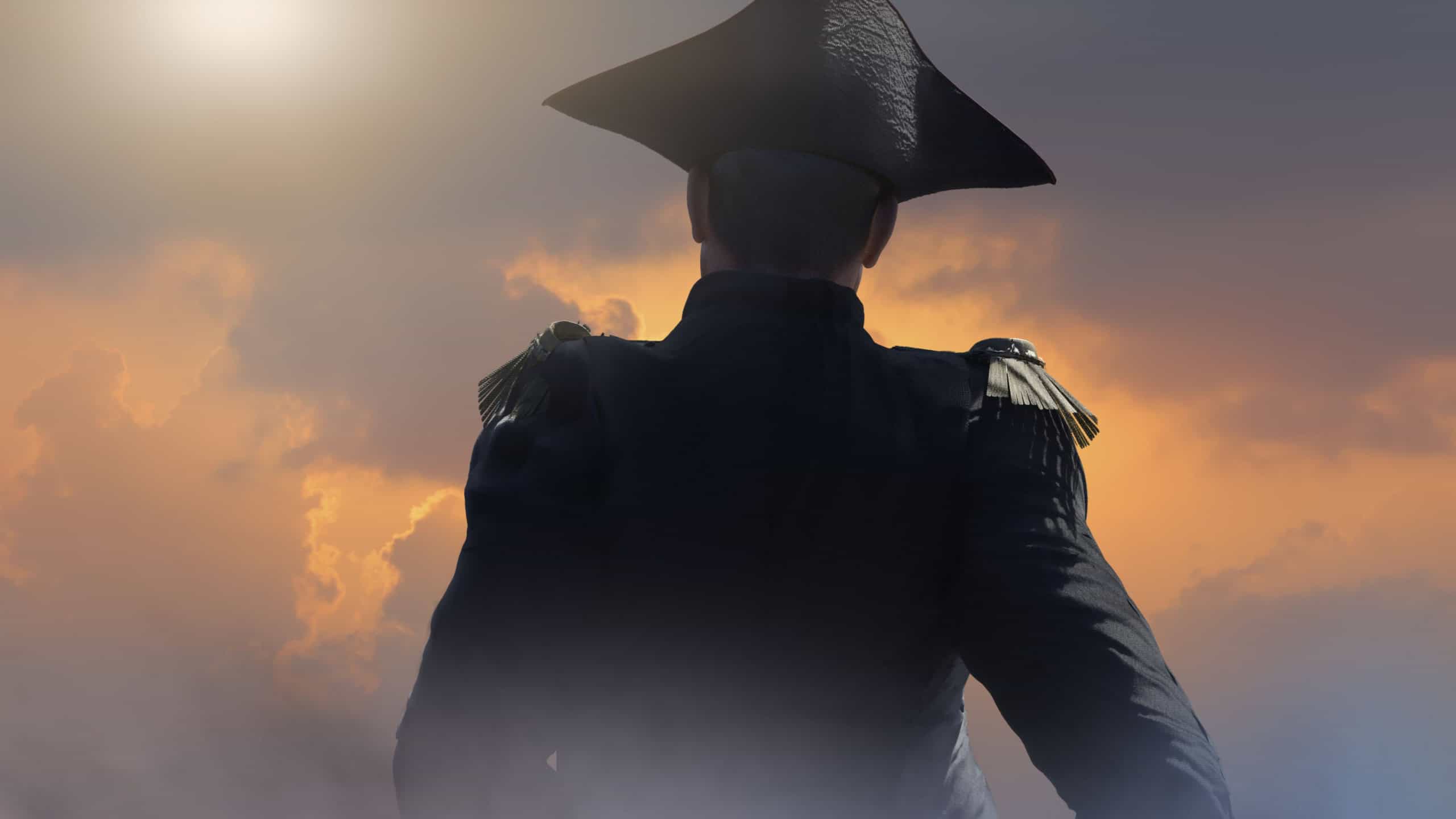
Napoleon Bonaparte and the Duke of Wellington engaged in an epic struggle of egos that would determine the future course of Europe. The ambitious and fiery French emperor loathed his British rival, referring to him on the morning of their final confrontation as a “bad general.”
Wellington was a stoic master of defensive strategy who analyzed Napoleon’s military strategy for years. At Waterloo in 1815, Wellington’s patient ranks withstood repeated intense French attacks long enough for reinforcements to arrive and crush Napoleon’s ambitions.
Davis & Crawford
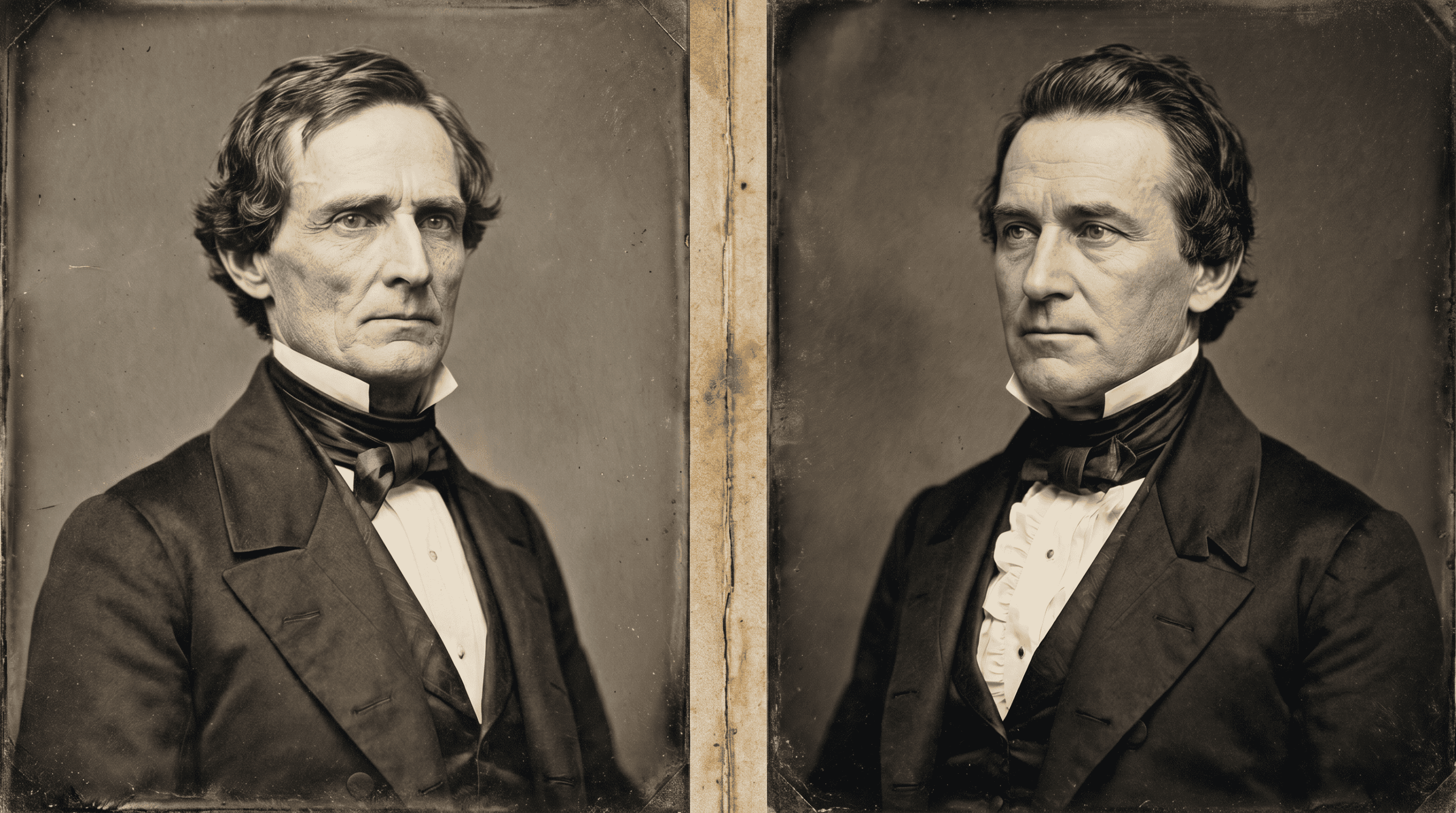
The bitter feud between Bette Davis and Joan Crawford was the most publicized and hostile rivalry between actresses. Originating in the 1930s over professional envy and a mutual lover, Davis and Crawford hurled insults at each other via the media for decades.
Tension came to a head on the set of their joint movie, “What Ever Happened to Baby Jane?” in 1962, where Crawford allegedly stuffed rocks in her pockets so Davis would have to heave her across the floor in one scene, and Davis allegedly kicked Crawford in the head one time during a staged brawl between the characters. When Crawford died in 1977, Davis responded, “Joan Crawford is dead. Good.”
Darwin & Owen
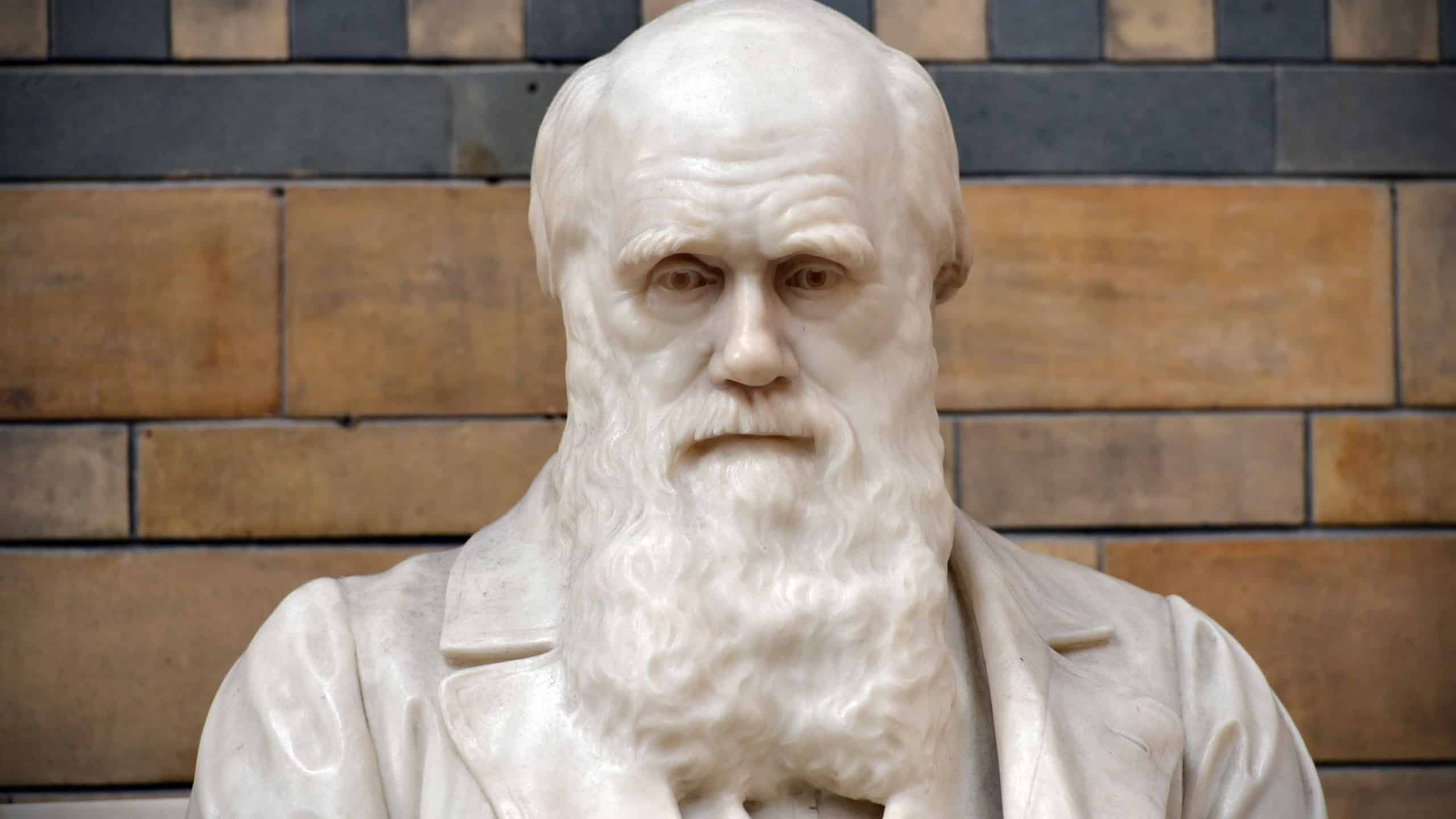
The feud between Charles Darwin and Richard Owen was a bitter dispute over the origin of life that split Victorian science in half. Owen was a celebrated anatomist who discovered and named the first dinosaurs. He originally helped Darwin organize his fossil specimens, but recoiled when Darwin first introduced his theory of evolution by natural selection.
Owen, who championed his own intensely religious view that nature was ordained by God, was envious of Darwin’s newfound celebrity and began penning vicious, anonymous reviews of Darwin’s publications and tutoring other critics privately.
Hatfield & McCoy
The feud between Devil Anse Hatfield and Randall McCoy spanned three generations along the West Virginia–Kentucky border. What started as a disagreement over a pig quickly led to a guerrilla warfare characterized by ambushes, kidnappings, and murders.
Their grudge was further inflamed by the Civil War and a forbidden love affair between Hatfield and McCoy children. The feud culminated with the 1888 New Year’s Night Massacre, when the Hatfields burned the McCoy family cabin to the ground. Both state governors called in military militias to quell the violence.
Sources: Please see here for a complete listing of all sources that were consulted in the preparation of this article.