
We asked some Americans what common Canadian words confuse them, and these uniquely Canadian terms kept popping up.
Mickey

If you ask an American to grab a Mickey on their way over to the weekend bonfire, they will show up with a Mickey Mouse bobblehead.
Mickey is a precise, government-sanctioned commercial measurement referring to a small curved 375 mL flask-shaped bottle of hard liquor, small enough to fit in your jacket pocket in Canada.
Eavestrough

What Americans refer to as gutters go by the name eavestroughs in Canada. These run along the edge of your roof and help drain rainwater away from your home.
They are used by homeowners in both the United States and Canada. Americans don’t know what eavestroughs are unless you show them one.
Kerfuffle
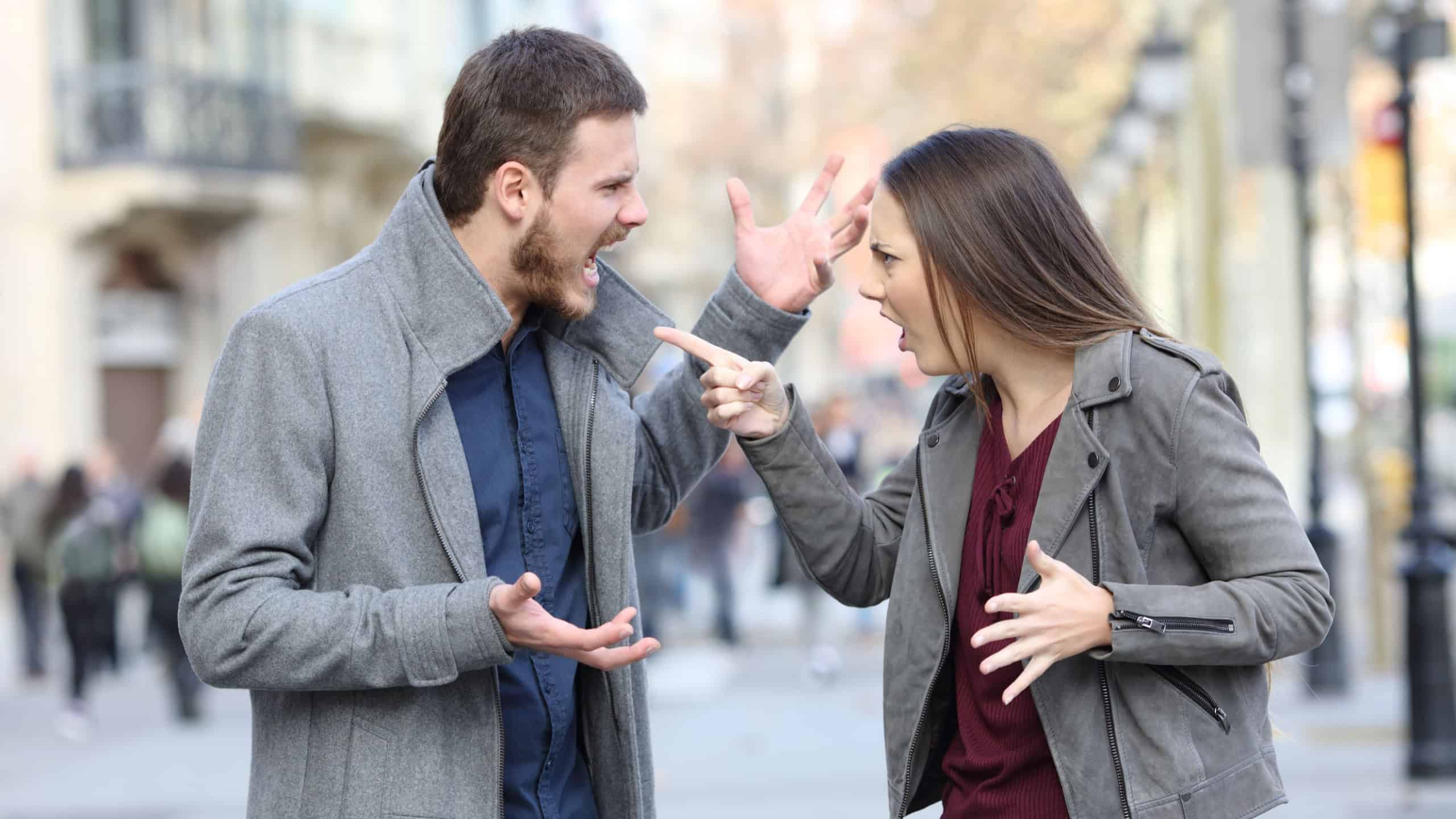
Canadians love using the word kerfuffle to describe a small disagreement, commotion or fuss. There is something playful about the word that makes even an argument sound harmless. Americans may be familiar with the word, but it’s not used nearly as often in casual conversation.
Garburator
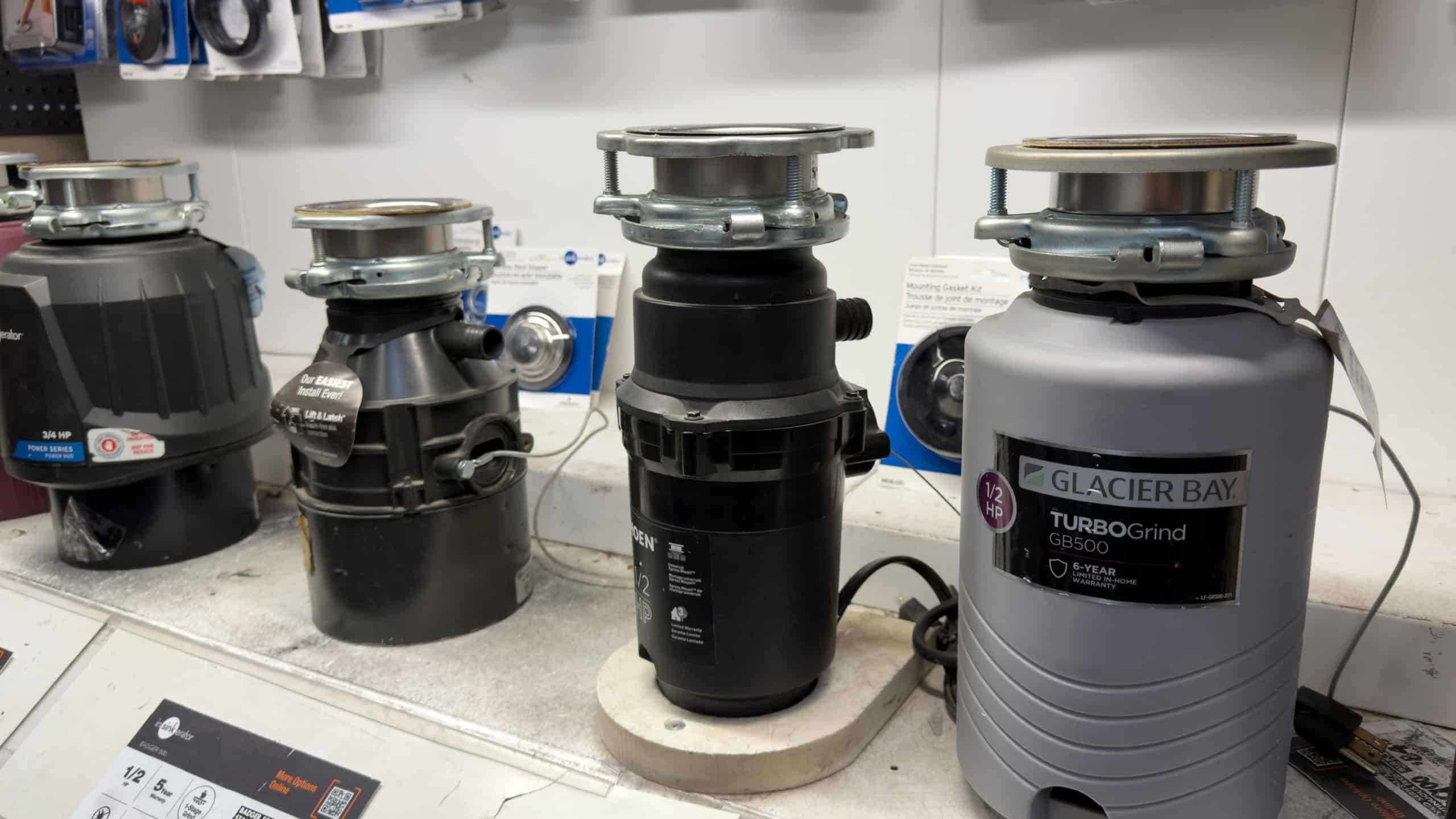
If a Canadian tells an American that their garburator is making a funny grinding noise, they will have no idea what appliance they are referring to. A garburator is simply Canada’s colloquial word for the motorized garbage disposal that attaches to the drain of your kitchen sink in order to grind up food waste.
Pencil Crayons
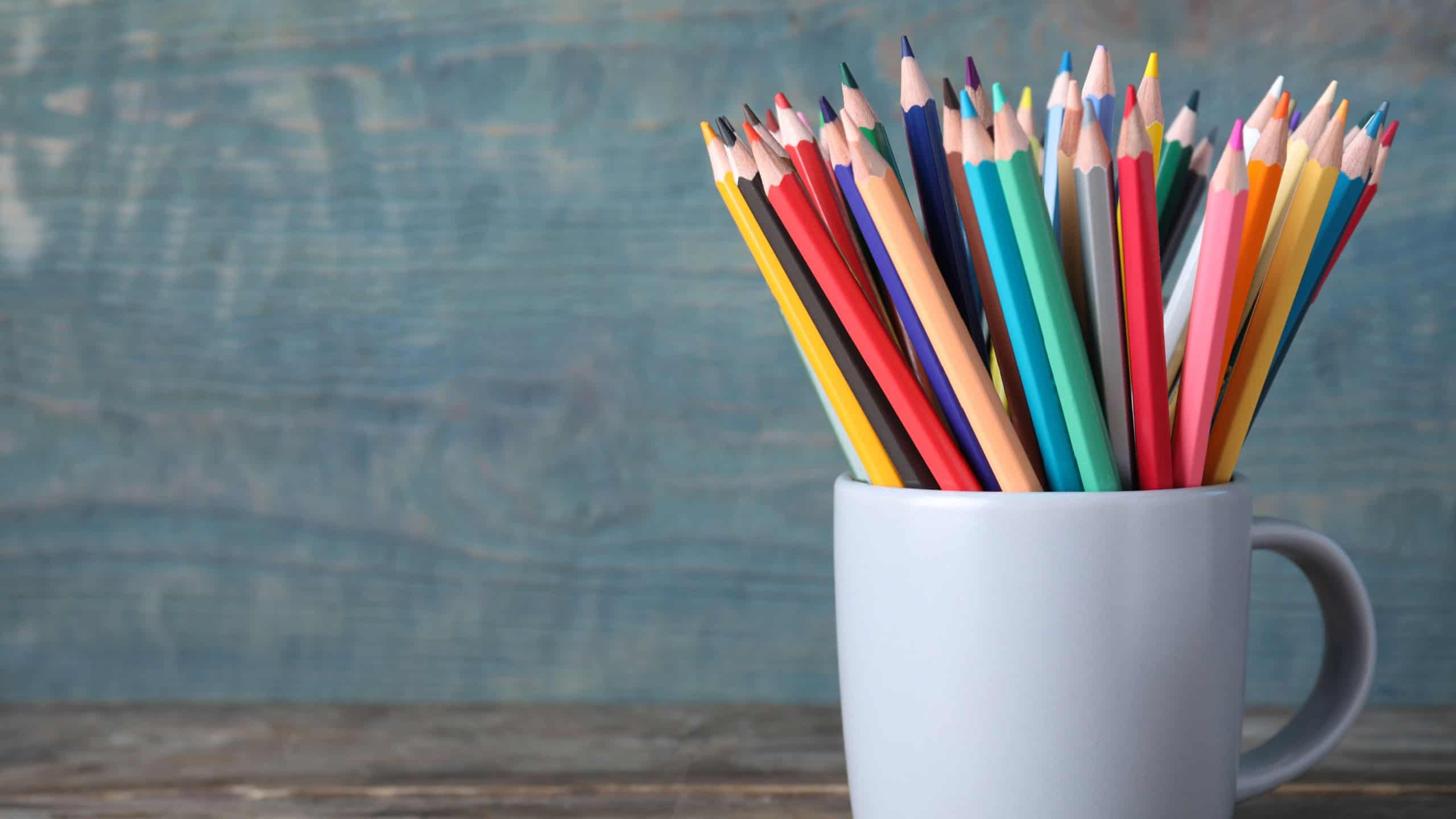
Coloured pencils are often called pencil crayons by Canadians, particularly in schools. Canadians think the name makes perfect sense, as the tool is shaped like a pencil but colours like a crayon. Americans will typically use the term colored pencils. Many Canadians aren’t even aware that the expression is strange until talking to an American.
Bunnyhug

In Saskatchewan, a hooded sweatshirt is commonly referred to as a bunnyhug. Saskatchewan residents are often unaware that other places do not use the term until they venture outside of the province. Many Canadians outside of Saskatchewan find the word quaint or confusing. Americans are nearly 100% baffled by the term.
Freezie
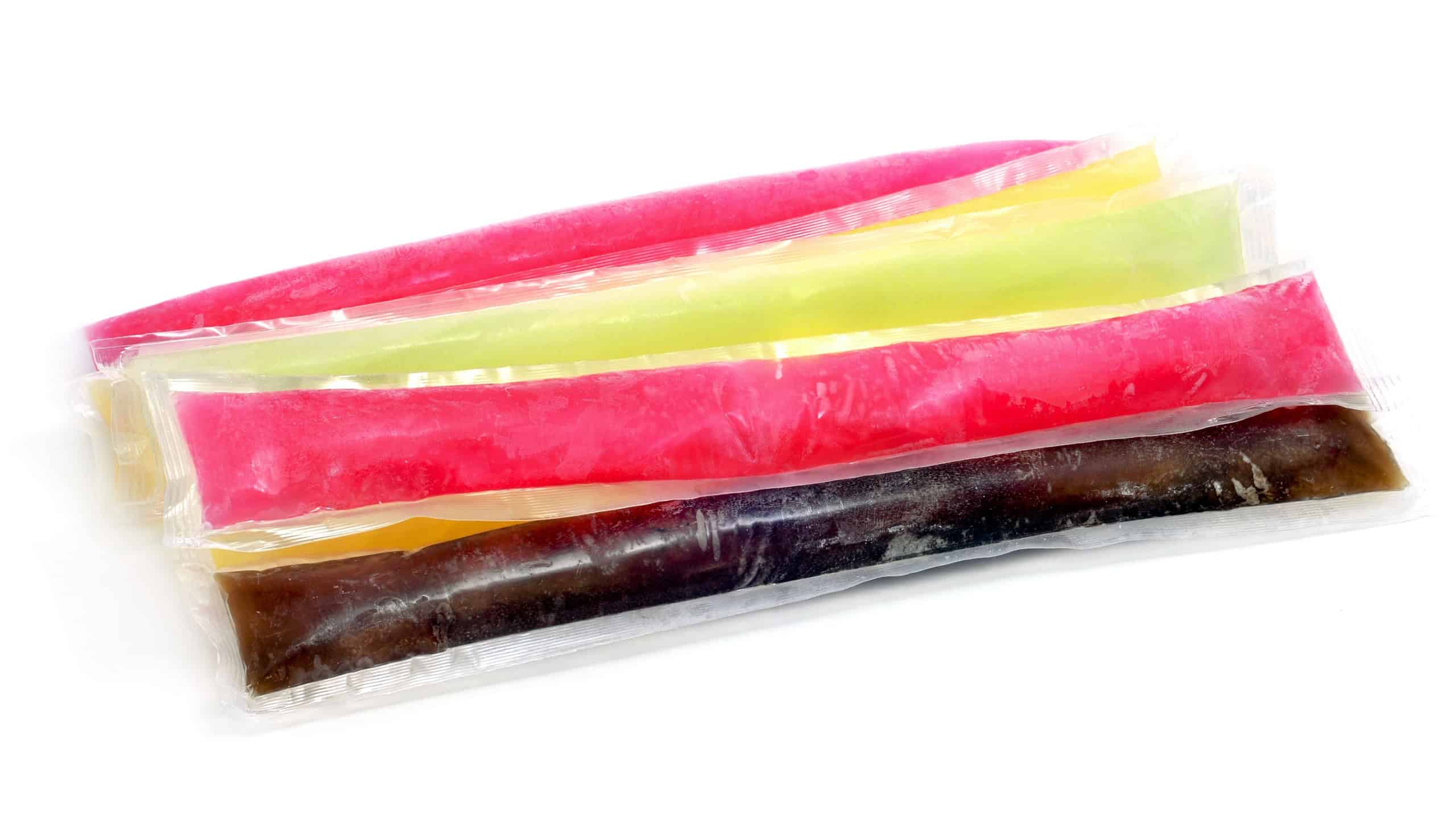
On a warm summer day, Canadian children will sprint to the freezer for a freezie. A freezie is a long plastic tube filled with flavored and colored ice water. Say that word to an American child and they will stare blankly at you. In America, they only refer to this summer classic as an Otter Pop or Fla-Vor-Ice.
Runners

When Canadians say they need to grab their runners before heading out the door to go pick up something at the grocery store, Americans have to stop and decode what that means to them. Americans have their own regional words, such as sneakers, tennis shoes or kicks, but Canadians refer to any athletic shoe or casual sneaker as runners.
Toque

A toque is that knit hat you wear all winter in Canada. Whether you’re snowboarding, hiking, skating, or walking to class on a chilly morning, we Canadians love our toques. However, many Americans have never heard of it and automatically refer to it as a beanie or winter hat.
Loonie
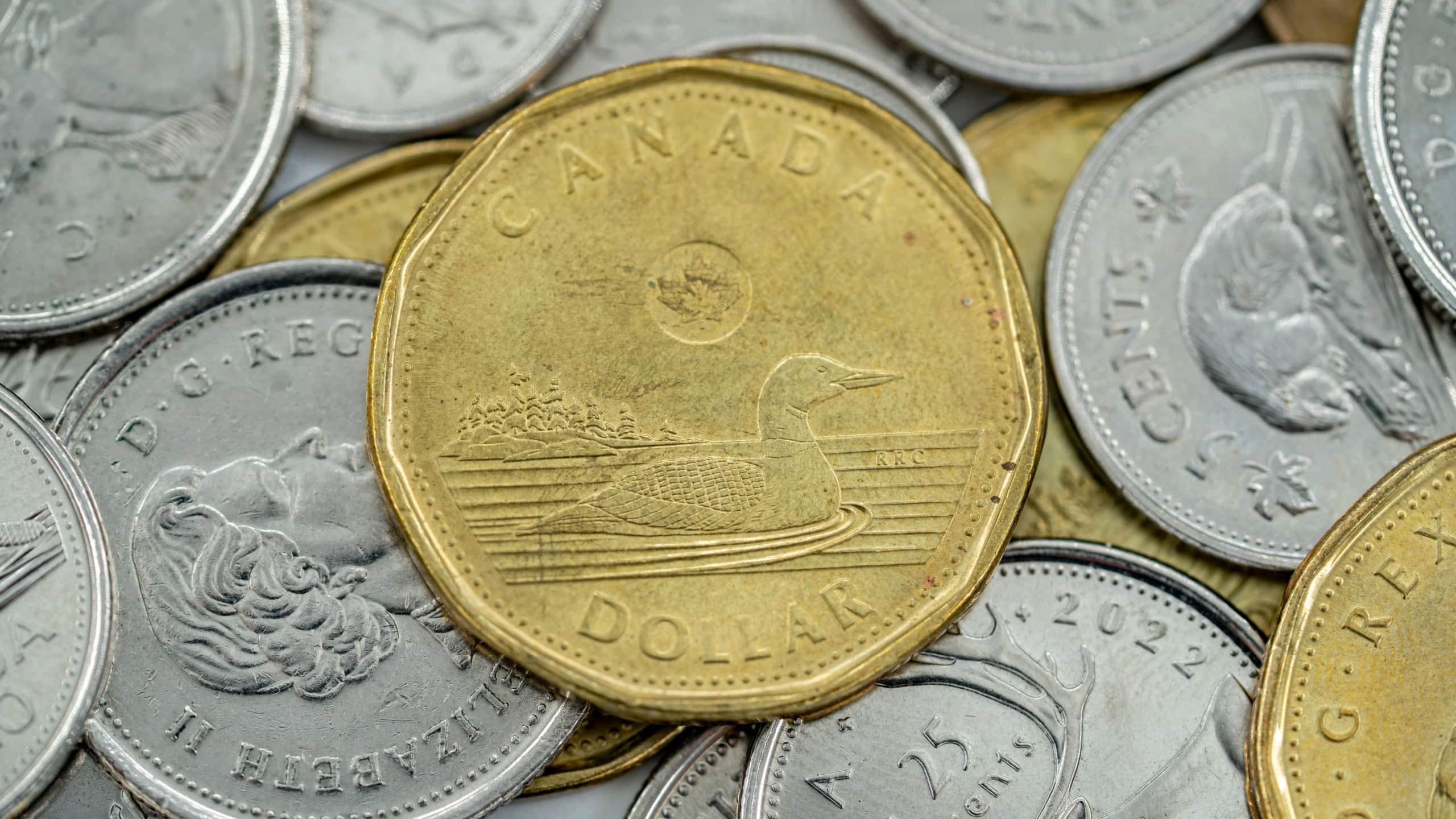
When Canadians use the word loonie, Americans assume you are insulting some eccentric person instead of referring to pocket change. Loonie is the official colloquial name for Canada’s gold-colored one-dollar coin. It gets its name because it prominently displays an image of a common loon on one side.
Two-Four

Tell an American to go down to the local beer store and pick up a two-four for the long weekend and they will think that you are talking about a piece of wood or a crazy math problem. A two-four is what most Canadians call a case of exactly twenty-four bottles or cans of beer.
Chesterfield

Chesterfield used to be the generic Canadian term for couch or sofa. While less common with younger generations, many older Canadians still refer to sofas as chesterfields.
Americans are frequently surprised by Canadians who use this word, since it fell out of regular usage in the United States many years ago.
Parkade

A parkade is just another word for a parking garage, typically a multi-story one. It’s most commonly used in Western Canada, where highway signs abound, pointing drivers toward parkades.
Americans visiting for the first time are inevitably befuddled by the word, as it sounds like something else you can take the family to: a shopping centre or public park.