
Looking back, it’s hard to believe some of these once-popular toys were considered perfectly normal for children to play with.
Jarts (lawn darts)

Made with big, heavy solid tips designed to pierce grass when tossed, these giant yard darts accounted for thousands of serious ER hospitalizations each year, and several deaths.
Concerned about all the devastating puncture wounds and skull fractures they caused, the U. S. Consumer Product Safety Commission banned all pointed lawn darts outright in 1988. Original versions still in existence cannot be legally sold or purchased today throughout the United States.
Clackers (Ker-Knockers)
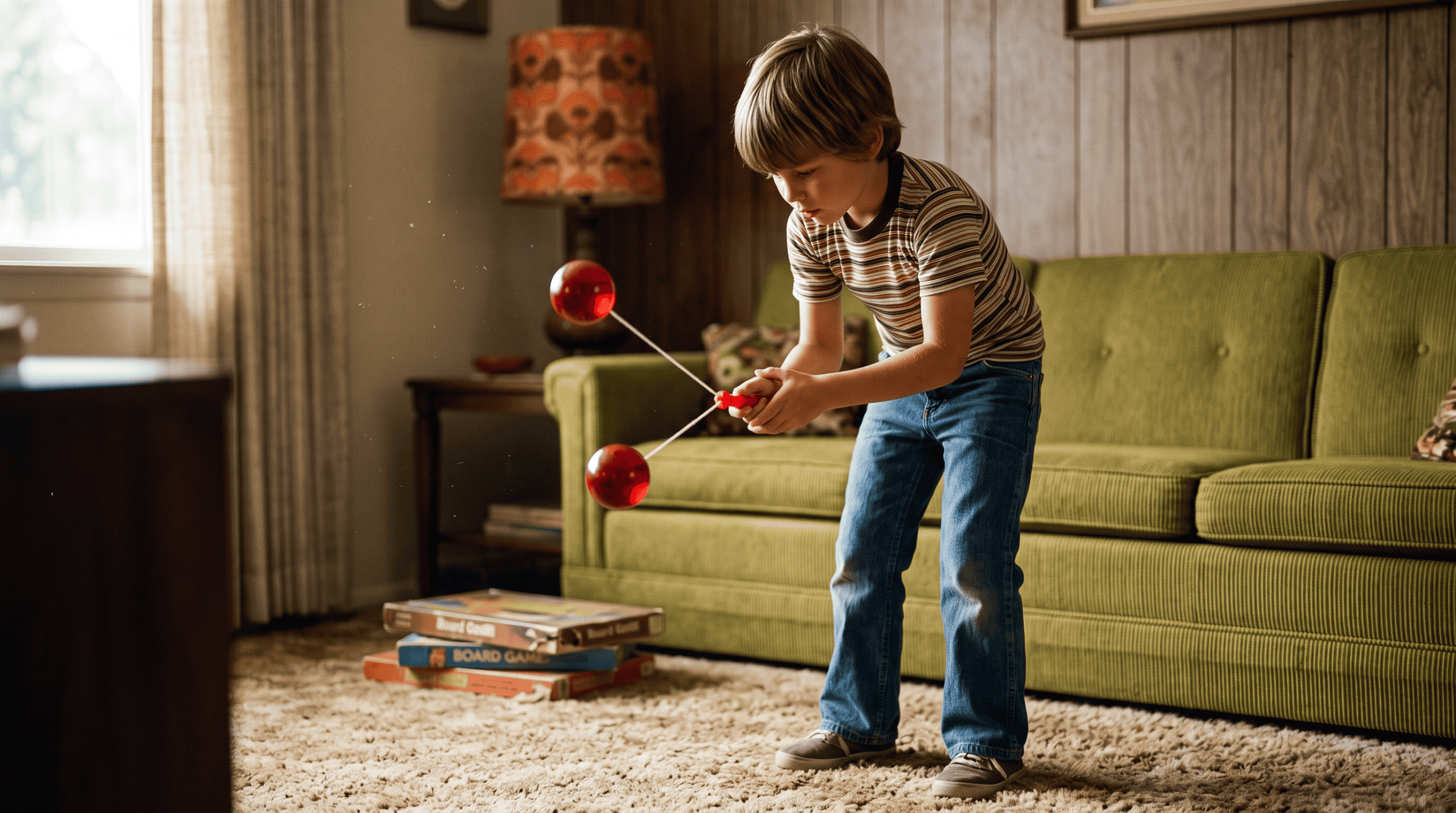
Made of two dense acrylic balls connected to each other by a string in the center, clackers earned their name by violently swinging back and forth rapidly, creating a loud clacking noise.
Children playing with clackers quickly discovered that after enough banging together, the plastic balls were prone to exploding on impact. Many received serious injuries to their faces and eyes from sharp acrylic shrapnel.
Gilbert U-238 Atomic Energy Lab
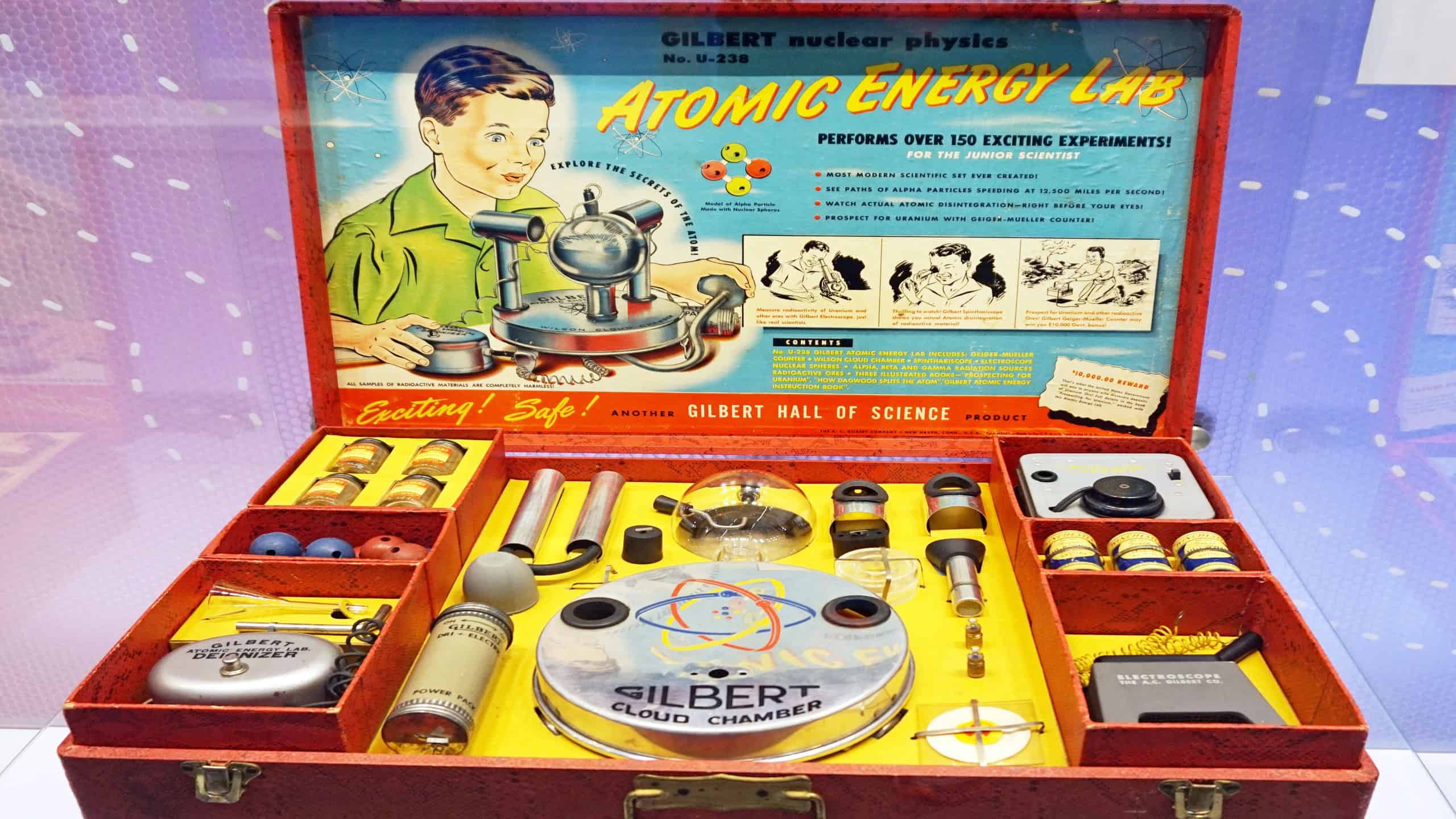
The U-238 Atomic Energy Lab was a science kit released in 1950 that included four real, loose samples of uranium ore and a functional Geiger counter.
Kids were taught how to perform nuclear experiments right in their living room, complete with exposure to lethal ionizing radiation. Mass public health concerns caused this product to be discontinued and pulled from store shelves within a year of its release.
Magnetix building sets
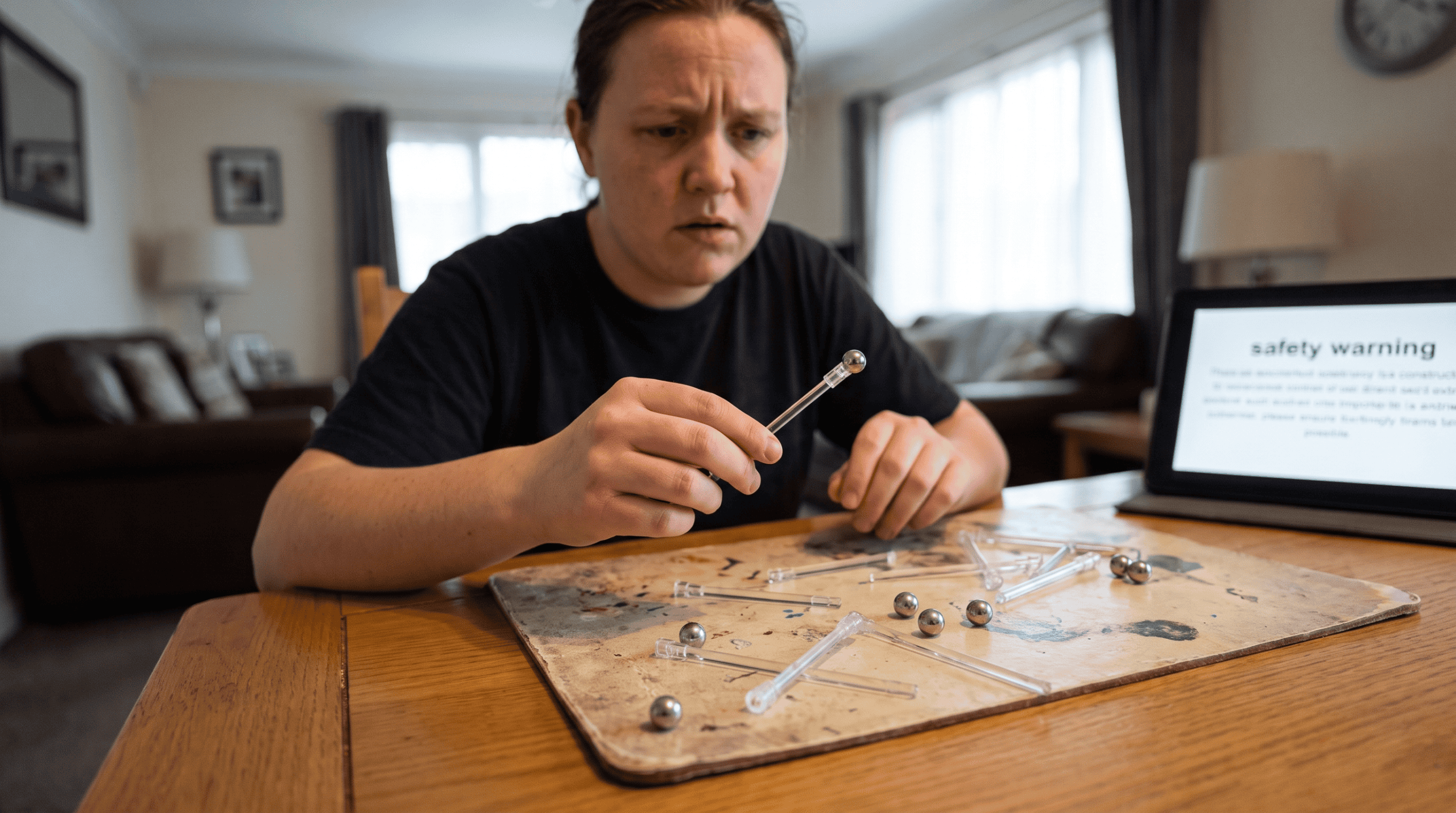
This popular building toy of the 2000s consisted of powerful neodymium magnets embedded into plastic building rods. These magnets could easily snap free.
If a child swallowed multiple magnets, they would connect through their intestines. This caused blockages, dead tissue, and holes in the child’s digestive system. The CPSC recalled many of these toys in 2006 and created federal guidelines for loose magnets in toys.
Aqua dots
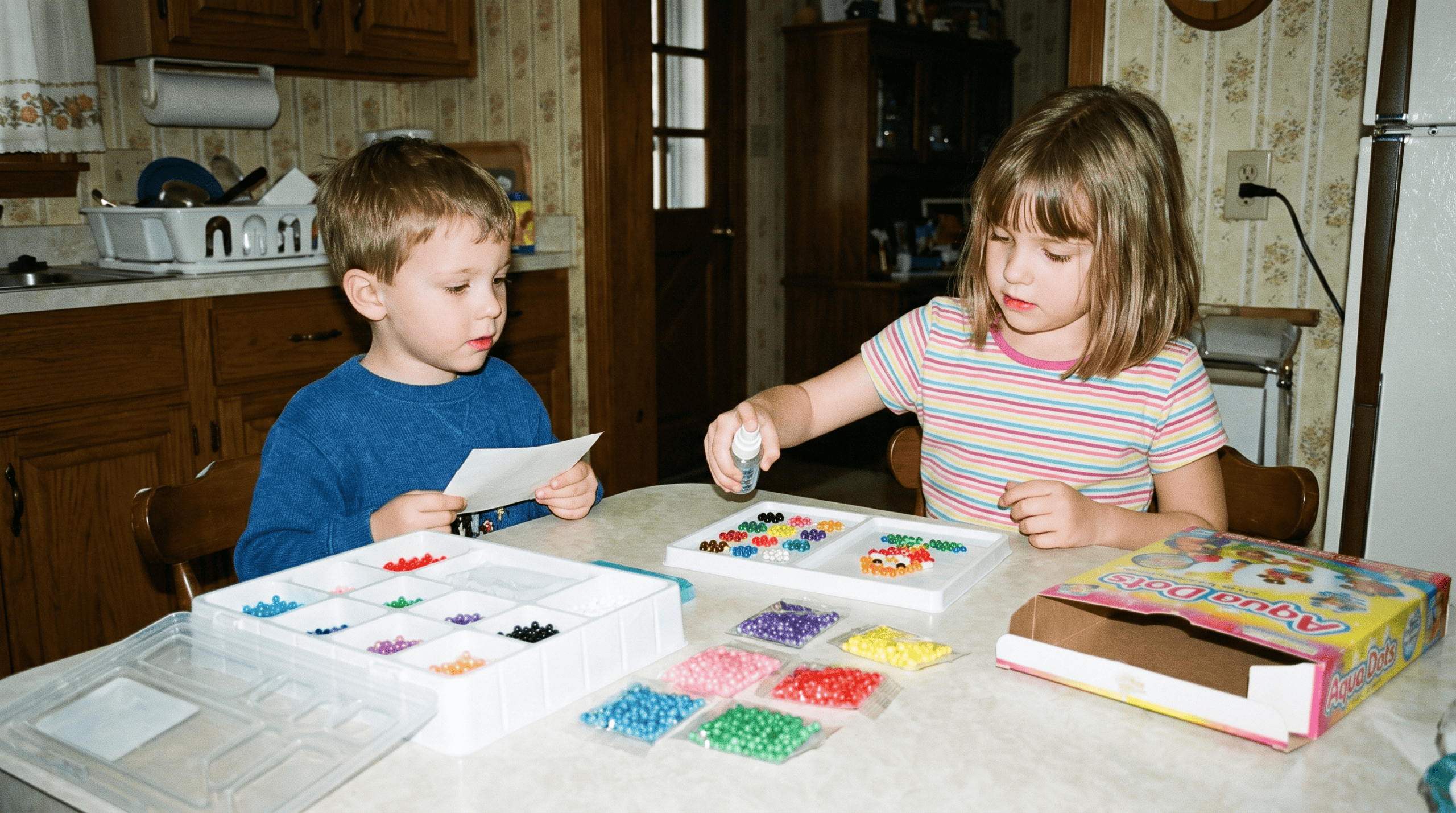
Children used this arts and crafts kit to create designs with multicolored beads and melt them together by spraying them with water. By mistake, the company accidentally substituted a safe chemical compound with an industrial chemical that converted into GHB, which acts as a central nervous system depressant.
Millions of kits were recalled forever in 2007 after several children became comatose from ingesting the beads.
Cabbage Patch Kids Snacktime Kids
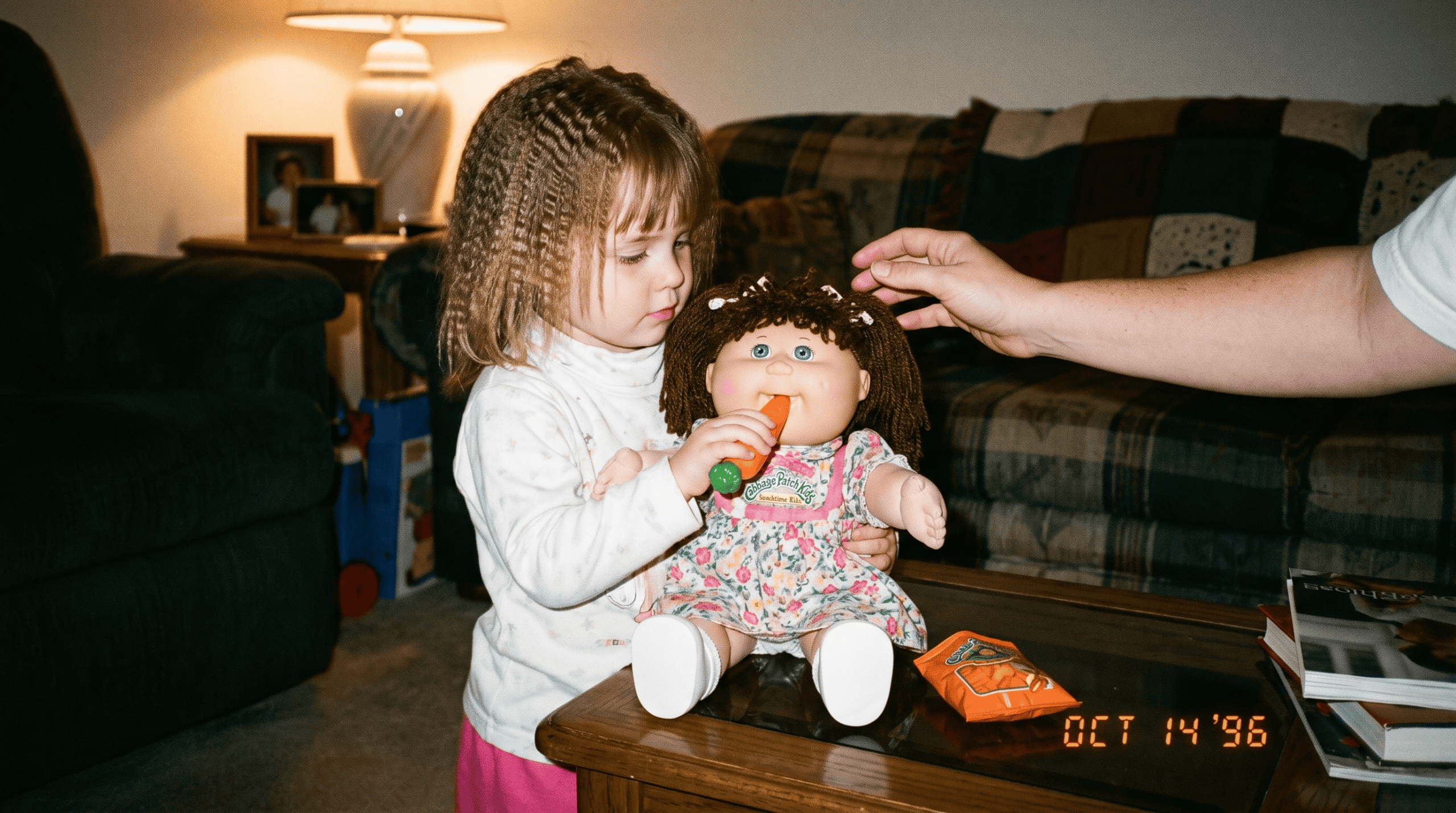
This toy debuted in 1996 as a robotic doll with mechanical rollers in its mouth that would grab and “eat” plastic snacks. There was no off switch or sensor, so kids often had their hair or fingers sucked into the mouth and chewed down to the skin and scalp.
After several incidents where kids lost chunks of hair and had to visit the ER, Mattel discontinued the toy in 1997.
Battlestar Galactica Colonial Viper (1978)
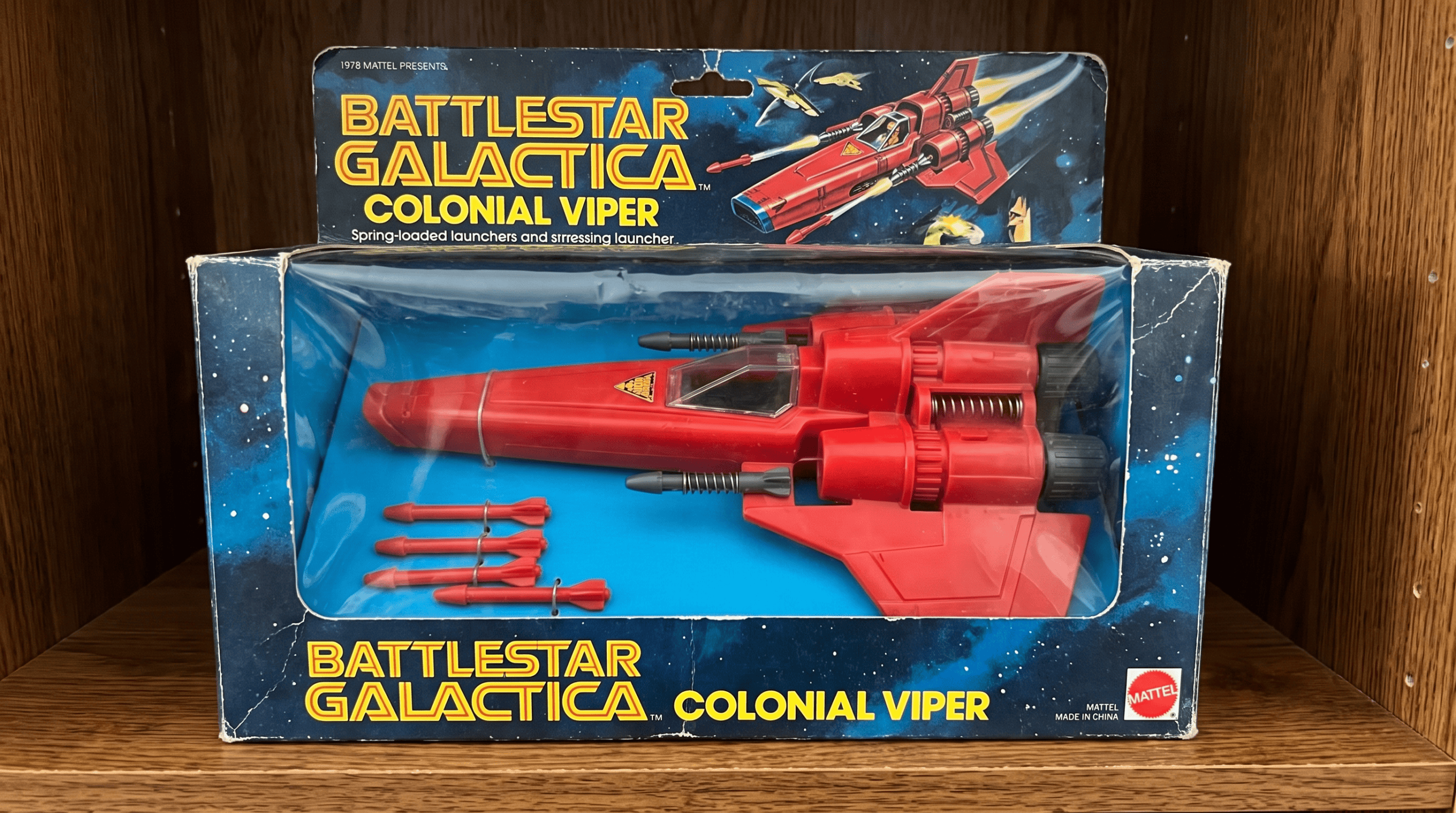
After the explosive success of Star Wars, Mattel started selling spaceships that shot small spring-loaded missiles made out of plastic. But what should have been an amazing toy became a deadly tragedy when a four-year-old boy swallowed one of the tiny missiles.
It became lodged in his throat and he choked to death. A huge recall of the toy ensued, and this incident became the root cause of the choking-hazard labels found on every toy you buy today.
Austin Magic Pistol
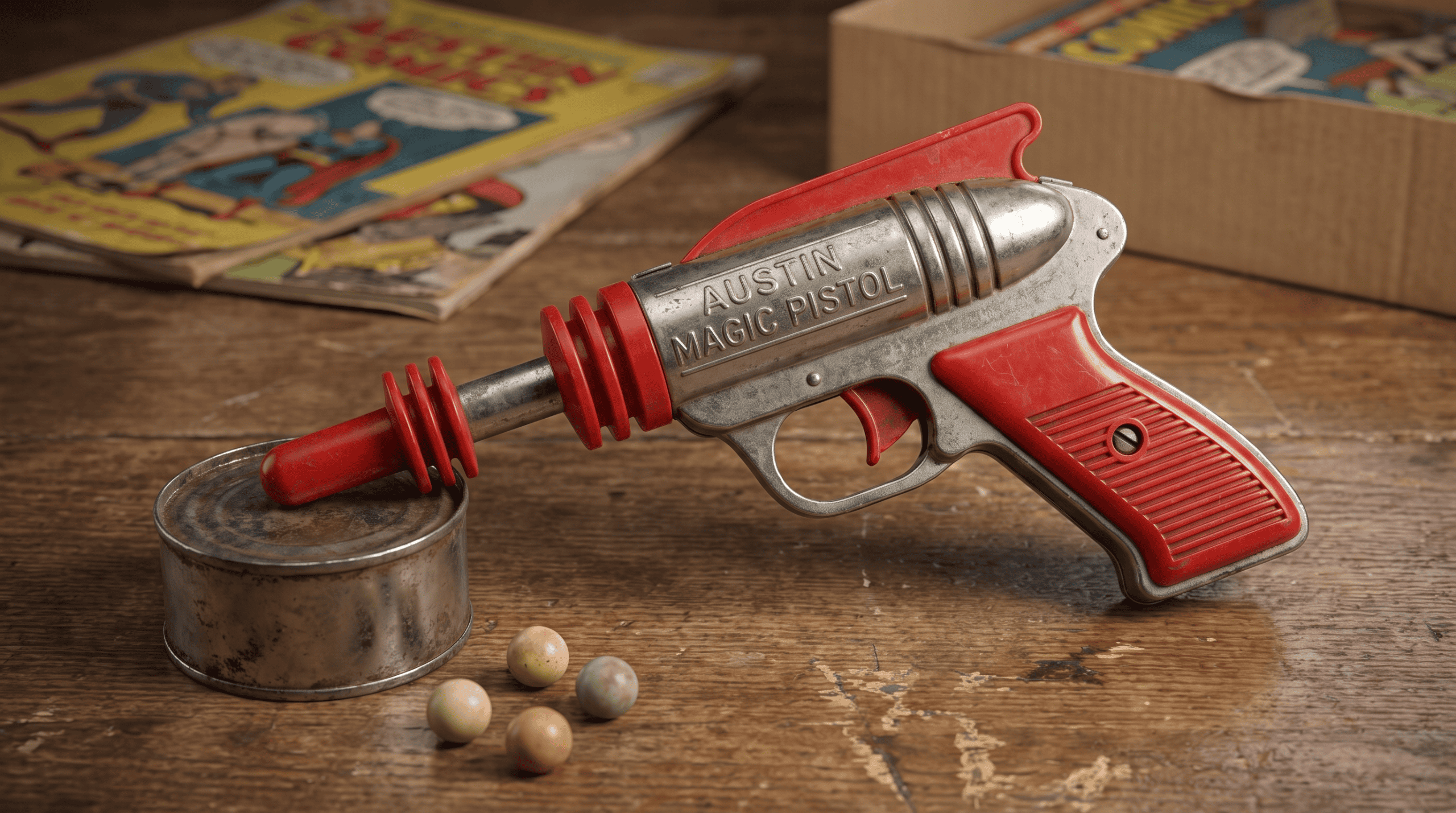
The Austin Magic Pistol was a toy from the 1950s that shot real fireballs. It used a chemical reaction of calcium carbide and water to ignite an explosion of acetylene gas.
The explosion caused a loud bang, which would shoot a plastic ball into the air. The toy was recalled and banned by hazardous materials laws. Children were at risk of serious facial burns if the gun exploded.
Sky Dancers
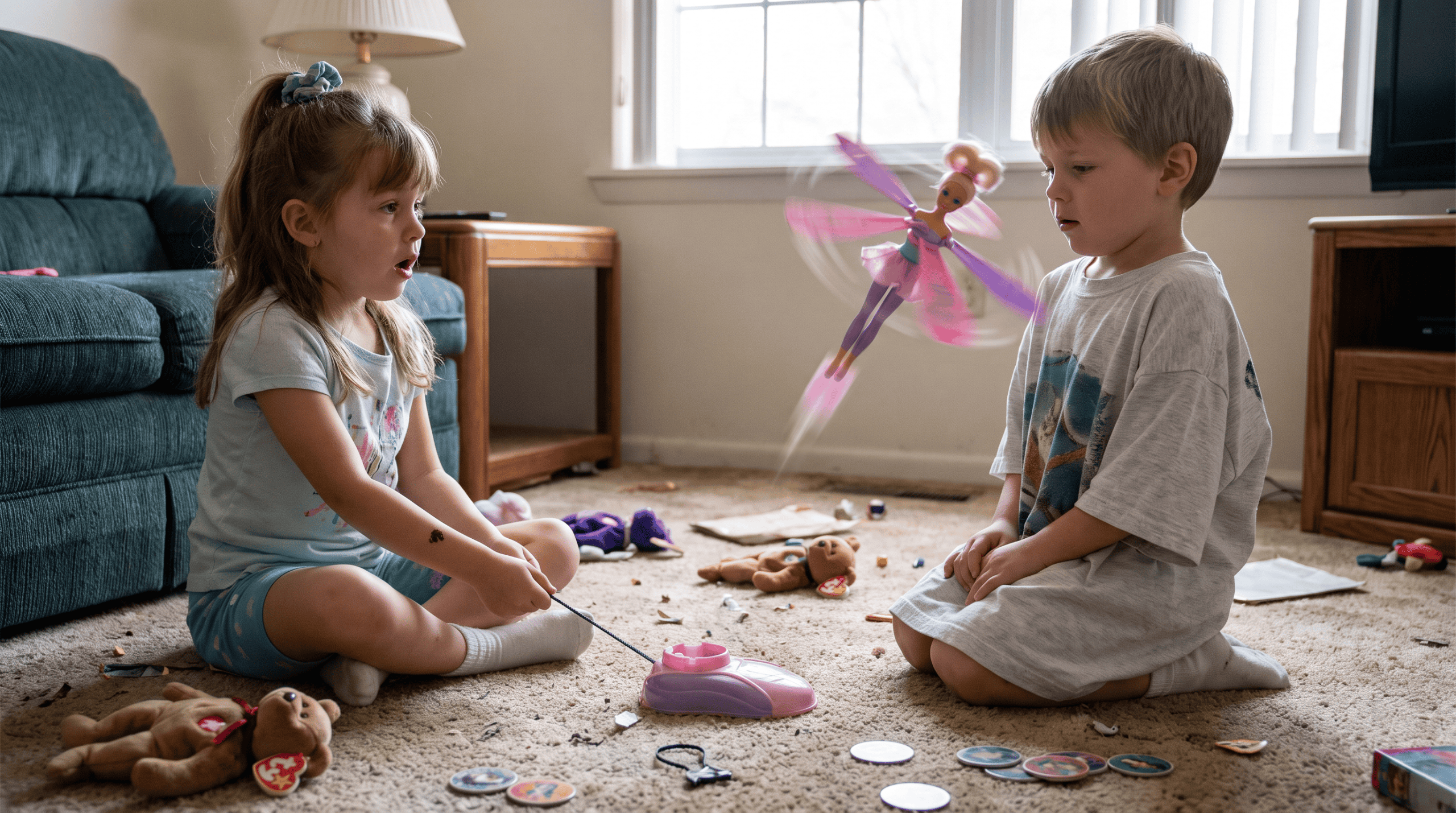
Beloved flying dolls from the 1990s launched themselves from a base at great speed after children pulled a cord in the center. The toy’s spinning plastic wings were unpredictable, often launching straight into kids’ faces.
Children suffered scratched corneas, chipped teeth, facial lacerations and other injuries. Regulators recalled nearly nine million toys after receiving over 170 reports of injuries in 2000.
CSI: Fingerprint Examination Kit
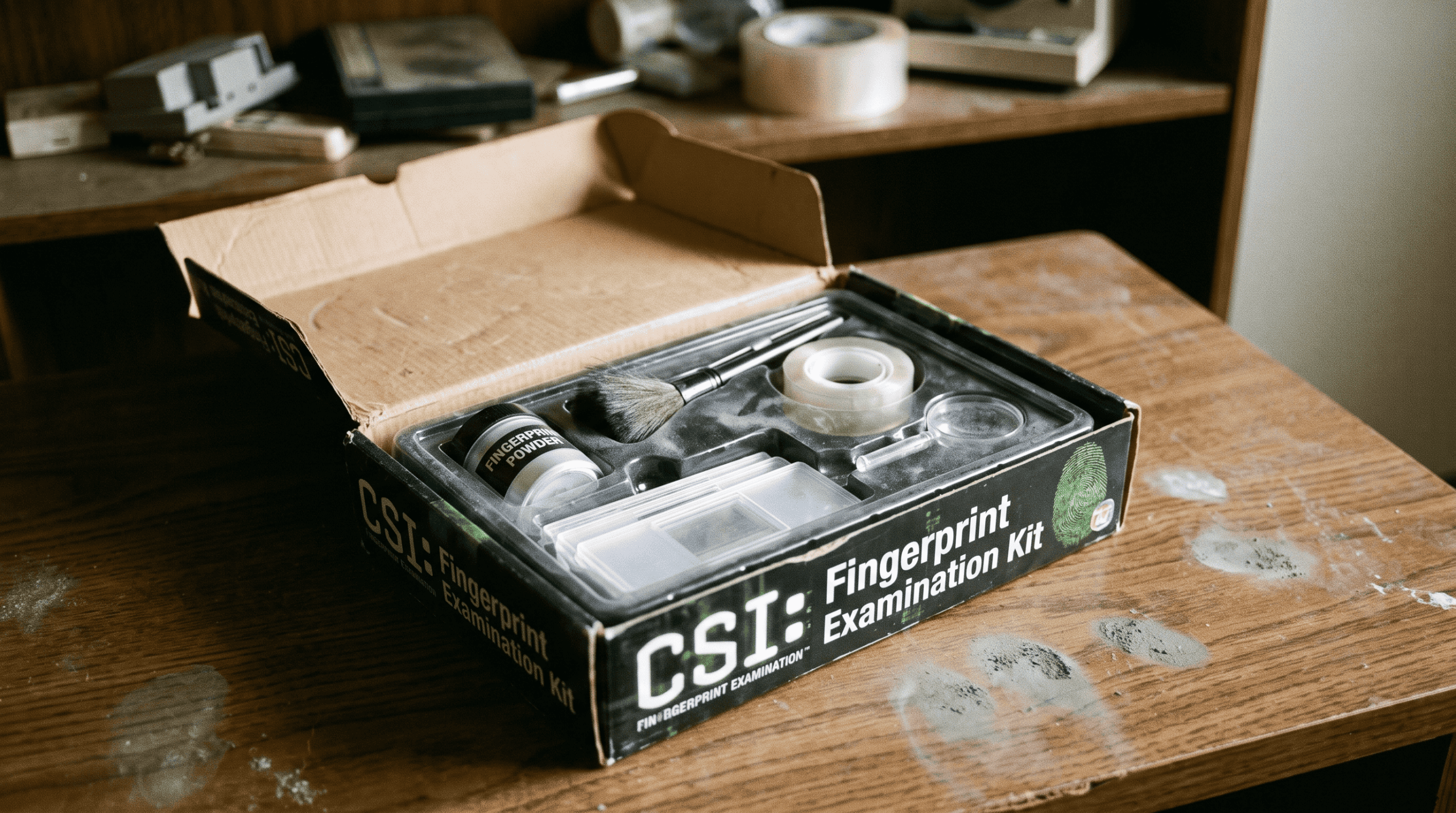
Inspired by the crime TV show phenomenon, the 2OO5 kit came with fingerprint powder so kids could dust surfaces around their house. Subsequent tests found up to 7% of the kit’s fingerprint powder was toxic industrial asbestos.
Asbestos is a carcinogen that can cause lung cancer and mesothelioma. The company declared bankruptcy after issuing a worldwide recall and facing class-action lawsuits.
Buckyballs (Neodymium Desk Toys)
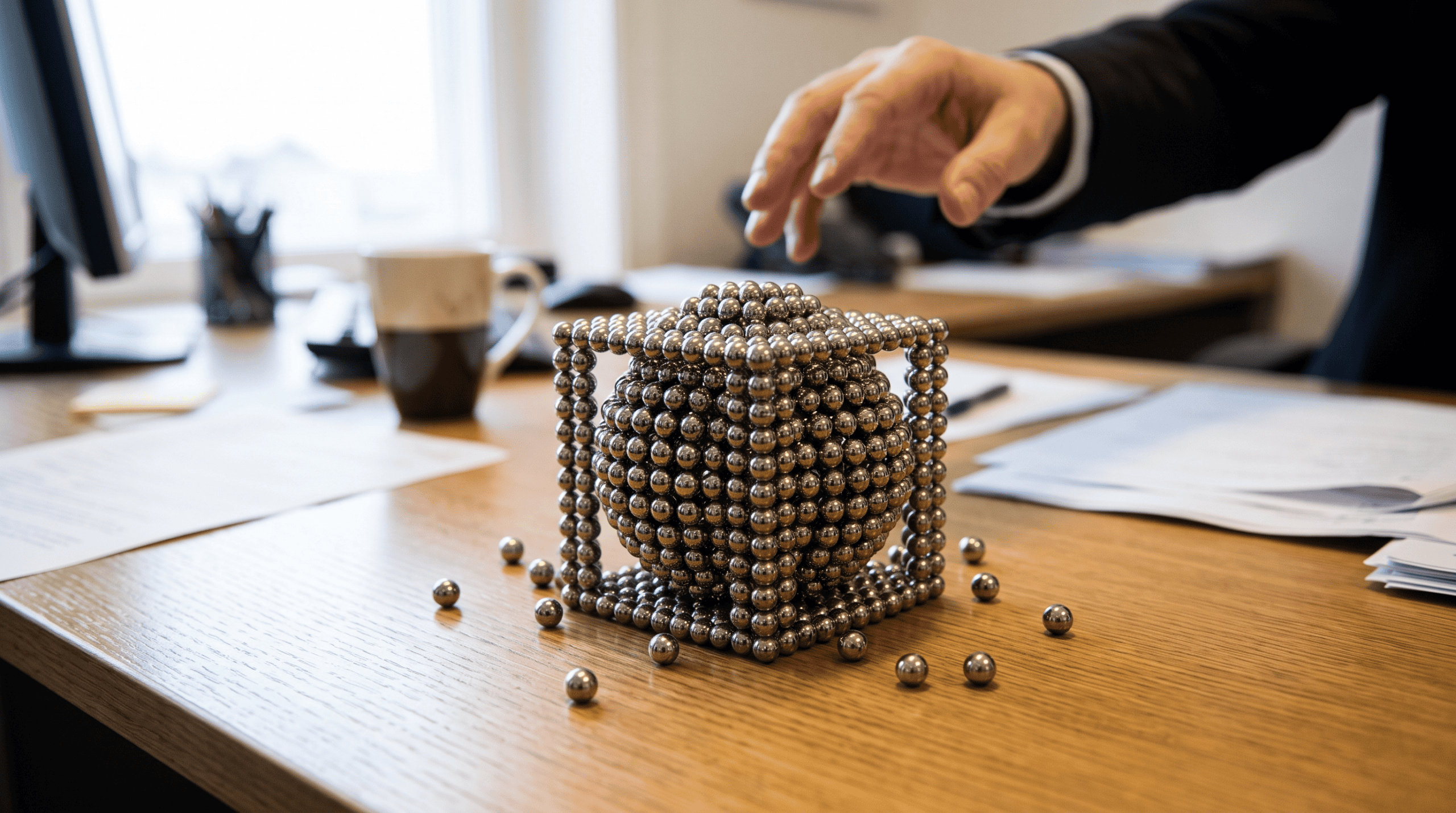
Marketed mainly to adults as desk toys, sets containing numerous small powerful magnets eventually found their way into the hands of kids and teenagers.
Accidental ingestion of multiple magnets led to the magnets attaching to each other in the gut, perforating internal organs. Regulatory agencies had to fight years of litigation before they were banned and deemed unsafe to sell loose high-powered magnets in sets.
Creepy Crawlers / Thingmaker
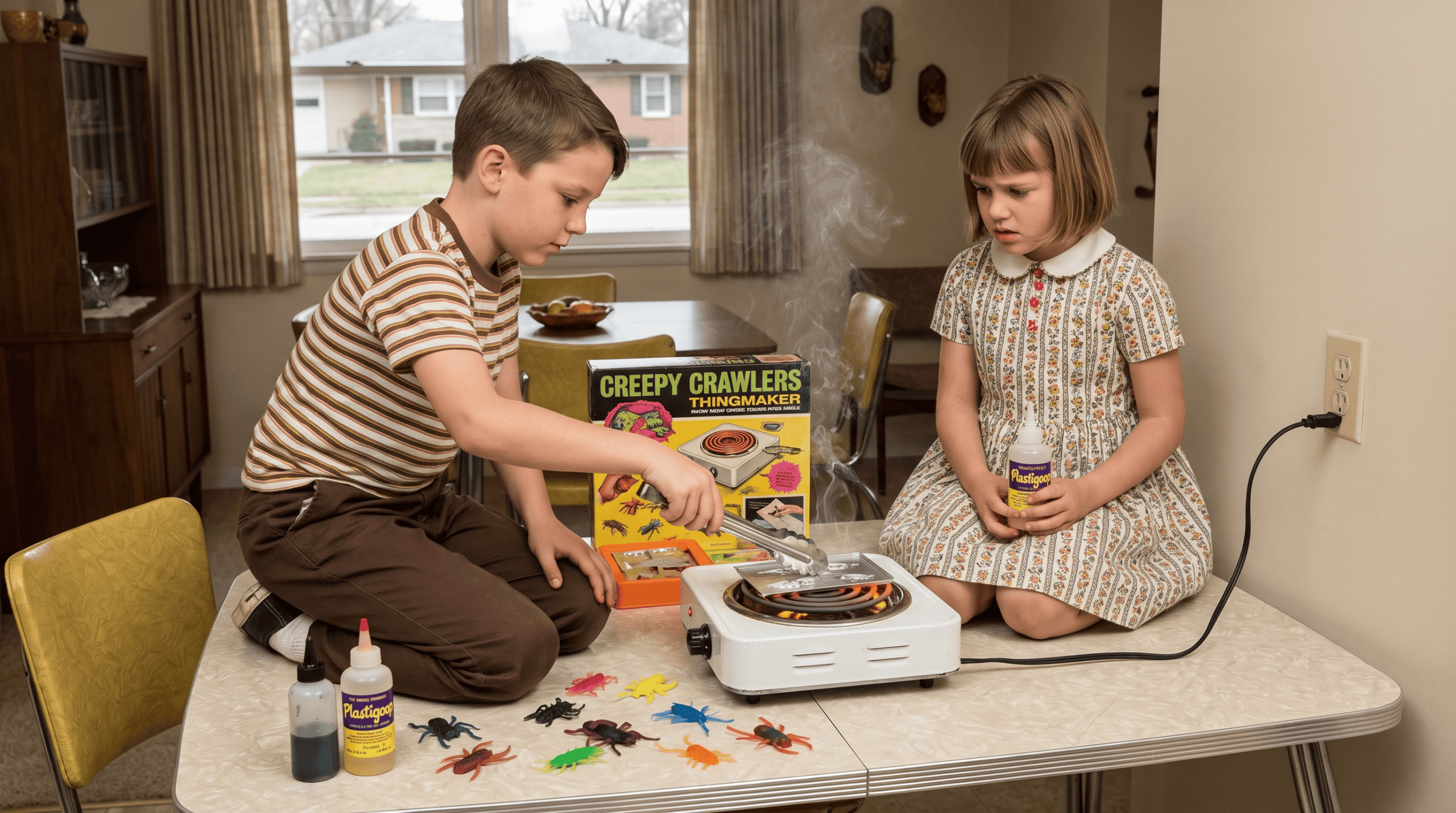
Using the original 1960s model of this toy, children would pour liquid plastic into a thin metal mold. These molds were then stuck onto a preheated plate which exceeded 300° F (150° C).
With no barrier between the element and the child, direct contact risked third-degree burns, while heating plastic inside caused strong chemical fumes to fill homes. Agencies cracked down on companies to update the toy with an enclosed heating unit internally.
Sources: Please see here for a complete listing of all sources that were consulted in the preparation of this article.
Like our content? Be sure to follow us.