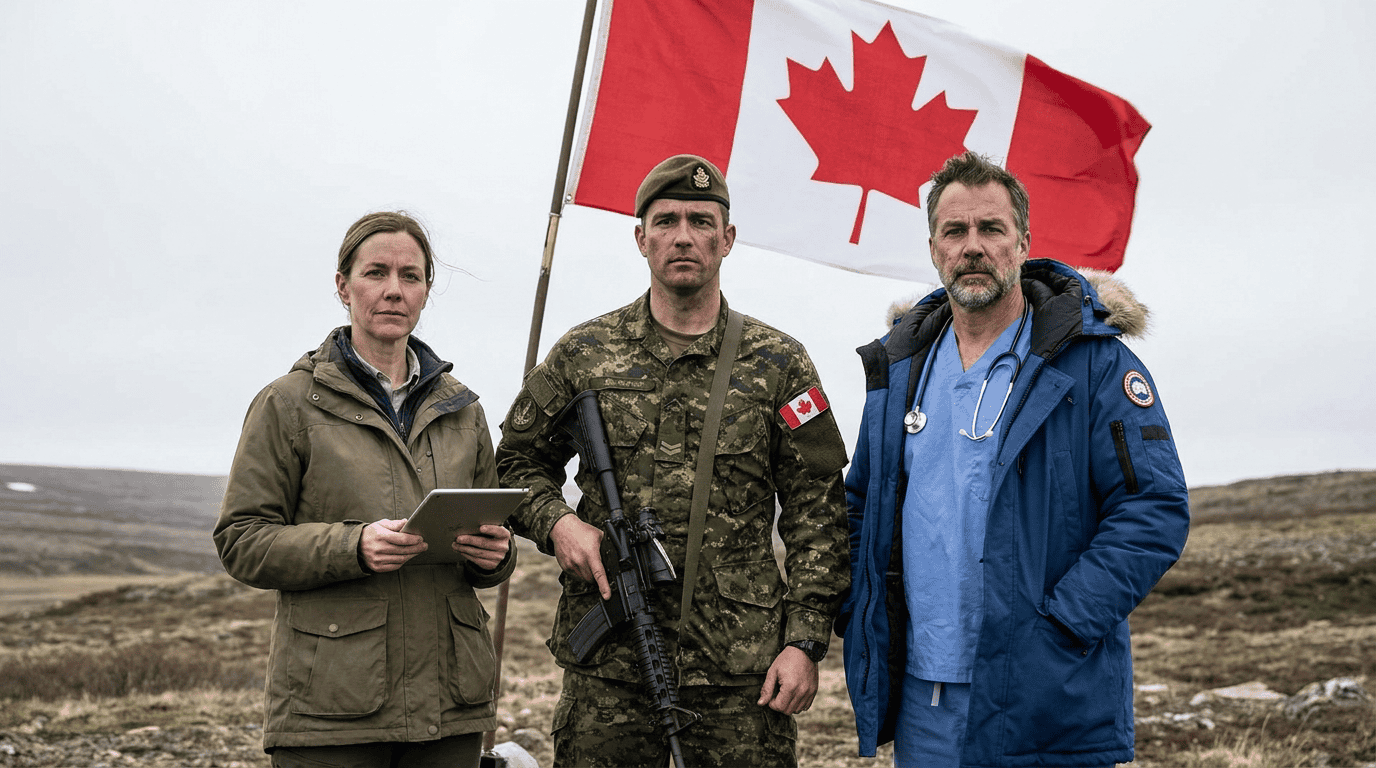
Canada has quietly innovated simple solutions to daily life problems so well that other countries ended up borrowing them or wishing they had done it sooner.
Global time chaos
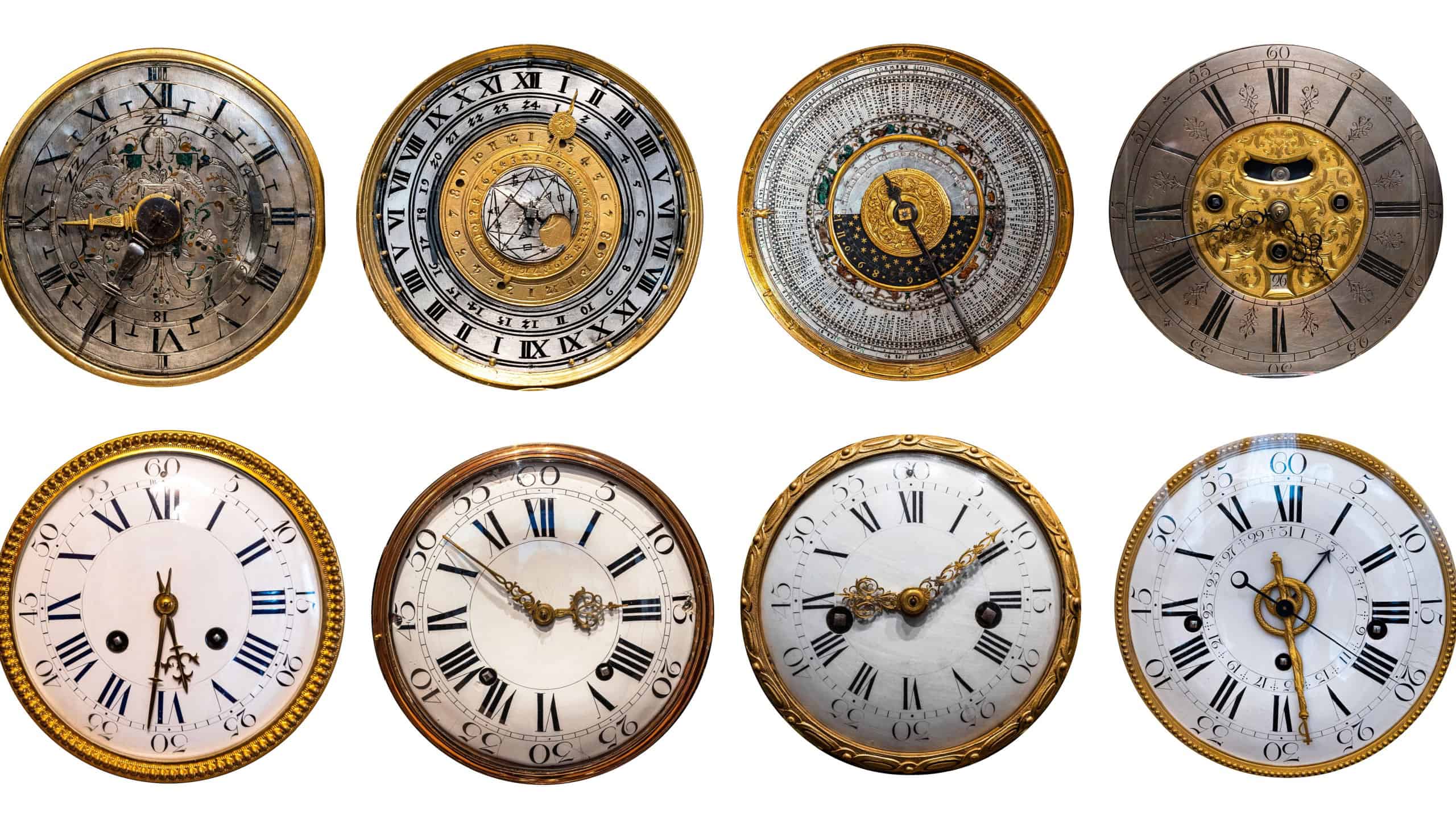
Prior to the late 1800s, towns around the world kept their own time based on when the sun reached its zenith. With thousands of conflicting times worldwide, this system made railway timetables virtually impossible to manage.
Scottish Canadian engineer Sir Sandford Fleming put an end to time chaos when he invented standard time and devised a world time zone system divided into 24 one-hour blocks. Implemented globally in 1884, his genius idea forever revolutionized modern international travel, trade, and communication.
Park mismanagement

Although America established the world’s first national park, Canada became the first country to establish how to properly maintain national parks under one program.
In 1911, the federal government created the Dominion Parks Branch (now called Parks Canada), which led to the world’s first national park service agency. Ever since then, they’ve created a template other countries would follow in wilderness conservation with public tourism.
Diabetes mortality

Before the early 1920s, most patients diagnosed with Type 1 diabetes didn’t live very long; medical science at the time had no way to halt the progression of the disease.
Researchers at the University of Toronto in Canada, Frederick Banting and Charles Best, discovered how to extract insulin. They developed it into a treatment that could help diabetics and sold the rights to their university for $1 each.
Heart failure

In the mid-twentieth century, doctors had no easy way to keep a suddenly stopped heart beating during a cardiac arrest or complicated surgery.
In 1950, Canadian electrical engineer John Hopps invented the first external artificial pacemaker. The device uses electrical impulses to trigger heart muscle movements. His original model paved the way for modern, implantable pacemakers that save millions of lives every year.
Blind navigation

For decades, blind people had to use typewriters or rely on others to transcribe printed text so that they could read and write day-to-day text. In 1972, Galarneau changed everything by inventing computerized Braille.
Through his innovation of a machine that transformed traditional digital text into tactile Braille writing, he unlocked new opportunities for independence in education and the workplace for blind people all over the world.
Ozone depletion

By the mid-1980s, researchers learned that human-produced chlorofluorocarbons or CFCs (used primarily in household refrigerators and aerosol sprays) were creating a hole in the Earth’s ozone layer.
Canada led the world by convening diplomats and facilitating the Montreal Protocol in 1987. Endorsed by every country on Earth through the United Nations, the treaty phased out the ozone-depleting chemicals and placed our planet’s ozone layer on track for full recovery.
Food preservation

During the post-war industrial boom, food manufacturers needed a fast method to dehydrate potatoes for easy storage. However, everything they tried either took too long or ruined the potatoes’ taste.
In 1962, Canadian inventor Edward Asselbergs changed everything by patenting a process to make dehydrated potato flakes. This led to the development of instant mashed potatoes that we know today and transformed food rations around the world.
Acid rain

In the 1980s, North American smokestack industries were pumping sulfur dioxide skyward, transforming rain into toxic acid that was literally killing lakes and forests. Canada led the world in responding to this ecological assault by aggressively limiting domestic emissions and by diplomatically pressuring other countries to do the same.
Our efforts eventually culminated in the landmark 1991 Air Quality Agreement (also known as the Acid Rain Treaty), which brought an end to thousands of ecosystems being destroyed by acid rain.
Digital camouflage

The early camouflage patterns featured blobby swirls of organic shapes. These patterns did not hold up under then-contemporary high-tech military night vision scopes.
Canada led the way as the first military to field a pixelated camouflage in 1997 when they adopted CADPAT, the first digital camouflage pattern designed on a computer. The grid-like pattern was so effective at confusing digital scanners when depicting human silhouettes that the United States, as well as NATO organizations, followed suit.
Winter mobility

Living in northern rural communities used to mean getting completely cut off from civilization each winter, as cars and sleds could not travel on roads deep with snow.
Joseph-Armand Bombardier, a Quebecer, put an end to these town-wide isolations by inventing the snowmobile in 1937. The large passenger machine would later develop into the sleek recreational snowmobile used to zip around snowy terrain today.
Battery leakage
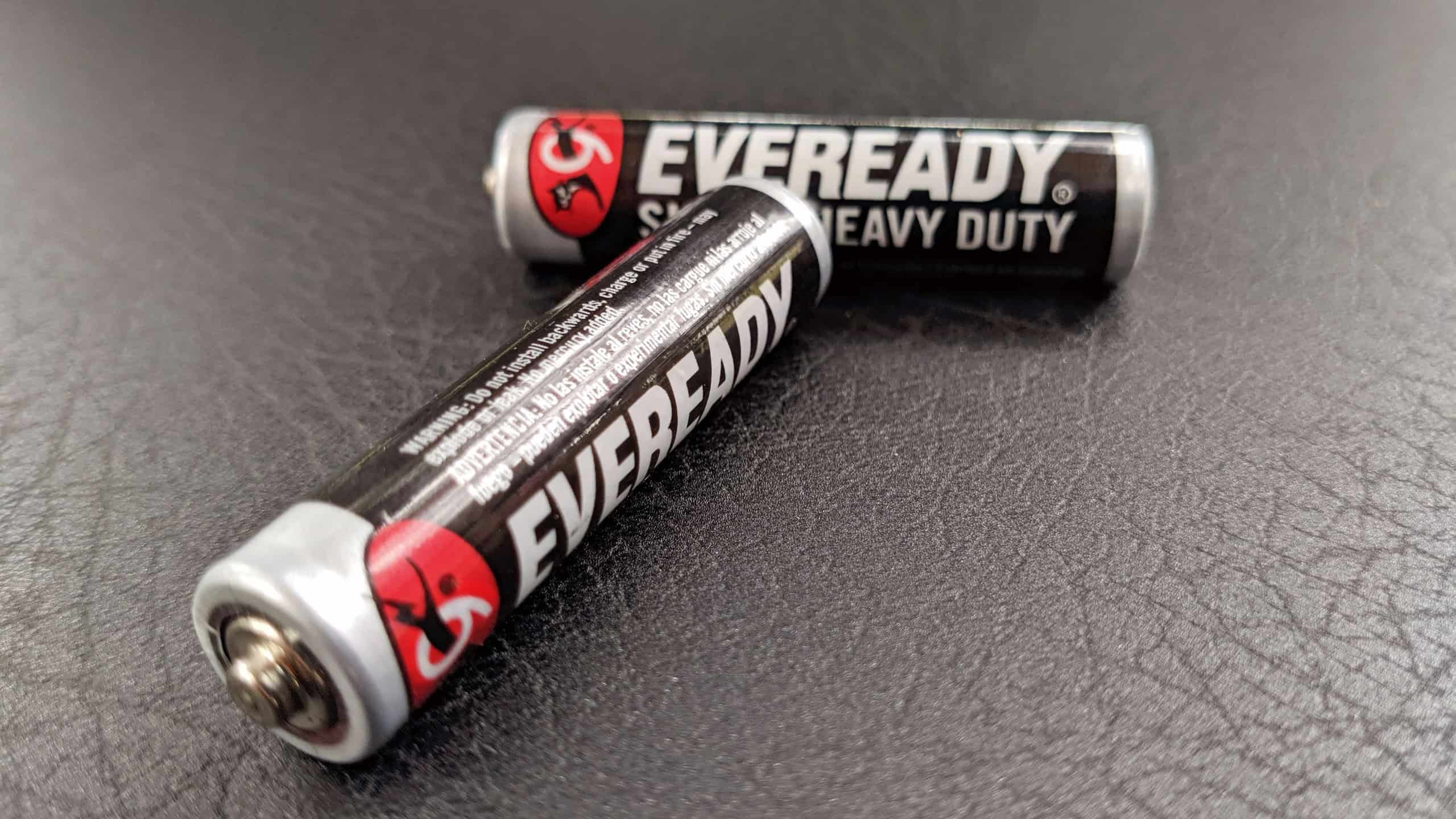
Early electronic gadgets were limited by outdated zinc-carbon batteries. Not only did they run out quickly, but the batteries often leaked a destructive acid.
In 1954, Canadian chemical engineer Lewis Urry, while working for Eveready, invented the alkaline battery. It lasted significantly longer than previous batteries and created a steady flow of power, allowing for what would become the portable electronics industry.
Sources: Please see here for a complete listing of all sources that were consulted in the preparation of this article.
Like our content? Be sure to follow us.