Restaurant menus are full of dishes that sound and look amazing, but professional chefs avoid ordering them at restaurants for themselves because they are often overpriced, inconsistent, or not as fresh as customers think.
Hollandaise sauce
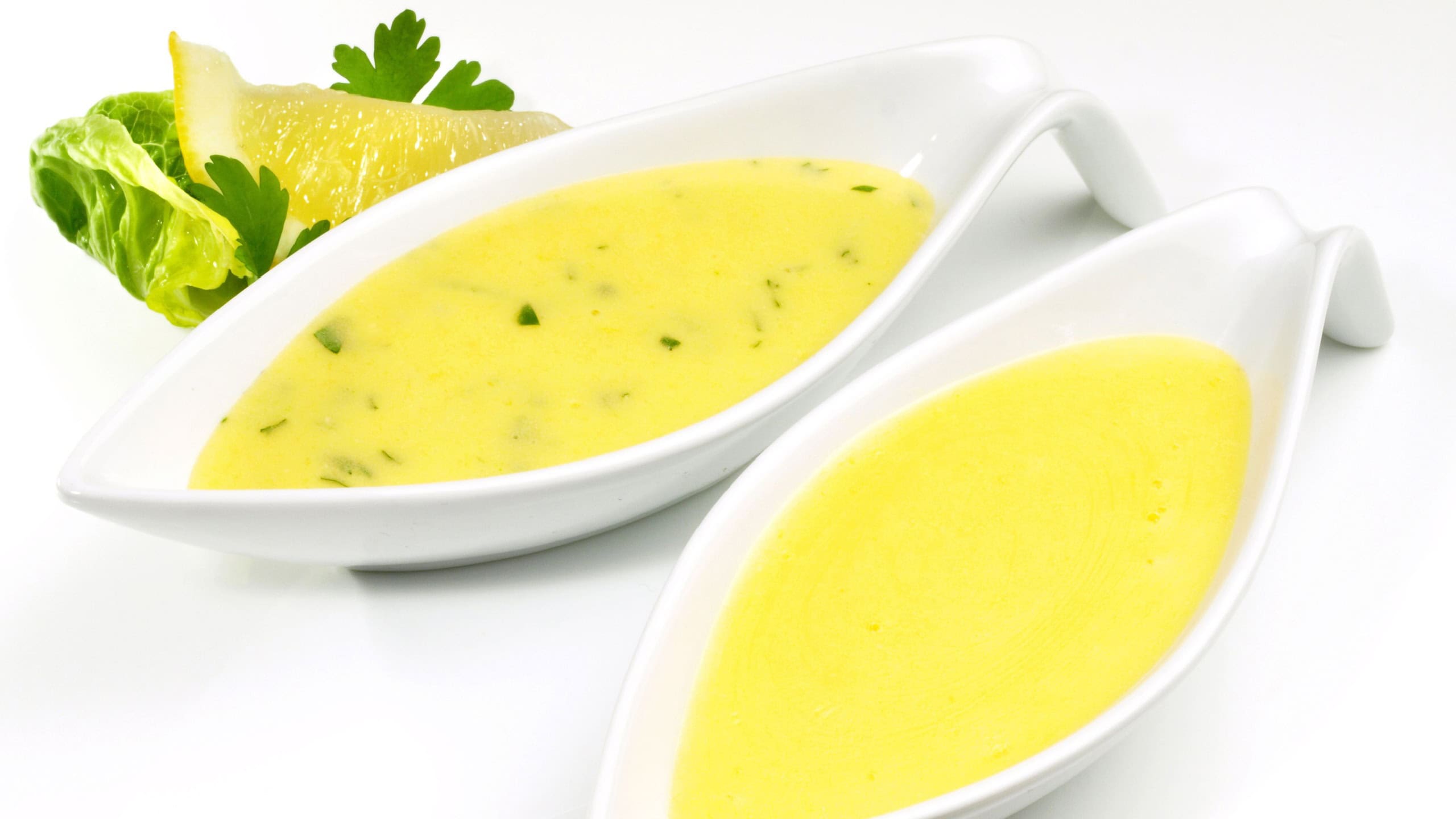
Hollandaise is actually a huge warning sign for food safety nerds. The rich sauce is made with raw egg yolks and warm butter that needs to be maintained at a very particular, lukewarm temperature; if it gets too hot, the sauce separates or curdles.
But that ideal lukewarm temperature happens to be also perfect for growing dangerous bacteria. If the restaurant kitchen is busy, that hollandaise could be sitting out on the counter for hours, increasing your eggs Benedict’s chance of food poisoning dramatically.
Monday fish specials
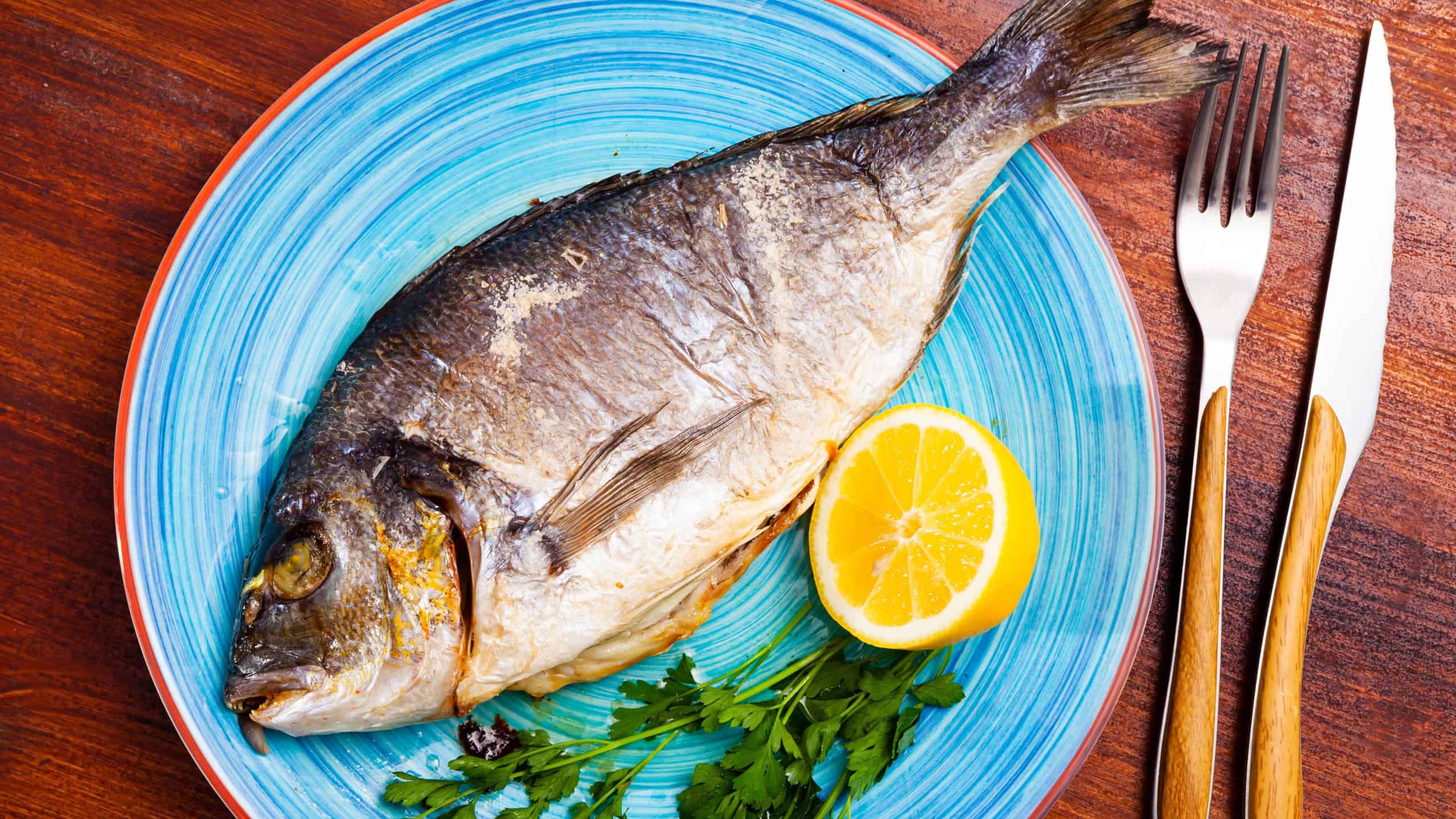
Unless you’re at an upscale seafood restaurant that gets daily morning deliveries, never order the fish special on Monday nights. Restaurant suppliers usually don’t deliver fresh seafood over the weekend, so the kitchen is likely to work with whatever fresh ingredients came in on Thursday or Friday.
Monday night is when that fish is nearing the end of its usable life and chefs will doctor it up with heavy seasonings as a chef’s special or dump it into a pasta to get rid of old inventory.
Soup du jour
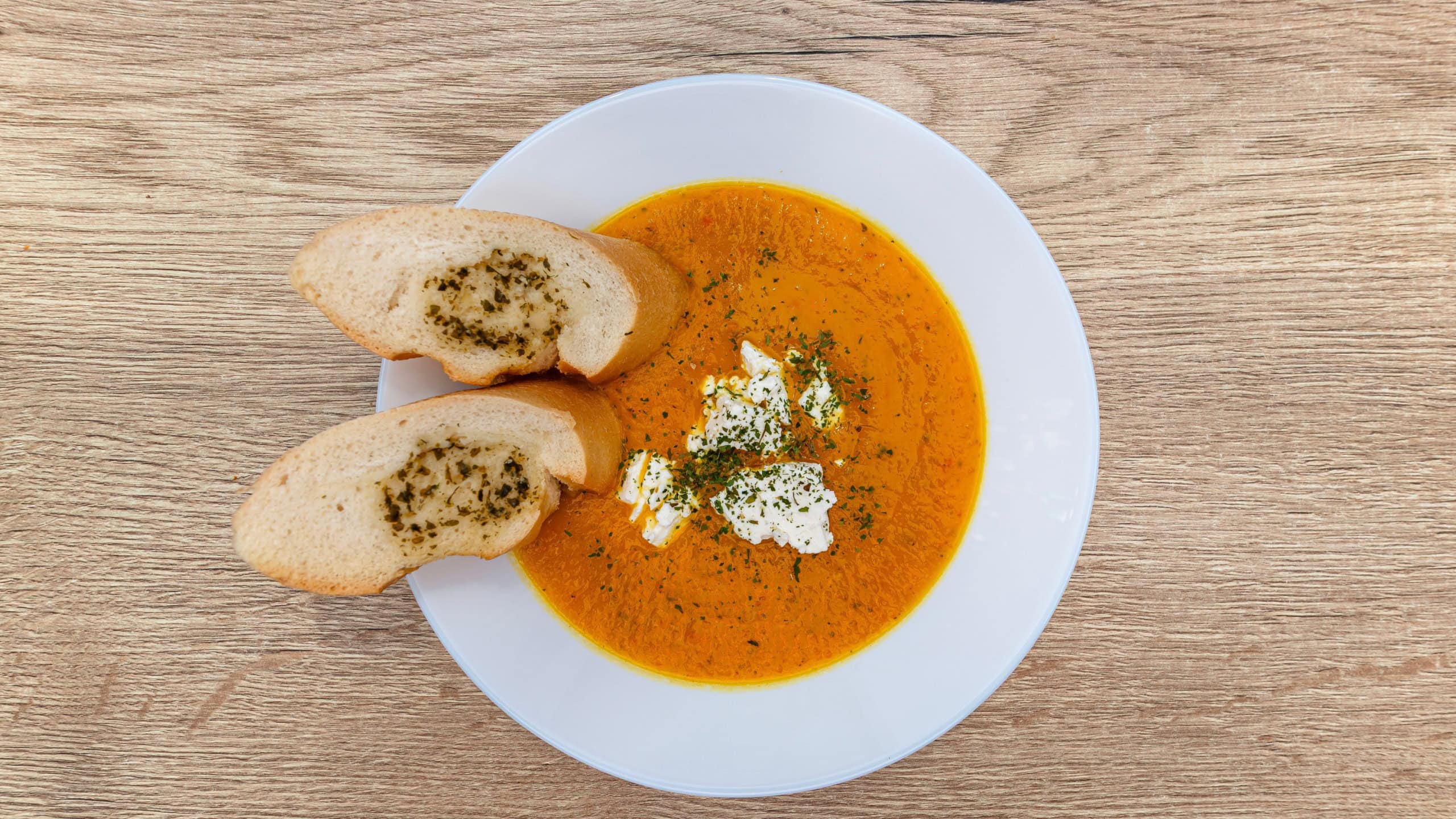
Soup of the day may sound appetizing and creative, but some chefs refer to it as the kitchen’s garbage disposal. It is an easy way to throw together random leftover ingredients from the past couple of days that are about to spoil.
If a restaurant served roast chicken and vegetables on Friday, there is a good chance that you’re eating the same chicken and vegetables mixed into a broth on Sunday night.
Truffle oil
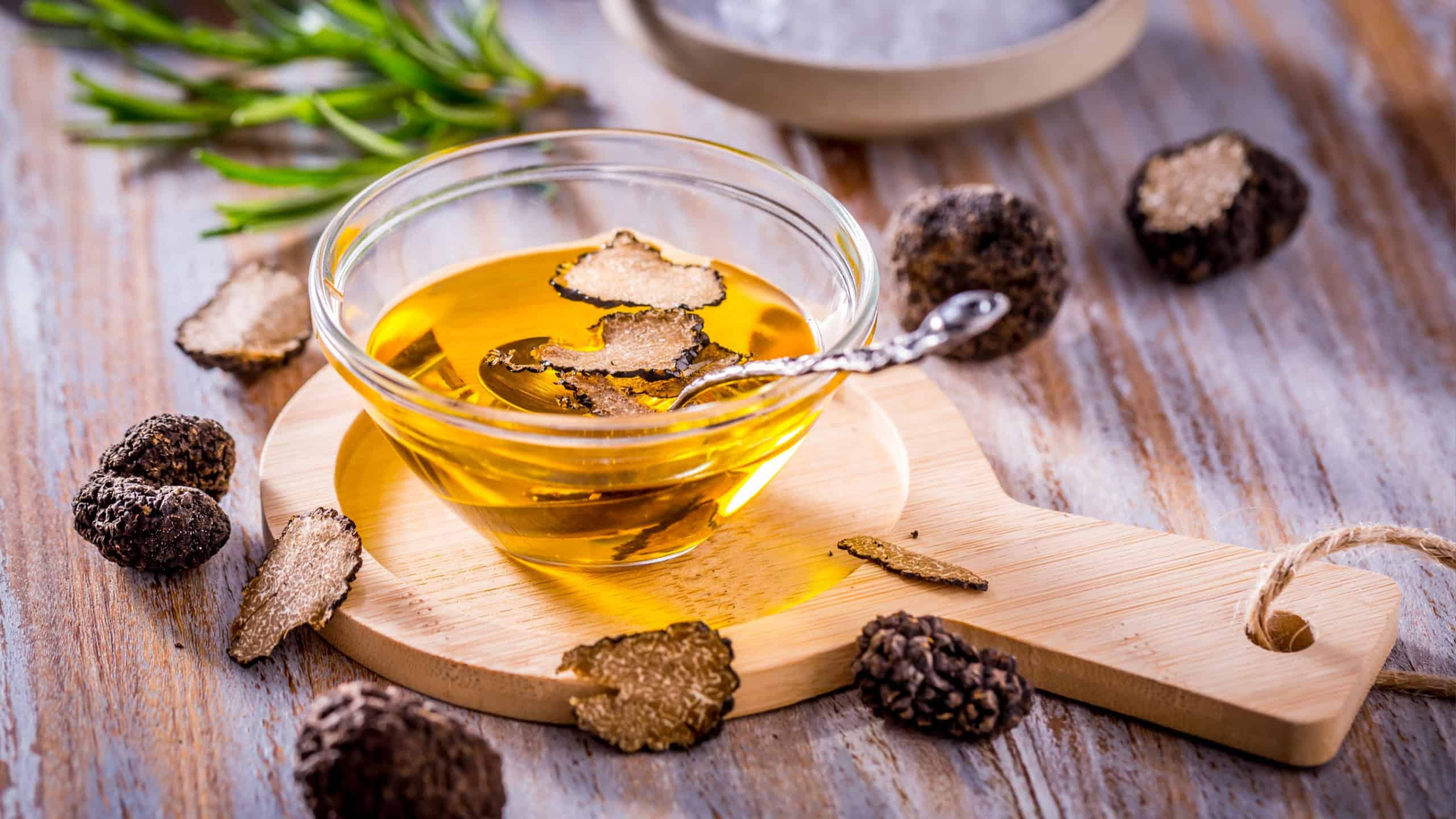
Restaurants aren’t shy about adding eight to ten dollars onto your bill to splash some truffle oil on top of your burger, fries, or pasta. The catch is that chefs universally avoid these items since there are zero real truffles in commercial truffle oil.
It’s a completely manufactured chemical concoction distilled and dropped into inexpensive olive or canola oil to smell like truffles. Most chefs think of it as an offensive perfume hoax that overpowers the dish instead of elevating it as a luxury ingredient would.
Well-done steak
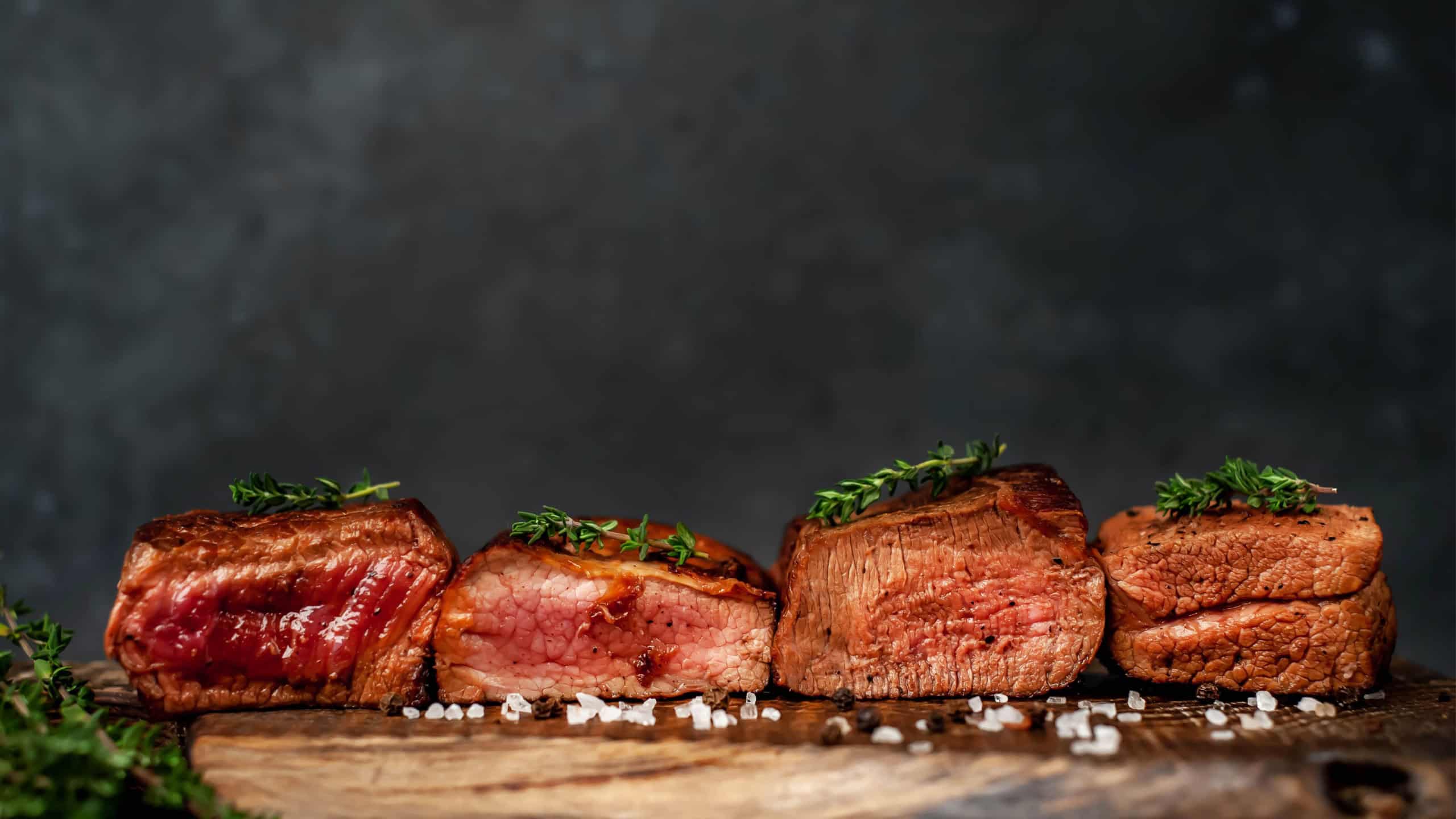
Ordering a pricey cut of meat cooked well-done is basically asking the chef to destroy it. When someone orders their steak well done, line cooks will intentionally dig through their inventory to find the smallest, toughest cut of meat because all the subtle flavors and tenderness will be cooked right off. You’re just paying a lot of money for a dry, tough piece of meat.
Out-of-niche dishes
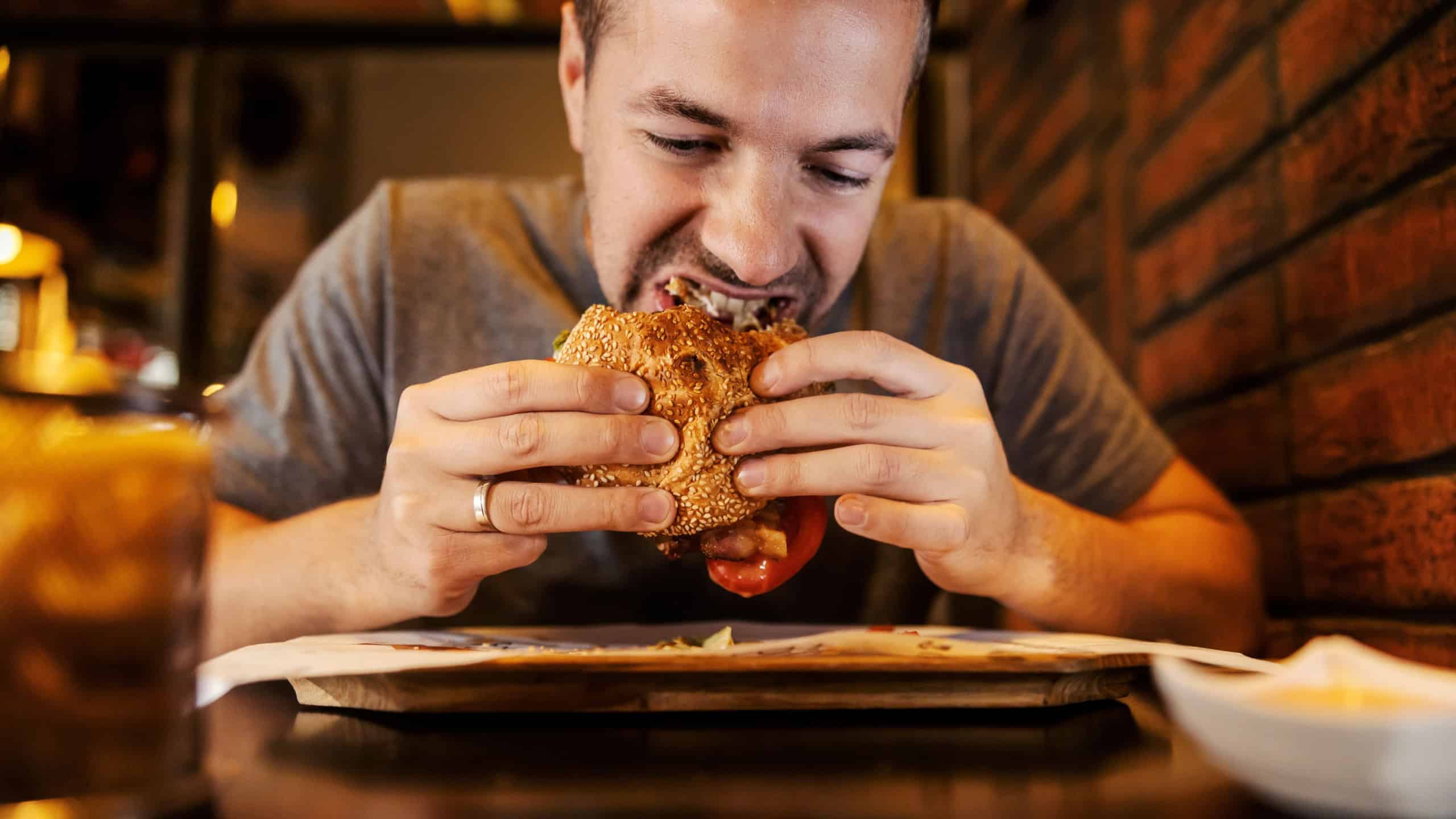
Asking a restaurant to cook a dish completely unrelated to their identity is a surefire way to be served a bad meal. Get pasta at a traditional steakhouse or a chicken sandwich at a seafood spot and you’re asking the kitchen line cook to execute something they probably haven’t made in weeks, if not months.
Ingredients for low-volume menu items like these tend to take up residence in fridge drawers for longer, and cooks might even struggle to remember how to make them, leading to a disappointing plate.
House salads
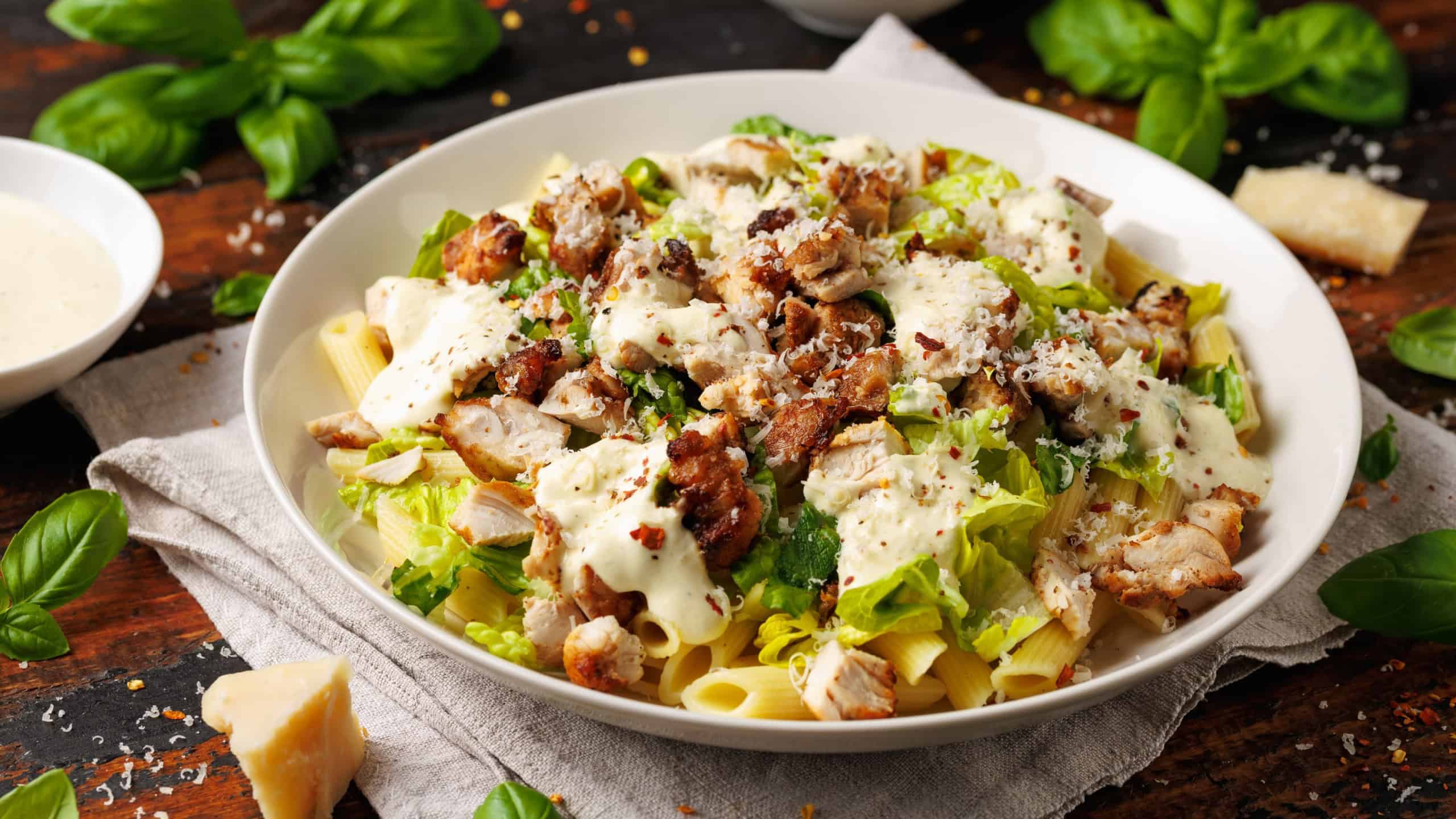
When dining out, people will often get a basic house salad because it feels light and like a safe option. But chefs advise against this.
Because house salads are inexpensive and usually ordered in large volumes, prep stations use them to dispose of wilted outer lettuce leaves or vegetable scraps from other menu items. To cover up the lack of freshness, they’ll dump store-bought creamy dressing all over it and ruin your salad.
Bargain sushi
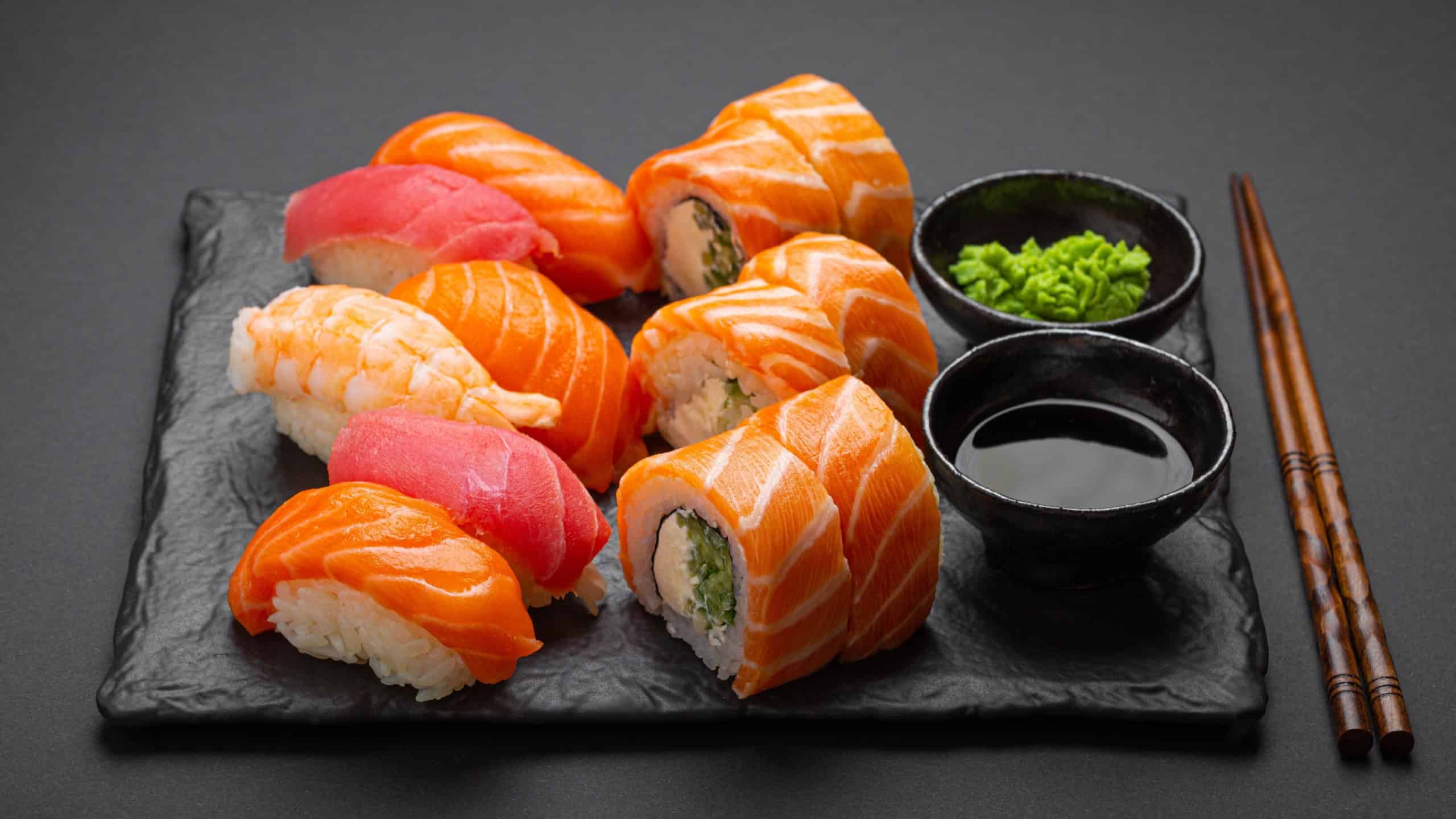
When it comes to eating raw fish, searching for a cheap deal or a discount is incredibly dangerous. Quality sushi-grade seafood costs restaurants a lot of money to procure, transport, and store safely.
If your sushi restaurant is advertising cut-rate sushi specials or all-you-can-eat bargains for a price that seems too good to be true, they are likely skimping on either the quality (and sustainability) of the fish they use or skipping important safety/storage protocols.
Chicken breasts
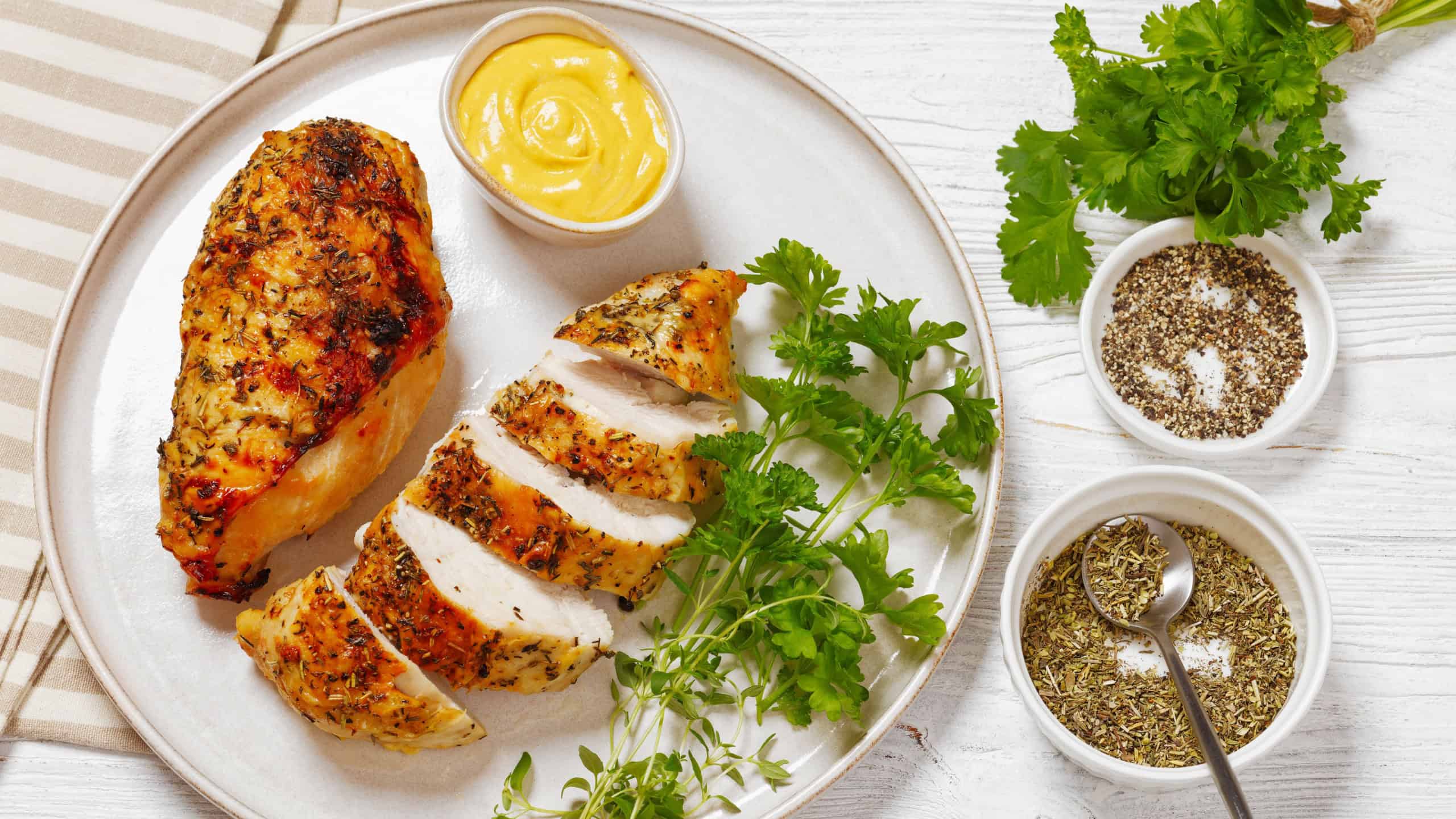
Chicken is one of those popular menu standards that everyone likes. But professional chefs almost never order chicken breasts when they go out.
Since it needs to be cooked all of the way through in order to avoid salmonella poisoning, busy line cooks will often overcook it just to be safe. You’re then stuck with a dry, chewy, completely tasteless piece of white meat that you could have surely whipped up better at home yourself.
Massive menus

Menus that have everything from tacos to sushi, pizza, burgers, and stir-fry on the same page are pretty much the restaurant equivalent of a big red flag for chefs. Kitchens can’t physically store that many fresh ingredients for every dish all at once.
If a menu is large enough to contain every type of food known to man, then it also means that the majority of their food is probably frozen, pre-made, and then zapped in the microwave or thrown in a deep fryer before it hits your table.
Like our content? Be sure to follow us.