
Canada’s insurance system looks familiar on the surface to most Americans. But it’s the specific details that trip them up because a lot of the basics work quite differently from south of the border.
Here are eleven Canadian insurance rules that confuse many Americans. Have you ever been surprised by these?
Auto insurance rules change by province

Most Americans know that insurance rules differ in each province because they also differ in each state. But they may not realize how different these rules can be.
Provinces like British Columbia & Manitoba require drivers to get basic auto insurance only from government-run insurers. It’s the complete opposite in Alberta or Ontario, where you get insurance from private companies.
B.C. builds liability into basic insurance

Basic Autoplan insurance is a legal requirement in British Columbia. It automatically includes $200,000 in third-party liability insurance, and should you want more, you have to buy extra coverage separately.
You can either get it from ICBC or another insurer. It can be quite confusing for some Americans because they’re used to choosing one liability limit inside a single private policy, rather than anything layered.
Saskatchewan defaults you into no-fault

Drivers in Saskatchewan are automatically enrolled in a no-fault injury system when they get auto insurance. The right to sue, known as tort coverage, is something you must opt in for & file paperwork for.
It’s the opposite in the majority of America. Most states give drivers the right to sue unless they waive it, instead of the other way around.
Ontario requires accident benefits

Each auto insurance policy in Ontario has to include accident benefits. It doesn’t matter whose fault it was. The benefits fall under the Statutory Accident Benefits Schedule, and they’re not anything that you’re able to remove.
Many Americans feel confused by such rules because they’re used to medical or income-style coverage being optional. They’re not mandatory components of standard policies over there.
Mandatory real estate insurance program

Real estate agents in provinces like Ontario are automatically registered in RECO’s insurance program. It includes Errors & Omissions coverage as well as Commission Protection and Consumer Deposit insurance.
There’s no equivalent mandatory program in the United States. Most Americans assume that their insurance choices are outside licensing and not something that’s locked inside it.
Mandatory lawyer insurance requirement

You’re not allowed to decide whether you want liability insurance as a Canadian lawyer. LAWPRO requires lawyers to take it out, as part of how they practise privately. It’s not a business decision you can make on the side.
That can be confusing to Americans because they expect malpractice insurance to be specific to each firm, or something optional. They may not understand why it’s directly tied to your permission to practice.
Professional liability protection for nurses

Having an active nursing registration in a few provinces means that you must also have professional liability protection. These provinces don’t care where or how you’re working because they require General & Extended classes liability protection.
It surprises many Americans since they’re not used to coverage linked to your employment. It’s quite unusual for them.
2-5-10 home warranty insurance

The law in British Columbia states that new homes built under the provincial system must come with 2-5-10 home warranty insurance. It essentially covers various problems over two, five & ten years.
The law covers all building permits from July 1, 1999. Quite a few Americans assume builder warranties are contractual, and it may confuse them as to why our permits are legally required.
Employment Insurance includes sickness and parental benefits

Canadian Employment Insurance has broader coverage than simply job losses because it also covers sickness & parental benefits. These are only available to those who pay through payroll deductions and meet the eligibility criteria.
But they’re not allowed to select coverage or add riders, and that may confuse some Americans. They don’t expect paid illness or parental coverage to be part of a national employment insurance system.
Private insurance can’t cover what public health plans already do
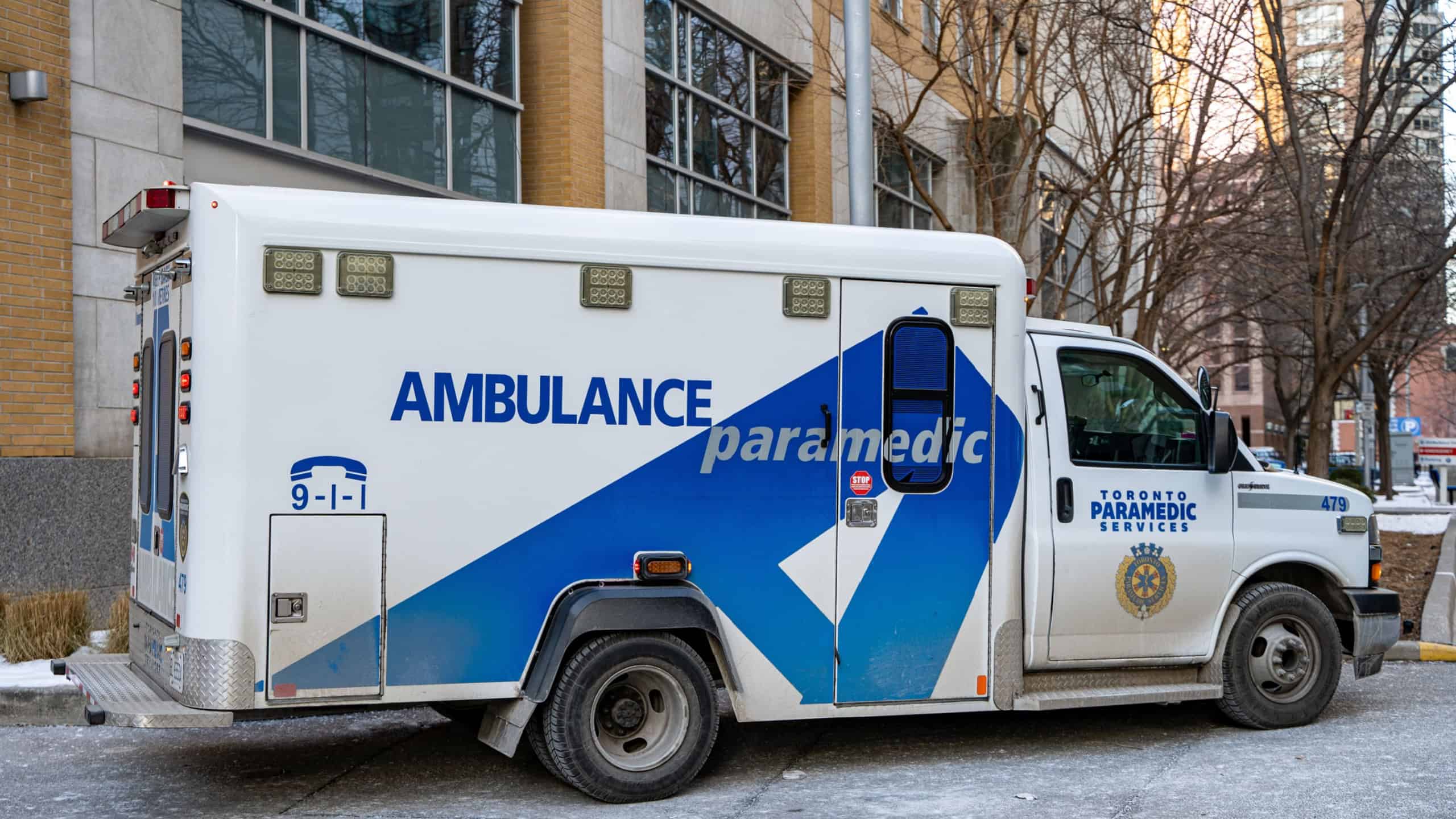
Private health insurance also works differently in Canada because you’re generally not allowed to get coverage for things that provincial health plans cover. These exclusions include doctor visits & hospital care.
Private plans tend to focus on dental or vision, perhaps also prescriptions. Americans usually assume private insurance can replace public coverage entirely, and that’s because it’s how it works south of the border.
Flood insurance
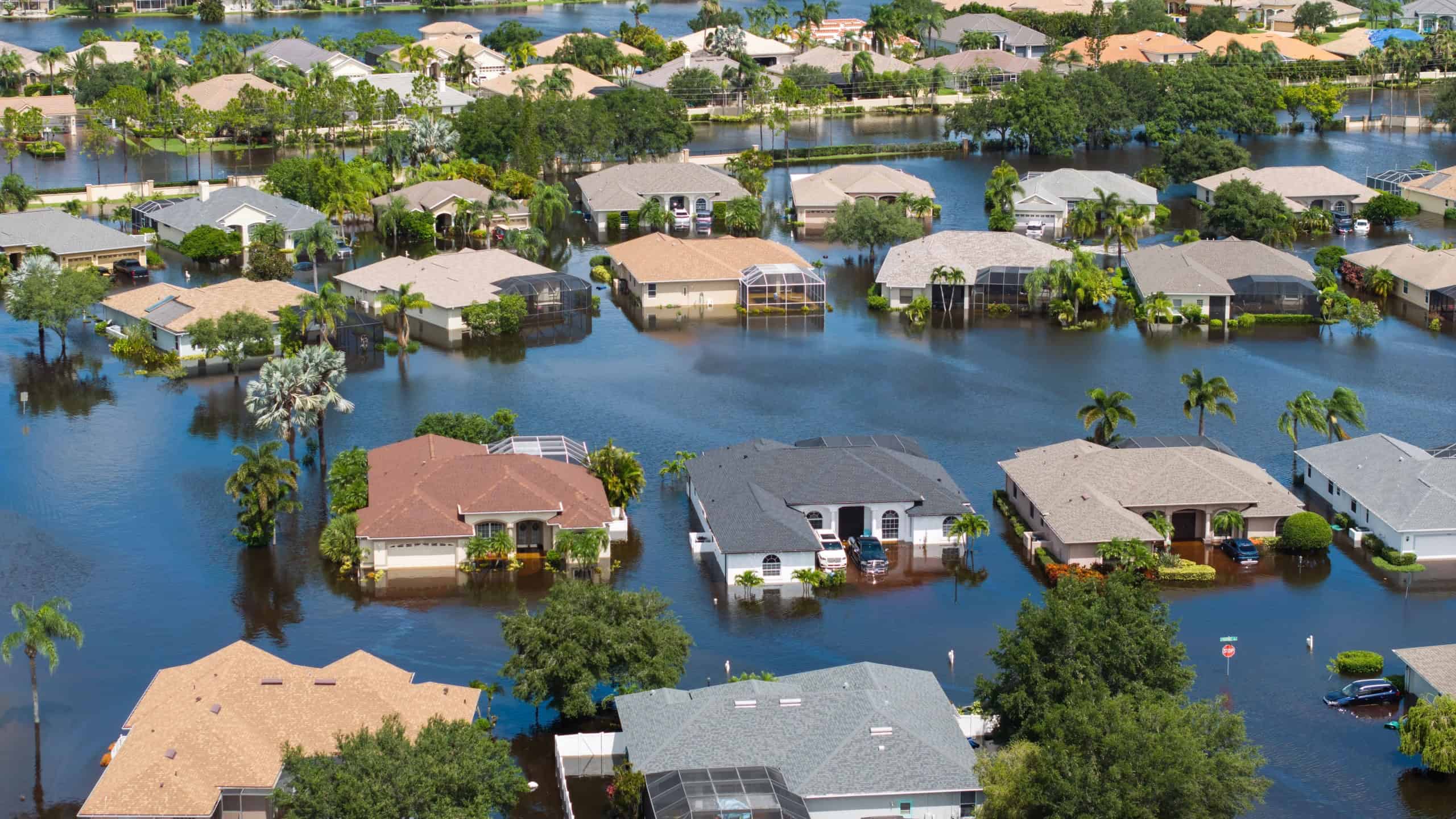
There’s no national flood insurance plan in Canada like there is in America. Any overland flood protection comes as an add-on to home insurance, and insurers are allowed to decline it based on location & risk mapping.
It’s natural for Americans to expect the government to cover them for floods. They’re often surprised to find out that it’s up to the insurers in Canada, and they may refuse it entirely.
Sources: Please see here for a complete listing of all sources that were consulted in the preparation of this article.
Like our content? Be sure to follow us.