
I never thought my childhood was unusual, but then I tried explaining parts of it to my American friends, and here are ten things they found really weird about it.
The classroom thing

They think it’s weird that French wasn’t optional where I grew up. It was another class, just like math or gym. Yes, my American friends thought it must’ve been a special program. But no. French has been part of the Ontario school curriculum for years.
Honestly, I sort of get why they think it’s strange. Most of my Canadian friends never used French outside the classroom at all. It’s no wonder Americans find it weird that we trained for it. It’s still useful, though.
The rink thing

Apparently, the things we did for fun were weird. It’s mostly because skating wasn’t a big deal. You didn’t need a special occasion to get on the ice because schools organized rink trips. Some families even went on weekends. The best kind of birthday party? That was one on ice.
Yet my American friends see it as a once-a-year winter activity. It’s not normal for them to do skating as a youth recreation activity. Sure, there are some areas in America that still get heavy snow in the winter. But even for them, ‘just going skating’ sounds bigger than it actually was.
The puppet song
Have you ever heard of the ‘Don’t You Put It In Your Mouth’ PSA? If you know, you know. Most Canadians can probably hear the tune already in their heads. Unfortunately, when I bring it up to my American friends, they look at me like I’m crazy.
It was a Canadian public service announcement in the early ‘90s. Yes, it was aimed at kids. The majority of Americans think it’s weird that we had PSAs for this kind of thing. It might’ve been the puppets. It could’ve been the catchy lyrics. Either way, it worked.
The spotted visitor
I once mentioned Polkaroo in a conversation with my American friends. They told me I was making it up. I sort of get it. After all, the name is pretty strange, but Polkaroo was real. He still is. The character’s part of preschool content on TVOKids to this day.
Watching Polkaroo never felt that weird. I just saw him as another childhood character on TV. Still, it took years for me to realize how bizarre he actually was. Anyone who didn’t grow up with him doesn’t get how iconic he was.
The animal everywhere
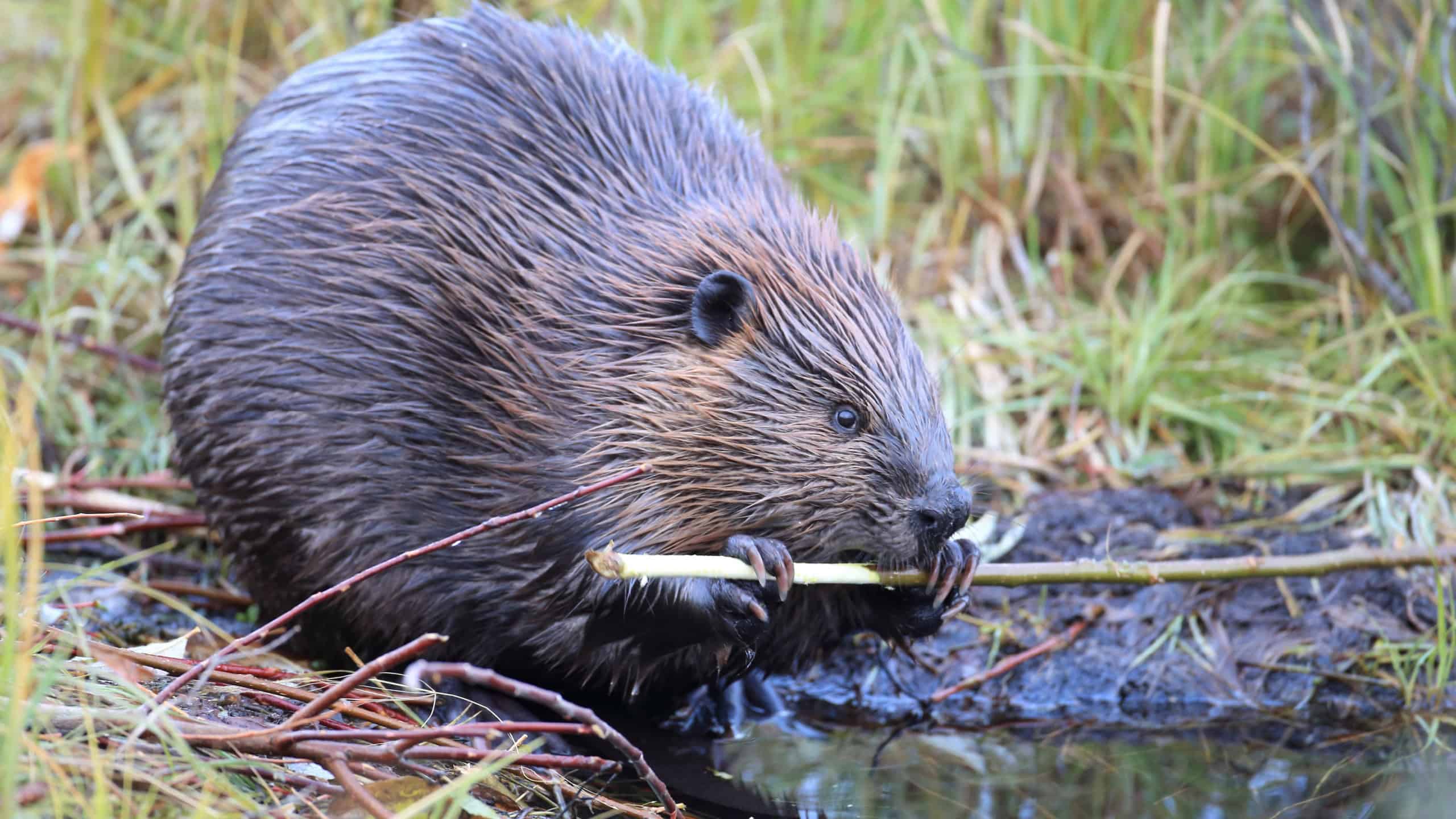
As a Canadian kid, you stop realizing how much the beaver is everywhere. It’s on coins. It’s in school projects. But Americans don’t get it. They see it as a simple animal, nothing more, and they don’t have the same connection to it.
Canadian federal law made the humble beaver a national symbol. America didn’t. For us, the beaver’s everywhere, and we don’t really think much about it. That’s true especially as kids.
The magazine ladder
I’ll say something like, ‘I was reading Chickadee at that age,’ and my American friends will look at me like I’ve lost the plot. It turns out that they don’t have the same reading age magazines. Yes, really. Most of us are familiar with Chirp, Chickadee, and OWL over here.
It felt like a real achievement when you passed on to the next stage. Sure, Americans still had some kind of magazines when they were growing up. But they weren’t like our OWL or Chickadee.
The mall character
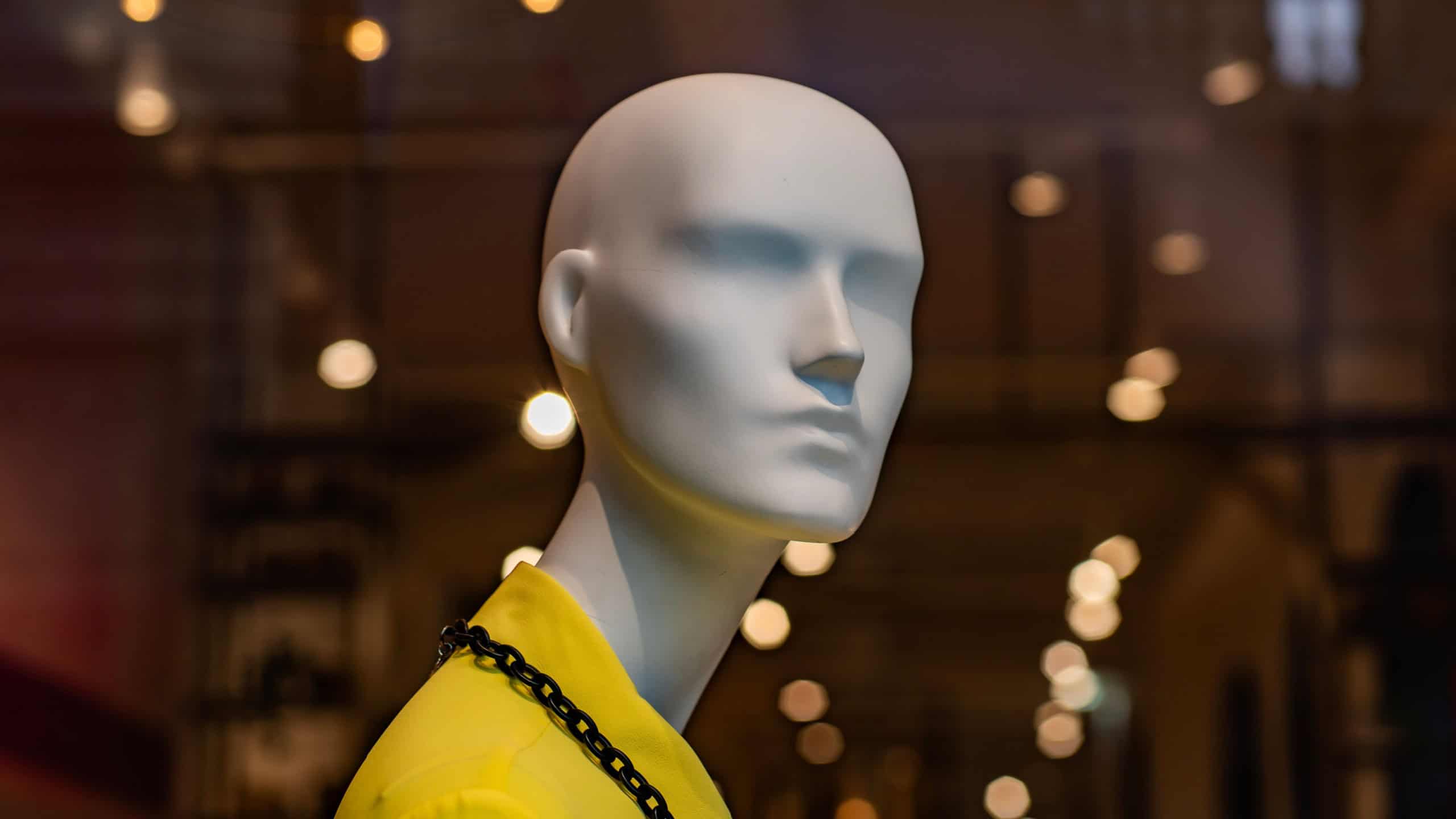
Here’s one you should try explaining to an American. It’s called ‘Today’s Special.’ For anyone who doesn’t know, it’s a show about a mannequin in a department store that comes to life. He’s called Jeff. I know, it sounds like something from a weird dream.
However, it was a real TVO show. So many of my friends would watch it after school, and we loved hearing the magic words. What were they? ‘Hocus pocus alimagocus,’ of course.
The sticky snow treat
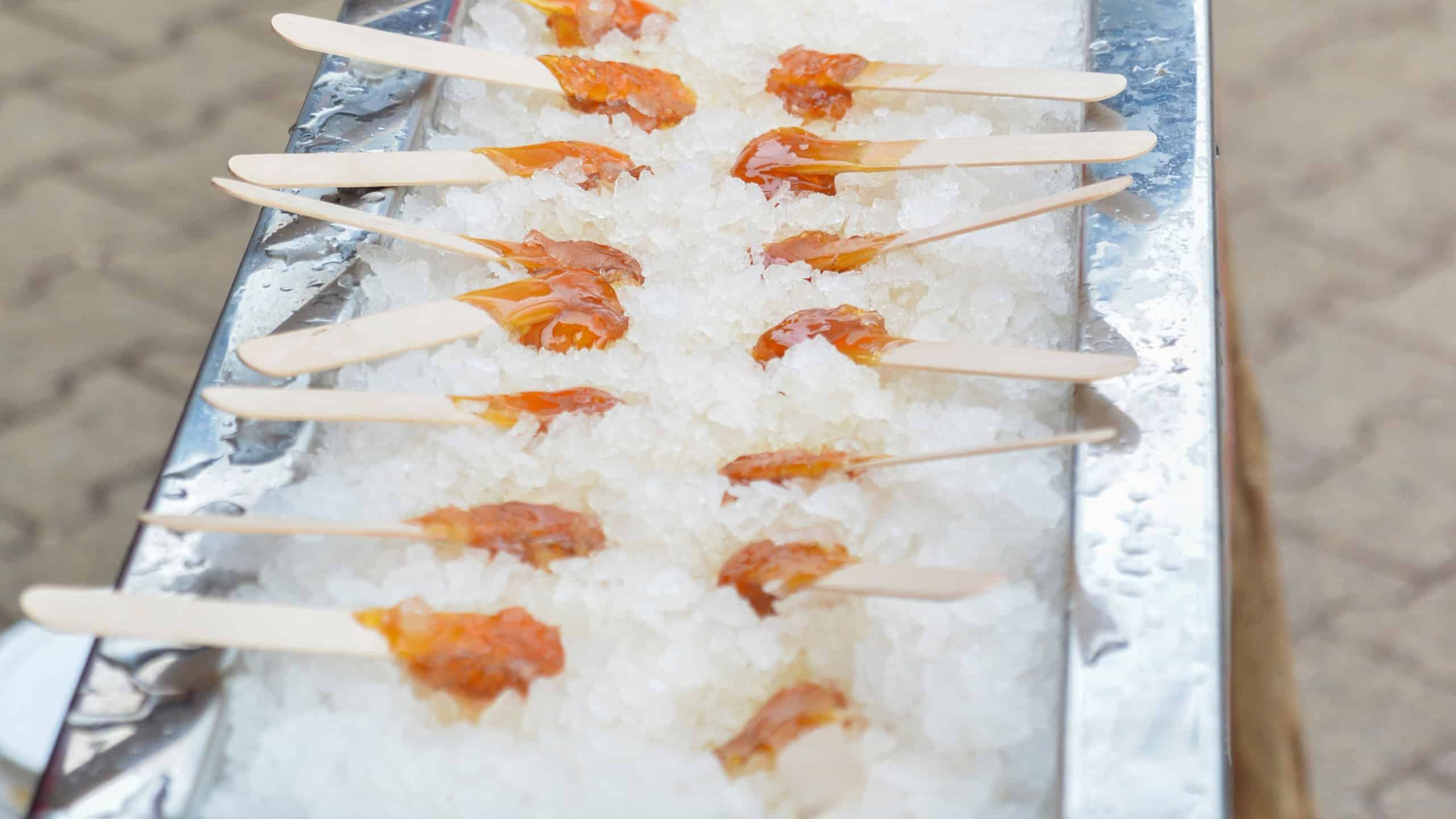
Almost all Americans know how much we love maple syrup over here. But they don’t realize how much. We’d go on school trips and pour hot maple syrup onto the snow. Then, we got to eat it off a stick.
Eating maple taffy on snow is a pretty normal tradition over here. In fact, you’d see it at sugar bush events across Canada as a kid. My American friends can’t get over how ‘Canadian’ it apparently is.
The official snack time

‘Nutrition break’ sounds way more serious than it actually is. One time, I told my American friends about it, and they seemed really confused. It’s not that complex. It was part of the school day when we’d get two longer breaks instead of a single lunch.
Those breaks were ‘nutrition breaks.’ We’d get some time to eat and to play. Think of it like snack and recess. Truthfully, though, it does sound a lot more like a scheduled program than a time for a quick bite.
The stone project
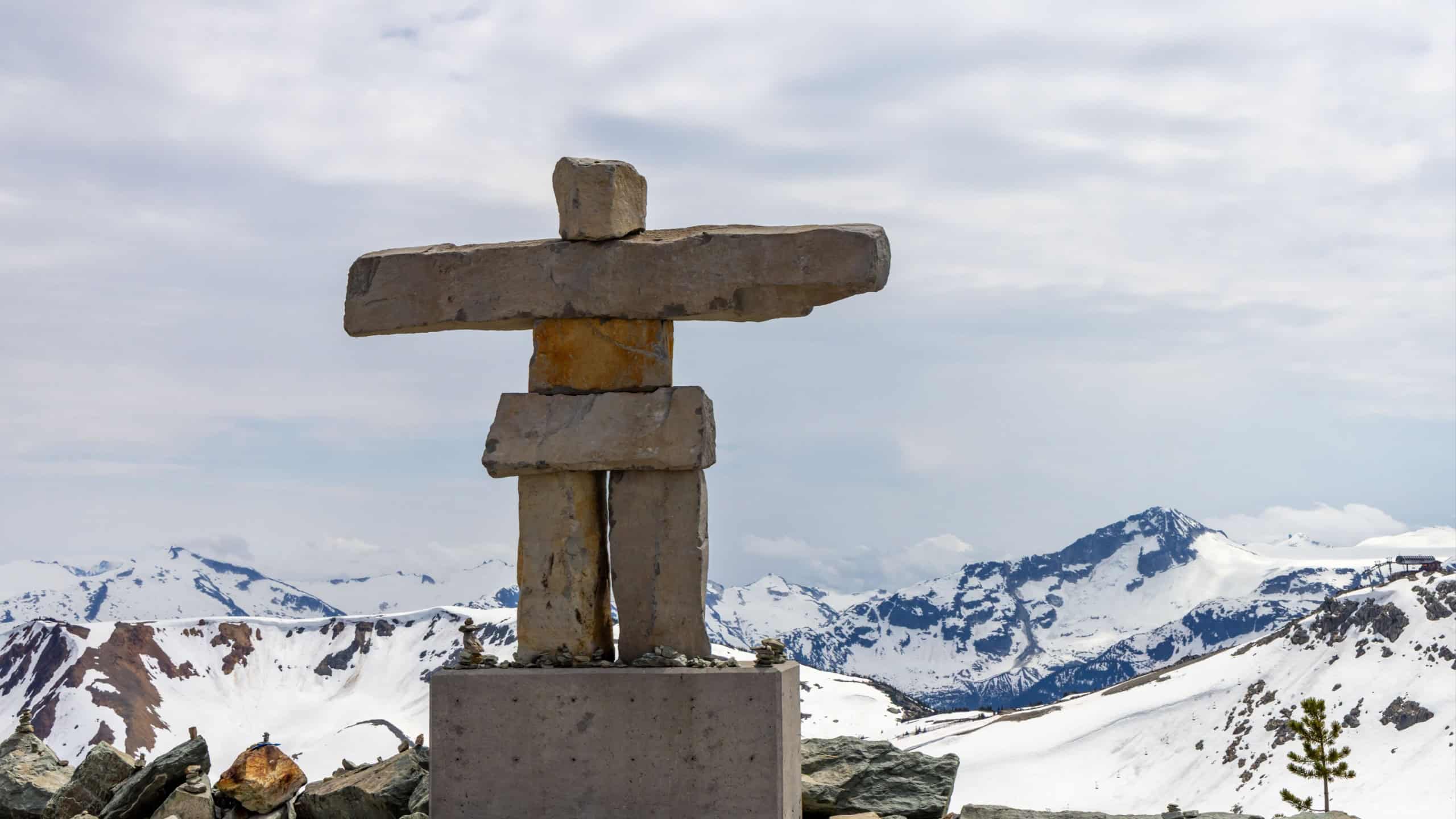
Learning about and building inukshuks was pretty standard in school. It felt like one of those activities that was a regular part of living over here. Not for Americans, though. They usually have no idea what I’m talking about.
An inukshuk is a stone structure that the Inuit people use for communicating or navigating in the Arctic. We learned about it in the classroom. Unfortunately, my American friends never got that experience.
Sources: Please see here for a complete listing of all sources that were consulted in the preparation of this article.