
The way mentally strong women think and act each day plays a bigger role in their success than most people realize.
Emotional labeling

When life throws them a curveball, emotionally strong women refuse to say they “feel bad” or push their emotions aside. They practice emotional labeling, a psychological technique where they find the exact emotion they’re feeling and say it out loud. “I am feeling frustrated” or “I am feeling anxious about this project.”
By naming the exact emotion they’re feeling, research has found that they can instantly down-regulate their amygdala (the part of the brain responsible for triggering stress) and allow the rational part of their brain to respond.
Saying No

Strong women know that every time they say “yes” to someone else, they are automatically saying “no” to themselves. They don’t over-commit by saying “yes” to everyone.
They know how to say “no” by using what psychologists call “Positive Nos.” They might say something like “I can’t do that, but I can do this” or divert attention to what they’re already doing (e.g., “I can’t take on another project, but I’m free to talk once I wrap up this assignment.”)
Finding validation within
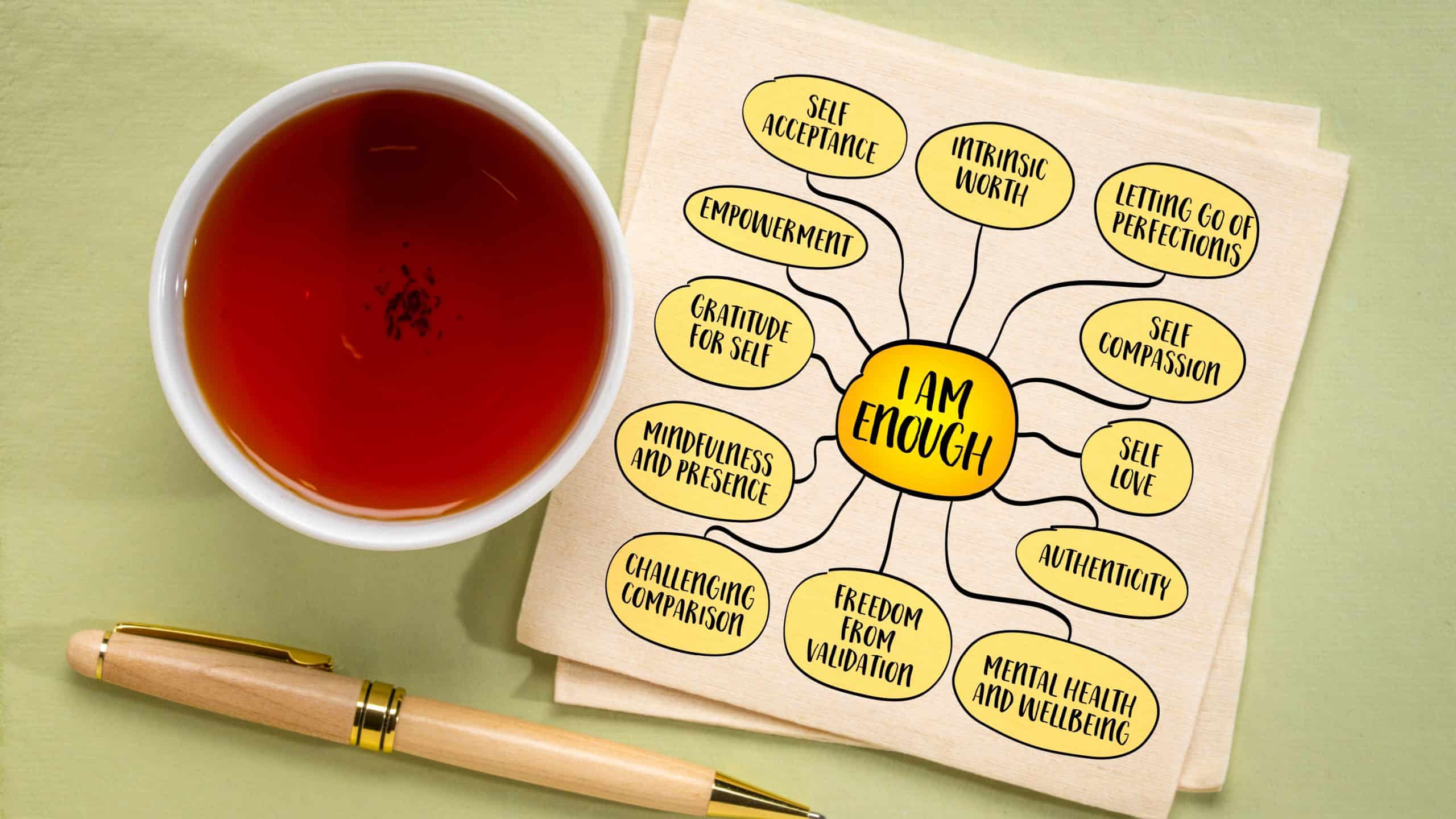
Seeking praise, likes, or validation from friends, partners, or social media feeds in order to feel good about yourself will drain your mental energy. Mentally strong women seek self-validation.
They judge how successful they are by their own personal values and standards. Their confidence doesn’t waver when others aren’t cheering for them.
Cognitive flexibility

Mentally strong women do not get upset with themselves or try to force a solution when something disrupts their lives. They flexibly adjust to new information.
They deal with reality as it is presented to them (not as they want or wish it to be) and shift their thoughts and attention to what can be done.
Celebrating other women

Instead of quietly competing with other women, mentally strong women refuse to be jealous. According to psychological theories of self-worth, people with healthy high self-esteem don’t feel threatened by someone else’s accomplishments. They are secure enough in who they are that they can genuinely celebrate and elevate other women and know that there’s room for everyone to succeed.
Quieting self-doubt

We all have a negative voice inside our heads that loves to criticize us and predict doom. Mentally strong women don’t listen to their inner critic. They experience it as just noise in the background and not reality.
They use a technique called cognitive defusion, which means they observe their negative thoughts instead of viewing the world through their negative thoughts. So when a thought like “you’re going to mess this up” arises, they refute it with objective facts and kindness.
Protecting physical energy

Mind and body are intricately linked, and psychology has taught us just how powerful that connection can be. Mentally strong women prioritize simple physical self-care practices like sleep, exercise, and nutrition because they know these are essential tools for mental health.
They understand that when they are low on sleep and energy, their brain is more susceptible to emotional downhill spirals.
Mastering radical acceptance

Some things in life will never change, even if we want them to desperately (like getting dumped, losing your job, dealing with a tough loss). Mentally strong women accept reality by practicing radical acceptance.
They stop fighting what is true and stop yelling at the universe. Instead, they accept things as they are, which allows them to save their mental energy for creating a brighter future.
Owning their mistakes

When things go wrong, it’s awfully convenient to blame outside forces, bad luck, or other people. It shields our egos from having to accept responsibility for our mistakes.
Mentally strong women can look in the mirror and say, “I made a mistake, now let me fix it.” They take complete responsibility for their actions and maintain control of their lives rather than acting like victims.
Embracing discomfort

Another thing mentally strong women do is step outside of their comfort zone. They know some important things in life feel uncomfortable at first, whether that means having a tough conversation, asking for a raise they know you deserve, or learning something completely new. Psychologists call this emotional tolerance.
Sources: Please see here for a complete listing of all sources that were consulted in the preparation of this article.
Like our content? Be sure to follow us.