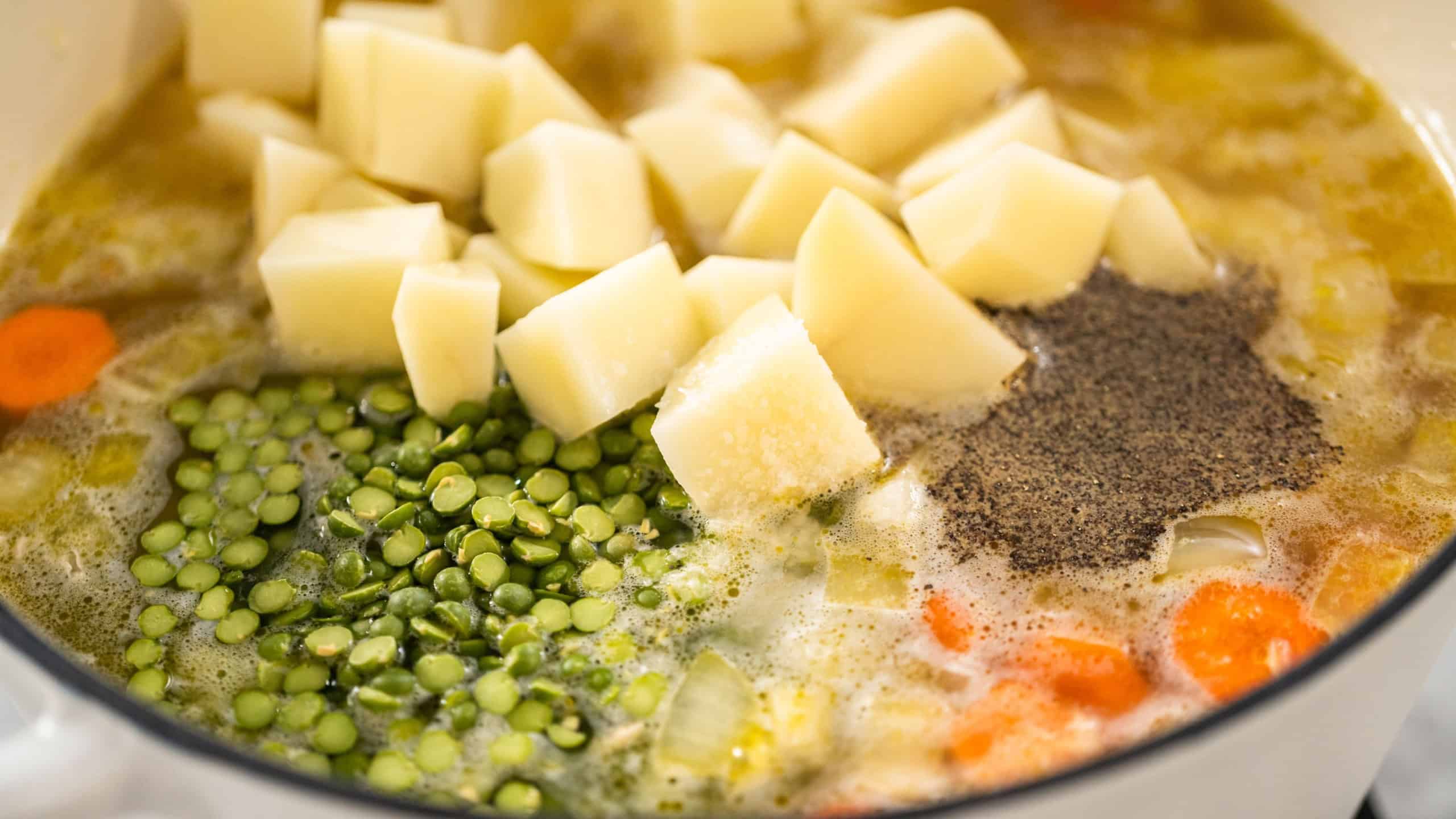
During the Great Depression, Canadians families were forced to get creative with whatever they could afford, turning cheap staples, hardy root veggies, and ingredient substitutions into nourishing meals out of necessity.
Split pea soup
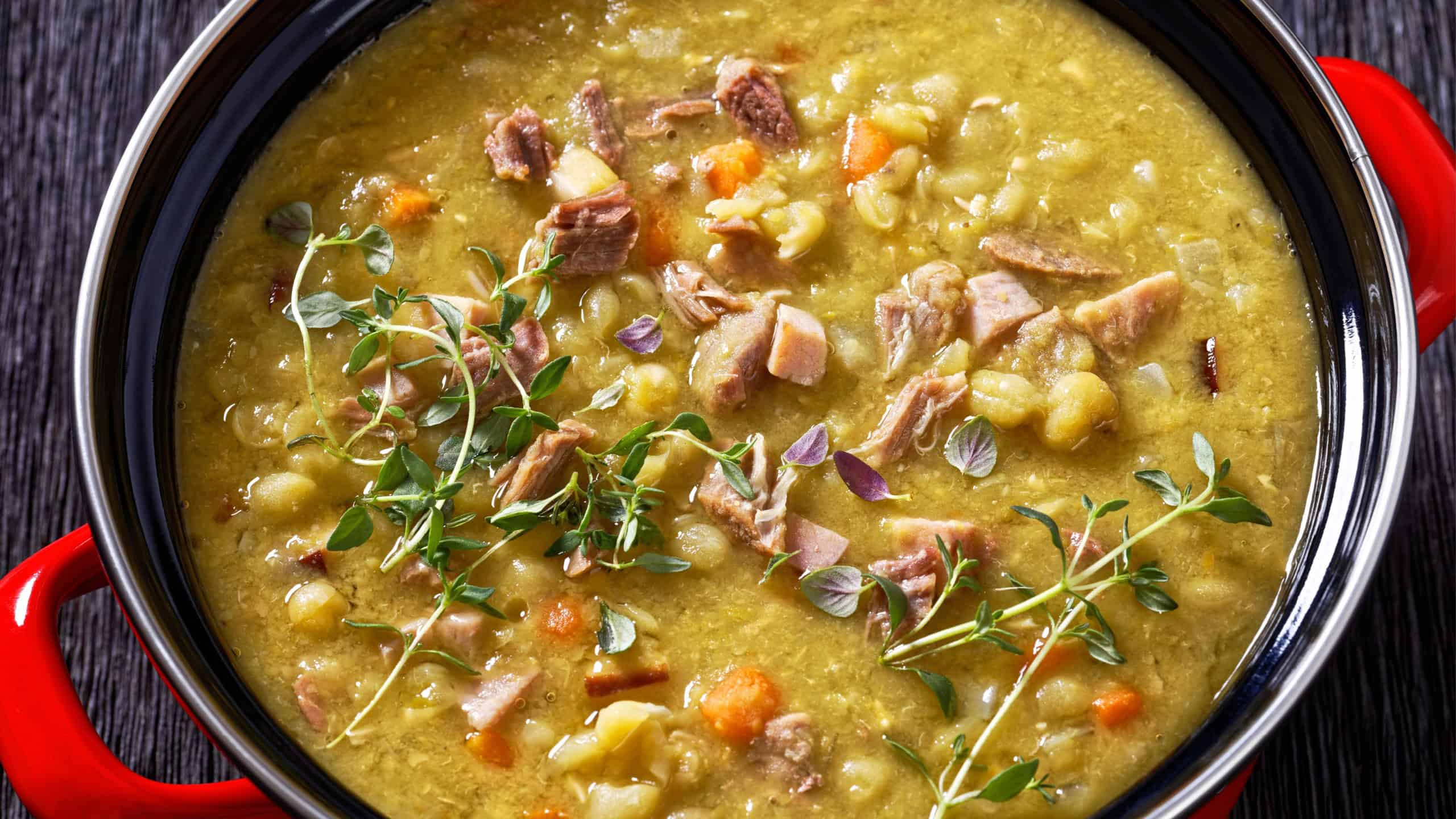
Split pea soup became a main source of comfort food for many Canadians. Originating from French-Canadian classic home cuisine, dried peas were affordable, had a long shelf life, and were high in plant-based protein. A big pot of soup could be boiled on the stove with only water, dried peas, and any root veggies on hand. A meal would last for days if you supplement each bowl with just an end of a ham bone or a bit of salt pork to flavour the broth.
Potatoes
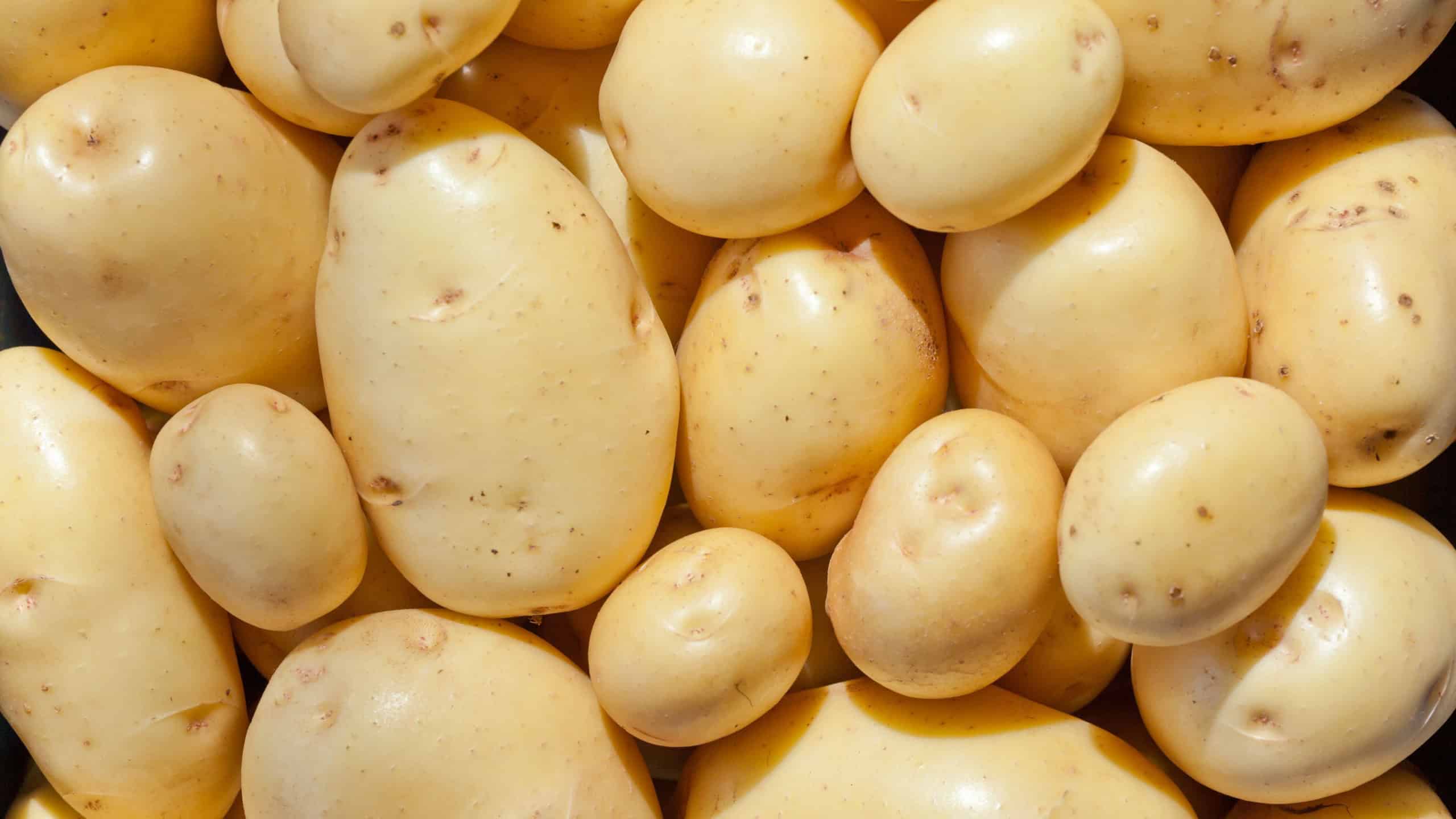
Cheap, durable, and able to grow in nearly any dirt in a Canadian backyard garden, the potato was without question the foundation of the Depression-era diet. When there was no meat or dairy, potatoes filled that daily caloric gap because they could be boiled, fried, mashed or baked. They were often used as a textural filler, slipped into watery soups and stews to give them body or mashed with tiny bits of leftover ground beef to stretch meager servings across the dinner table.
Bread and dripping

Not a scrap of food was wasted in the 1930s, and that included leftover fat at the bottom of the pan. Animal fat and drippings from meat saved after frying or rare roasts were skimmed off into little jars and treasured. Instead of butter, which was costly, seasoned congealed fat was smeared directly onto thick slices of brown bread. This was an instant high-calorie snack that working members of the family could eat for energy.
Oatmeal porridge
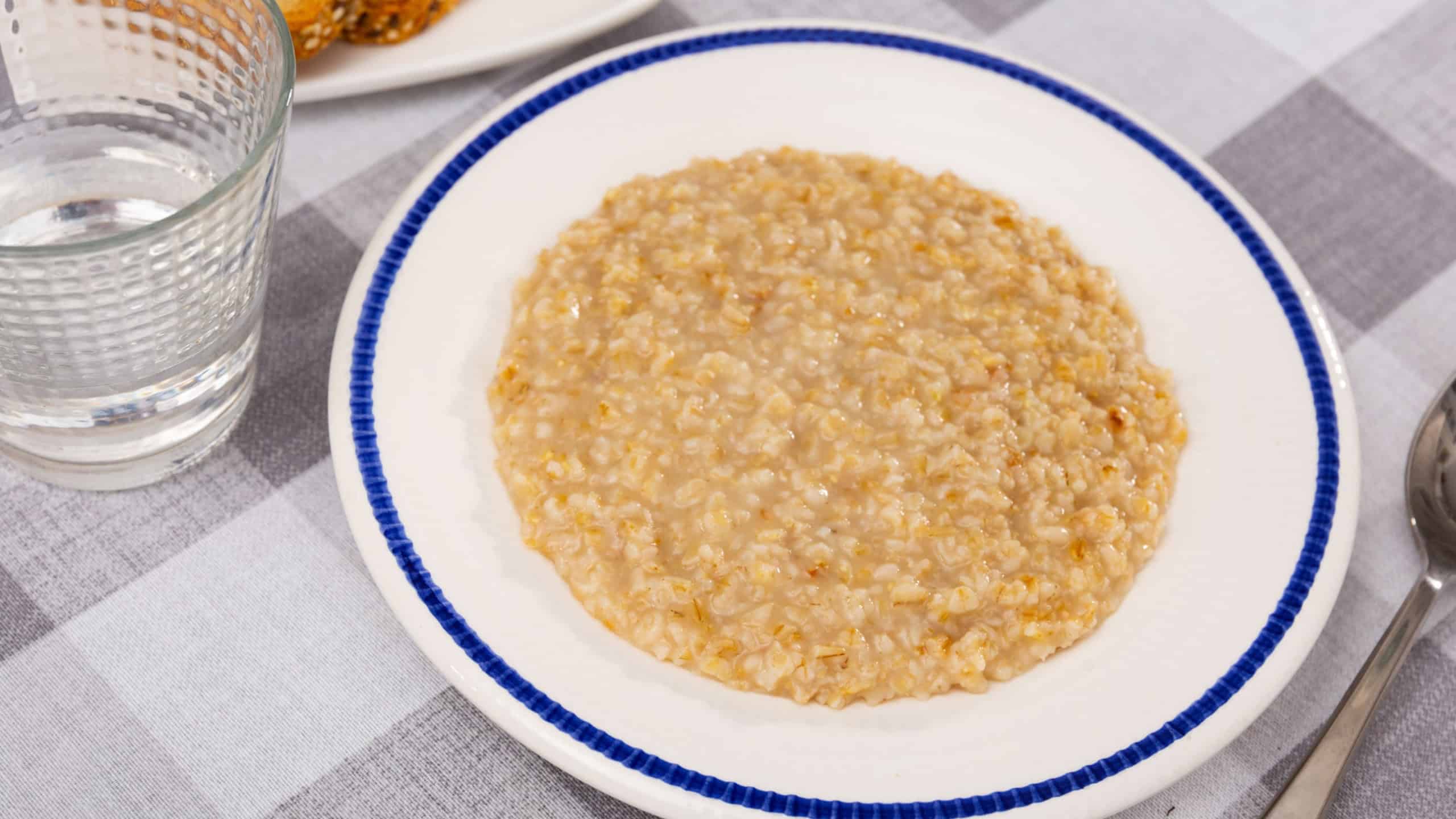
Oats were inexpensive and readily available for Prairie families scraping to get by. Oatmeal porridge was simmered all morning with water or a scant bit of milk, topped with salt and perhaps a dash of molasses or whatever sweetener one happened to have. It was humble breakfast food, but it provided necessary calories and dense carbohydrates to children before they trekked to school during harsh Canadian winters.
Cabbage
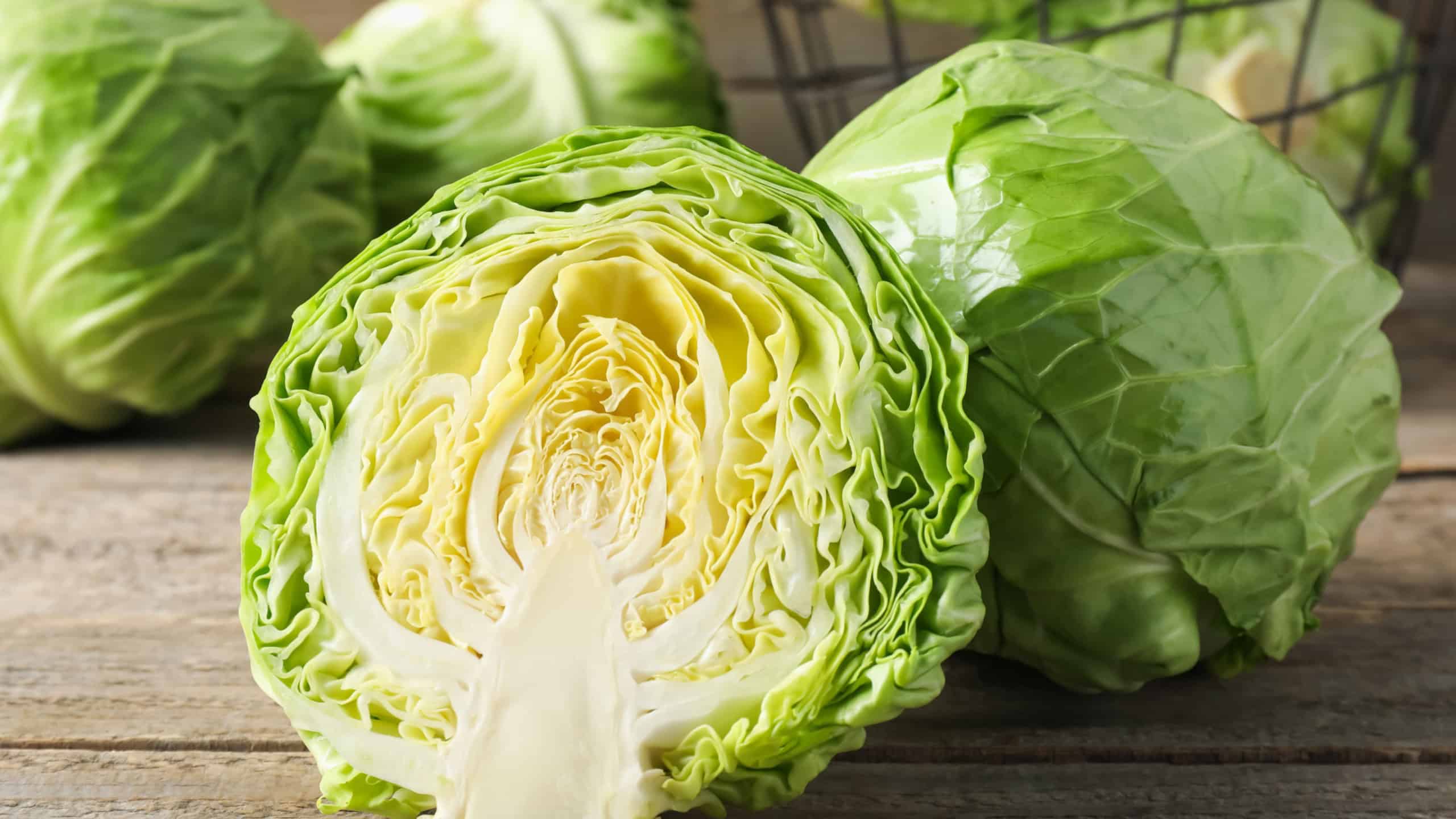
In Canada, cabbage became legendary in the kitchen because it grew well in backyard gardens and survived for months in cold root cellars without rotting. Years before refrigerators, a single head of cabbage could be shredded for raw salads, cooked in stews or fermented into sauerkraut. It supplied desperately needed vitamins and crunch through long winters when fresh, imported green vegetables were totally out of the question financially.
Flapper pie
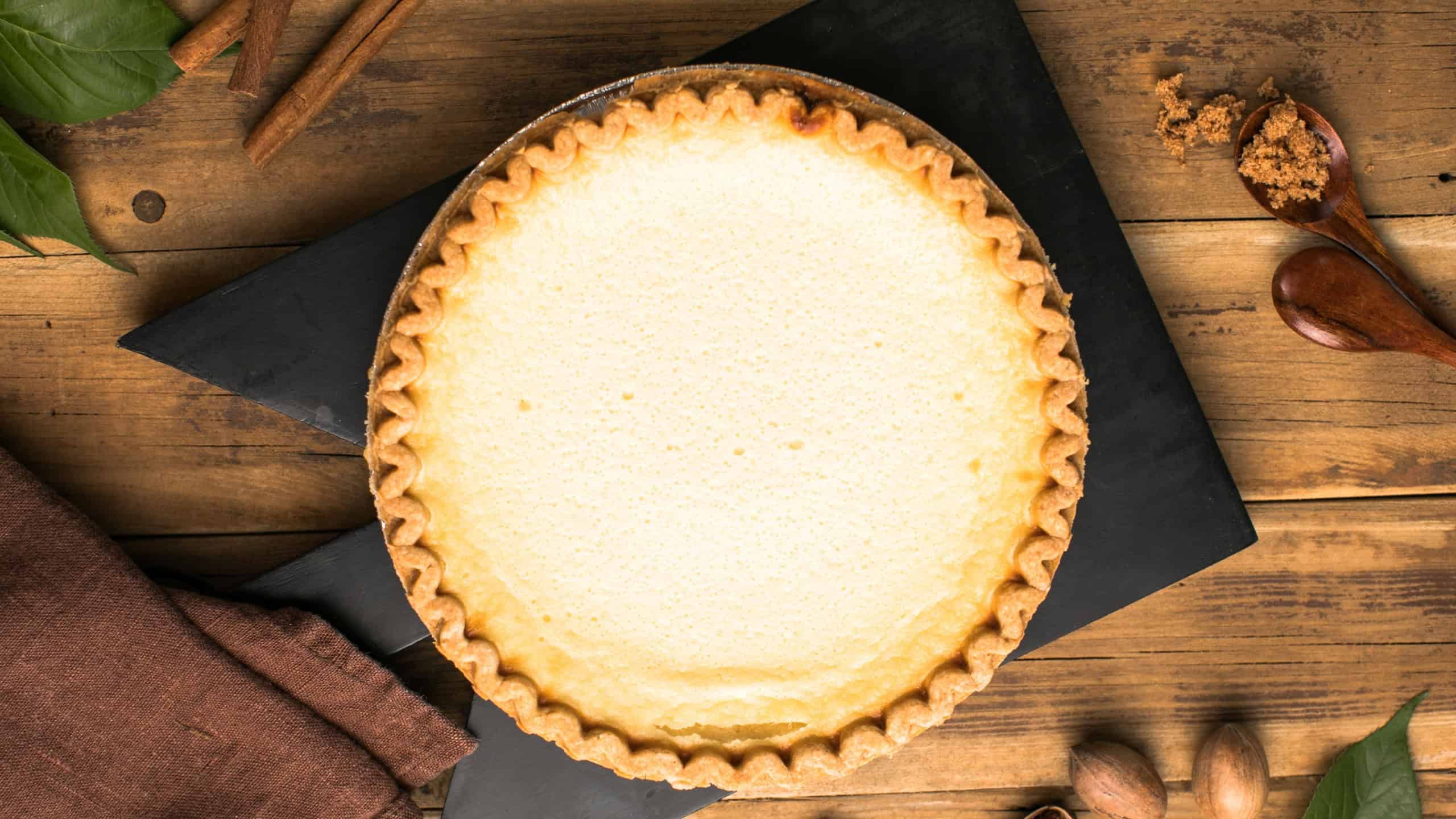
Flapper pie was born of necessity on the Prairies. Created from pantry staples, it was a dessert treat to celebrate special occasions. With fresh fruit hard to come by on the Prairies, people were creative with what they had. Home cooks made do with an easy graham cracker crust and filled it with a creamy milk-based custard made with sugar, cornstarch, and egg yolks. Flapper pie proved you didn’t have to spend a lot of money on fancy imported goods to enjoy dessert at home.
Dried beans
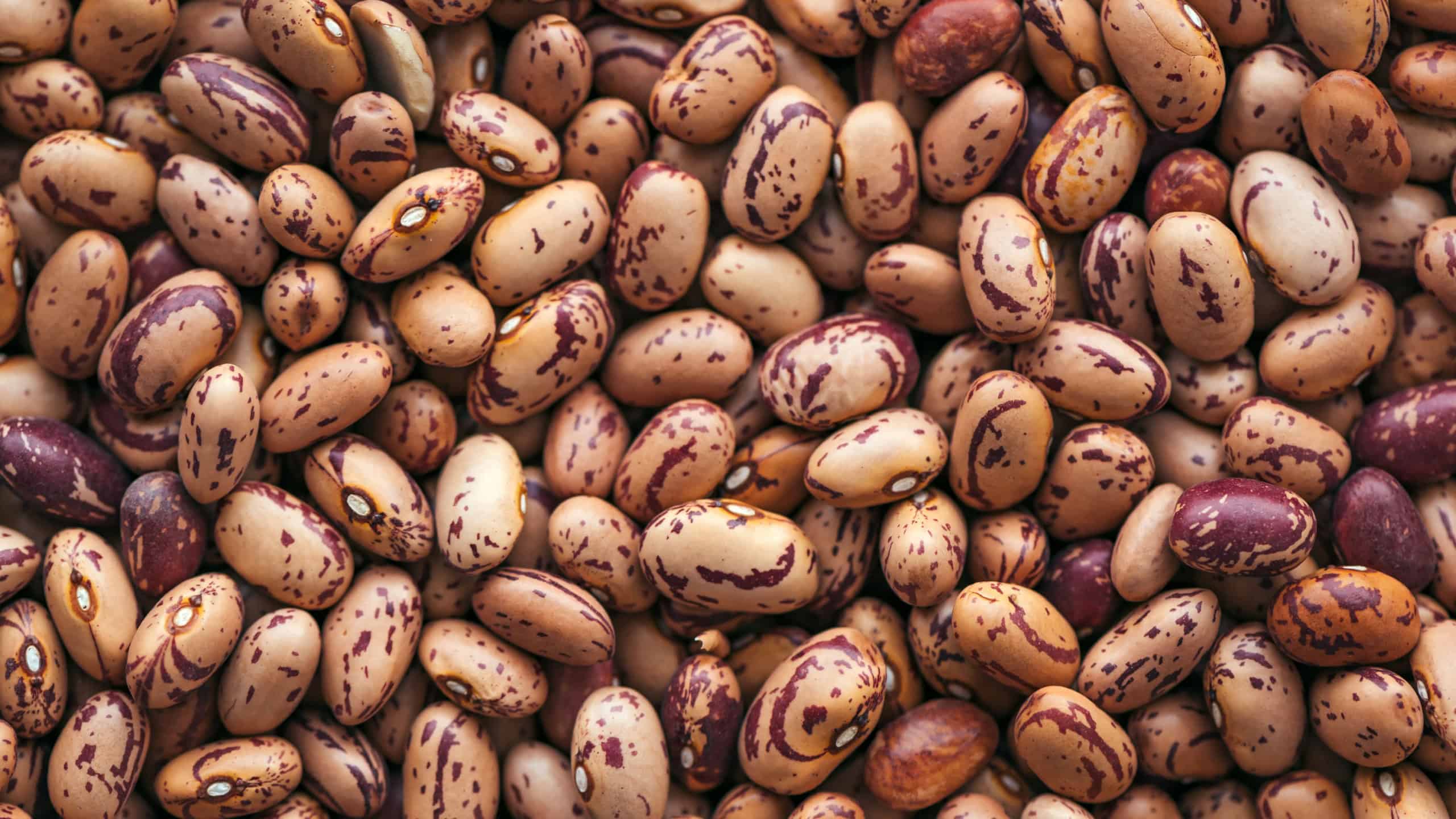
Dried beans were among the least expensive and most reliable protein sources during the Dirty Thirties. A pot of slowly simmered navy or pinto beans stretched to feed a hungry family of many for mere fractions of the price of butcher meat. Canadian cooks also baked beans with a splash of molasses and wild onions to mimic sweet baked beans, a heavy, satisfying main dish that would sustain you for hours.
Creamed chipped beef
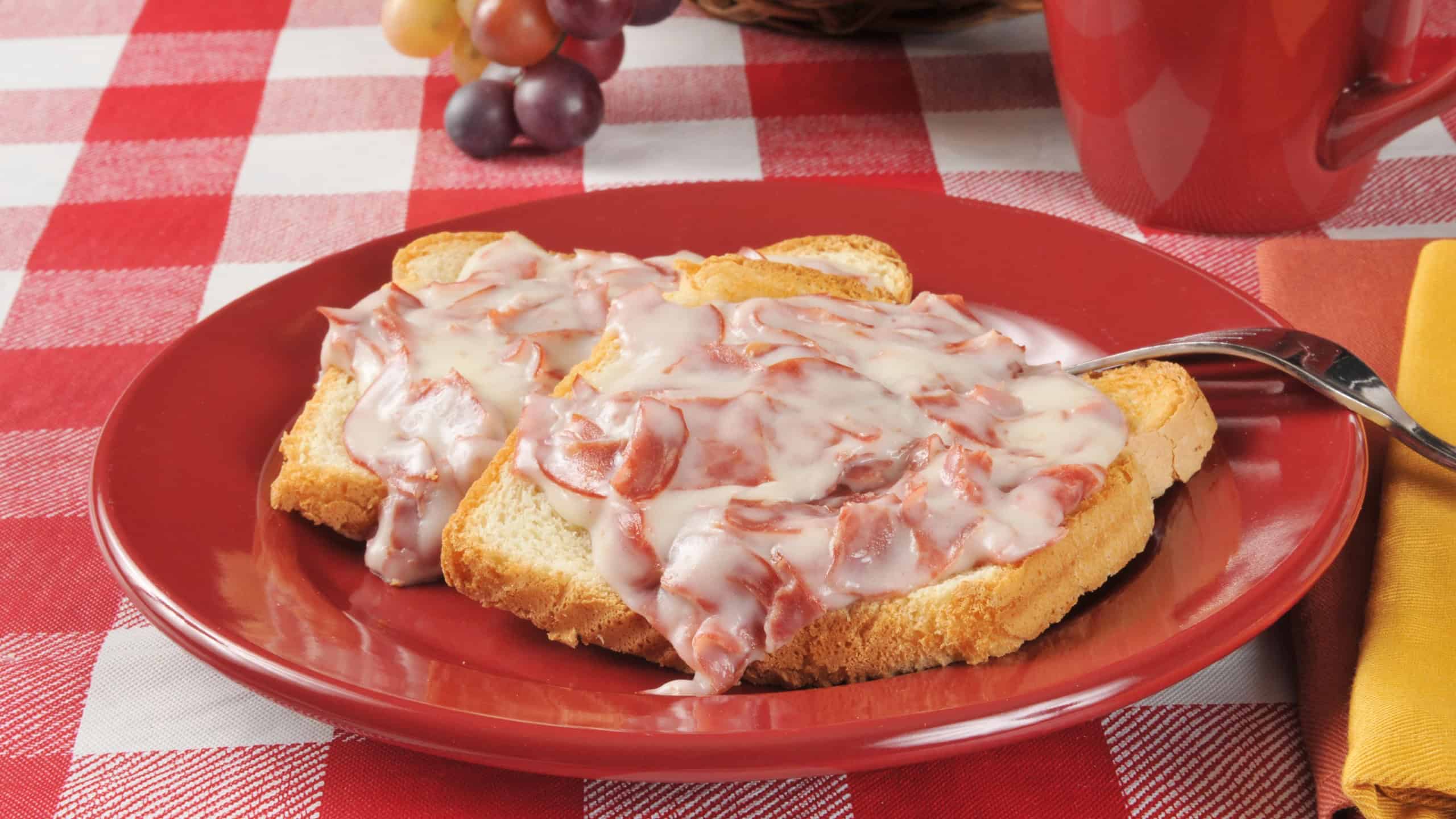
Called “Shit on a Shingle” by many veterans and survivors, its main purpose was to stretch out as much as possible that small bit of meat with a thick and hearty sauce. Home cooks would grate inexpensive preserved dried beef into bits and pieces and simmer it into a flour, butter and milk white gravy. This creamed meat was then ladled over a slice of toasted bread for a hot, hearty meal that didn’t need much meat at all to fill you up.
Turnips
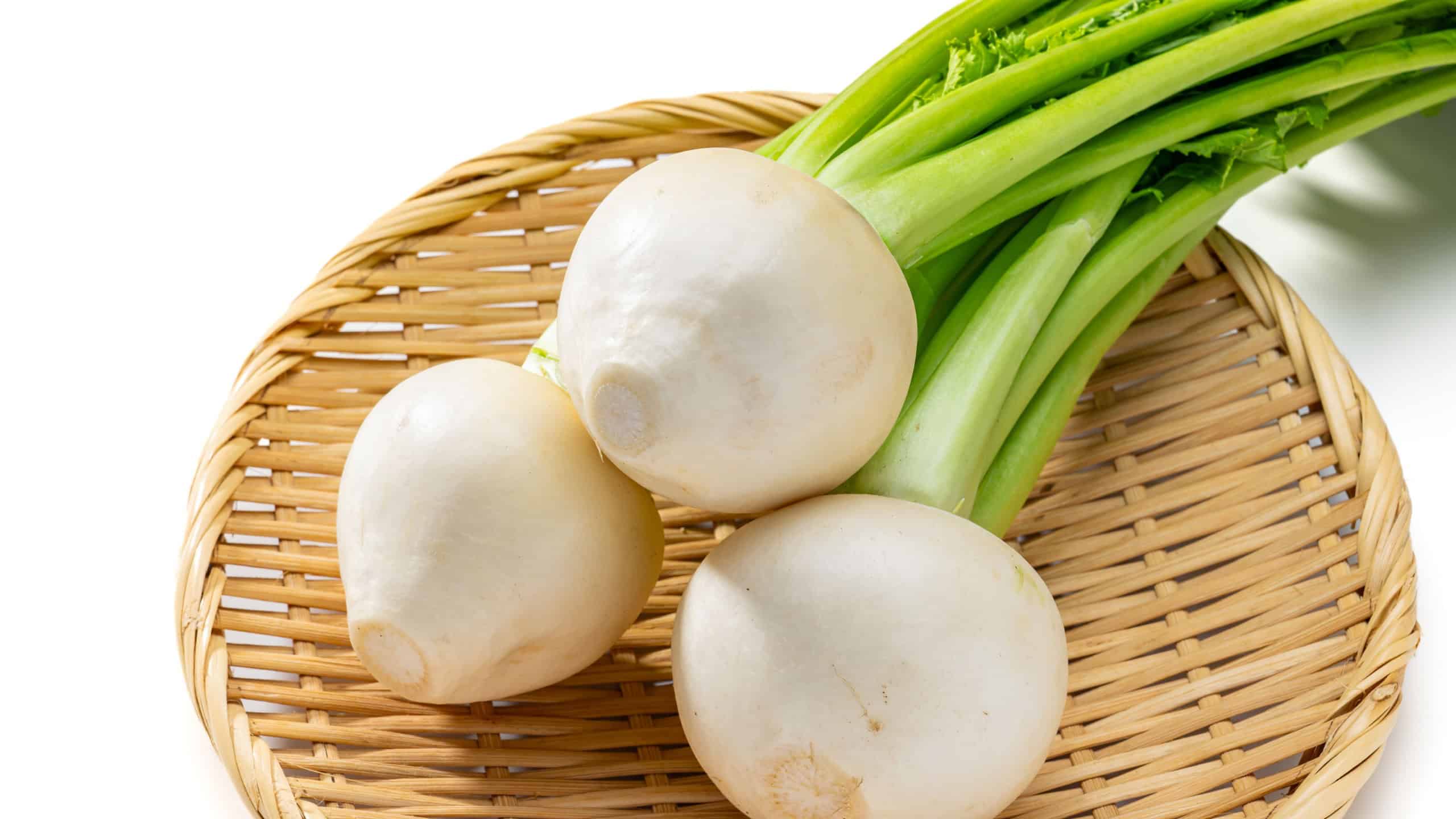
Turnips and rutabagas became a heavy staple as they were extremely hardy in brutal Canadian climates and stored for months in dark cellars. Although they were pretty tasteless and considered poverty food, it was dependable. You could boil them down or mash them with pepper or dice them into heartier stews; there was always something warm and fibrous on the table.
Vinegar pie
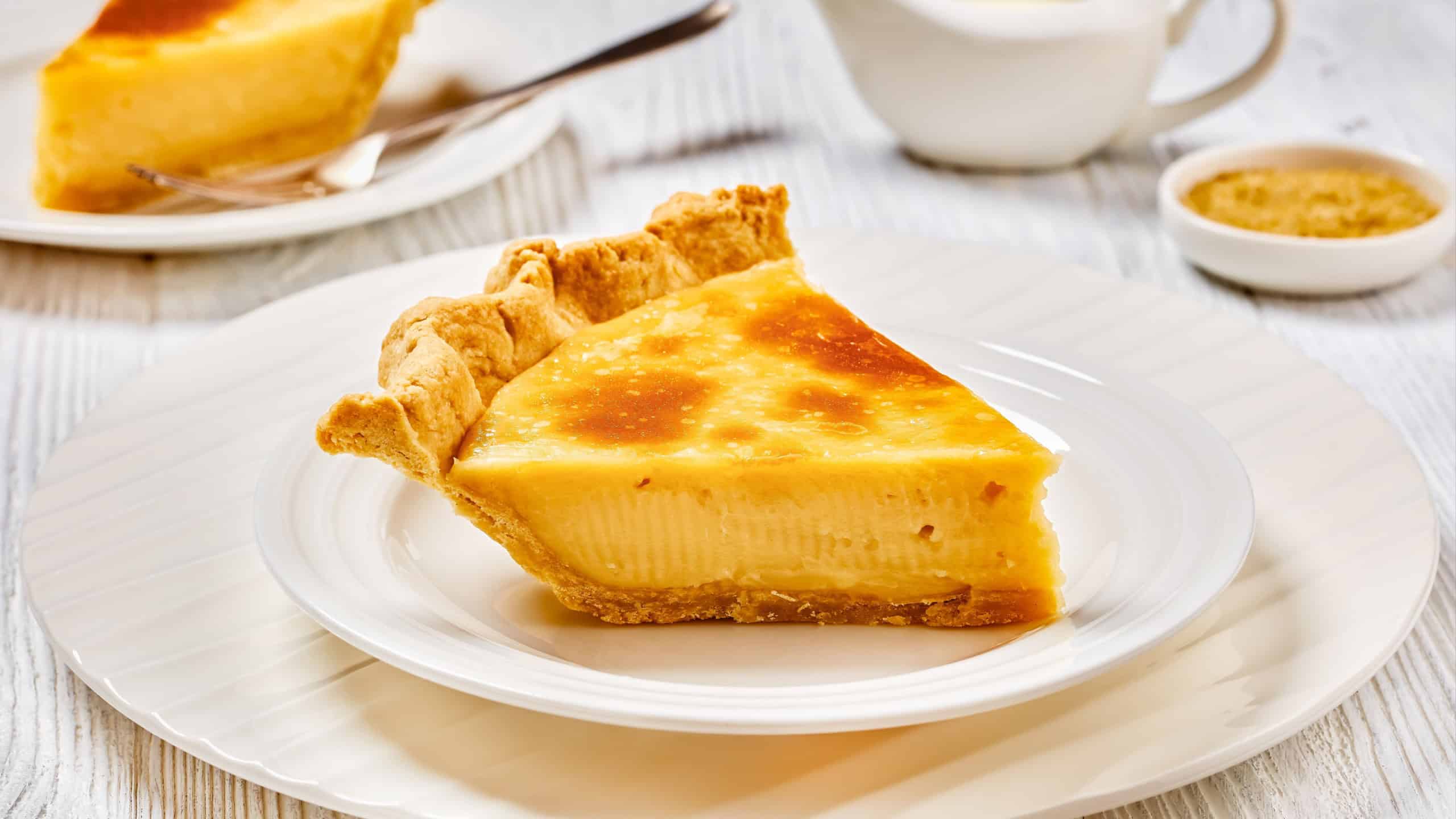
During times when lemons or fresh fruit were too costly or completely unavailable, Canadian home bakers improvised with chemistry to satisfy their craving for sweets by creating vinegar pie. A few tablespoons of apple cider vinegar combined with sugar, flour, water and an egg make a surprisingly similar filling to lemon custard pie when baked in a regular crust.
Sources: Please see here for a complete listing of all sources that were consulted in the preparation of this article.
Like our content? Be sure to follow us.
Ten frozen foods you should never buy

Convenience is king in the frozen food aisle, but these freezer staples aren’t worth your money due to ruined textures, massive sodium counts, or just cheap fillers.