
You’d think that crossing between the United States & Canada is quite simple. After all, it simply involves showing a passport and answering a few questions before you’re allowed across. But the truth is far more complicated.
In fact, there are rules on either side of the border that can be quite confusing because they don’t seem to make any sense.
You probably won’t know about them until someone tells you. Here are ten cross-border rules that confuse everyone, including Americans & Canadians. Which of these would trip you up at the border, or already has?
The 24-hour exemption that disappears at $200.01
Being outside Canada for over 24 hours means that you’re allowed to bring up to C$200 worth of goods back to the country. That number is absolute. Even going a mere cent over means that the entire exemption disappears.
It gets more confusing with alcohol & tobacco. These don’t count toward the total, so understanding what is and isn’t allowed is a little puzzling. The limit increases to C$800 once you’ve passed the 48-hour mark.
The pepper spray label problem
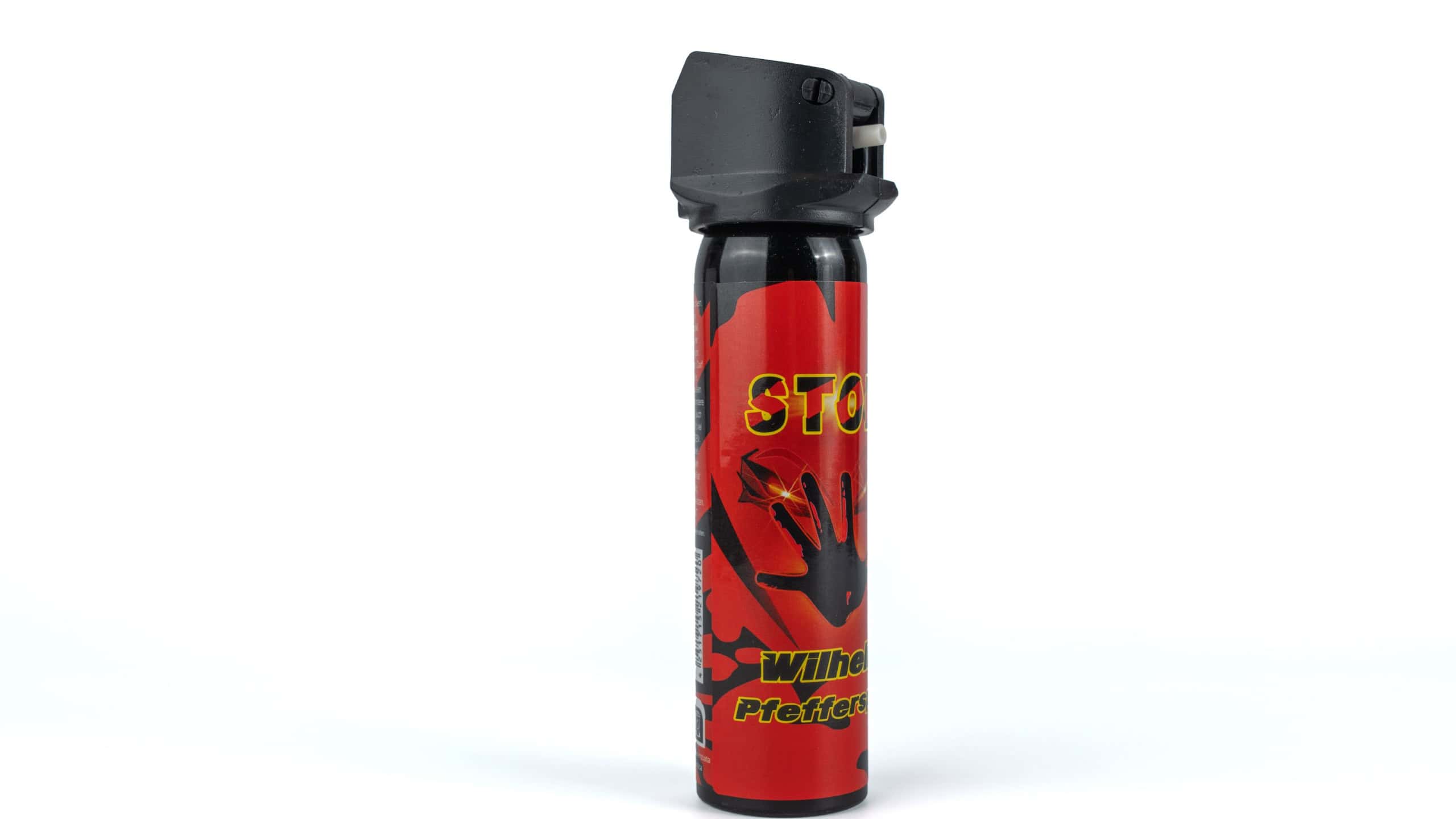
What makes carrying pepper spray across the border confusing has very little to do with the object itself. No, it’s the fact that sprays marketed for use on people are prohibited weapons in Canada, with animal deterrent sprays falling under different rules.
Anyone attempting to take these sprays across the border into Canada will likely be stopped. It’s all because of a simple issue of wording.
Your phone counts as goods

Your phone isn’t seen as a mere phone at the border, as both CBSA & CBP consider it as goods. That allows border guards to examine it during inspections. It confuses a lot of people because they don’t expect that their phone could be considered worthy of inspection.
But it is. Everyday expectations that people might have about privacy don’t really apply at ports of entry, or at least, not fully.
The ID options depend on how you cross
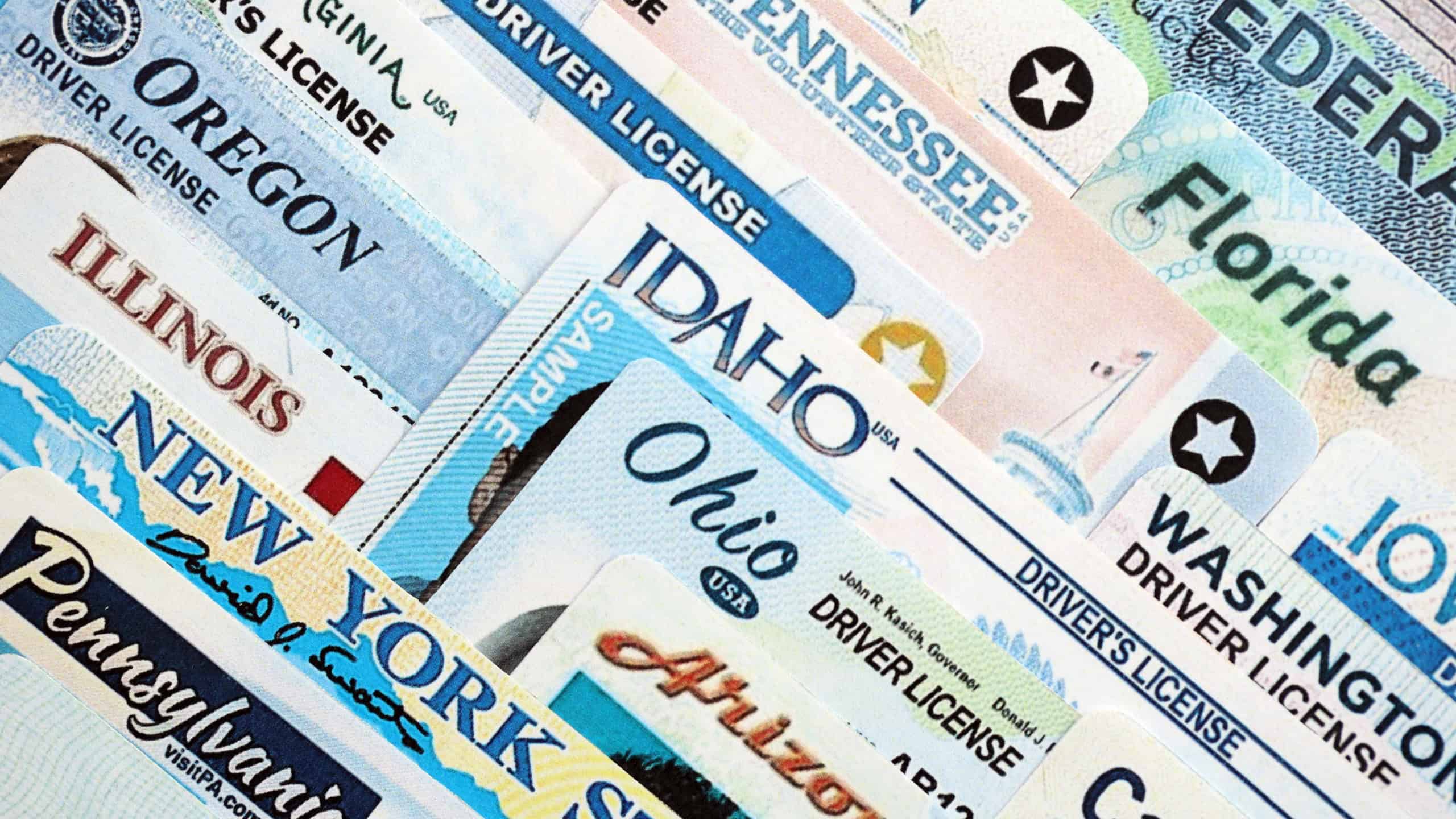
Most people don’t realize that the ID options change depending on how you cross the border. The United States accepts different documents for driving or flying, even for arriving by boat. It’s a similar situation in Canada.
Passport books & passport cards are allowed via some transport methods, along with NEXUS or FAST cards. Enhanced driver’s licences qualify for land entry. However, you’re not allowed to use a standard provincial licence alone for land travel, although it works on other forms.
The U.S. duty-free allowance cooldown

There’s a duty-free exemption for anyone returning to the United States, and it currently stands at $800. But that allowance doesn’t apply in all cases. To be eligible for it, you need to have been outside of the country for at least 48 hours, and you may only use it once every 31 days.
It’s something that many frequent crossers don’t necessarily notice because they assume they’ll always have the allowance. But they don’t.
Canada won’t let families pool exemptions
Sure, you might have shopped together as a family, but that doesn’t necessarily mean that you’re allowed to declare together. The CBSA treats each traveller’s exemption separately. It doesn’t care that you might be a single family in a car because you’re not allowed to share your exemptions.
One person isn’t allowed to donate their unused allowance to another person, nor is an empty suitcase allowed to increase another person’s limits. Your declarations are made individually instead of as a household.
“Gift” has a strict meaning in Canada

The word “gift” has quite a strict definition when packages cross into Canada, and it’s not something that every traveler knows about. Only person-to-person shipments of things under C$60 may count as gift relief. As such, any items that stores or companies send don’t count.
It doesn’t matter that the message says “happy birthday” on it because what’s really important is who sent the gift.
Mailed items have two different low-value cutoffs
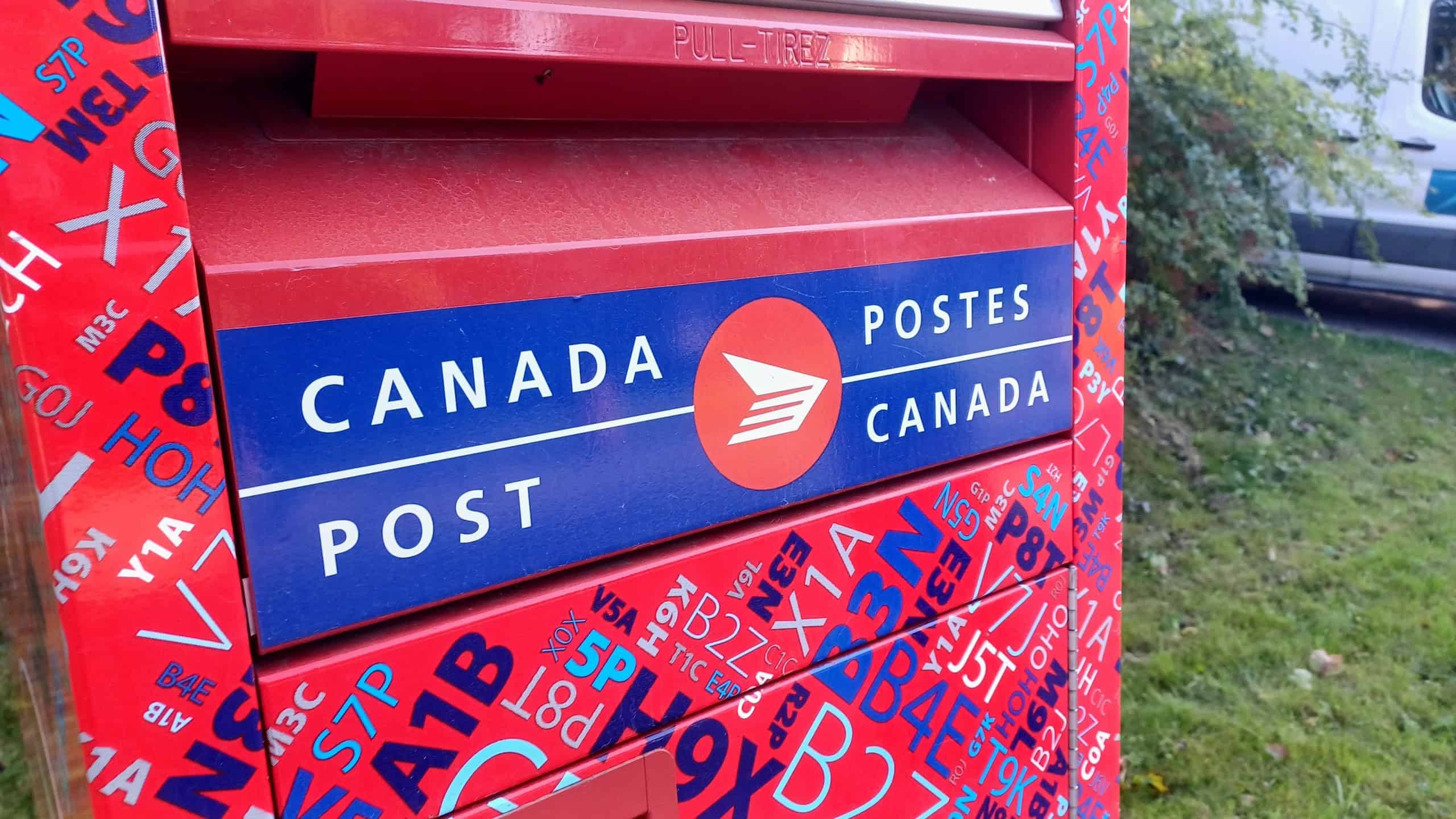
In terms of mailed packages, you might be surprised to know that there actually isn’t a single magic number for the low-value cutoff. CBSA has a C$20 threshold for the majority of mailed goods under postal rules. After that, duty applies.
However, as mentioned earlier, gifts have a separate C$60 limit, and these numbers apply only in certain situations. You have to be careful not to assume that you can automatically get the higher category of cutoff.
You have to prove your personal items aren’t new

You have the option to complete Form 4457 from the CBP before you leave the United States. Doing so allows you to register any personal items that you already own, like a laptop or a camera, so that border officials don’t think you bought it abroad.
But so many people neglect to complete the form. It’s not something they really bother thinking about until they’re being asked for proof.
Canada sees fixed items as something you bought

There’s a fine line between repair & improvement, according to the CBSA. Any item that leaves Canada and comes back upgraded or enhanced may be treated as a new purchase. Yes, really.
The rule covers all kinds of things, including repaired jewelry & modified vehicles, even electronics with new parts. Make sure you consider that when coming back to Canada.
Sources: Please see here for a complete listing of all sources that were consulted in the preparation of this article.
Like our content? Be sure to follow us.