
Our grandparents helped create the Canada we know today, but many of the things we take for granted today didn’t exist when they were young.
TFSA

Our grandparents’ generation had limited opportunities to protect their hard-earned savings from the taxman. Most people kept their savings in regular savings accounts, on which every dollar earned was taxed in full each year.
Thanks to the creation of the Tax-Free Savings Account, Canadians today have access to a specially designed shelter in which we can contribute thousands of dollars every year to purchase stocks, bonds, or mutual funds. Every dollar our savings earn through interest or investment income is ours to keep completely tax-free.
Interac

Sending money across our vast country used to mean painfully slow deliveries of physical paper cheques, costly bank drafts, or sending cash through the mail at your own risk. Now Canada’s domestic Interac network links all major financial institutions together so Canadians can easily send funds via text or email from one Canadian bank account to another in just seconds.
CPP

Retirement used to be a terrifying concept in Canada because, before the mid 20th century, Canada had no national safety net. You were on your own after retirement with whatever little savings you had accumulated, or else you were reliant on the generosity of your children.
You were only as good as your ability to physically work. The introduction and growth of the Canada Pension Plan revolutionized retirement by creating an opt-out, government-run pension plan that automatically invests a percentage of your earnings from every paycheck.
Medicare

Prior to universal healthcare being implemented across all provinces in the late 60s/early 70s, getting sick, having a complicated pregnancy, or breaking a bone could bankrupt a family, taking away their life savings in one day.
Canada’s contemporary Medicare system affords Canadians a country-wide benchmark in which visits to hospitals and family physicians are 100% publicly funded. This means that Canadians will never be denied access to life-saving medications or emergency surgery due to their ability to pay or wealth.
CCB

Our grandparents raised large families with almost no financial assistance from the federal government, often scrambling to keep up with the rising costs of groceries, school supplies and shoes.
The Canadian Child Benefit totally transformed family financial support by ending outdated taxable child tax credits and delivering a large, monthly tax-free cheque based on a family’s income. It provides middle- and low-income Canadian families with hundreds of dollars each month.
Trans-Canada

Travelling from east to west across Canada used to be a risky, arduous journey before the Trans-Canada Highway because there was no connected national highway system and drivers had to weave through a disjointed network of rocky gravel roads and muddy dirt tracks.
Canada was figuratively joined together from coast to coast with the development of a continuous paved Trans-Canada Highway spanning thousands of kilometres through wilderness and mountains.
Food

Older Canadians will remember shopping at grocery stores where choices were extremely limited, especially in the winter. Families had to consume root vegetables, canned goods, and uninspired meat-and-potatoes meals.
Improved federal import networks, updated trade agreements, and shifts in immigration waves have transformed Canadian grocery stores. Canadians can now enjoy fresh produce year-round from around the world and high-quality ingredients.
Parental leave

Years ago, new mothers in Canada were often faced with the dilemma of maintaining employment or caring for their children because employers were not legally required to reserve their jobs or pay them during pregnancy or maternity leave.
Now, thanks to federal Employment Insurance standards, Canadian families are entitled to up to 18 months of job-secured, paid parental leave, which can be split between both parents however they choose.
Charter
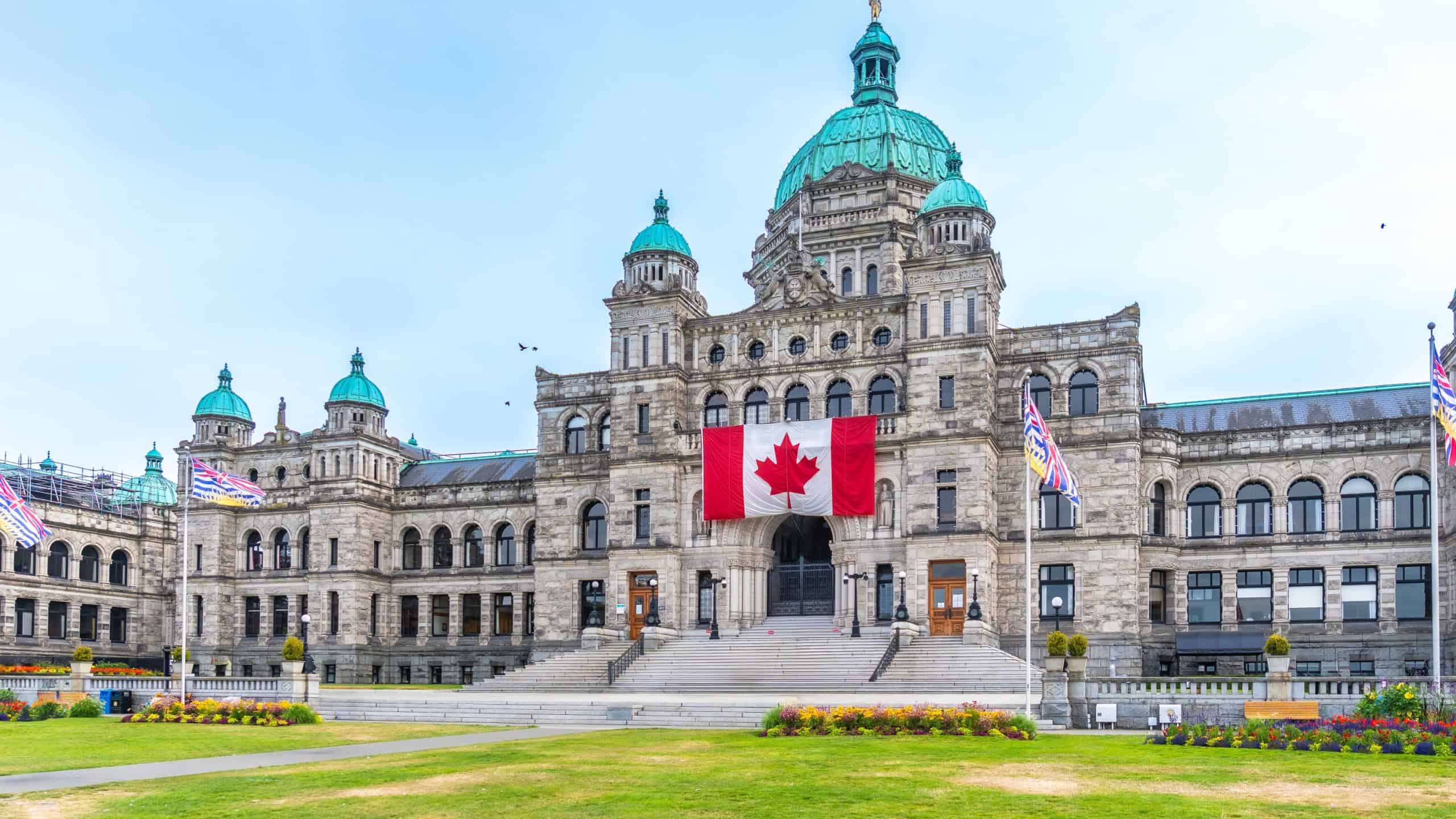
Before 1982, Canada had the old British tradition of parliamentary supremacy. This meant your basic freedoms were not permanently protected; they could be amended or revoked if the ruling political party wanted to do so.
With the signing of the Constitution Act, your basic human rights, equality rights, and minority language rights were locked into Canada’s highest law. It gave every Canadian justice against arbitrary laws passed by the government, allowing Canada to become a modern constitutional society.
Bilingualism

Canadians who spoke French outside Quebec had confronted enormous institutional obstacles in dealing with the state in our grandparents’ day.
Access to federal courts, government documents, or civil service positions in their own language was often impossible. Enacted into law, the Official Languages Act enshrined English and French as equal foundations upon which the federal government would be run.
Sources: Please see here for a complete listing of all sources that were consulted in the preparation of this article.