
Adult children aren’t always trying to get rid of family memories; sometimes, they just want their parents to enjoy a safer, simpler home.
Half-used cleaning products

Parents sometimes store decades’ worth of cleaners under sinks and in laundry cupboards. Bottles of sprays, polishes, stain removers, and chemicals bought just in case are piled on top of each other. Many are nearly empty, have faded labels, or haven’t been opened in years.
Adult children may be concerned about possible leakage or spillage from old containers and dangerous cross-reactions if they were to mix. Keeping only a few well-labeled, everyday products makes housekeeping easier.
Old prescription glasses
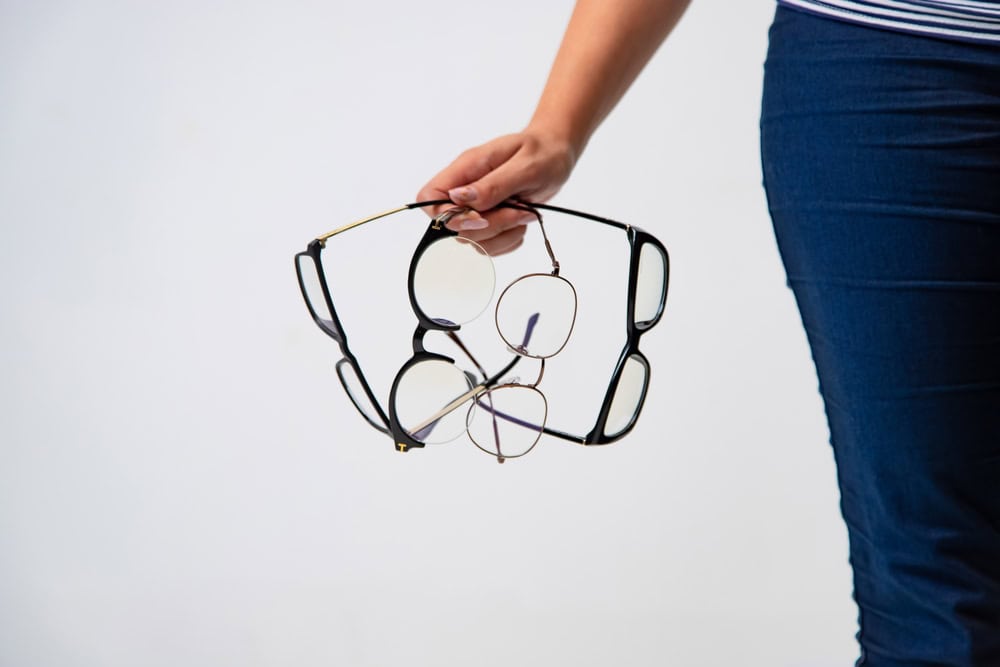
Most people hang onto every pair of prescription glasses they’ve ever owned. Glasses with scratched lenses, broken frames, and outdated prescriptions clutter bedside tables, bathroom drawers, and boxes that have been forgotten about.
It makes sense to hold onto a back-up pair that fits well, but old prescriptions can make your vision blurry and give you headaches or depth perception problems. Decluttering glasses you no longer need opens up space and helps you find the pair you are looking for.
Old electronics and tangled cables

Many homes have drawers piled high with old cellphones, expired chargers, dead cameras, DVD players past their prime, and random cords they can’t identify. Seniors often hang onto them because they cost a lot of money or believe these devices have important information.
Most children try to encourage them to get rid of these electronics before the collection overflows. Some hold personal data you’ll need to erase before trashing, and batteries and electronics often require special recycling.
Heavy curtains and window treatments
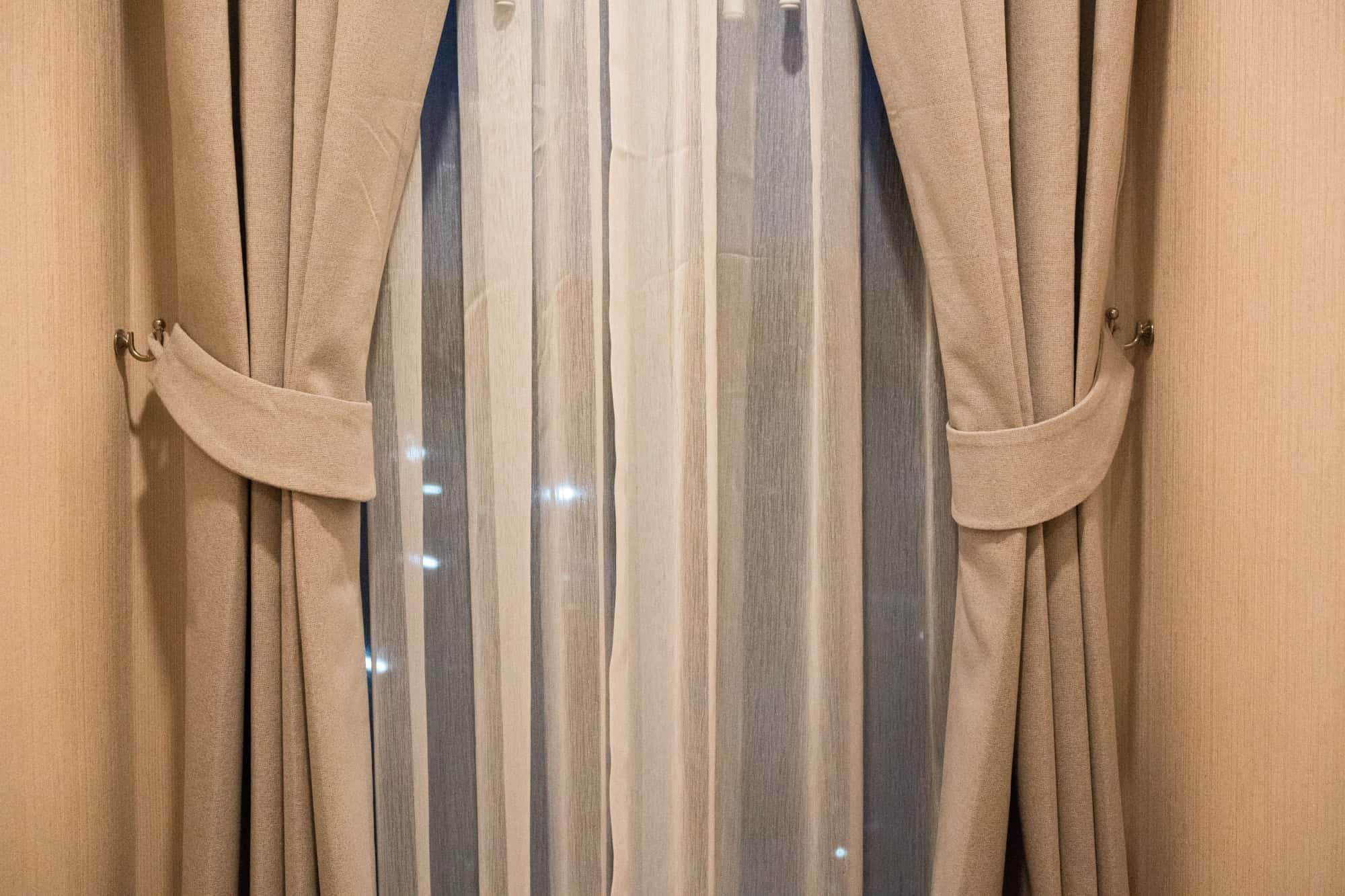
Heavy drapes, decorative valances, and layered curtains used to be all the rage back then. Many homes still contain window coverings that are decades old. Heavy fabrics trap allergens and dust, are hard to take down and wash, and can keep sunlight from shining into your home.
Replacing them with washable curtains or blinds that are easy to operate will lighten up your room and cut down on your cleaning time. If your curtains have torn linings or faded fabrics, they’re good candidates for replacement.
Garage full of old tools

When a garage is overflowing with duplicate screwdrivers, rusty hand tools, broken lawn chairs and power-tool projects from their peak, it can get downright cluttered. Parents have probably collected these tools throughout the years from home improvement projects and gardening, and each wrench and drill may symbolize work they were able to do themselves.
However, adult children often fear dangers lurking behind all that equipment, including heavy machinery, sharp tools and tripping hazards, especially if their aging parents aren’t as spry as they used to be.
Mismatched plastic containers
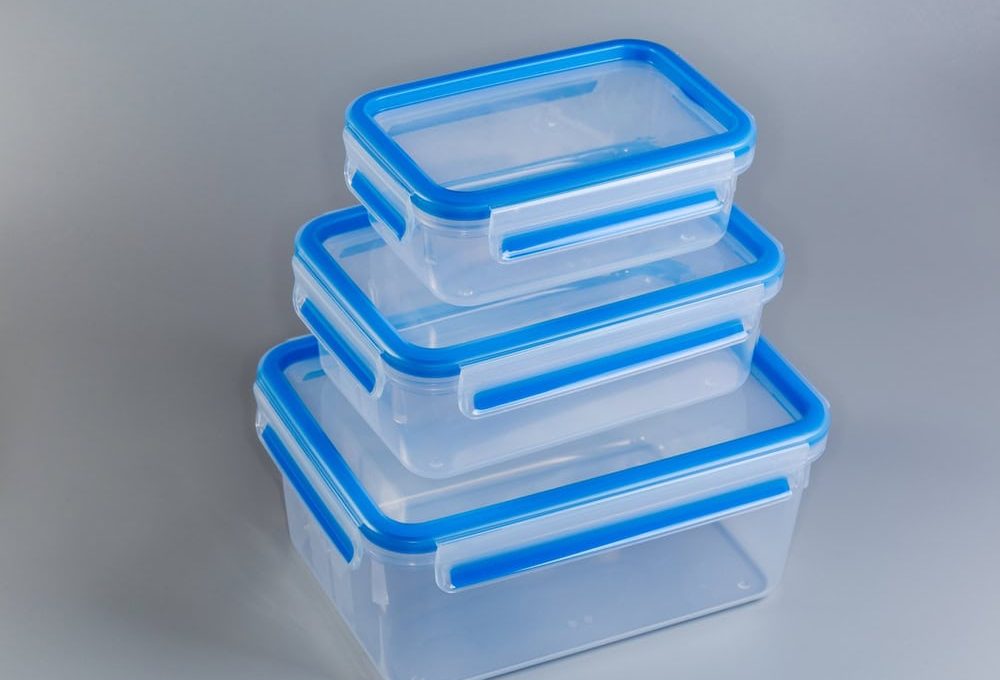
Takeaway tubs, supermarket boxes and old food-storage containers can quickly crowd out kitchen cupboards. There might be containers with missing lids, cracked corners, stubborn stains or warped containers from overheating. Many people hang on to them, thinking they will need them one day. But what they have is a frustrating jumble of containers that take up valuable space.
Broken containers and non-food-safe packaging that can’t be reused should be replaced with food-safe containers made to be used many times. Keeping fewer containers will make it easier to store leftovers and prevent cluttered cupboards.
Overflowing linen closet
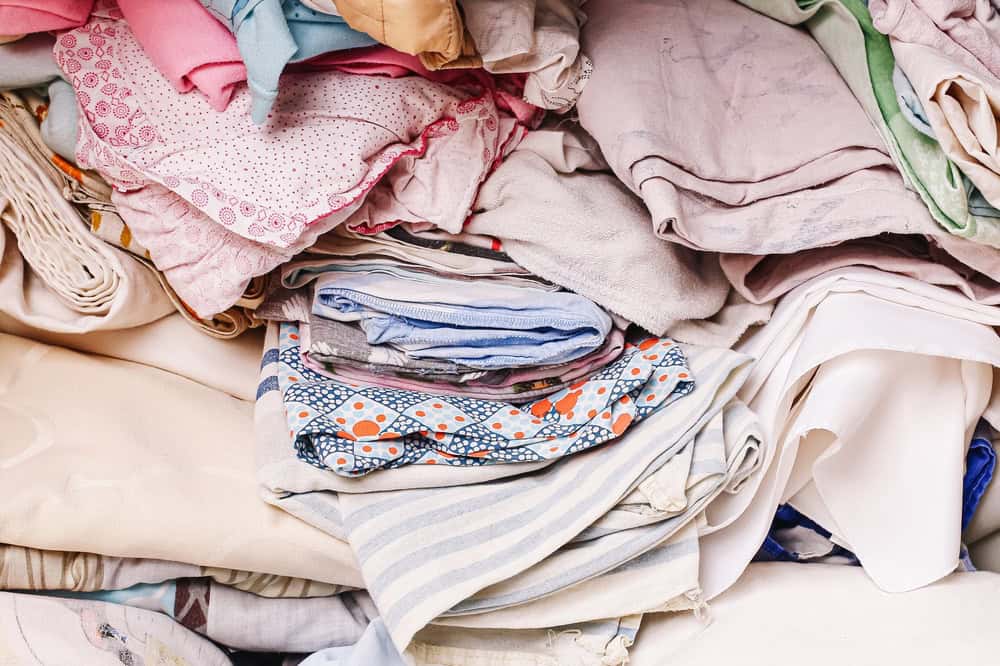
Earlier generations were brought up to be thrifty with household goods, since getting new ones was a hassle or a big expense. Many adults have closets full of threadbare towels, discolored bedsheets, odd pillowcases, and blankets that haven’t seen the light of day in decades.
Extra linens crowd the closet and it can be difficult to find anything that isn’t worn or faded. It’s better to get rid of the extras by donating them to a suitable charity or animal shelter if they are usable or recycling them.
Boxes of older paperwork
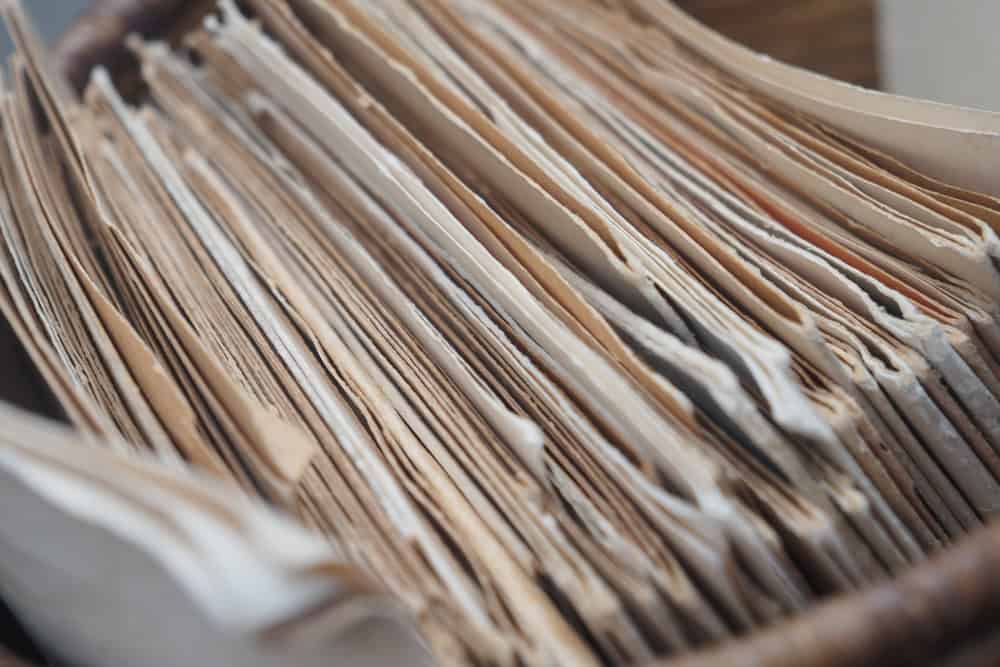
Some older adults hang on to years, sometimes decades’ worth, of bank statements, utility bills, tax records, warranties and instruction manuals in case they need the information again someday. The problem is, all that paper can take over file cabinets, closets and spare rooms.
It’s best to weed through those piles of paperwork, shred what’s no longer needed and organize what’s important. Holding on to unnecessary paperwork can also create identity theft problems if they fall into someone else’s hands. The goal isn’t to discard everything, since certain legal, financial, and property records should be retained, but to make essential information easier to locate when needed.
Worn-out rugs and runners

An old rug might be an heirloom or match a sofa set, but it could also be a tripping hazard. Corners that curl up, loose ends, worn backing, and slippery tops are danger zones for trips and falls. Falls are a leading cause of injury for seniors.
Rugs near stairs, bathrooms and hallways should get extra scrutiny since people tend to pass through these rooms frequently. Some expensive rugs can be repaired by a professional or secured with the right non-slip backing.
Expired medicines and supplements

Expired medications are commonly found in bathroom cabinets and bedside drawers along with half-empty prescription bottles, unused painkillers from who-knows-when, and forgotten vitamins and supplements bought years ago. Medications can lose their potency after expiration dates. Improper storage can make some products dangerous.
Keeping old prescriptions also increases the risk of accidentally taking the wrong medication or using something that no longer suits a person’s health needs. Periodically going through medicine cabinets and tossing expired products helps ensure medicine storage safety and is easier when you can see what you have.
Like our content? Be sure to follow us.
People say getting rid of these 12 items was a huge mistake

In a mad rush to throw everything away, you might miss out on things worth keeping. So while you work on decluttering, here are 12 things people mostly regret getting rid of.