
From coast-to-coast, beloved American brands are quietly fading away from grocery shelves as consumers and retailers opt for cheaper Canadian alternatives.
Heinz
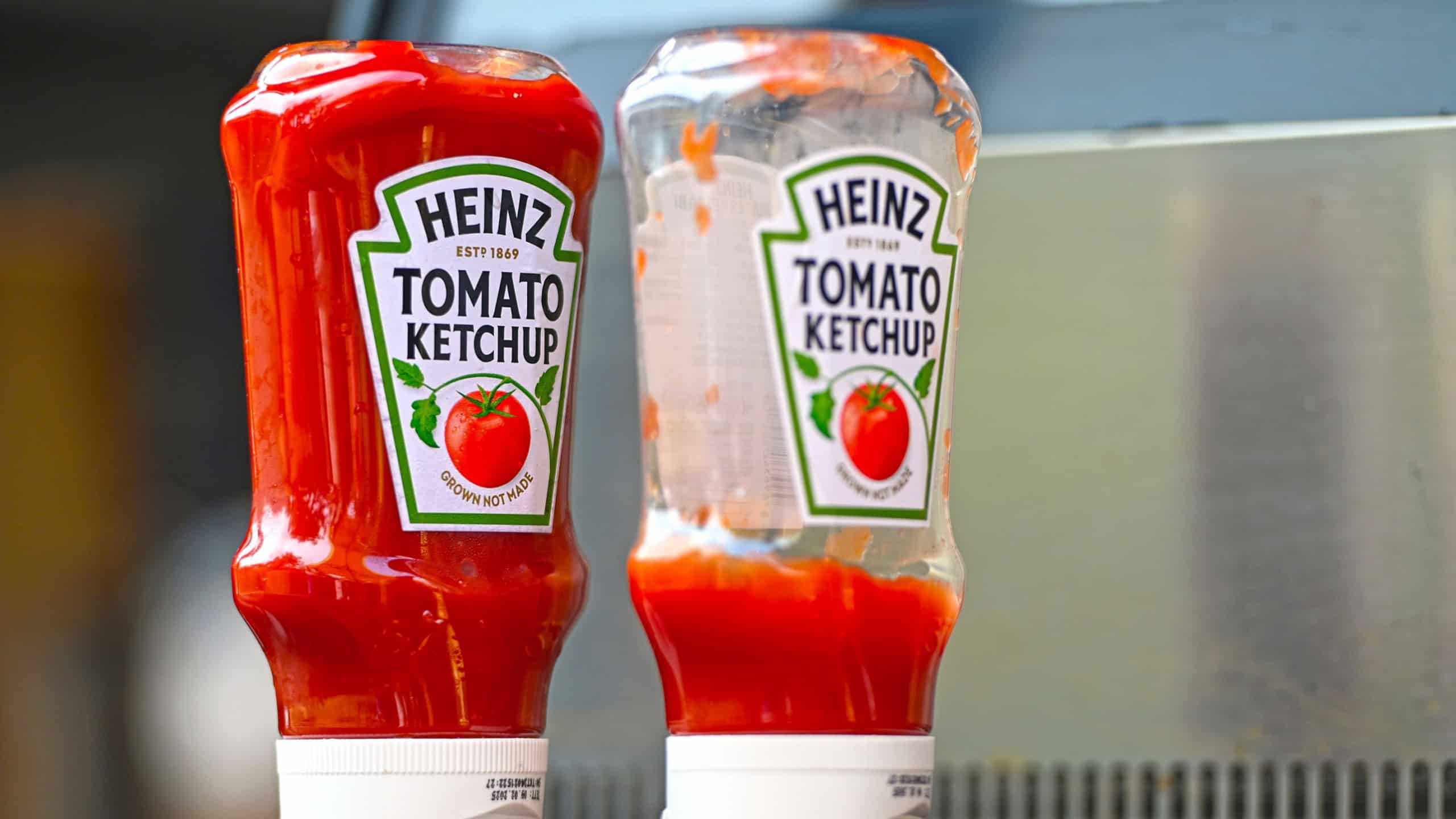
Heinz dominated Canadian tables for generations, until they closed down their Ontario-based production plant. Enter Canadian contender French’s, who boast using 100% Canadian-grown tomatoes.
In many Canadian grocery stores these days, French’s is being stocked on that coveted eye-level shelf over Heinz as consumers look to support local growers.
Starbucks

Starbucks may be a household name, but high-end roasters like Kicking Horse Coffee, Balzac’s, and Ethical Bean have jumped into the premium space with organic, fair-trade products.
Based out of B.C. and Ontario, these smaller companies have gained a reputation for exceptional quality by appealing to the growing trend of Canadian consumers who care about the origin of their food.
Gatorade
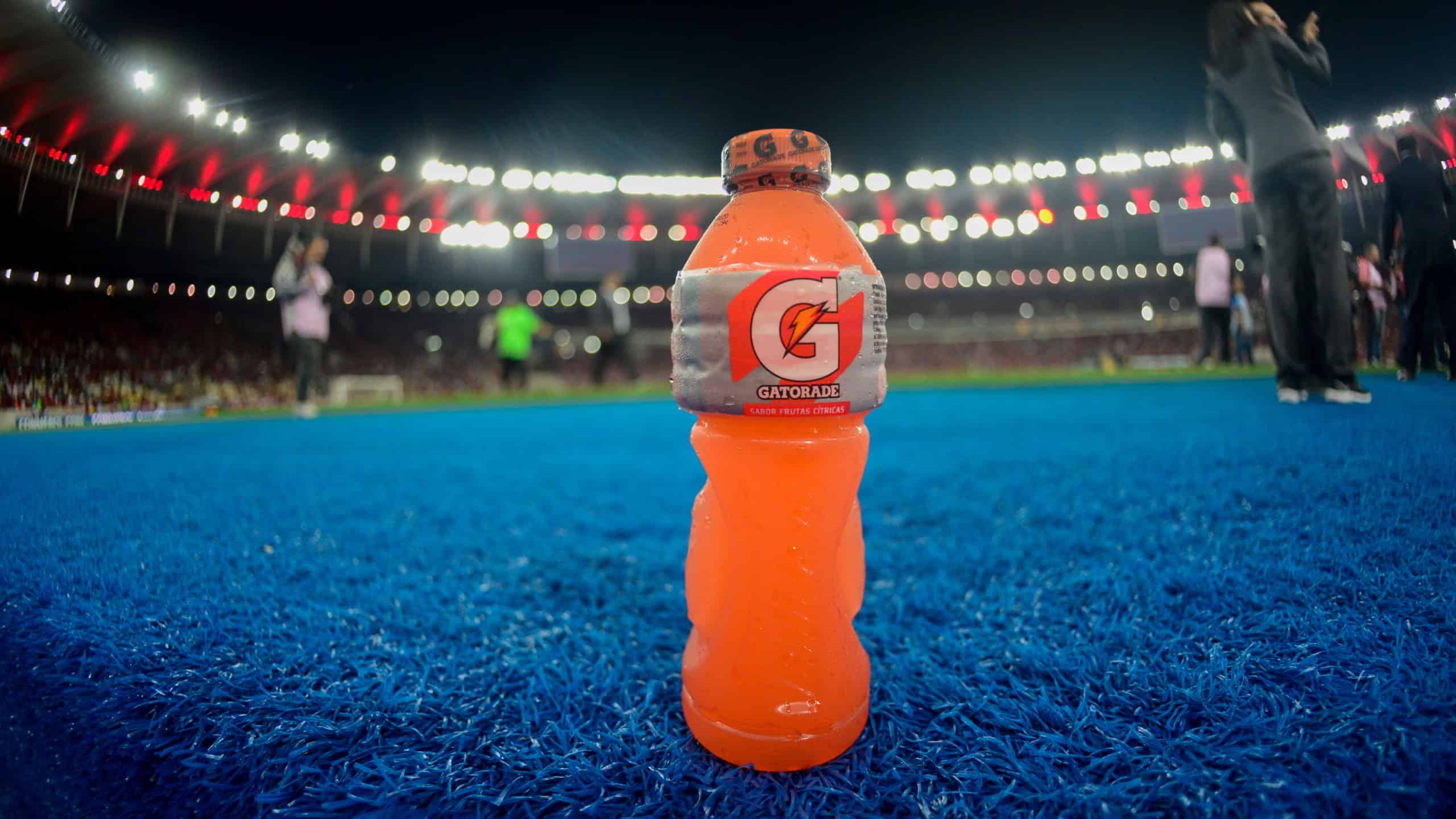
While the sports drink powerhouse Gatorade is technically global, Canadian-founded BioSteel has dominated the North.
Strategic partnerships with NHL franchises and messaging around their clean and organic ingredients have allowed BioSteel to expand shelf space in mainstream grocery stores like Sobeys and Loblaws at the expense of traditional sports drinks like Gatorade.
Tide
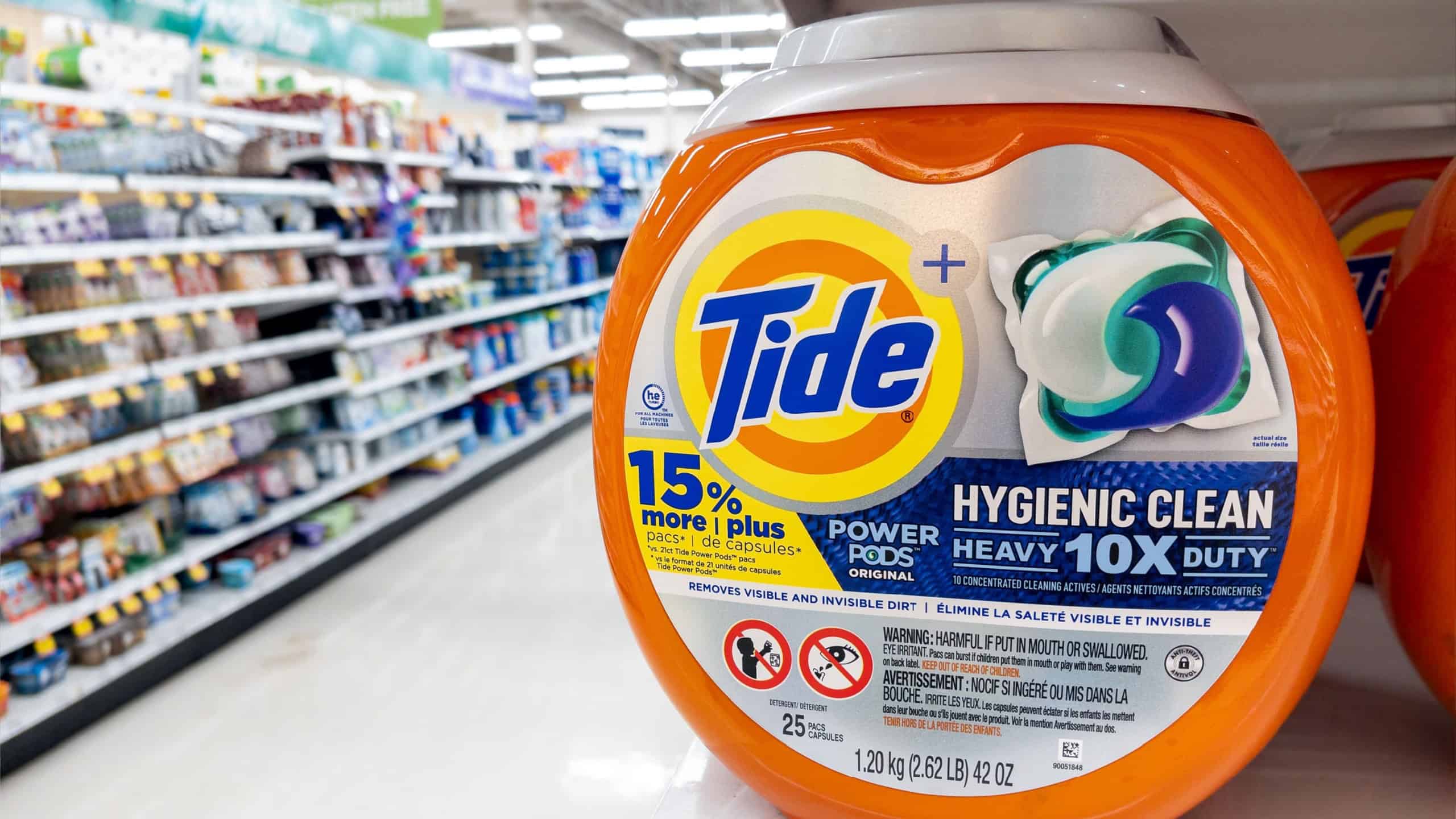
As prices for heavy American laundry detergents like Tide have risen (due to increased shipping costs), domestic brands like Quebec’s Hertél and BC’s Nellie’s have popped up in the mainstream.
Nellie’s in particular has exploded by marketing eco-conscious, made-in-Canada powders that take up less room on shelves but offer far more value.
Hellmann’s
Private-label brands like President’s Choice from Loblaw’s and Trusty from Sobeys have upped their game in recent years to better compete with Hellmann’s recipe.
When stacked up on grocery shelves these home brand options are often given more favorable eye-level positioning because they give retail stores higher profit margins while providing customers with a near identical tasting product.
Lay’s
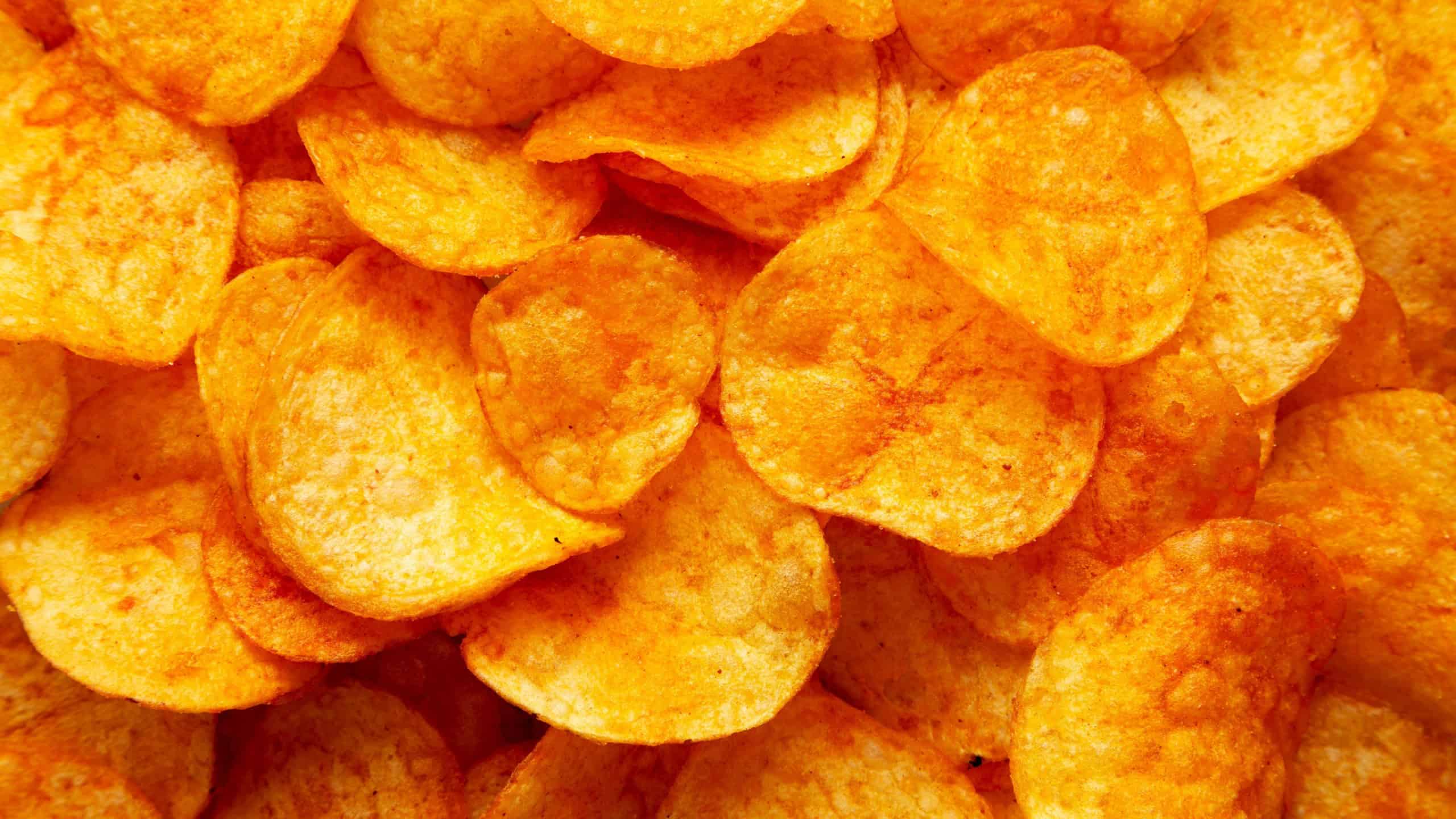
Lay’s is still massive in Canada, but regional brands are chipping away at their dominance.
Brands like Old Dutch (which has been operating out of Western Canada for many years) and boutique players like Hardbite (based out of BC) are taking premium and local shelf space over their American counterpart, Frito-Lay.
Tropicana
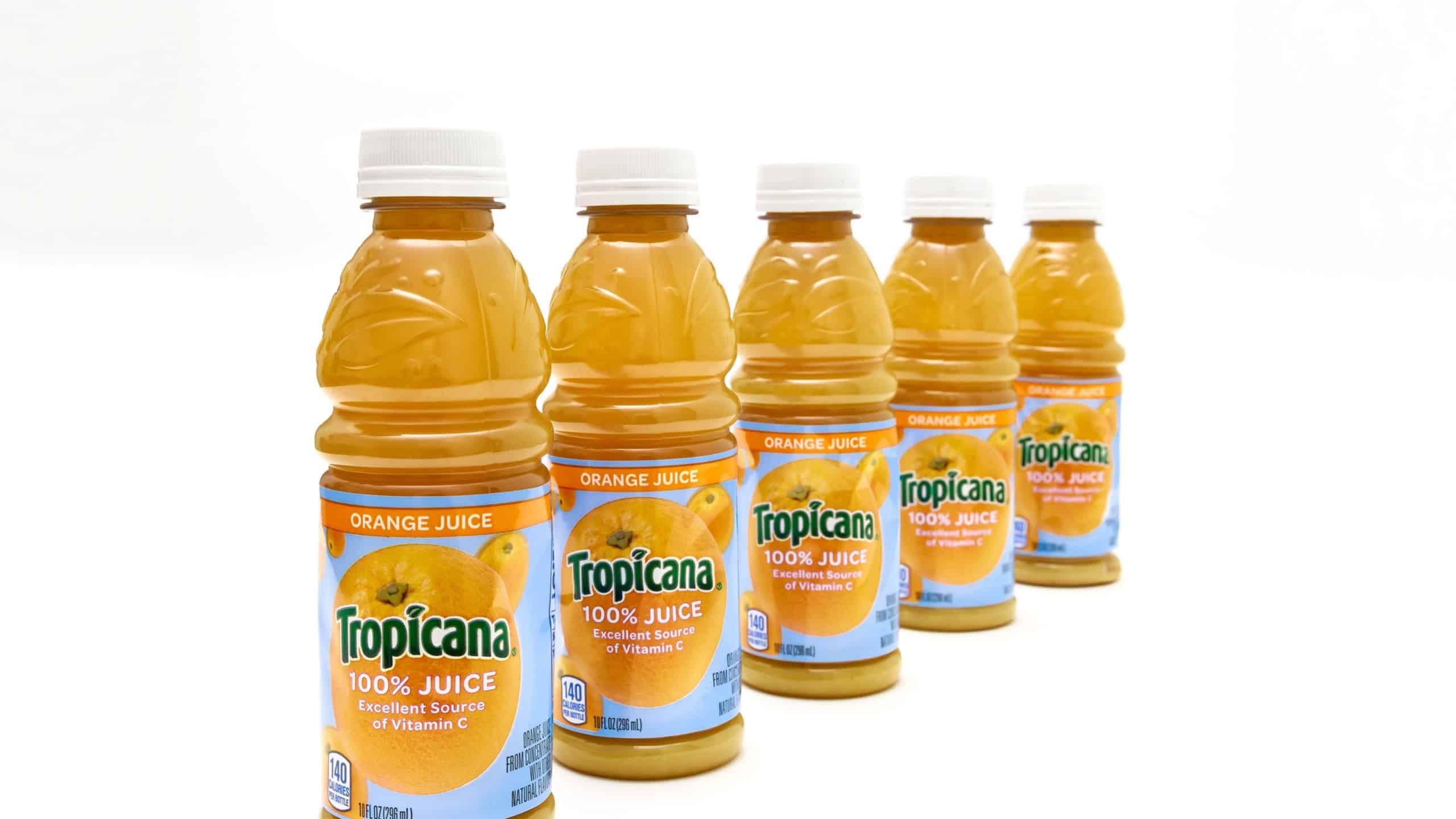
With prices for Florida oranges rising due to new tariffs, many Canadians couldn’t stomach the high prices of Tropicana. To compensate, shoppers have turned to Oasis and made-in-Canada alternative Rougemont.
Multiple grocery chains have also expanded their own grocery store brand juice options. Since the brands are processed domestically, they don’t face the same tariffs as imported American brands.
Jack Daniel’s & Jim Beam
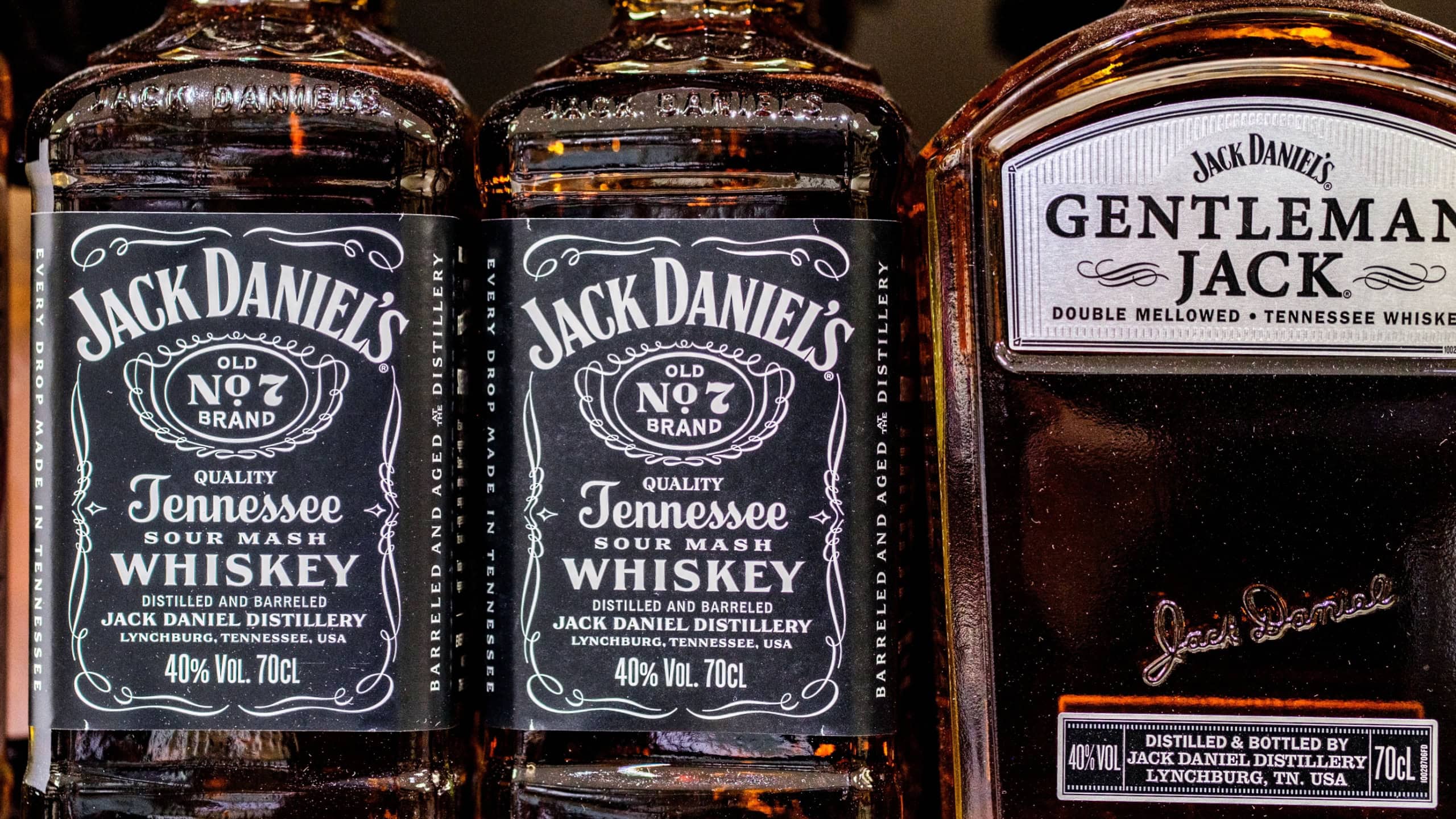
It didn’t take long after America’s bourbon tariffs in 2025 for Canada’s liquor boards to shift their focus to promoting made-in-Canada spirits.
In order to avoid punishing customers with higher prices, government-run agencies like the LCBO and BC Liquor began promoting Canadian-made whiskies like Forty Creek and Canadian Club.
Fast forward to today, and many liquor stores have halved their bourbon selection to make room for high-priced, aged Canadian rye whiskies.
California Produce
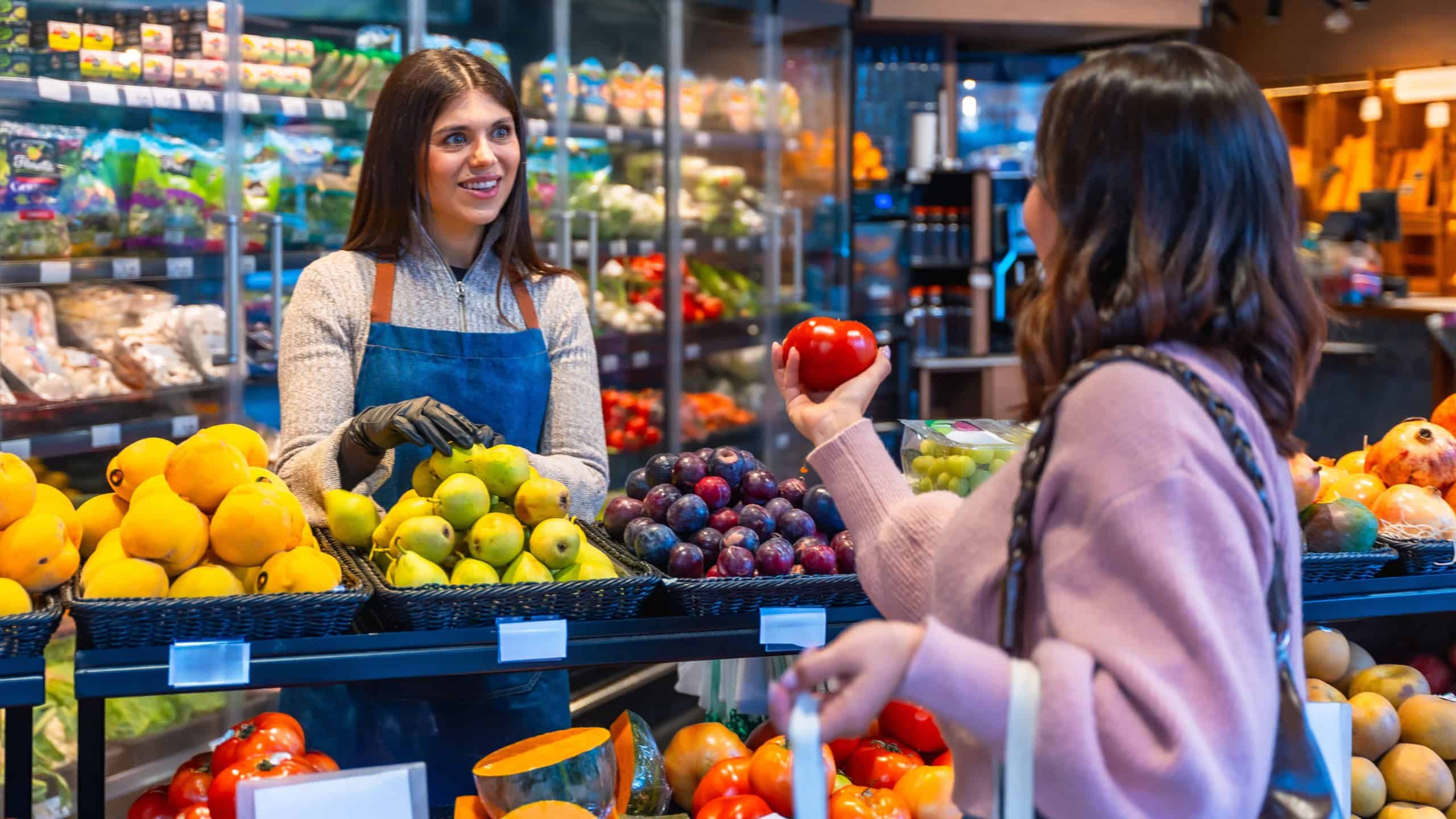
Remember when California’s Central Valley was the poster child for the produce section? Not in 2026. There are now massive Canadian greenhouse operations producing berries, tomatoes, cucumbers, and more year-round right here in Canada.
Ontario’s Mucci Farms and Pure Flavor are two household names that have invested millions into indoor growing facilities. While these crops aren’t subject to the border taxes imposed on U.S. produce, they also have a built-in Canadian marketing advantage.
Sources: Please see here for a complete listing of all sources that were consulted in the preparation of this article.