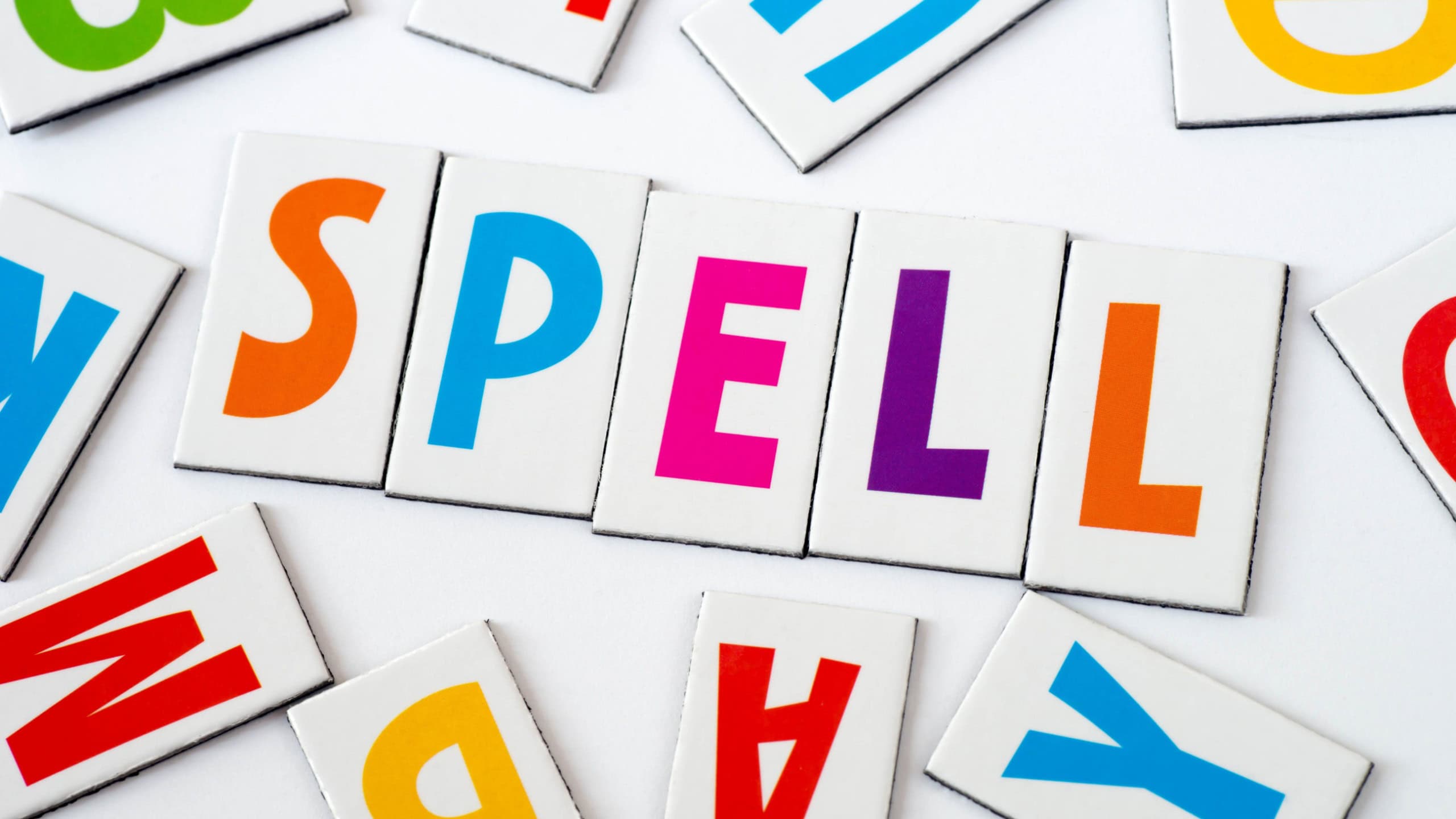
Some misspellings are so prevalent throughout America that people now blindly type them everywhere online without knowing that the actual phrase or word was different to begin with.
Loose

Loose and lose are homonyms that Americans use incorrectly online all the time. They mean entirely different things. One is used when you misplace something, and the other means not tight. When people use loose instead of lose by accident, it creates unintentional hilarity.
Should of

Many non-Americans will often look at this one in real confusion because grammatically, “should of” doesn’t exist. You’re supposed to say, “should have,” which is typically shortened to “should’ve.” However, lots of Americans hear how it’s said and think “of” is proper.
A lot

For some reason, many Americans refuse to accept that “a” and “lot” are two separate words. “A lot” has become alot everywhere you look online, even though it’s never been right. The error somehow makes sense when you realize no one would ever write “abit” or “alittle.”
Per say
Many Americans boldly type “per say,” not knowing that the proper word is “per se.” It’s Latin for “by itself” or “intrinsically.”
When you say it out loud, it makes perfect sense, so people often type what they hear. After you see it on the Internet, though, you begin to notice it everywhere, particularly in arguments when someone is trying to sound smart.
Drunkeness

When people write about being intoxicated, they often omit the second n when writing about the state of being drunk. Dropping that letter is understandable because when speaking the word aloud, the double n sounds like one letter, leading writers to spell drunken exactly how they hear it.
Definately

Possibly the monarch of all online spelling errors, “definately” is used so frequently by Americans that it almost starts looking normal after a while. What’s most hilarious is how people are so sure of themselves when typing it, whether they’re arguing in the comments, posting a job listing, writing a caption, or firing off a business email.
Baited breath

The phrase is actually “bated breath,” as in breath that has been paused. However, lots of Americans mistakenly say “baited breath,” which makes one picture someone’s breath being used as fishing bait.
This is specially amusing because most people say it during tense situations and have no idea that they’ve just changed the sentence’s meaning completely.
Millenium

Many writers trip themselves when writing millennium by always forgetting to double both the “l” and the “n,” producing erroneous forms such as millenium. Remember to use the double-n. It’s there for a reason.
Millennia is derived from the Latin words mille for thousand and annus for year, so removing a letter obscures the etymology that ties the word to time.
Could care less
We cringe every time we hear this expression, because it literally means the opposite of what is intended. If you “could care less,” you care about something to some degree.
You should say “couldn’t care less.” Many Americans say it so often now that they don’t even recognize the hypocrisy.
Seperate

The word “separate” pains so many internet users because Americans automatically switch out the second “a” with an “e.”
Some cringe every time they see this mistake typed in silly blogs, captions, and even at the office. It’s just one of those words that many people sound out instead of remembering how to spell.
Wierd

Sometimes people spell “weird” in a way that looks weirder. Americans exchange letters to spell “wierd”, despite correctly spelled weird being seen all over literature, films, and memes.
Many people typing online got so used to the error they no longer see it, unless it’s highlighted.
Extract revenge
The correct saying is “exact revenge,” as in to administer punishment. However, many Americans mistakenly say, “extract revenge,” probably because extract just sounds better. It paints a funny picture of revenge being scraped out of the ground like oil.
Tommorow
Tomorrow is often misspelled with two “m” letters rather than two “r” letters because when speaking it aloud, the beginning of the word feels heavier, making those who spell without looking rely on pronunciation.
Technically, tomorrow is two words when looking at the origin: “to morrow” (which means to the morning following), so adding that extra “m” ruins the etymology.
Acommodate

The word “accommodate” kills confidence because no one can remember if it requires double letters, single letters, or both. Americans also use versions like “acommodate” and “accomodate”. We know how it happens, but so many wrong variations make the word feel cursed.
Deep seeded

Many Americans spell “deep seeded” when they mean “deep-seated.” The reason is likely because “seeded” feels correct intuitively when you talk about ideas or emotions developing over time. Thanks to the Internet, most people don’t even recognize it today as a mistake.
Sources: Please see here for a complete listing of all sources that were consulted in the preparation of this article.