
These books have helped shape how Canadians understand their history, culture, and what it means to call Canada home.
Two Solitudes (1945)
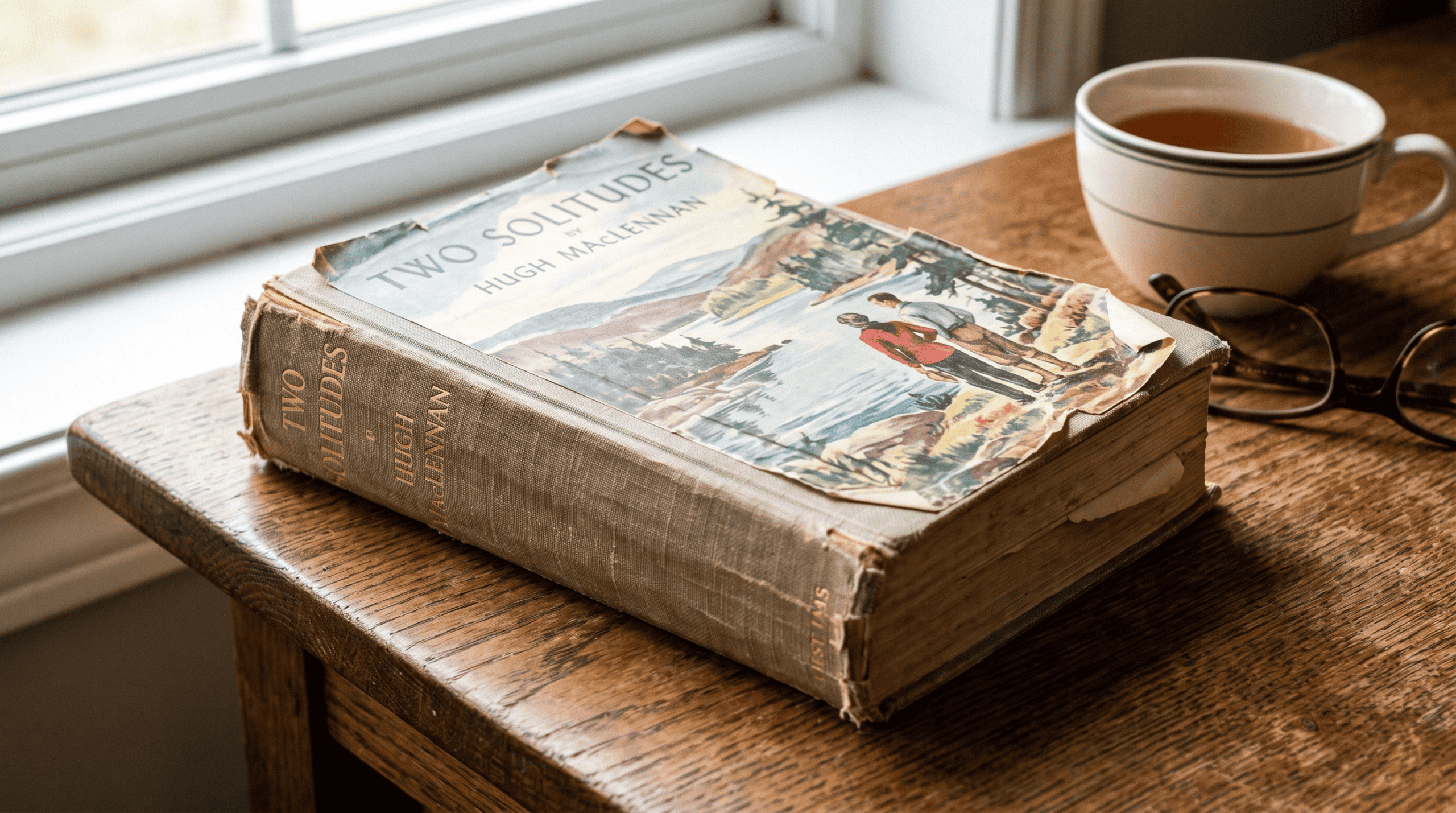
Hugh MacLennan’s foundational novel provides readers with the classic paradigm through which we can understand the cultural, linguistic, and religious schism between English and French Canada.
Focusing on events in small-town Quebec and Montreal in the first half of the 20th century, MacLennan charts the tensions, misunderstandings, and general paralysis between the two European founding nations. He captures the political tension between communities trying desperately to create one unified soul from two strong-willed, headstrong identities.
The Stone Angel (1964)
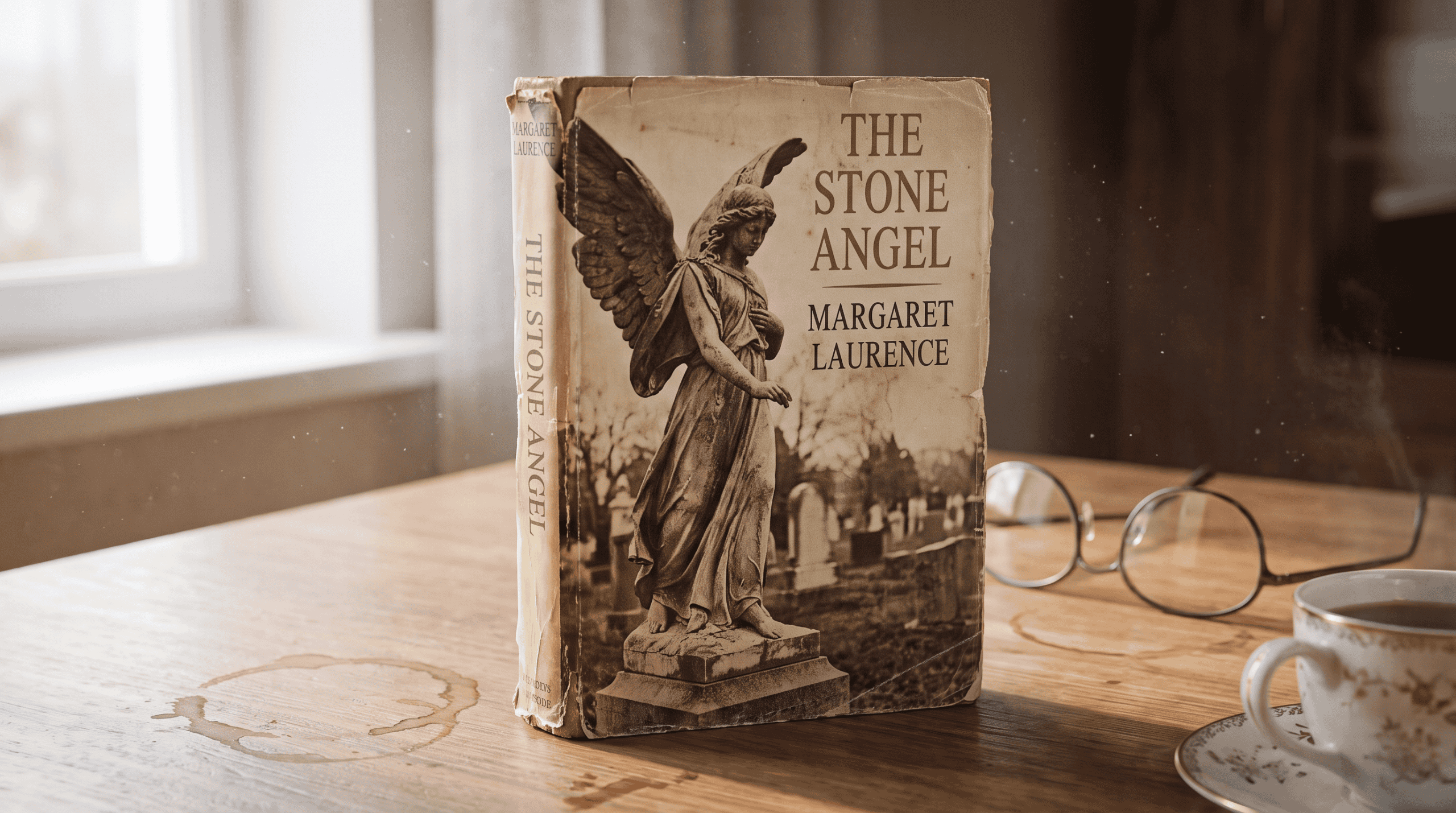
Painting a vivid portrait of a harsh, unforgiving fictional Manitoba prairie town, Margaret Laurence introduced us to one of the fiercest independent characters in literature.
Ninety-year-old Hagar Shipley struggles through life with a proud, emotionally repressed determination that was used to build the West. Laurence beautifully captures that quintessential prairie stoicism, generations forced to not only survive the brutal climate but the isolation that it demands.
Fifth Business (1970)
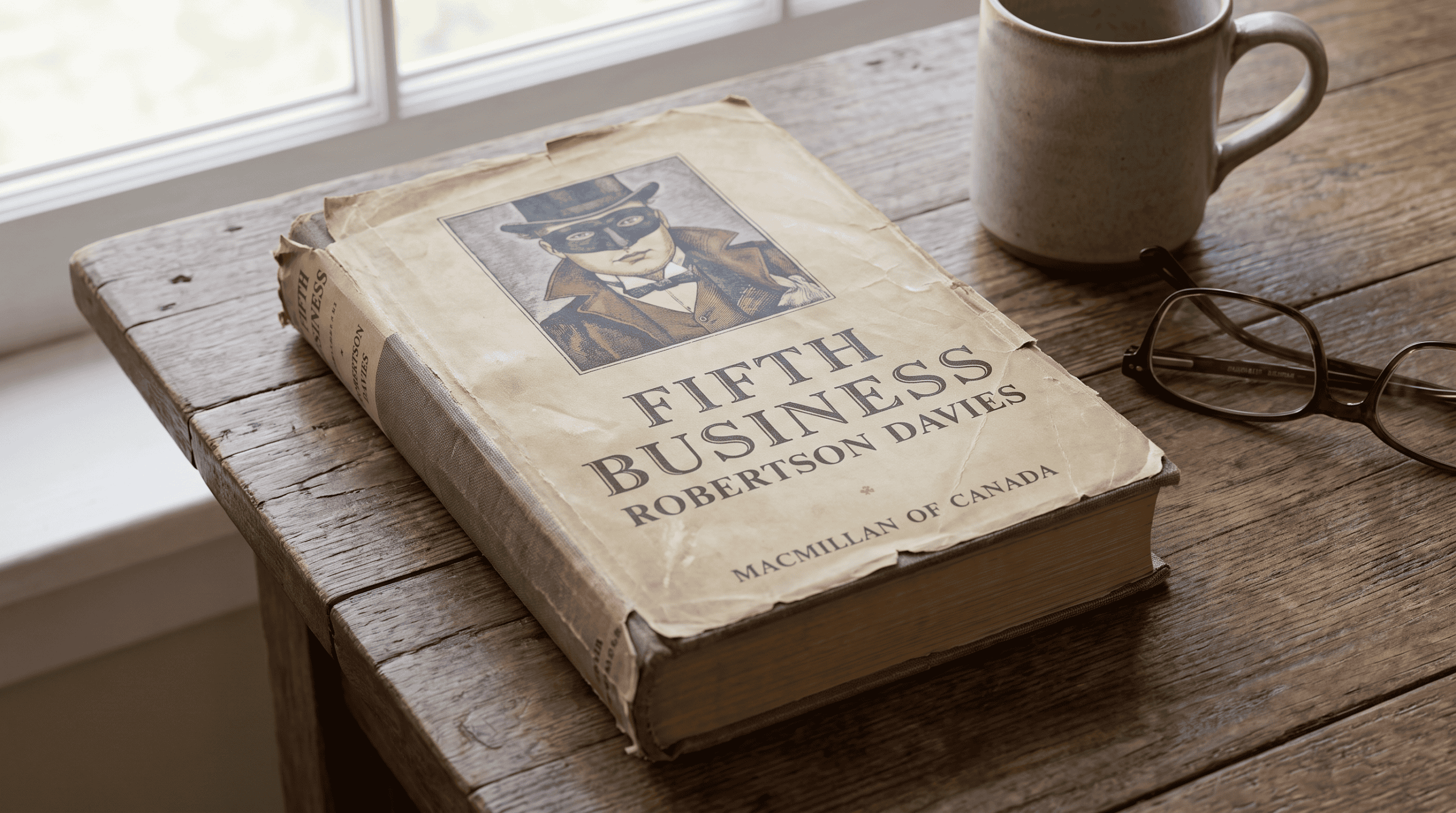
This intellectual, mystical book by Robertson Davies probes deeply into the unconscious drives behind small-town Canadian life. A tiny incident in childhood (throwing a snowball in a small Ontario town) affects several lives over 50 years through feelings of guilt, ambition, and legend.
Davies challenges the stereotype of Canadian boringness with this profoundly intellectual and mystical novel that proves that underneath polite, mundane exteriors lives secret psychological turmoil, hidden sin, and unspoken spiritual yearning.
Anne of Green Gables (1908)
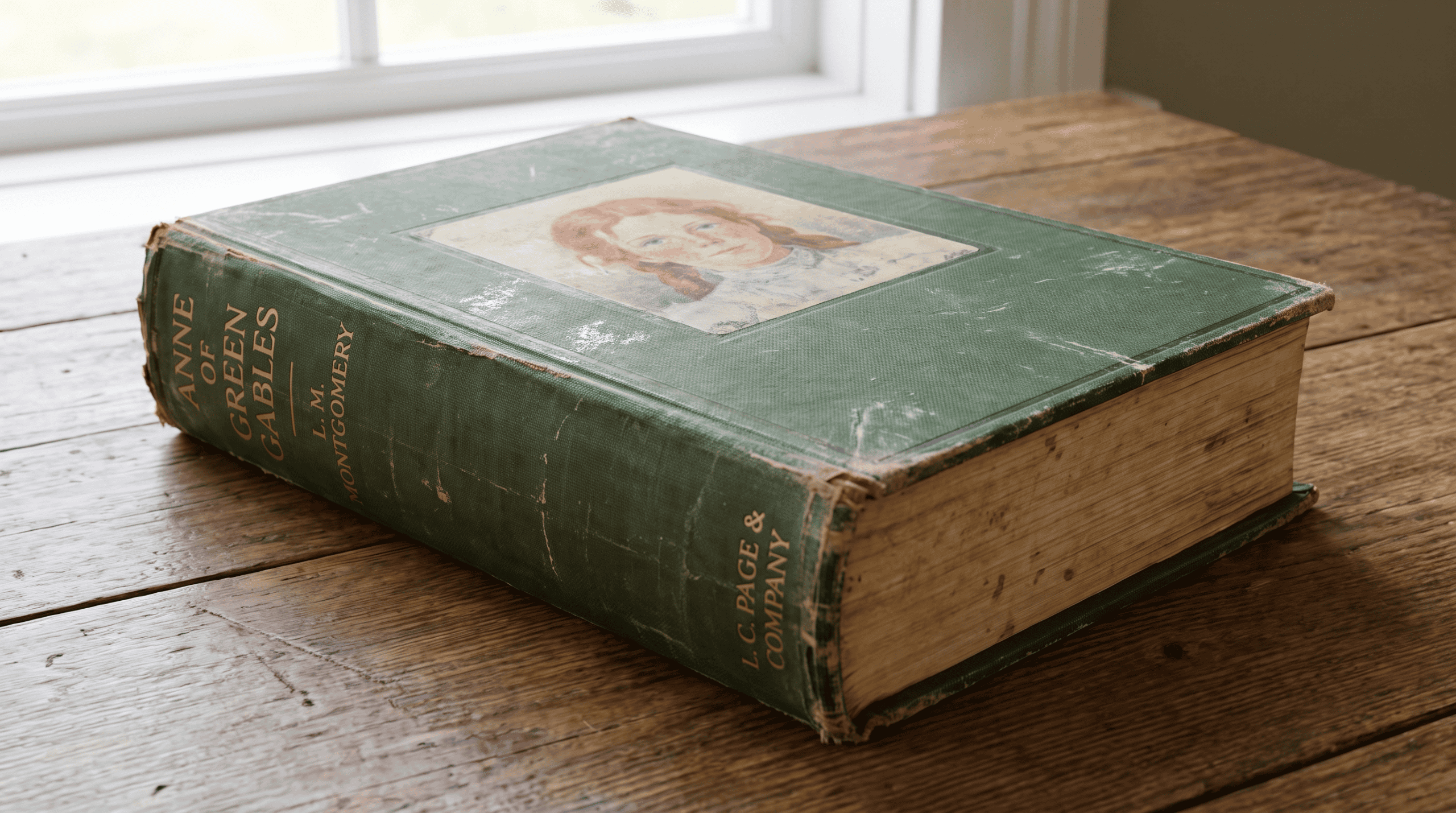
Anne of Green Gables by L.M. Montgomery gave Canada its most famous literary export while establishing the romantic ideals we have come to associate with the Maritime landscape.
Focusing on the life of Anne Shirley, a highly imaginative and strong-willed orphan sent to live with relatives on a farm in Prince Edward Island, this classic embraces the beauty and power of both nature and community to transform and uplift the human spirit.
Montgomery also subtly examines a uniquely Canadian juxtaposition of rigid, immigrant Presbyterian values and the vast, breathtaking wilderness that contains it.
Barney’s Version (1997)

Mordecai Richler tells a hilarious and harsh tale of city life in Canada from the disjointed recollections of Barney Panofsky, who is writing an autobiography to defend himself against a murder charge.
Barney takes readers on a drunken journey through Montreal’s ethnic enclaves, the Paris art scene, and the lives of rich Canadians. Barney tells it like it is and isn’t afraid to lie. Richler uses Barney to break down the Canadian stereotype of everyone being polite clones by revealing the real, gritty side of city life.
No Great Mischief (1999)
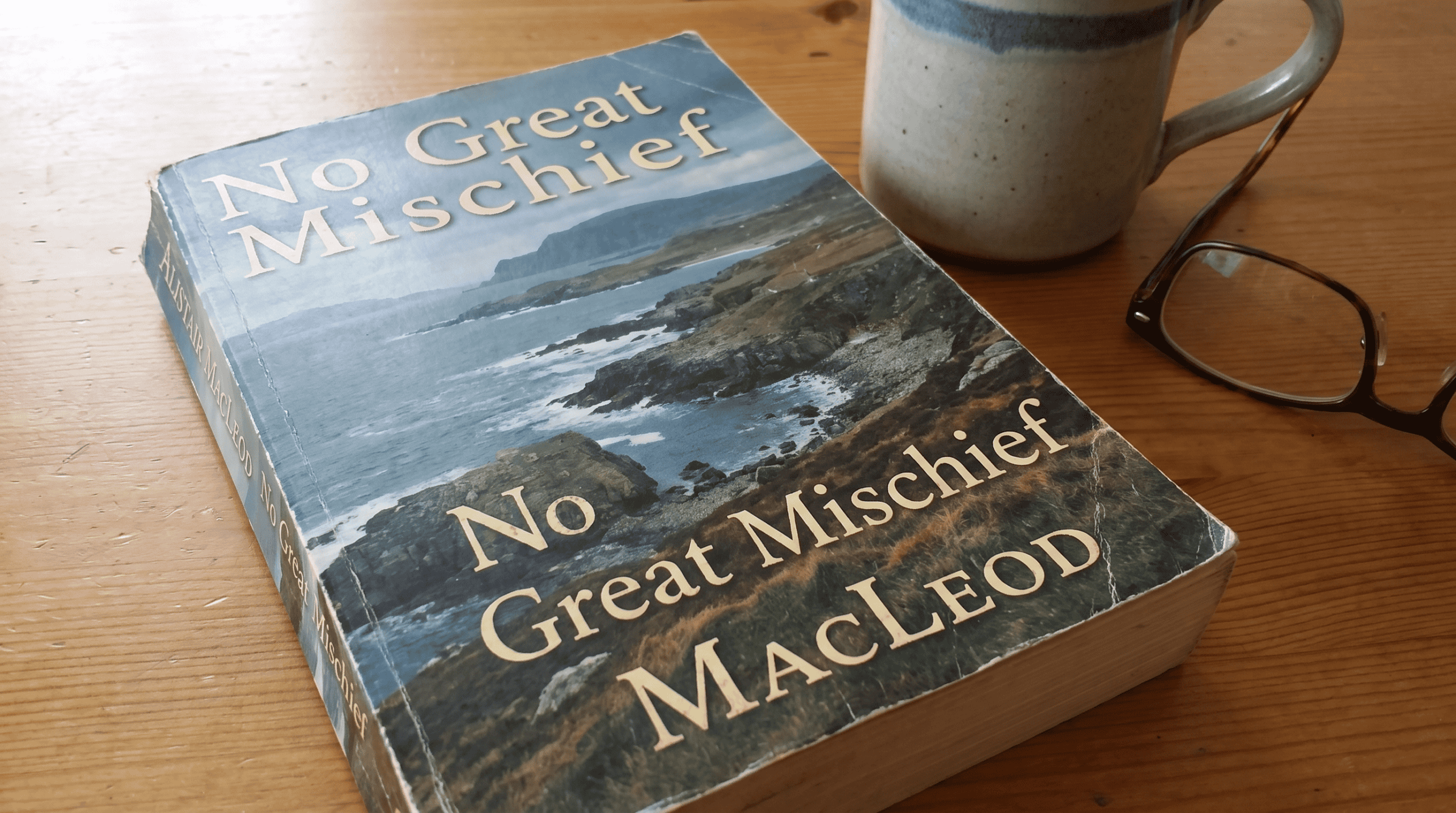
Alistair MacLeod narrates an epic, poetic saga that begins with the MacDonald family’s journey from Scotland to Cape Breton, Nova Scotia, in the late 17th century. Decades later, Alexander MacDonald looks back on his ancestry.
The novel illustrates how history, the Gaelic language, and strong kinship continue to thrive through generations with ties to a rugged, rocky landscape. MacLeod eloquently depicts love of one’s native region, the heartbreak of exile, and the unseen bonds that unite today’s Canadians with their forefathers.
Indian Horse (2012)
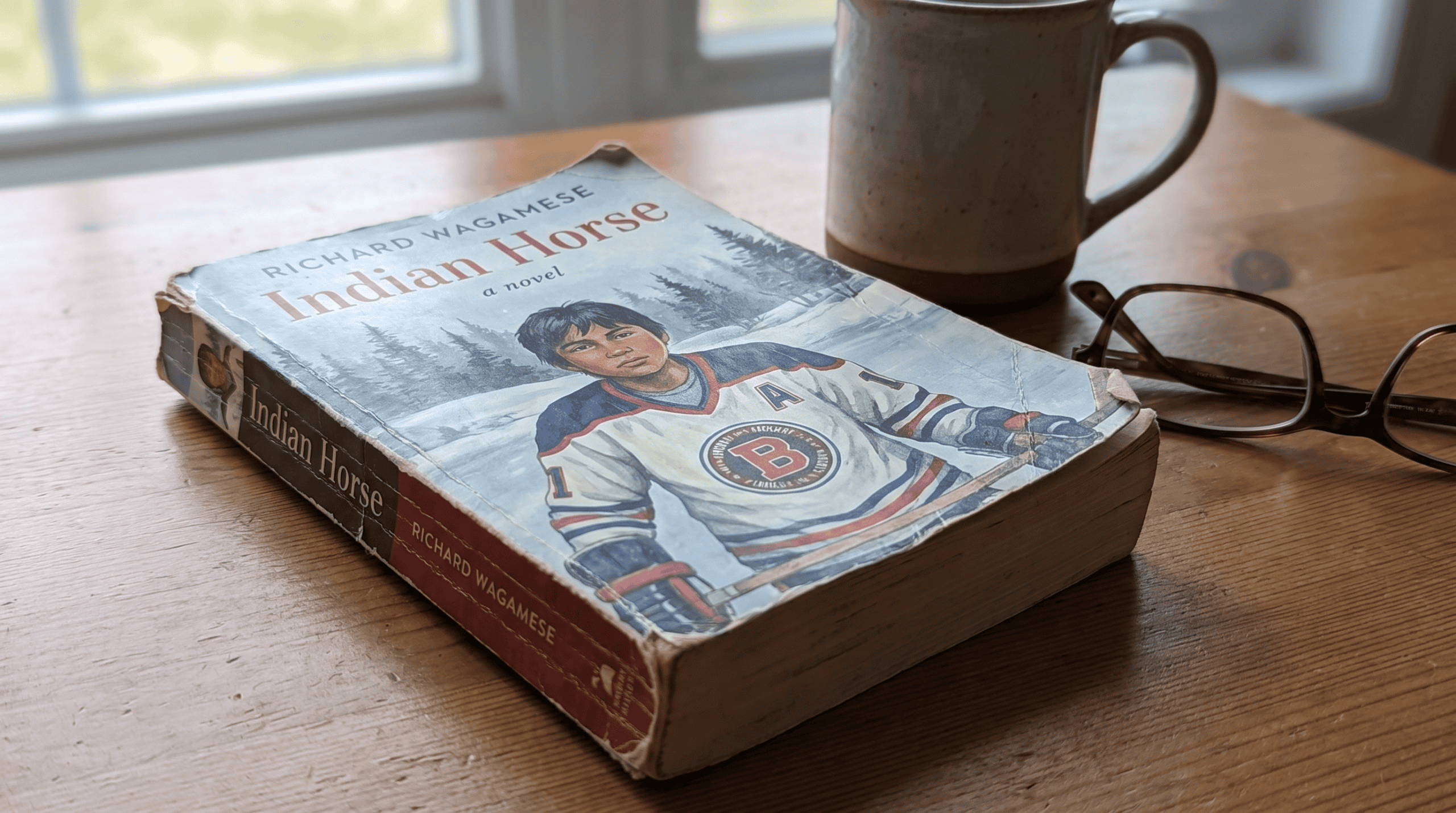
Richard Wagamese pens a sad but necessary novel recounting the tragedy of Canada’s residential school system. Saul Indian Horse is an Ojibway boy who escapes the horrific abuse of his school by playing hockey. He is incredibly talented at the sport.
Wagamese juxtaposes the love of hockey and its cultural significance with the rampant racism in Canada. An unforgettable tale of familial trauma, resilience and the long, difficult path towards redemption.
The Break (2016)
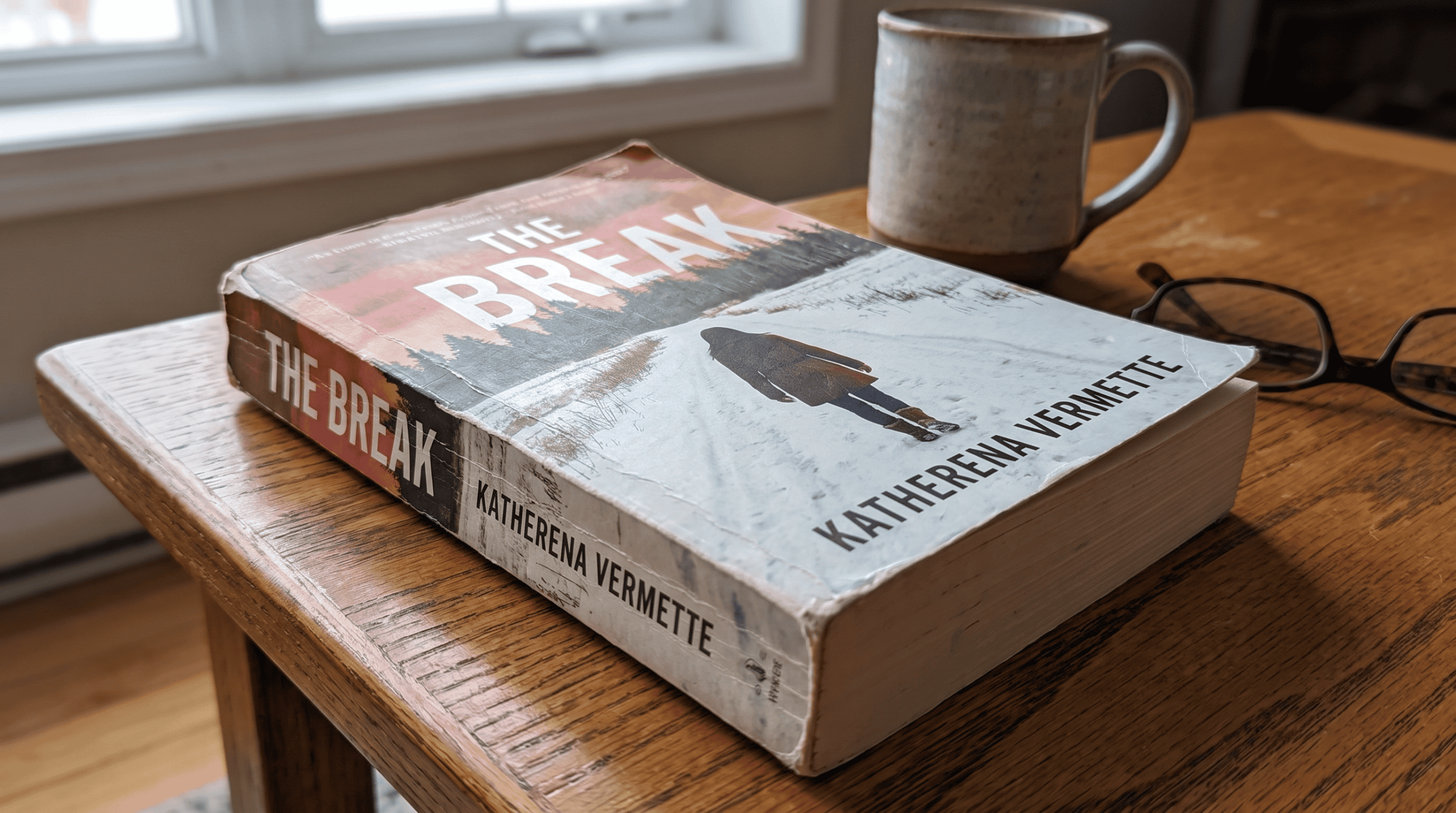
Centering around the trauma and enduring strength of Indigenous women in Canada today, Katherena Vermette’s wrenching intergenerational novel spans a single act of violence in Winnipeg’s North End through the perspectives of the Métis family it affects.
Bursting the bubble of Canada’s quaint myths of peace, Vermette centers Indigenous resistance and boundless love at the heart of existing here.
Beautiful Losers (1966)

Leonard Cohen’s radically avant-garde, psychedelic novel is one of the most controversial and boundary-pushing books ever published in the country. Taking place over the early years of the Quiet Revolution in mid-60s Montreal, the book tells the hallucinatory story of a nameless folklorist, his deceased Indigenous spouse Edith and his unhinged, magnetic mentor F.
Mixing pop culture references, eroticism, and myth (especially the story of the 17th-century Mohawk saint Kateri Tekakwitha), Cohen lashes out against conventional retellings of Canadian history and faith, replacing them with a grotesque, ecstatic prayer about colonization, history’s weight, and human attempts at transcendence.
Like our content? Be sure to follow us.