Sometimes the world takes itself a bit too seriously, but nature is full of completely ridiculous, lighthearted surprises.
Sea otter hand-holding
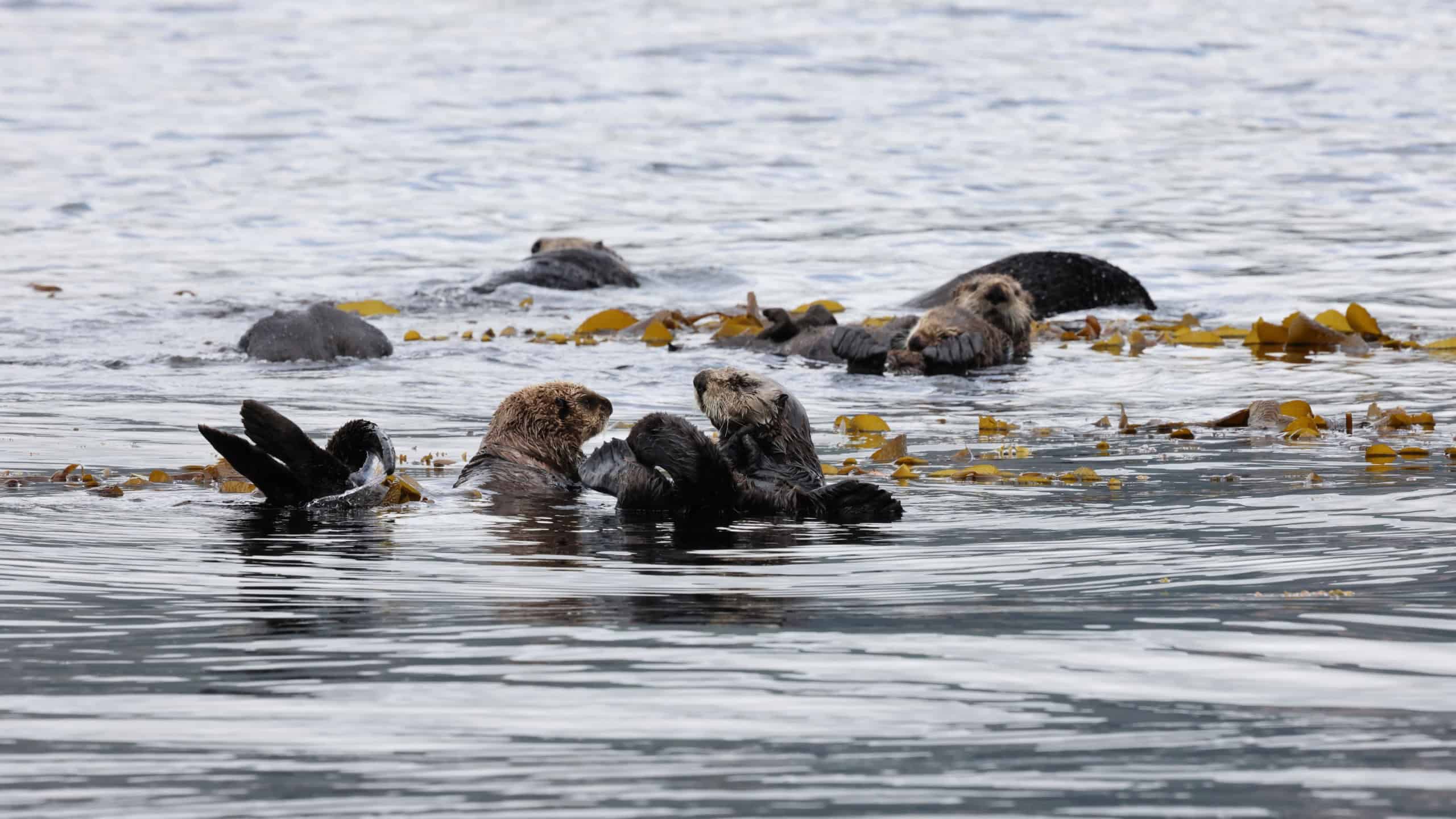
Sea otters sleep in the water by holding hands with other otters. This practice is referred to as “rafting” and helps guarantee that no one gets lost in ocean currents or separated from their families overnight. The group size of these otter rafts varies from just a couple of otters to rafts containing several hundred otters. For good measure, they’ll often tuck themselves into some giant kelp fronds too.
Squirrel tree planting
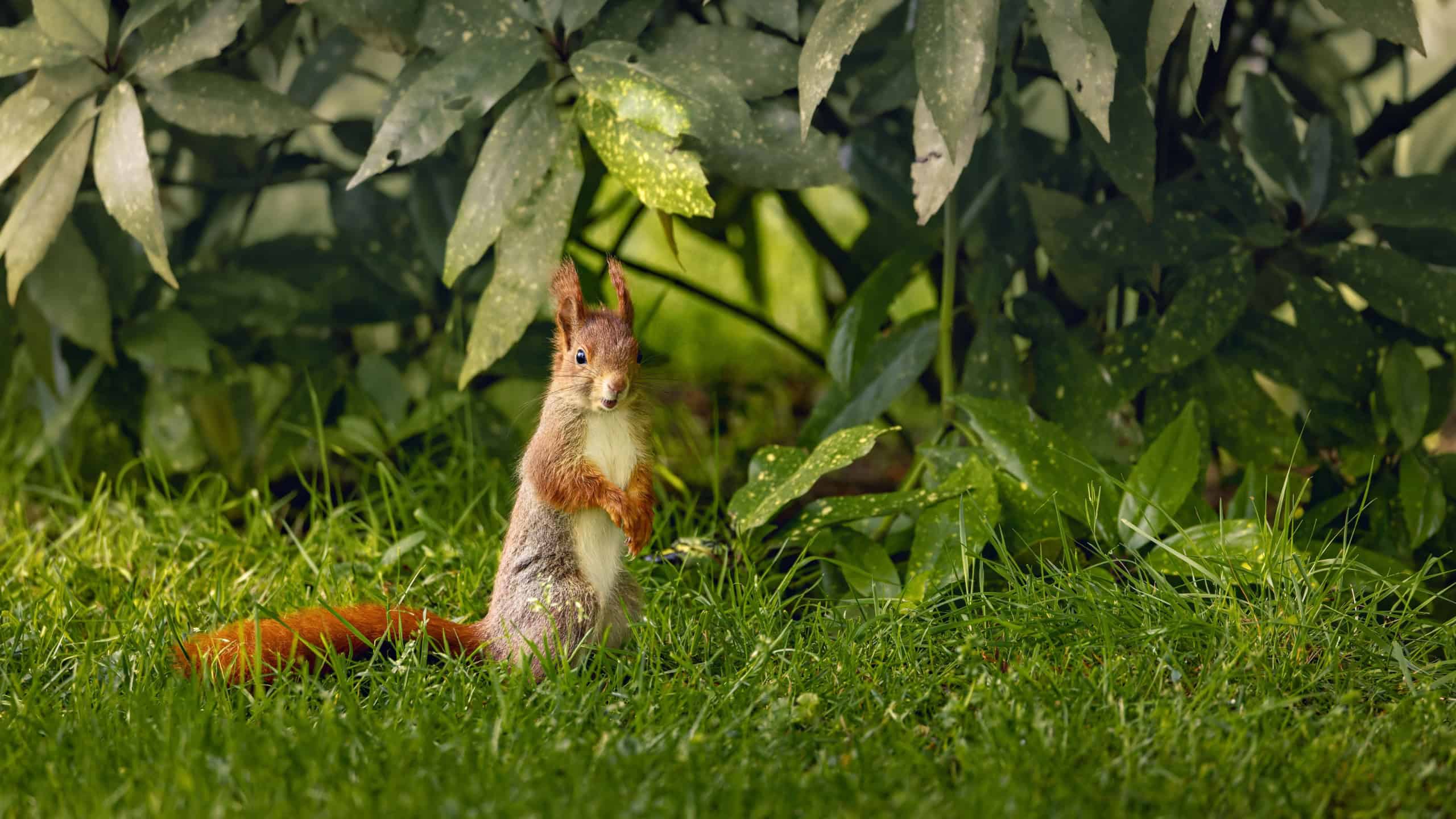
Millions of trees sprout accidentally each year thanks to squirrels forgetting where they buried their acorns, walnuts, and seeds. In preparation for winter, squirrels stash away nuts in hidden caches beneath the forest floor. Since they use scent more than memory to relocate their hidden treasure, any nuts that were buried too deeply or covered by a thick blanket of snow have a chance to germinate.
Cow best friends
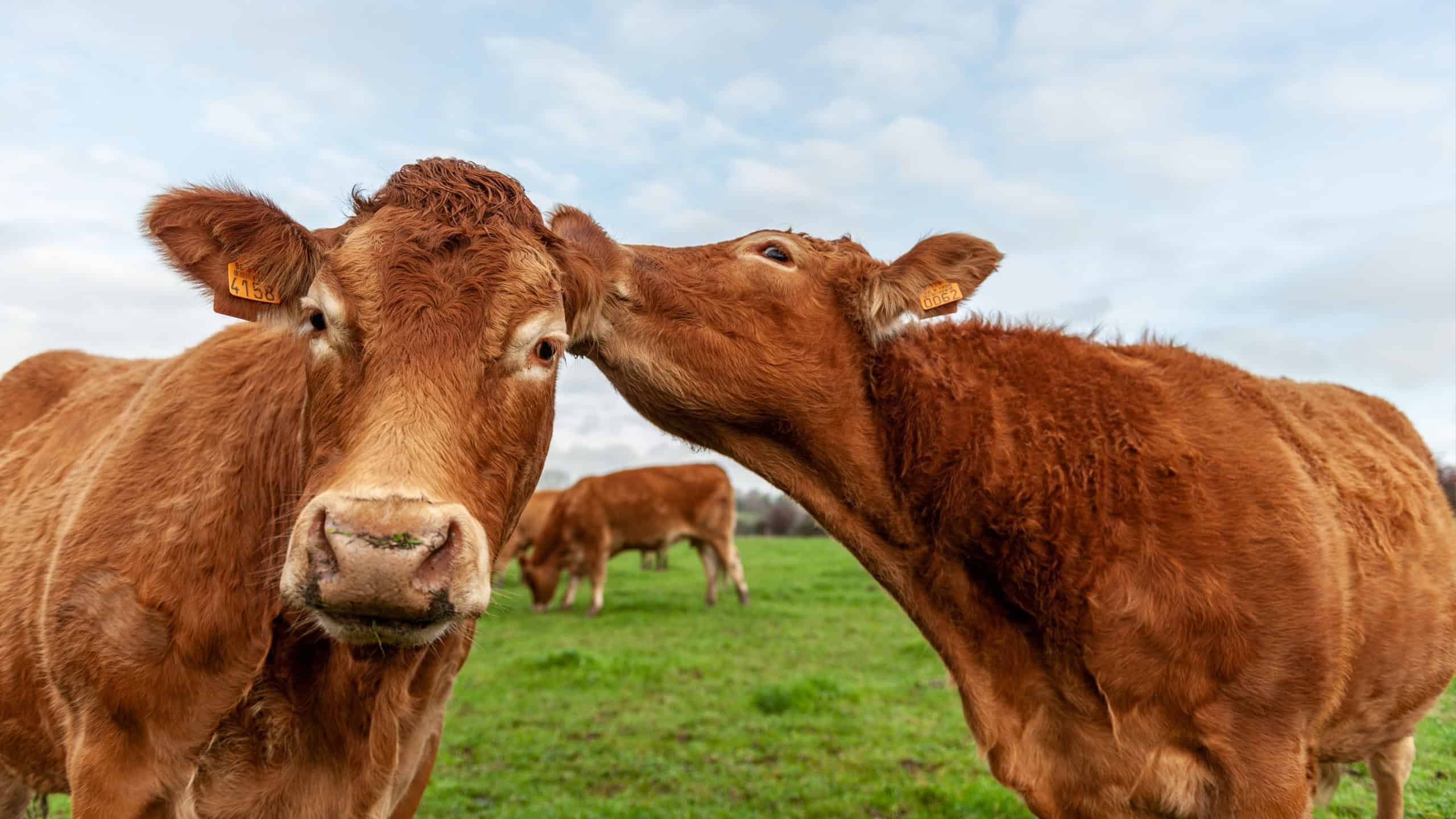
Studies have revealed that cows are emotional and social animals who create strong attachments to individual cows within their herd. When paired with their preferred partner, cows show lower stress hormones and are better workers when moving to and from pasture. However, when they are moved from their best friend, their heart rates increase, they moo with displeasure and become anxious.
Puffin spouses
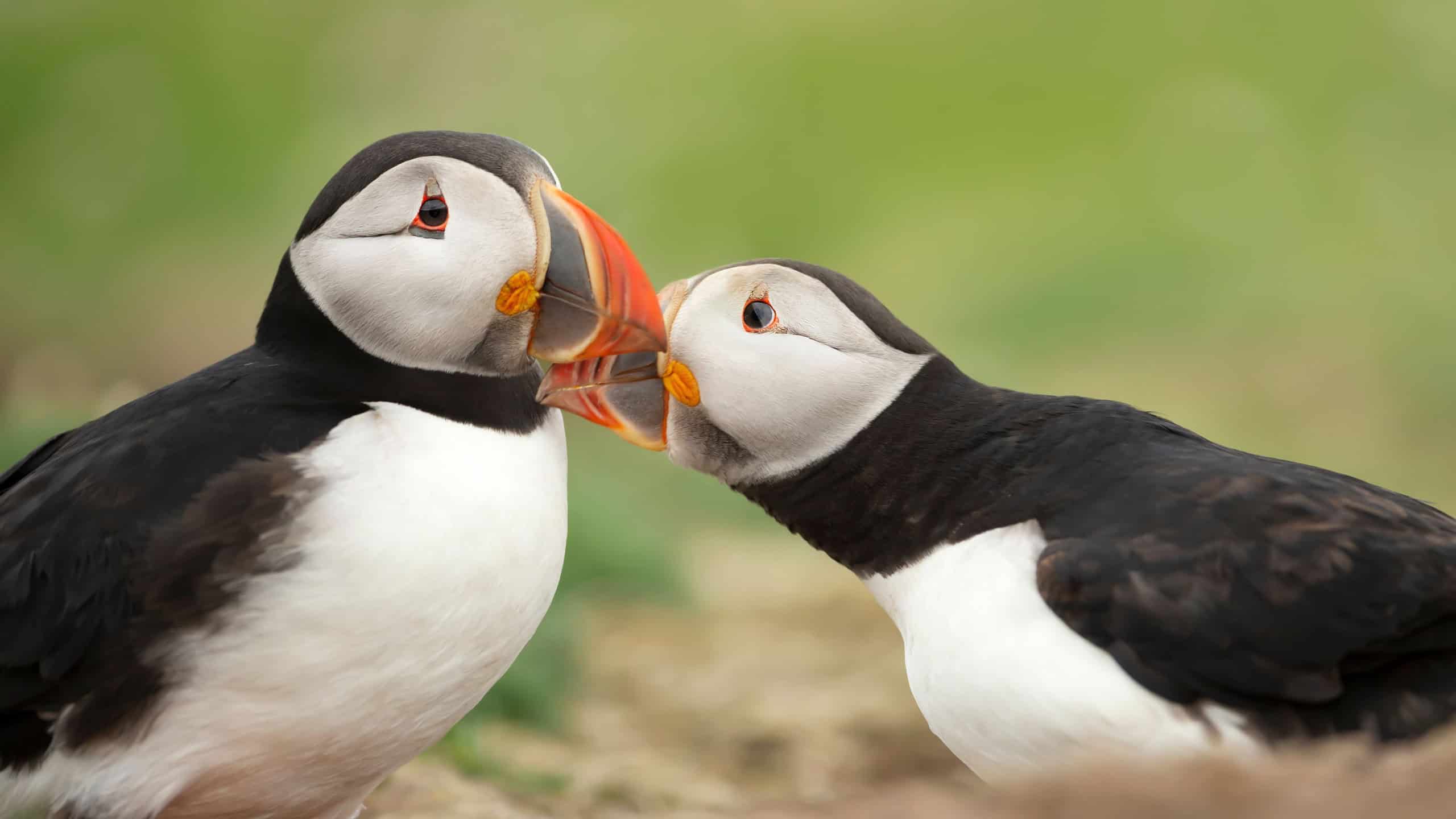
Atlantic puffins are monogamous birds, so when they find their mate, they will return to the same burrows they nested in on the same cliffs every year to breed and care for their young. Partner puffins greet each other by touching their beaks together in an act of endearment called “billing.” They perch facing each other and rub their brightly colored beaks together very fast, which makes a clicking noise that notifies other puffins that the couple has reunited after spending countless months apart out at sea.
Intimidation dance
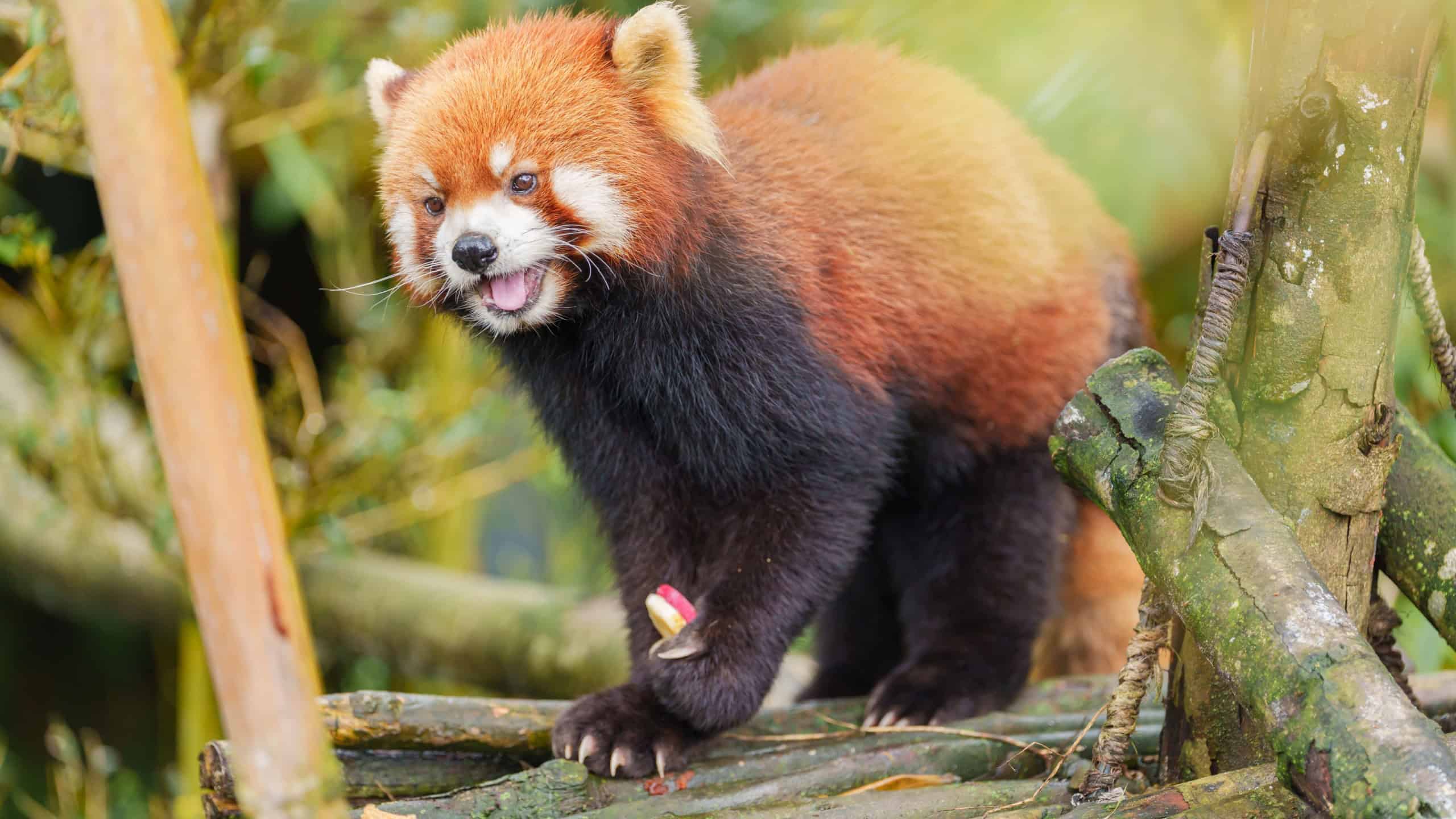
Red pandas stand tall on their hind legs and stretch their front paws into the air whenever they sense danger from predators or want to intimidate others who are trying to invade their territory. This weight redistribution is supposed to make the small animal appear larger and more threatening to their adversaries, but it actually just makes it resemble a cute, stuffed children’s toy reaching for a hug.
Wombat cubes
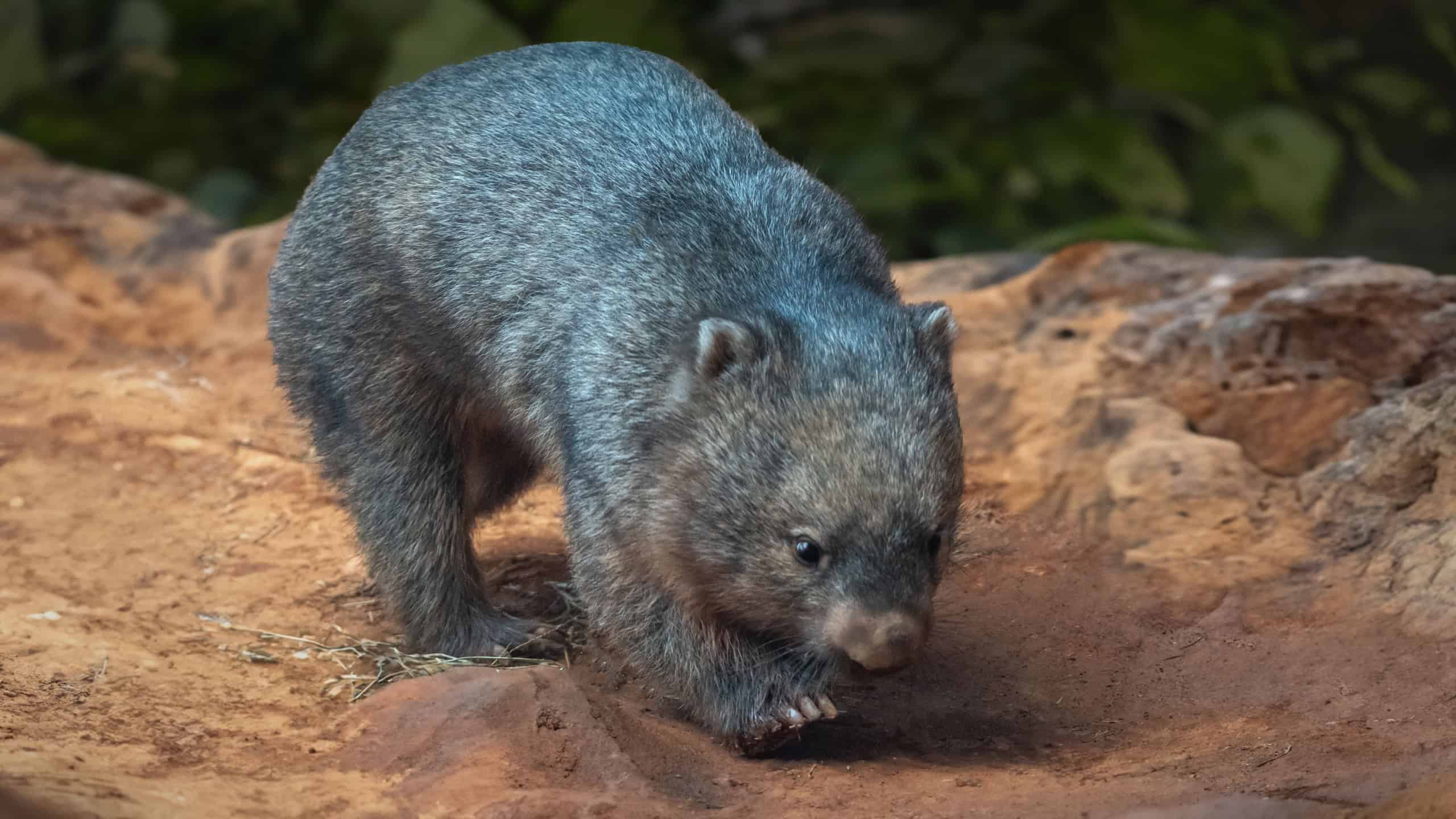
Wombats are the only animal species on Earth that can make cubed-shaped feces. This odd phenomenon occurs because their intestines have varying lengths of elasticity. Wombats are known to have bad vision, so they stack their poop on top of platforms to determine where their territory begins and ends or to help find their way back to their homes.
Gentle giants
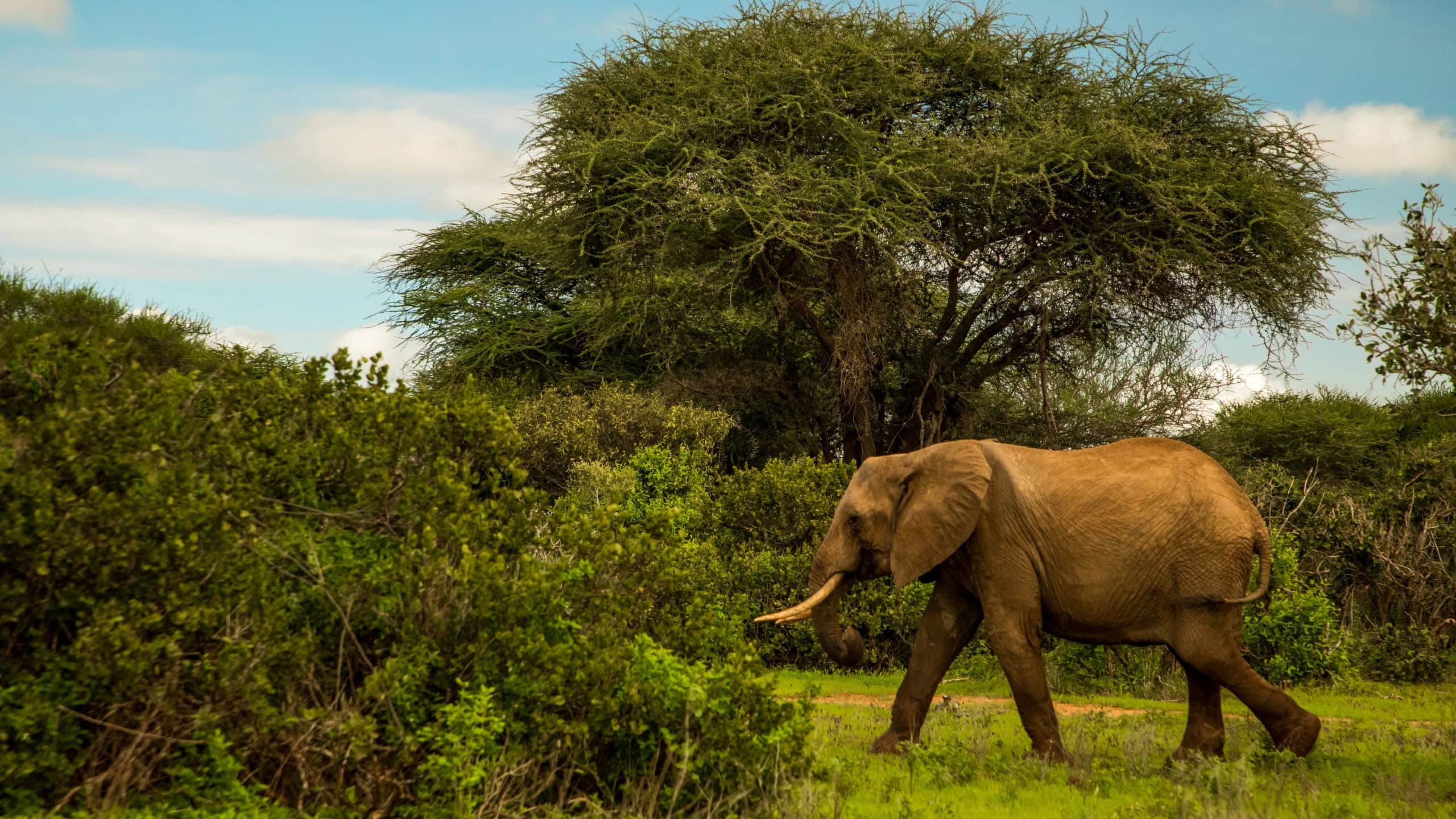
Despite adult male elephants weighing upwards of 13,000 lbs and having the strength to easily rip down large trees, they have a notorious fear of small honeybees. The high-pitched buzzing of a swarm will send the whole herd into a stampede of alarm so they can get away from the irritation to sensitive skin on their trunks.
Ticklish rats
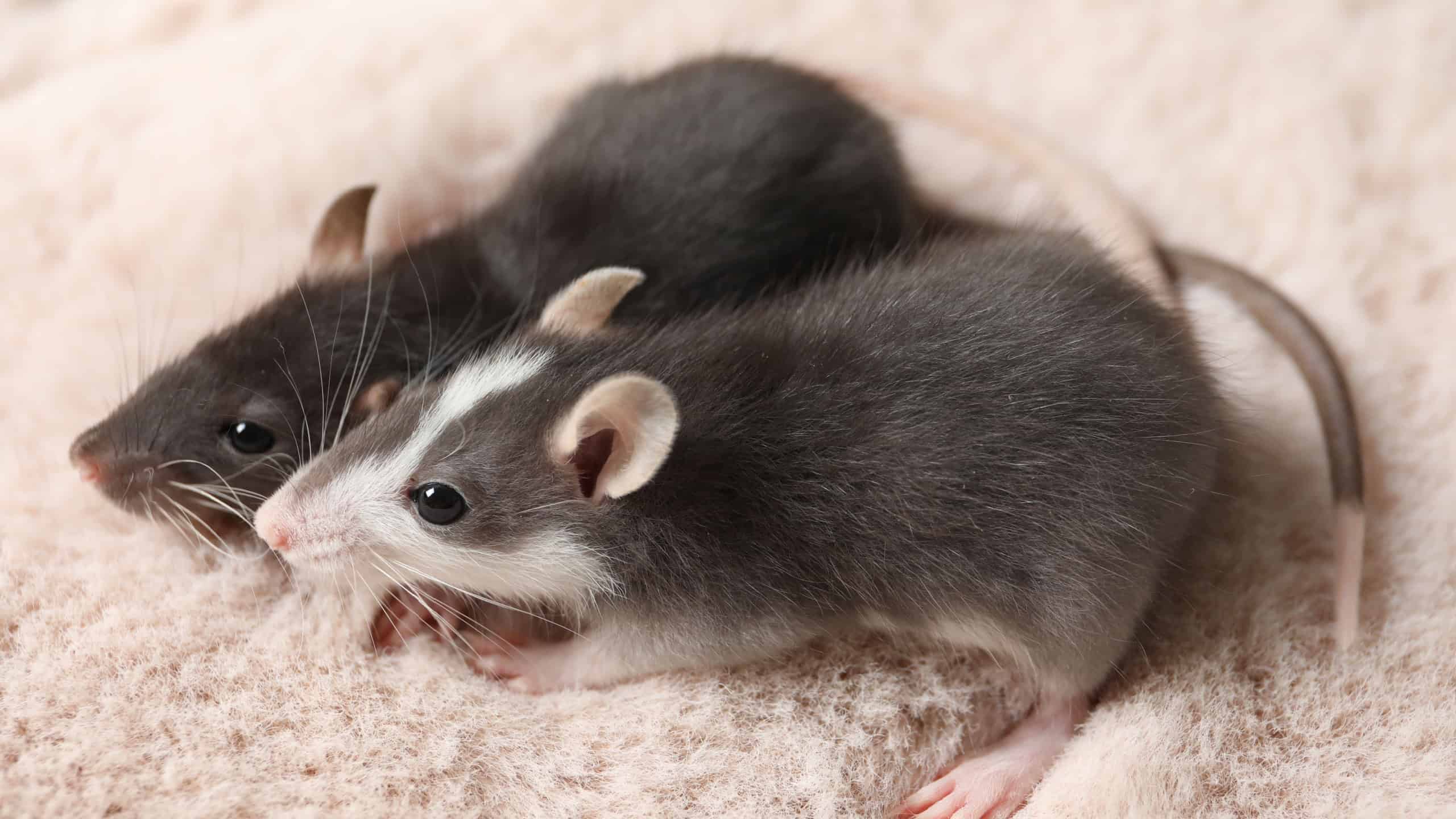
Rats make ultra-high frequency chirping sounds that are undetectable by the human ear when they play fight or wrestle with one another. Neuroscientists studying rats with acoustic microphones began tickling the rats under their bellies and near their necks. They learned rats seek out human fingers to continue playing with, and the unique ultrasonic chirps they emit during these moments are laughter equivalent to what we feel as humans.
Crow grudges
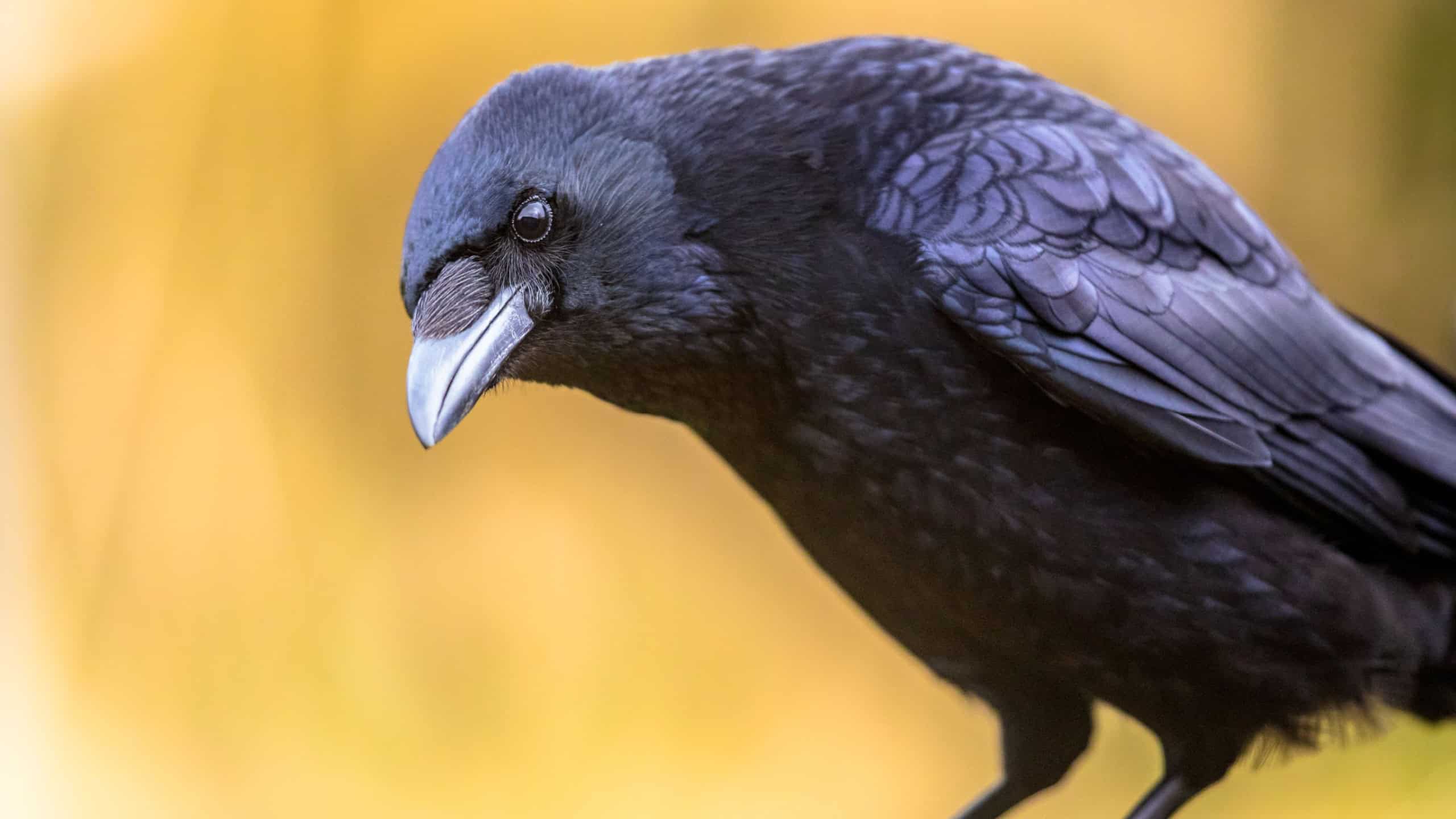
Crows are extremely sophisticated when it comes to facial recognition intelligence. They can memorize one human’s facial features for years. Cross a crow or threaten its nest, and you won’t just earn a personal vendetta from that bird. It will actually relay to its friends what you look like. That way, an entire community will surround and mob you.
Goat accents
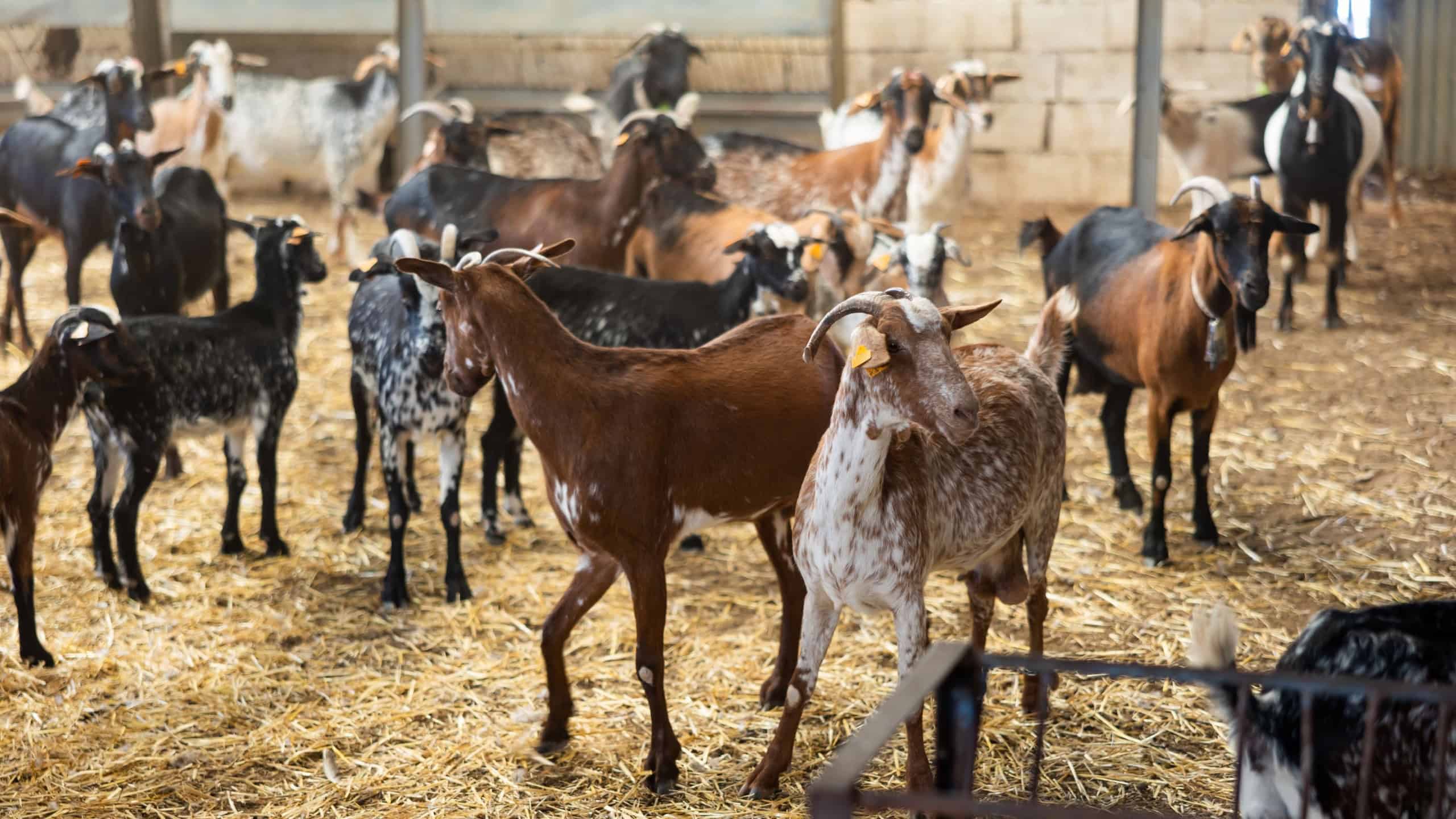
Much in the same way that people who grow up in different regions of the world adopt regional dialects and slang words, goats grow their own regional vocal accents as they mature. Researchers studying goat behavior found that goats actually bleat in different tones, pitches and rhythms depending on what herd they hang out with.
Fake fighting
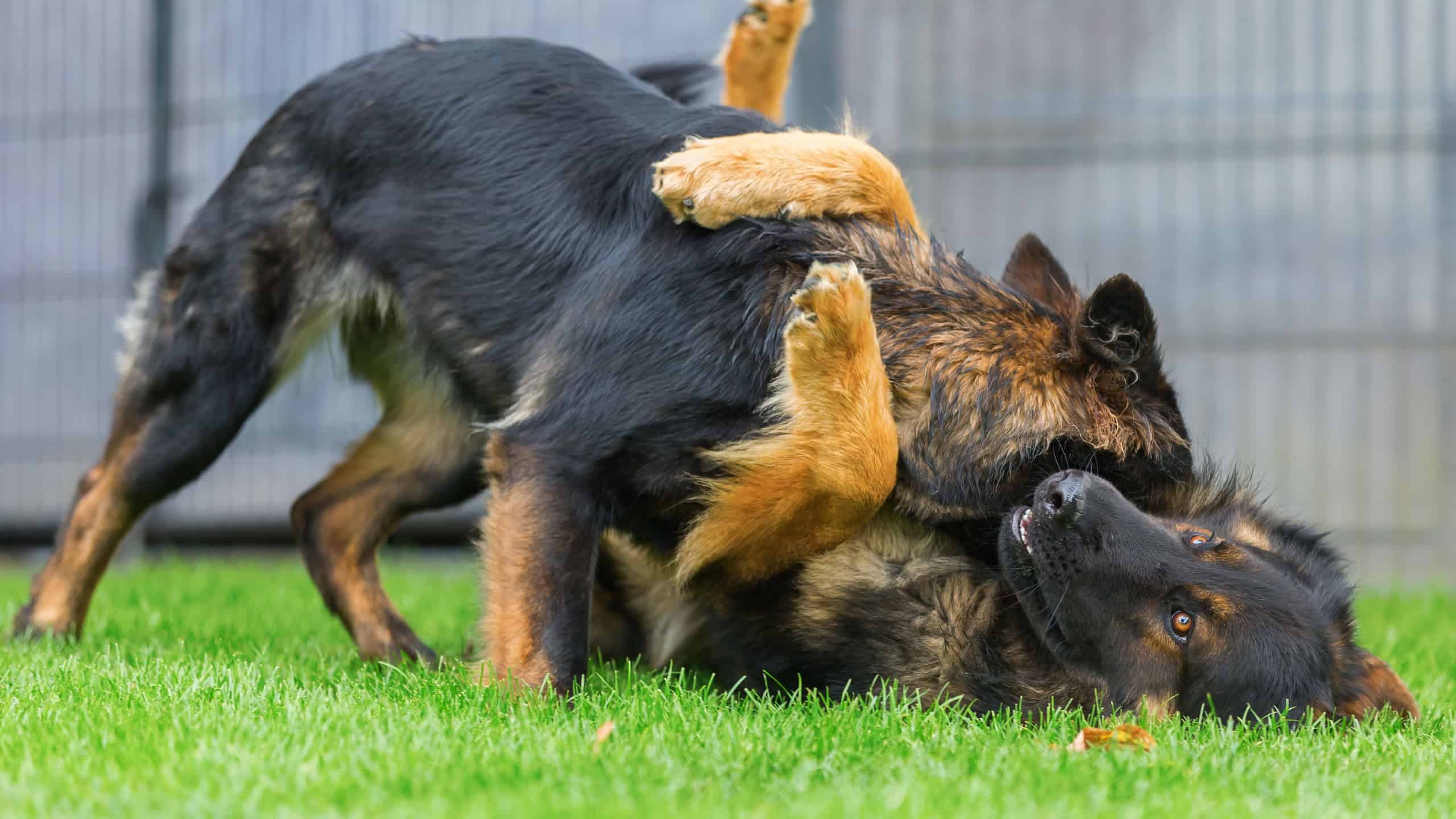
If you’ve ever watched two dogs play-fight, you may have noticed that the male will often roll over and give up in obvious pretend defeat, even if he’s been play wrestling with a smaller female puppy. He’ll actually hop onto his back, expose his belly, and let the female dominate him.
Penguin proposals
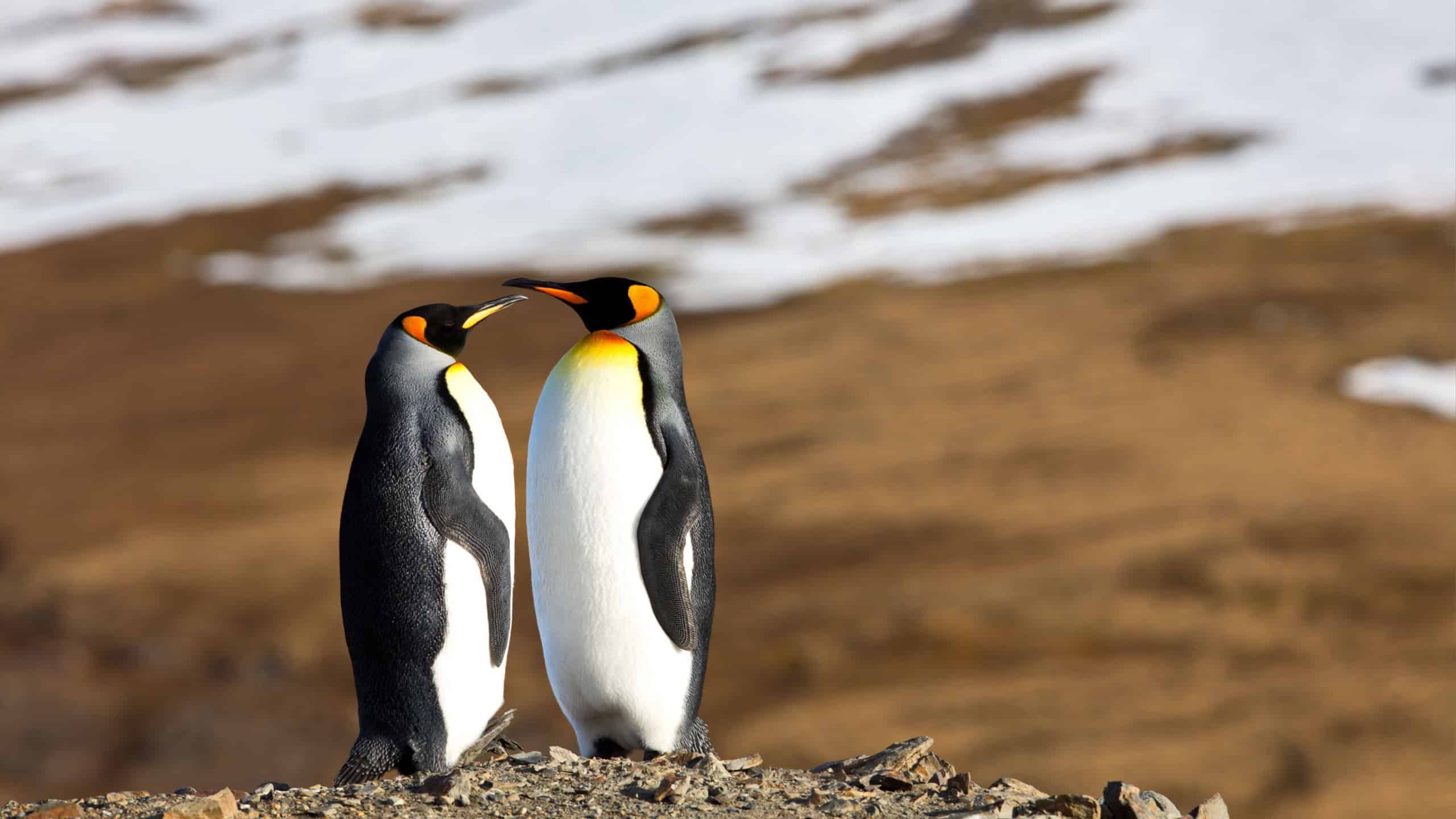
Male gentoo penguins are quite romantic. When courting a female, the male actually searches all over the rocky beach for the smoothest, most aesthetically pleasing stone he can find. He’ll then walk over to the female and set it right at her feet. If she accepts the stone by picking it up and placing it in her nest, he has won her approval to mate with no other contenders.
Sweet tooth
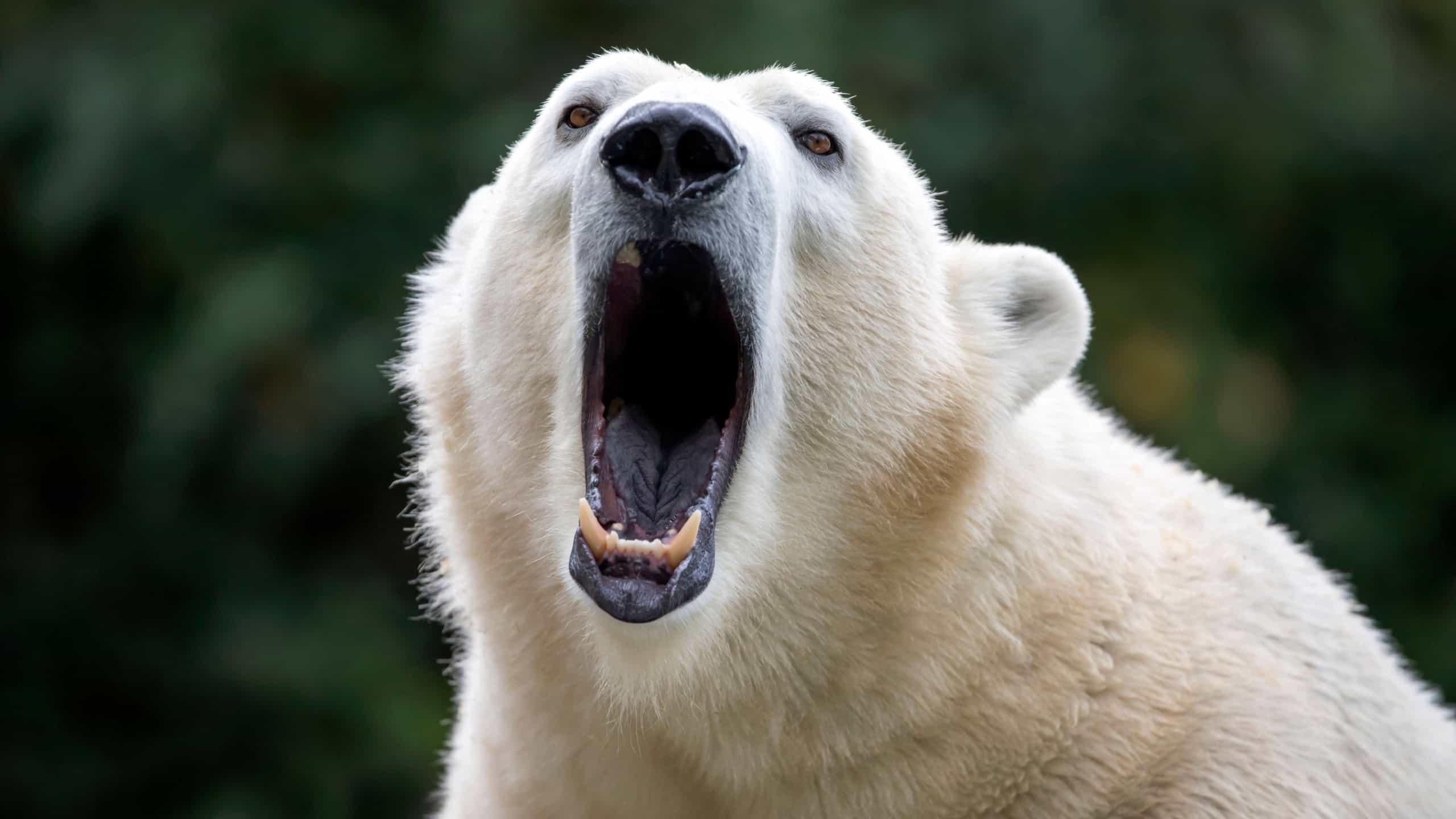
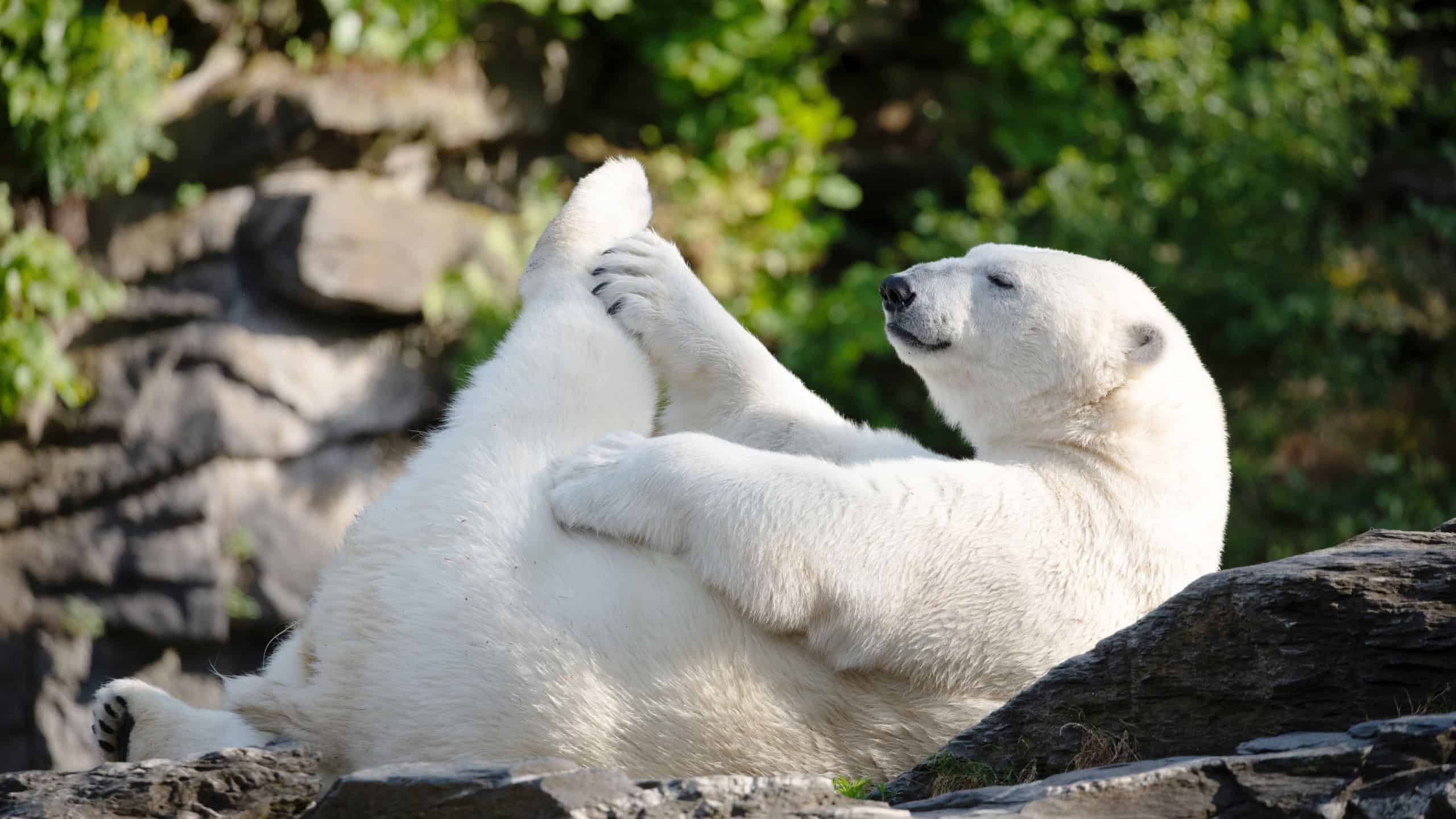
Polar Bears are enormous, dangerous carnivores that live in icy wastelands, yet they also have extremely strong sweet teeth. Observers studying polar bears in the wild and working at zoos have discovered that they enjoy receiving blueberries, apples, and especially peppermint marshmallows.
Octopus gardens
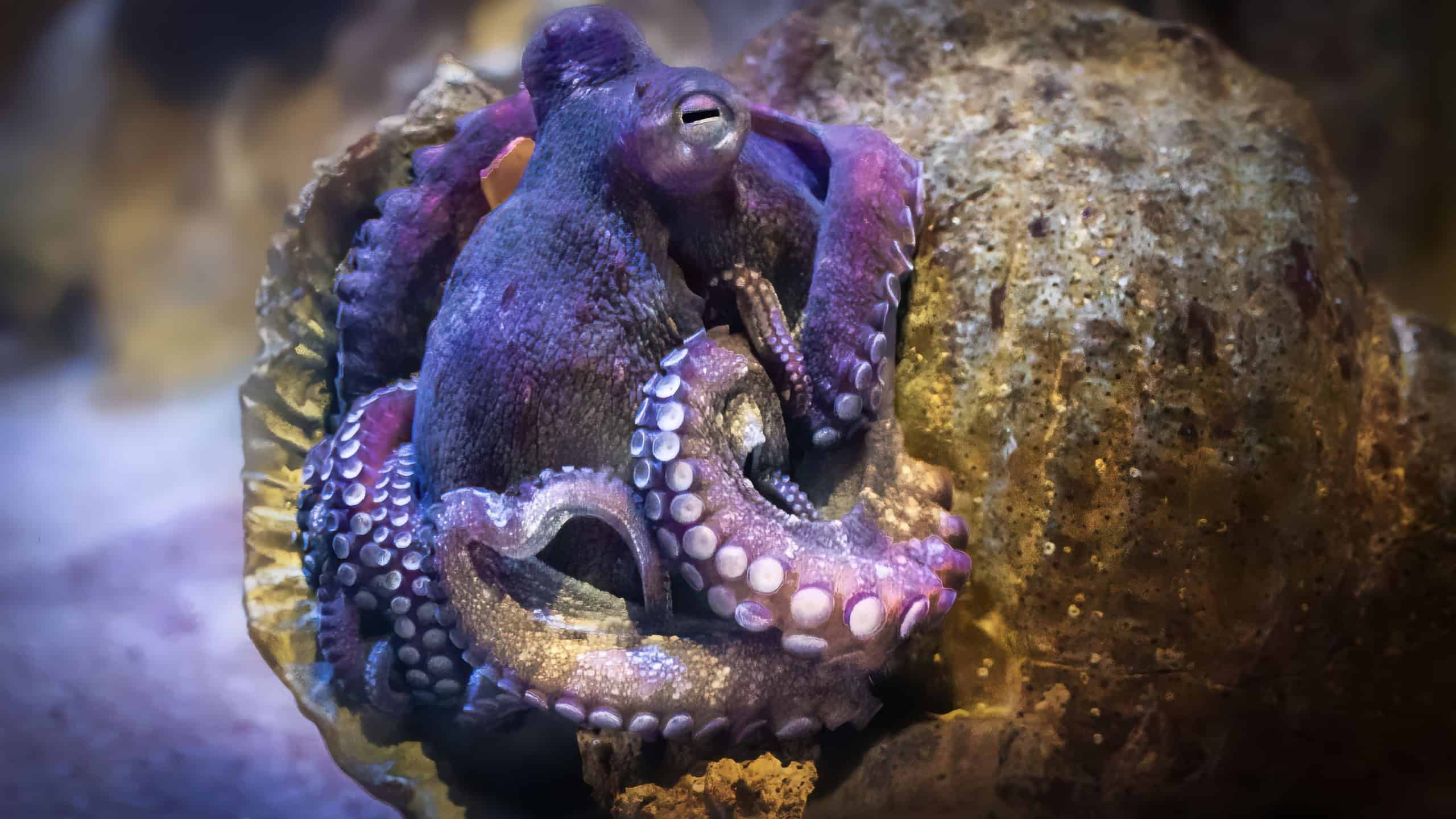
Octopuses are creative and reclusive animals. To add to that list, they’re also amateur architects and decorators. They search for small objects like pearls, sea glass, rocks, and even empty crab shells with which to decorate their dens’ entrances. These octopus gardens camouflage the entrances to their homes and discourage predators from entering.
Happiest animal
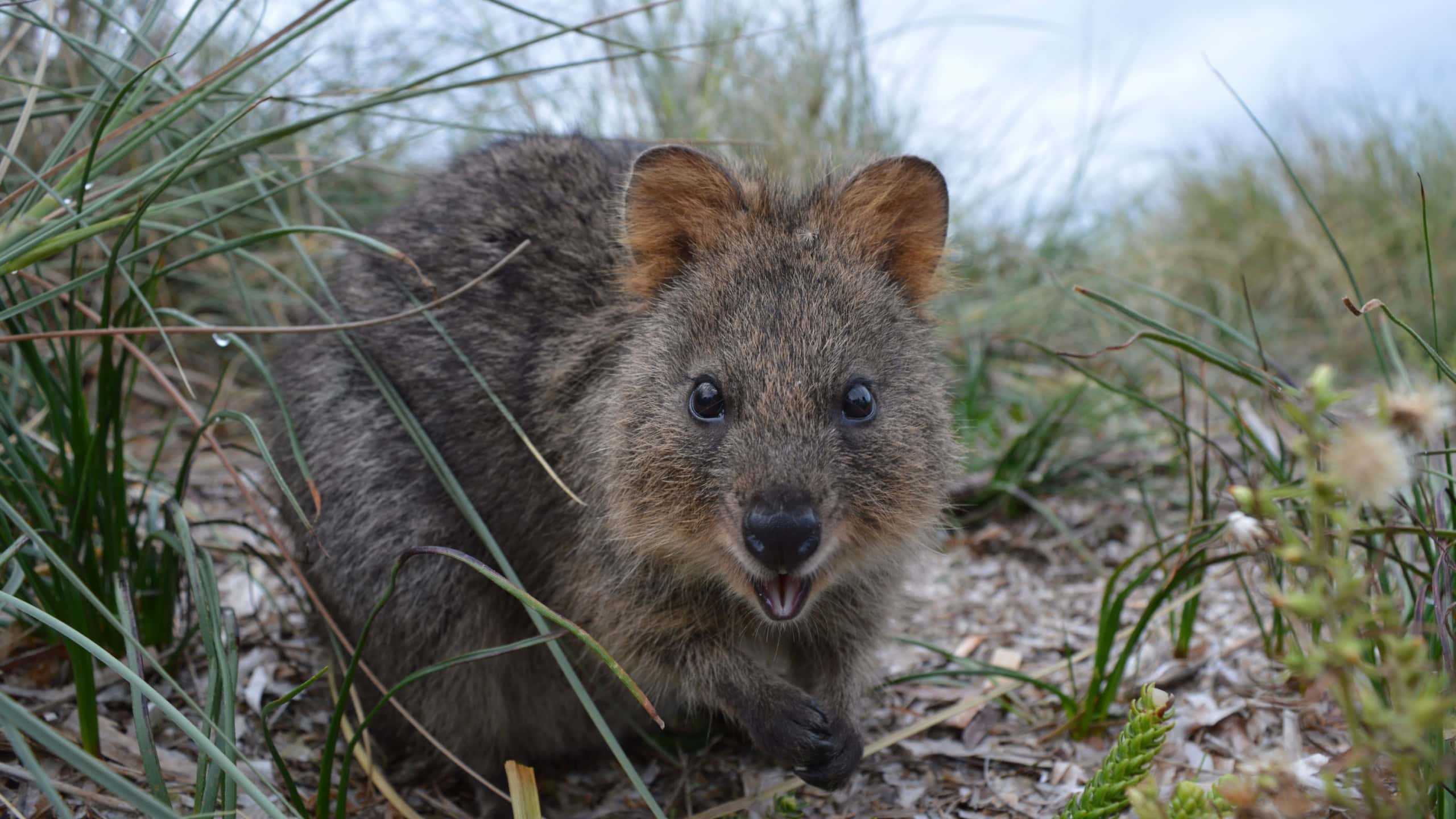
Inhabiting just a couple of islands off the Western Australian coast, quokkas have no predatory wildlife to worry about. This, combined with their grinning mouth shapes never fully closing due to an evolutionary quirk, makes them come across as cheerful and excited beings who love interacting with human visitors.
Sources: Please see here for a complete listing of all sources that were consulted in the preparation of this article.
Like our content? Be sure to follow us.