Moving to Canada from the US was supposed to be my fresh start, but I discovered plenty of things I wish I knew before moving north of the border.
Leaving my doctor behind

I thought having a publicly funded healthcare system meant that I could walk into any doctor’s office whenever I needed. Turns out, it’s hard to find a family doctor in some communities, which leaves you reliant on walk-in clinics and such.
There can be long wait times for non-emergency specialists and some procedures (of course, this depends on the province and the medical need). And I didn’t know that some medications and dental/vision were not covered under provincial health care.
Underestimating the winter
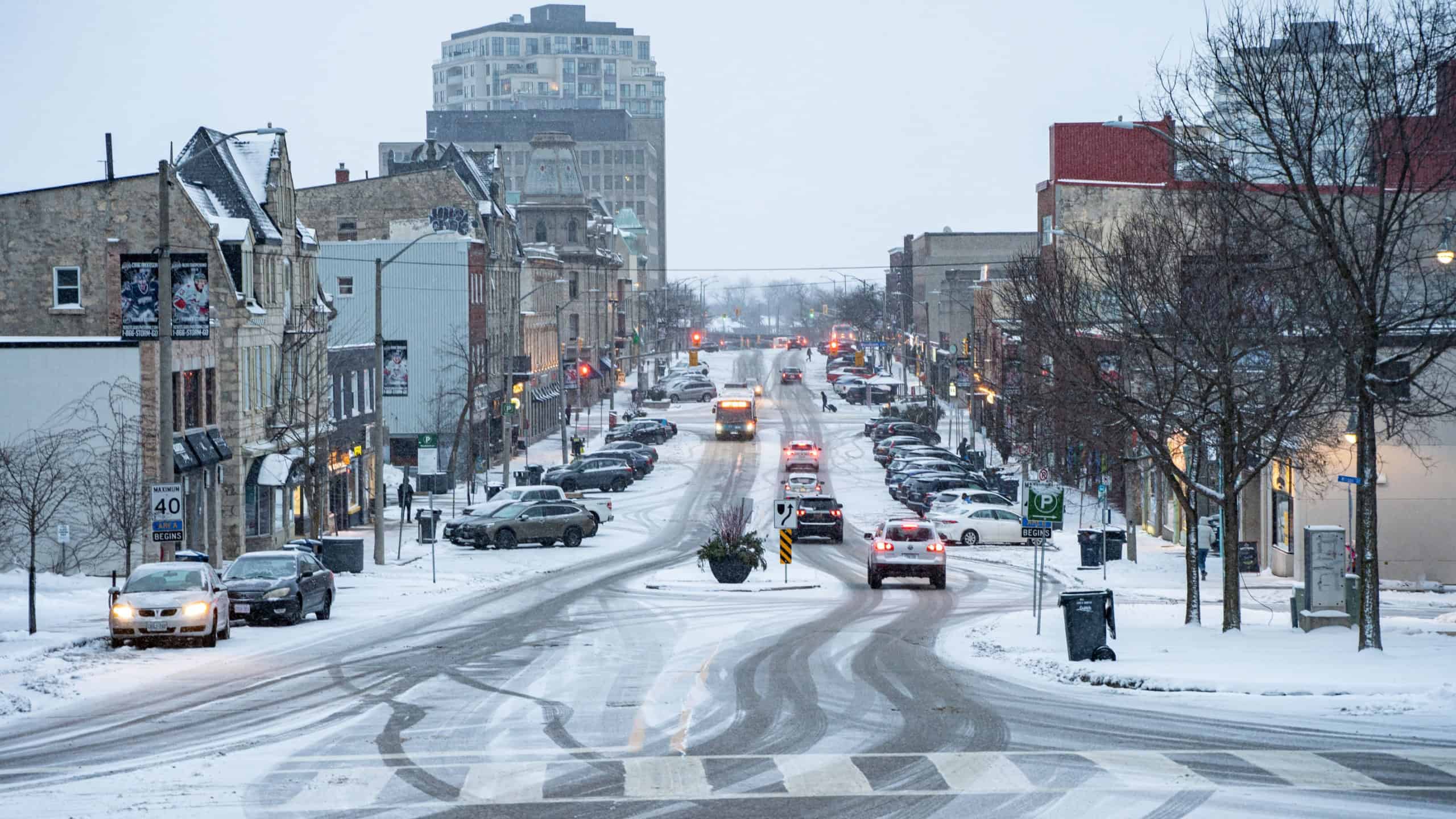
Canadian winters are not only cold, but they are extremely long, dark, and downright draining. Frankly, after a few months of subzero temperatures, shoveling snow every other day, and driving on slick roads, I found that even the quickest errands became stressful.
Around November, sunset approaches 4:00 PM, and spending an inordinate amount of dark winter afternoons really sucks the life out of me mentally and physically. On top of all that, I also had to spend on winter boots, heavy jackets and snow tires, along with higher heating bills.
The housing shock

I expected housing prices to be lower once I moved away from the United States. But housing costs may take up more of your income than you expect as a newcomer. Rental prices are high in Toronto and Vancouver. And landlords ask for employment references, income verification, and even a Canadian credit history you don’t have yet.
The salary surprise

I thought my money would stretch farther in Canada but quickly learned salaries don’t exactly line up between the two countries. Most jobs actually pay less than US positions in fields like tech, finance, and other professional careers.
Currency conversion made US-based salaries look even better when I first moved and started budgeting. When I accounted for rent, taxes, commute, groceries, and more, I wasn’t able to save anything like I wanted.
Paying more for groceries

Groceries were more costly than I expected, especially since I tried to buy the same things I bought back in the US. Imported products tended to be marked up here, as did some fresh produce/vegetables and recognizable name-brand American items.
Depending on where you live in Canada, prices may vary if you have discount supermarkets close by. During the winter months, fresh produce tends to be even more expensive, especially if living far from mainstream communities.
Missing my people

I did not expect how challenging it would be to move away from family and friends I saw all the time. Video chats allow me to see everyone, but they don’t compare to impromptu dinners, family celebrations or having someone close by when I was having a hard time.
Making new friends can be difficult once you are in Canada, as everyone seems to have their friend group already established and it’s hard to get invites.
The shopping disappointment

I never knew how much I loved American retailers until moving to Canada. Some stores like Target and Trader Joe’s aren’t available up north. Although some US stores have Canadian locations, they may be understaffed or smaller than what I was used to back home.
Ordering things online from American websites usually costs me more because of currency conversion, shipping fees, and customs duties/taxes. Some sites may not even offer shipping to Canada, and returning US purchases may be difficult.
The travel trade-off

Living in America, I loved how many flight options I had between cities. When I first moved to Canada, I was surprised how pricey it could be to fly between Canadian cities, not just with airlines but also because of the distance travelled. Canada is a big country, and going to another city or province isn’t just a quick drive.
Starting from scratch

Canada won’t accept your US credit history when you open accounts, get apartment rentals, or apply for loans. Instead, you have to build Canadian credit from scratch, although some banks offer programs to help newcomers.
My previous credit history didn’t matter when landlords ran background checks or when I applied for lending products. It can also take time to understand banking fees, payment methods, and Canadian money terms.
The phone bill surprise

I thought maintaining my American phone number would be easy, being neighbours with Canada and all. Turns out it’s not so easy. Locals wouldn’t call me as it takes a special, expensive, plan to be able to do that. Canadian plans can get pricey depending on provider and data/speed caps.
So I had to opt into a Canadian number.
I also had to update my banking info and login information for all of my online accounts and two-factor authentication because of the number change.
The tax confusion

Believe it or not, my tax situation was more complicated living in two countries. Canada has both federal and provincial tax systems on top of fluctuating sales taxes (this can vary depending on province and item category).
As a US citizen, I still had to file taxes in America on my foreign earned income. Foreign account reporting, investments, and retirement accounts can complicate everything more. However, there are tax treaties and some tax credits to prevent double taxation. Get a good accountant.
Expecting an instant sense of home

Canada is its own country, despite having many similarities to the United States. America and Canada have different social customs, politics, workplace expectations, and ways of doing things. I felt like an outsider learning Canadian slang and adjusting to normal Canadian things.
Not researching the job market

Moving to Canada from the US, I thought my qualifications would automatically make employers interested in hiring me. Some job postings specifically want Canadian experience, and regulated industries usually require licensing or examinations to work in Canada.
Different provinces may also have specific requirements for skilled workers. You will want to research salary expectations, job prospects, and credential requirements before moving to Canada.
Like our content? Be sure to follow us.