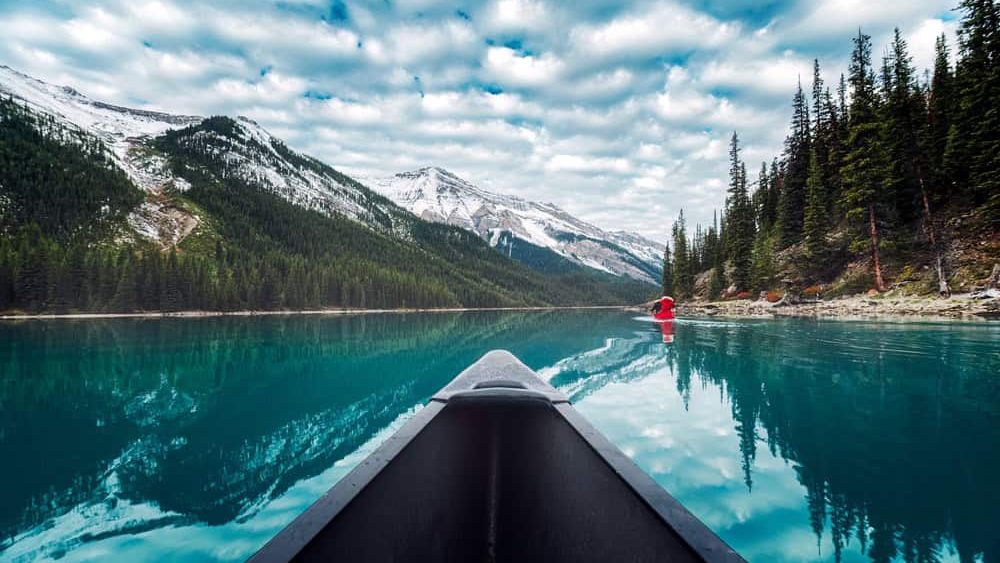
Every continent in the world features lakes dotting its landscape, but most lakes are surprisingly found within a few countries.
Note: This list includes lakes that are at least 0.1 sq. km (10 hectares) in size; small lakes and ponds are excluded.
The undisputed champion
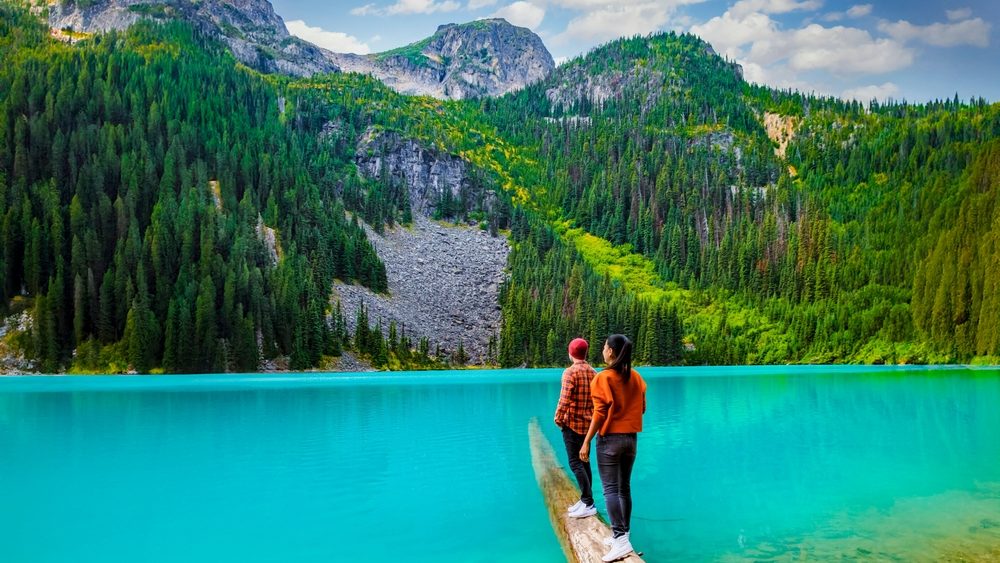
Canada doesn’t just rank first; it dominates the rankings. There are about 62% of all lakes on Earth within Canada, particularly across the Canadian Shield and up north.
Millions of years ago, glaciers gouged out land, forming massive depressions that filled with water. Canada is home to about 880,000 lakes and also shares several of the Great Lakes with the United States.
Deep into Siberia
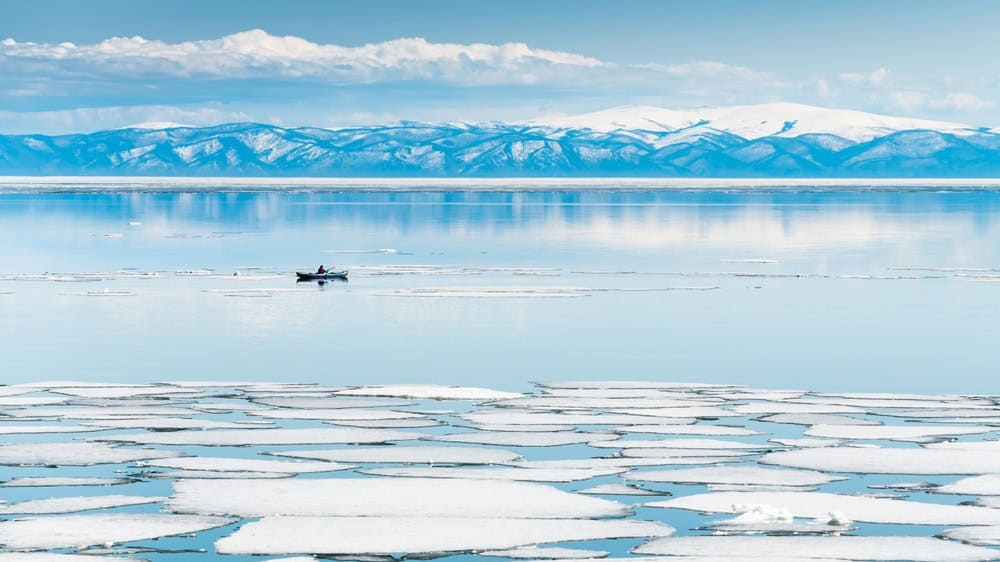
Russia has over 200,000 lakes, though this is still under one quarter of Canada’s lake count. Large expanses of northern Russia and Siberia are very lake-rich, and glacial and permafrost features are common. Russia does, however, own the title for the deepest lake in the world with Lake Baikal.
Beyond the Great Lakes
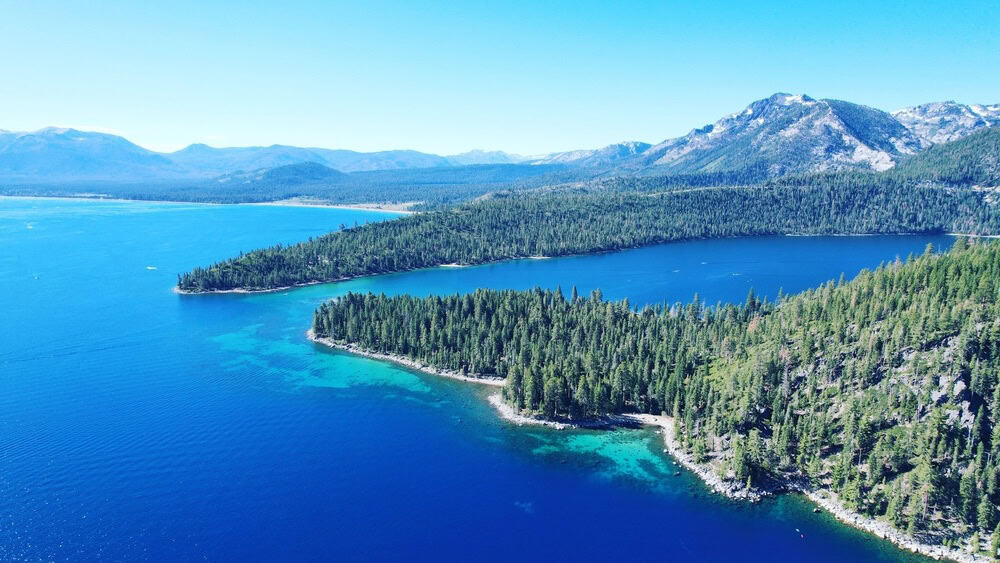
The United States is the third country to pass the 100,000 threshold. Alaska’s lake population is important to this total. While Minnesota likes to refer to itself as the “Land of 10,000 Lakes”, it only has a fraction of this nation’s lakes. America also borders the Great Lakes with Canada, which make up most of its lake volume.
From mountains to plains
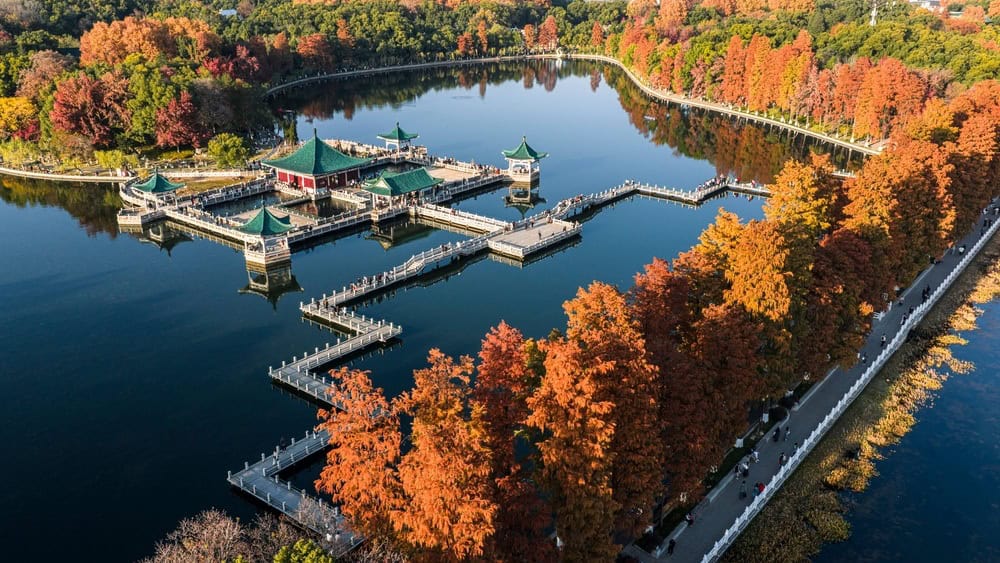
China‘s estimated 23,800 lakes range from high-altitude lakes on the Tibetan Plateau to massive lakes in its population-dense east. Some are freshwater, and some are saline. Although China holds the fourth rank, its total number of lakes is still less than one-thirtieth of Canada’s.
Shaped by ice

Sweden almost tops China, despite being many times smaller. The cause becomes clear when looking at the landscape: glaciers scoured and polished Scandinavia many times during Ice Ages, creating thousands of depressions now filled with water.
So lakes are integrated into the Swedish landscape, from wilderness regions to near city centres. Sweden has about one lake per every 20 km2 of land.
More than the Amazon
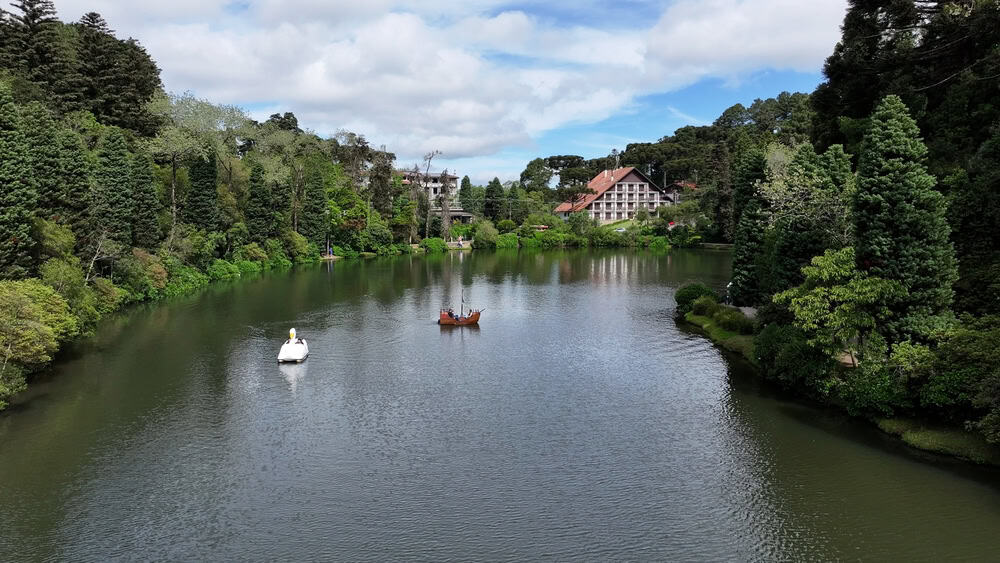
When thinking of Brazil, many will think of rivers such as the Amazon rather than lakes. However, given its massive land area, there are thousands of lakes both permanent and seasonally associated with floodplains. Many of these are directly tied to massive river basins that rise and fall greatly with seasonal rainfall. Brazil shows you don’t need to have a large area of glaciated terrain to have lots of lakes.
Beyond the Fjords
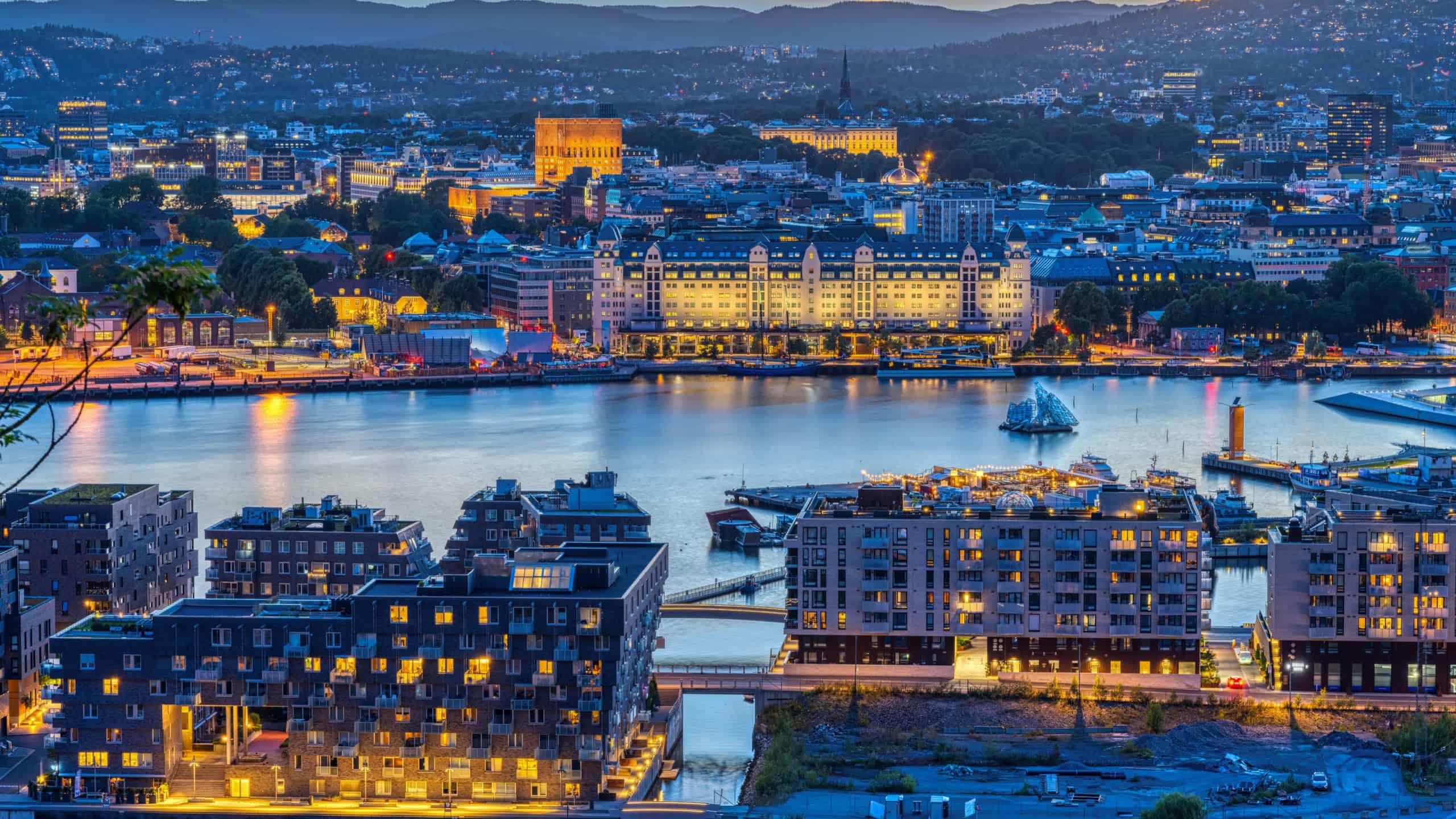
Norway is known worldwide for its fjords, but the country also boasts an impressive number of lakes. Ice sheets and mountain glaciers gouged out valleys and thousands of smaller indentations in the landscape. Most filled up with water as glaciers melted back.
Norway is home to approximately 20,000 lakes, and for a country of Norway’s size, this makes it one of the most lake-dense countries in the world.
The Patagonian treasure
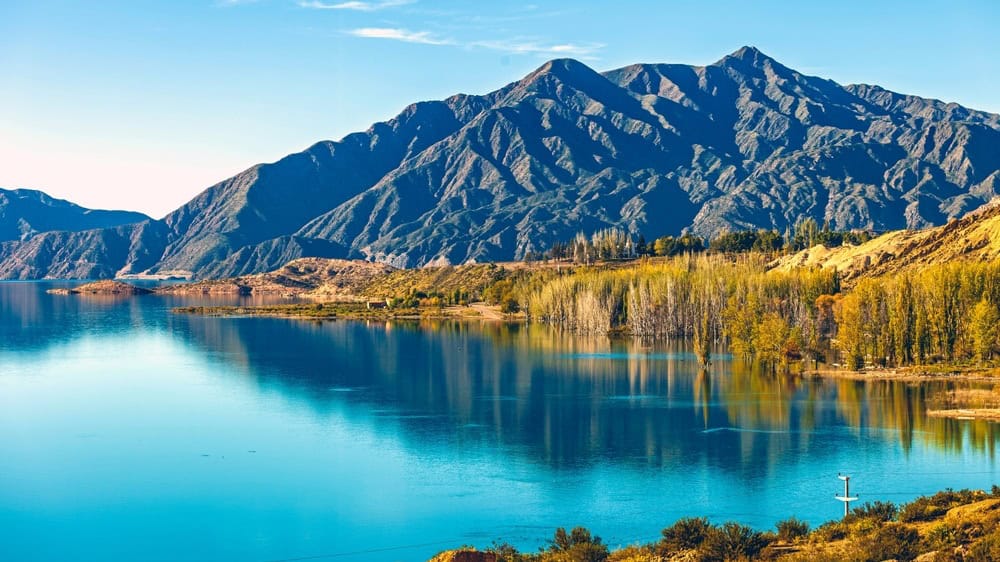
Argentina‘s most beautiful lakes are found along the Andes Mountains and throughout Patagonia. Glaciers helped carve out the southern terrain. This resulted in lengthy, deep lakes surrounded by mountains and forests. Nahuel Huapi and Argentino are two of the best known. As such, Argentina’s lake geography looks very different from Canada’s vast networks of small northern lakes.
Across the Endless Steppe
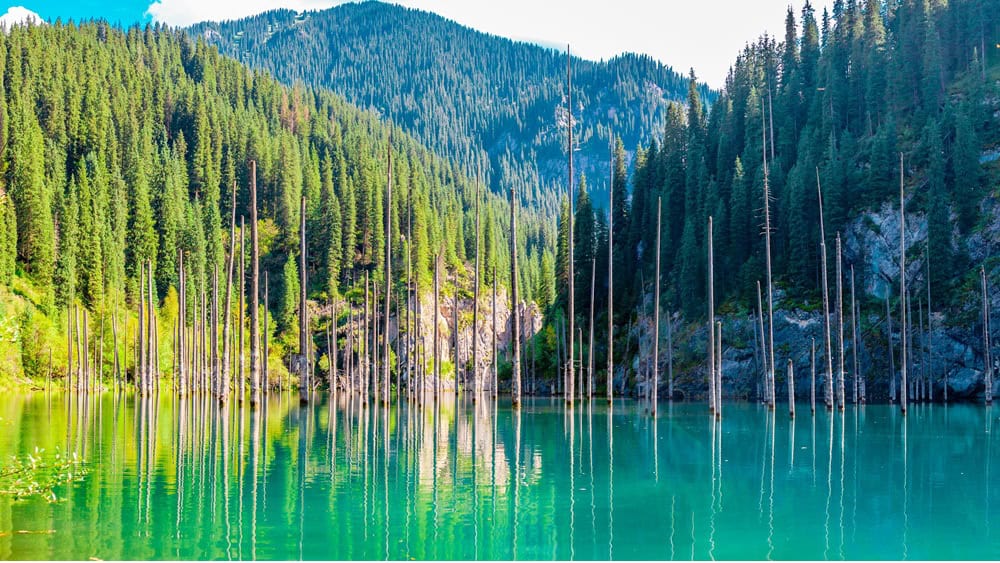
Kazakhstan seems an unlikely inclusion on this list, as much of Kazakhstan is indeed steppe, desert, or semi-arid. However, Kazakhstan does boast over 12,000 lakes that would qualify. Many are fairly shallow, and some contain saltwater instead of freshwater. Their water levels can also vary drastically.
An unexpected top ten
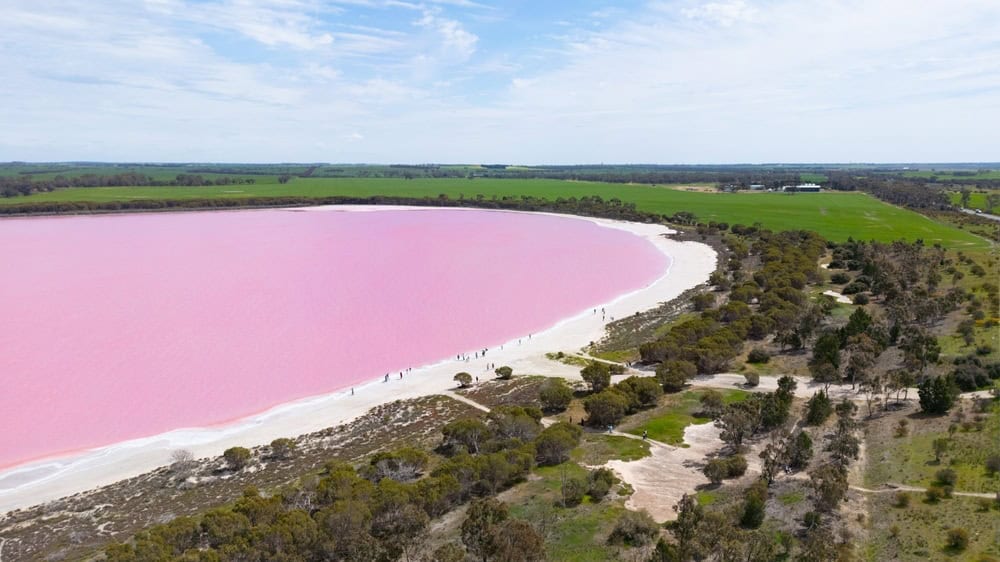
As Australia is the driest inhabited continent on Earth, many Australian inland lakes differ greatly from what one might expect. Many are saline, shallow, or highly variable, and can dry up completely for extended periods before suddenly filling with water. Lake Eyre is perhaps Australia’s most famous example of these boom-and-bust inland water systems.
From the Himalayas down
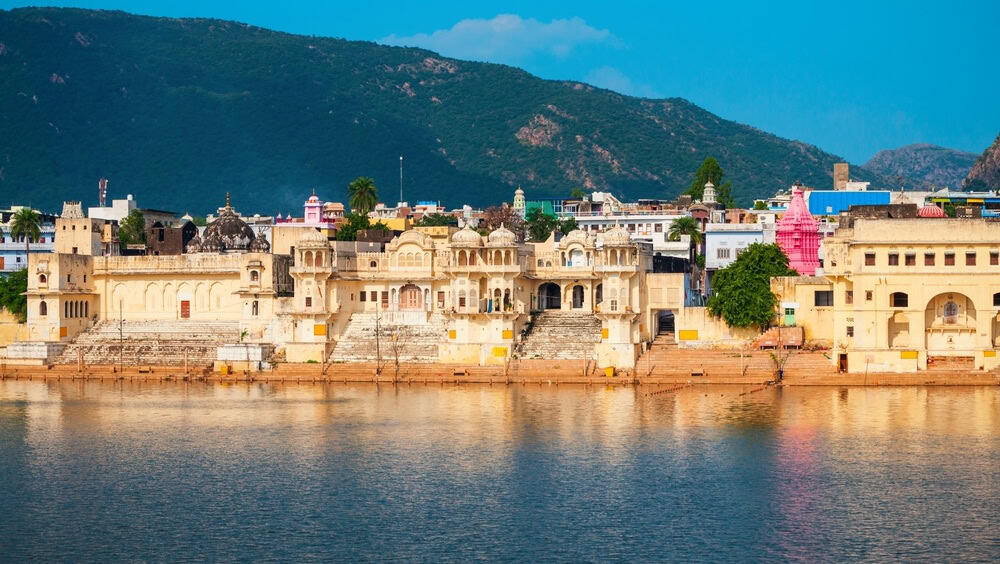
Lakes of India can be found in varied environments. They range from high-altitude lakes in the Himalayas to natural freshwater lakes, coastal lagoons, floodplain lakes, and many reservoirs. Some Indian lakes are very important from a cultural and religious perspective, besides their ecological significance.
A misleading nickname
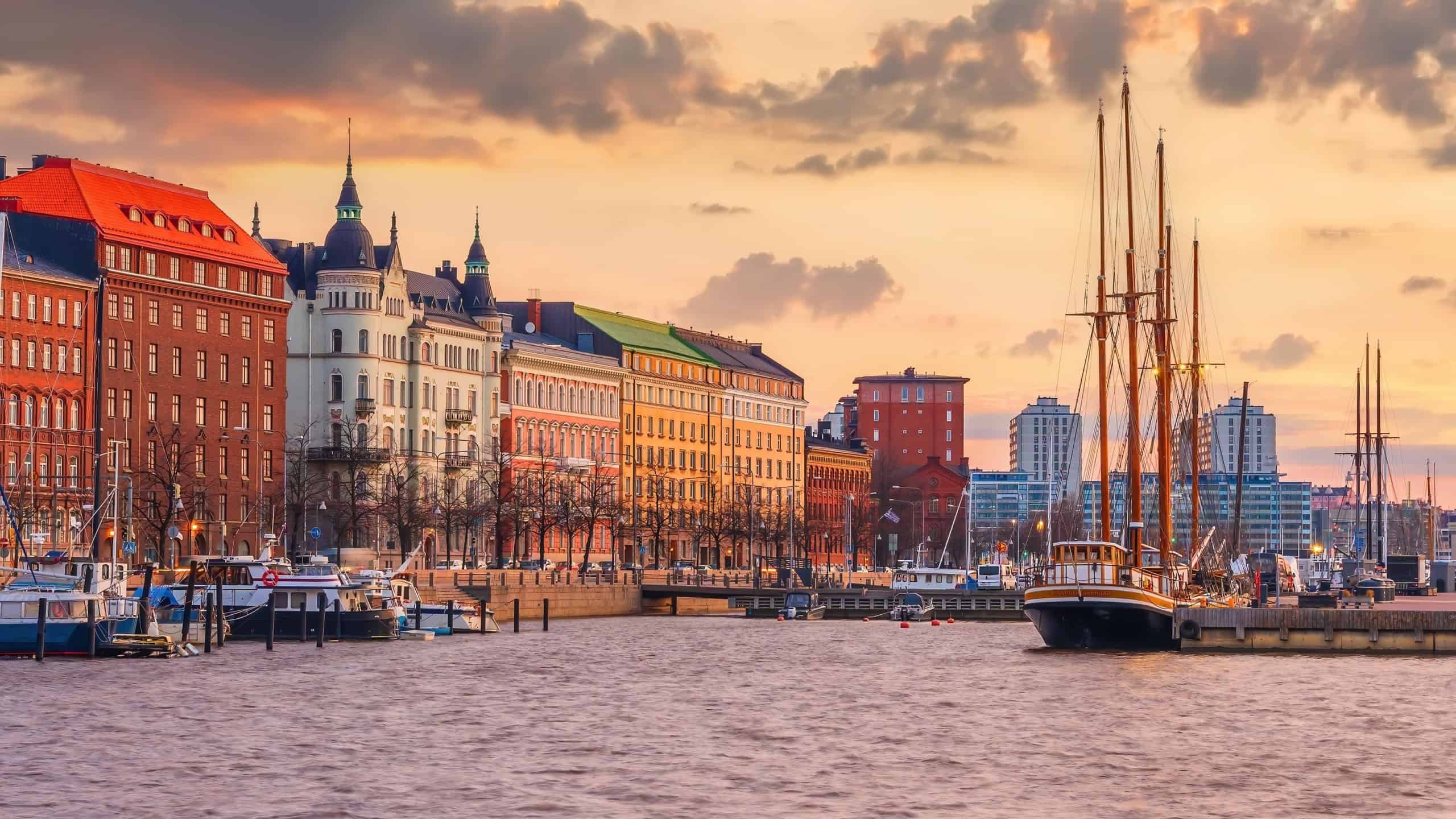
Finland is known as the “Land of a Thousand Lakes,” so it may surprise you to find it so low on the list. Finland is said to have about 188,000 lakes. However, this number includes hundreds of thousands of small water bodies. This list only includes lakes of at least 0.1 km², lowering Finland’s total down to approximately 7,900 lakes.
Along the Andes
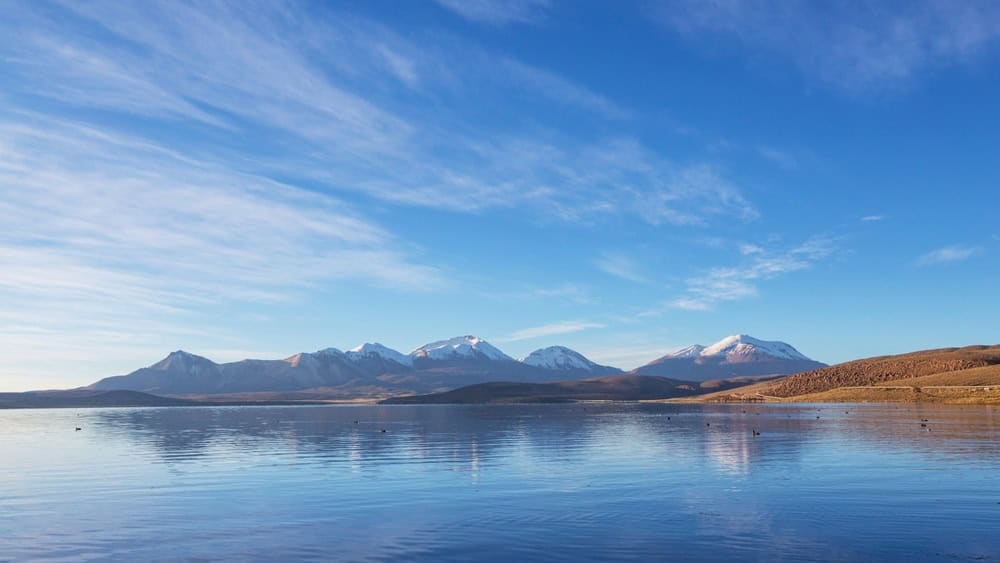
Thanks to its length, Chile also features a great diversity of lakes. Lakes in the north can be found high in the Andes among desert-like terrain, while southern Chile is home to lakes carved by glaciers surrounded by forests, volcanoes and mountains. Patagonia becomes increasingly lake-rich toward the south.
Sources: Please see here for a complete listing of all sources that were consulted in the preparation of this article.
Like our content? Be sure to follow us.