
Many tasks that were once part of ordinary American life have become almost forgotten skills.
Setting a mechanical alarm clock

Before electronic and mobile phone alarms came along, most people grew up with wind-up alarm clocks. They knew how to wind the mechanism, adjust the time, and set the alarm without confusing morning and evening. Some clocks even needed rewinding quite often. These days, all it takes is a button press or a quick word to set an alarm.
Using a carbon copy
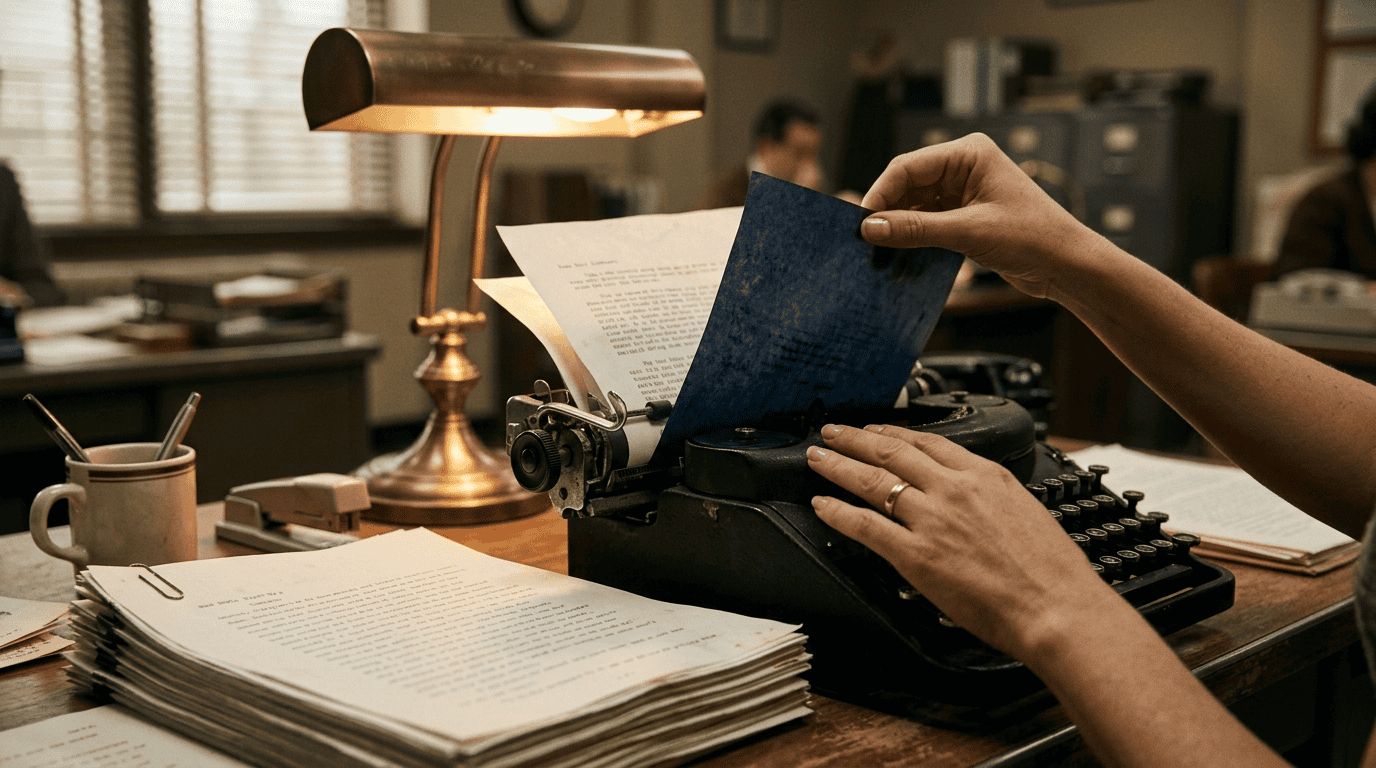
Most people used carbon paper to create duplicate documents before the era of photocopiers. Getting them lined up properly and pressing down hard enough to make a clean copy was something they did without thinking. You’d see this in virtually any office or retail environment.
These days, with digital files and on-demand printing, very few people, if any, know how to use a carbon paper correctly.
Adjusting television reception
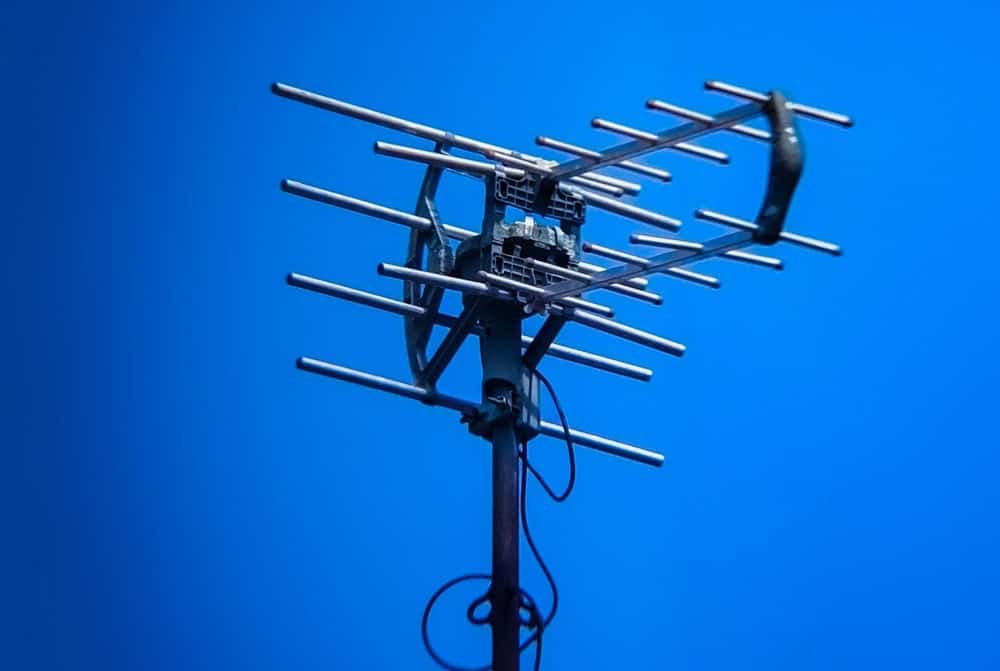
Back in 1965, tuning in to watch TV usually involved a lot of patience and a fair bit of tinkering. Most adults knew how to adjust the rabbit ears, fine-tune the stations, or shift the set around to cut down on interference and fuzzy pictures. Sometimes you’d have to reposition the antenna just to pick up the channel you wanted. Modern TV platforms and sets usually handle reception automatically.
Removing stains
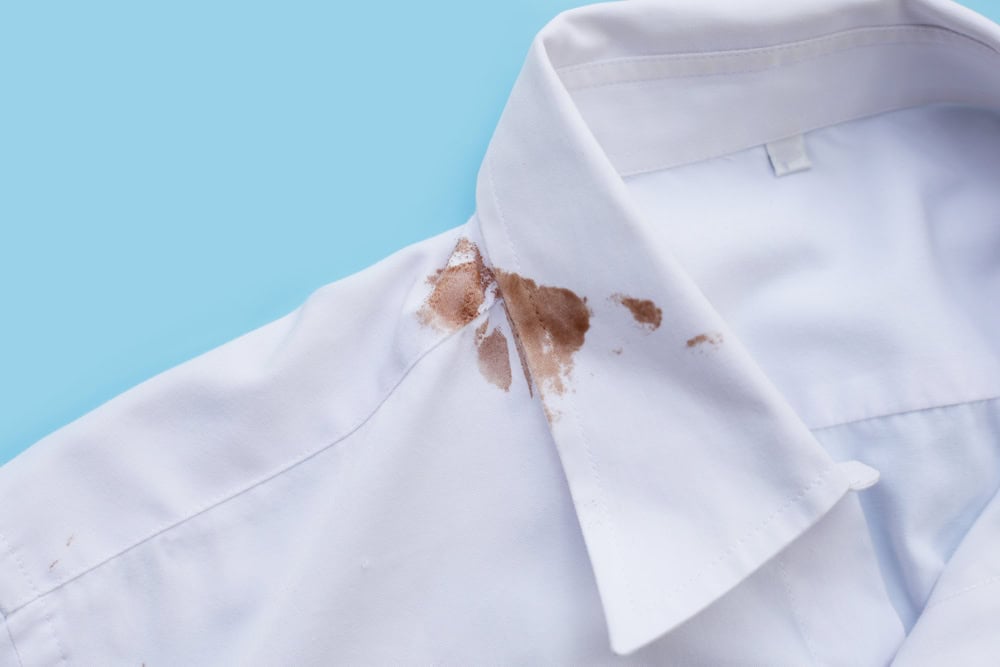
People in the 1960s knew plenty of tricks for getting everyday stains out before washing their clothes. They knew that different stains required different methods and that hot water could permanently set some marks. There were reliable ways to tackle grease, ink, blood, and grass stains. These days, most people just reach for a chemical product or toss the item out.
Using a slide rule
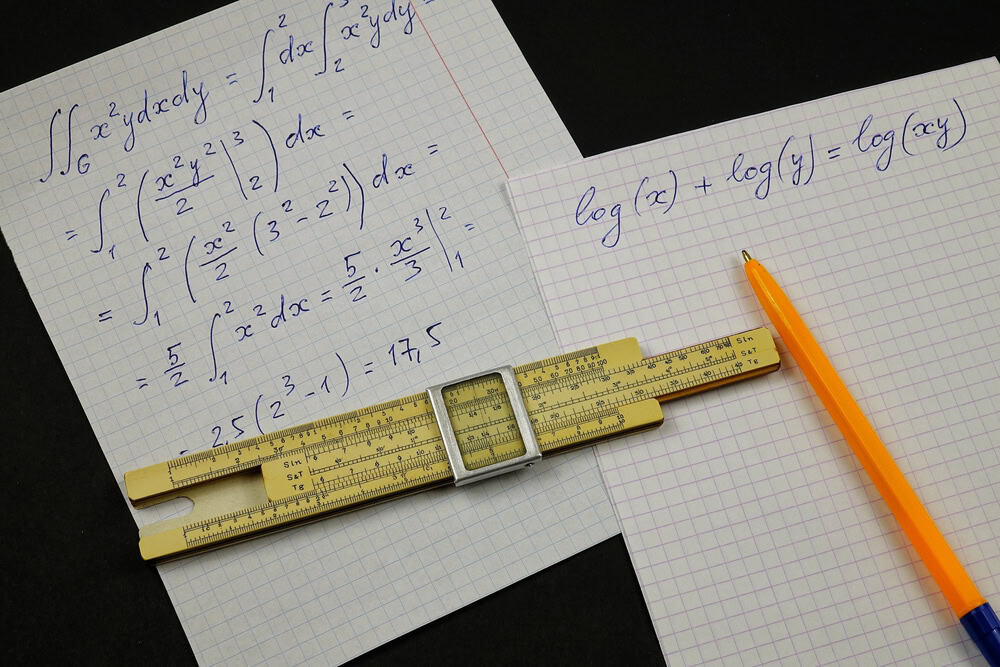
Before affordable electronic calculators came along, engineers, technicians, and science students used slide rules. They relied on the different markings on the rule to do their multiplication, division and similar calculations, and to establish the correct position of the decimal point.
These days, our smartphones let us work out even highly complex calculations with a single tap. Most of us have never seen a slide rule being used, let alone know how to operate one.
Sewing basic repairs

Most people back then could sew on a missing button, patch a tear, or alter a pair of trousers, and so on. They would generally make an effort to keep their clothes in use for as long as possible.
Since you can easily buy inexpensive clothes off the rack and get them tailored, there’s no longer much need for it. Because of this, lots of people toss out clothing over the smallest bit of damage.
Using a card catalogue

Back then, finding a specific book or piece of information took some skill. You had to check the various card catalogues, look items up under Author, Title or Subject, and follow cross-references to related topics. Then you needed at least a basic grasp of the Dewey Decimal System (or an equivalent) to navigate to the correct part of the library.
If you were interested in the older newspapers and magazines available on microfilm, you had to use a special reading machine.
Using a party-line telephone

Rural America in the 1960s often saw several homes connected to one shared telephone line. Each household had its own distinctive ring pattern (say, two short rings and one long one) that told them the call was theirs. Of course, you did not want to pick up if it wasn’t your telephone call.
And if you happened to catch a neighbour’s conversation, the polite thing to do was hang up the handset. Now that everyone carries a cell phone, that kind of know-how and good manners has mostly disappeared.
Maintaining a kerosene lamp
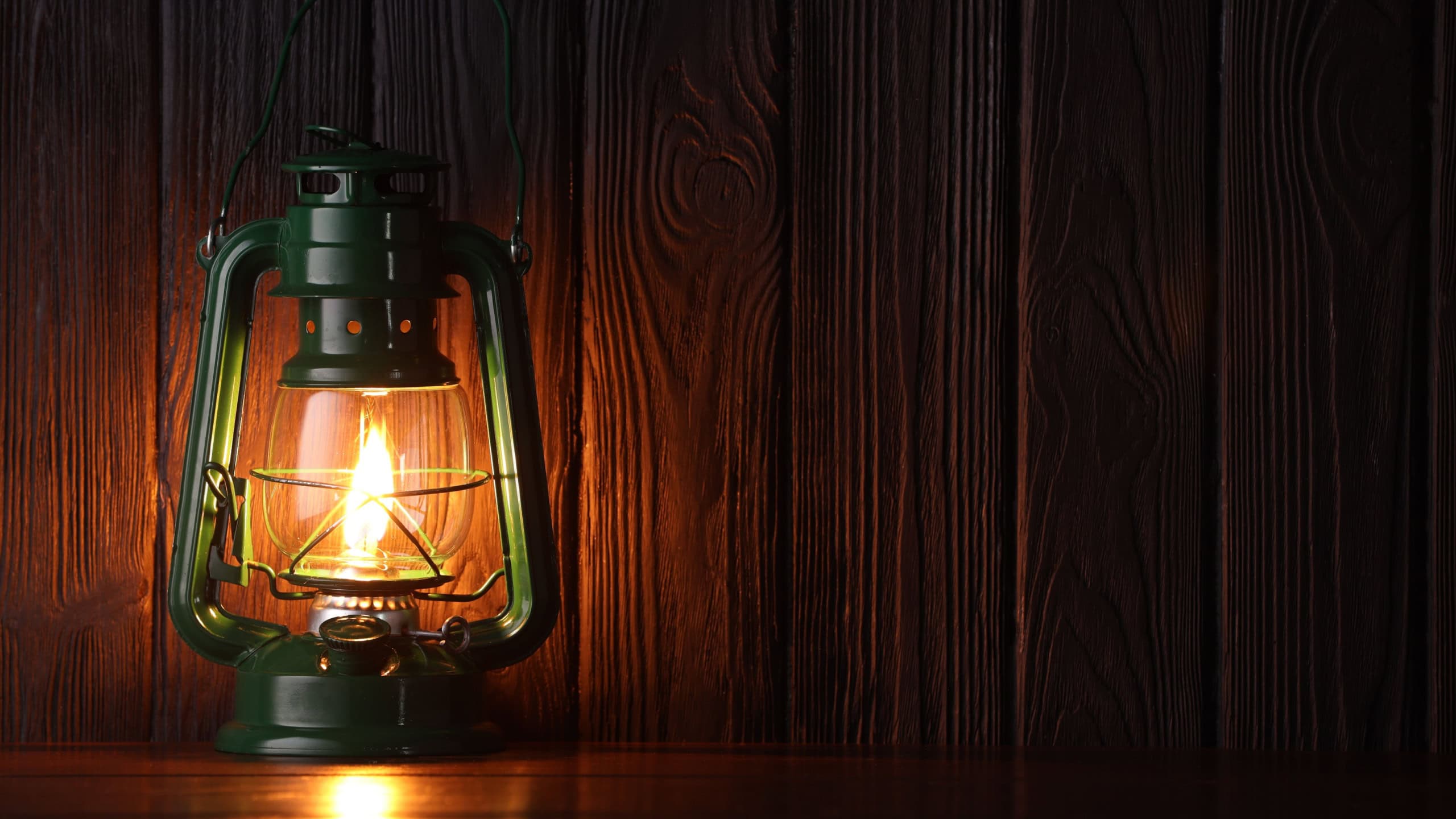
By 1965, the majority of US houses would be electrically lit, but kerosene and oil lamps continued to see use in remote areas, when there was no power and for outdoor activities.
Those who grew up using such lamps would know how to fit a fresh cotton wick and cut it down to give an even burn with minimal smokiness. They also knew how to adjust the brightness, clear the soot that collected on the chimney and top up the lamp’s fuel.
Interpreting newspaper classifieds

Newspaper classifieds in the 1960s kept citizens informed about vacancies, rental rooms, second-hand vehicles, and other goods. Because advertisers had only a limited amount of space, they used many abbreviations and short descriptions.
As a result, most adults developed a knack for figuring out the important information hidden in those short notices. These days, thanks to the internet, listings tend to include photos, lengthy descriptions and plenty of filters to help us search.
Using a postal money order
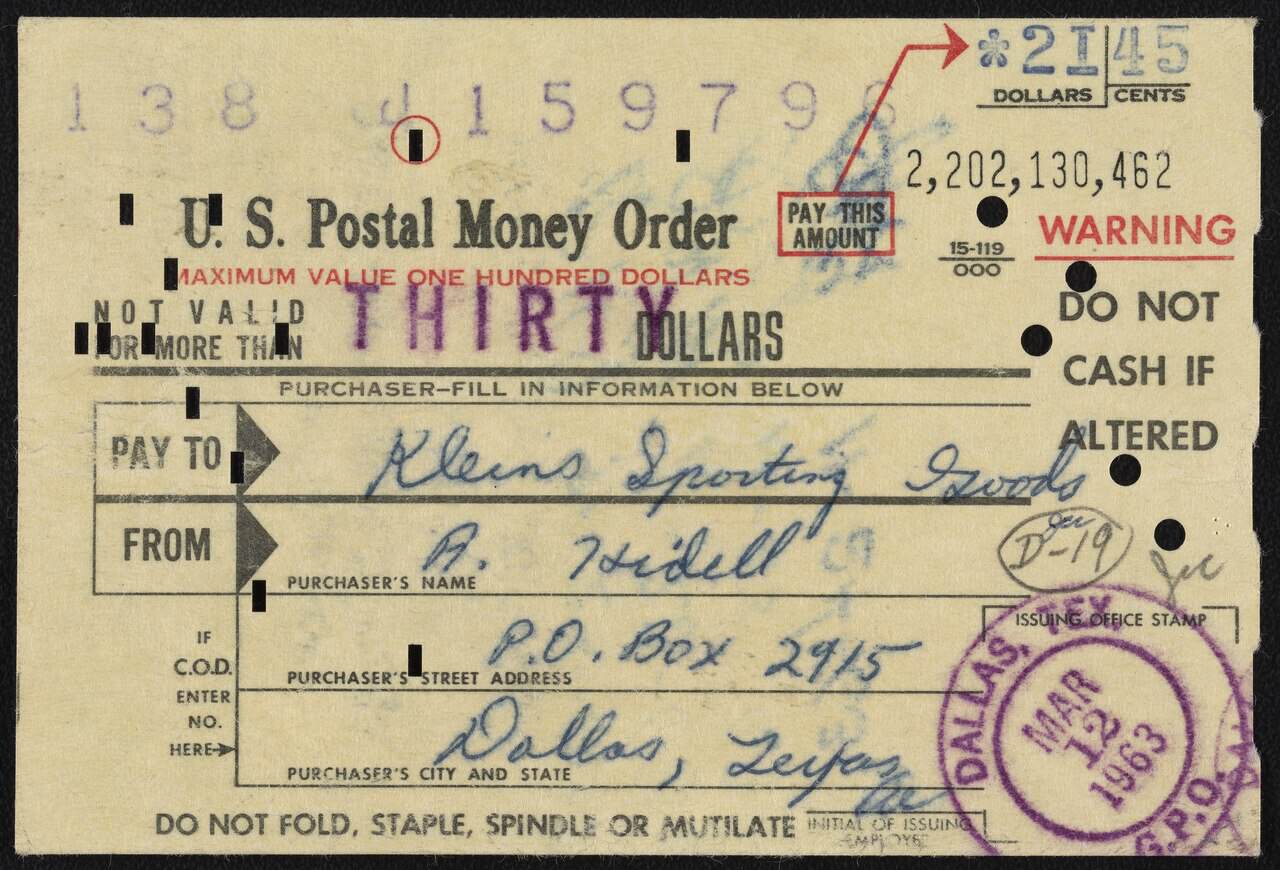
If you wanted to pay someone who was far away, most would just buy a money order from the post office, complete with the payee information and dispatch it. A money order was a very practical choice for anyone without a current account, or for paying a company that would not accept a cheque.
These days, with digital banking and payment apps, the practice has mostly died out, and a lot of young adults wouldn’t know how to fill out a money order.
Like our content? Be sure to follow us.
10 household products from the 1960s that are disappearing
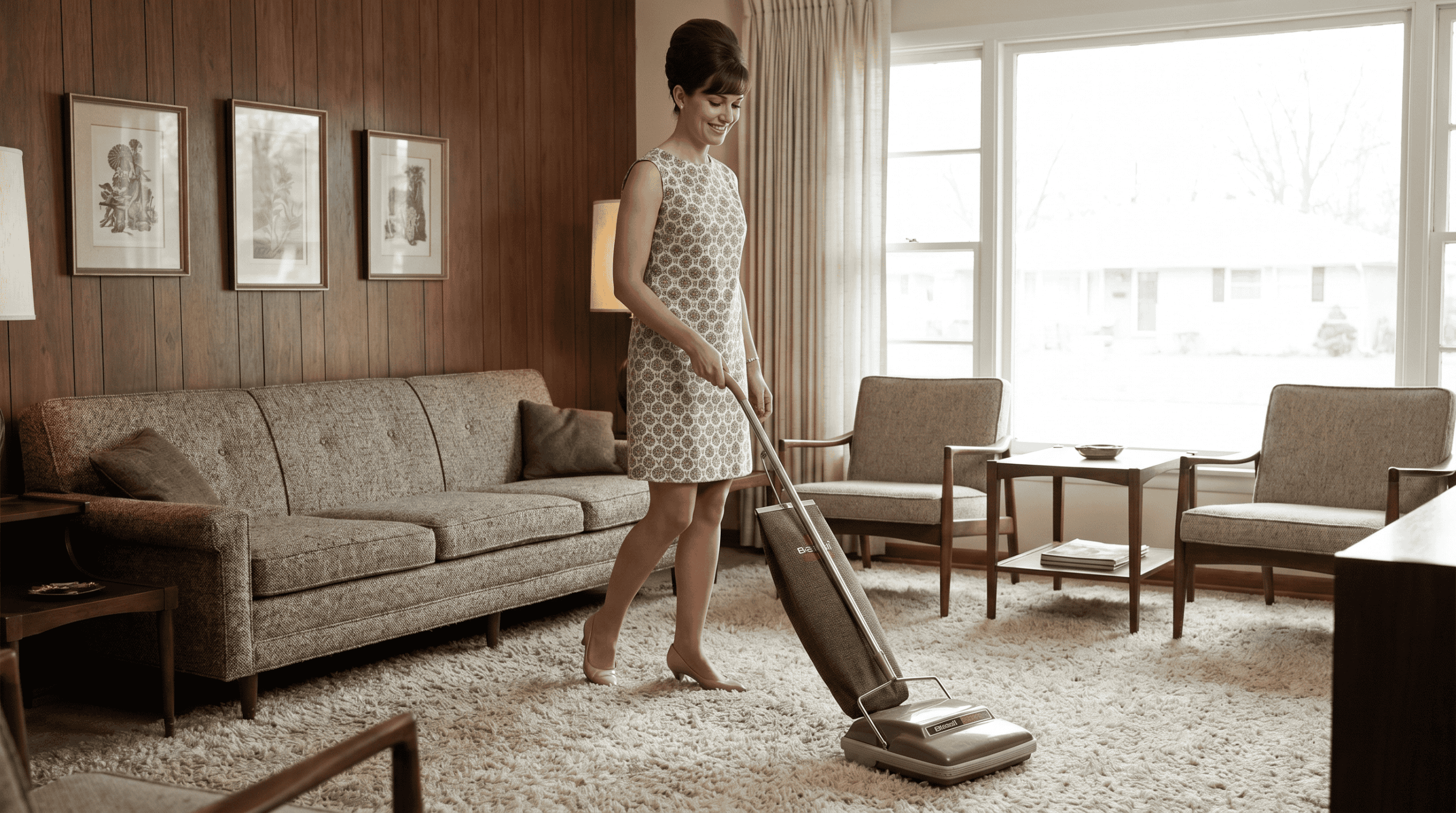
Before technology became so easy, these gadgets were trendy items most households had in the 1960s.