15 Purchases Many People Don’t Miss After Cutting Costs
Looking to overhaul your budget and save some extra cash? We all know the importance of mindful spending and maximizing the value of our money. …
Looking to overhaul your budget and save some extra cash? We all know the importance of mindful spending and maximizing the value of our money. …

Canadian cities often surprise Americans with how they’re laid out and named. Street patterns, bilingual signs, and unexpected numbering systems can feel confusing at first. Some names reflect history, geography, or local culture rather than logic. What seems unusual usually has a story behind it—shaped by settlement patterns, language, and how cities grew over time.

American cities can feel familiar and strange to Canadians right away. From how people move, shop, and talk to how streets, stores, and public spaces are used, small details stand out fast. What locals barely notice often feels loud, rushed, or excessive to visitors, revealing how city life reflects deeper cultural habits and everyday expectations.

Some American money habits leave Canadians quietly confused. From how banks charge fees to the way payments, credit, and tipping work, the differences can feel surprising. What’s considered normal financial behavior in the U.S. often feels risky, unnecessary, or outdated in Canada, showing how money culture shapes everyday decisions in subtle but important ways.
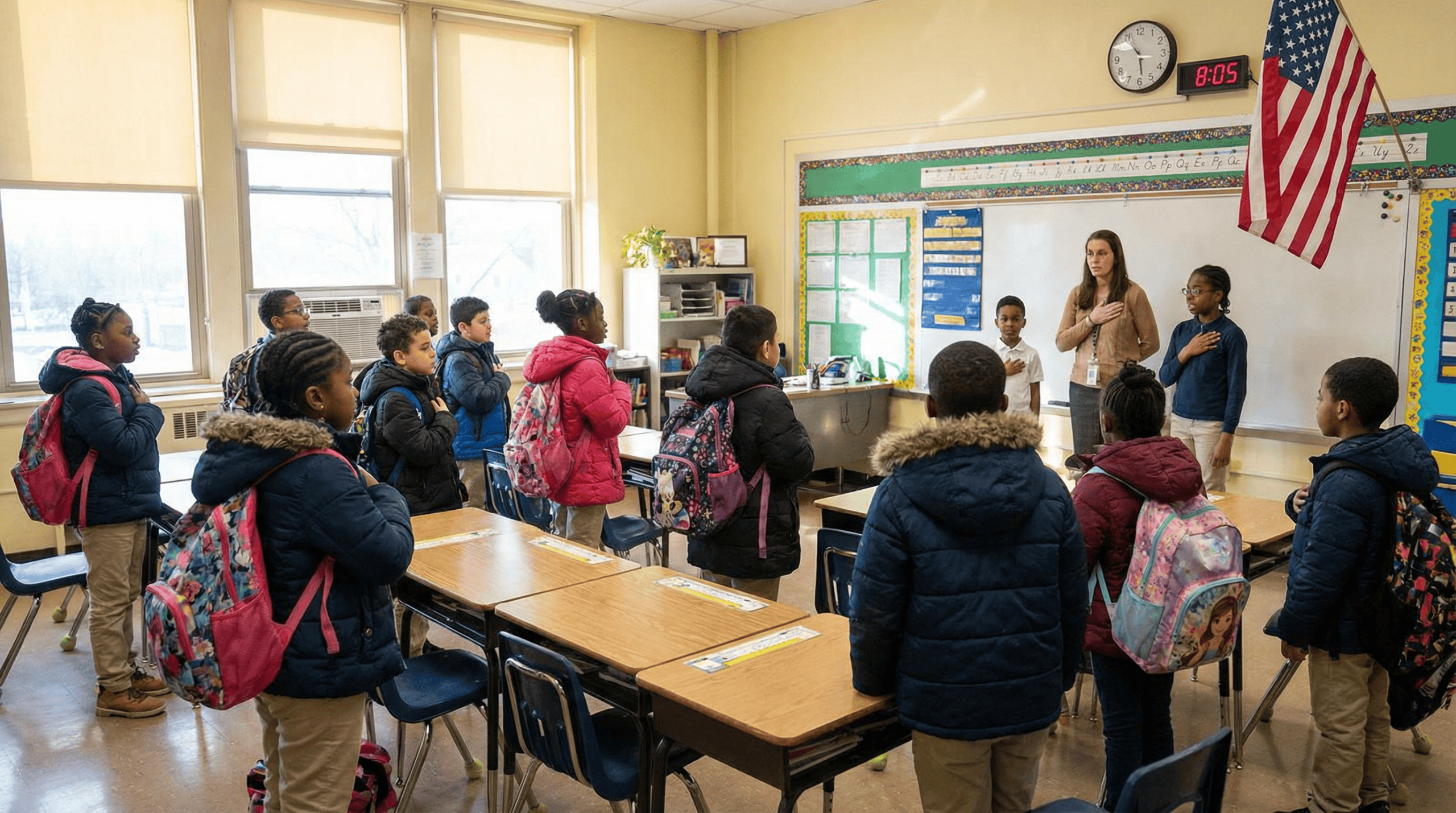
Some American school traditions feel surprising to Canadians. From daily routines to events and rules, the differences can seem dramatic or unnecessary. What’s seen as normal or fun in U.S. schools often doesn’t exist north of the border. These contrasts reveal how education reflects culture, values, and ideas about childhood in unexpected ways.

Some public signs and rules in the U.S. feel unusual to Canadians. The wording, tone, and strictness can be surprising. What sounds obvious or necessary in America may seem excessive or confusing north of the border. These differences reflect contrasting ideas about safety, responsibility, and how much guidance people need in shared spaces.

Bulk buying is common in the U.S., but it often surprises Canadians. Stockpiling large quantities can feel unnecessary or impractical, especially with smaller homes and different shopping habits. What Americans see as smart saving, Canadians may see as clutter or waste.

Some American dating customs feel surprising to Canadians. Expectations around who pays, how fast things move, and what counts as commitment can differ a lot. What feels normal or romantic in the U.S. may seem rushed, formal, or confusing north of the border, showing how dating is shaped as much by culture as by personal feelings.

Dry begging describes when someone hints at needing attention, help, or reassurance without directly asking. They drop comments meant to spark guilt or sympathy instead of being honest. People are calling it out because it creates confusion, emotional pressure, and resentment, making relationships feel tense rather than open, clear, and healthy for everyone involved.

American convenience stores are packed with snacks that feel completely unfamiliar to Canadians. Bold flavors, unusual combinations, and oversized portions often dominate the shelves. What’s considered a quick, normal grab in the U.S. can look excessive, confusing, or even shocking north of the border, highlighting how snack culture differs more than people expect.