
Heading south into the United States as a Canadian, you assume everything is going to look familiar. That is, until you start reading the signs. Whereas Canadians are used to bilingual “Please” and “Thank you” notices, American public rules can feel surprisingly blunt, intense, and even a little bit aggressive.
Here are 12 American public signs or rules that Canadians travelling in America often find strange or confusing.
Liability disclaimer signs
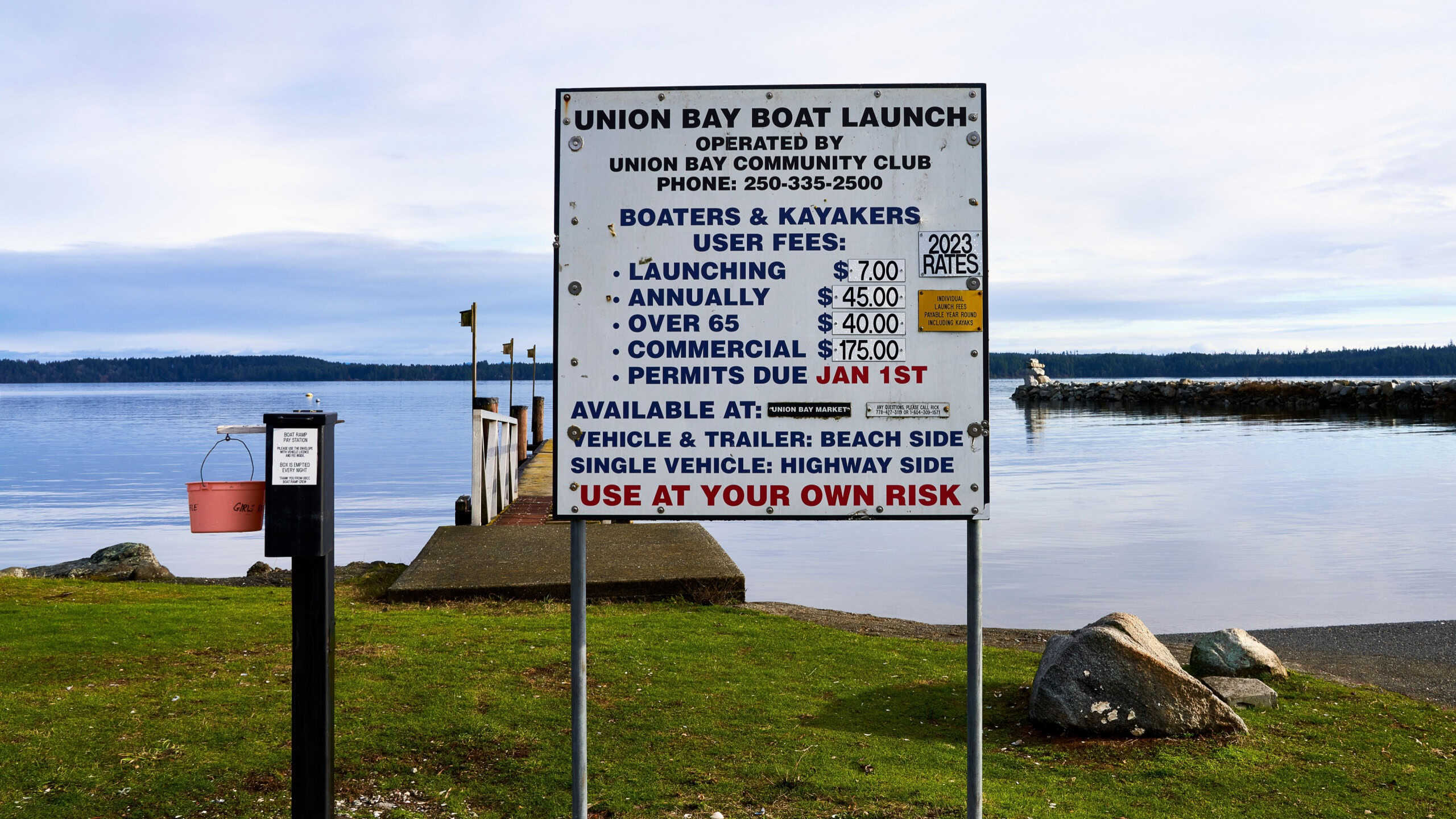
Going to a gym, parking garage or coat check in the U.S. will have signs everywhere telling you “Not responsible for lost or stolen items” or “Use at your own risk.”
Canadian places have these too, but not as many. And the language isn’t as strong.
Americans sue each other way more than Canadians. These signs are there to prevent business owners from being sued left and right by customers.
Doctor/lawyer billboards
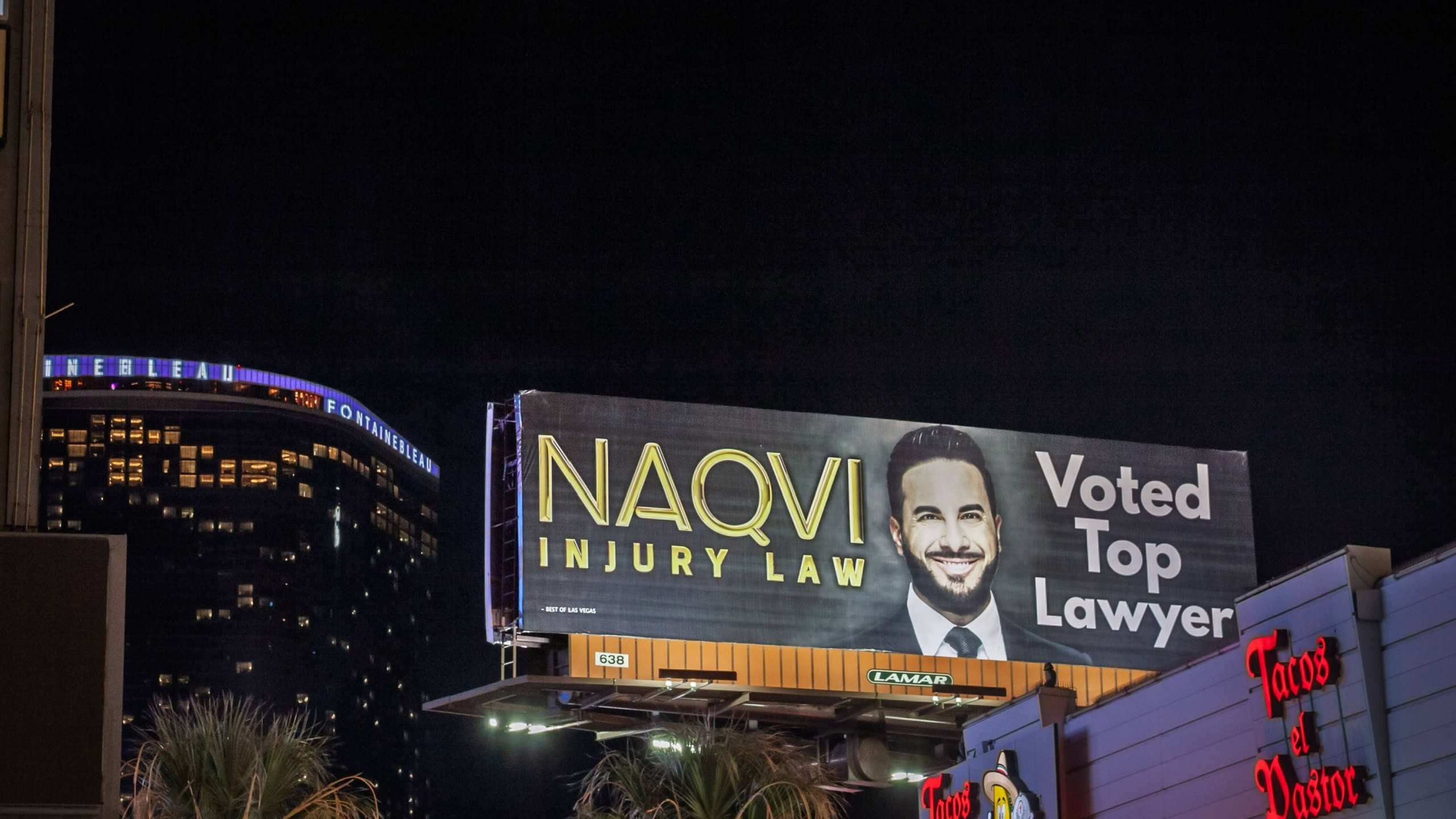
One of the biggest “sign shocks” for a Canadian is seeing huge billboards for lawyers who want you to sue someone, or for prescription drugs.
In Canada, there are strict rules about advertising certain powerful medicines to the general public on large billboards.
For Canadians, reading a sign that says “Ask your doctor about this pill” or “Call this number and this lawyer will get you money for your car accident” sounds very aggressive.
Aggressive safety signs
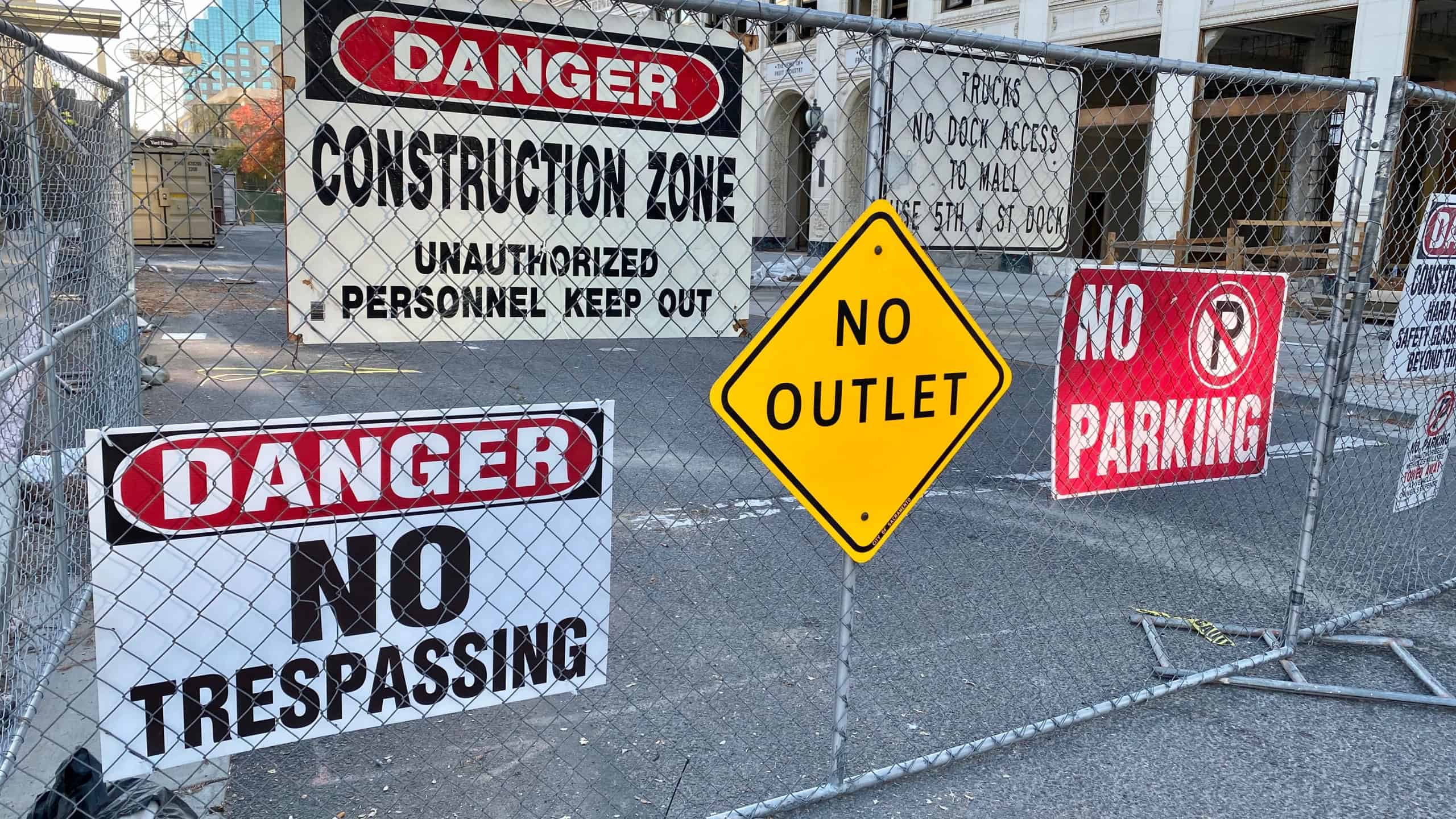
Road safety is important in both America and Canada, but Americans tend to word their signs in a way that can sound more intimidating.
Americans will often put up large signs that say “STATE LAW: MOVE OVER OR TICKETED” or “WORK ZONE AHEAD: FINES DOUBLED.” Canadian signs tend to be friendlier or use symbols to encourage people to drive safely.
Guns
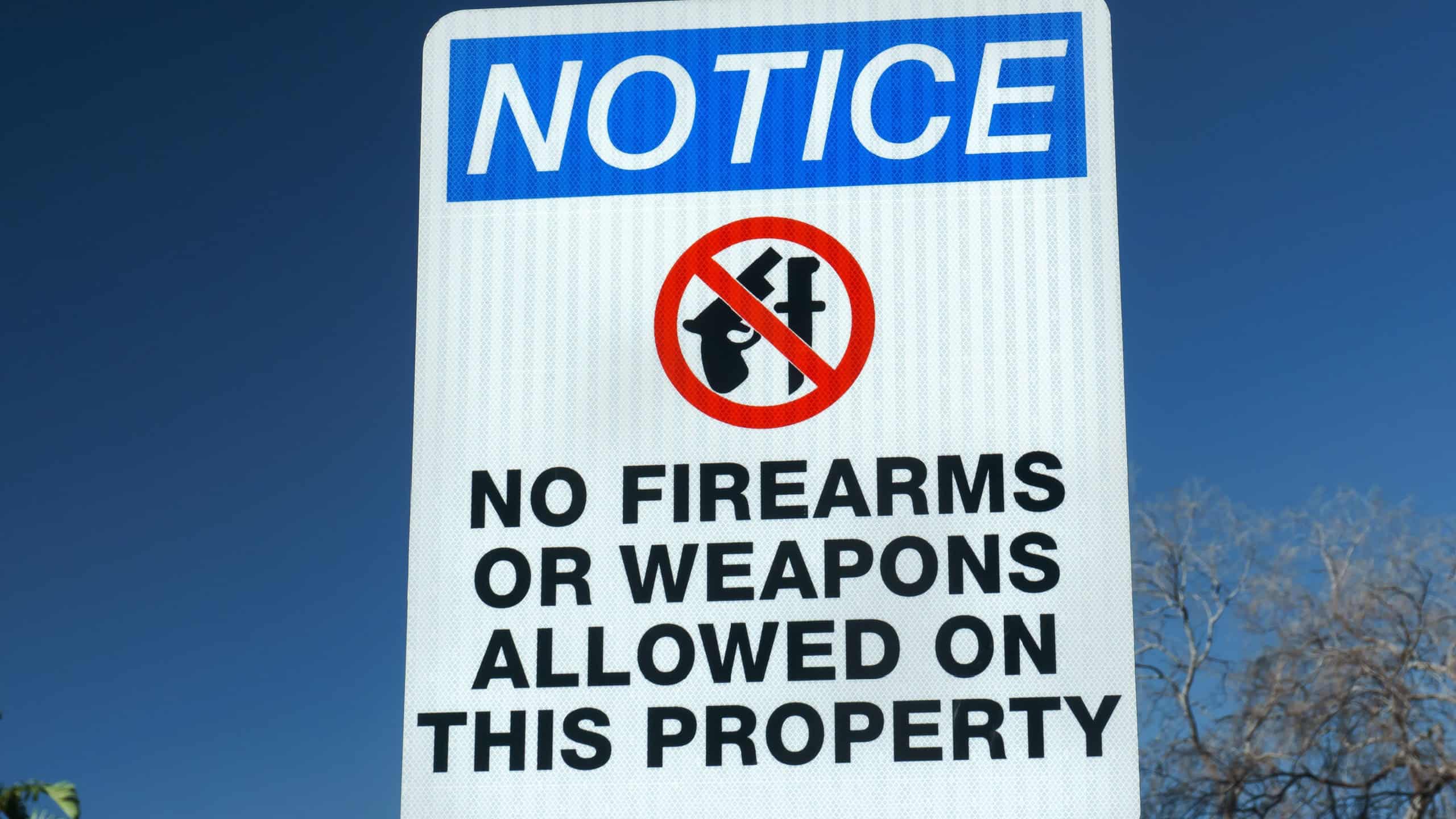
One of the scariest signs for Canadians will be signs related to firearms. America has some states where you may see a sign that says “Concealed carry permitted,” which means people are allowed to have a hidden gun on their person.
Other places may have a sign with a picture of a gun with a red line through it that says “No guns allowed.” Guns are highly restricted in Canada, so seeing these kinds of signs at stores can be very confusing and scary.
Restroom rules
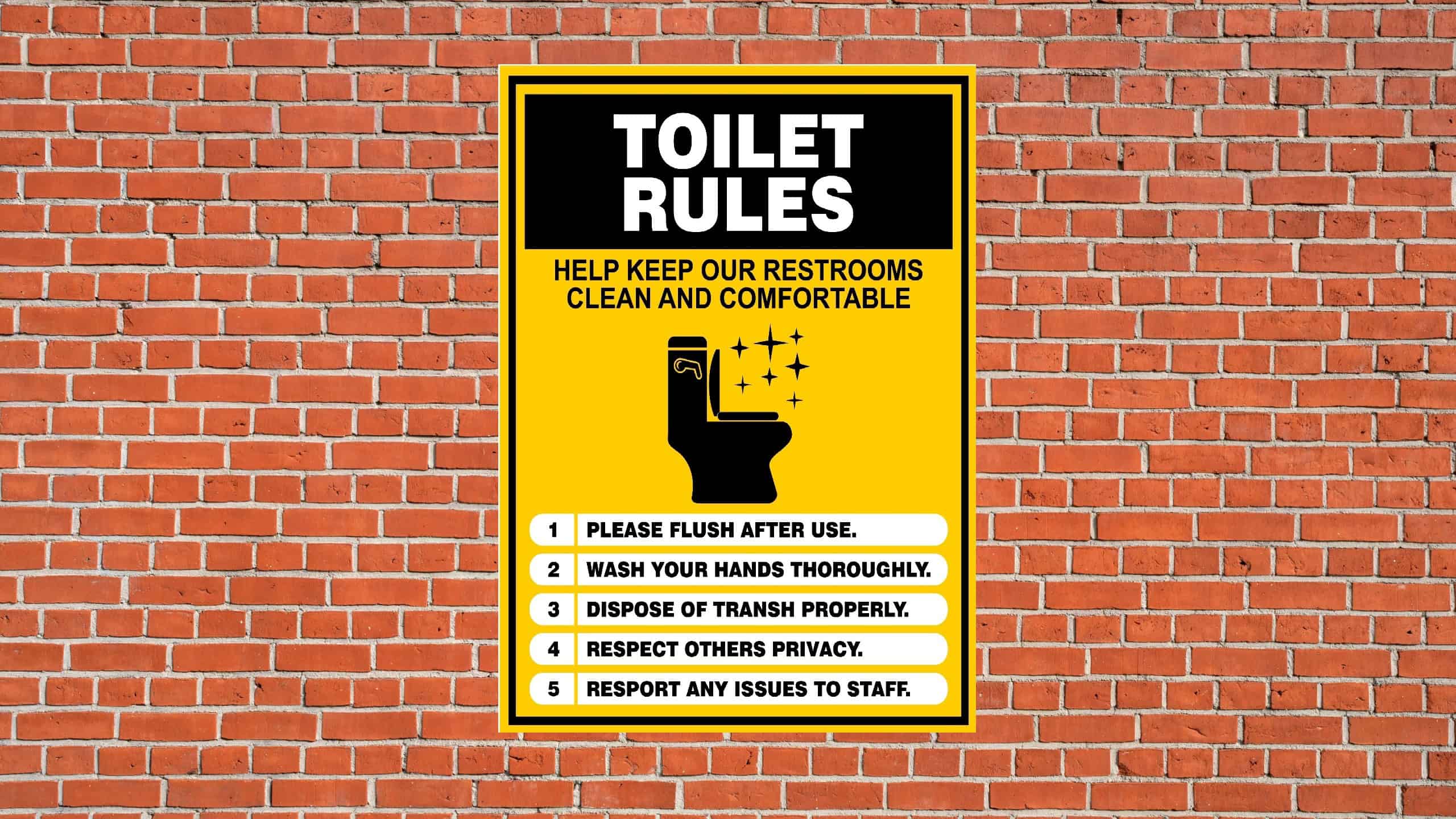
Canadian bathrooms typically just have a sign with a man or woman symbol on it. But bathrooms in the U.S. tend to have an EXTRA LONG list of rules on the wall: “You may not loiter inside,” “10-minute time limit,” and “Children under 7 may not use this restroom without an adult.”
It feels like you’re in school again. Canadians aren’t used to so many rules and writing for simple things like going to the bathroom.
Confusion over miles per hour
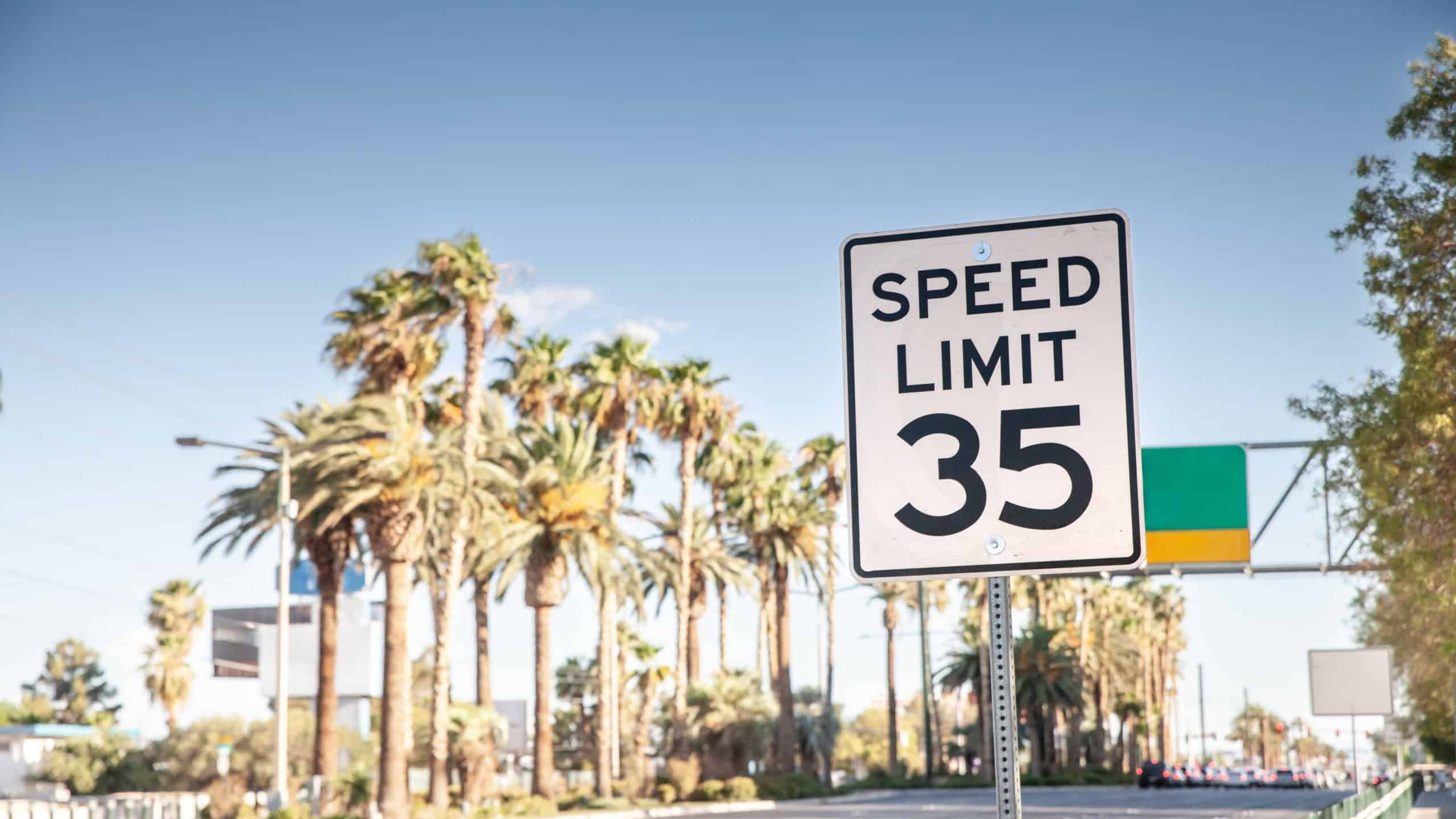
Canada uses the metric system, so when Canadians look at road signs, they look for kilometers. When they see a sign that says 65, their first reaction is, ‘Wow, that is slow.’
Then they remember these aren’t kilometers, and now they have to drive over 100 kilometers per hour. It takes some serious math to make sure Canadians aren’t breaking the law or causing a traffic jam.
Words over pictures
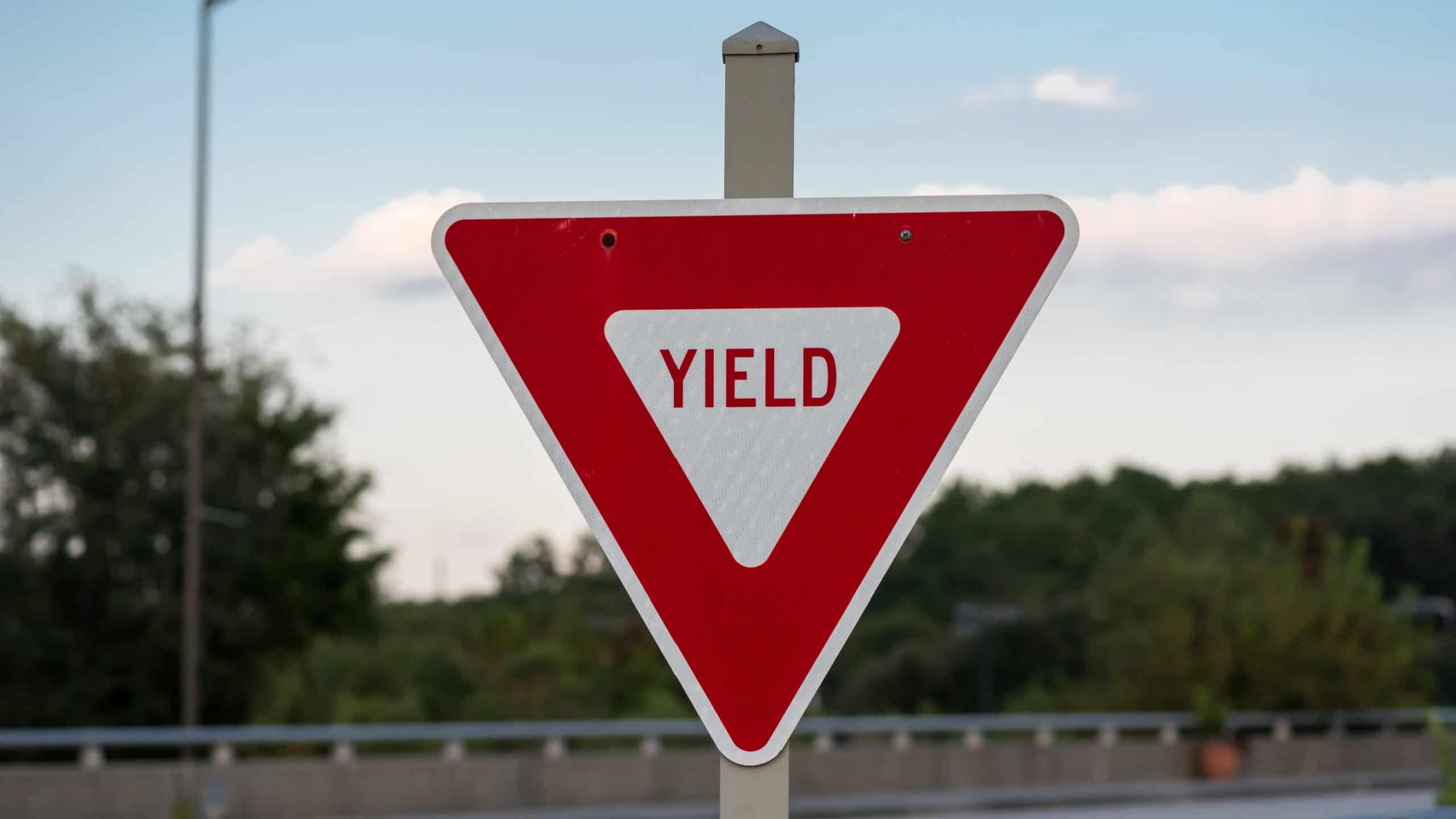
Canada uses internationally recognized signs with simple pictures to help anyone who speaks English, French or another language to know the rules of the road. Signs like yield often will have just a picture of what it means or just look like a yield sign. No text.
American signs tend to use words and sometimes skip the internationally recognized picture of it. If you don’t speak English as a first language and you see a sign that just says yield, you might not understand it as quickly as a picture would.
Alternate “Dead Ends”
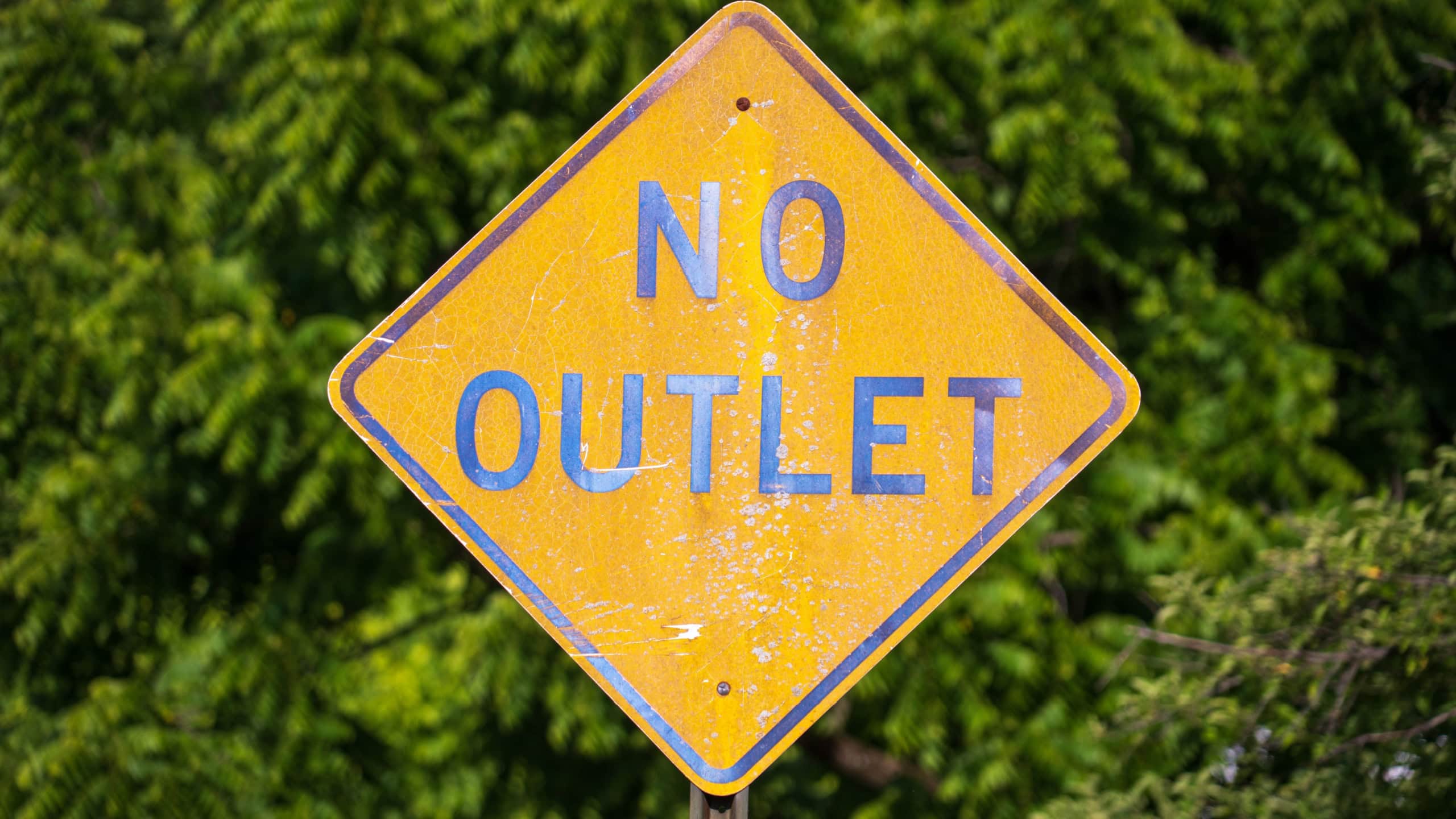
When there is no more street, and you’ve reached the end of a road, Canadians will often see a sign that says “Dead End” or a yellow sign with a black “T” at the end of the road.
In America, you will often see “No Outlet.” Both mean exactly the same thing, but “No Outlet” sounds so formal or strange to Canadians.
Strict pedestrian crossing rules
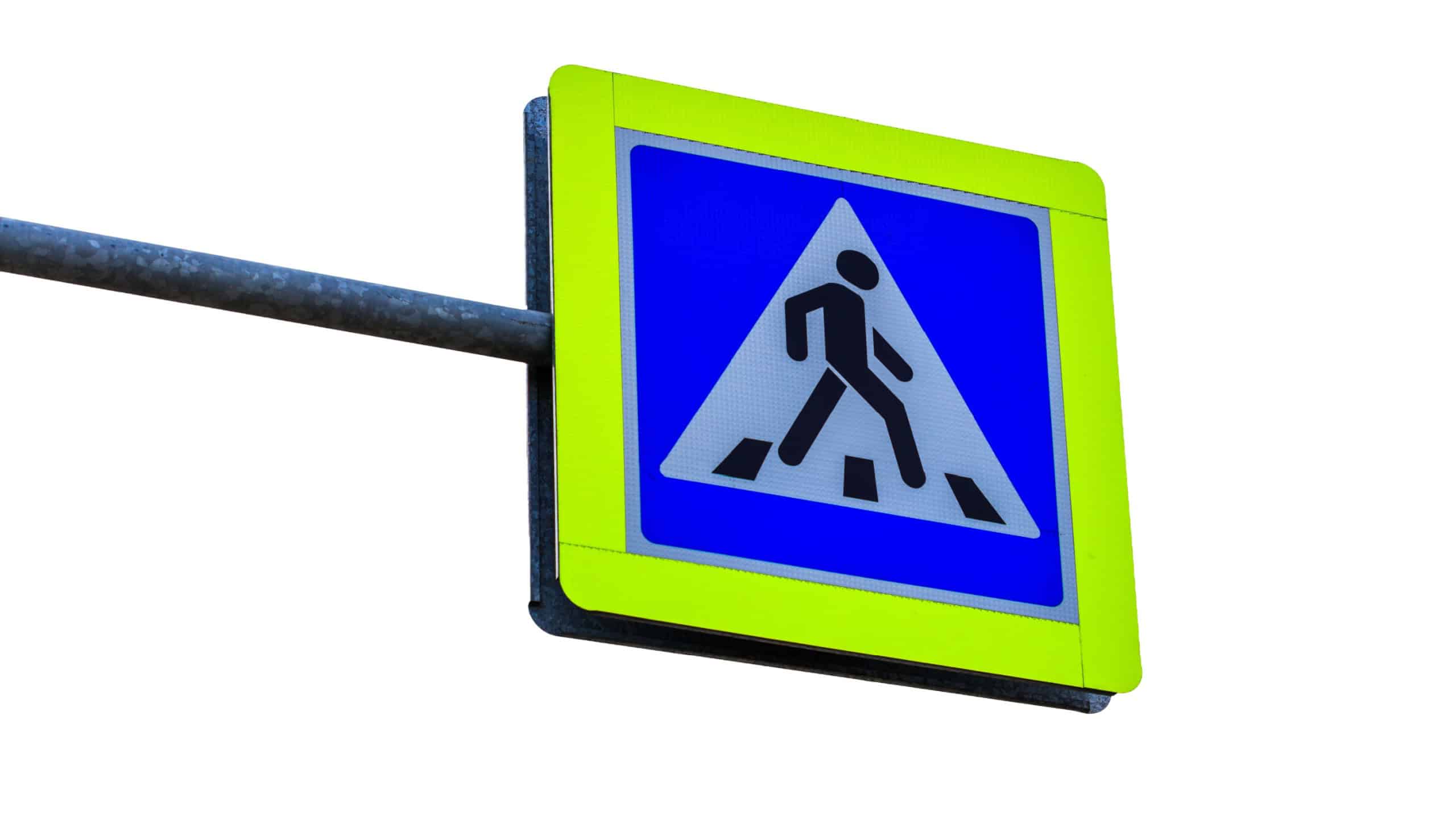
In Canada, pedestrians often cross roads when it is safe, even if they are not at an intersection. This is technically “jaywalking,” but most cops will never give you a ticket for doing it (unless you’re being dangerous).
In many American cities, jaywalking is taken very seriously. There will be many signs about not crossing mid-block, and if you get caught, you can be fined hundreds of dollars.
Monolingual stop signs
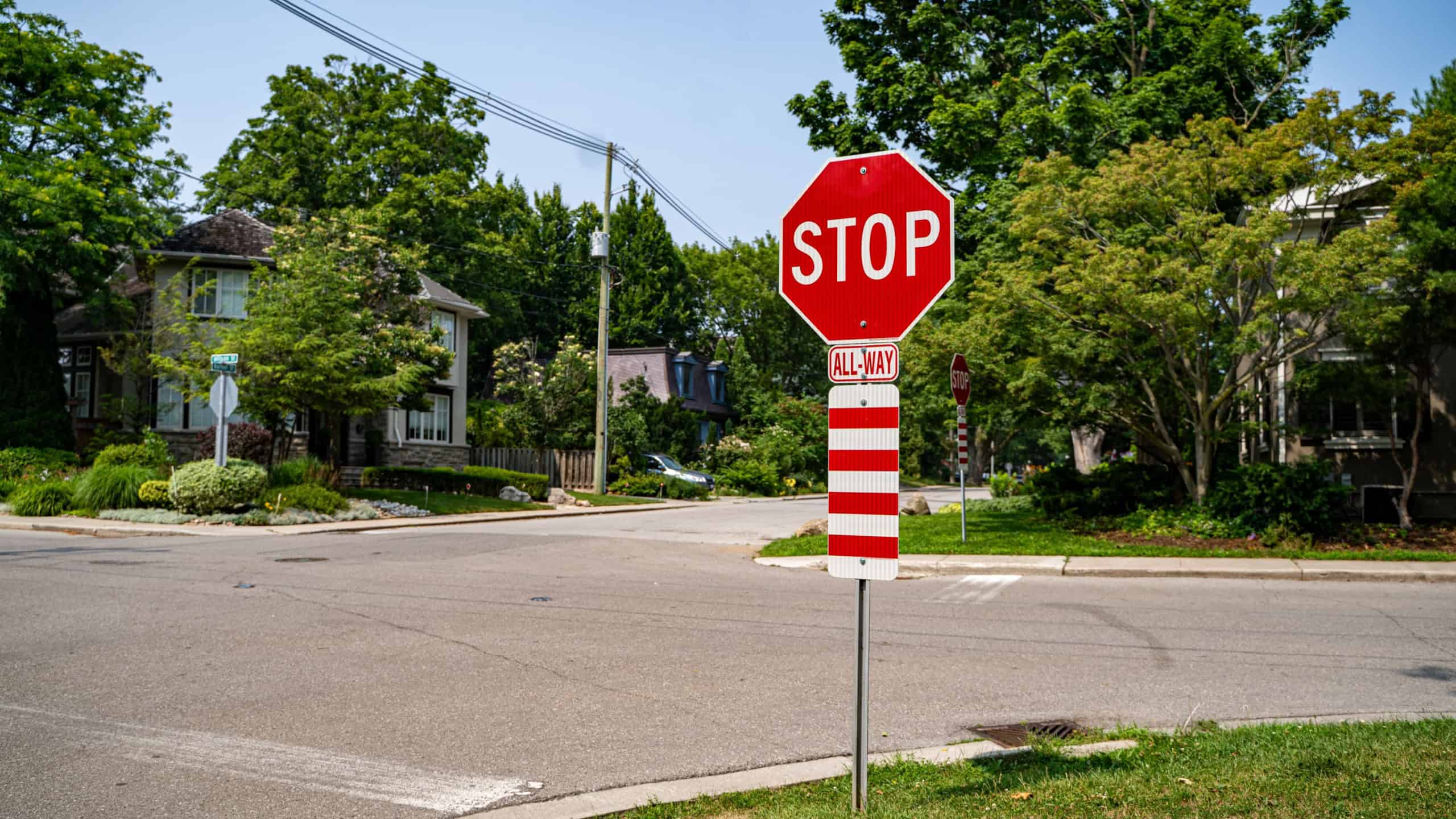
If you’ve driven through Quebec or some parts of New Brunswick, you will often see stop signs that either say ARRÊT or have both French AND English writing on them. Because Canada has two official languages, seeing dual-language public signs is extremely common.
When Canadians visit the United States and see only English on signs, it makes them realize how much they see French on a daily basis.
Scary parking signs
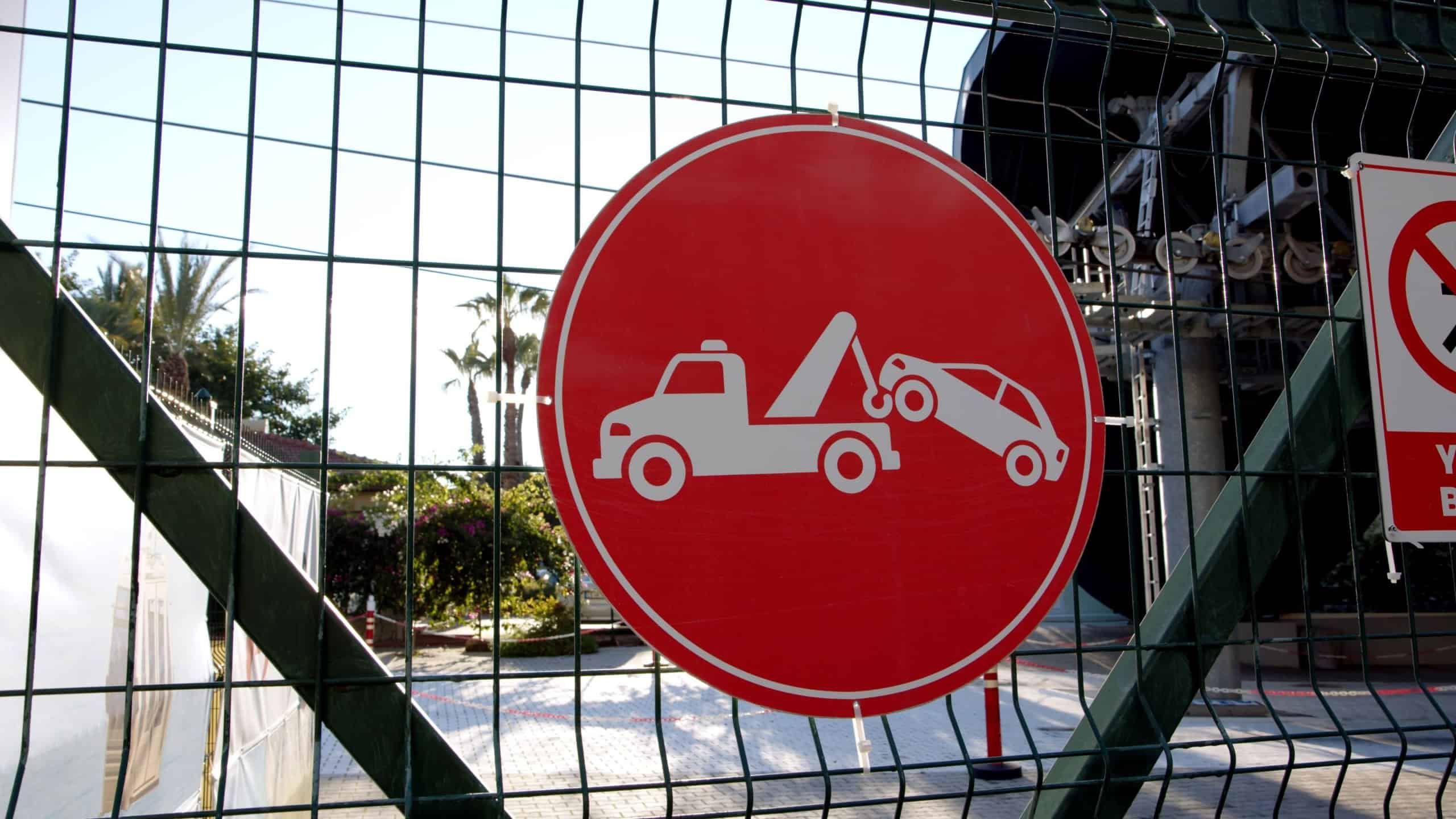
Parking signs in the U.S. often look very mean. They’ll use all caps, bright colours like red or yellow, and warn you that your car will be “Towed at your own expense” or “Booted” (which means they’ll put a metal lock on your tire).
Canada has parking enforcement but those scary American signs make it feel as if you break any rule, you’ll be punished immediately and it will cost you.
“Customers Only” chairs

In many Canadian coffee shops or food courts, the rules about who can sit down are usually informal. As long as you are being quiet, people don’t usually mind if you sit for a moment.
In the U.S., you will often see very clear signs that say “Seating for customers only” or “20-minute limit for seating.”
This tells you that if you haven’t bought something, you aren’t allowed to be there. This policing of public spaces makes Canadians feel unwelcome.
Sources: Please see here for a complete listing of all sources that were consulted in the preparation of this article.
Like our content? Be sure to follow us.