
Some of the kindest people have very few friends, often because of habits they don’t even notice.
Keeping conversations superficial

Some people are so focused on being polite that they refuse to talk about anything personal. Because they worry about causing offence, they keep conversations limited to safe, uncontroversial topics.
These people can be very agreeable but find it difficult to open up a dialogue with others. You might talk to them for a long time, but still never feel you’ve got to know them. Of course, many close relationships only develop after someone reveals a small degree of information about their life.
Refusing small favours

Many kind people won’t take help in any form, as they’re reluctant to burden anyone. If you offer to do them a small favour, they will turn you down at once. They believe they’re sparing others by doing this, but letting people help you tends to strengthen your relationship.
Most people genuinely enjoy having the chance to help someone out. Turning down every offer might shut the door on a chance for both parties to gain something.
Becoming everyone’s therapist

Some people are great listeners and always make time for other people’s problems. Everyone turns to them for advice whenever they have problems because they know they’ll get a sympathetic response.
Although they listen to everyone, they rarely talk about their own struggles. As only one person always provides emotional support, the friendship might end up becoming one-sided over time.
Waiting for invitations

Some people never take the initiative to set up a hangout with someone, purely because they worry about coming across as too forward. They figure that if someone’s interested, that person will be the one to step up and plan something.
This, in turn, can make people feel as though they would rather not spend any time with them. A good relationship can quickly deteriorate if only one side continually has to organize everything.
Apologize too often

Some people apologize for just about everything, even when they’ve done nothing wrong. For example, they may apologize for messaging you or wasting your time while chatting. This can make conversations feel unnecessarily formal because others have to keep reassuring them it’s fine.
Instead of appearing relaxed and comfortable, they may also seem worried about whether their presence is welcome. Over time, this habit can make it harder for casual acquaintances to develop an easy friendship with them.
Avoiding healthy boundaries

Some people just go along with what others want because they’re afraid of looking selfish. So they carry on being there for their friends even when exhausted, or follow through on events they don’t genuinely enjoy.
As time goes on, being around other people starts to feel like a burden. Rather than speaking up, some people start pulling away from others, which shrinks their circle of friends because they can’t bring themselves to say no.
Assuming they’re unwanted

Some kind people see ordinary delays as signs of rejection. For instance, if someone doesn’t reply to a message immediately, they might assume they’re being ignored. When a friend cancels plans, they may decide not to invite that person again.
Instead of waiting for an explanation or giving them another chance, they quietly withdraw to protect themselves from disappointment. So they end up with very few friendships.
Hiding true personalities

Some people will put a lot of effort into being agreeable, and as a result, they end up hiding many of their real opinions and odd little traits. These people usually adjust their behaviour to match whoever they’re with. Even though they’re lovely company, it can be tough for people to figure out what they’re really passionate about.
If no common ground is found, there is little incentive for friends to organize an activity. They may be thoughtful people, but you never quite get a clear read on who they are.
Avoiding group gatherings

There are some kind people who like to spend time with a single friend and will often turn down offers to attend larger functions. They may think casual gatherings are uninteresting because conversations rarely become especially meaningful.
But most friendships grow out of simply attending these types of events again and again. If they avoid such occasions, they limit the pool of potential friends.
Leaving gatherings early
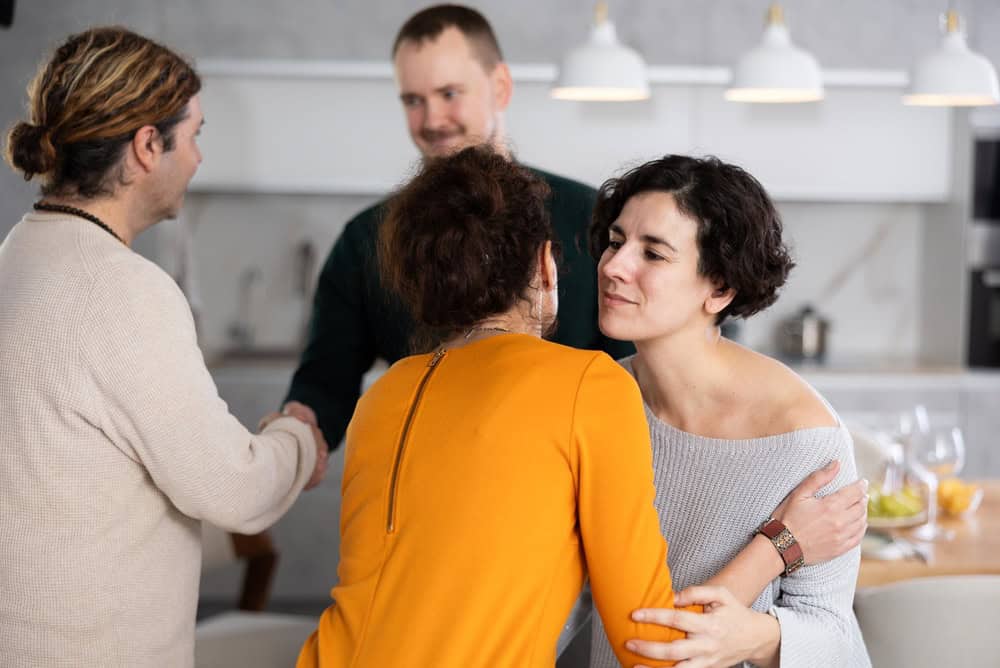
Some people might head out early, sparing the host any unnecessary burden or delays. Of course, this isn’t always the case. Conversations at parties often tend to grow more personal as the night wears on.
Leaving too early could cost you the chance to discover shared interests or make plans to get together later on. And if you make a habit of it, people might start to assume you just aren’t really interested in socializing.
Downplaying personal achievements

Some kind people hold back from sharing the good things happening in their life because they worry it might seem like bragging. You will seldom hear these people talk about work achievements, fun times, etc., even with close friends.
This means their wider circle has limited chance to join in on those occasions and learn more about their life. Friendships can grow from happy occasions just as much as from venting! So by keeping things to themselves, they end up limiting how close they can get to others.
Mistaking warmth for closeness

Some kind people greet everyone enthusiastically and remember important details about their acquaintances. But these people seldom go further than inviting others out and establishing a pattern of meeting up with them.
They think this is enough to build friendships, so they often end up with plenty of friends but no real friends at all. Being friendly is a good first step toward making friends, but it can’t stop there.
Withdrawing during difficult times

When things aren’t going well, some kind people tend to withdraw for a variety of reasons, usually to avoid putting any extra demands on the people around them. They stop replying to messages or showing up to events until they feel like their old cheerful selves again.
Their friends will likely assume they no longer wish to spend time with them. If they continue to distance themselves in these ways, their friendships will slowly deteriorate.
Overthinking social mistakes

Some people can’t help but replay conversations in their heads after they’re over. They may worry about having seemed harsh, or they might have felt ill at ease with someone new. This could make them hold back from getting in touch with the person once more, despite the interaction having gone well.
As time goes on, this might cause them to start avoiding a lot of social situations because they’re afraid of making the same mistake again.
Ending conversations too politely

Some people are so thoughtful that they hurry to end every conversation with others. When a conversation is flowing nicely, they often assume the other person has more pressing matters to attend to and decide it’s time to wrap things up.
Even when the other person seems to be interested in talking longer, they look for a polite way to leave. Unfortunately, this can give the impression that they’re eager to escape. Because of this, they end up losing many opportunities to build stronger friendships.
Like our content? Be sure to follow us.
10 traits common in people who don’t enjoy small talk

Some people genuinely can’t stand small talk. It isn’t because they think they’re above anyone. There are traits behind it that most never notice.