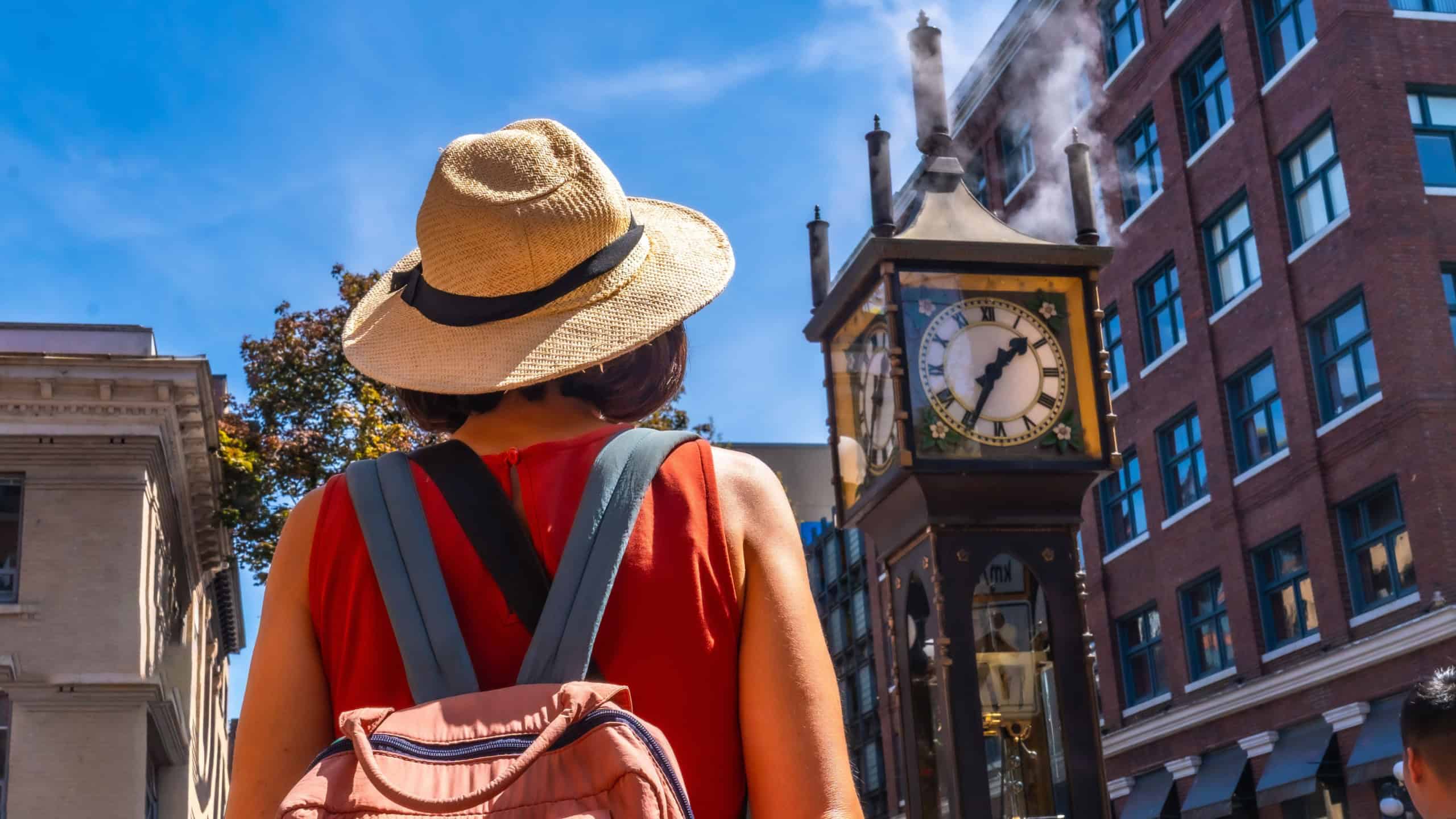
Adjusting to a city’s unwritten etiquette can be challenging, but breaking these ten irritating habits will earn you respect from Vancouver locals.
Umbrella blunders
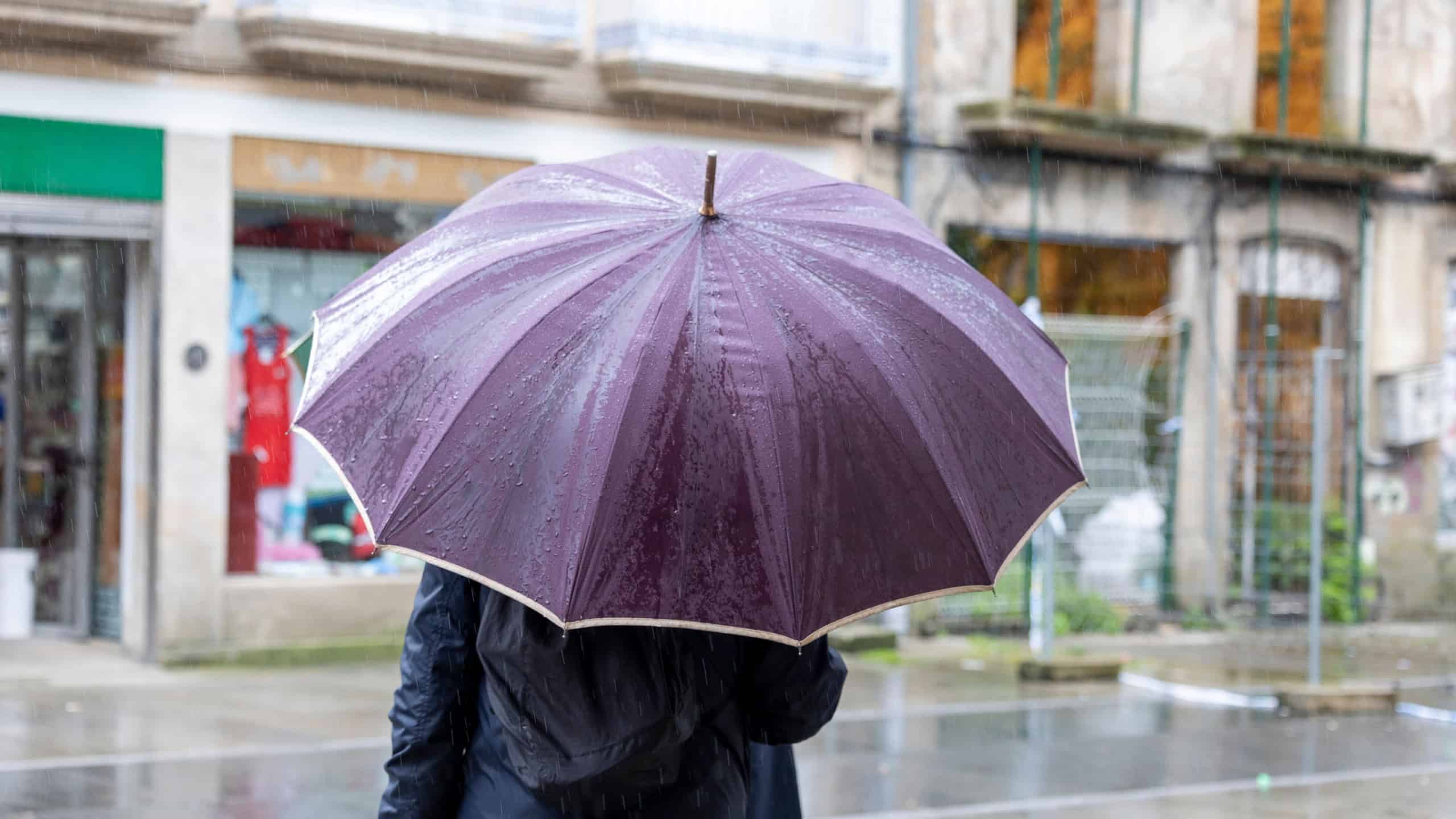
Nothing annoys a Vancouverite faster on a rainy day than seeing someone stroll down a crowded sidewalk paying zero attention to the wingspan of their umbrella.
Vancouver locals tilt their umbrellas up and down when passing people to avoid making contact with someone or dripping water down their necks. If you happen to be walking underneath a covered awning, close your umbrella all the way or ditch the giant golf umbrella and invest in a raincoat.
Stand walking
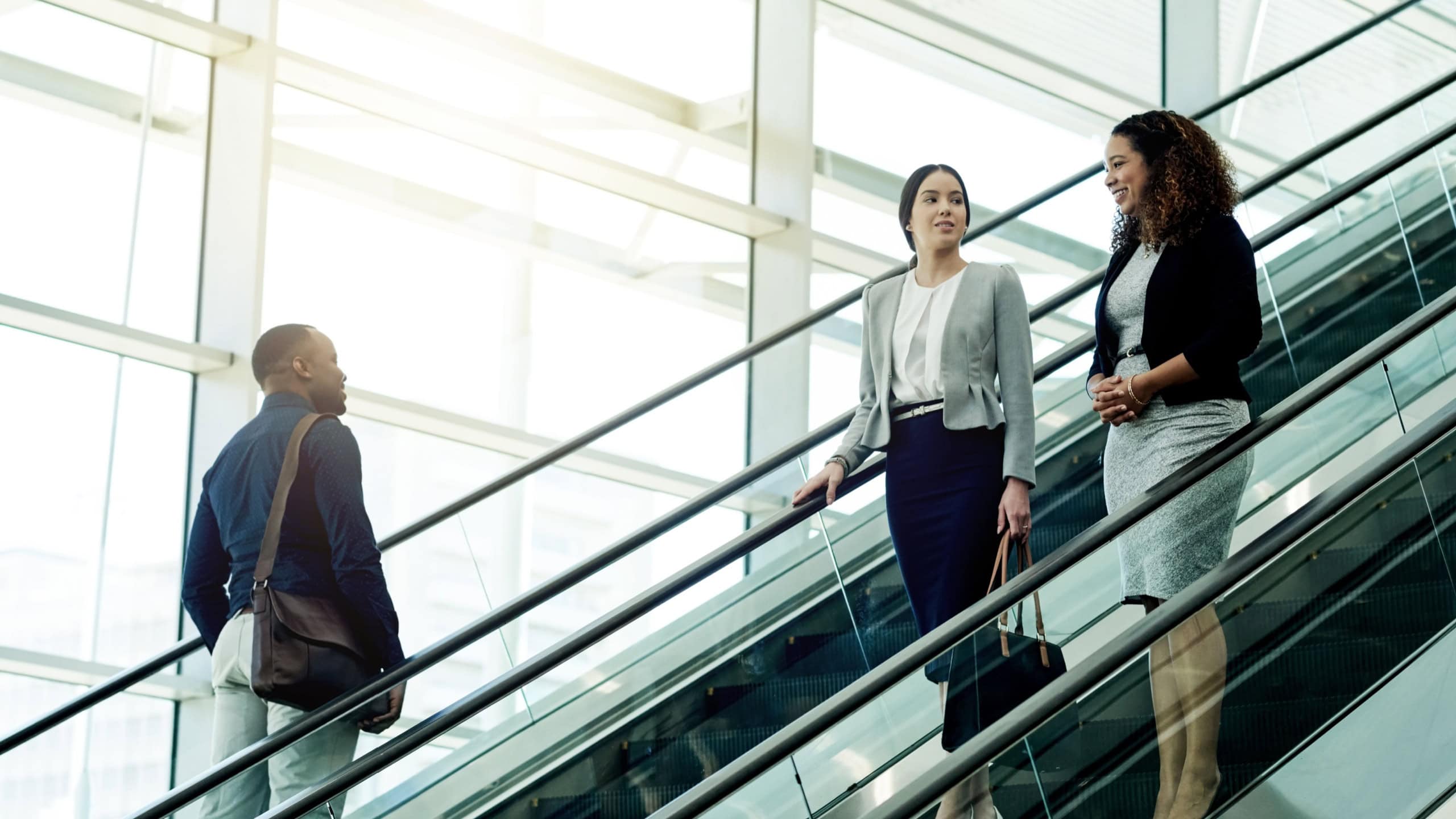
Locals use the SkyTrain’s escalators as they would driving lanes on a highway: the right side is for standing, and the left side is for people rushing to catch their ride.
If you occupy that left passing lane because you’re texting or talking on your phone, you’re leaving a herd of commuters piled up behind you. Stay right, walk left, and never stop on the top or bottom when deciding where to go.
Trail clogging
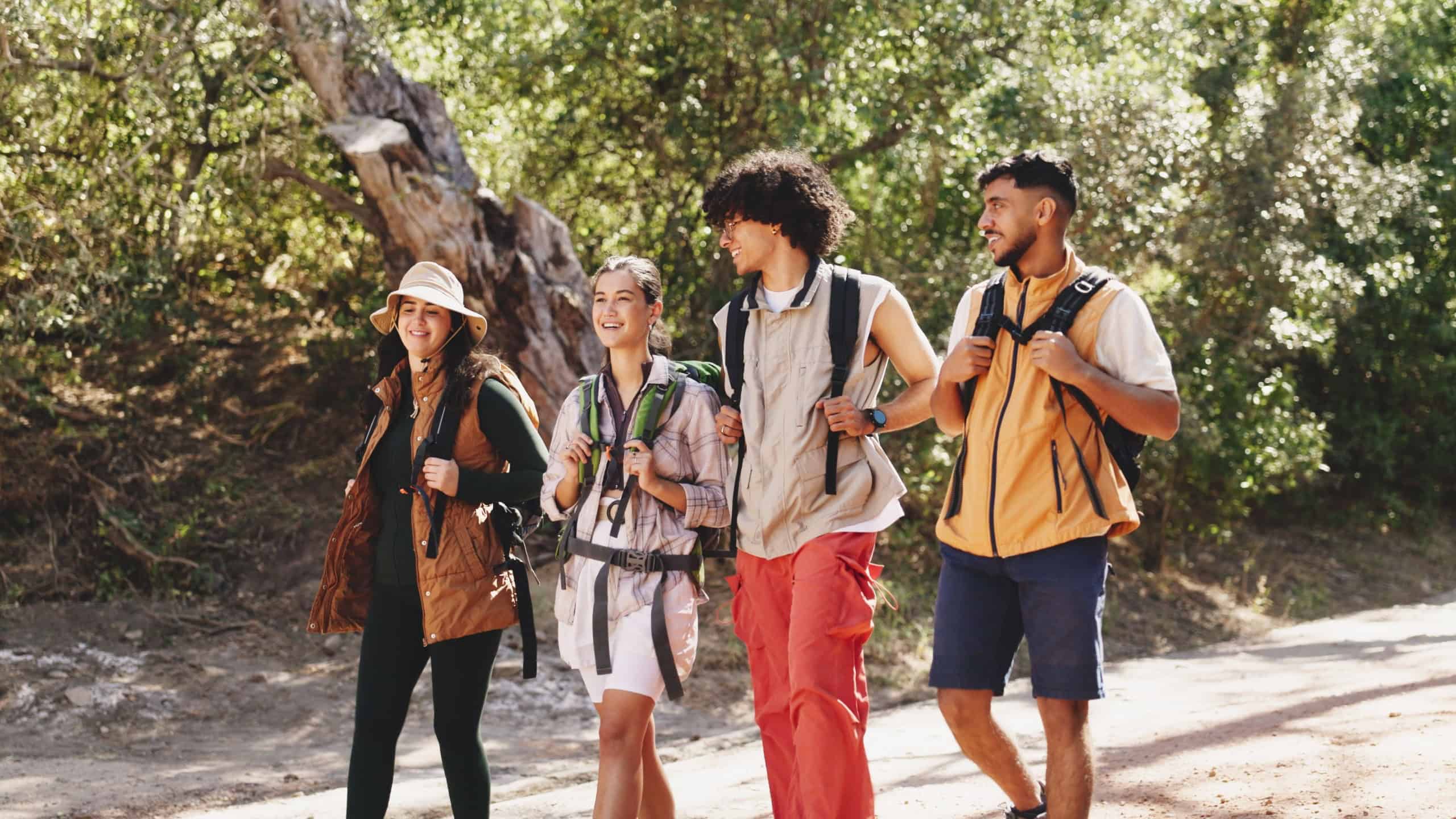
The seawall and local hiking trails are the city’s greatest sources of pride. However, they run on strict traffic rules that all users should abide by for safety.
Walking shoulder to shoulder with three or four people across a narrow trail completely impedes local runners, cyclists, and speed hikers. Remain on the walking side of the seawall, walk on the right side of the trail, and step off the trail entirely if you need to take a picture.
Direct eye contact
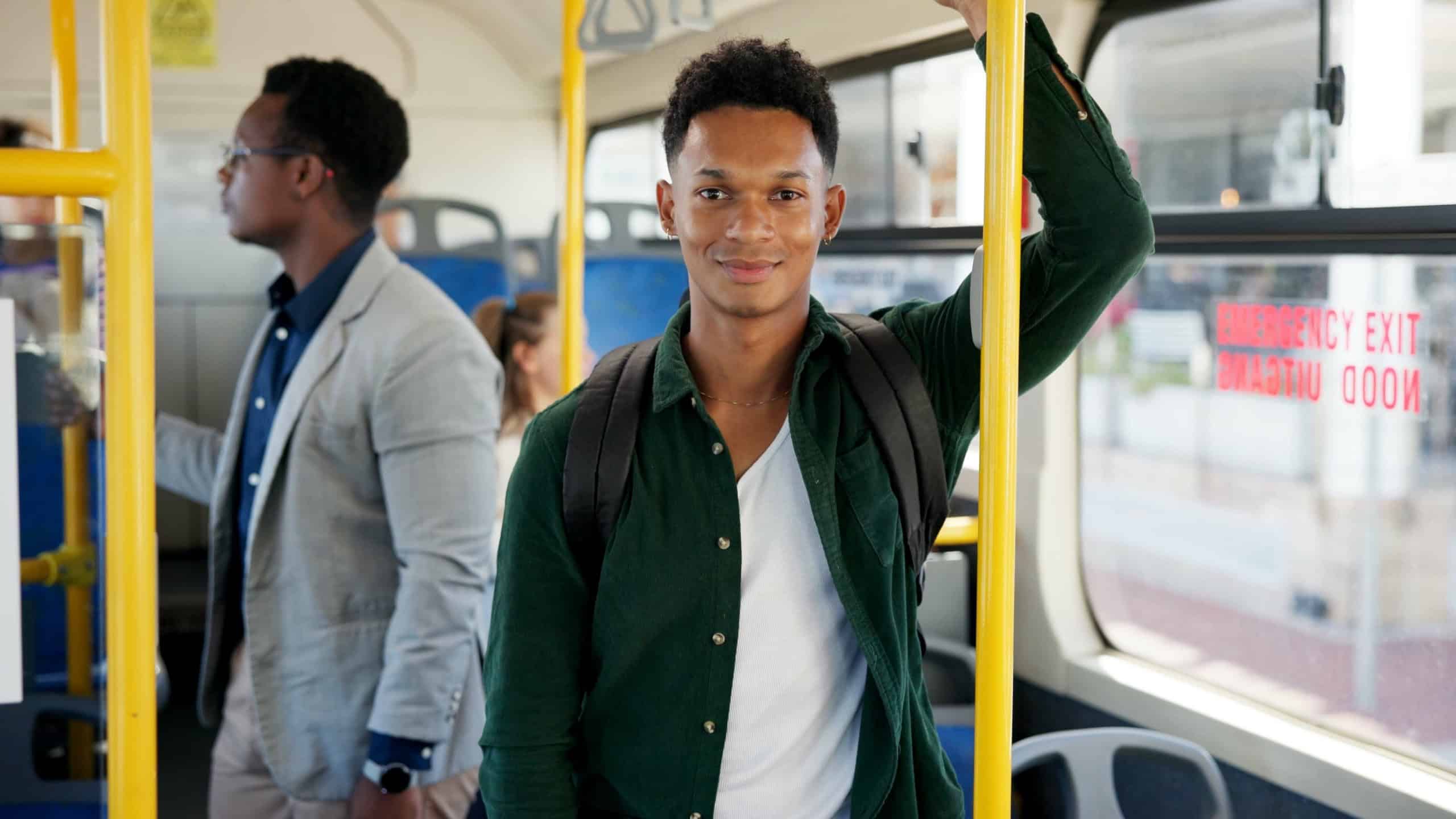
Canadians are polite, but Vancouver also has a culture of respectful distance that many newcomers mistake for rudeness.
Staring at strangers on the bus or long conversations at checkout lanes will make Vancouverites deeply uncomfortable. Being polite here means a slight head nod, maybe a smile if you’re feeling chatty, or a terse “thanks” to the bus driver.
Slow boarding
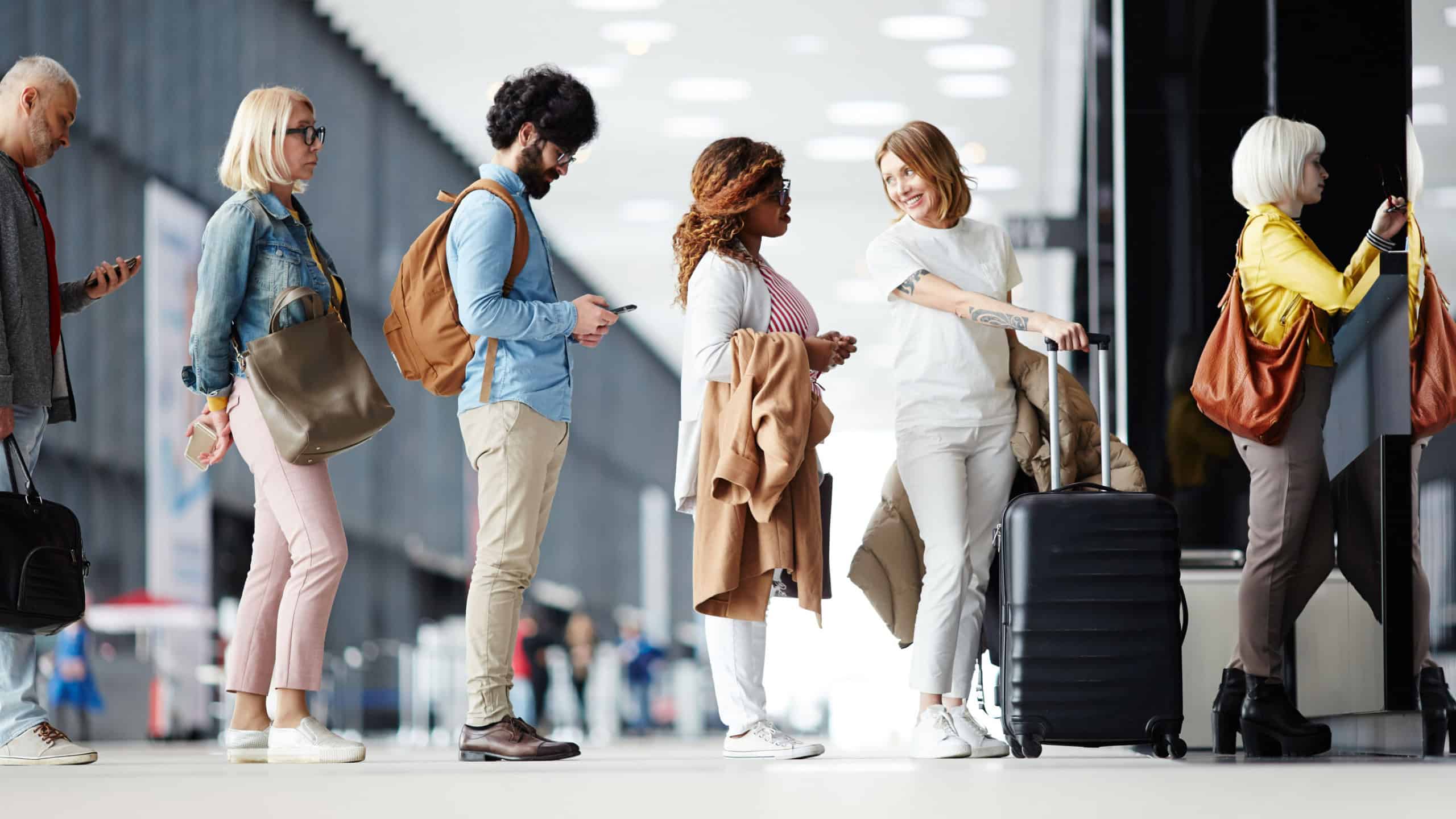
Every time a bus or train arrives, there’s an unspoken order that allows the transit system to operate at maximum efficiency. Stand to the side of the doors and allow passengers disembarking to clear the door completely before you even consider boarding.
After boarding, swipe your card quickly and move away from the doors toward the center of the car instead of crowding around the entrance.
Trash mixing

Environmental standards are ultra-high in Vancouver. Nothing irritates a Vancouverite more than seeing someone toss a half-full coffee cup directly into the garbage can.
Public disposal areas are multi-tier sorting systems and have separate compartments for food scraps, compost paper, recyclable plastic and landfill garbage.
Read the signs for five seconds, pour your leftover liquids into the sink, and sort your trash accordingly so you don’t spoil everyone else’s recycling.
Wildlife feeding

Whether throwing breadcrumbs to geese at Stanley Park, feeding pigeons on Granville Island, or leaving food out for raccoons, feeding urban wildlife is a huge problem locally.
It ruins the natural ecosystem, causes animals to become aggressive towards humans, and creates pest issues for the city. Admire these beautiful animals from afar, keep your snacks zipper-locked and don’t bait animals with food for a selfie.
Crowded aisles

Grocery stores, specialty Asian markets, and weekend farmers’ markets are crowded places where everyone is trying to shop quickly. Blocking a narrow aisle with your shopping cart while you read over options, or leaving your cart to wander away and grab something off a shelf, will cause instant traffic jams.
Stay close to the shelves with your cart and be aware of your surroundings. If you need to stop, pull over.
Speaker blasting
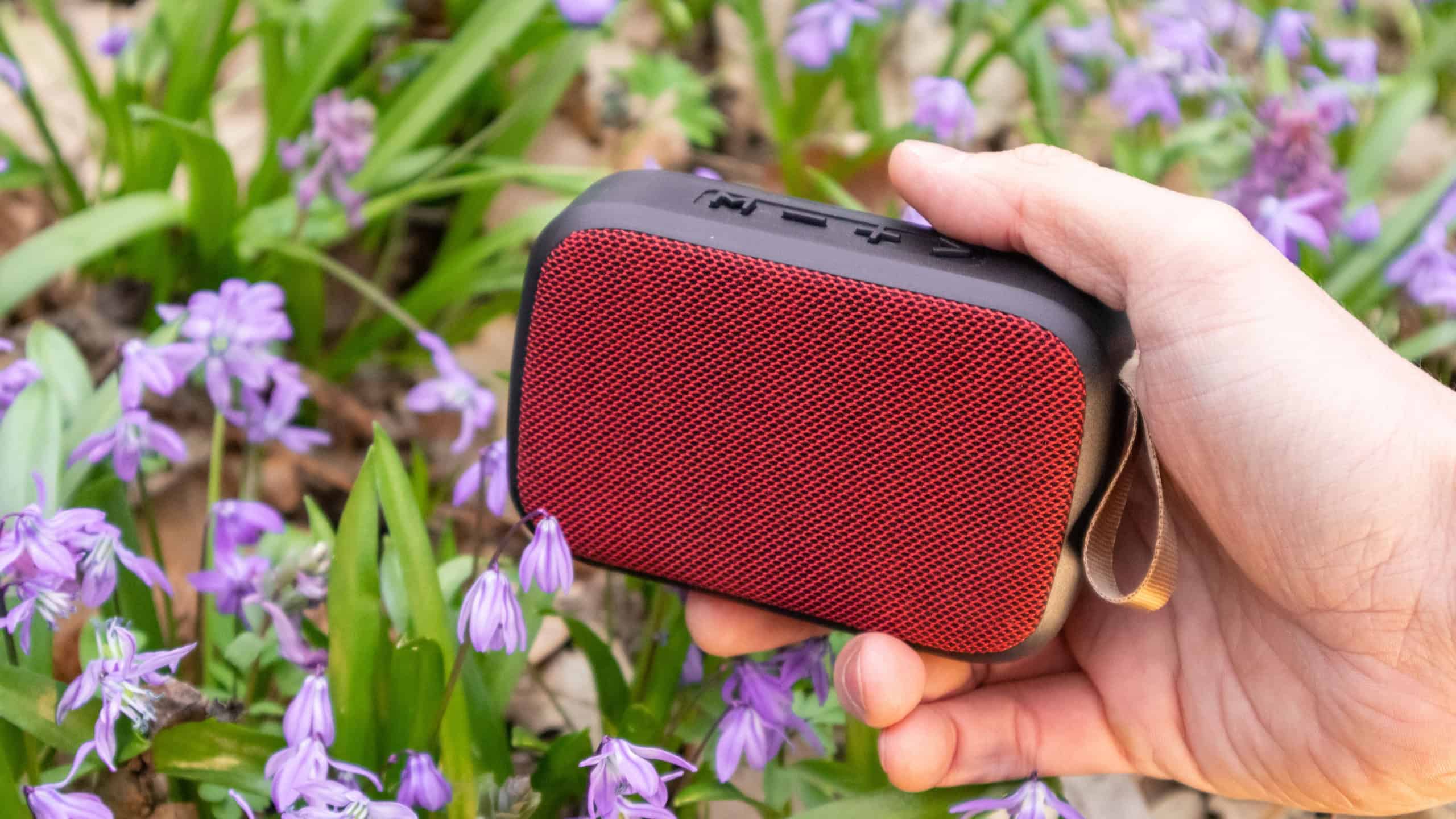
Scenic views like Kitsilano Beach or forest trails were made for people to enjoy themselves without distraction from modern life. Loudly listening to your favourite playlist on a portable Bluetooth speaker while frolicking in the sand or climbing a mountain peak is ruining it for others.
If you want to listen to music or podcasts outdoors, please use headphones so others can enjoy nature’s soundtrack.
Driving hesitation
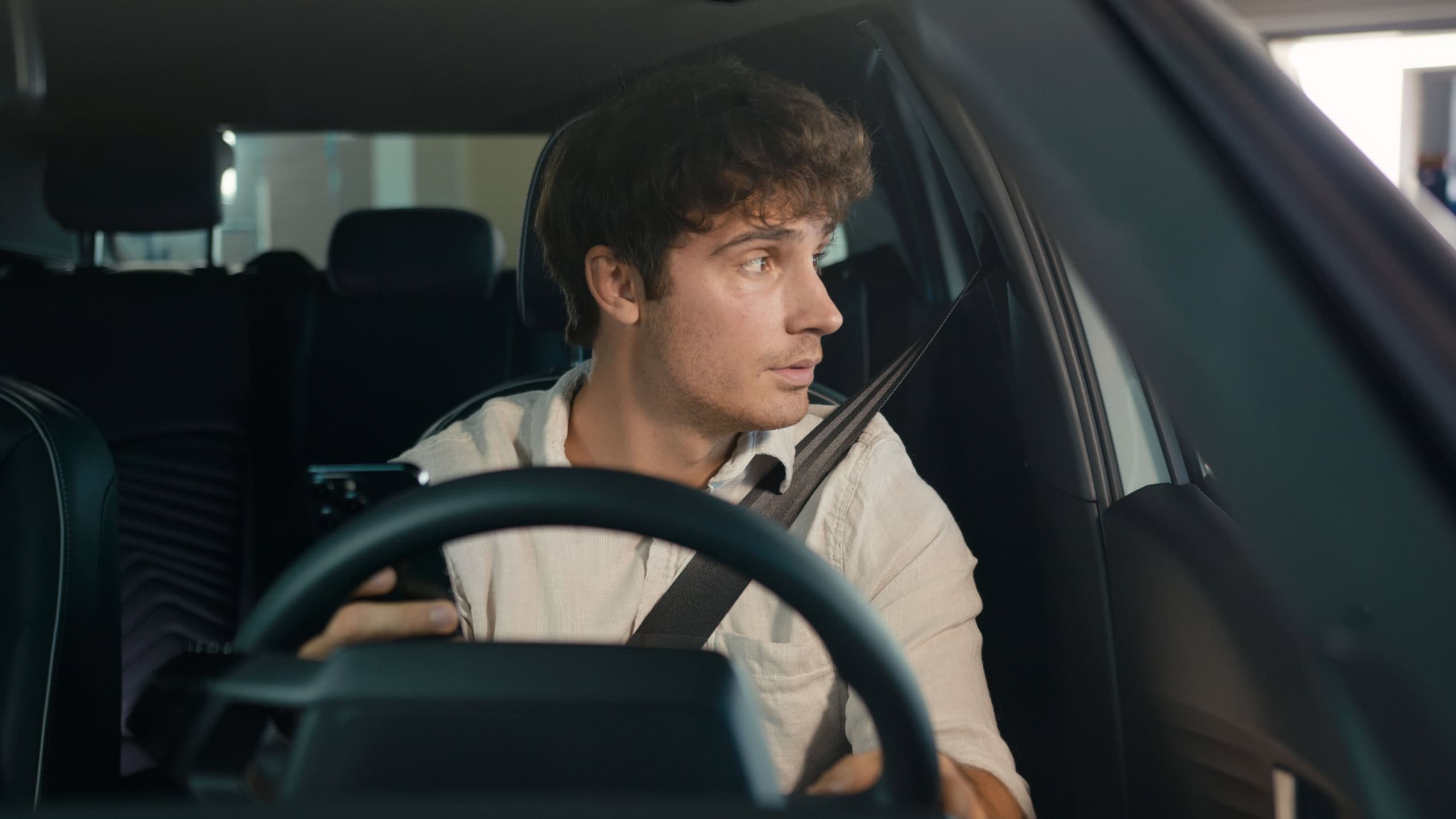
Driving in Vancouver can feel frustrating with tight lanes, lots of pedestrians and cyclists, and confusing bike lane signals. But hesitating too much behind the wheel makes the roads unsafe.
Creeping along looking for a street sign, slamming on your brakes without warning, or refusing to turn left on orange lights grinds traffic behind you to a halt. Plan your route before you start your car, pay attention and drive with assured confidence.
Like our content? Be sure to follow us.