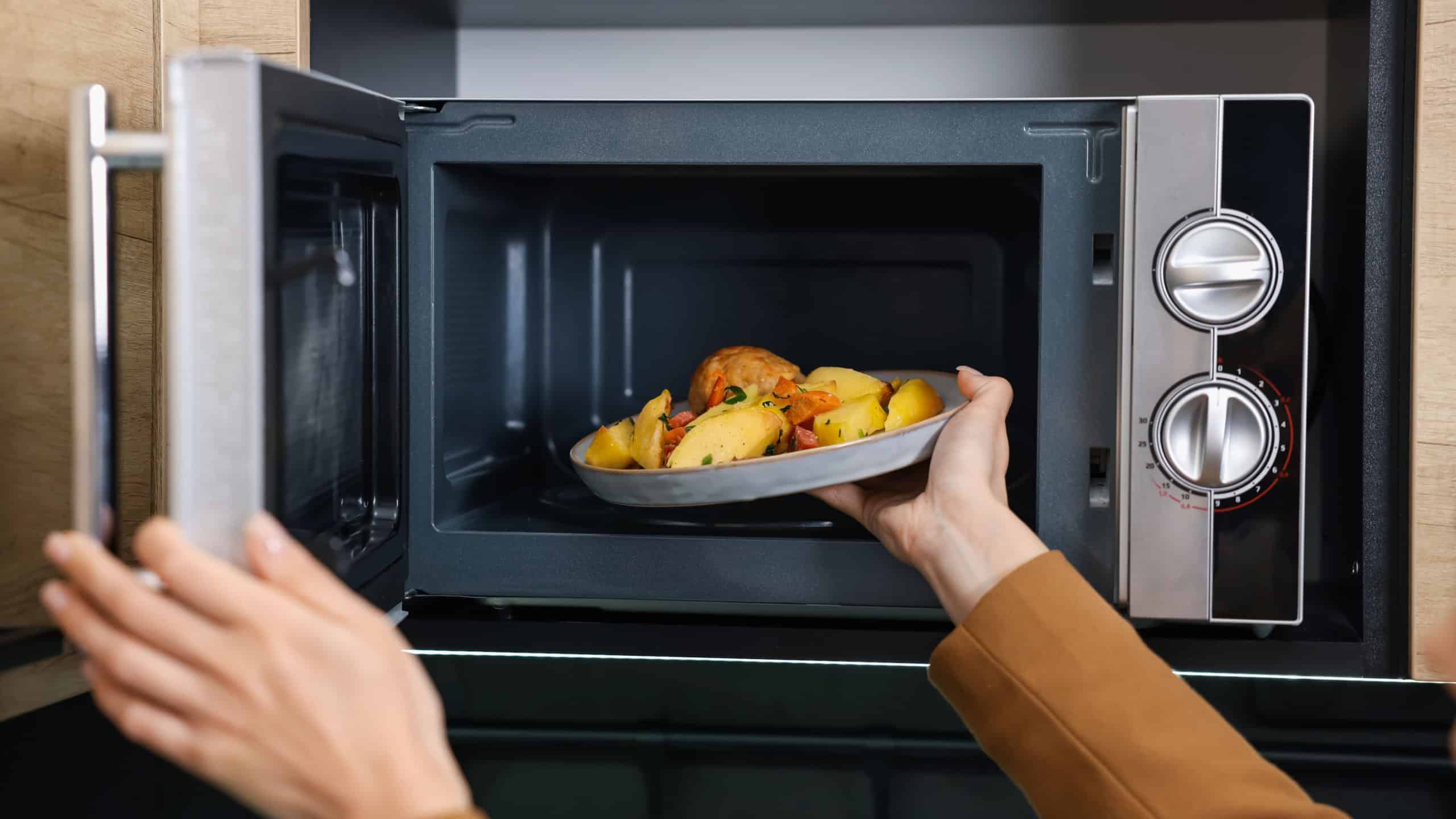
Here are a few foods that can react badly to microwave radiation, taste awful when reheated, or simply make a huge mess of your microwave.
Hard-boiled eggs
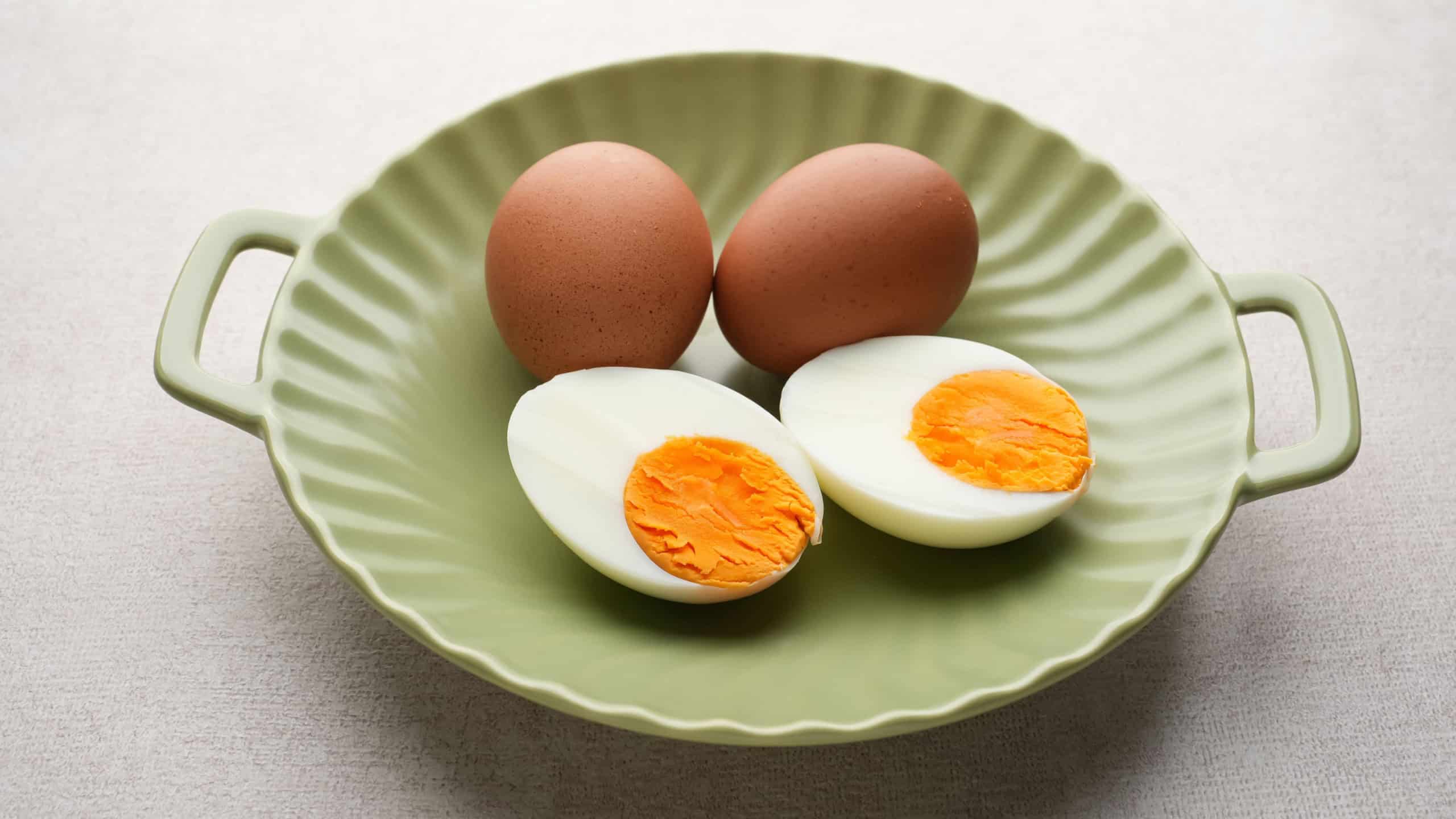
Microwaving a hard-boiled egg is a recipe for disaster. As the moisture inside the yolk becomes steam, it has nowhere to expand but out of the white and eventually the shell.
Pressure builds up quickly inside a hard-boiled egg and often explodes when you bite into it or try to cut it in half.
Processed meats
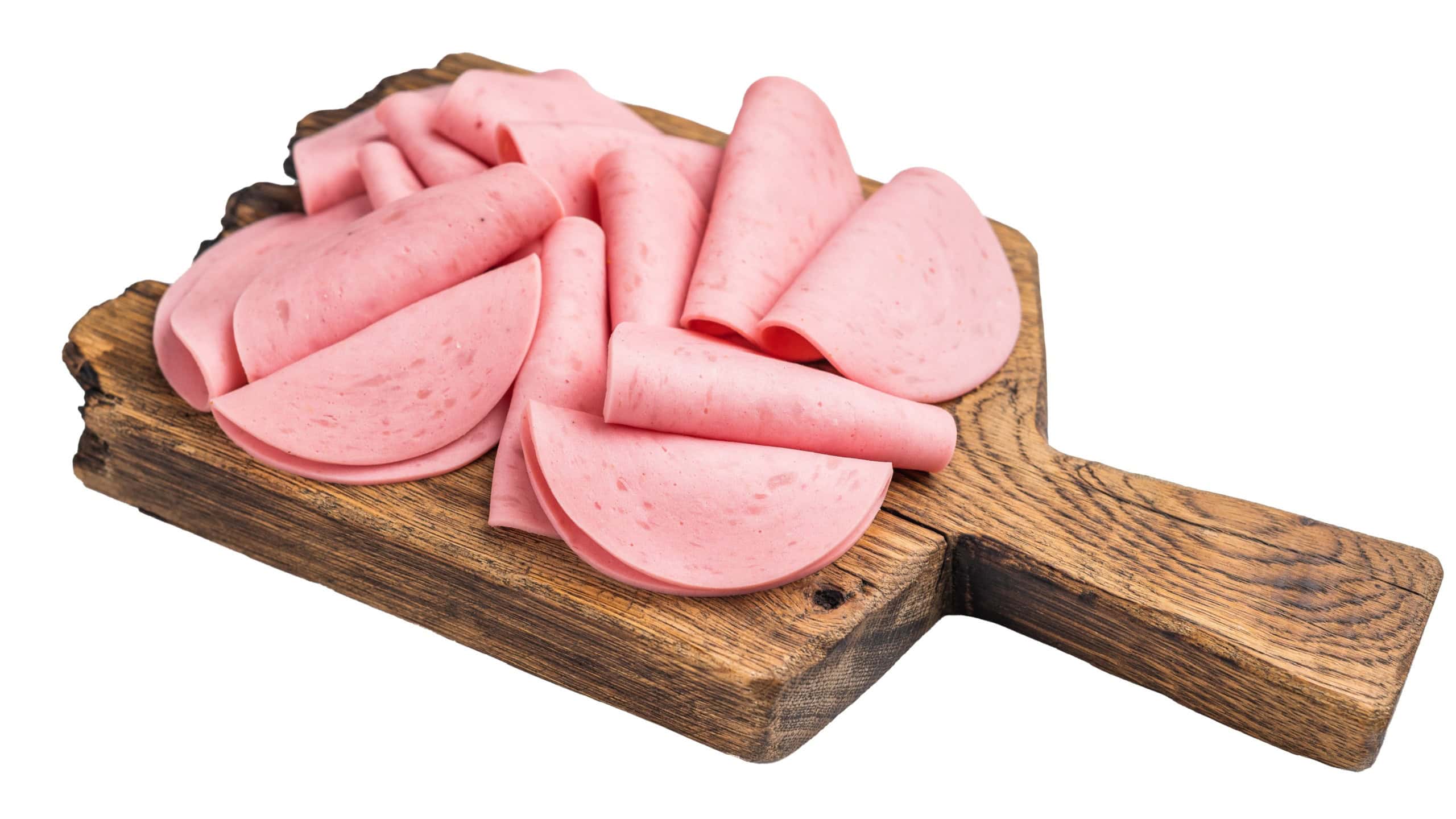
Hot dogs, bacon, lunch meat, and other processed meats are filled with preservatives and sodium. By blasting them with radiation, you speed up the oxidation of cholesterol in meat.
This creates cholesterol oxidation products (COPs), which have been linked to a higher risk of heart disease.
Celery, spinach, and beets
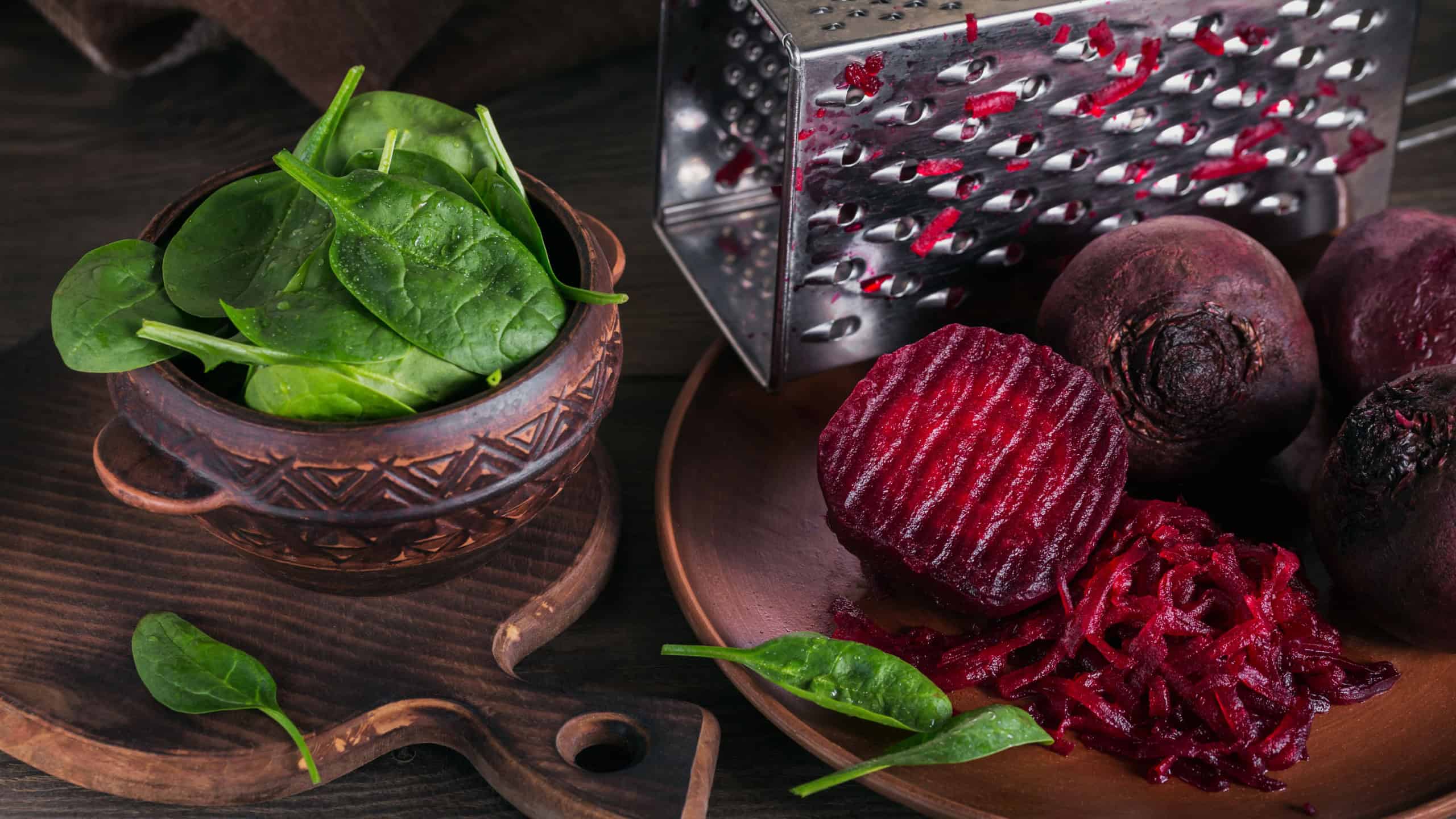
Celery, spinach, and beets contain high levels of natural nitrate compounds. Although harmless in its natural state, these nitrates turn into something you don’t want to ingest when zapped with microwave radiation.
The intensely hot environment can turn nitrate into nitrites, then nitrosamines, which are carcinogenic.
Potatoes
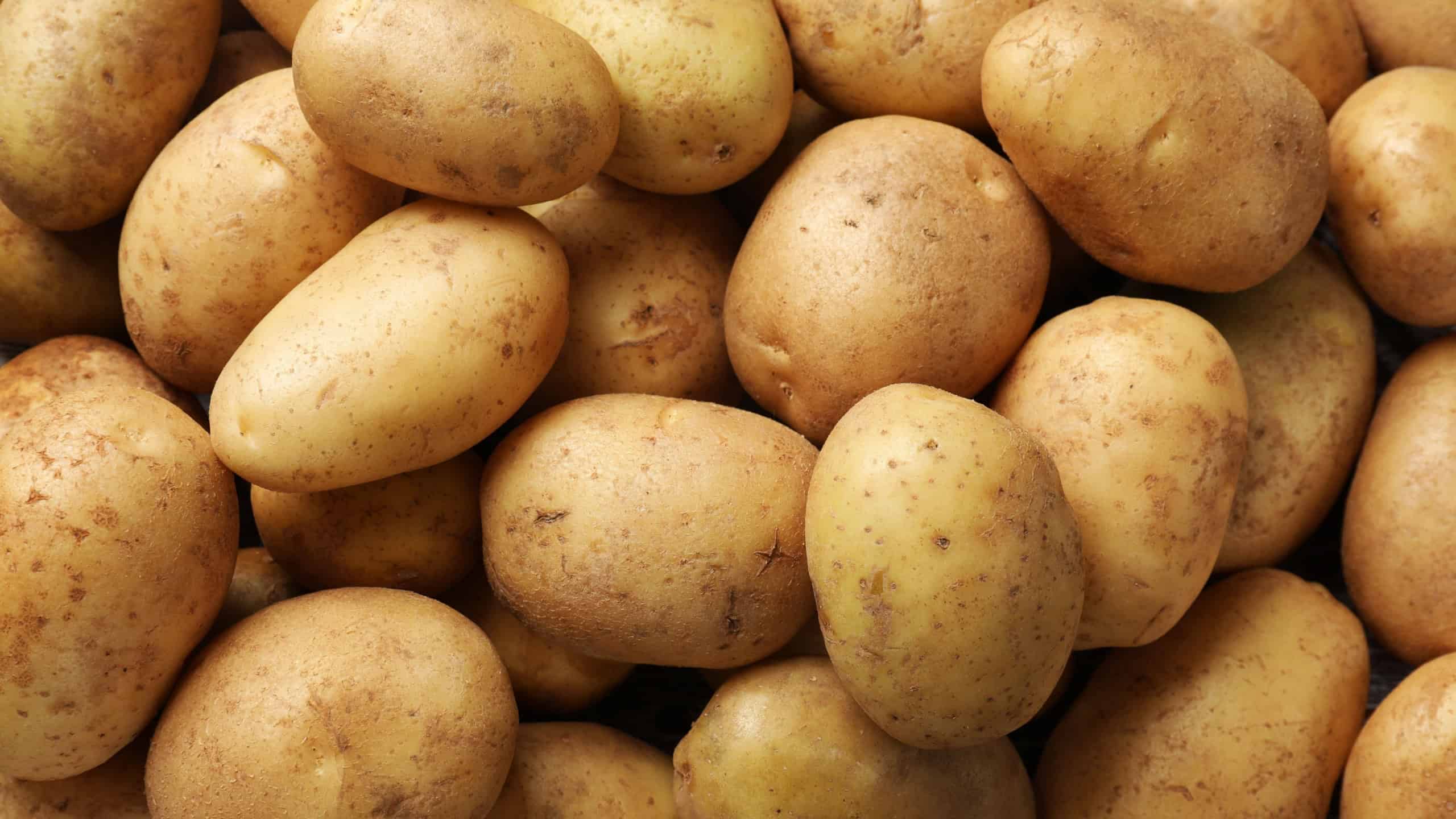
Wrapping potatoes in foil and sticking them in the microwave is simply asking to start a fire.
Microwaving potatoes without foil is tricky as well. If potatoes are improperly stored after their first cooking process, they can develop a bacterium known as Clostridium botulinum, which causes botulism.
Heating them up again in the microwave won’t kill the spores because it won’t get hot enough. Use a stove to heat over 85 degrees celcius for at least 5 minutes.
Mushrooms

If you’ve ever tried to reheat mushrooms, you know how disgusting they can be. Mushrooms have a weak protein structure that decomposes rapidly after heating.
Microwaving mushrooms will cause them to become chewy, gooey, or slimy.
Many people can’t digest reheated mushrooms either. If you cook with mushrooms, make sure to eat them right away or add them to a cold salad.
Chicken

Chicken contains high amounts of protein. Just like mushrooms, reheating chicken causes the proteins to become altered from their original state. This change in texture can cause major stomach aches.
Also, since raw chicken carries salmonella, you need to make sure that your chicken is evenly distributed and receives high heat to kill the bacteria.
Rice
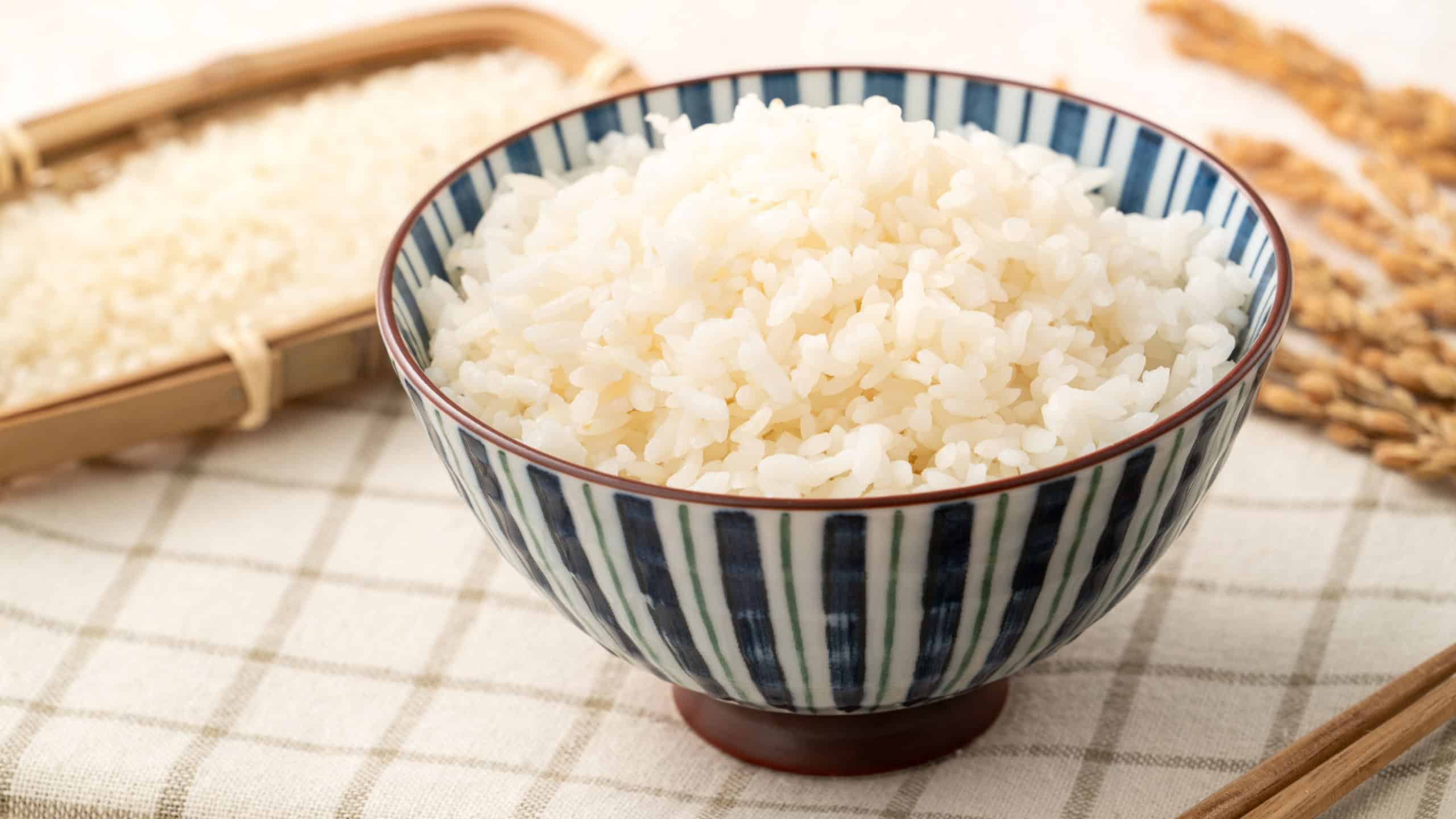
Here’s something you probably didn’t know. Uncooked rice can contain microscopic spores of the bacterium Bacillus cereus. If you let your rice sit out at room temperature after cooking it, those spores will grow.
Microwaving your rice might kill the bacteria, but not the toxins they produce that actually cause food poisoning. Do not reheat and eat rice that sat out for over 2 hours, eat old rice within 24 hours.
Hot peppers
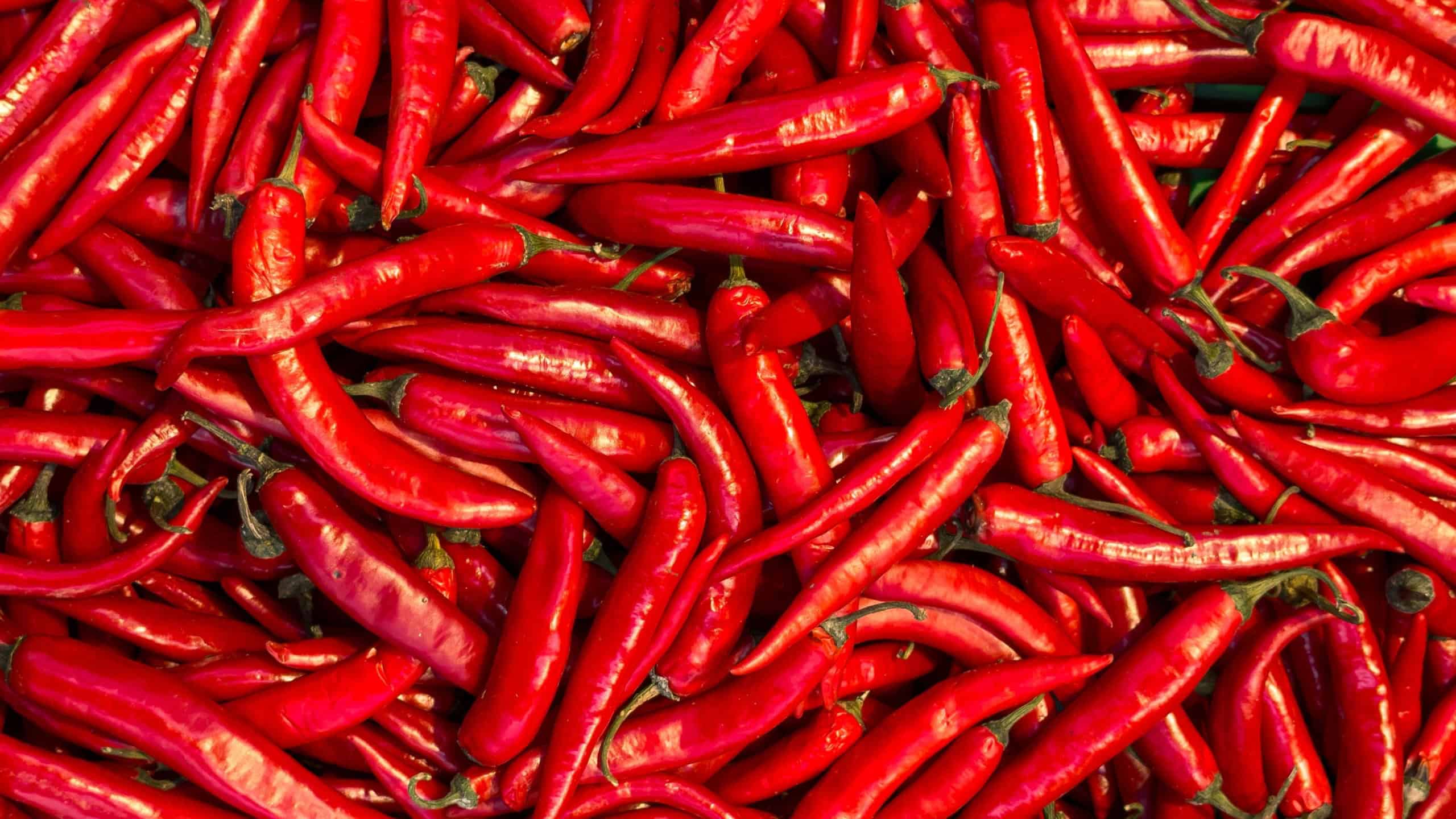
Hot peppers contain a chemical called capsaicin. This chemical gives the pepper its flavor, but when heated in the microwave, it will combust into gas form.
When you open up the microwave door after heating your peppers, you might want to think twice. The natural chemicals from the pepper will burn your eyes and throat like a raging pepper spray attack.
Fruits
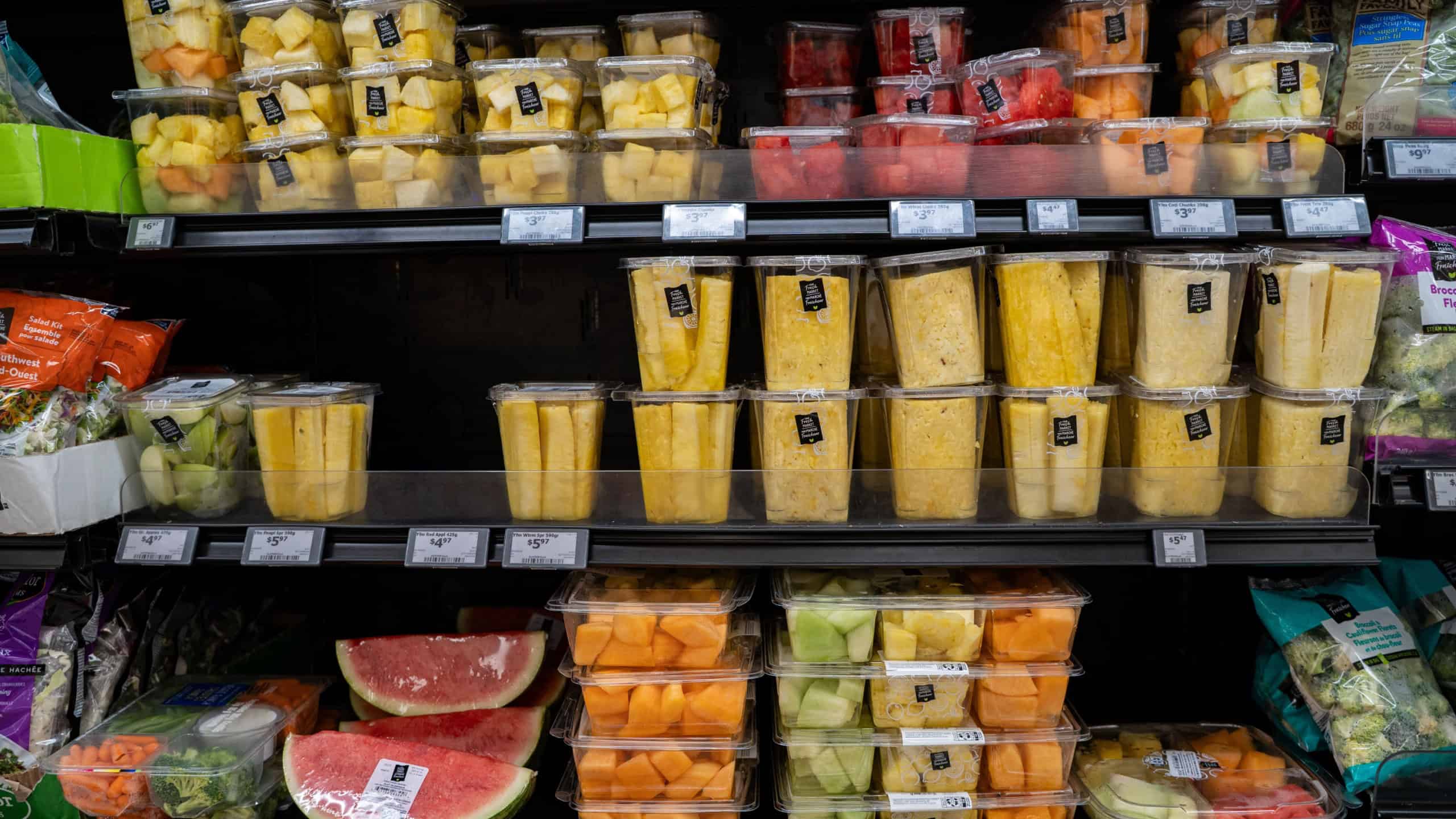
Most fruit should not go in the microwave. Any food with high water content can cause electrical currents when microwaved. As the water begins to heat up, it forms plasma and can damage the inside of your microwave.
Soft fruits will also just liquify into a scalding hot fruit soup.
Breast milk
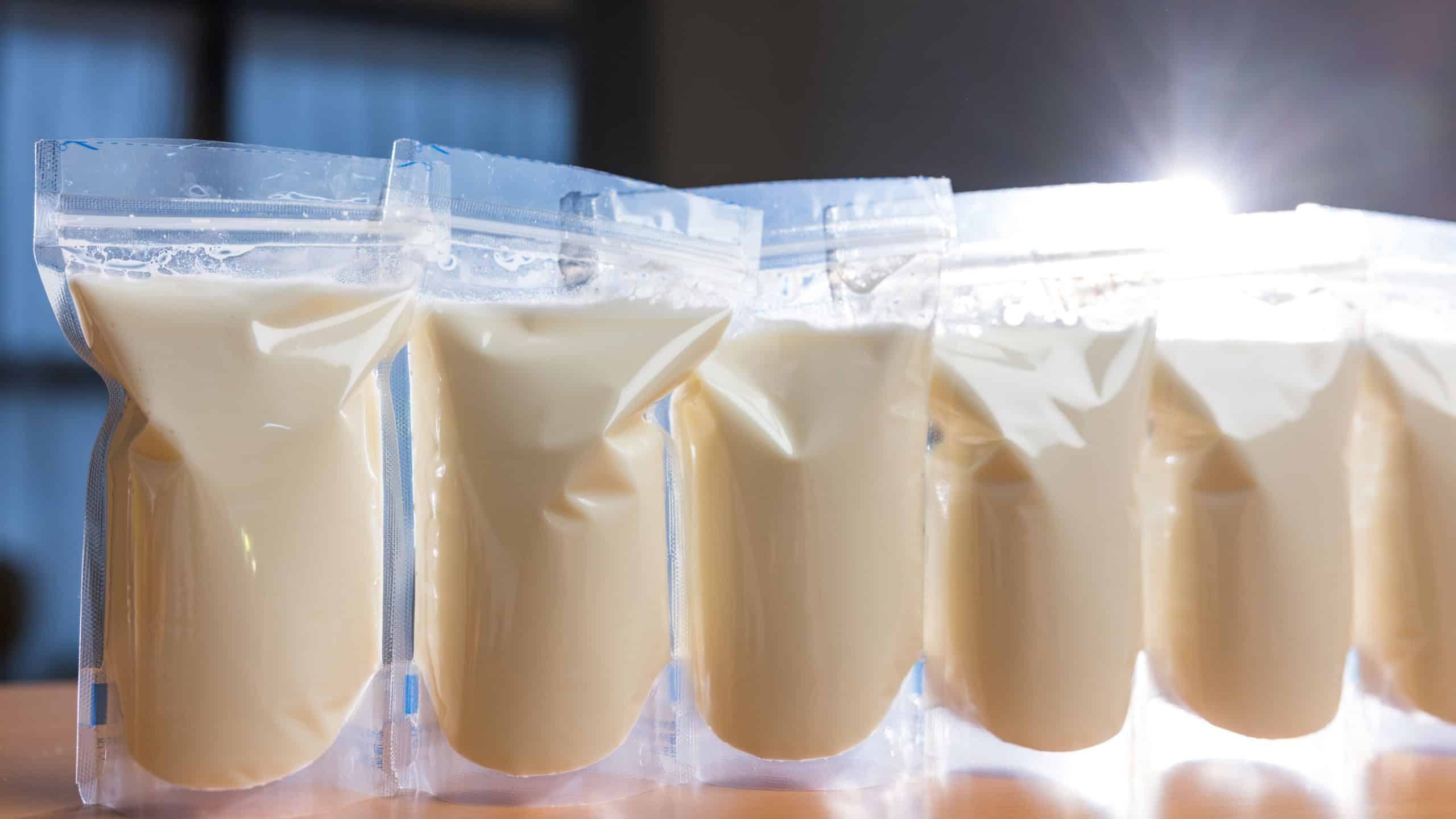
Many moms don’t realize that microwaving baby formula or breast milk isn’t a good idea. Microwaves heat liquids unevenly and can create hot pockets of milk that will burn your baby’s mouth and throat.
Babies can’t tell how hot something is by touching it with their lips, so they may not realize the bottle is too hot to consume. Use a warm water bath instead.
Tomato-based sauces
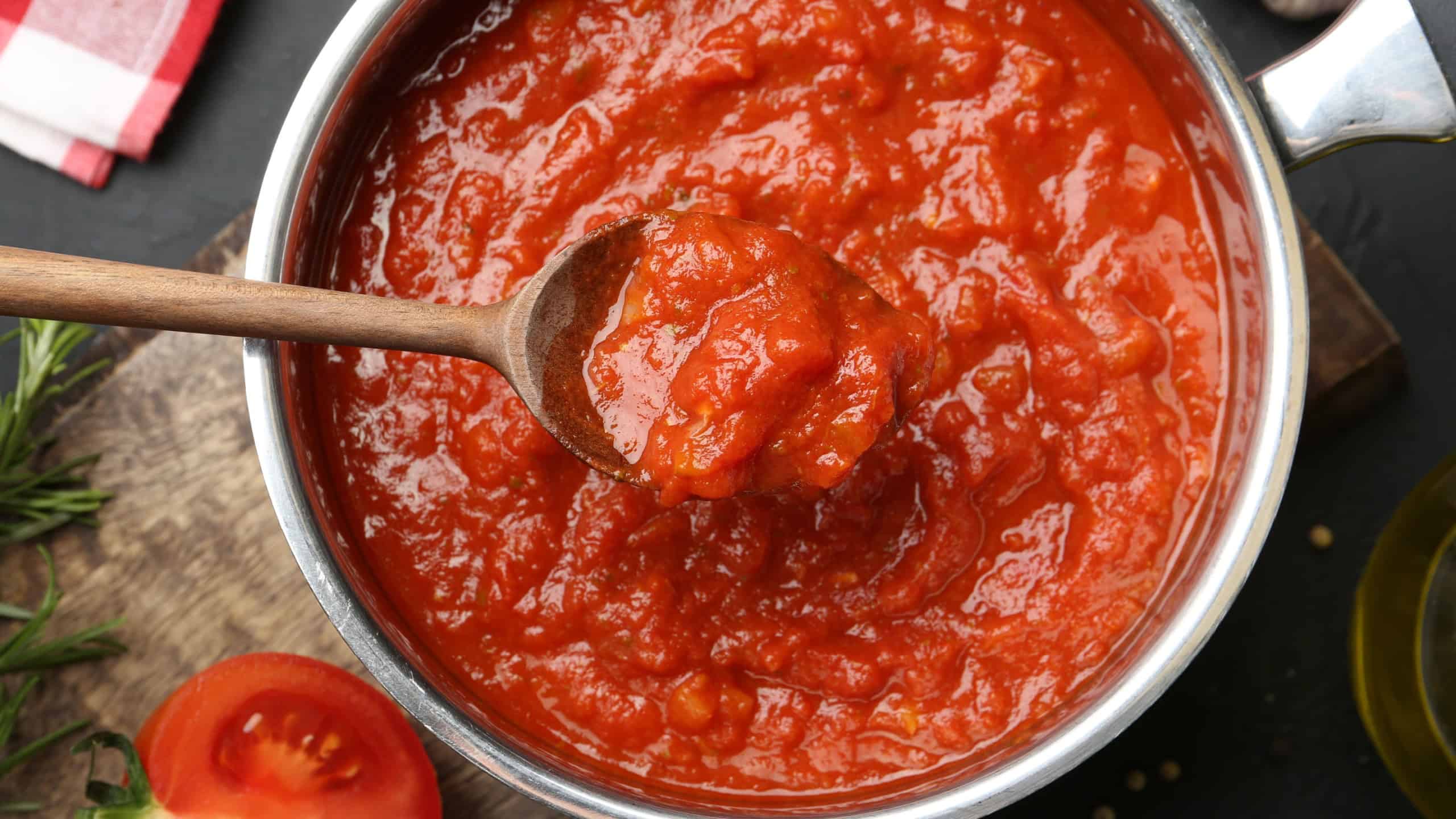
Tomato sauces, such as pasta sauce, can cause more problems than just burning your microwave. Tomato sauces are quite thick and dense, which makes it hard for heat to penetrate the center.
When you microwave tomato sauce, steam bubbles will begin to form on the bottom of the container and grow larger until they burst. Now all that built-up sauce has no place to go but up.
Sources: Please see here for a complete listing of all sources that were consulted in the preparation of this article.